

 Slovenská verzia
- home
- Fruits - general part
- Miscellaneous fruit
- Honeysuckle
Honeysuckle
It is a deciduous shrub growing to a height of 1.5–2.0 m.
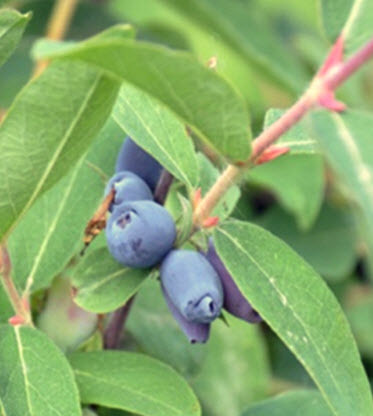
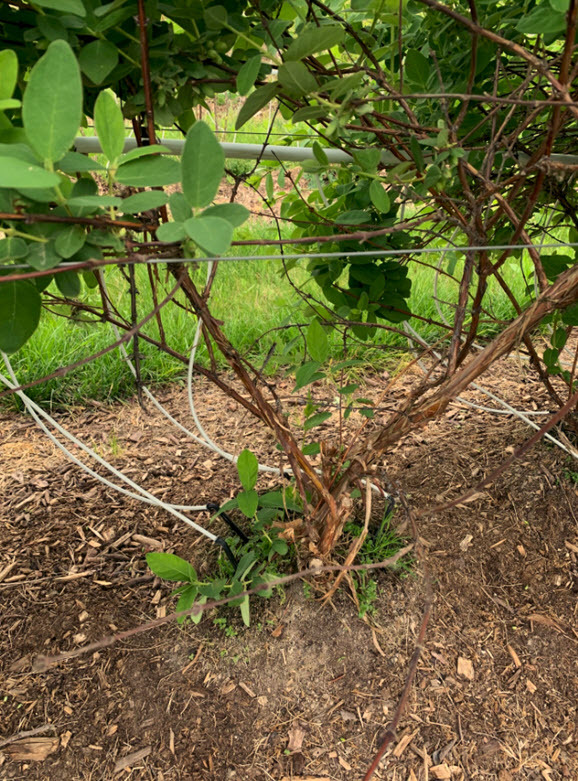
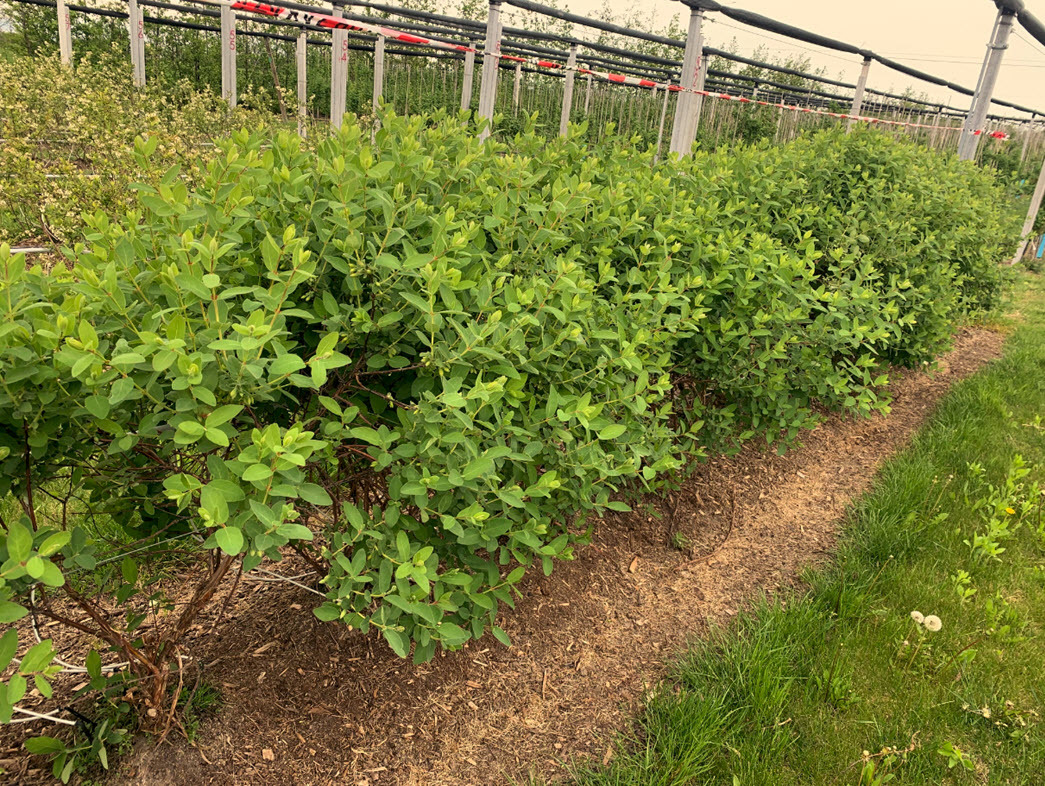
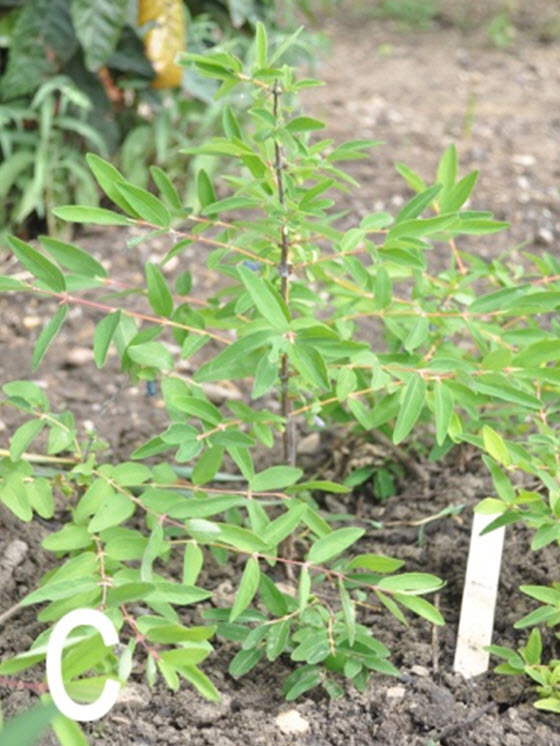
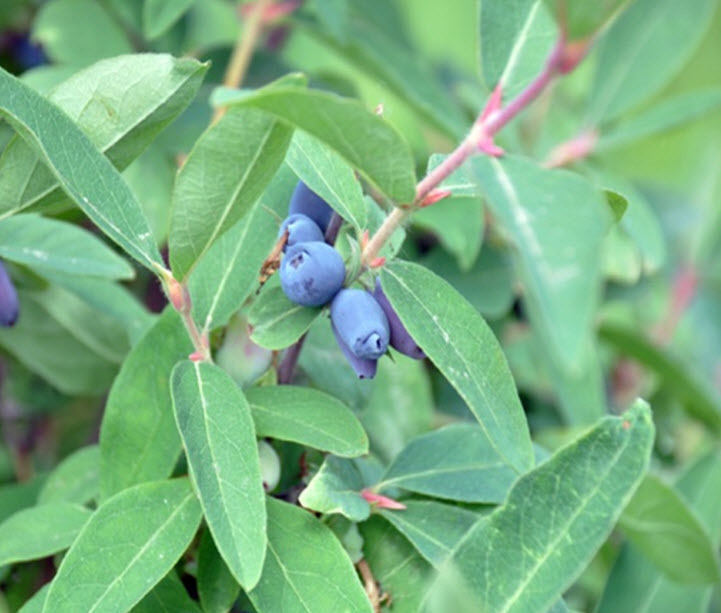
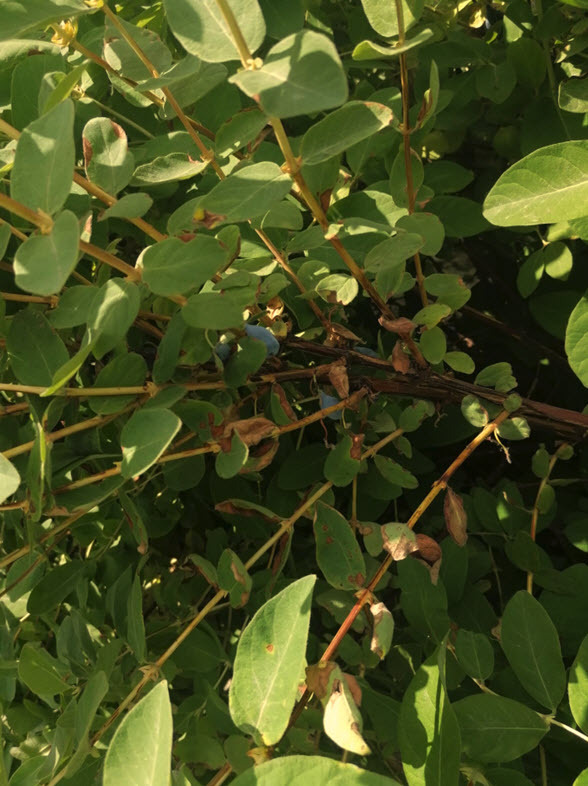
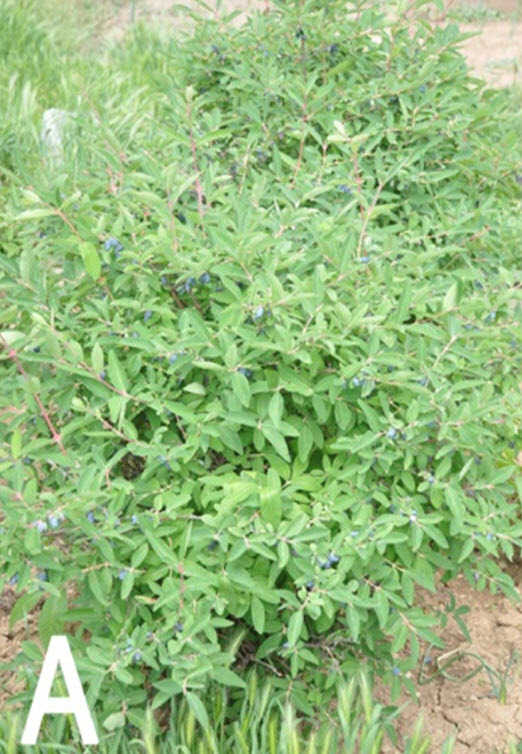
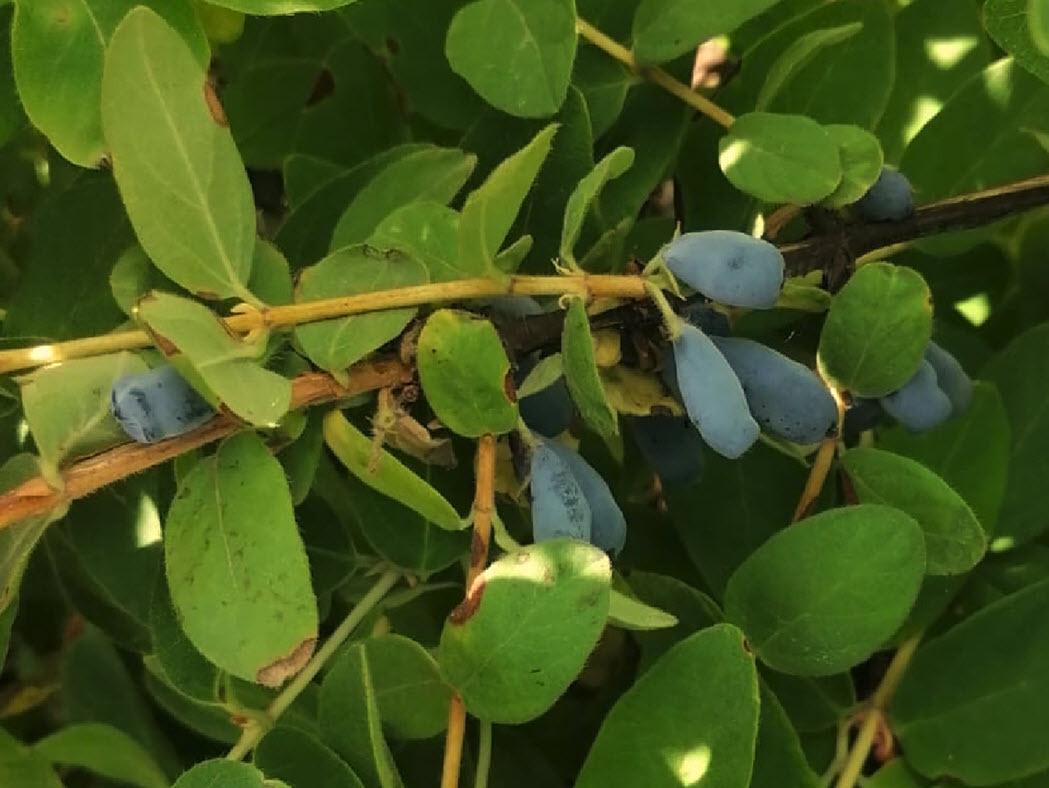
Short description of the species
Interesting
Zdraviu prospešné vlastnosti bobúľ zahŕňajú ochranné účinky proti kardiovaskulárnym a neurodegeneratívnym ochoreniam, osteoporóze, cukrovke 2. typu, anémii, ako aj antimikrobiálne, antikarcinogénne a protizápalové pôsobenie.Usage
Bobule zemolezu môžeme zaradiť do skupiny tzv. „superovocia“. Vďaka značnému obsahu bioaktívnych zlúčenín zvyšujúcich antioxidačný potenciál majú plody zemolezu a výťažky z listov, kvetov a konárov mnoho prospešných zdravotných vlastností, vrátane antioxidačných, protirakovinových, antibakteriálnych, antivírusových, antiseptických, protizápalových a antialergických.Suitable growing locations
In our country, they belong to the least demanding types of fruit for growing conditions. It grows well both in the lowlands and at higher altitudes. Due to its low requirements for heat and short growing season, it is very suitable for medium and higher mountain areas of Slovakia. We can plant it even in frost basins as it is extremely frost-resistant, it can withstand frosts of up to -45°C in wood, and -7°C in flower without damage. Less fertile soils with a slightly to moderately acidic reaction are optimal. Sandy, sandy-loamy and loamy soils with sufficient humus are suitable.
Growing technology
Starts bearing already in the second year after planting. It is a long-lived plant and can bear fruit for up to 30 years. Shrubs that are 20 to 25 years old may die or produce less, but regular treatments such as pruning and removing older stems and branches can help the plant grow back. It is cross-pollinated, therefore an important prerequisite for its reliable fertility is the selection of at least two suitable varieties. For planting, we will use pre-grown plant material that is at least one year old, delivered with a well-rooted soil pack. The optimal planting clip for most varieties is 2.5x1 m. After removing the earthworm seedlings from the container or from the soil in the nursery, we plant them on a permanent site 3-4 cm deeper. After planting the shoot (shoot), we do not cut or shorten it. Due to the fact that the earthworm begins to grow in early spring, the optimal planting date is autumn. However, plants in containers can be planted all year round, with the exception of winter when the ground is frozen. It is grown in the form of kra. In the following years, before the onset of vegetation, we shorten the young shoots in order to achieve a solid base of the kraft. In adulthood, the cut focuses on cutting out old, diseased and damaged branches and branches that over-thicken the bush. It is not demanding on irrigation and fertilization, but during the period of fruit growth it responds very well to it by increasing the yield. The second fertilization is carried out in the summer to support the growth and maturation of young shoots
Suitable varieties
Of the Slovak varieties, Altai and Amur are suitable, of foreign varieties, for example Aurora, Sinoglaska, Vostorg, Wojtek, Zojka, or Borealis.
Diseases and pests
diseases: leaf blight, powdery mildew, sooty
pests: aphids
Labeling Plants with QR Codes
At the Faculty of Horticulture and Landscape Engineering at SPU in Nitra, we've created a project that offers visitors to our plantings a new way to discover the beauty and intriguing aspects of plants. Each plant in our plantings has its own unique QR code. All a visitor needs to do is scan this code with their smartphone.
Encyclopedy
Informácie
Kontakt
Fakulta záhradníctva a krajinného inžinierstva
Tulipánová 7, 949 76 Nitra
phone +421 (37) 641 4229 — study department
email henrieta.budayová@uniag.sk



Copyright © 2026 Faculty of Horticulture and Landscape Engineering