

 Slovenská verzia
- home
- Vegetable crops
- Fruit vegetables
- Winter squash
- Winter sqash
Winter sqash
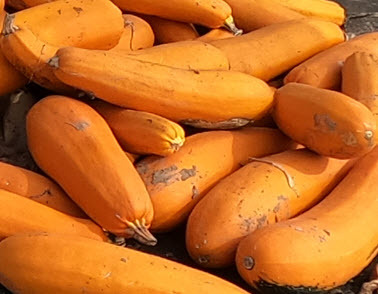
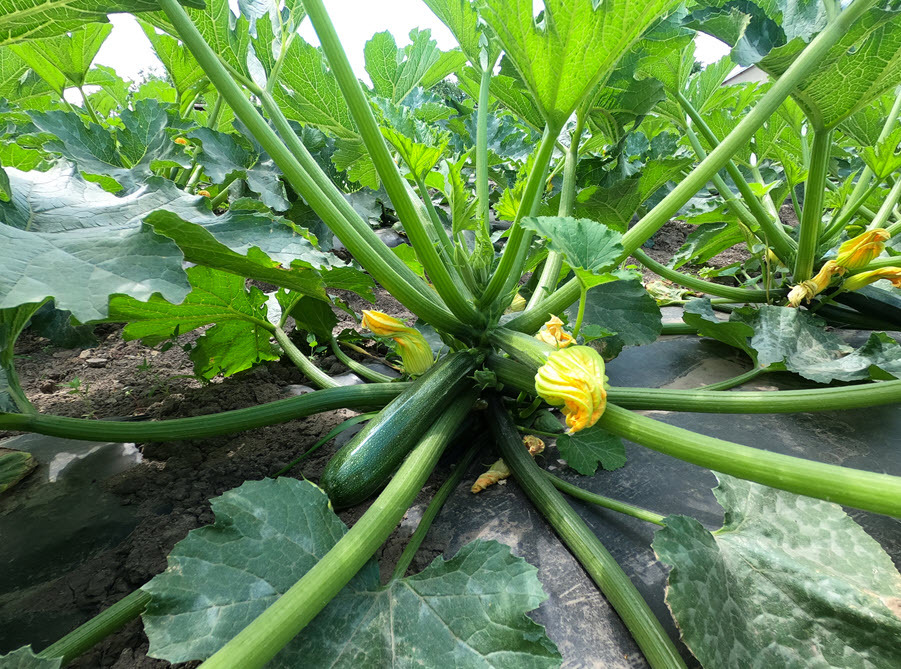
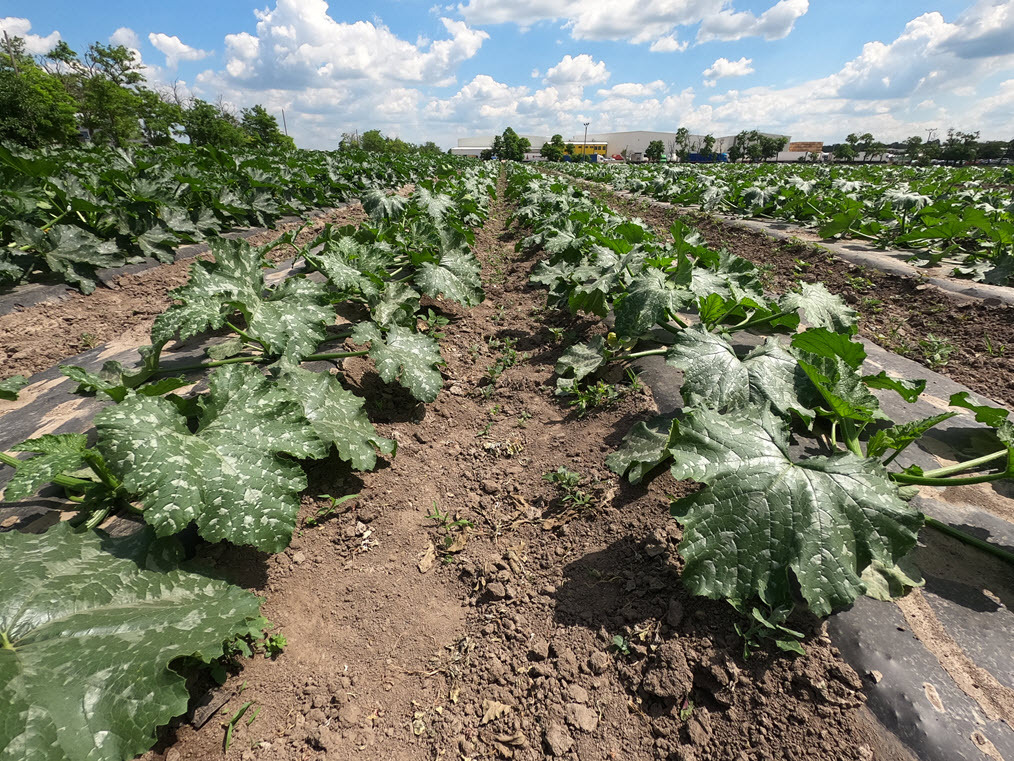
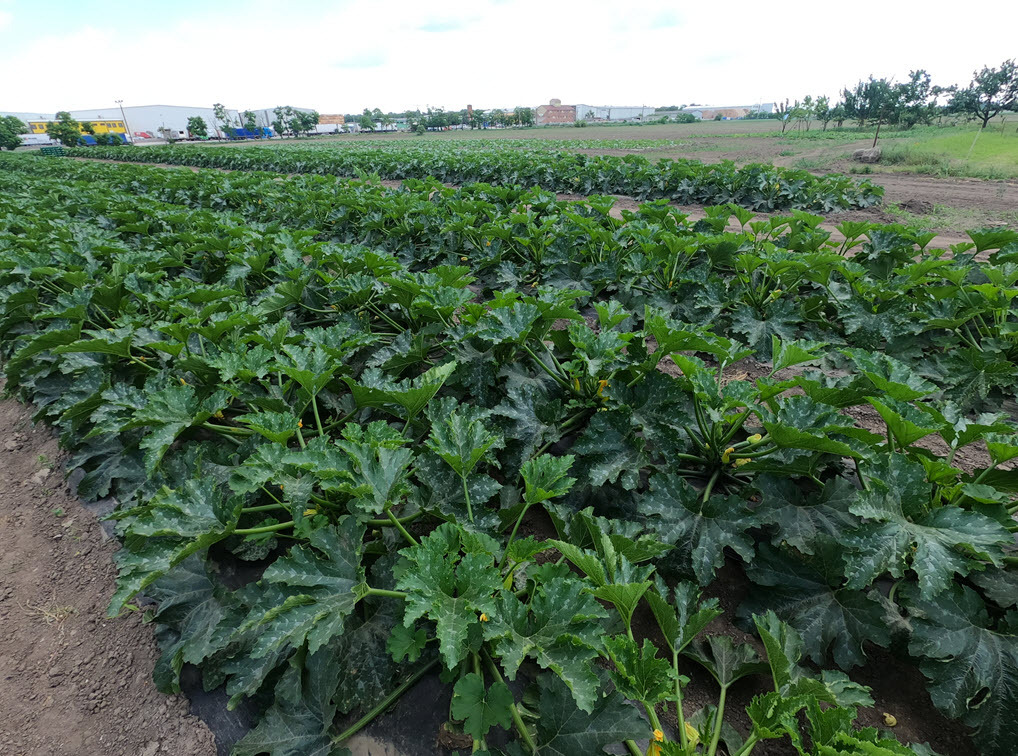
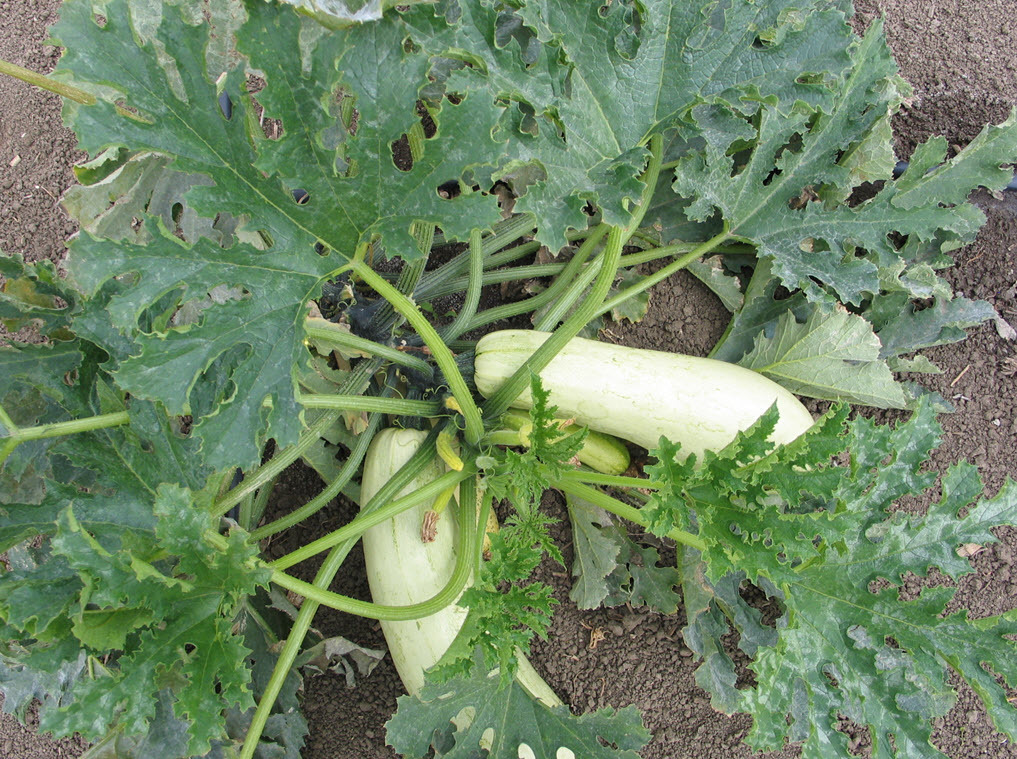
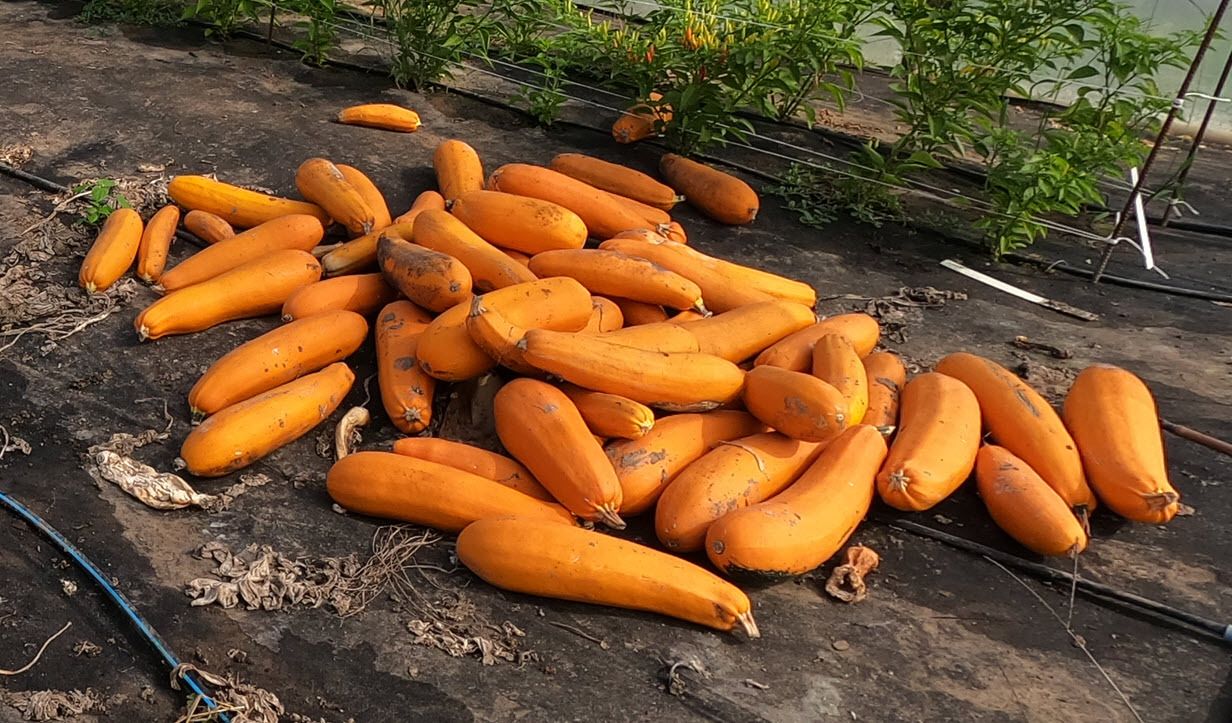
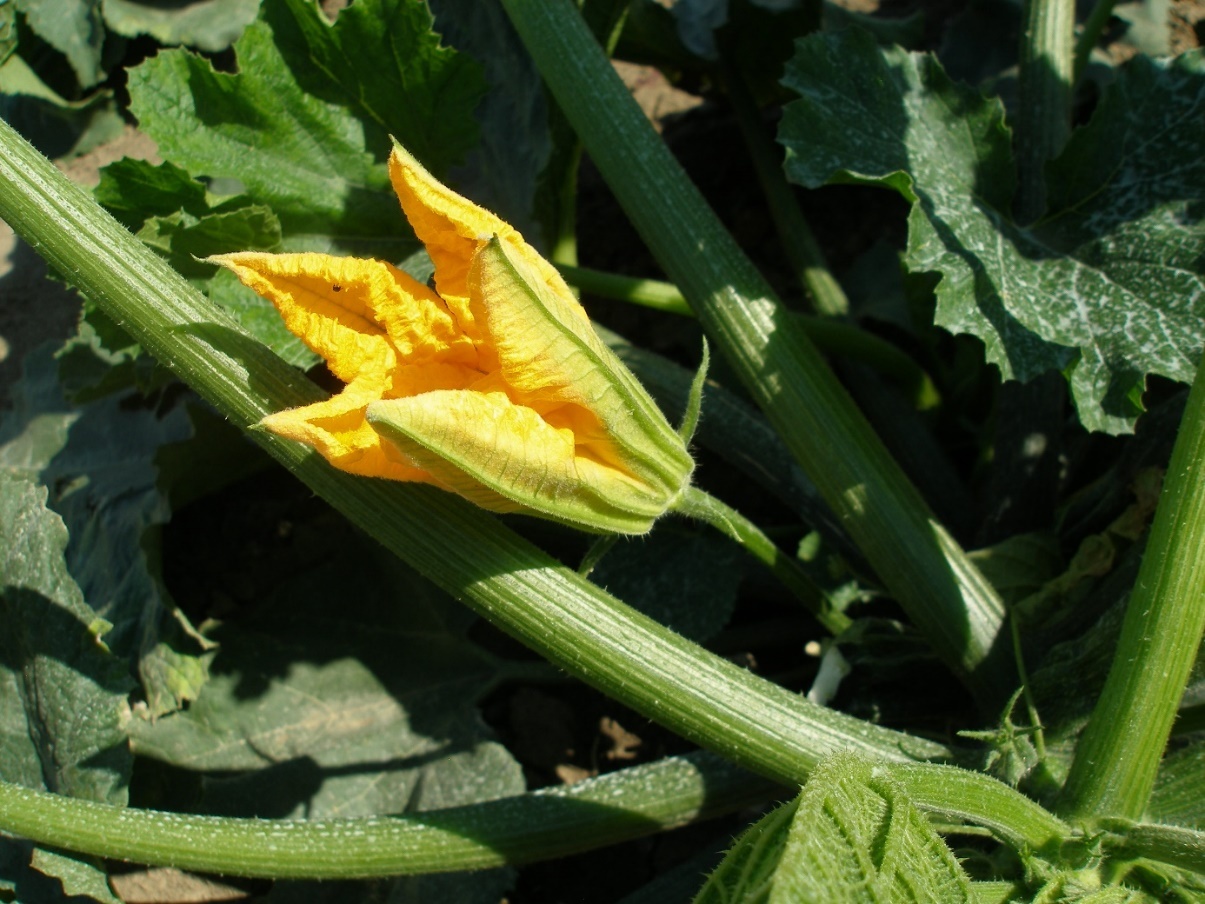
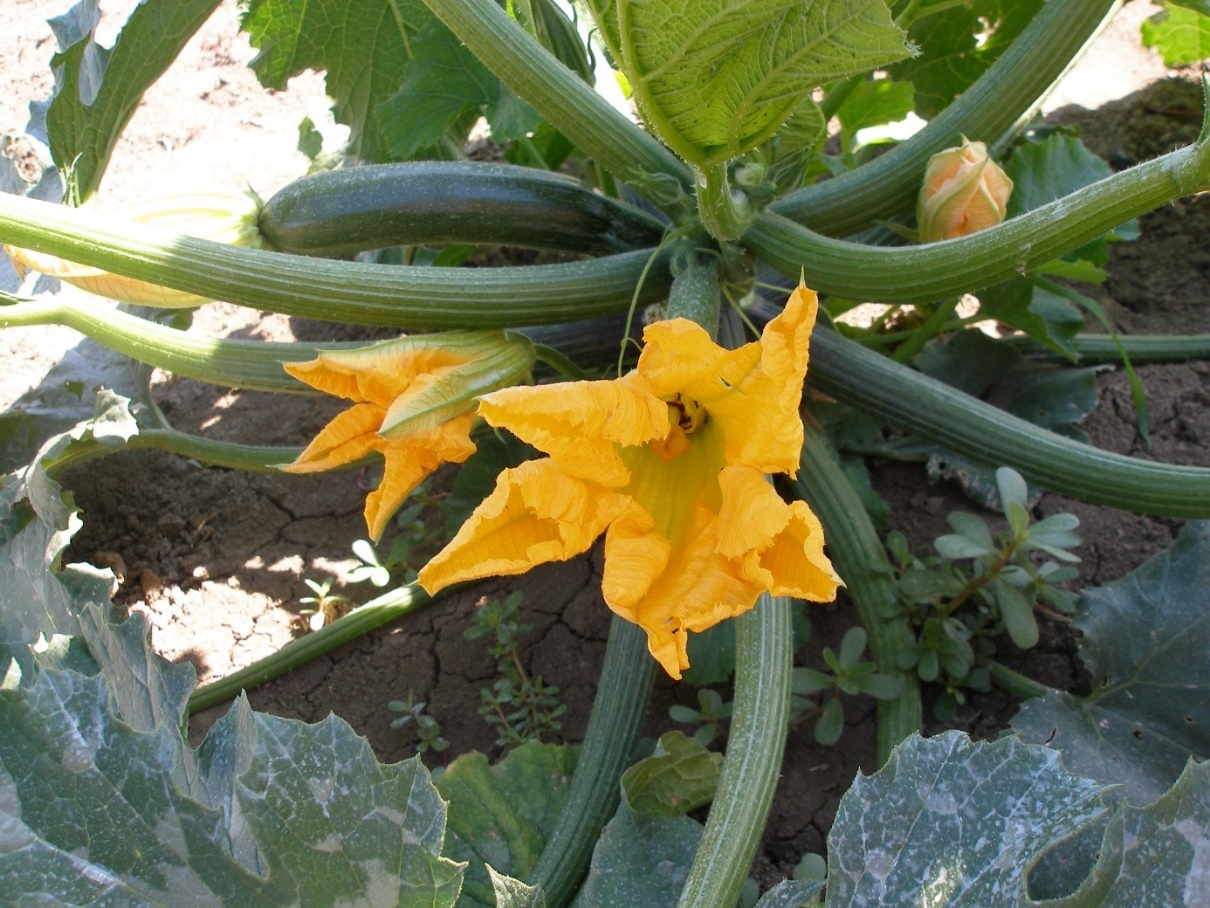
Short description of the species
Interesting
Heat-treated flowers or young unripe fruits are also edible.Usage
heat-treated flesh of fruits in botanical maturity in the form of creamy soups, purees, sauces, stews, baked, grilled, in the form of compote or various sweet dishesInclusion in the sowing process and fertilization requirements
- track: I.
- suitable pre-crops: cereals, legumes, clovers; we do not classify by species from the Cucurbitaceae family
- fertilization: 40-50 t of farmyard manure.ha-1; Nutrient removal by yield of 1 t of pumpkin fruits: 1.80 kg N; 0.60 kg P; 2.60 kg K; 2.00 kg Ca; 0.48 kg Mg; 0.40 kg S.
- Varieties: Varieties of the common pumpkin are included in the so-called variety groups:
- I. gr. Pepo - fodder pumpkin, field pumpkin, compote pumpkin-
- II. gr. Microcarpina – ornamental pumpkins -
- III. gr. Giromontiina – asparagus squash, courgettes (zucchini, squash) -
- IV. gr. Patisonina - patisons -
- V. gr. Styria - oil pumpkin
Agrotechnics of growing and harvesting
propagation: generative
spacing: 1.5 m x 0.4 - 0.7 m (zucchini, squash), 2 m x 1 m (oily pumpkin)
harvest:
- the fruits of courgettes and patisons are harvested gradually by sorting at technical maturit
- the fruits of decorative pumpkins are harvested gradually by sorting them at botanical maturity
- gourd fruits are harvested once when they are botanically ripe
Cultivation agro-technique - bed method (directly into the soil)
| Month | I. | II. | III. | IV. | V. | VI. | VII. | VIII. | IX. | X. | XI. | XII. |
|---|---|---|---|---|---|---|---|---|---|---|---|---|
| Sowing | X | XXXX | ||||||||||
| Harvest/fruits – (zucchini, squash) | XX | XXXX | XX | |||||||||
| Harvest/ fruits (ornamental pumpkins) | X | XXXX | XX | |||||||||
| Harvest/fruits (pumpkin) | XX | XX |
Agricultural cultivation techniques - from transplants (zucchini)
| Month | I. | II. | III. | IV. | V. | VI. | VII. | VIII. | IX. | X. | XI. | XII. |
|---|---|---|---|---|---|---|---|---|---|---|---|---|
| Sowing (civered areas) | XXX | |||||||||||
| Planting | X | X | ||||||||||
| Harevest | XXX | XXXX | X |
Storage
- fruits with stalks are stored for 10 days at a temperature of 8-13 °C and air humidity of 70-75%
Usage
- heat-treated flesh of fruits in botanical maturity in the form of creamy soups, purees, sauces, stews, baked, grilled, in the form of compote or various sweet dishes. Heat-treated flowers or young unripe fruits are also edible.
Diseases and pests
- fungal diseases: cucumber powdery mildew (Golovinomyces cichoracearum; white rot of cucumbers (Sclerotinia sclerotiorum)
- viral diseases: cucumber mosaic virus
- pests: hop mite (Tetranychus urticae)
Labeling Plants with QR Codes
At the Faculty of Horticulture and Landscape Engineering at SPU in Nitra, we've created a project that offers visitors to our plantings a new way to discover the beauty and intriguing aspects of plants. Each plant in our plantings has its own unique QR code. All a visitor needs to do is scan this code with their smartphone.
Encyclopedy
Informácie
Kontakt
Fakulta záhradníctva a krajinného inžinierstva
Tulipánová 7, 949 76 Nitra
phone +421 (37) 641 4229 — study department
email henrieta.budayová@uniag.sk



Copyright © 2026 Faculty of Horticulture and Landscape Engineering