

 Slovenská verzia
Tomato
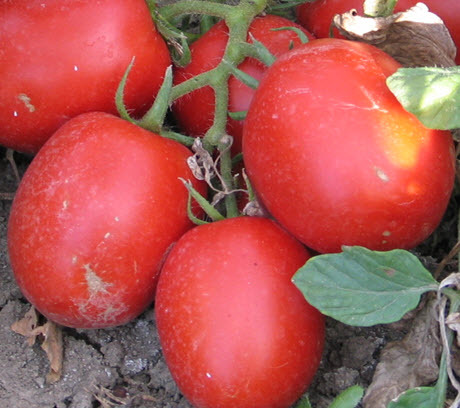
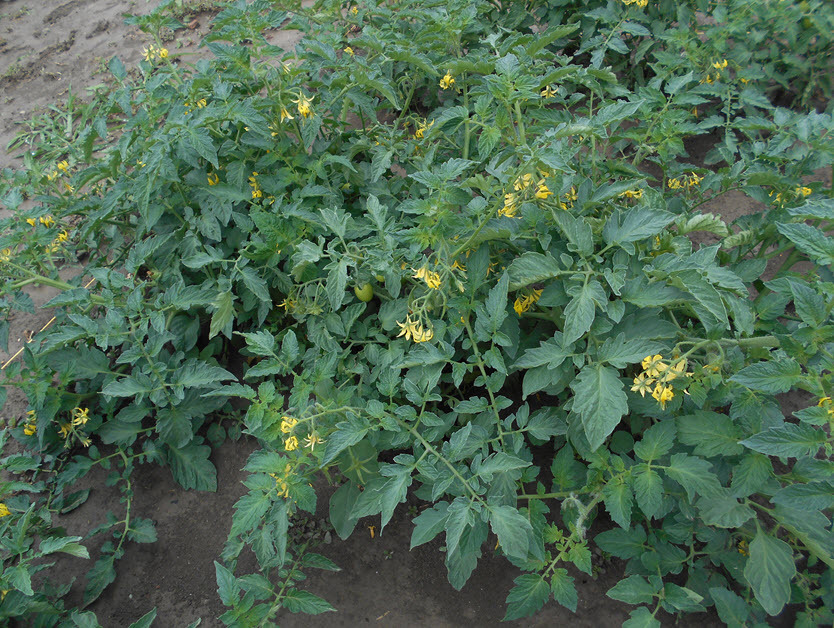
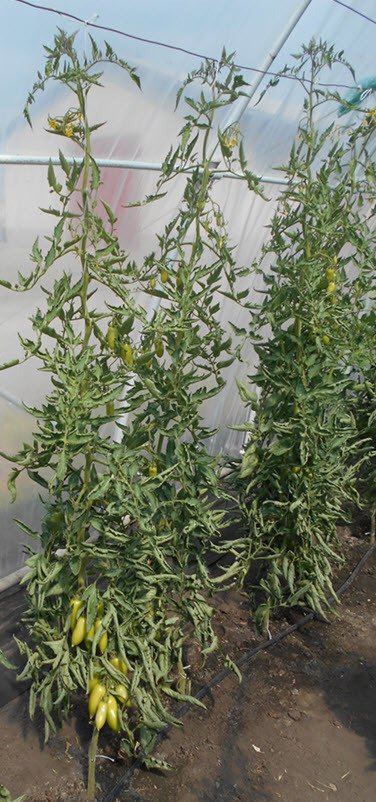
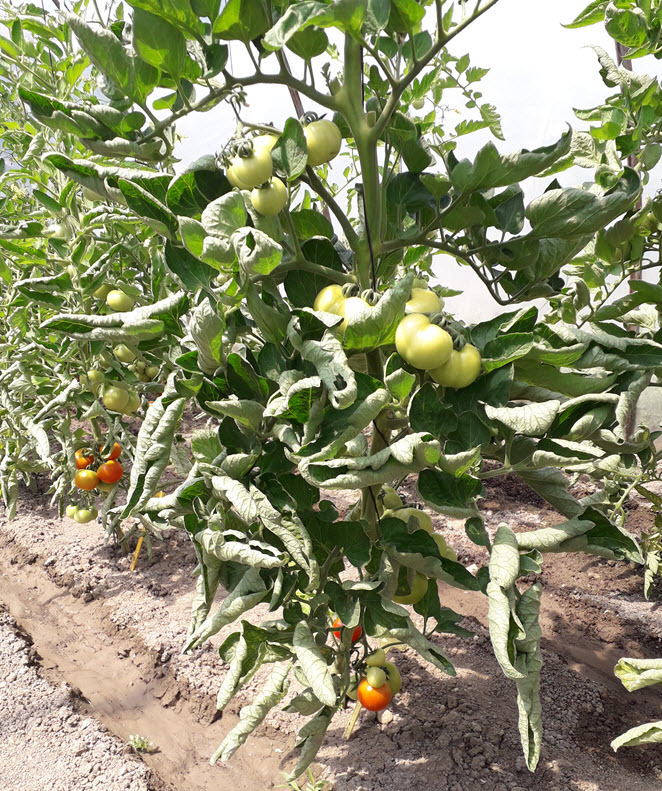
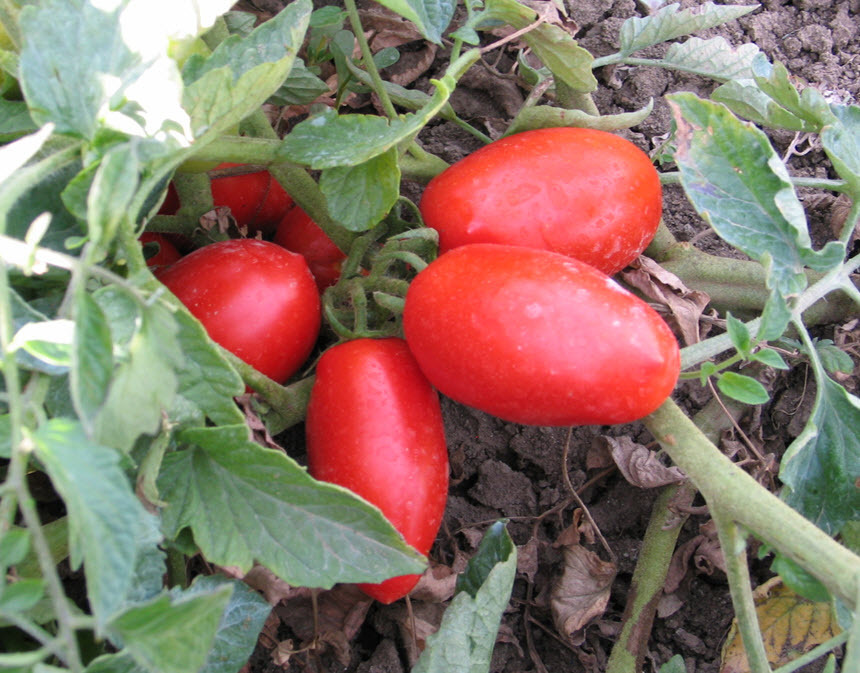
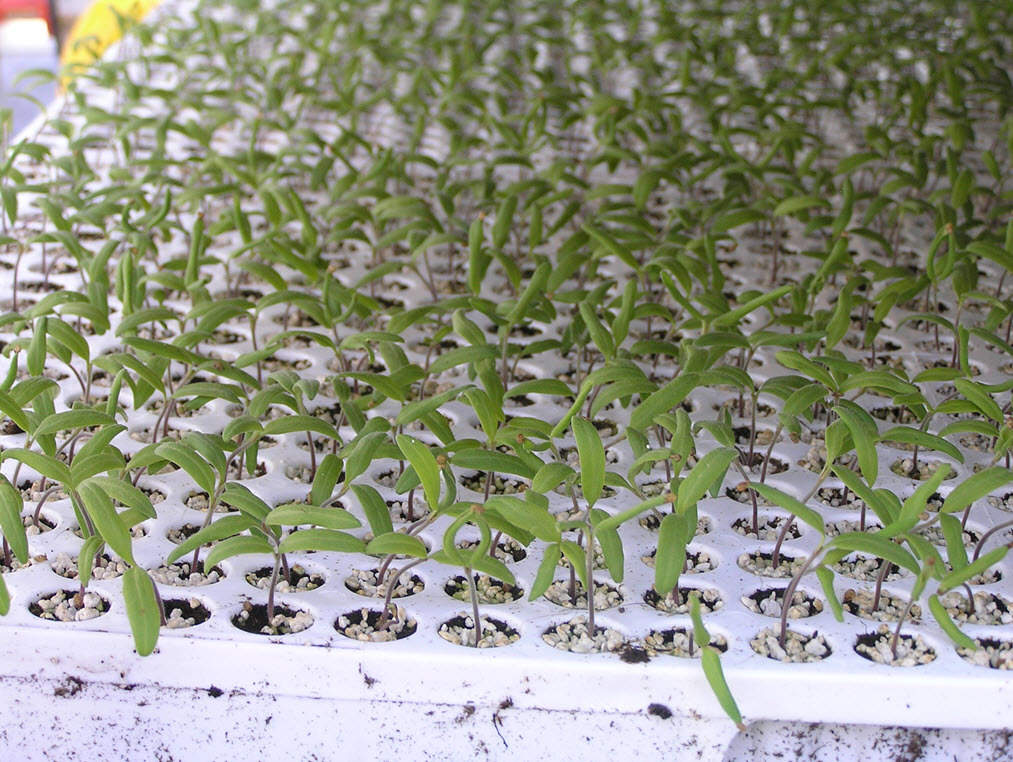
Short description of the species
Interesting
The most fruits from one plant were collected between May 2005 and April 2006 and it was 32,200 fruits, while the plant weighed 553 kg.Usage
Direct consumption, pressure, drying, juice, pickled halves in oil.Agrotechnics of growing and harvesting
Multiplication
- generative
Spacing
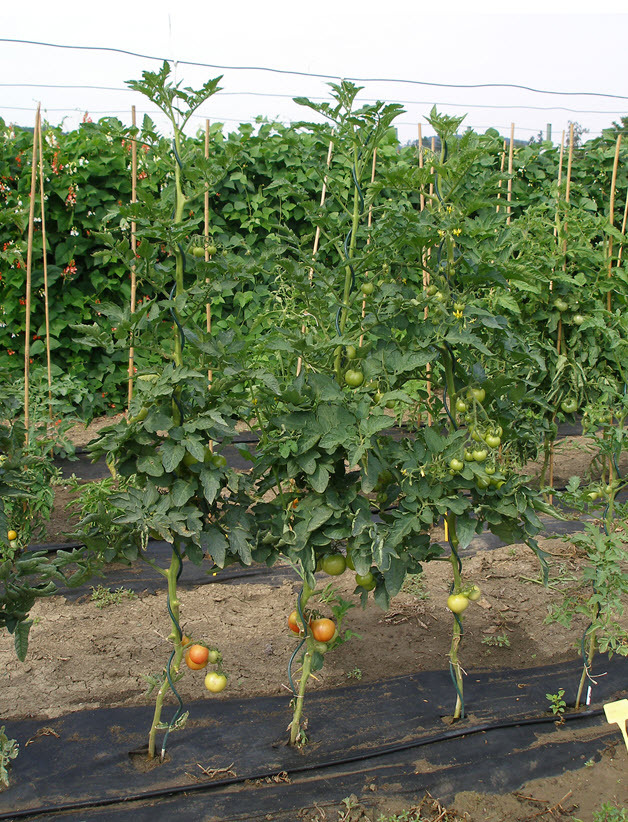
- determinant varieties: 1.2 – 1.3 m + 0.35 – 0.4 m x 0.3 m
- indeterminate in field conditions: 0.8-1.0 m x 0.3-0.4 m
Harwesting
- varieties for direct consumption - gradual picking of fruits by sorting at botanical maturity
- varieties for industrial processing - one-time mechanized harvesting of fruits at botanical maturity
Agricultural cultivation techniques
Agro-technique of cultivation - bed method in field conditions (directly into the soil) - varieties for industrial processing
| Month | I. | II. | III. | IV. | V. | VI. | VII. | VIII. | IX. | X. | XI. | XII. |
|---|---|---|---|---|---|---|---|---|---|---|---|---|
| Sowing | XX | XXX | ||||||||||
| Harwesting | XXX | X |
Agricultural cultivation techniques - from transplants (varieties for direct consumption in field conditions)
| Month | I. | II. | III. | IV. | V. | VI. | VII. | VIII. | IX. | X. | XI. | XII. |
|---|---|---|---|---|---|---|---|---|---|---|---|---|
| Sowing / covered areas | XX | |||||||||||
| Planting | XXX | |||||||||||
| Harwest | XXX | XXXX | XXXX | X |
Storage
- 1-2 weeks at a temperature of 8-10 °C and a relative humidity of 80-85%
Usage
- fresh and heat-treated in the form of juice, puree, sauces and others.
Diseases and pests
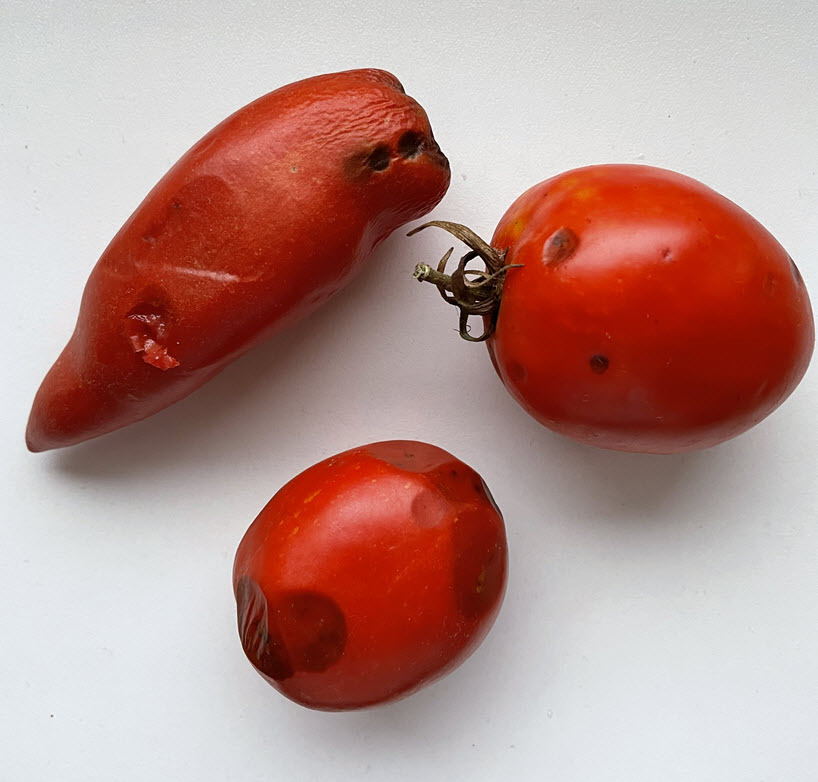
- physiological disorders: dry spotting of fruits, curling of the lower leaves of plants, cracking of the skin of fruits, sunburn of fruits, deformation of fruits, green ring on fruits
- viral diseases: Tomato spotted wild virus, Tomato mosaic virus,
- bacterial diseases: tomato bacterial wilt (Clavibacterium michiganensis subsp. michiganensis), tomato bacterial spot (Xantomonas vesicatoria)
- fungal diseases: potato blight on tomato (Phytophtora infestans), wilting of tomato (Fusarium oxysporum, Veritcilium alboatrum), Alternaria porri f. sp. solani, sepotriosis of tomatoes (Septoria lycopresici)
- pests: hop mite (Tetranychus urticae), potato armadillo (Leptinotarsa decemlineata), western thrips (Frankliniella occidentalis), greenhouse whitefly (Trialeurodes vaporariorum), swallowtail whitefly (Aleyrodes proletella), cotton moth (Helicoverpa armigera), tomato borer (Tuta absoluta) and others.
Labeling Plants with QR Codes
At the Faculty of Horticulture and Landscape Engineering at SPU in Nitra, we've created a project that offers visitors to our plantings a new way to discover the beauty and intriguing aspects of plants. Each plant in our plantings has its own unique QR code. All a visitor needs to do is scan this code with their smartphone.
Encyclopedy
Informácie
Kontakt
Fakulta záhradníctva a krajinného inžinierstva
Tulipánová 7, 949 76 Nitra
phone +421 (37) 641 4229 — study department
email henrieta.budayová@uniag.sk



Copyright © 2026 Faculty of Horticulture and Landscape Engineering