

 Slovenská verzia
- home
- Spices and aromatic plants
- Asteraceae
- Estragon
- Estragon (Tarragon)
Estragon (Tarragon)
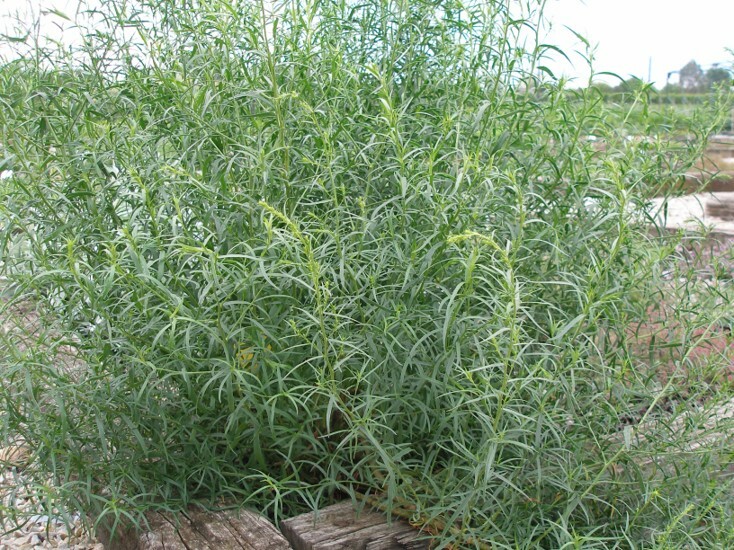
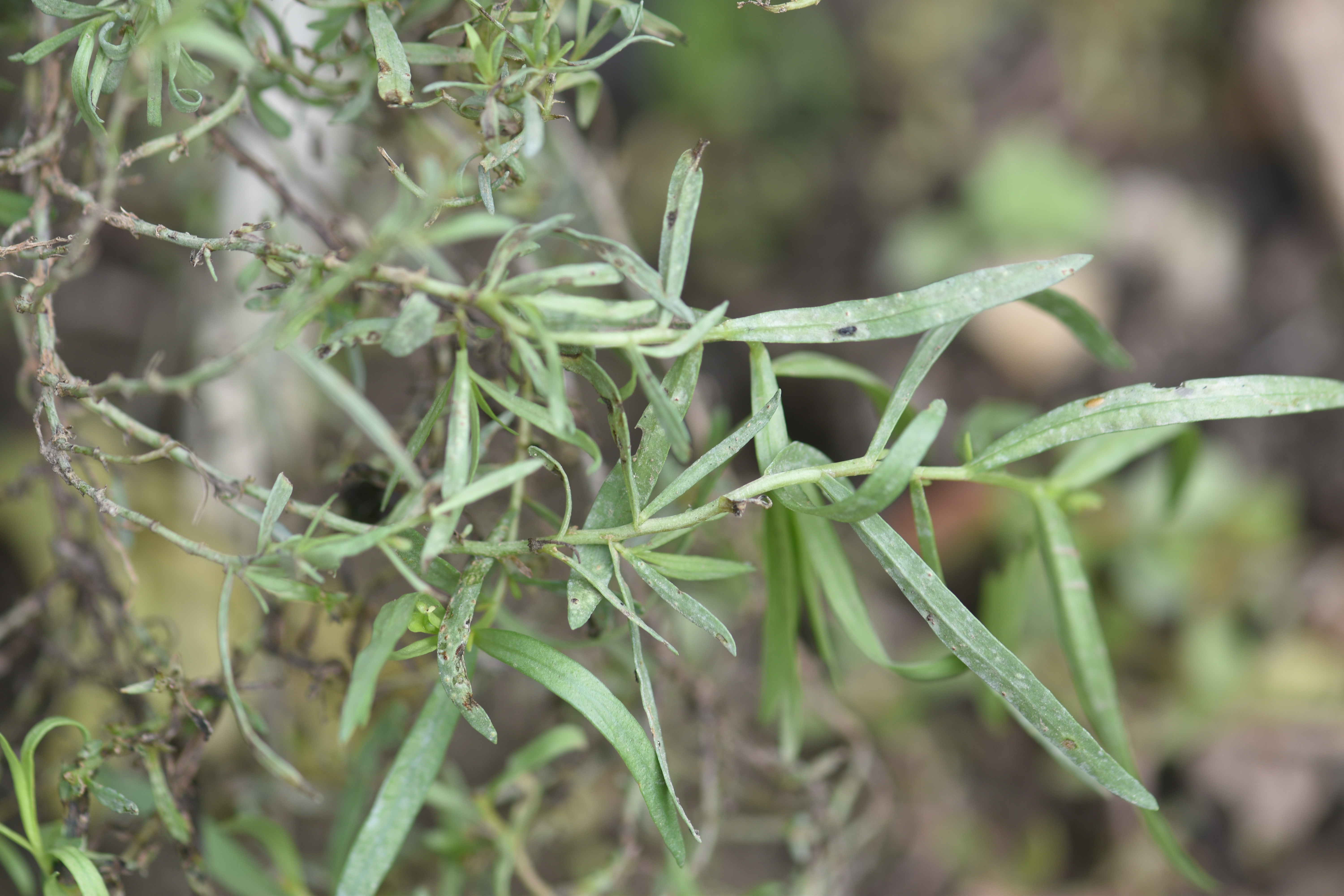
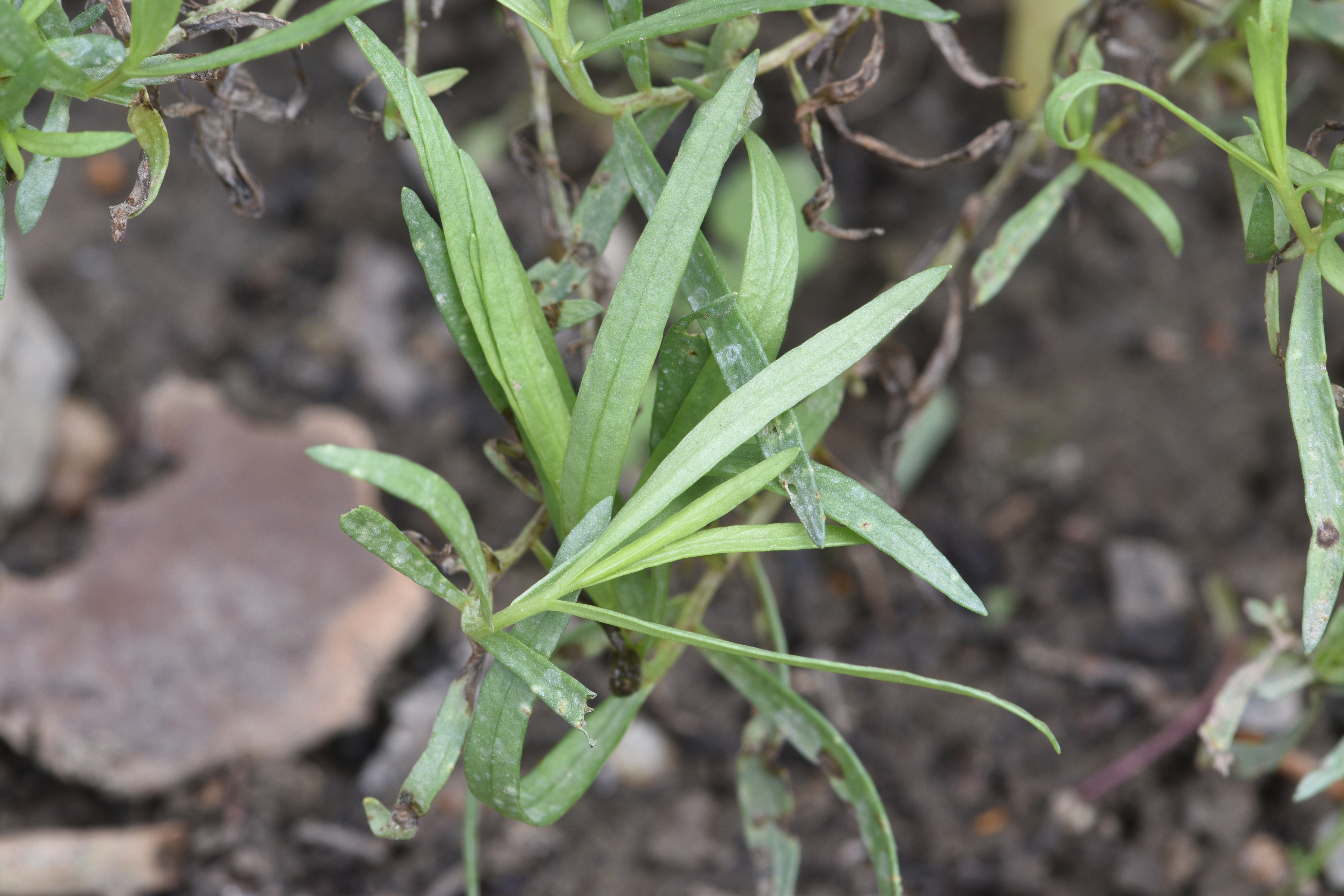
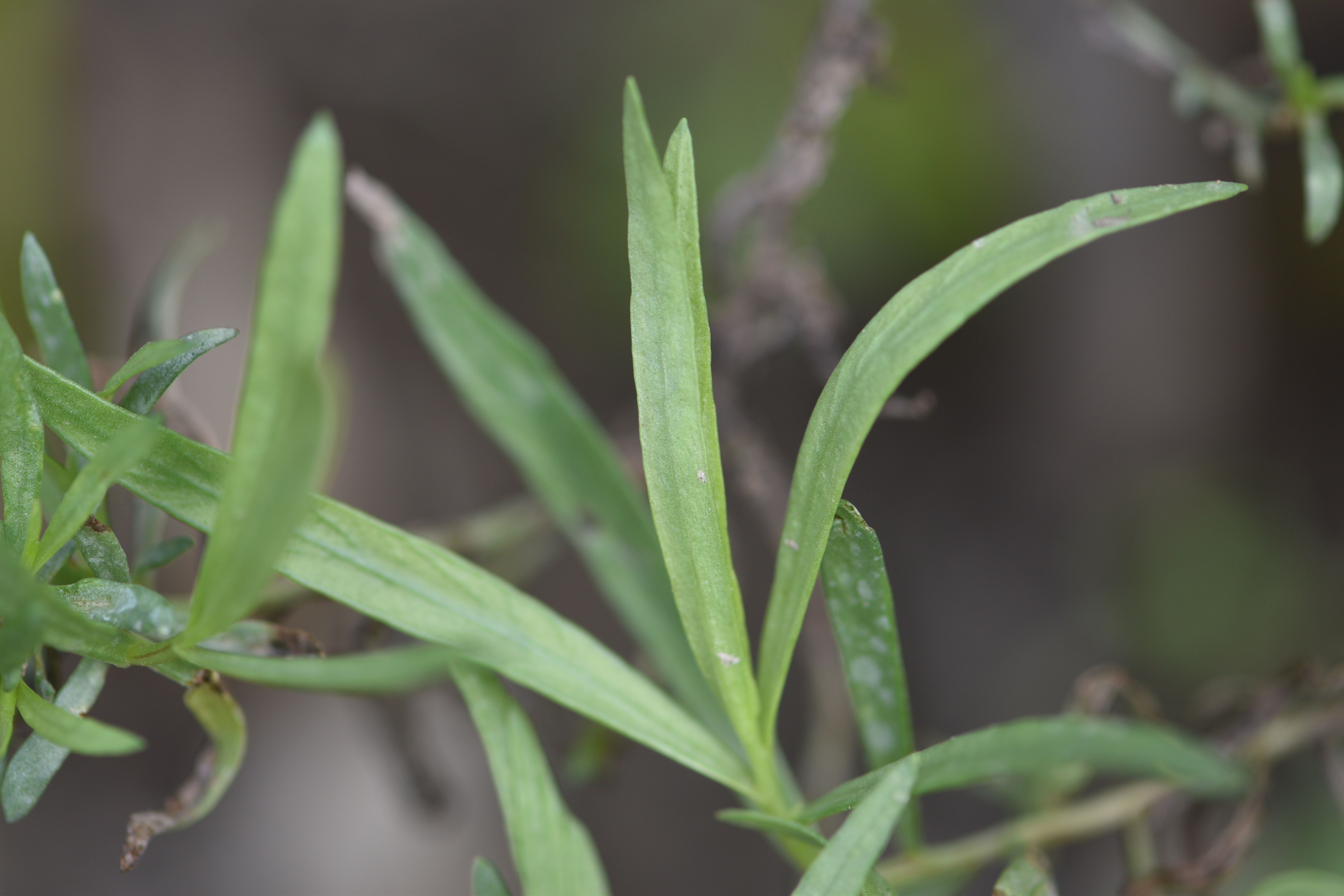
Short description of the species
Interesting
The name Artemisia dracunculus is derived from the Latin word "dracunculus" meaning "little dragon" and refers to the shape of the leaves that resemble dragon's tongues.Usage
in dishes such as sauces (e.g. Béarnaise sauce), salads and to flavor soups, poultry, fish and game dishes, roast mutton, lamb and fishInclusion in the sowing process and fertilization requirements
In our conditions, a perennial plant that overwinters in the form of rhizomes. We leave dragon wormwood in one location for 4-5 years.
track: I.
suitable pre-crops: legumes, cereals
fertilization: Before establishing the stand, it is necessary to fertilize the soil well with farmyard manure in a dose of 40-50 t/ha. According to the soil analyses, we add superphosphate (250-300 kg/ha), potassium sulfate (200-250 kg/ha)). Before the actual planting, when working the soil, add ammonium nitrate in a dose of 150-200 kg/ha.
Varieties: We recognize two subspecies of dragon wormwood: - the so-called French (German) tarragon (Artemisia dracunculus ssp. sativa), which has darker leaves, mostly does not flower or produce seeds. His drug is more aromatic, more pleasant, and thus his silica is more desirable. Only this species is grown here. It reproduces vegetatively. - the so-called Russian tarragon (Artemisia dracunculus ssp. dracunculoides) has lighter leaves and often has a triple leaf at the top of the stem. It flowers and its seed ripens every year, it is less aromatic and spicy, so it is grown less. The mentioned subspecies also differ in their resistance to cold. The French variety of wormwood is less resistant to very cold temperatures and should be protected by mulching in colder areas. The Russian variety is more resistant and tolerates lower temperatures, so it is better able to overwinter even in harsher climatic conditions.
Agricultural cultivation techniques:
Propagation vegetatively (by dividing bunches, rooting cuttings), from seed (French varieties rarely produce viable seeds)
Agricultural cultivation techniques - from transplants
| Month | I. | II. | III. | IV. | V. | VI. | VII. | VIII. | IX. | X. | XI. | XII. |
|---|---|---|---|---|---|---|---|---|---|---|---|---|
| Rooting of cuttings | XXX | XXX | ||||||||||
| Planting | X | XX | ||||||||||
| Harvest | XXX | XXX | XXX |
Harvesting: is usually ready to harvest in late spring or early summer when the plant reaches a height of approximately 15 to 20 cm. We cut the growth 3-4 cm above the top of the vegetation. Tarragon can be harvested several times during the growing season.
Valuable ingredients: essential oils (up to 3.1%), flavonoids, phenolic acids and coumarins, estragole (up to 82%)
Phytotherapeutic groups: carminative, digestive, diuretic
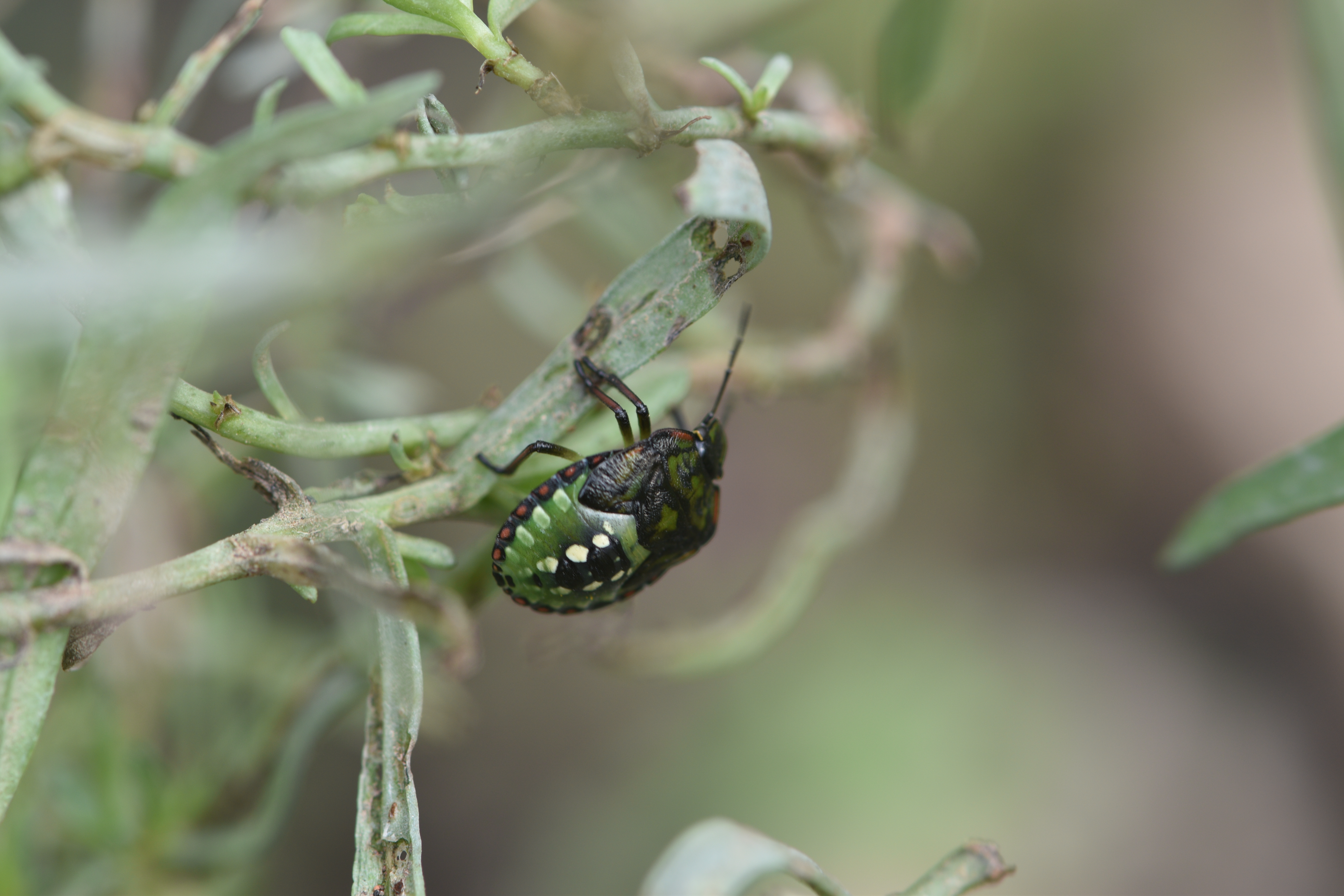
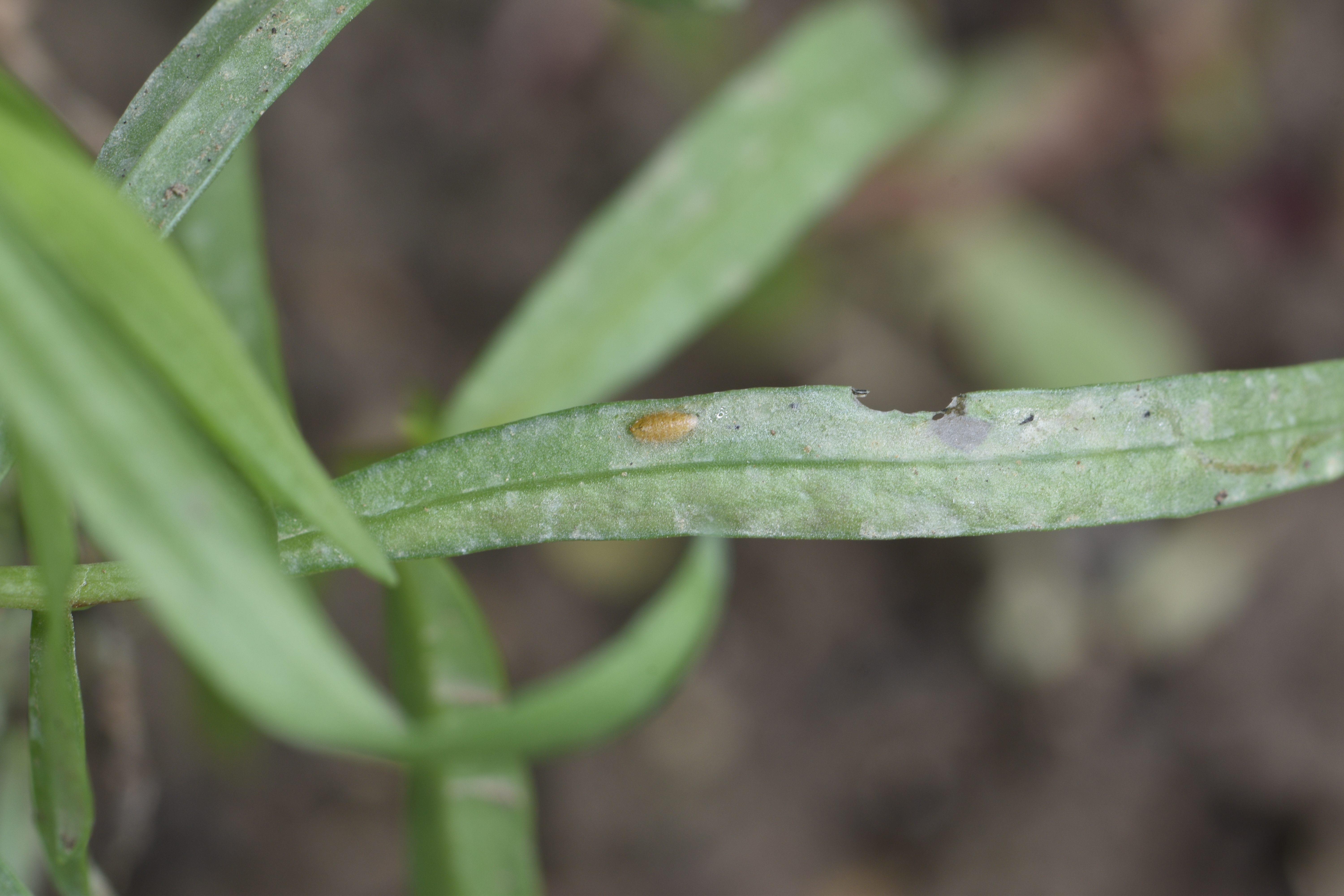
Diseases and pests: Wormwood is attacked by rust through the pathogens Puccinia absinthii and Puccinia dracunculina, from pests aphids and bugs.
Labeling Plants with QR Codes
At the Faculty of Horticulture and Landscape Engineering at SPU in Nitra, we've created a project that offers visitors to our plantings a new way to discover the beauty and intriguing aspects of plants. Each plant in our plantings has its own unique QR code. All a visitor needs to do is scan this code with their smartphone.
Encyclopedy
Informácie
Kontakt
Fakulta záhradníctva a krajinného inžinierstva
Tulipánová 7, 949 76 Nitra
phone +421 (37) 641 4229 — study department
email henrieta.budayová@uniag.sk



Copyright © 2026 Faculty of Horticulture and Landscape Engineering