

 Slovenská verzia
- home
- Vegetable crops
- Miscellaneous vegetable
- Sweet potato
- Sweet potato
Sweet potato
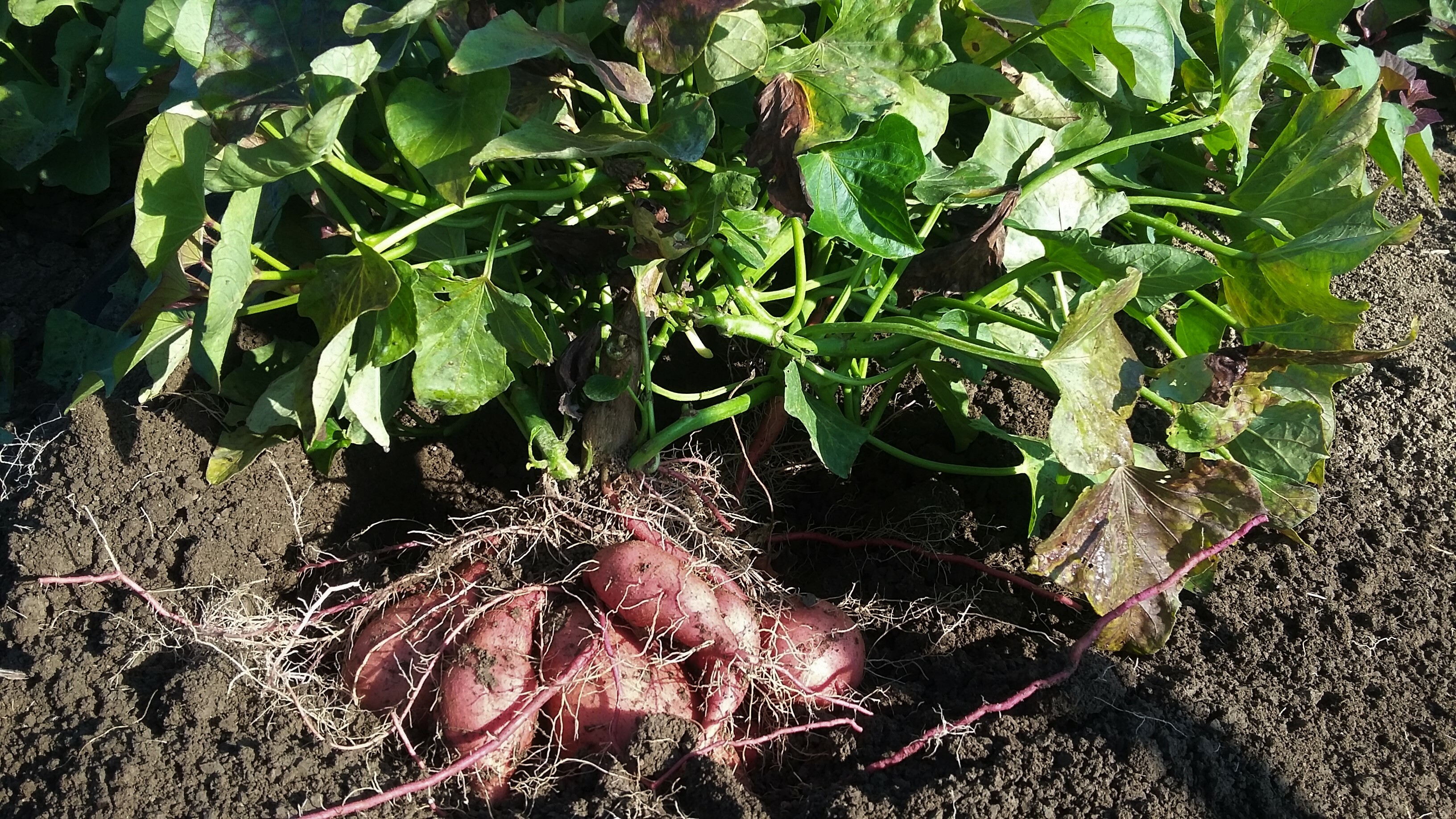

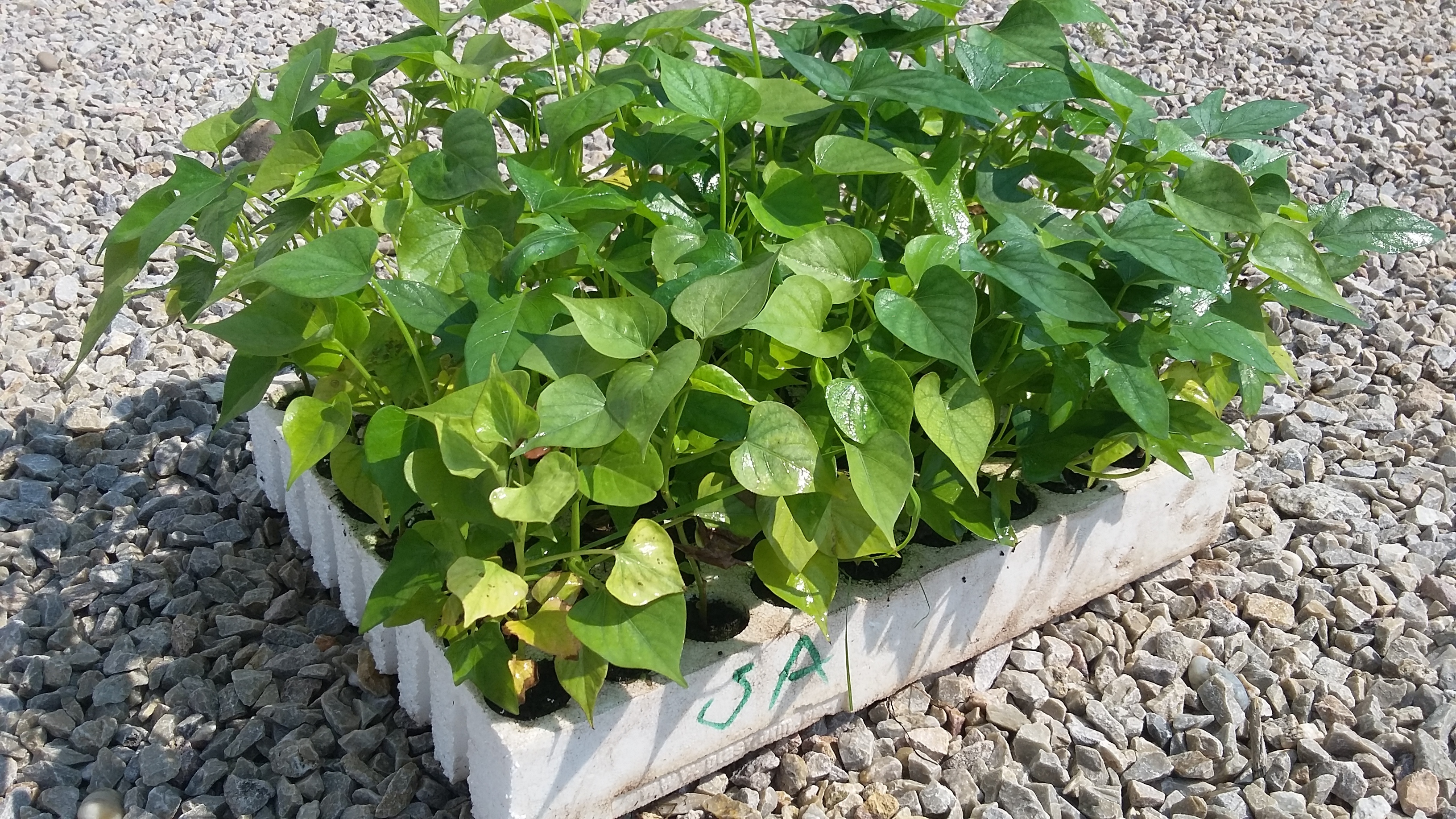
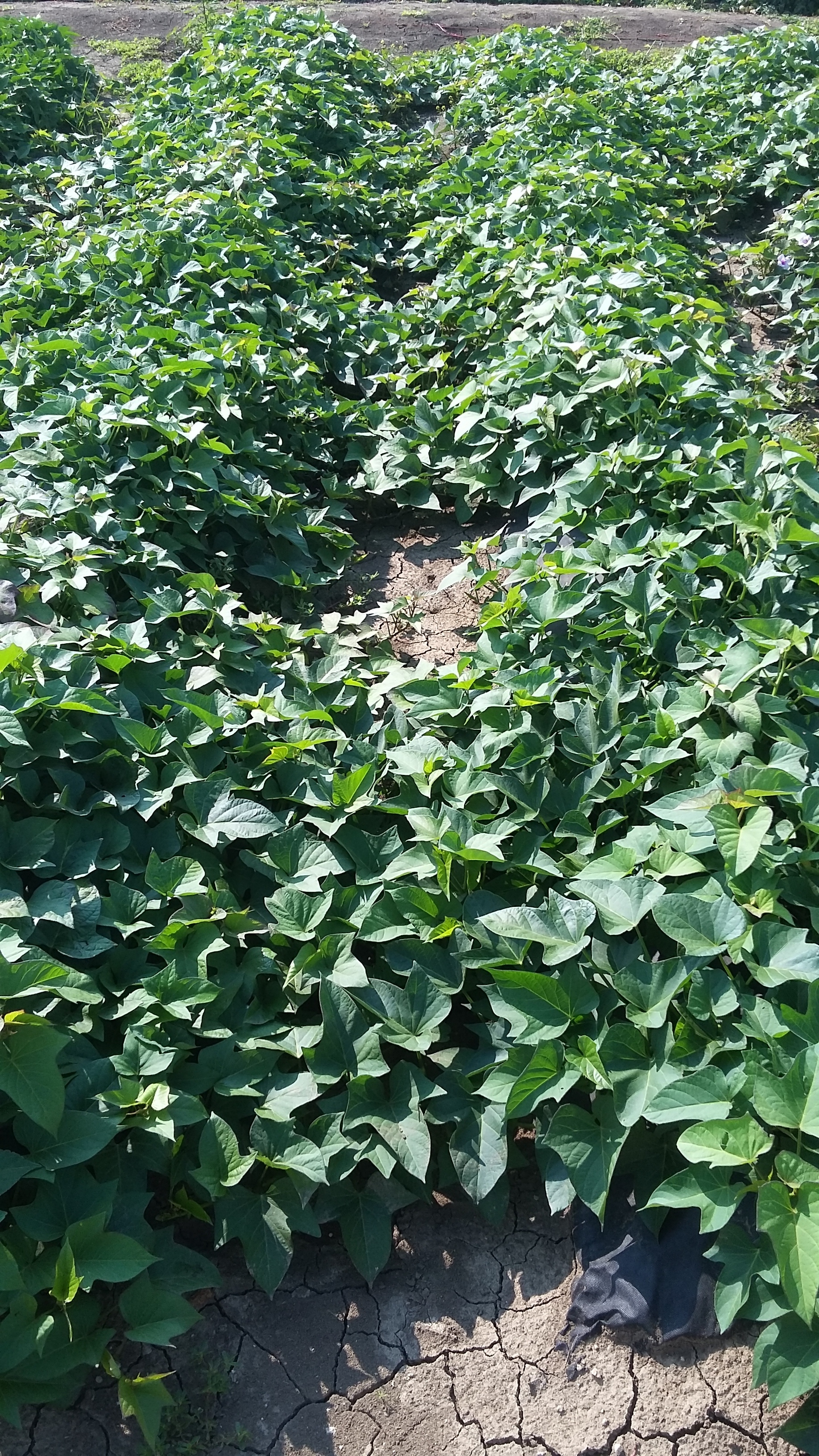
Short description of the species
Botanical name
Sweet potato
Latin name
Ipomoea batatas
Family
Convolvulaceae
Plant height
0.3-0.4 m
Plant width
creeping stem character and spreading to inter-row
Exposure
sunny
Temperature requirement
warm-requiring
Keeping
easy
Water requirement
relatively low
Soil requirement
light to medium-heavy (heavy soil = tuber deformations)
Soil pH
6.5 – 7.2
Edible part
tubers, leaves
lightbulb
Interesting
Sweet potatoes are characterized by lower starch content than potatoes, thus, they are easily digestible. In our conditions, tubers are used; however, young leaves are using as leafy vegetables in some world parts.
accessibility
Usage
tubers – baking, boiling, side dish (purée), grilling, chips production; leaves – gradual harvest and processing similarly as spinachGrowing technology and harvest
Propagation
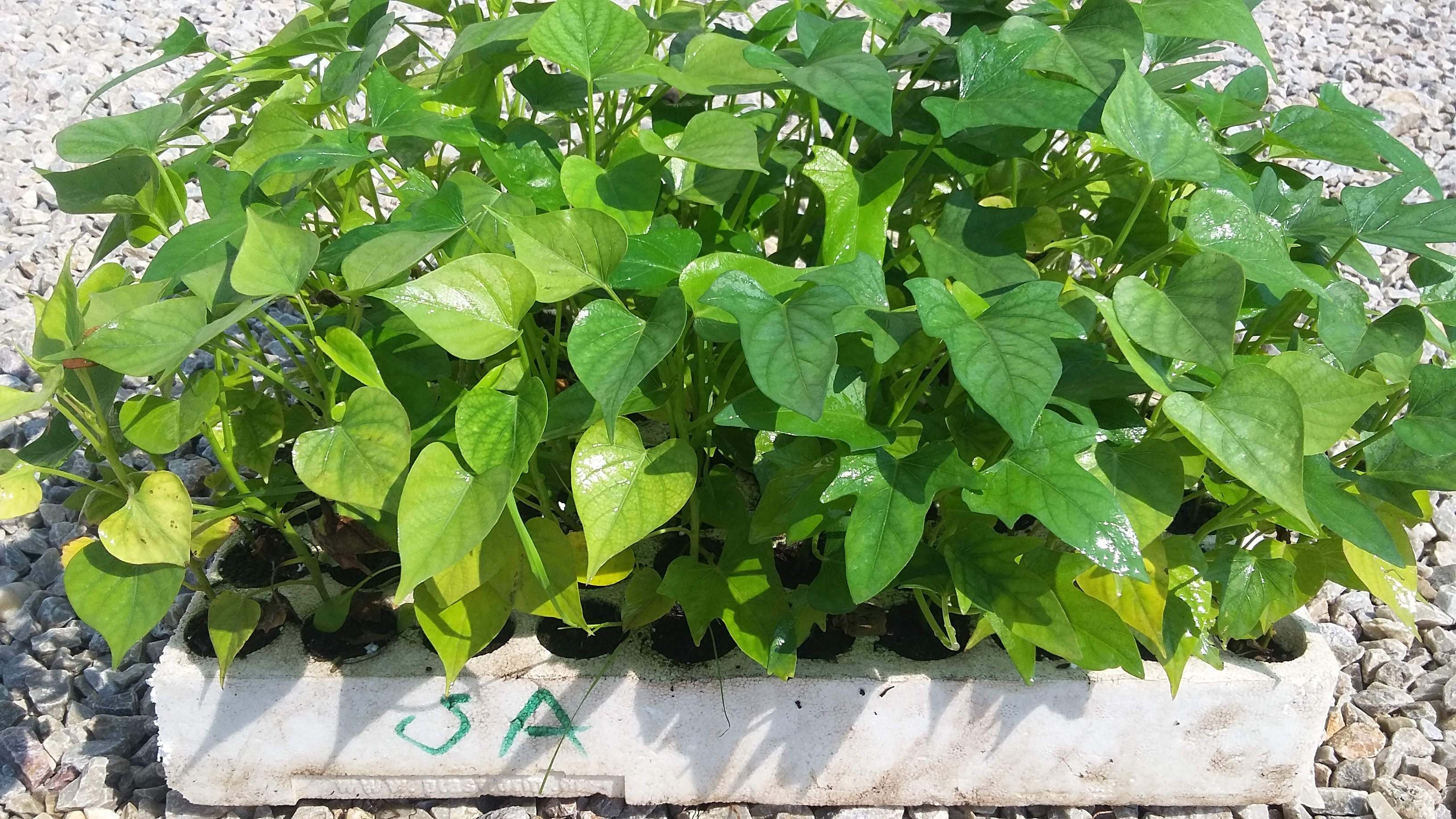
- vegetative – sprouts from tuber eyes are taking and planting to the substrate
Spacing
- 1.20 x 0.30-0.40 m
Harvest
- 90-120 days from planting
- September/October
Important dates
- growing from seedlings
| Month | I. | II. | III. | IV. | V. | VI. | VII. | VIII. | IX. | X. | XI. | XII. |
|---|---|---|---|---|---|---|---|---|---|---|---|---|
| Planting | XXXX | XXXX | ||||||||||
| Harvest | XXXX | XXXX |
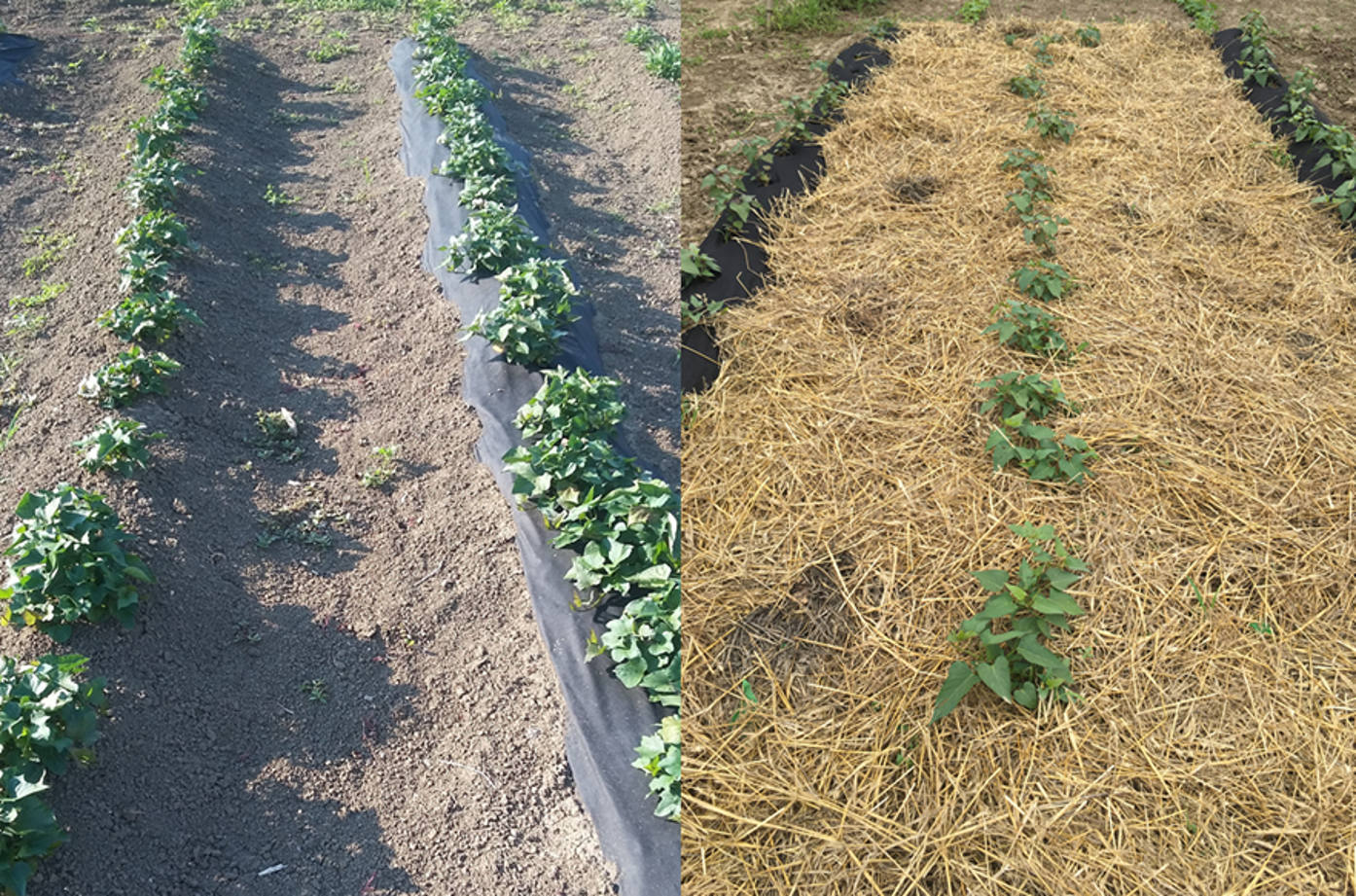
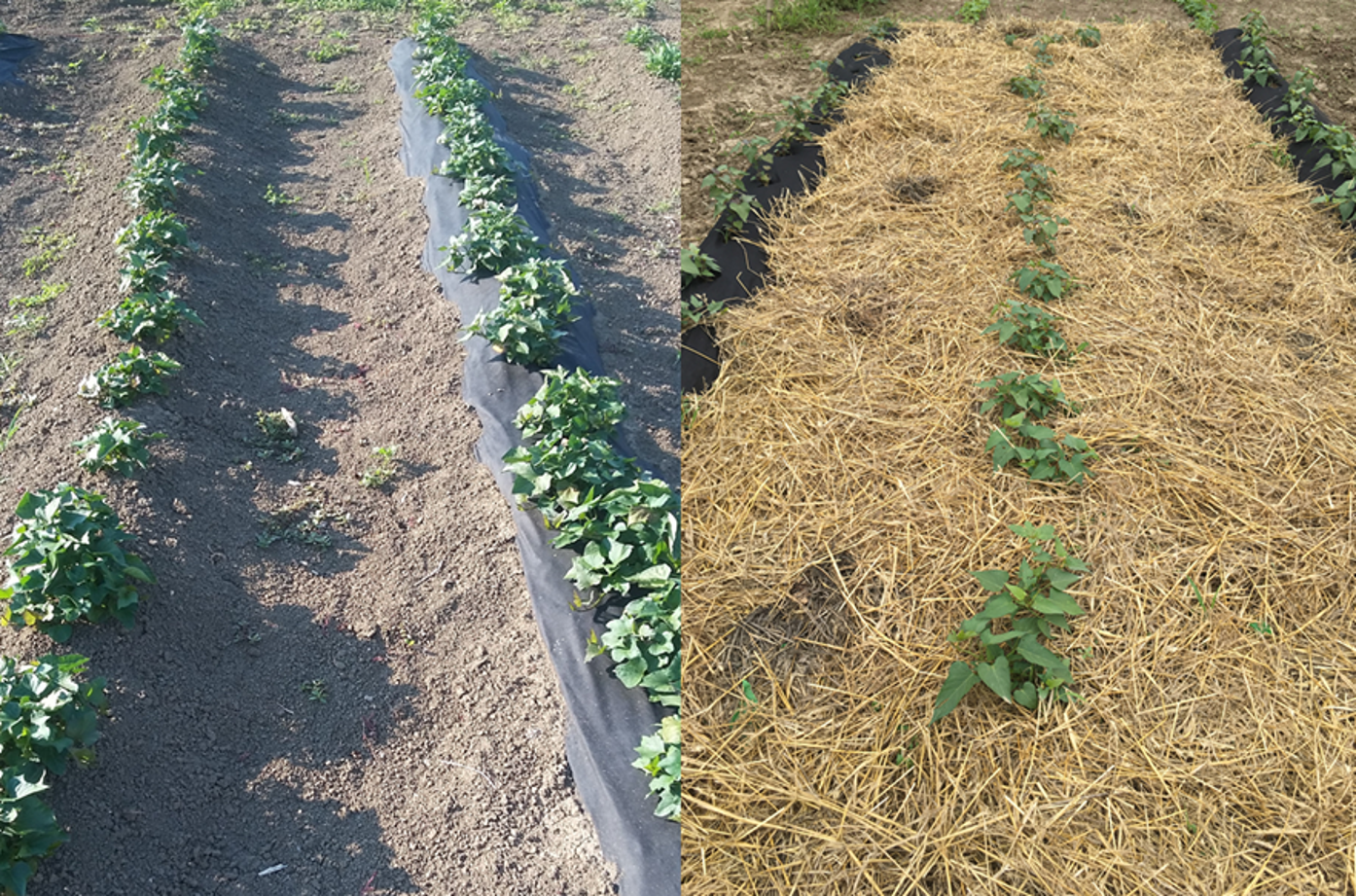
- hillock growing system (similarly like carrot)
- recommendation of mulching – black non-woven textile (or straw etc.)
Storage
- health, un-damaged tubers (precise sorting after harvest)
- dry and dark rooms
- temperature = 10-15 °C
- relative air humidity = 75-80%
- lower temperature = tuber damage (change of pulp consistency)
Use
- tubers – baking, boiling, side dish (purée), grilling, chips production
- leaves – gradual harvest and processing similarly as spinach
Diseases and pests
- fungus diseases: black rotting (Ceratocystis fimbriata) and other rotting types (bacterial; dry; Fusarium)
- pests: wireworms (mostly), field mouse, gasteropods
contact_support
Labeling Plants with QR Codes
At the Faculty of Horticulture and Landscape Engineering at SPU in Nitra, we've created a project that offers visitors to our plantings a new way to discover the beauty and intriguing aspects of plants. Each plant in our plantings has its own unique QR code. All a visitor needs to do is scan this code with their smartphone.
Encyclopedy
Informácie
Kontakt
Fakulta záhradníctva a krajinného inžinierstva
Tulipánová 7, 949 76 Nitra
phone +421 (37) 641 4229 — study department
email henrieta.budayová@uniag.sk



Copyright © 2026 Faculty of Horticulture and Landscape Engineering