

 Slovenská verzia
- home
- Spices and aromatic plants
- Lamiaceae
- Summer savory
- Summer savory
Summer savory
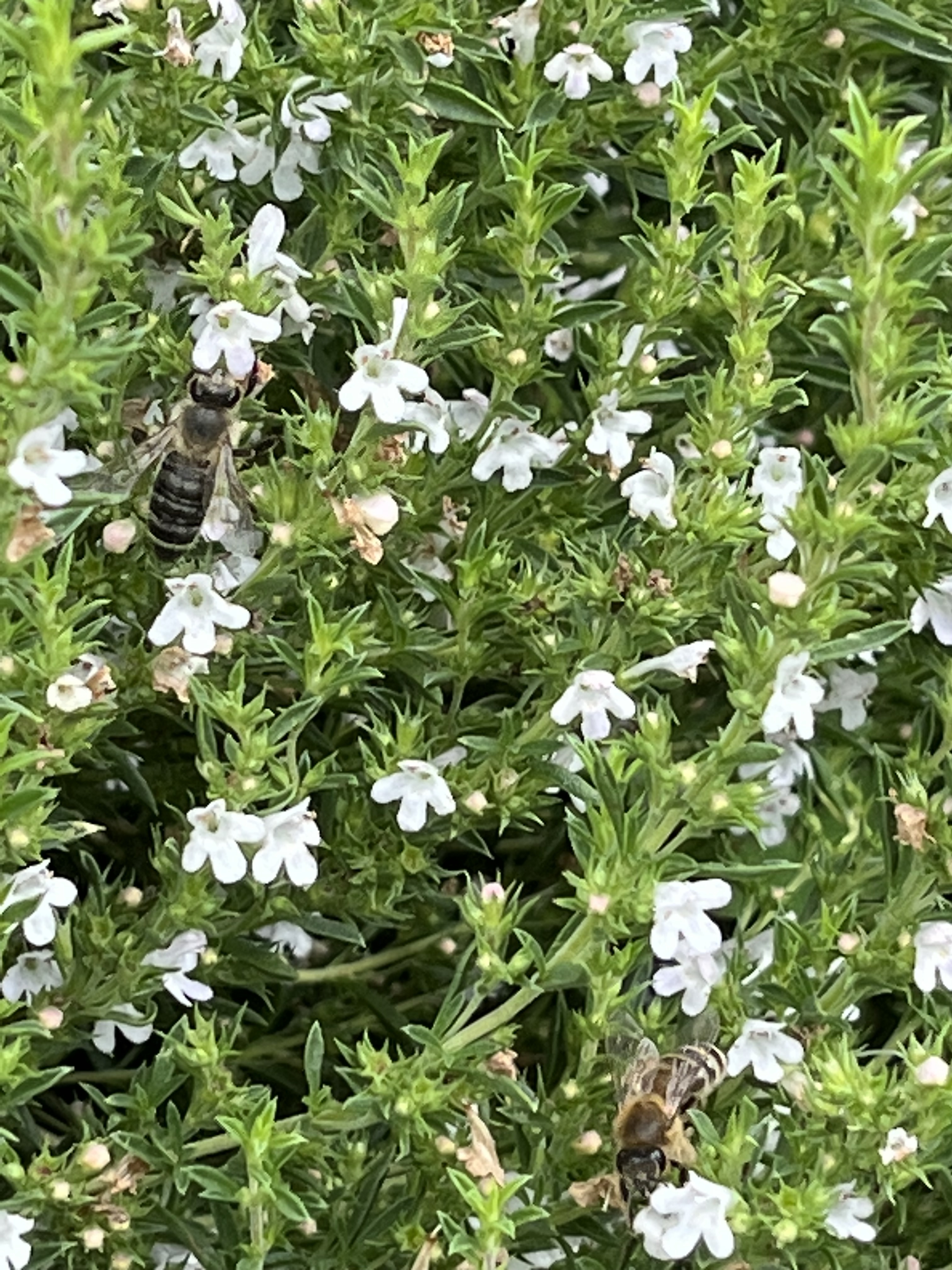
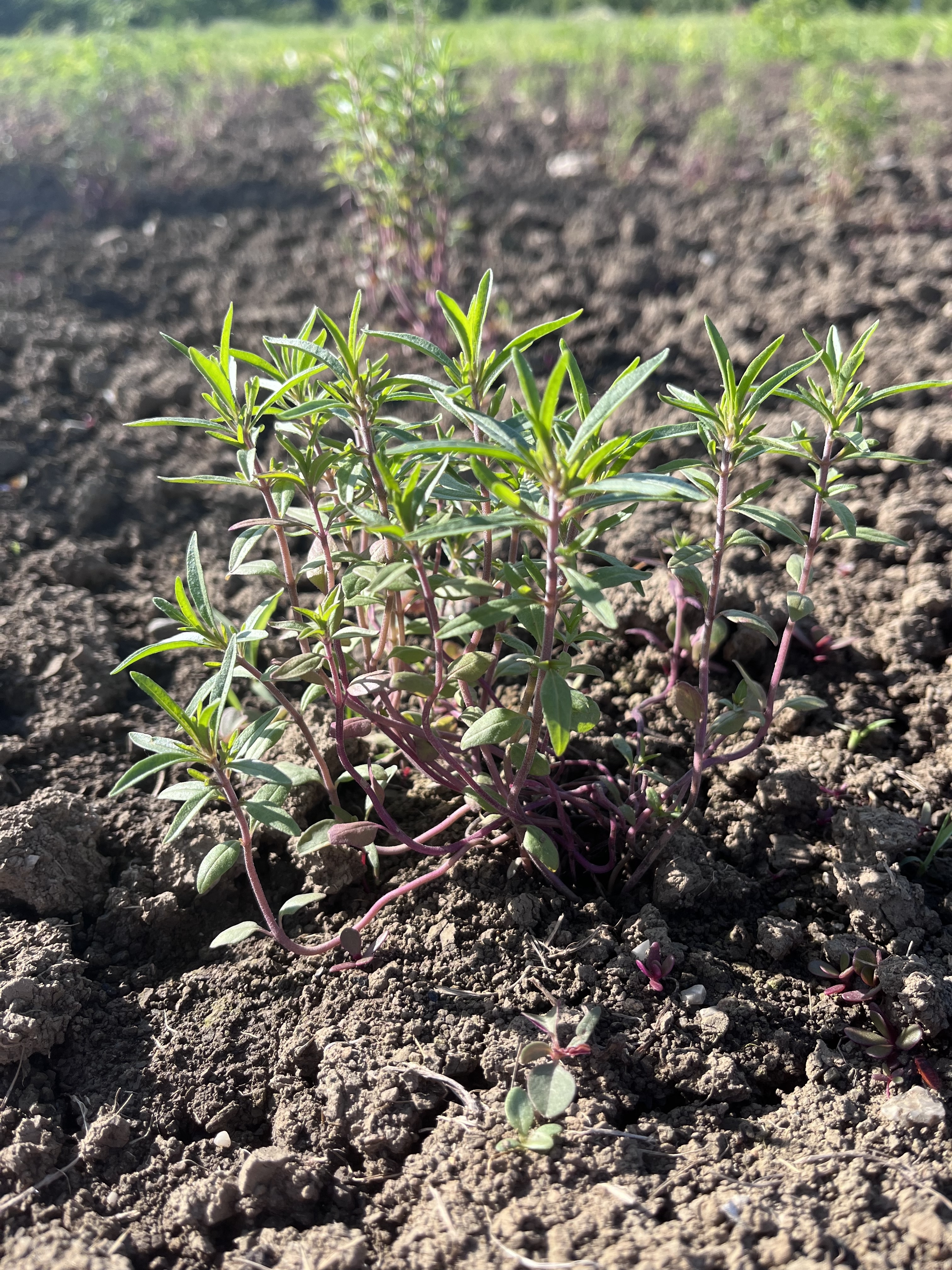
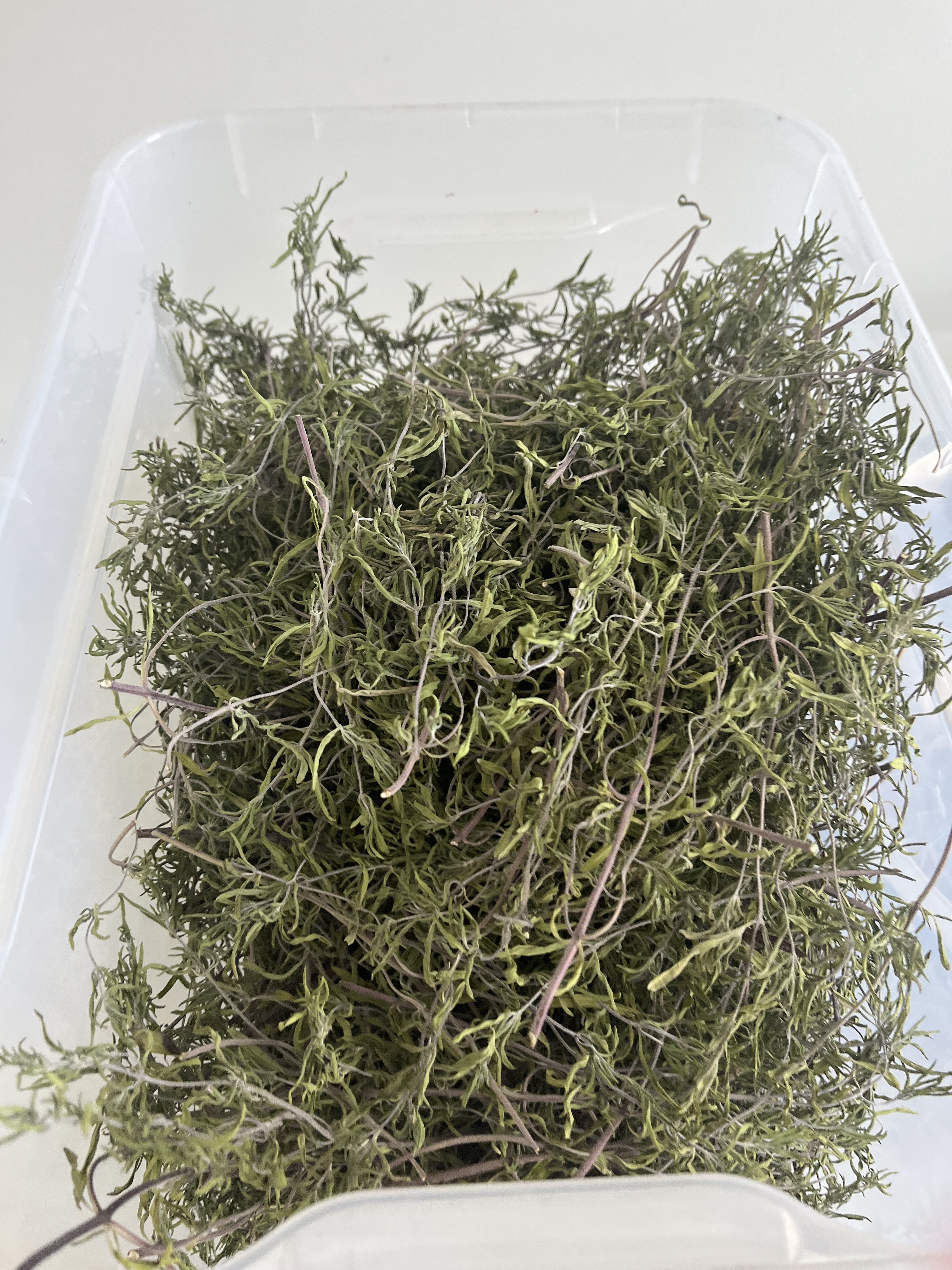
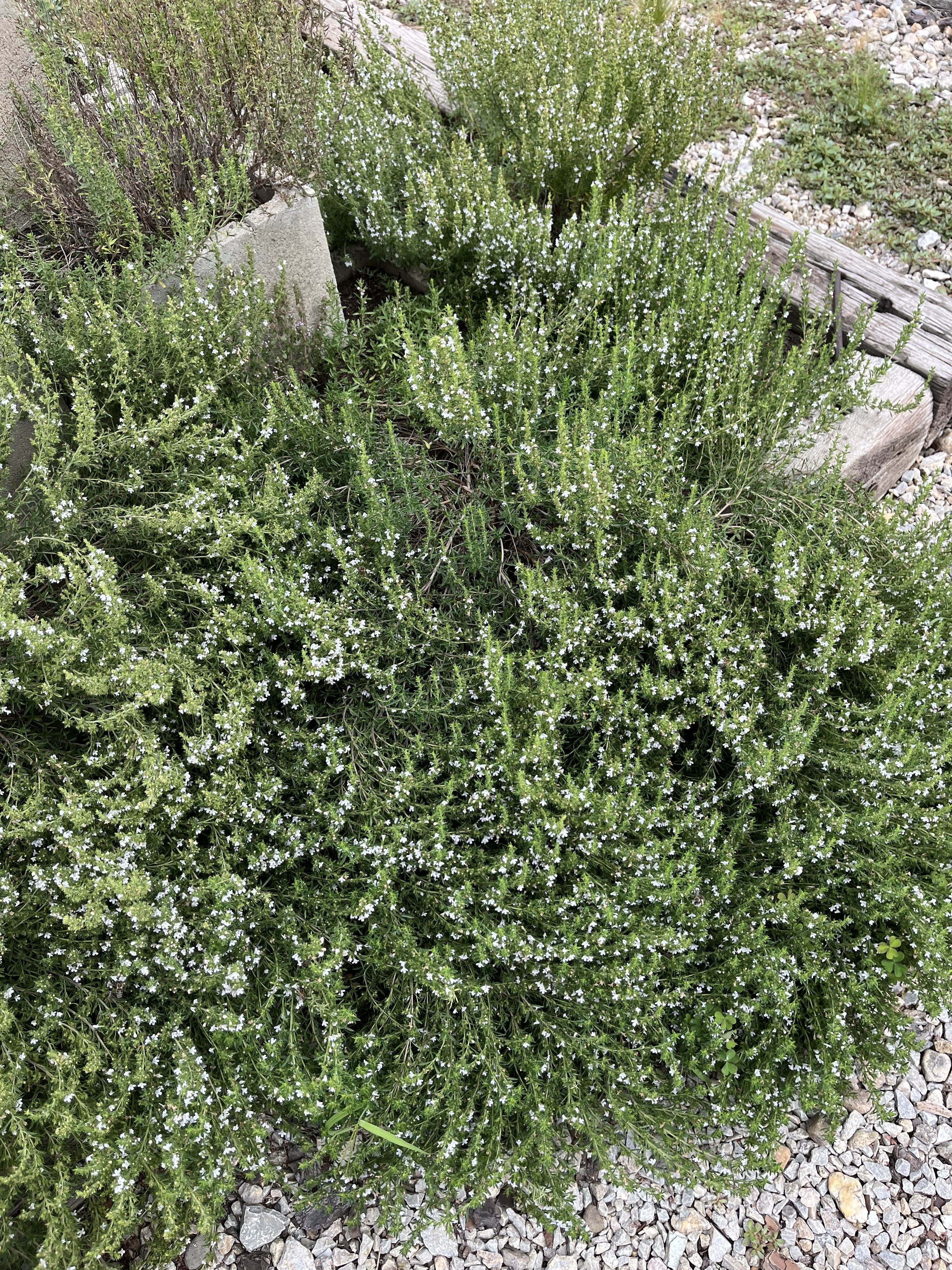
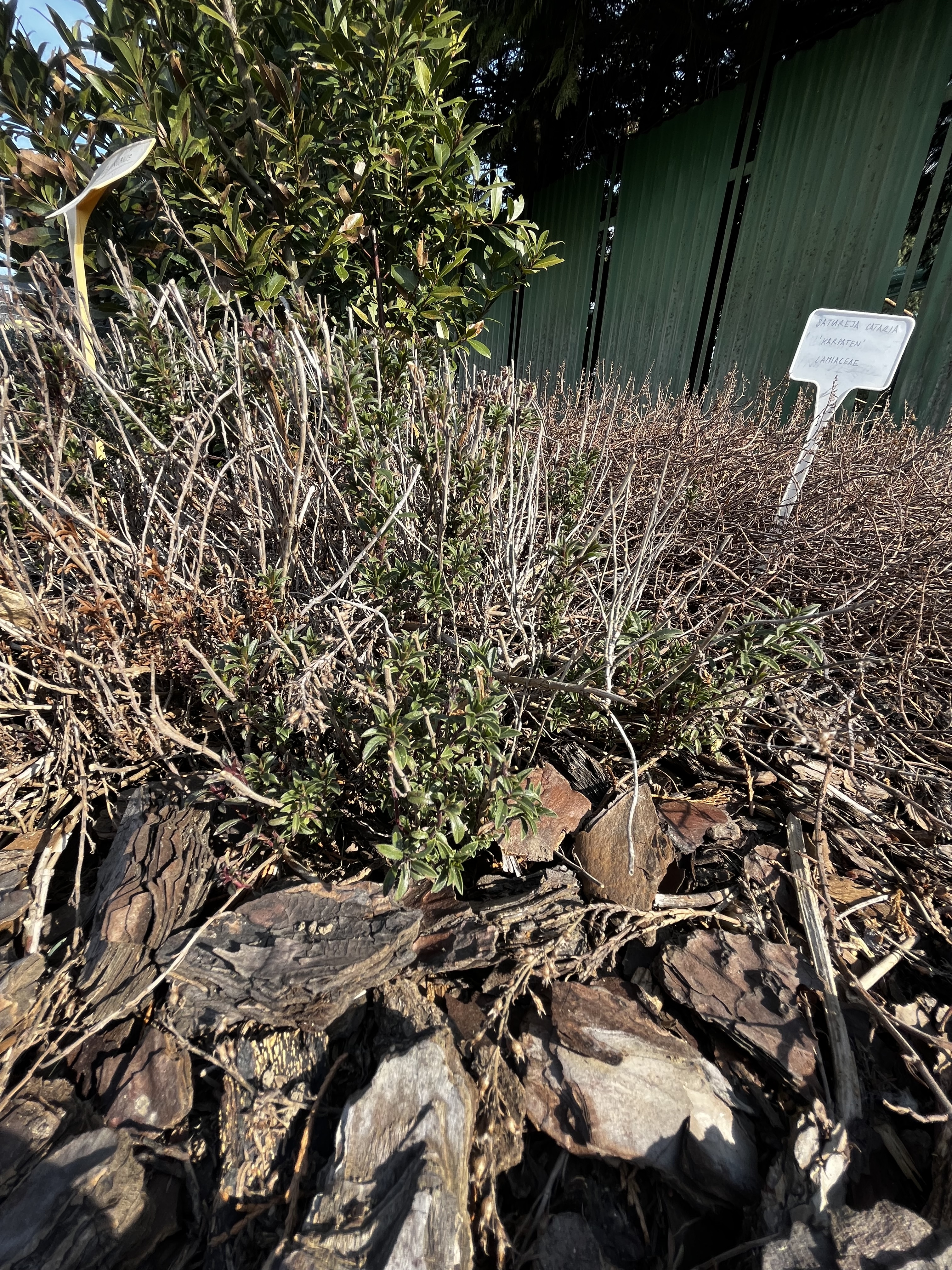
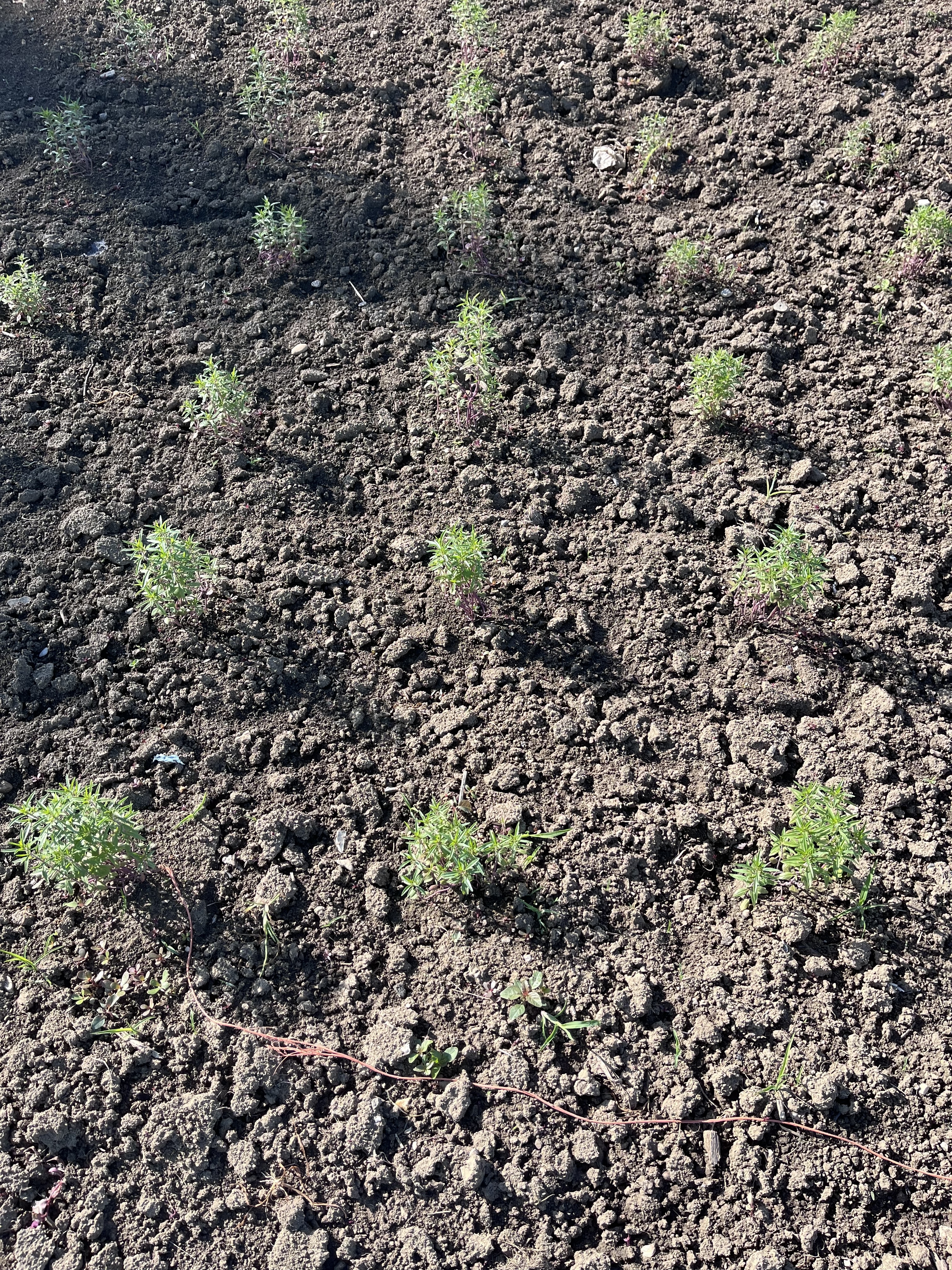
Short description of the species
Interesting
Its flavor is slightly spicy, reminiscent of a mixture of thyme and mint, and it is an important part of the spice mixture "Bulgarian tschubritsa", which is popular in Balkan cuisine.Usage
It has a distinctive spicy, pungent taste and aroma, does not irritate the stomach, and is therefore suitable for people sensitive to black pepper; it is used to flavor fish, lamb, legumes, vegetable dishes and soups, and is part of Provençal seasoning.Inclusion in the crop rotation and fertilization requirements
Satureja hortensis L. is grown as an annual in our country. The commonly available Satureja montana on the market is a perennial!
Track: I., well-matured manure
Suitable preceding crops: legumes (e.g. peas, beans, clover), cereals (e.g. wheat, barley), green manure crops (e.g. mustard, phacelia)
Fertilization: Satureja responds very well to rich, humus-rich soils, well-fertilized with mature manure.
Varieties: Annual garden savory is often confused with the perennial - mountain savory (Satureja montana L.), which is frost-resistant and overwinters in the form of a green bush.
Agrotechnics of cultivation
Propagation: in field crops - only by seed, pre-cultivation of seedlings
Agrotechnics of cultivation - from seedlings
| Month | I. | II. | III. | IV. | V. | VI. | VII. | VIII. | IX. | X. | XI. | XII. |
|---|---|---|---|---|---|---|---|---|---|---|---|---|
| Sowing/covered areas | x | x | ||||||||||
| Planting | xxx | |||||||||||
| Harvest/herb, leaf | xxx | xxx | xxx |
Harvest - twice a year, the first time at the beginning of flowering (in July to August), the second time when new shoots grow from the remains of the stems
Use: it has a distinctive spicy, pungent taste and aroma, does not irritate the stomach, and is therefore also suitable for people sensitive to black pepper; it is used to season fish, lamb, legumes, vegetable dishes and soups, and is part of Provençal spices.
Impact on human health:
Constituents: essential oils, tannins
Phytotherapeutic groups: stomachic, carminative, disinfectant, astringent
Diseases and pests:
Diseases recorded include leaf spot (Alternaria sp.), leaf necrosis (Botrytis cinerea), root and stem rot (Fusarium spp., Rhizoctonia solani) and powdery mildew (Leveillula duriaei, Neoërysiphe galeopsidis), especially in warm weather and fluctuating humidity.
Labeling Plants with QR Codes
At the Faculty of Horticulture and Landscape Engineering at SPU in Nitra, we've created a project that offers visitors to our plantings a new way to discover the beauty and intriguing aspects of plants. Each plant in our plantings has its own unique QR code. All a visitor needs to do is scan this code with their smartphone.
Encyclopedy
Informácie
Kontakt
Fakulta záhradníctva a krajinného inžinierstva
Tulipánová 7, 949 76 Nitra
phone +421 (37) 641 4229 — study department
email henrieta.budayová@uniag.sk



Copyright © 2026 Faculty of Horticulture and Landscape Engineering