

 Slovenská verzia
Sorrel
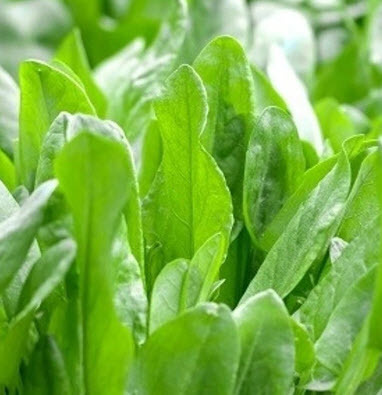
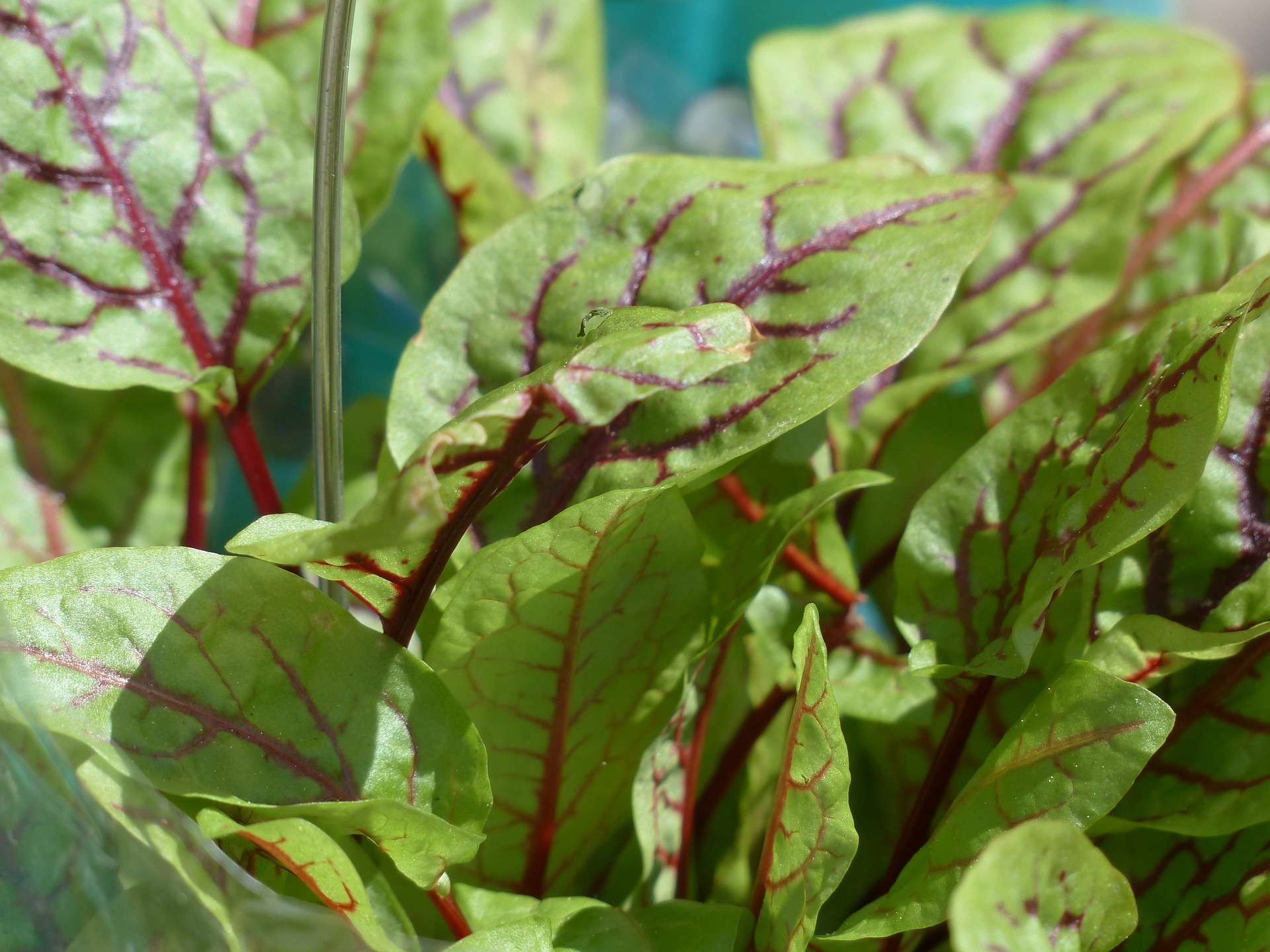
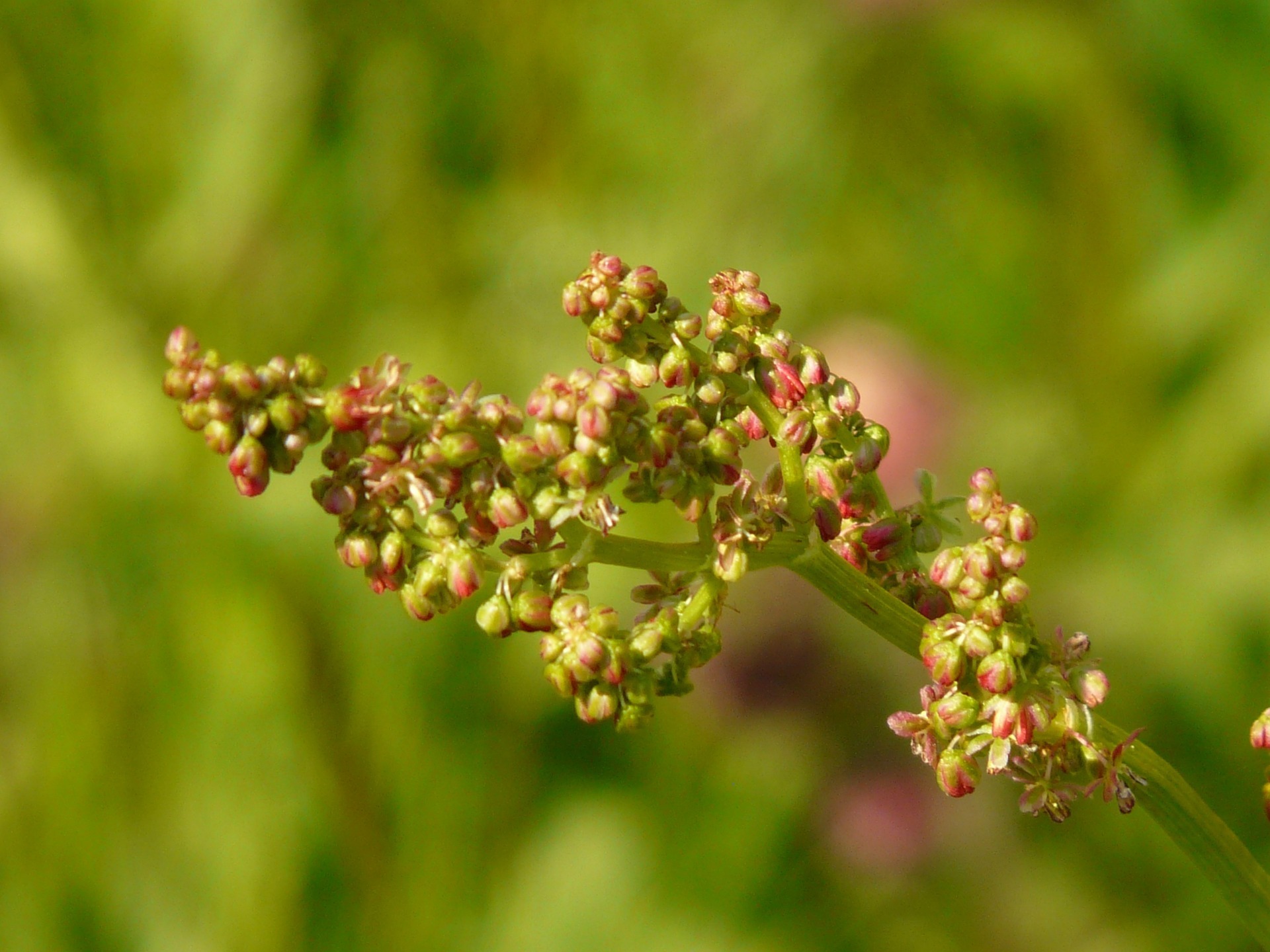
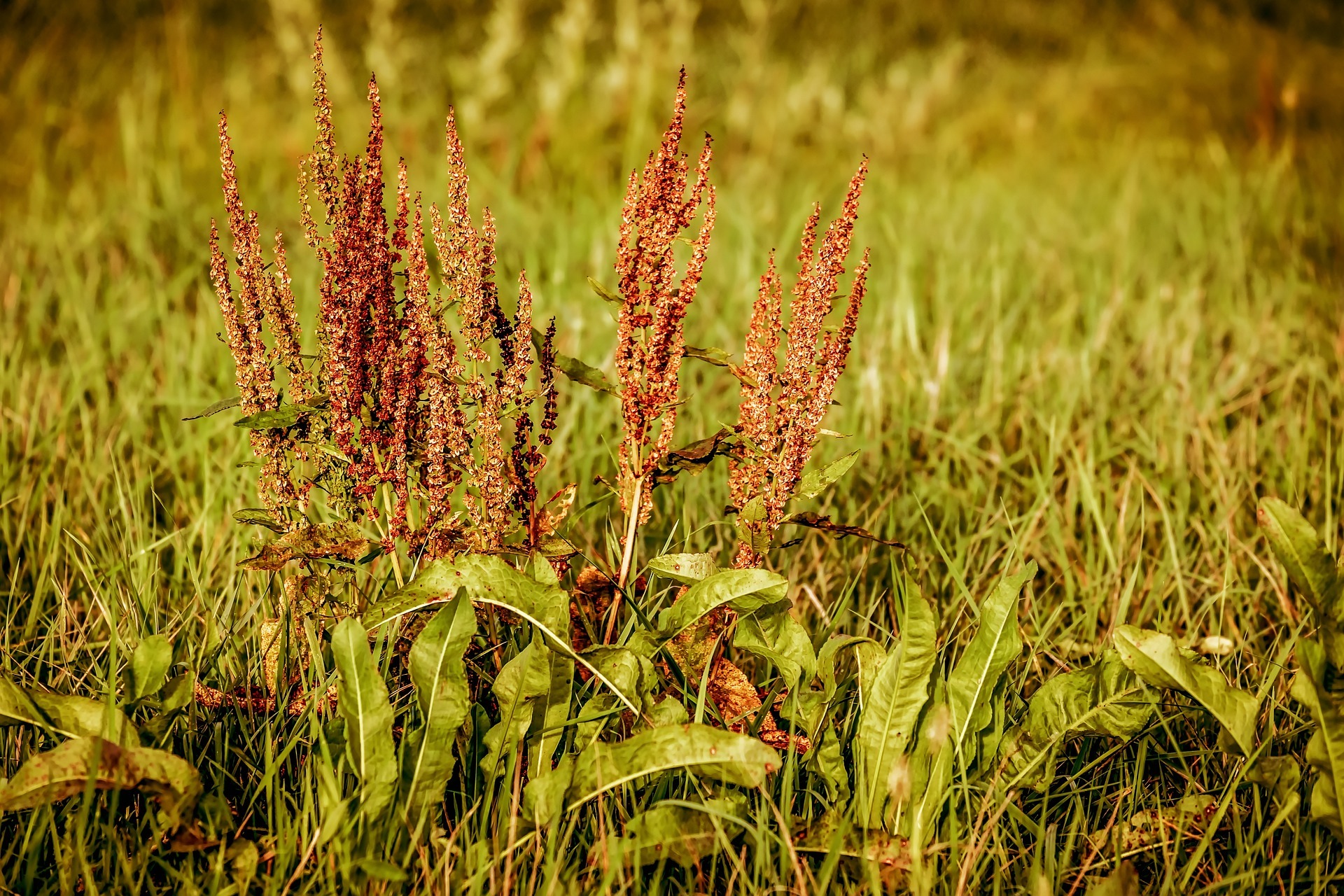
Short description of the species
Usage
- fresh: salad „freshening“ - processed: soups, sauces, pestoEnvironmental requirements, fertilization and inclusion in the crop rotation
Sorrel is considered a very adaptable species, but more suitable growing conditions contribute to achieving optimal yields. Wrinkled sorghum prefers sunny locations as well as partial shade. On the other hand, in areas with intense sunlight, there is a risk of leaf burn. Plants grow best at moderate temperatures (ideally 15-25°C). Sorrel can also survive in colder conditions and is frost-resistant, so it can be grown in various climatic regions. At extremely high temperatures, there is a risk of growth slowdown and reduced yields. Sorrel prefers moist soils, but they must not be waterlogged (root rot). Regular irrigation of the crop is essential, especially during dry periods. In terms of fertilization requirements, we classify this species in the 2nd fertilization line, similar to most types of leafy vegetables. The sorrel prefers slightly acidic to neutral soils with a pH of 5.5-7.0. Very acidic or alkaline soils may limit its growth (Korpelainen and Pietiläinen, 2020; Batsatsashvili et al., 2017; Grubben, 2004).
Cultivation
Sorrel is grown primarily from direct sowing carried out in spring (March-April) or autumn (September-October). The optimal planting spacing is 0.25-0.30 x 0.10-0.15 m (Kleňová, 2005). In the case of denser sowing, it is necessary to unify the plants to ensure sufficient space for their growth. The sowing depth is approximately 10-15 mm. The distance between plants in the row should be 10–15 cm, which will ensure sufficient space for plant growth. In smaller areas, we can also grow from pre-grown seedlings, which makes it possible to plant plants directly in the optimal spacing (Korpelainen and Pietiläinen, 2020). At the beginning of the vegetation period, it is necessary to keep the soil free of weeds and to loosen it regularly. The sorrel requires a wetter soil and therefore needs regular irrigation during the dry season (Grubben, 2004). The leaves of the sorrel are harvested gradually during the growing season, from May to October. The leaves should be harvested when they reach a sufficient size, but before they start to form flower stalks, which can reduce the quality of the leaves. After each harvest, it is advisable to fertilize the plants and ensure sufficient irrigation (Korpelainen and Pietiläinen, 2020).
Diseases and pests
Of the diseases that can occur when growing sorrel, those of fungal origin are mainly those (Korpelainen and Pietiläinen, 2020; Cagáň et al., 2015; Grubben et al., 2004), namely powdery mildew (Erysiphe polygoni; warm and dry weather, dense vegetation, especially during summer), cercospora spot (Cercospora rumicis; warm and humid weather, excessive irrigation), rust (Puccinia rumicis; humid weather, mild to cold temperatures, especially during spring and autumn), downy mildew (Peronospora rumicis; cold and humid weather) or root rot ( (Phytophtora spp.; heavy soils, excessive irrigation, cold and humid weather). Of the pests (Wishwakarma and Kumar, 2021), the greatest risk when growing wrinkled yam is posed by aphids or caterpillars of some species of butterflies (e.g. Plutella xylostella).
Labeling Plants with QR Codes
At the Faculty of Horticulture and Landscape Engineering at SPU in Nitra, we've created a project that offers visitors to our plantings a new way to discover the beauty and intriguing aspects of plants. Each plant in our plantings has its own unique QR code. All a visitor needs to do is scan this code with their smartphone.
Encyclopedy
Informácie
Kontakt
Fakulta záhradníctva a krajinného inžinierstva
Tulipánová 7, 949 76 Nitra
phone +421 (37) 641 4229 — study department
email henrieta.budayová@uniag.sk



Copyright © 2026 Faculty of Horticulture and Landscape Engineering