

 Slovenská verzia
- home
- Spices and aromatic plants
- Iridaceae
- Saffron crocus
- Saffron crocus
Saffron crocus
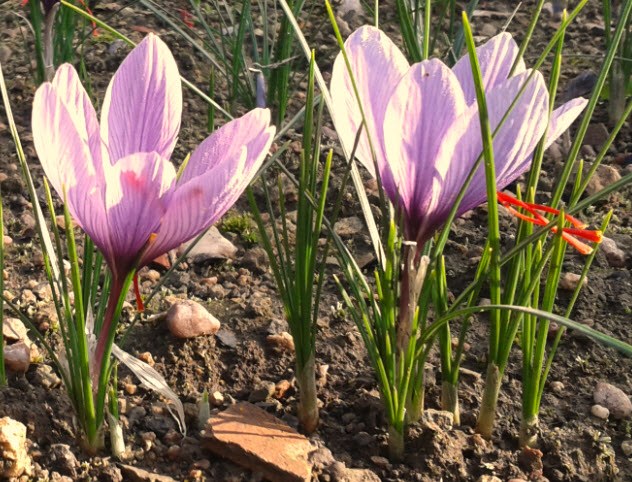
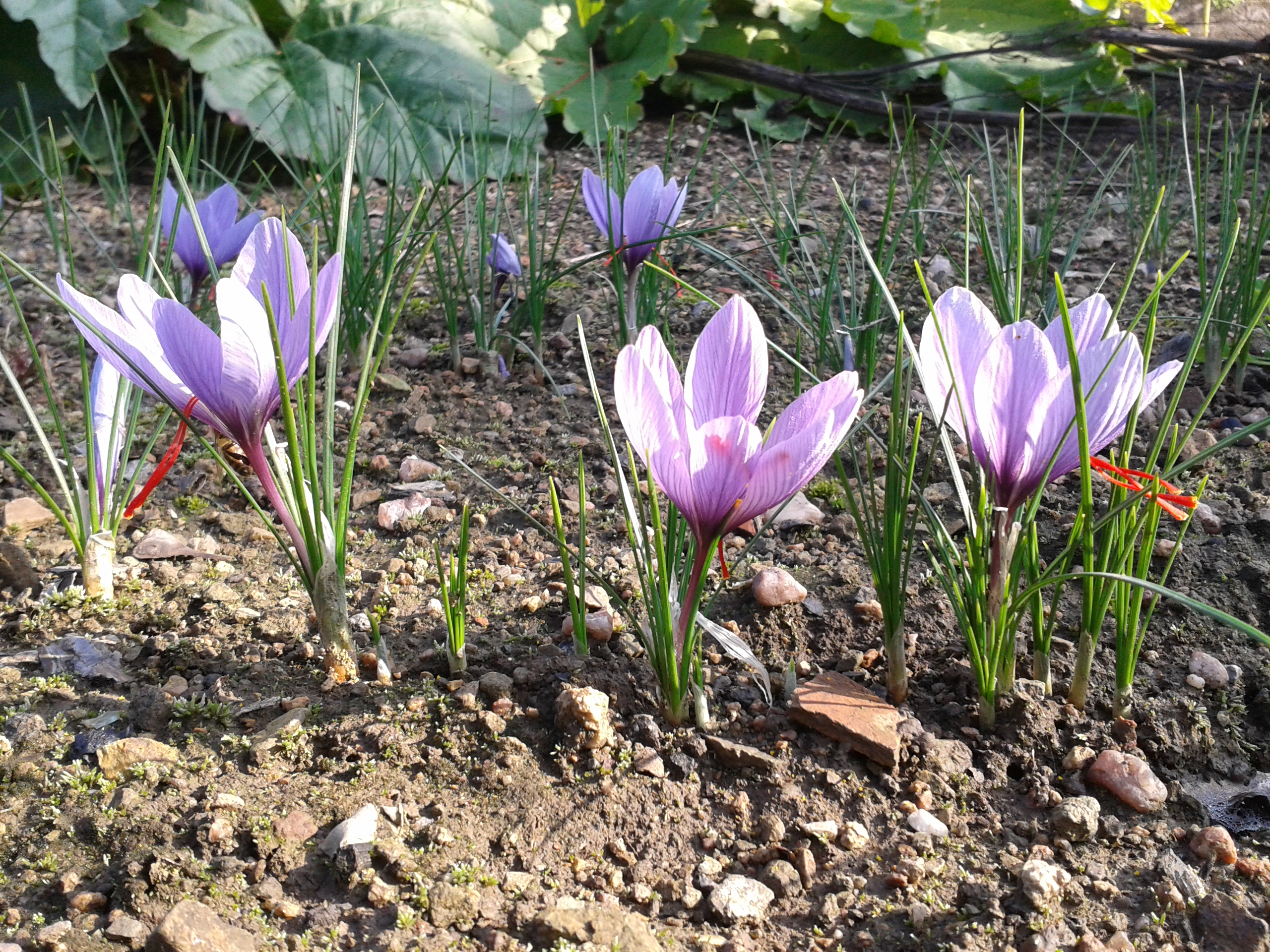
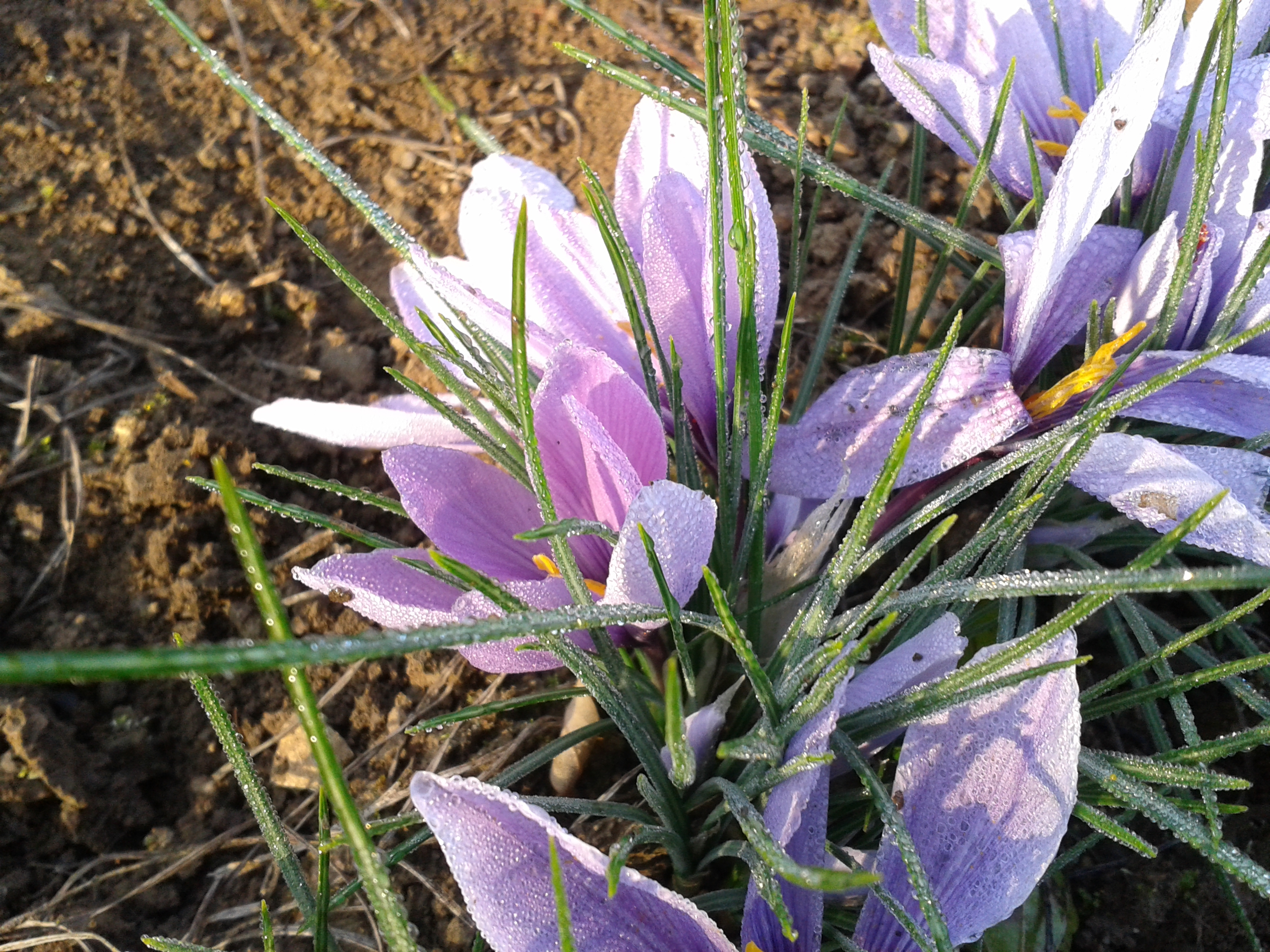
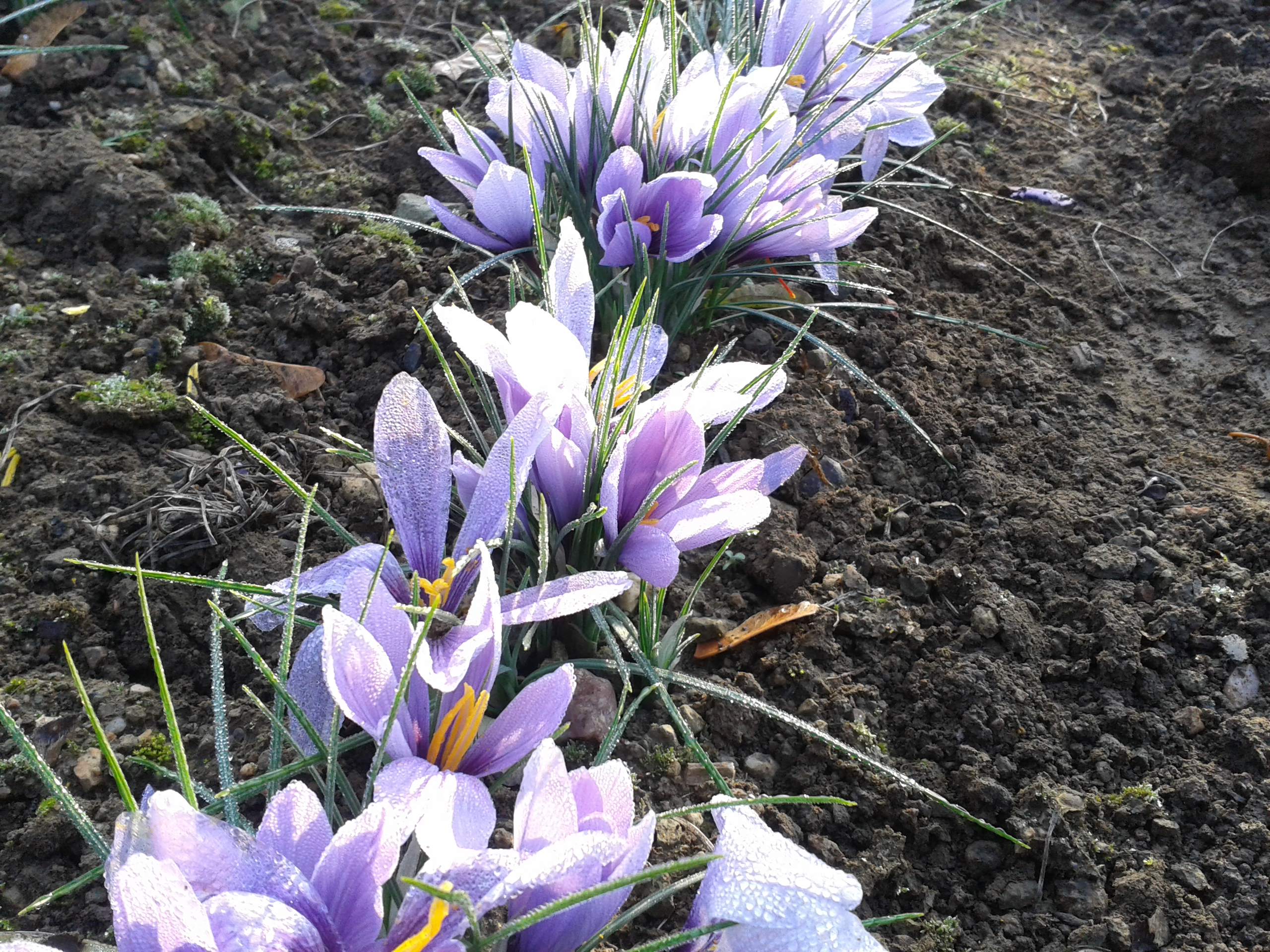
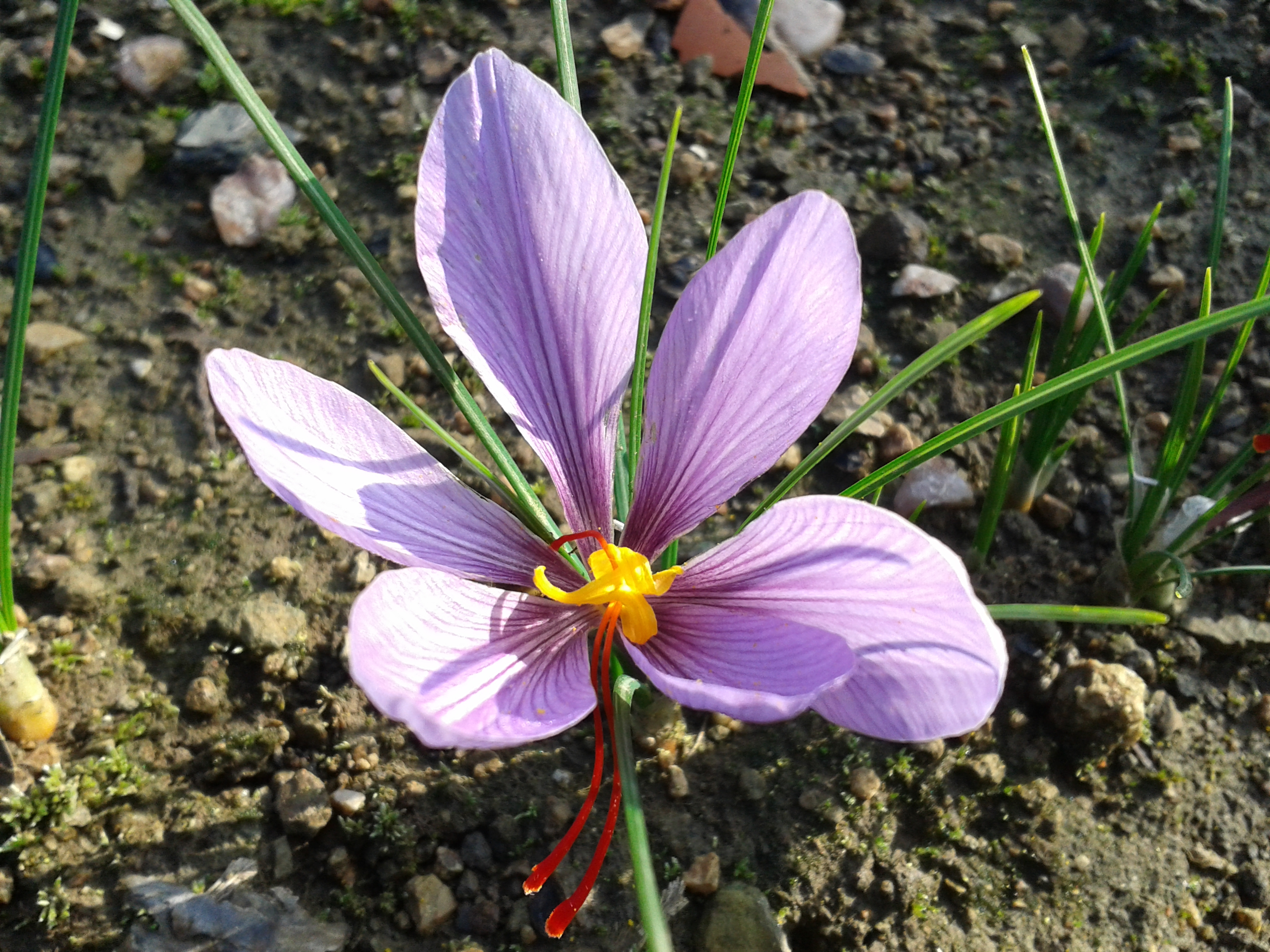
Short description of the species
Interesting
It is the most expensive spice in the world. Each stigma weighs about 2 mg, so producing 1 kg of saffron requires approximately 150,000 flowers.Usage
In the kitchen, it is valued for its aroma, slightly bitter taste, and golden color, especially in dishes like paella, risotto, or desserts, popular in Indian, Mediterranean, and Arabic cuisine.Cultivation practices
Propagation: Saffron is propagated vegetatively using daughter corms, which are planted from late August to September at a depth of 6–7 cm so that they have time to root before winter.
Cultivation practices – from bulbs:
| Month | I. | II. | III. | IV. | V. | VI. | VII. | VIII. | IX. | X. | XI. | XII. |
|---|---|---|---|---|---|---|---|---|---|---|---|---|
| Bulb harvest | XXX | |||||||||||
| Planting | X | XX | ||||||||||
| Harvest / flower / stigma (the following year) | X | XXX | X |
Inclusion in crop rotation and fertilization requirements
It is frost-hardy. It is cultivated in the same place for three years, after which the soil needs to rest.
Track: II.
Suitable preceding crops: legumes, cereals, grass stands or perennial herbs, cruciferous plants
Fertilization: Saffron is planted after a well-fertilized preceding crop.
Varieties: The most valuable saffron varieties on the market are mainly the Spanish *La Mancha*, Iranian *Sargol* and *Super Negin*, Kashmiri saffron, and Greek *Krokos Kozanis*. They differ in aroma intensity, coloring capacity, and origin, but share a high crocin content, which determines their quality.
Cultivation is demanding and economically disadvantageous in Slovakia, but abroad, especially in the Netherlands and Israel, experiments are carried out with hydroponic and aeroponic cultivation under controlled conditions. In Slovakia, modern vertical cultivation is used, for example by the farm Veles Farming (Bratislava), where corms are placed in racks, increasing efficiency and yield.
Harvest and storage:
Saffron is harvested by hand in autumn, especially early in the morning during a short 3–5 day flowering period. Unopened flowers are collected, from which the stigmas are separated and then dried. During drying, they lose up to 80% of their weight, and their low moisture content (below 12%) ensures longer shelf life and spice quality.
Due to its high price, real saffron is often imitated. Cape saffron, obtained from the plant Lyperia crocea, is similar in color, taste, and aroma to true saffron. Other substitutes include the flowers of safflower (Carthamus tinctorius L.), marigold (Calendula officinalis L.), and mountain arnica (Arnica montana L.).
Use:
In cooking, it is valued for its aroma, slightly bitter taste, and golden color, especially in dishes such as paella, risotto, or desserts, and is popular in Indian, Mediterranean, and Arabic cuisine.
Effects on human health:
Constituents: yellow pigment crocin, glycoside, picrocrocin, essential oils
Phytotherapeutic groups: anti-inflammatory, antioxidant, antidepressant
Diseases and pests:
Saffron is threatened by diseases such as bulb rot (Fusarium, Penicillium, Erwinia spp.) and pests such as nematodes, saffron fly, and mites, which damage leaves and corms. Prevention includes corm disinfection, crop rotation, and irrigation control.
Labeling Plants with QR Codes
At the Faculty of Horticulture and Landscape Engineering at SPU in Nitra, we've created a project that offers visitors to our plantings a new way to discover the beauty and intriguing aspects of plants. Each plant in our plantings has its own unique QR code. All a visitor needs to do is scan this code with their smartphone.
Encyclopedy
Informácie
Kontakt
Fakulta záhradníctva a krajinného inžinierstva
Tulipánová 7, 949 76 Nitra
phone +421 (37) 641 4229 — study department
email henrieta.budayová@uniag.sk



Copyright © 2026 Faculty of Horticulture and Landscape Engineering