

 Slovenská verzia
- home
- Spices and aromatic plants
- Rutaceae
- Common rue
- Common rue
Common rue
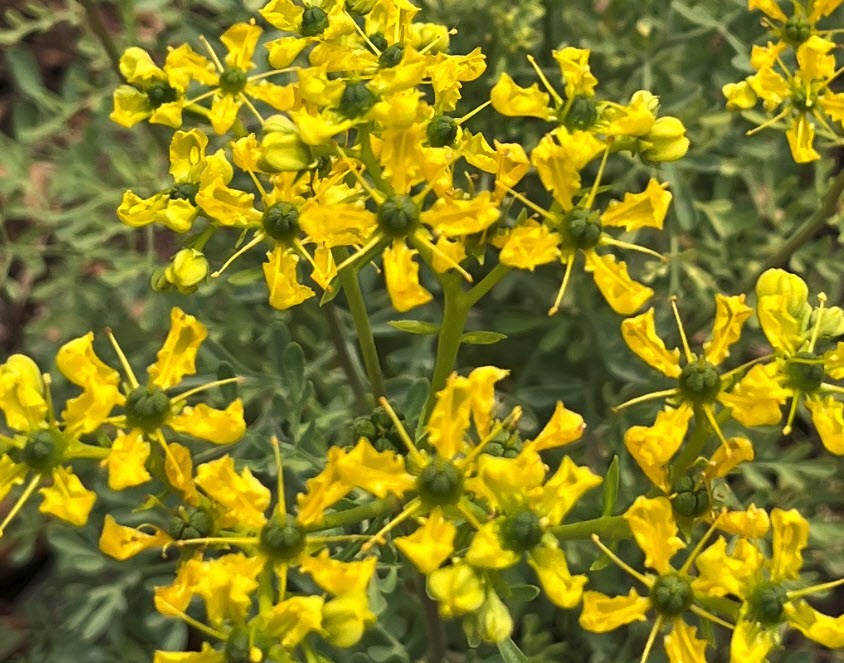
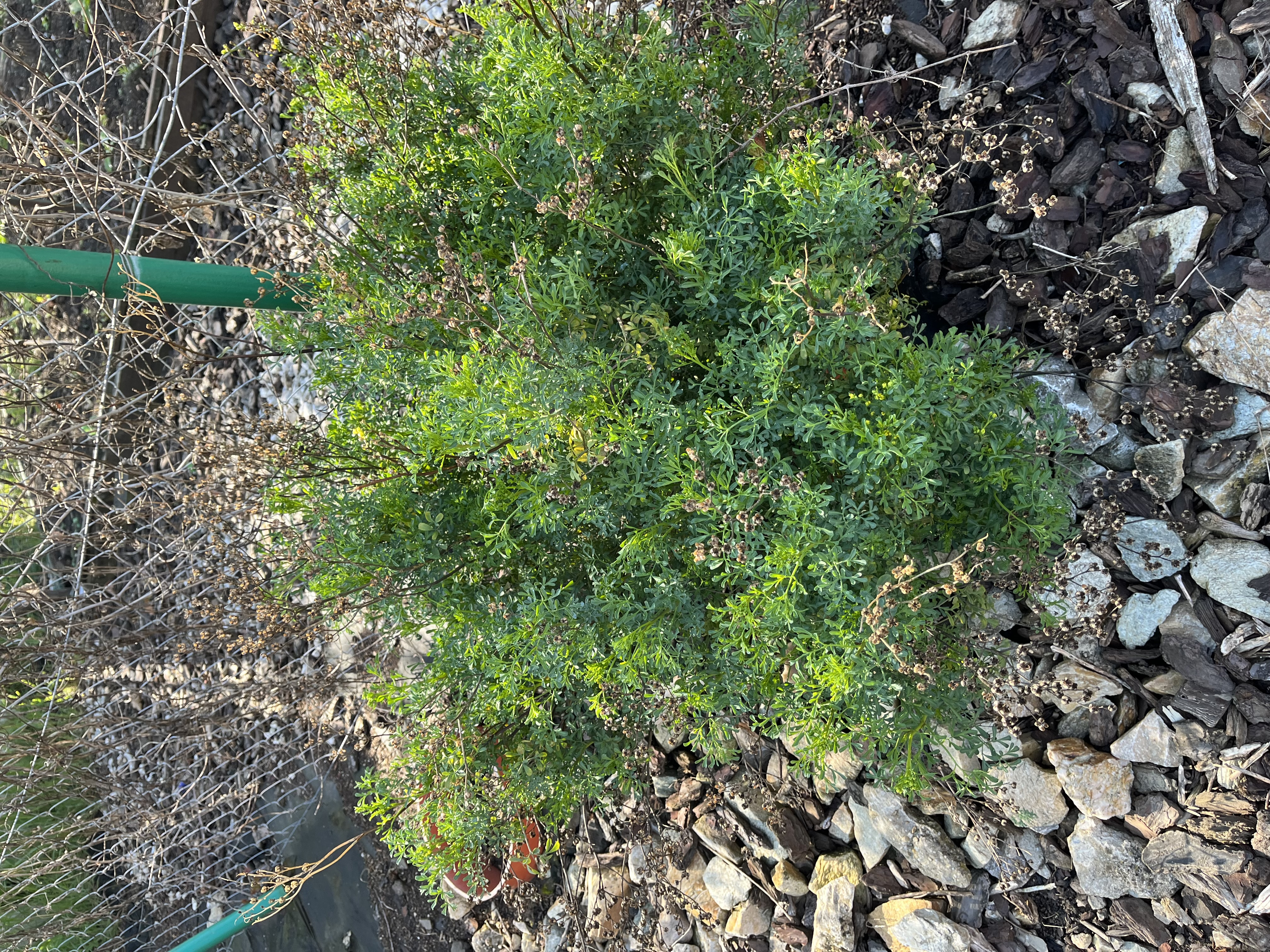
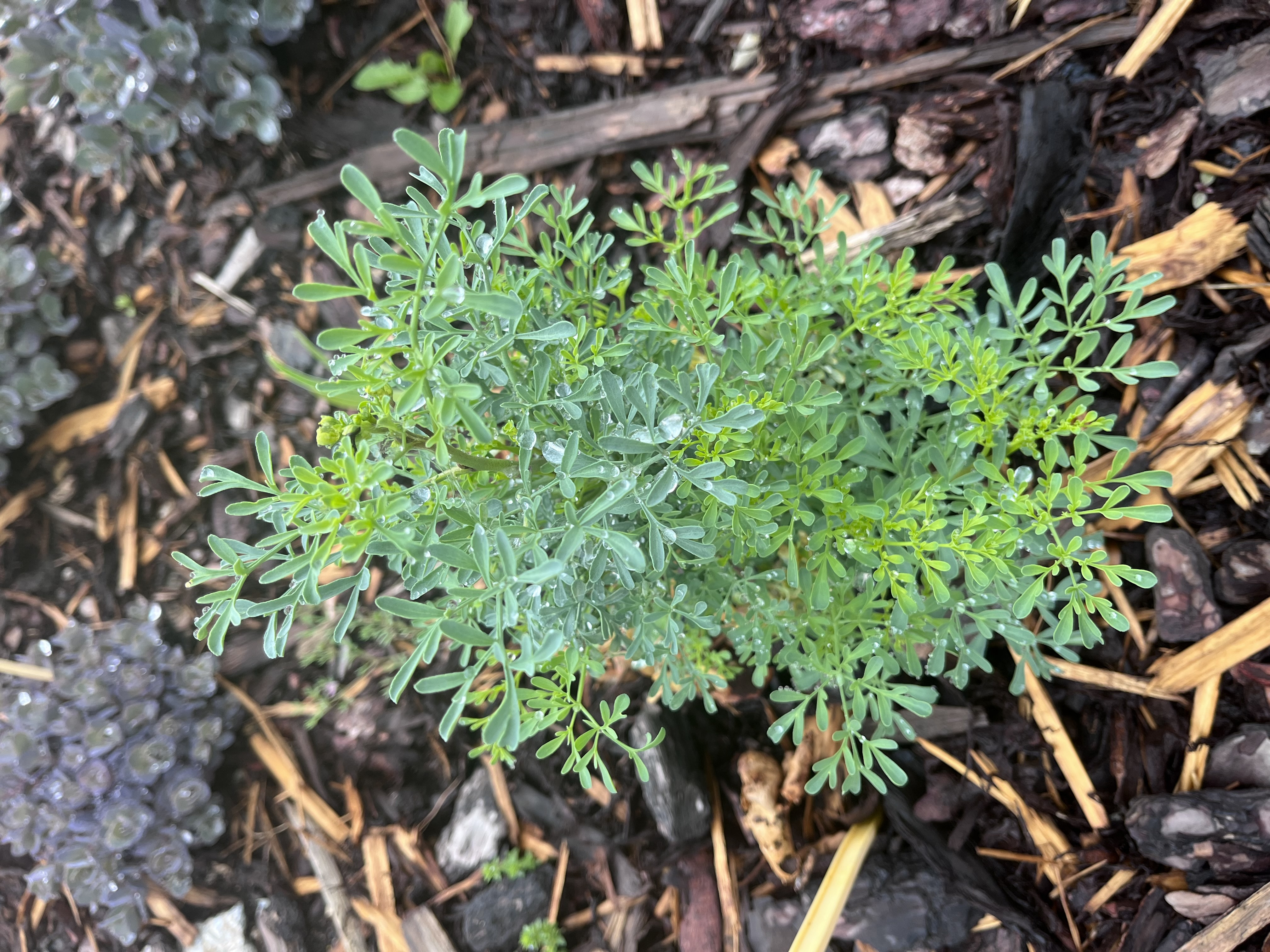
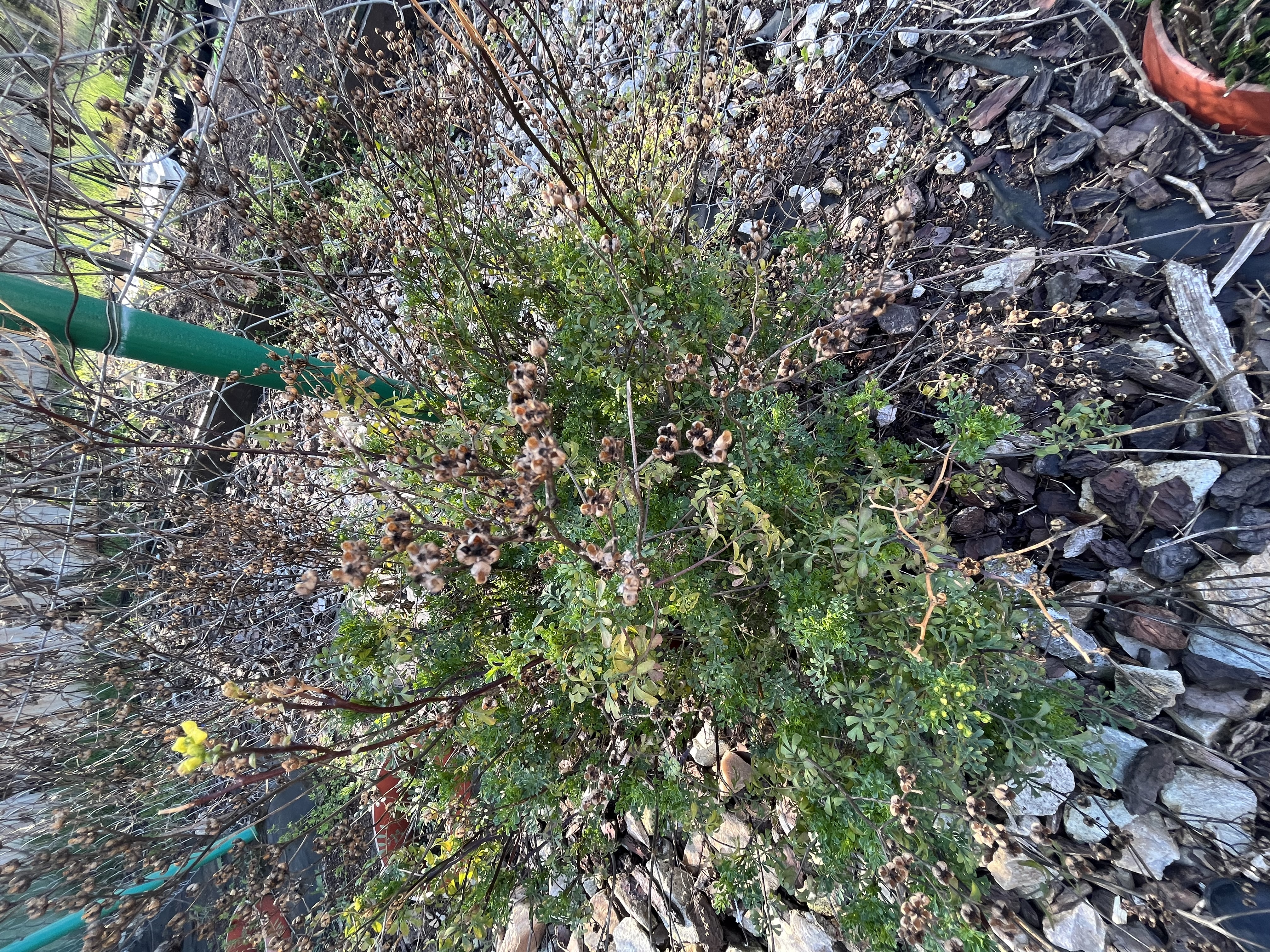
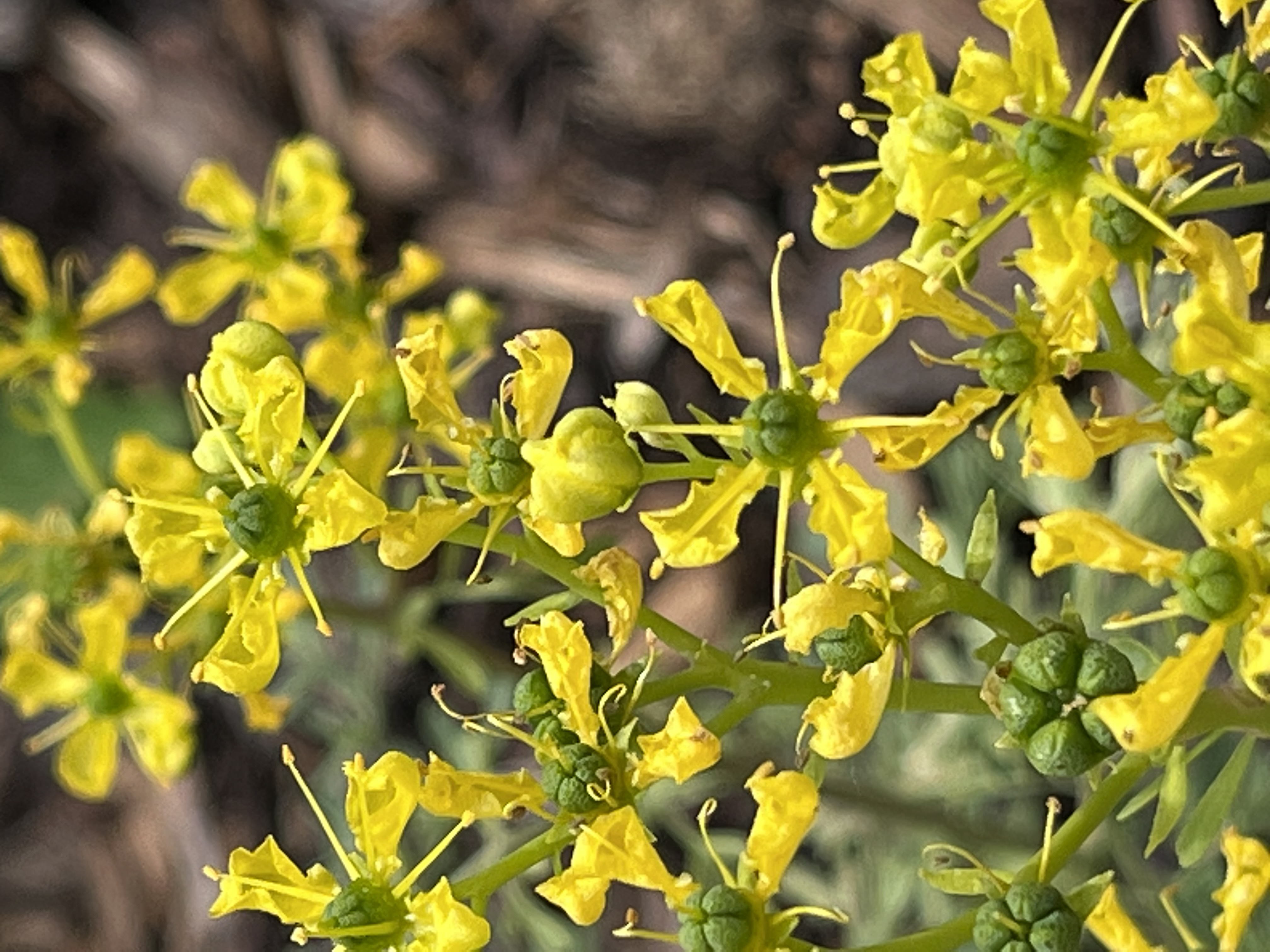
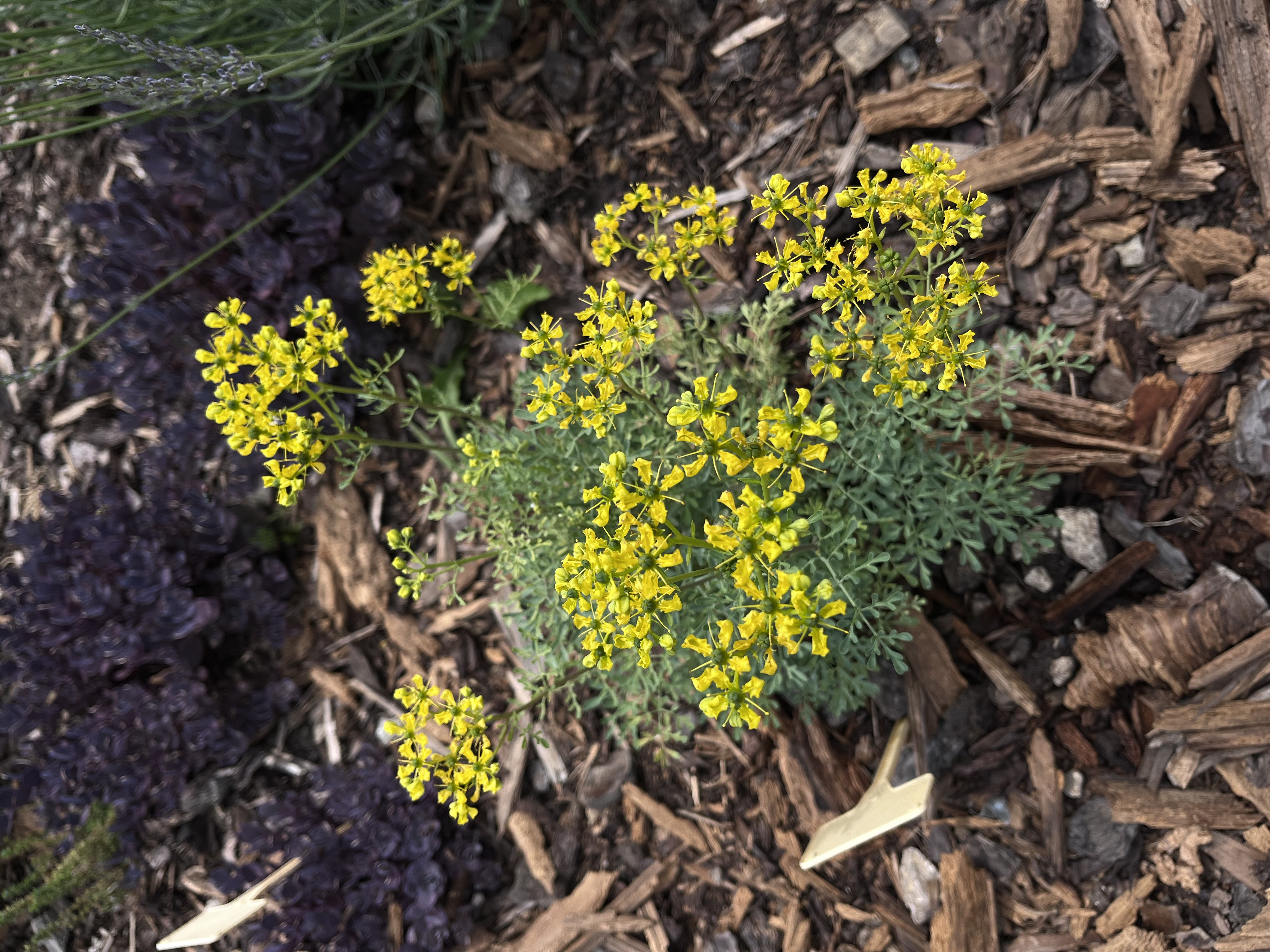
Short description of the species
Interesting
The plant contains furanocoumarins, which, when in contact with the skin and exposed to sunlight, can cause rashes, therefore it is recommended to handle it with gloves.Usage
It is used in traditional cuisine (especially in Italy and Croatia), in small amounts for marinades, stuffings, sauces, or soups, and its oil is used in the production of cognac, the oriental liqueur raki, in perfumery, and also as a natural pesticide.Cultivation practices
Propagation: Rue is propagated by direct sowing or cuttings.Cultivation practices – from seedlings
| Month | I. | II. | III. | IV. | V. | VI. | VII. | VIII. | IX. | X. | XI. | XII. |
|---|---|---|---|---|---|---|---|---|---|---|---|---|
| Sowing/covered areas | XX | |||||||||||
| Planting | XX | |||||||||||
| Harvest/leaves | XXX | XXX | XXX |
Crop rotation and fertilization requirements
Rue is a perennial plant that overwinters in our conditions as an evergreen shrub.
Track: II.
Suitable preceding crops: cereals, legumes, forage mixtures
Fertilization: Rue is fertilized with a balanced NPK fertilizer in well-drained soil, with nitrogen applied sparingly (40–60 kg/ha) during the growing season to prevent excessive growth at the expense of active compounds.
Varieties: Rue varieties differ mainly in leaf color, plant size, and ornamental use in gardens.
Harvest and storage:
Leaves or the whole herb are harvested several times a year.
Use: Rue is characterized by a strong aroma and bitter taste. It is used in traditional cuisine (especially in Italy and Croatia), in small amounts for pickles, stuffings, sauces, or soups. Its oil is used in the production of cognac, the oriental liqueur raki, in perfumery, and as a natural pesticide.
Constituents: alkaloids, flavonoids (rutin, quercetin), essential oils, rutamarin
Phytotherapeutic groups: anti-inflammatory, antibiotic, antioxidant, digestive
Diseases and pests: Rue can be attacked by diseases such as rust (Puccinia rutae), powdery mildew, and root rot, and by pests such as aphids (Aphidoidea), mites, snails, and slugs.
Labeling Plants with QR Codes
At the Faculty of Horticulture and Landscape Engineering at SPU in Nitra, we've created a project that offers visitors to our plantings a new way to discover the beauty and intriguing aspects of plants. Each plant in our plantings has its own unique QR code. All a visitor needs to do is scan this code with their smartphone.
Encyclopedy
Informácie
Kontakt
Fakulta záhradníctva a krajinného inžinierstva
Tulipánová 7, 949 76 Nitra
phone +421 (37) 641 4229 — study department
email henrieta.budayová@uniag.sk



Copyright © 2026 Faculty of Horticulture and Landscape Engineering