

 Slovenská verzia
Plum
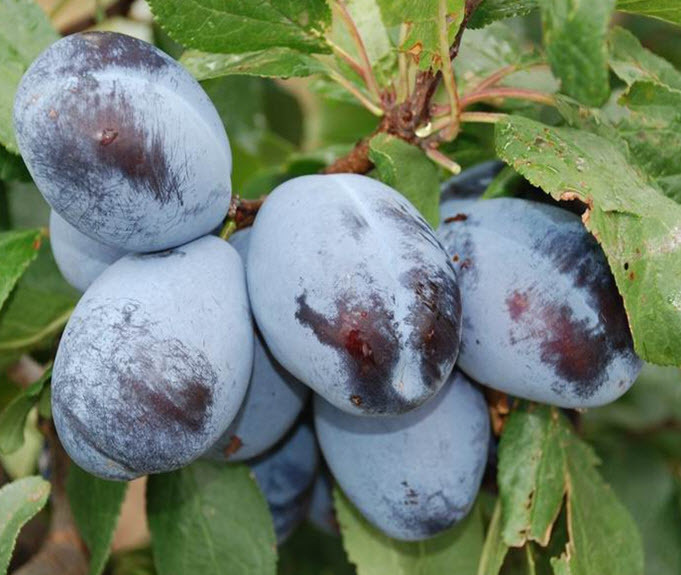
Plums are currently experiencing a renaissance in consumption, but also in cultivation. With the right varietal composition, it is possible to harvest fruits practically throughout the summer.
Short description of the species
Interesting
The ingredients in plums can lower blood pressure, have cytoprotective effects, are a suitable addition to low-calorie diets, beneficial in terms of strong bones, cardioprotective effects and healthy brain functions.Usage
direct consumption, nectar processing, distillation, jamsSuitable growing locations
Plums generally suit higher and cooler growing locations, but of course they can also be grown successfully in southern and warm areas. Deeper, loamy soils, moderately moist with a groundwater level of up to 0.8m are suitable for them. For intensive plantings, the maximum altitude is up to 350m, in smaller gardens they can be grown up to 600m, at an average annual temperature of 7-8°C and an average annual rainfall of 500-700mm.
Suitable rootstocks
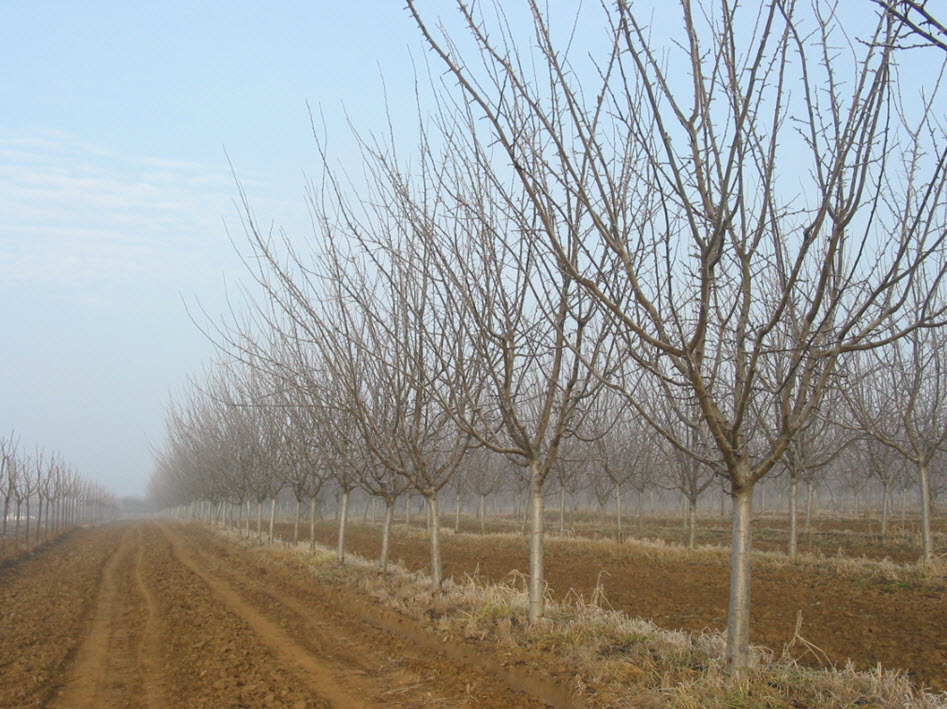
For spindle type, the rootstock St. is suitable. Julien A, which we recommend for poorer and wetter soils, but also the selection of slow-growing myrobalans (MY-BO-1), as well as the rootstock S-BO-1, which is also suitable for higher growing positions and wetter soils. Torinell is a very suitable rootstock for warm areas and nutritious soils. Weakening of growth compared to plum seedling is up to 55-60%, it has a good affinity with modern varieties, fertility is early and begins already in the third year after planting. The rootstock tolerates wetter and heavier soils and has a higher resistance to asphyxiation. Its disadvantage is the creation of a larger number of kicks. The entry into the vegetation is slower, the trees on the Torinell rootstock need a higher soil temperature for the beginning of sap flow, which is advantageous from the point of view of escape from late spring frosts. But we really only recommend it for the best and warmest areas.
Rootstocks created by selection from Wangenheim's plum called Waxwa and Wawit have similar properties. One is propagated generatively and Wawit is propagated under in-vitro conditions. Varieties on these rootstocks have very poor growth, the reduction in growth is up to 50% compared to seedlings. Entry into vegetation is slower, they need higher soil temperature for sap flow, similar to Torinell. However, he does not create as many kick-offs. On dry and sandy soils, it has the disadvantage that it does not form a fertile growth of sufficient quality.
Suitable varieties
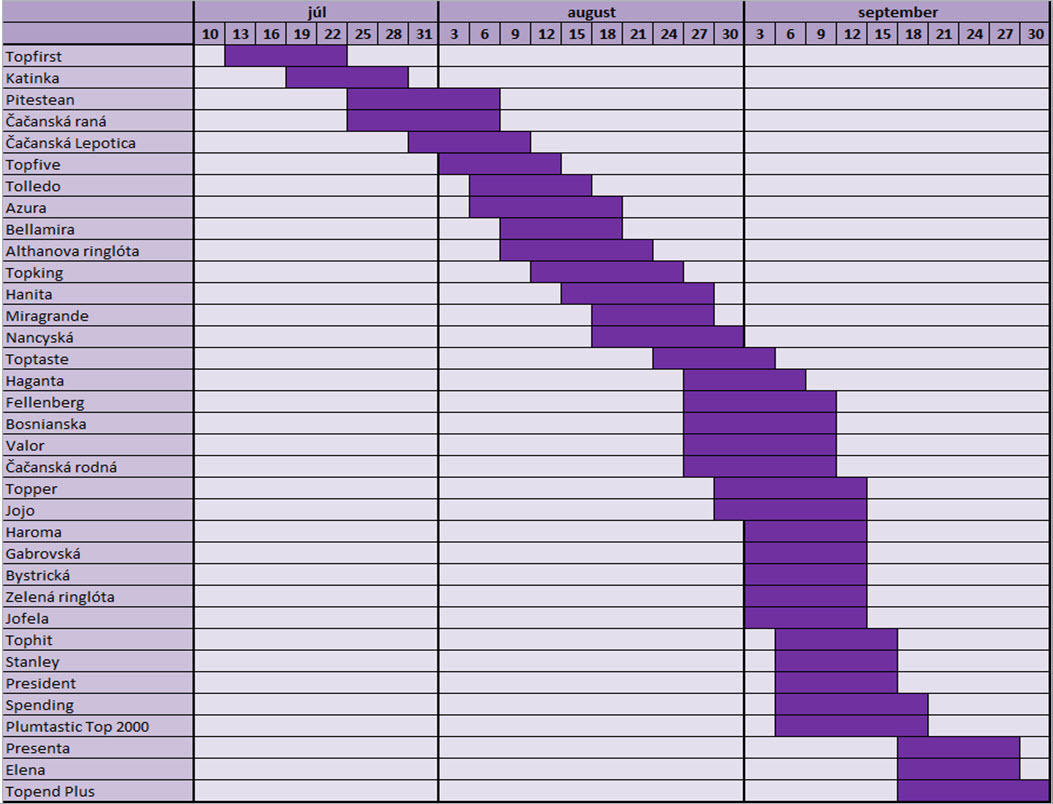
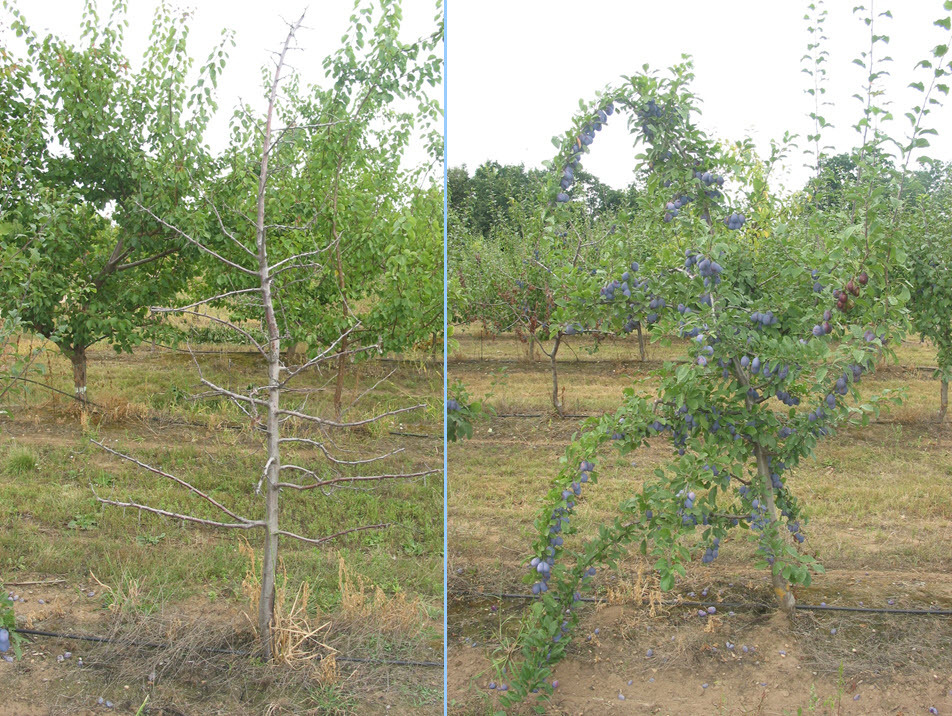
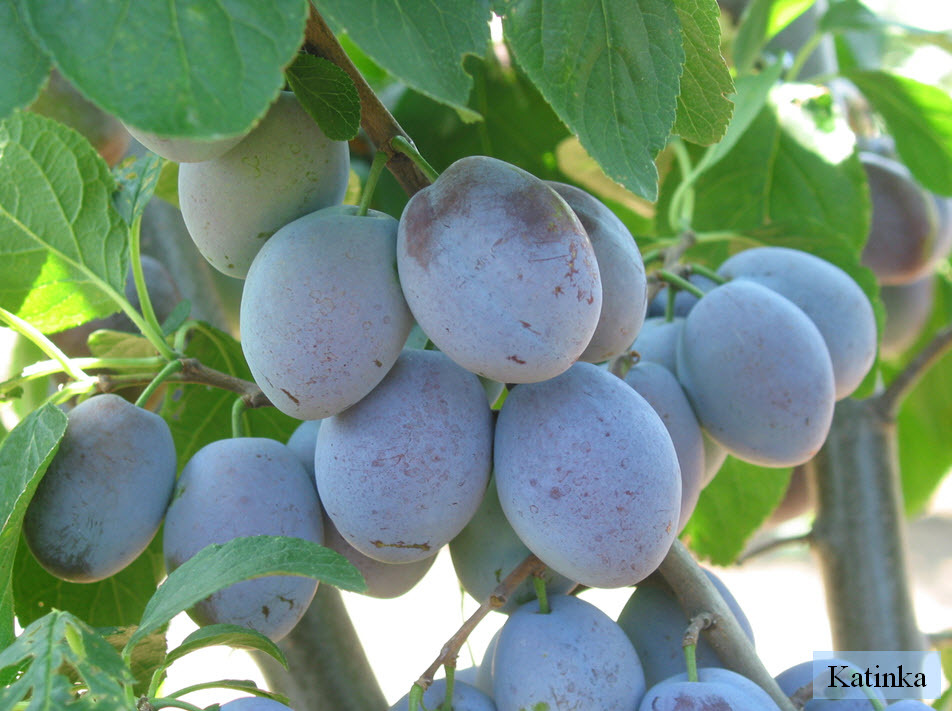
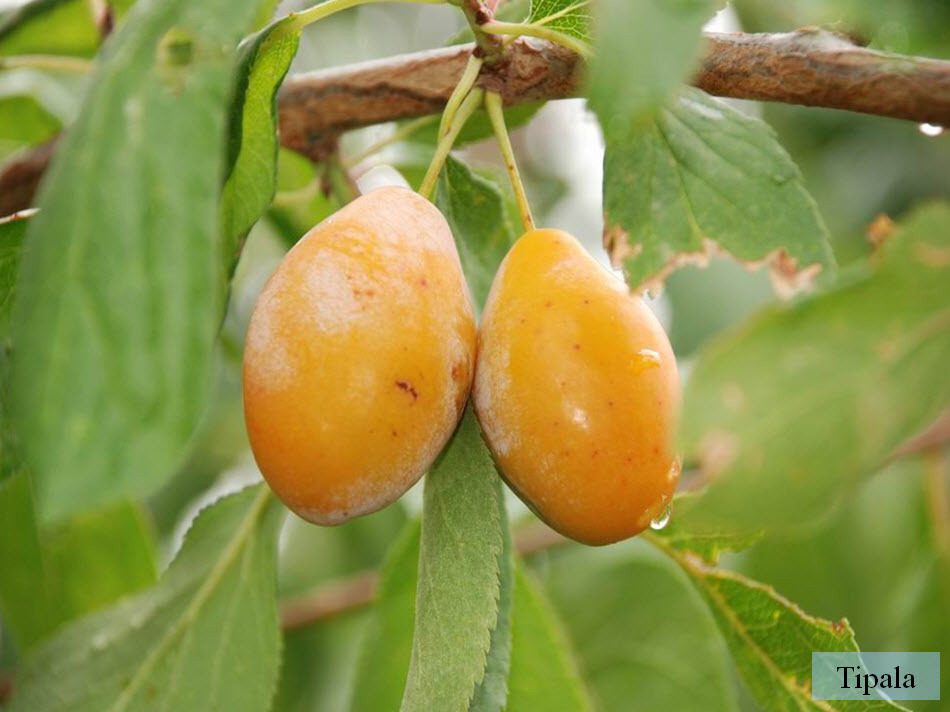
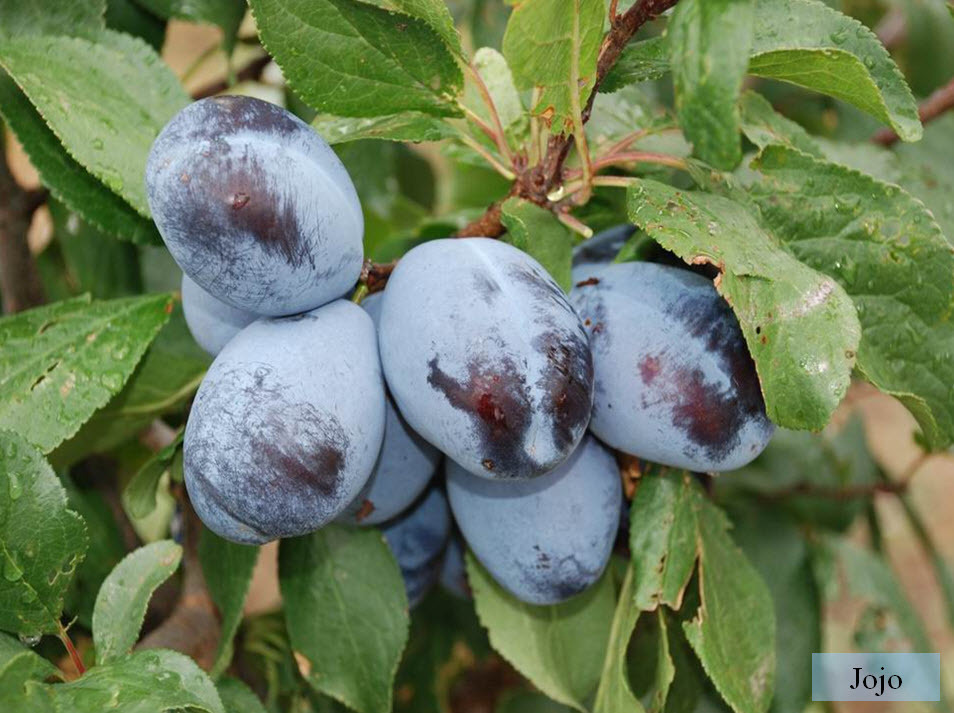
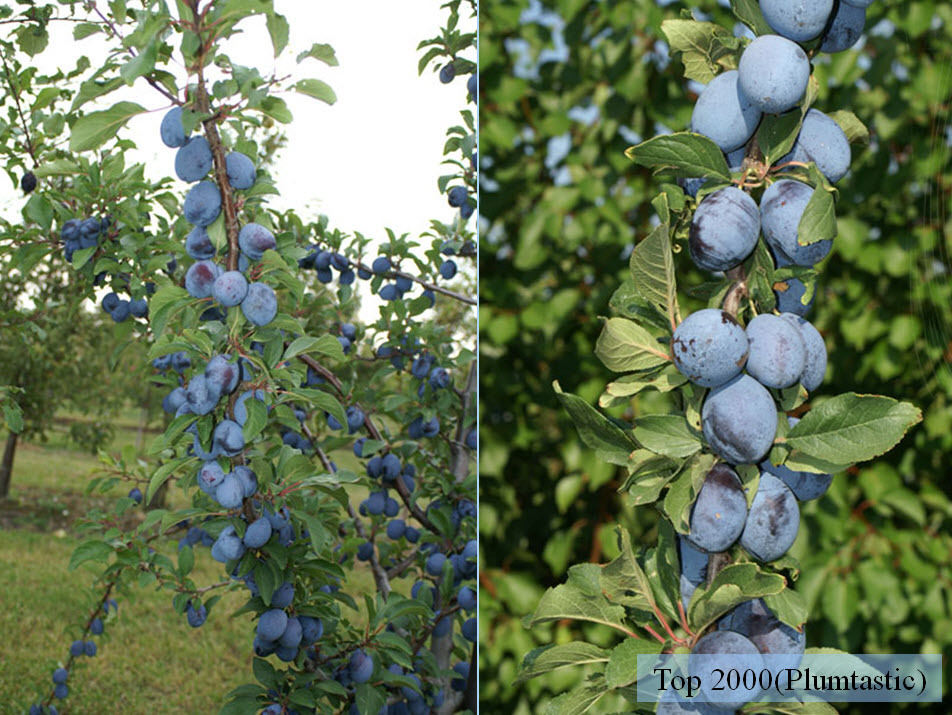
We no longer recommend the Bystrická variety, which has been unsurpassed in taste for a long time, because it is extremely susceptible to the viral disease of plums. Unfortunately, cured clones of this variety are no longer produced, so most of the planting material is more or less attacked by viruses, which, in addition to a marked reduction in sugar content and fruit size, also weaken the tree's assimilation capacity, which subsequently shows signs of chlorosis and overall tree withering. The varieties from the breeding station in Čačak in the former Yugoslavia are also past their zenith, even if some growers do not allow them. From the Čačany varieties, it is therefore possible to plant Čačanská Lepotica and Valjevka for direct consumption and Čačanská native and Čačanská rána for distillates. From the huge group of newly bred German varieties that are tolerant to the scurvy, it is possible to grow from varieties that ripen at the end of July to the beginning of August the varieties Juna, Colora, Katinka, Tegera, Tipala, Topfive and Topper, from the medium-late ripening varieties Topking and Felsina. Varieties ripening at the end of August, beginning of September are Haroma, Hanita and Tophit and late ripening varieties such as Elena and Jojo, and the extremely late ripening variety Top 2000, or Topend plus, ripens 8-10 days after the Elena variety, i.e. at the beginning of October and is suitable for storage. At the moment, however, the biggest hit is the Toptaste variety, which, due to its very high sugar content, is suitable both for direct consumption and for distillates. A classic that does not disappoint is the Stanley variety.
Diseases and pests
diseases: plum pox virus, brown rot, shothole disease
pests: plum fruit moth, plum sawfly, aphids
Labeling Plants with QR Codes
At the Faculty of Horticulture and Landscape Engineering at SPU in Nitra, we've created a project that offers visitors to our plantings a new way to discover the beauty and intriguing aspects of plants. Each plant in our plantings has its own unique QR code. All a visitor needs to do is scan this code with their smartphone.
Encyclopedy
Informácie
Kontakt
Fakulta záhradníctva a krajinného inžinierstva
Tulipánová 7, 949 76 Nitra
phone +421 (37) 641 4229 — study department
email henrieta.budayová@uniag.sk



Copyright © 2026 Faculty of Horticulture and Landscape Engineering