

 Slovenská verzia
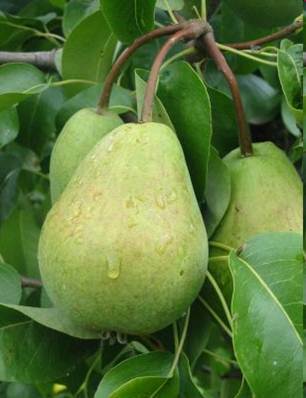
Pears
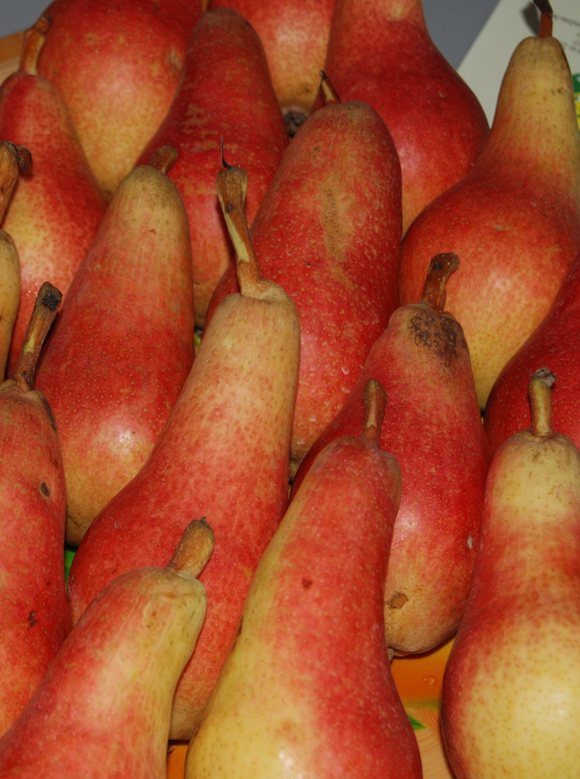
Short description of the species
Interesting
Pear was also cultivated by the Romans, who ate the fruits raw or cooked, similar to apples. They recommended stewing them with honey, but in addition many recipes are recorded, including savory preparations, stewed pear pâté or soufflé.Usage
direct consumption, processing into juices, nectares, perry, distillationSuitable growing locations
Pears require slightly warmer locations than apple trees. Soil requirements are similar to apple trees. They do not like northern slopes, sheltered locations are very suitable. The average annual temperature should be 8°C up to an altitude of 300 m.a.s.l. with average annual precipitation of 450-600 mm. Since pears are relatively sensitive to severe frosts, we recommend growing them in places where frosts around -20°C do not occur for a long time. They are suitable for moderately heavy sandy-loamy, loamy-sandy soils, sufficiently permeable.
Suitable rootstocks
For slow-growing and low-stemmed spindles, we recommend new clones of dove rootstocks MA and dove MC, with which there is no longer a problem with affinity. Birch pear (Pyrus betulifolia) rootstocks, as well as common pear seedlings, are suitable for Asian pears (so-called nashi).
Suitable varieties
Similar to apple trees, pears can be divided into three groups according to ripening: summer, autumn and winter. Among the early, summer varieties, Williams and Clapp are suitable. Of the autumn varieties, we especially recommend the Konferencia variety. Of the winter varieties, Dicolor and Bohemica, Qtee, but also varieties such as Parížanka, Erika, Lucassova, and Vonka are clearly the best. From the assortment of Asian pears, it is possible to plant all the varieties available in nurseries.
Diseases and pests
- diseases: viral fruit stone, brown rot, rose blight
- pests: pear scale, pear mite, aphids
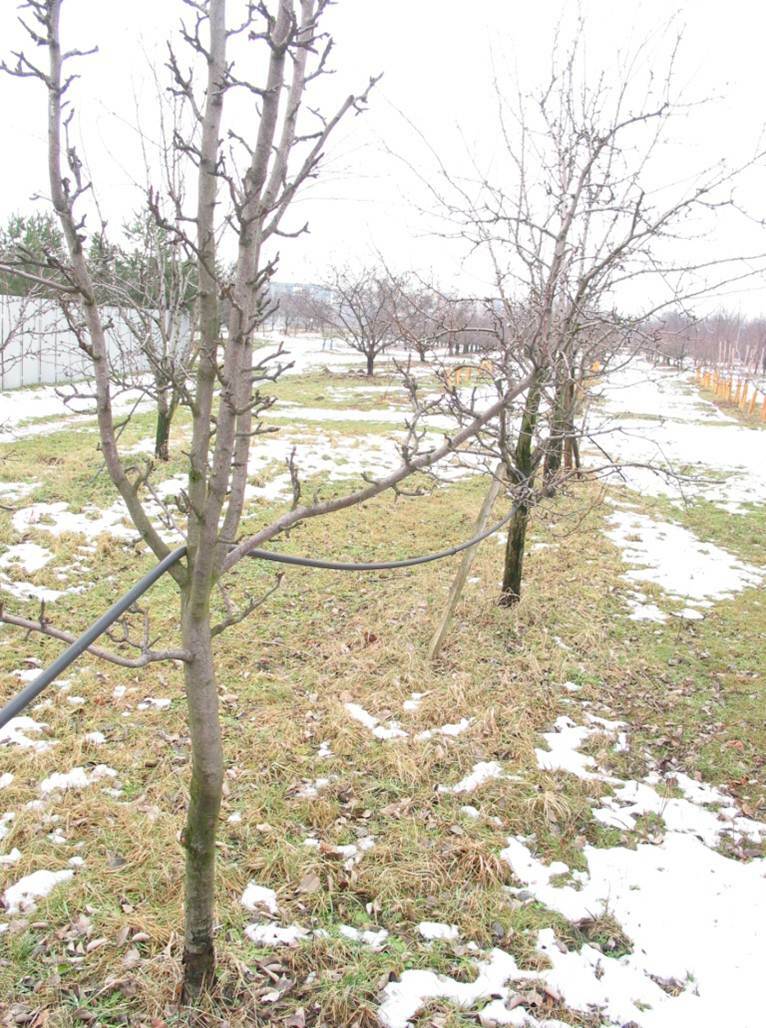

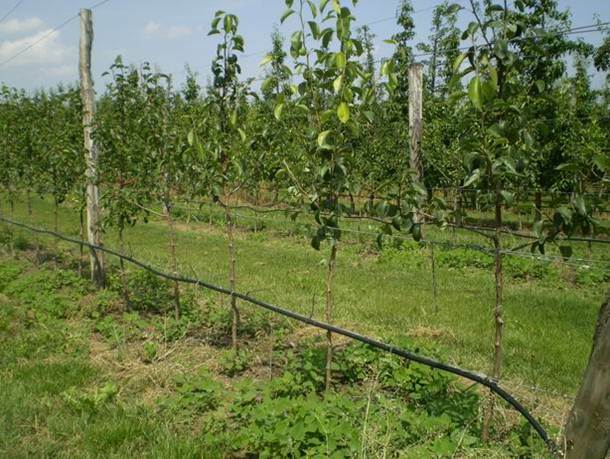
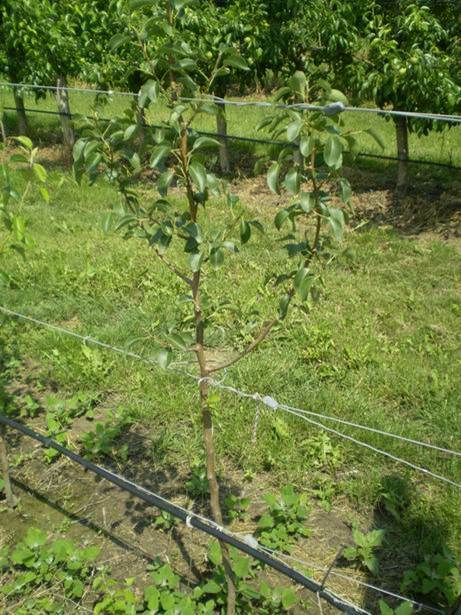

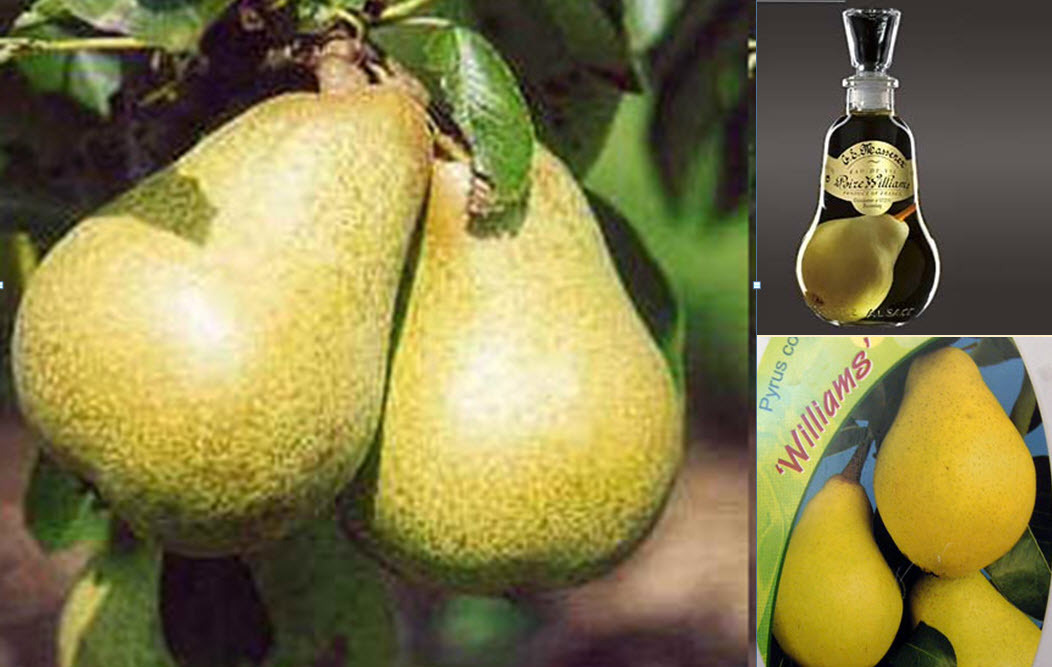
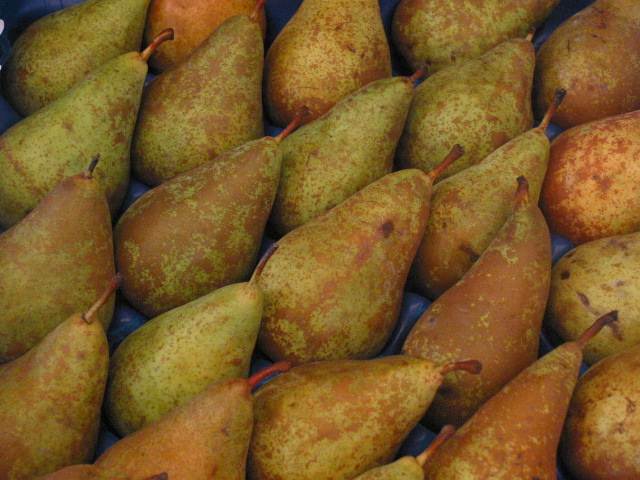
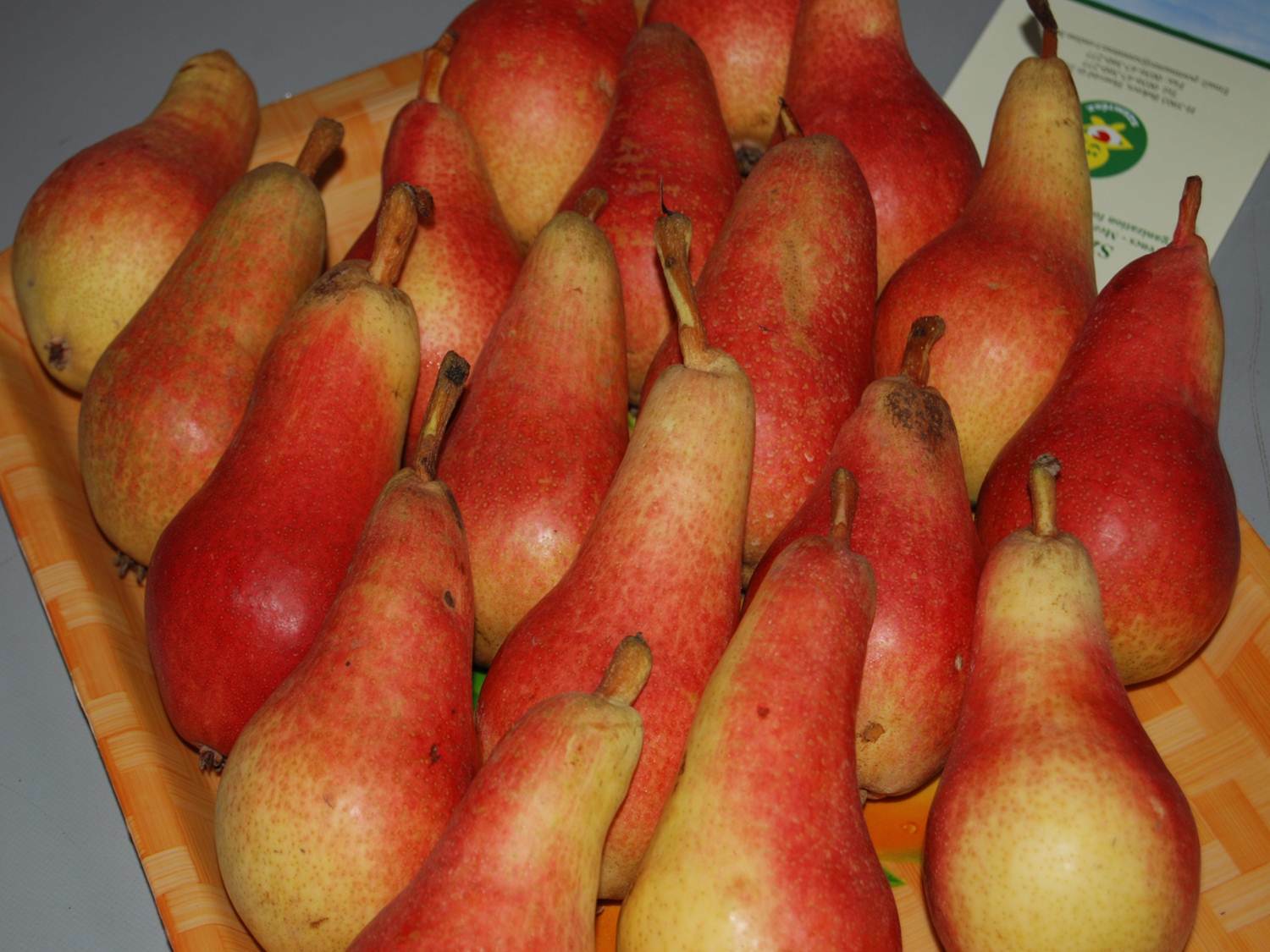
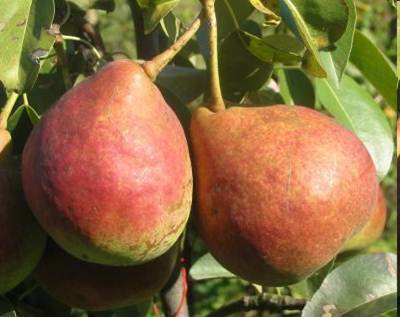
Labeling Plants with QR Codes
At the Faculty of Horticulture and Landscape Engineering at SPU in Nitra, we've created a project that offers visitors to our plantings a new way to discover the beauty and intriguing aspects of plants. Each plant in our plantings has its own unique QR code. All a visitor needs to do is scan this code with their smartphone.
Encyclopedy
Informácie
Kontakt
Fakulta záhradníctva a krajinného inžinierstva
Tulipánová 7, 949 76 Nitra
phone +421 (37) 641 4229 — study department
email henrieta.budayová@uniag.sk



Copyright © 2026 Faculty of Horticulture and Landscape Engineering