

 Slovenská verzia
- home
- Spices and aromatic plants
- Solanaceae
- Chillies
- Chillies
Chillies
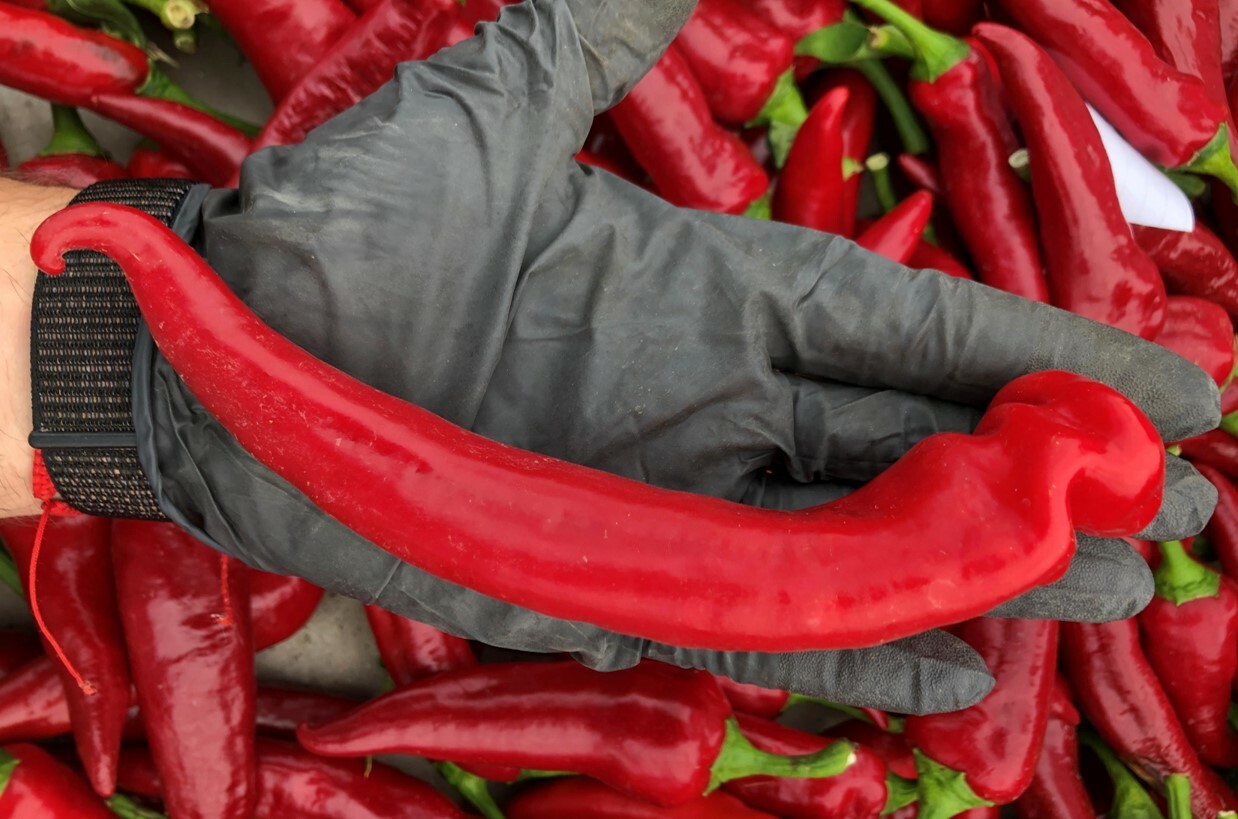
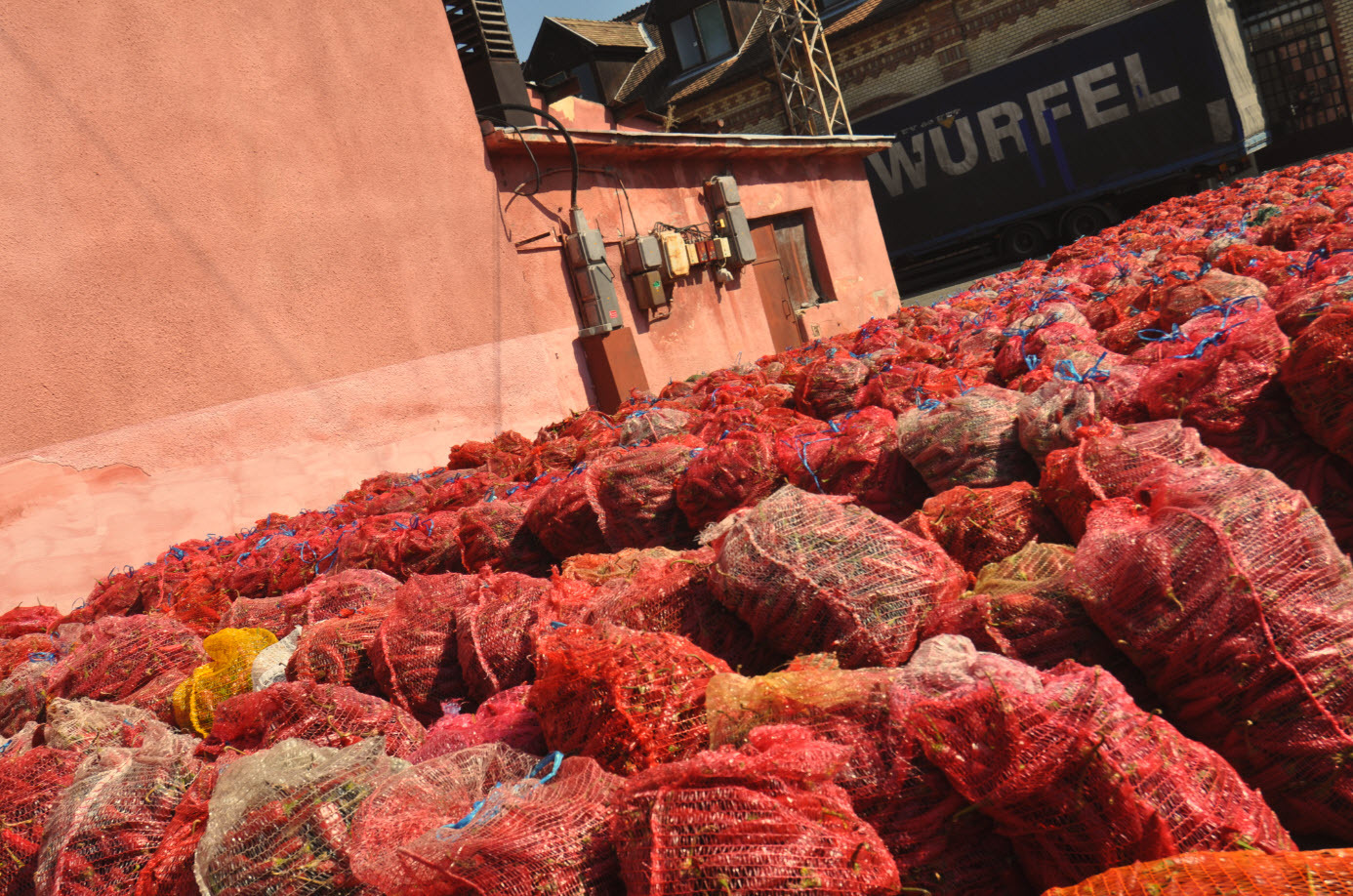
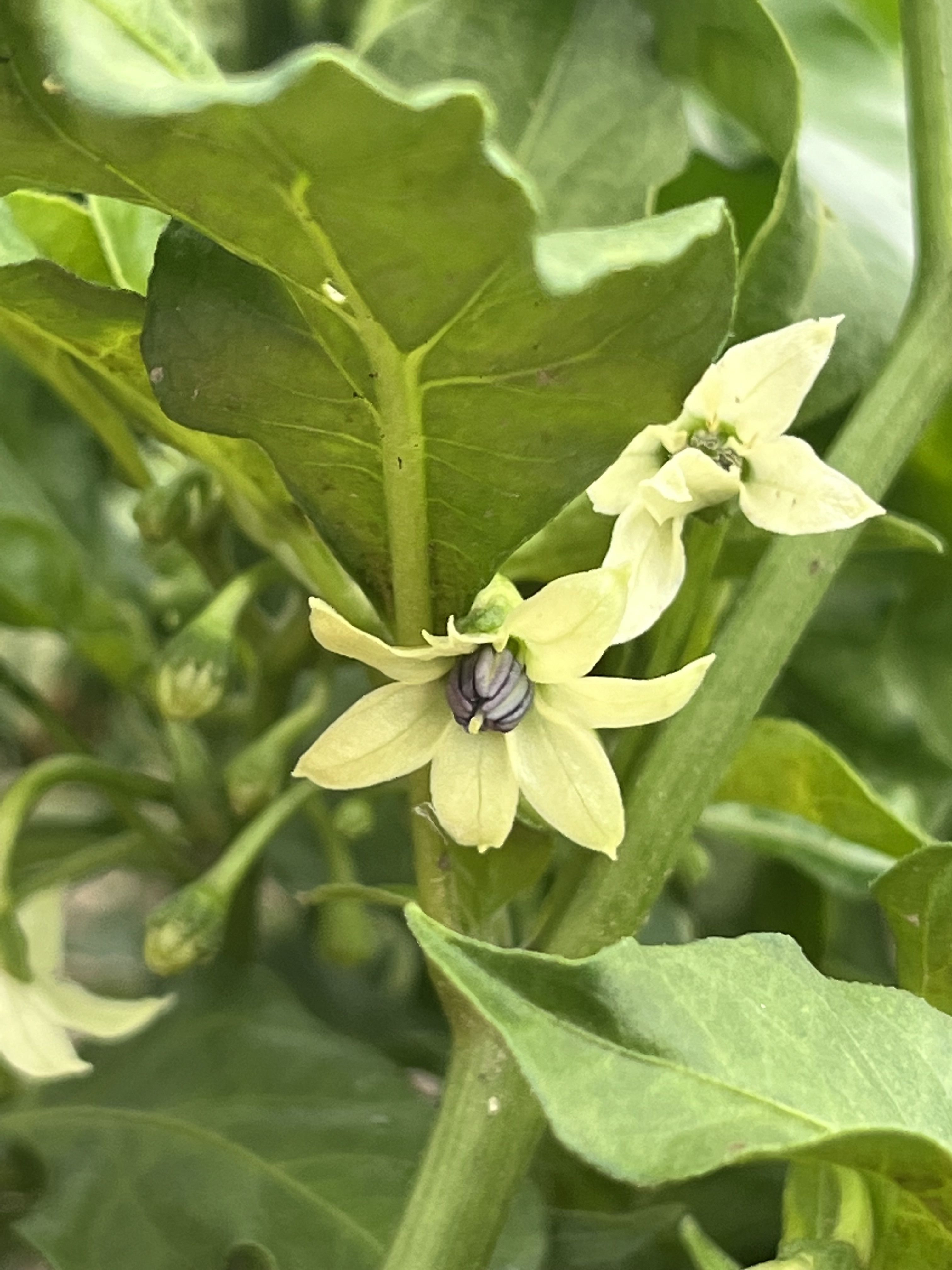
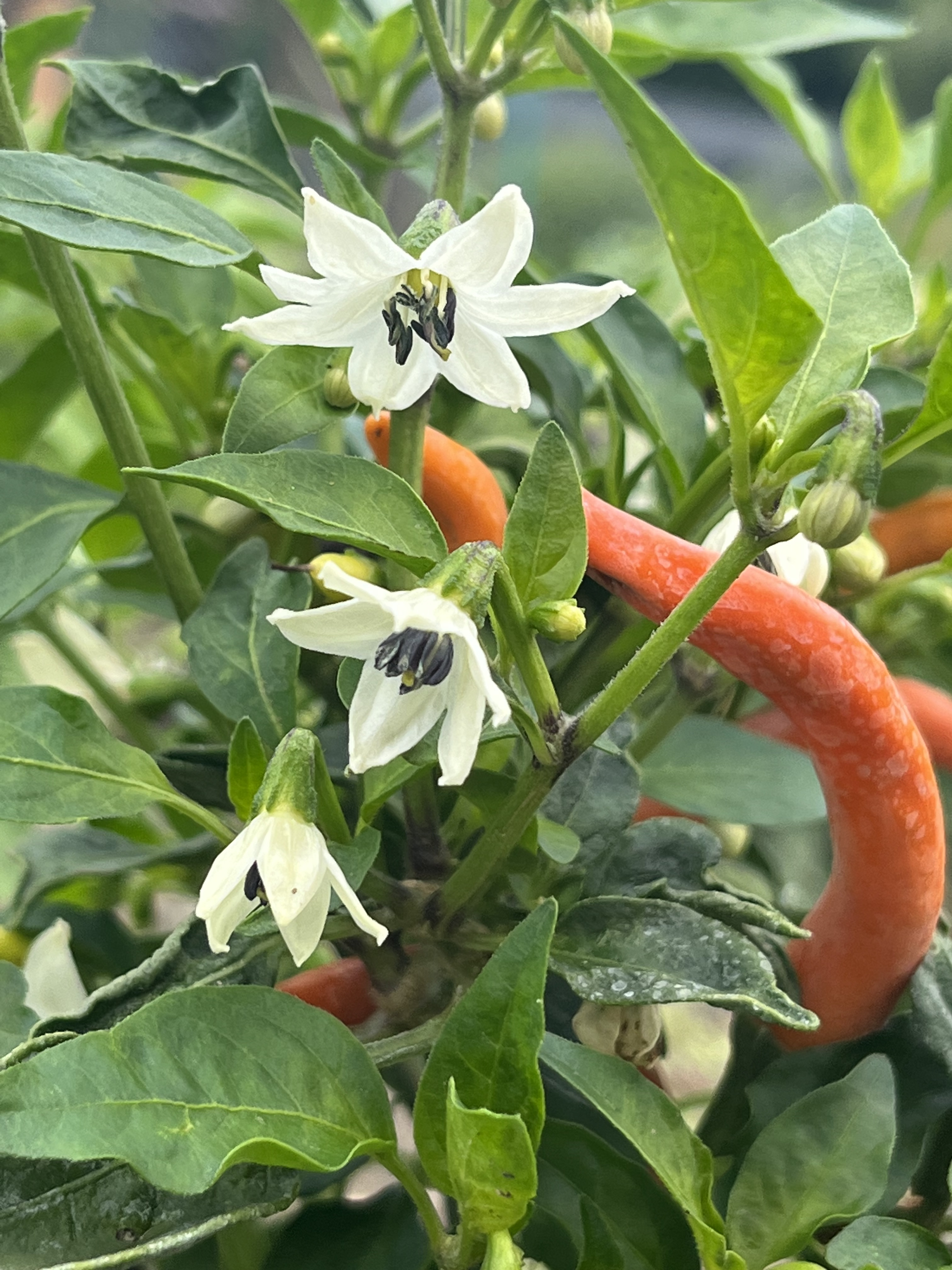
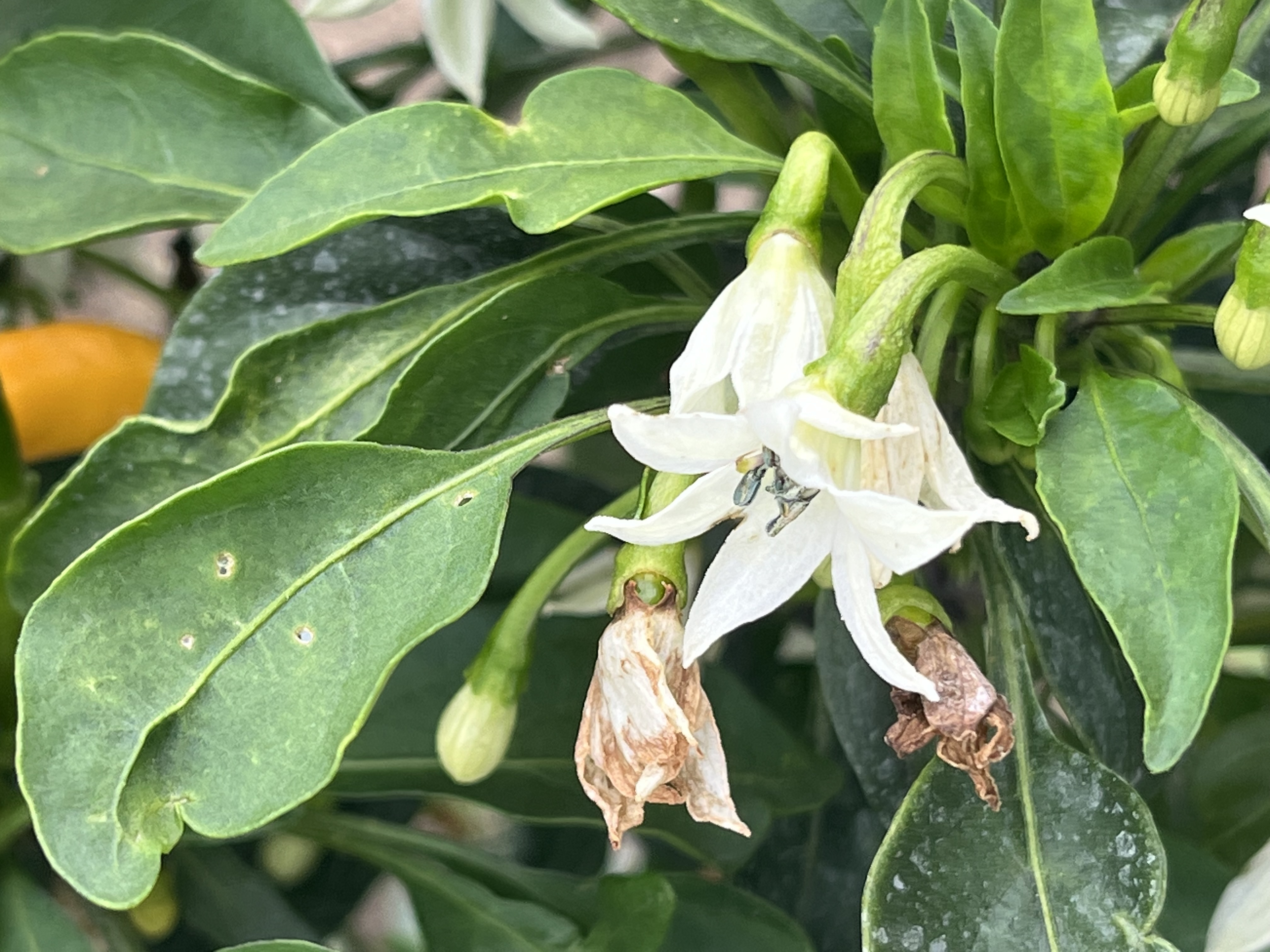
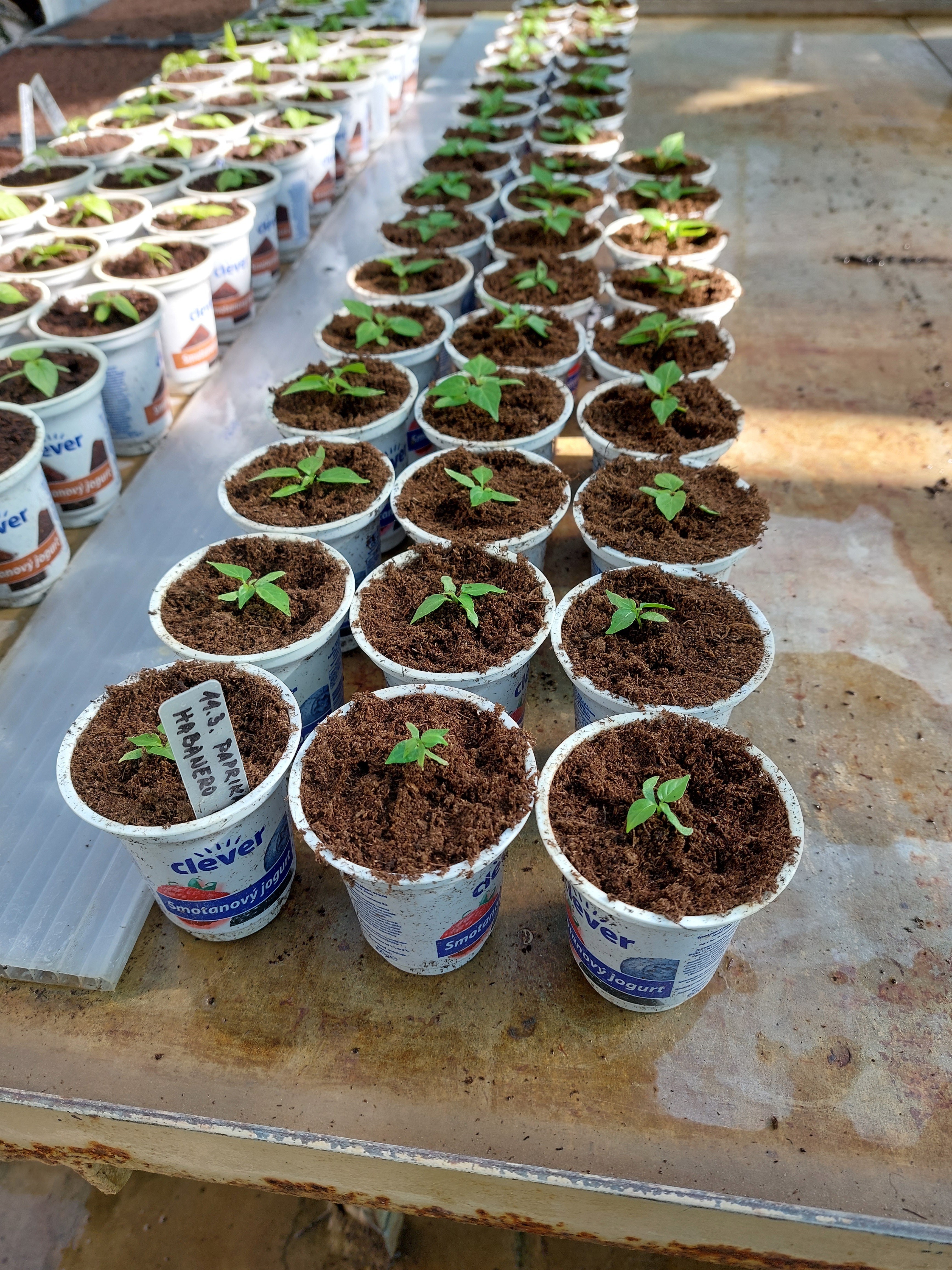
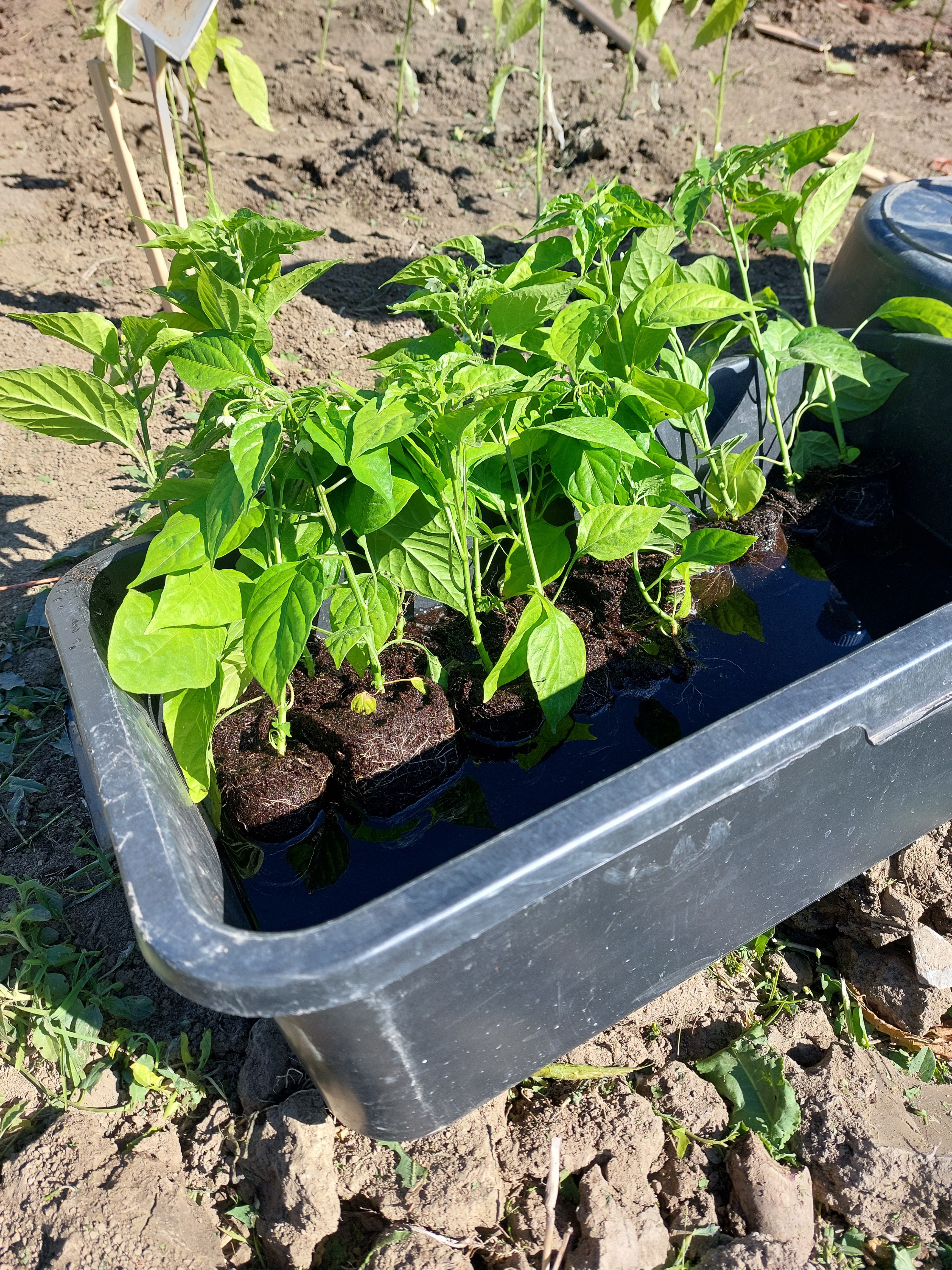
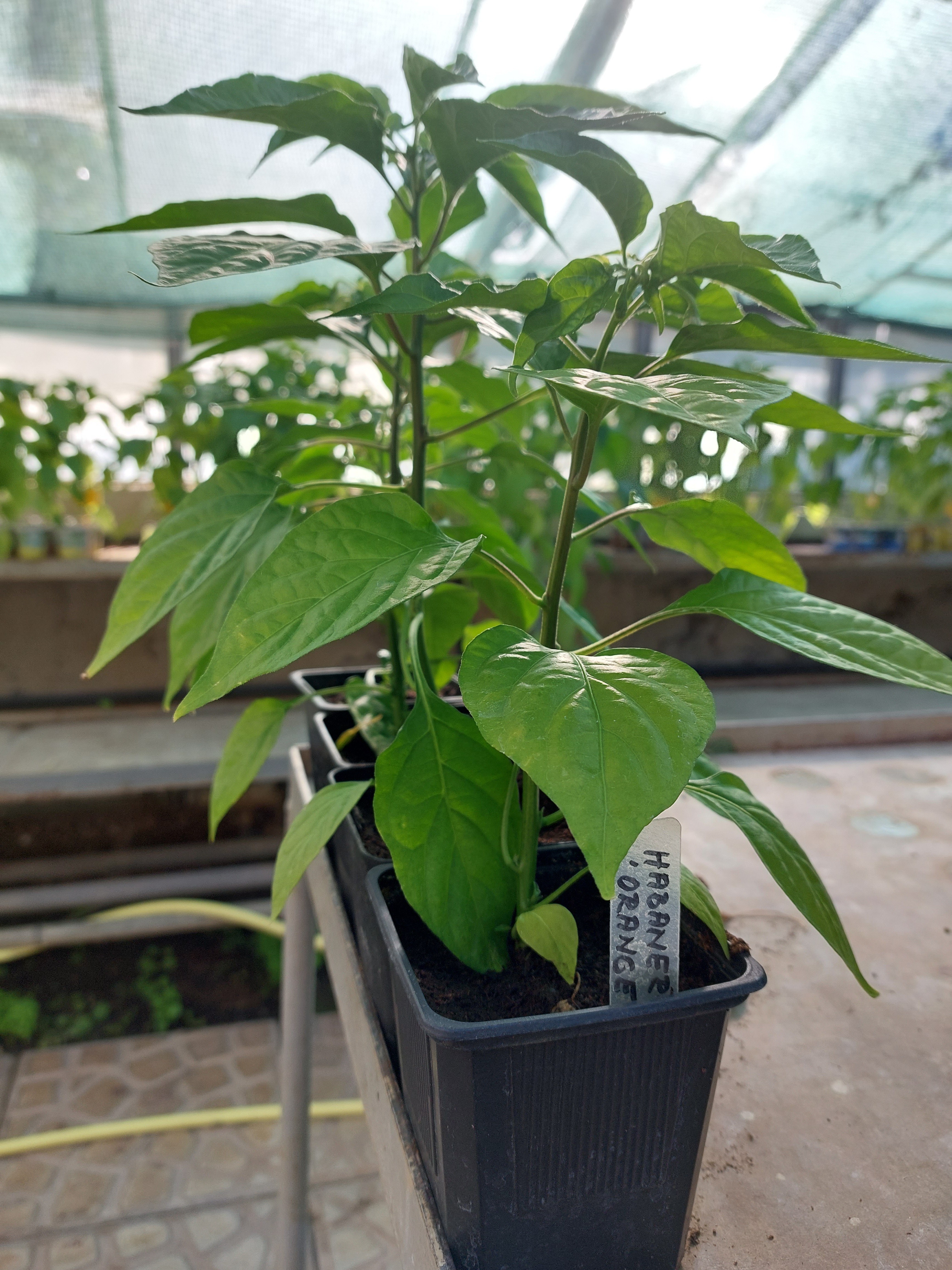
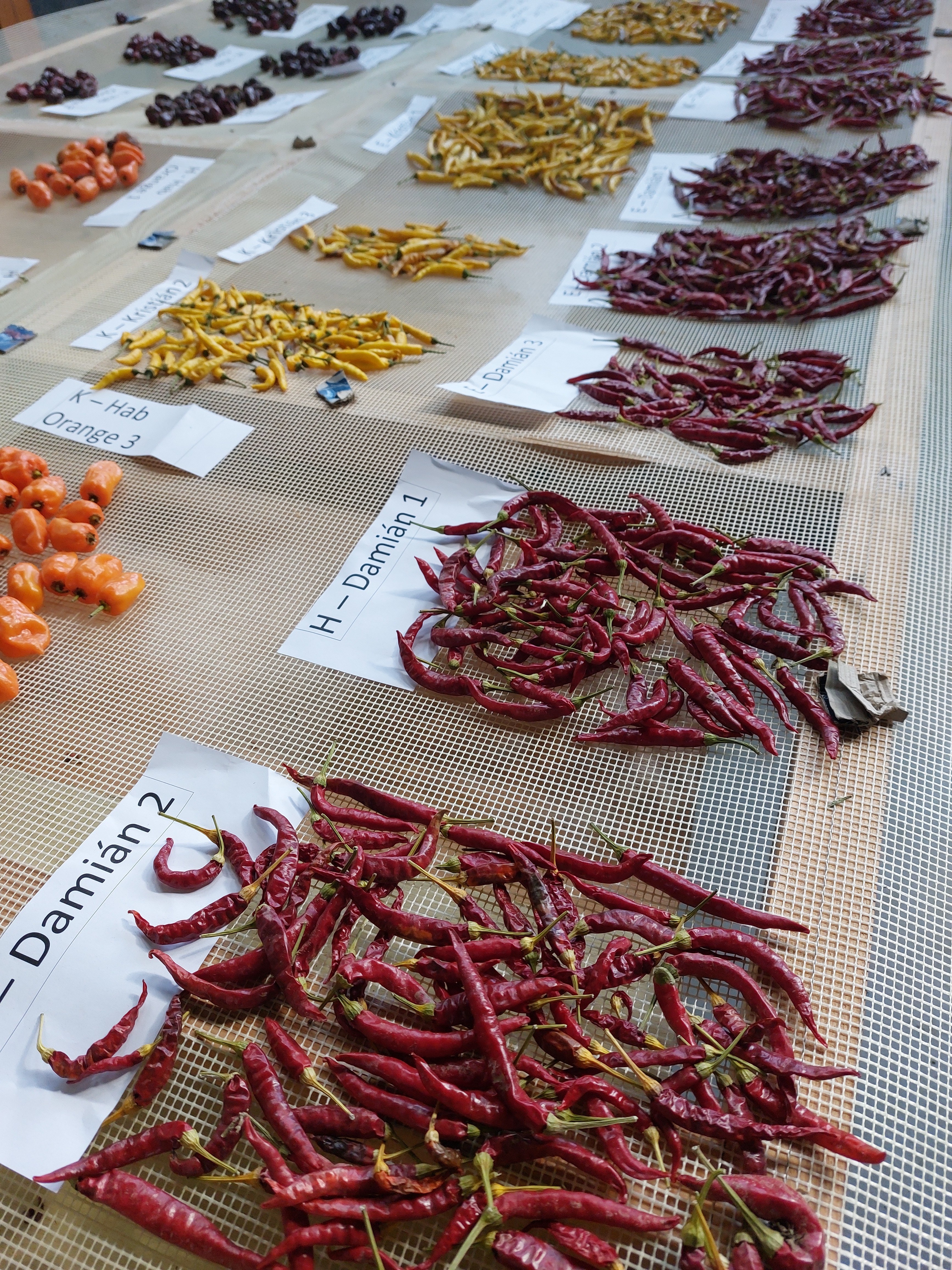

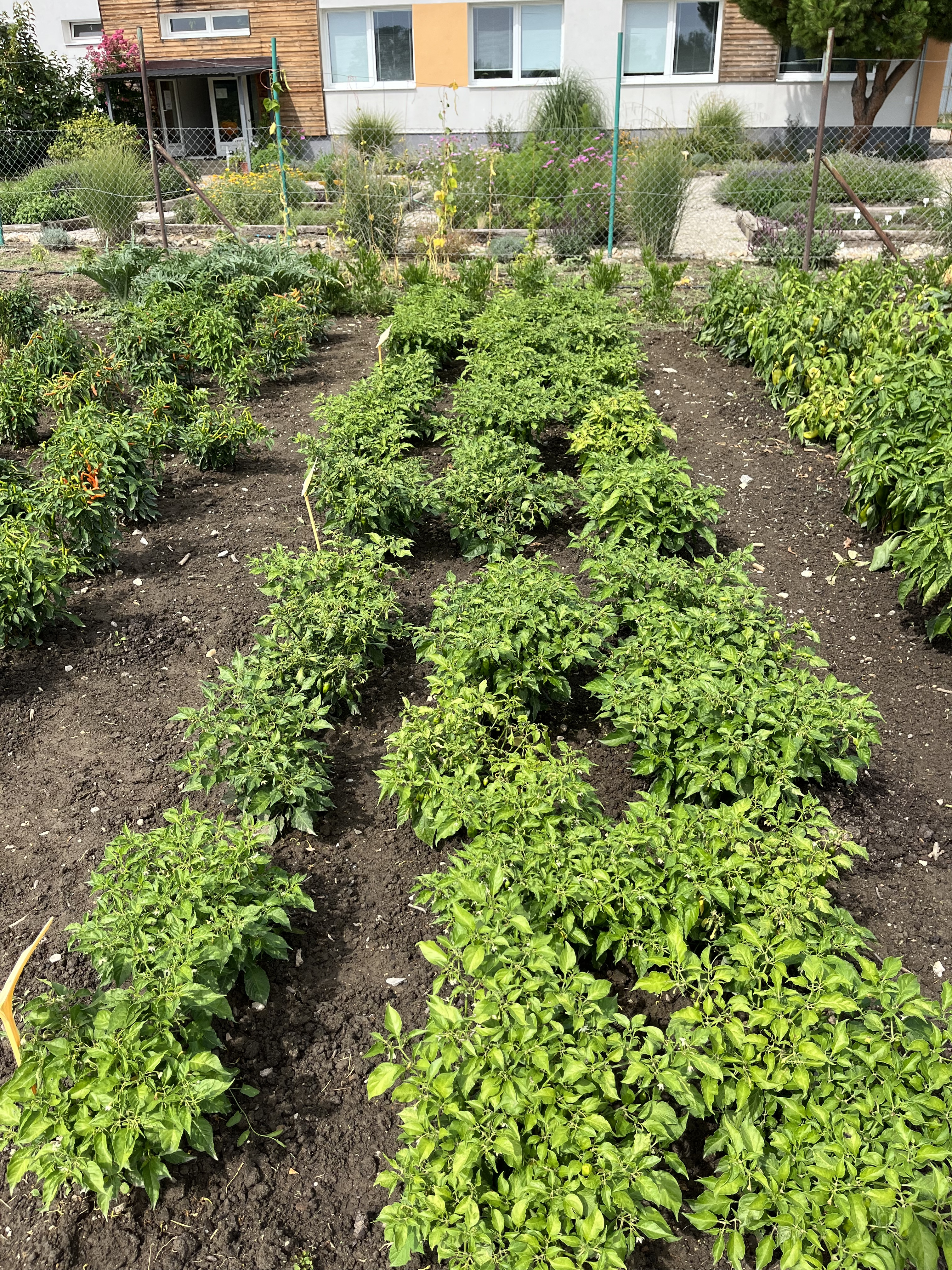
Short description of the species
Interesting
Paprika was brought to Europe after Columbus' voyages at the end of the 15th century. Today it is grown all over the world and is one of the most widely used spices and vegetables.Usage
spice and natural dyeCultivation practices
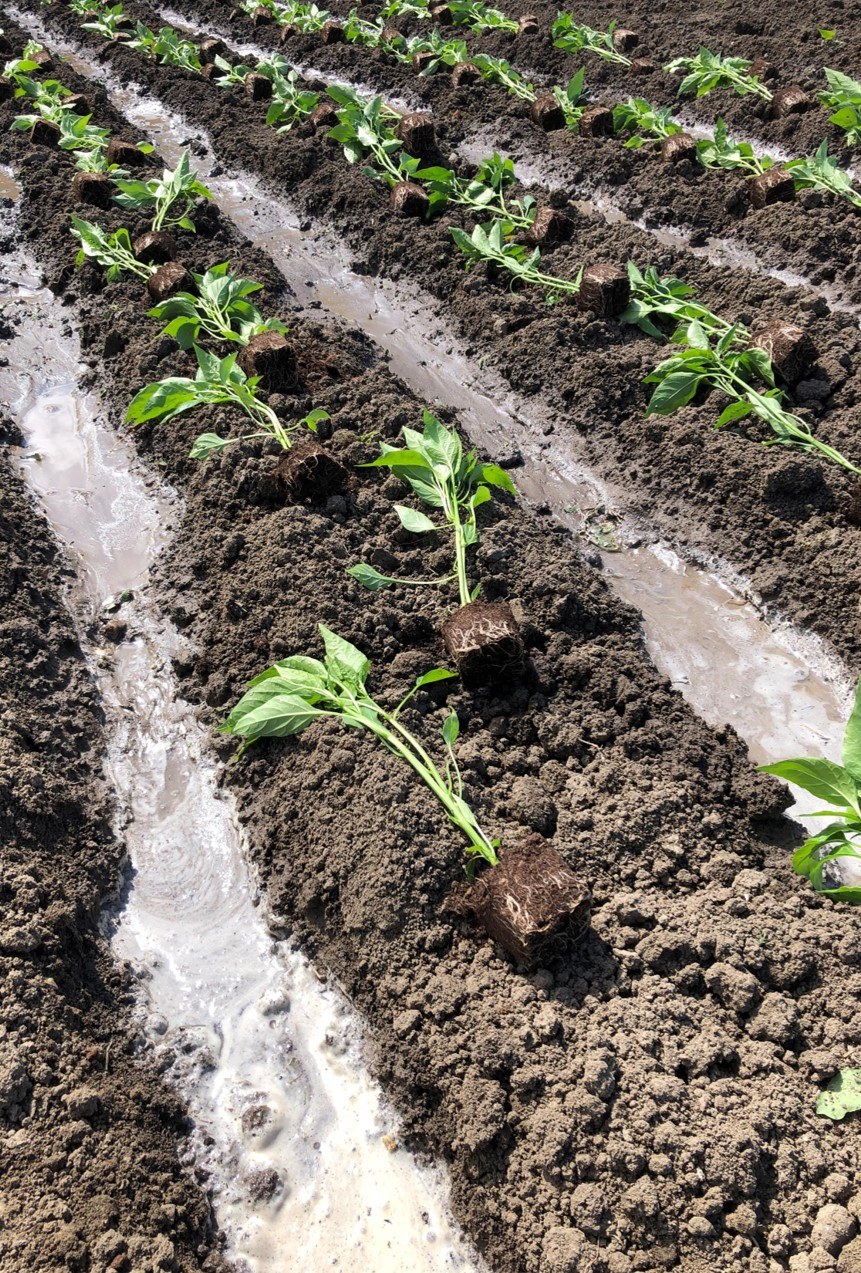
Propagation: by seed, seedling production
Spice paprika is a technical crop grown for the production of ground paprika, with similar requirements as vegetable pepper, but it requires a lot of manual work both in cultivation and processing.
Cultivation practices of Capsicum annuum – from seedlings
| Month | I. | II. | III. | IV. | V. | VI. | VII. | VIII. | IX. | X. | XI. | XII. |
|---|---|---|---|---|---|---|---|---|---|---|---|---|
| Sowing/under cover | XXX | |||||||||||
| Planting | XX | |||||||||||
| Harvest/fruit | XXX | X |
Crop rotation and fertilization requirements
In Slovakia, paprika is cultivated as an annual crop.
Track: I.
Suitable preceding crops: cereals, legumes, forage mixtures
Fertilization: Paprika responds very positively to the application of farmyard manure.
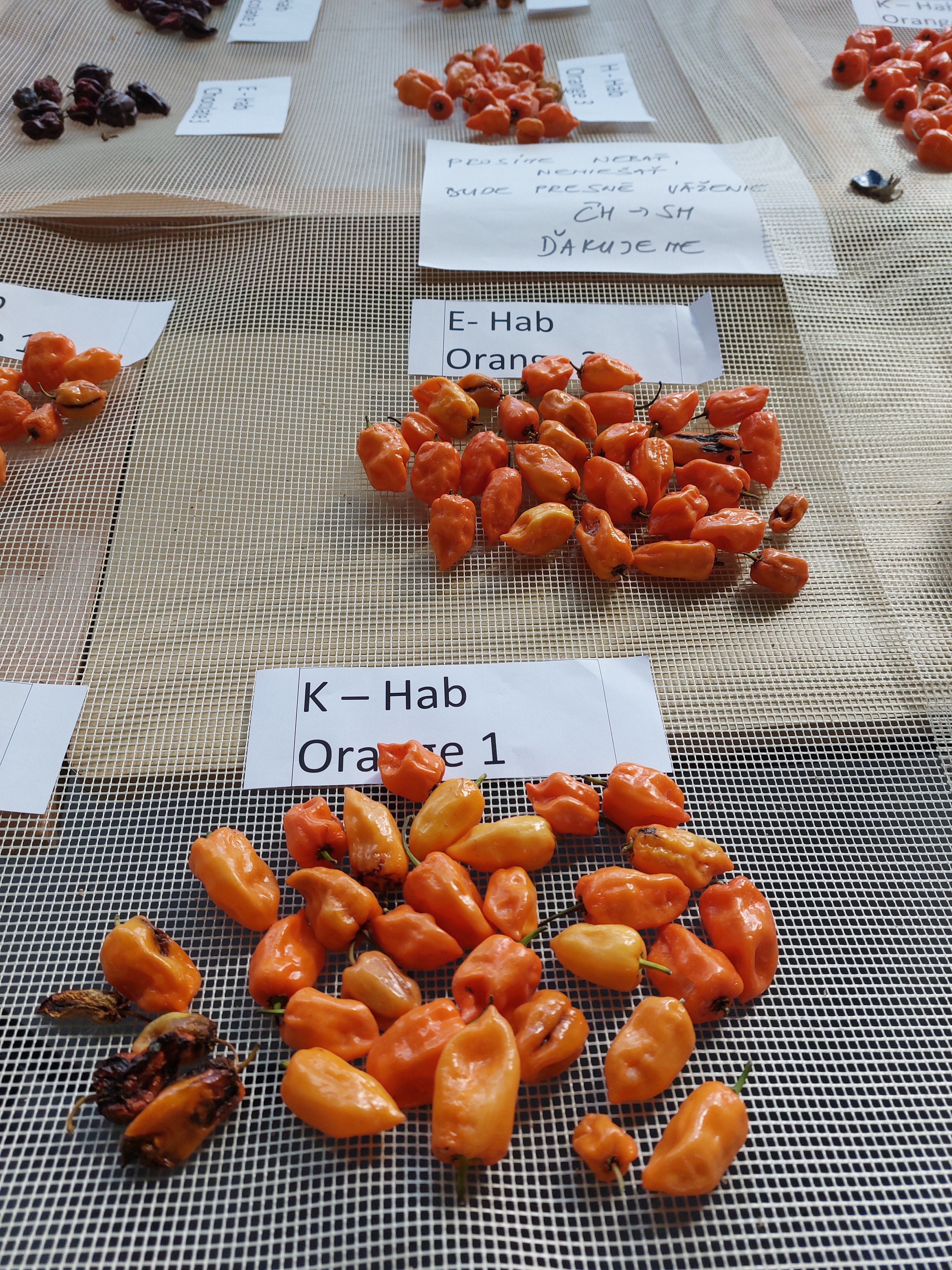
Varieties: Spice red paprika belongs to the species Capsicum annuum and includes varieties such as ‘Dvorská’, ‘Žitavská’, ‘Kolora’, and ‘Novozámocká’. The product *Paprika Žitava* has obtained PDO status and is produced from several specific sweet varieties grown in the Žitný ostrov region. Spice paprika also includes hot chili types such as Capsicum annuum, C. chinense, and C. frutescens.
Harvest and storage:
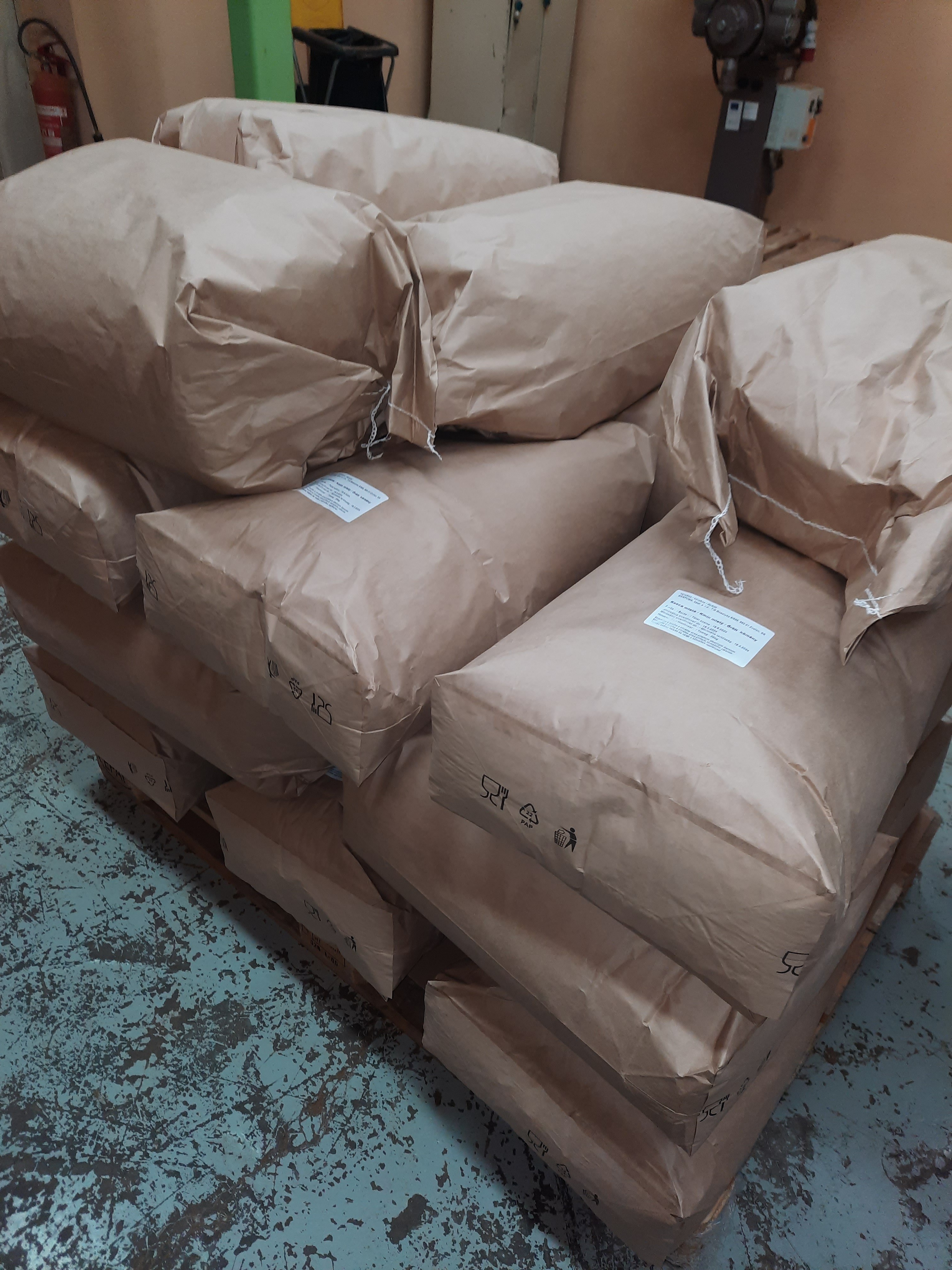
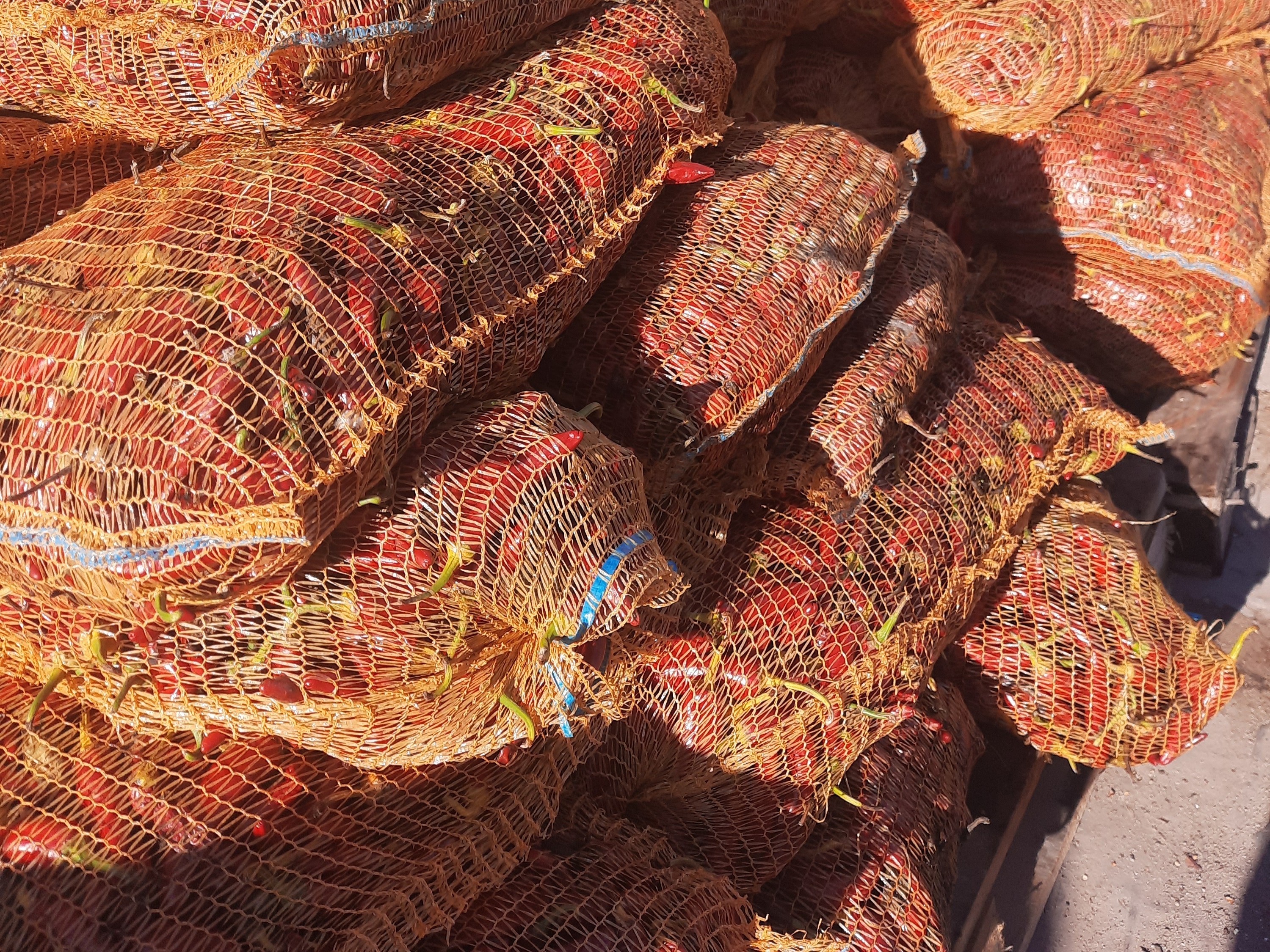
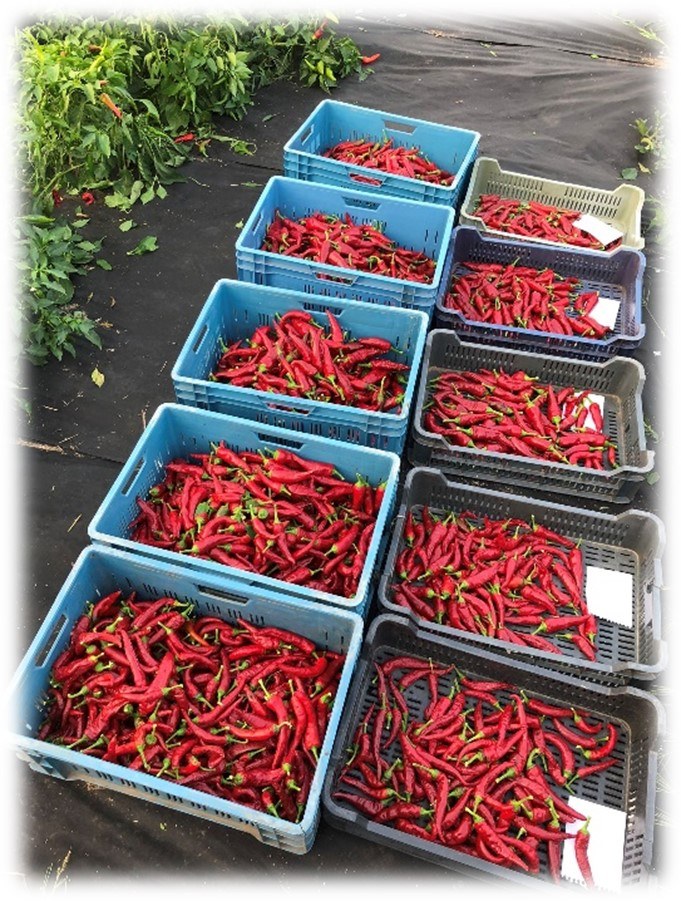
In Slovakia, spice paprika is harvested manually in September to October, when the fruits are fully ripe and rich in pigments. After harvest, the paprika is left to ripen further, washed, dried in a multi-stage dryer, and then ground, most often using stone mills, which ensures the intense color and flavor of ground paprika. Mechanized harvesting is used only minimally due to higher losses.
Use: Spice paprika is used in the food industry as both a spice and a natural dye, giving dishes their characteristic sweet or hot flavor and orange-red color. It is an essential part of blends such as goulash or barbecue seasoning and is used in meat products, sauces, marinades, and hot sauces.
Impact on human health:
Constituents: alkaloids (capsaicin), carotenoids (capsanthin, capsorubin), vitamin C
Phytotherapeutic groups: antiseptic, analgesic, stomachic
Diseases and pests: Paprika is threatened by viruses (pepper mosaic, tomato spotted wilt), fungi (gray mold, phytophthora), bacteria (bacterial leaf spot), and physiological disorders (chlorosis, necrosis, fruit deformation). Among pests, the most significant are aphids, whiteflies, mites, thrips, and nematodes, which often transmit viruses.
Labeling Plants with QR Codes
At the Faculty of Horticulture and Landscape Engineering at SPU in Nitra, we've created a project that offers visitors to our plantings a new way to discover the beauty and intriguing aspects of plants. Each plant in our plantings has its own unique QR code. All a visitor needs to do is scan this code with their smartphone.
Encyclopedy
Informácie
Kontakt
Fakulta záhradníctva a krajinného inžinierstva
Tulipánová 7, 949 76 Nitra
phone +421 (37) 641 4229 — study department
email henrieta.budayová@uniag.sk



Copyright © 2026 Faculty of Horticulture and Landscape Engineering