

 Slovenská verzia
- home
- Edible and medicinal mushrooms
- Oyster mushroom
- Oyster mushroom
Oyster mushroom

Short description of the species
Usage
culinary, medical, environmental and industrial fieldsBrief description of the species:
Origin
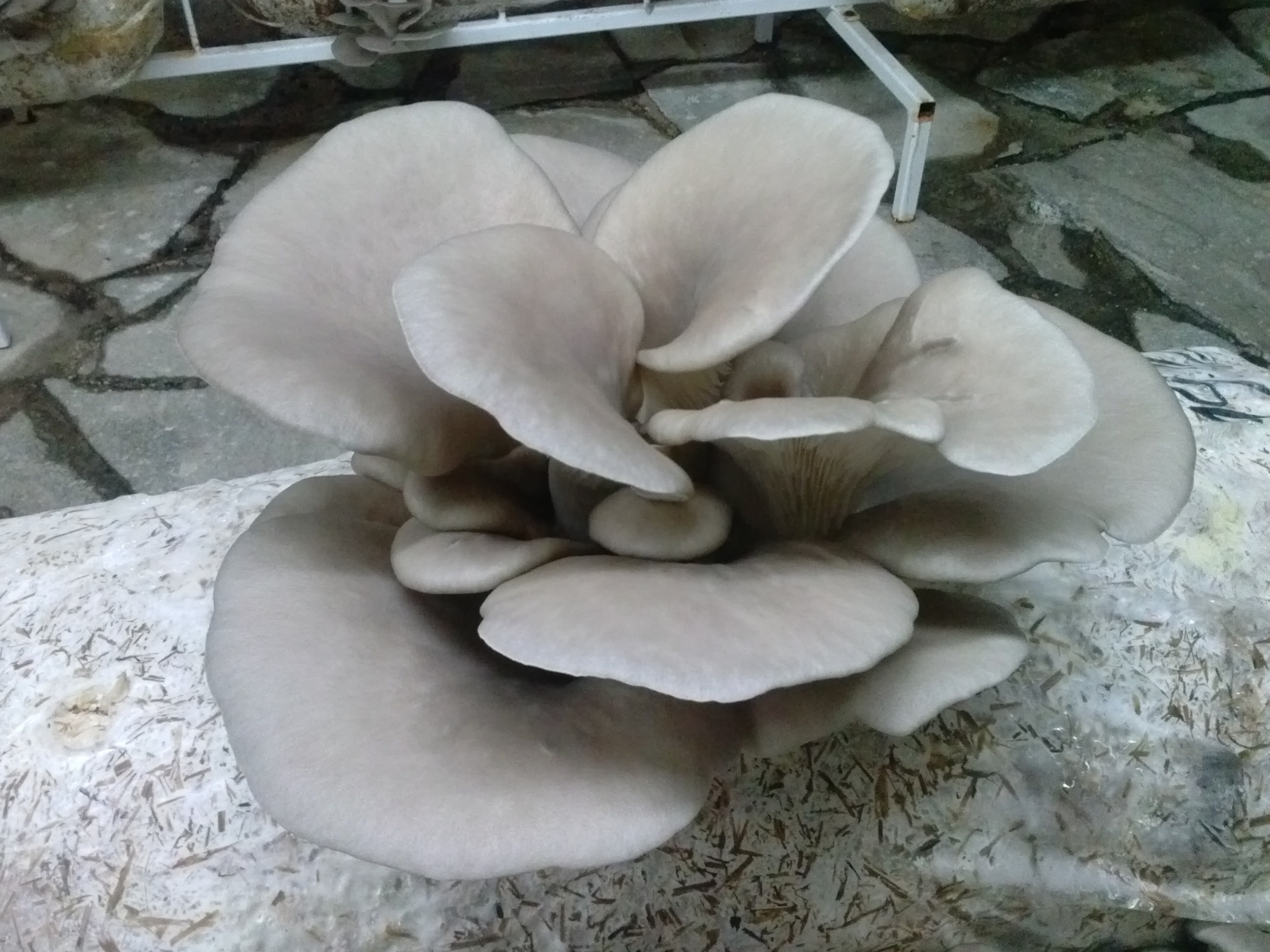
Oyster mushroom (Pleurotus ostreatus) is a saprophytic fungus that is widely distributed in temperate and subtropical forests around the world, especially in Europe, Asia and parts of North America. It prefers deciduous trees, especially beeches, but we can also find it on other hardwoods such as oak, maple, poplar, ash. Exceptionally, it can also grow on the wood of conifers.
Classification
edible and medicinal mushroom
Growth
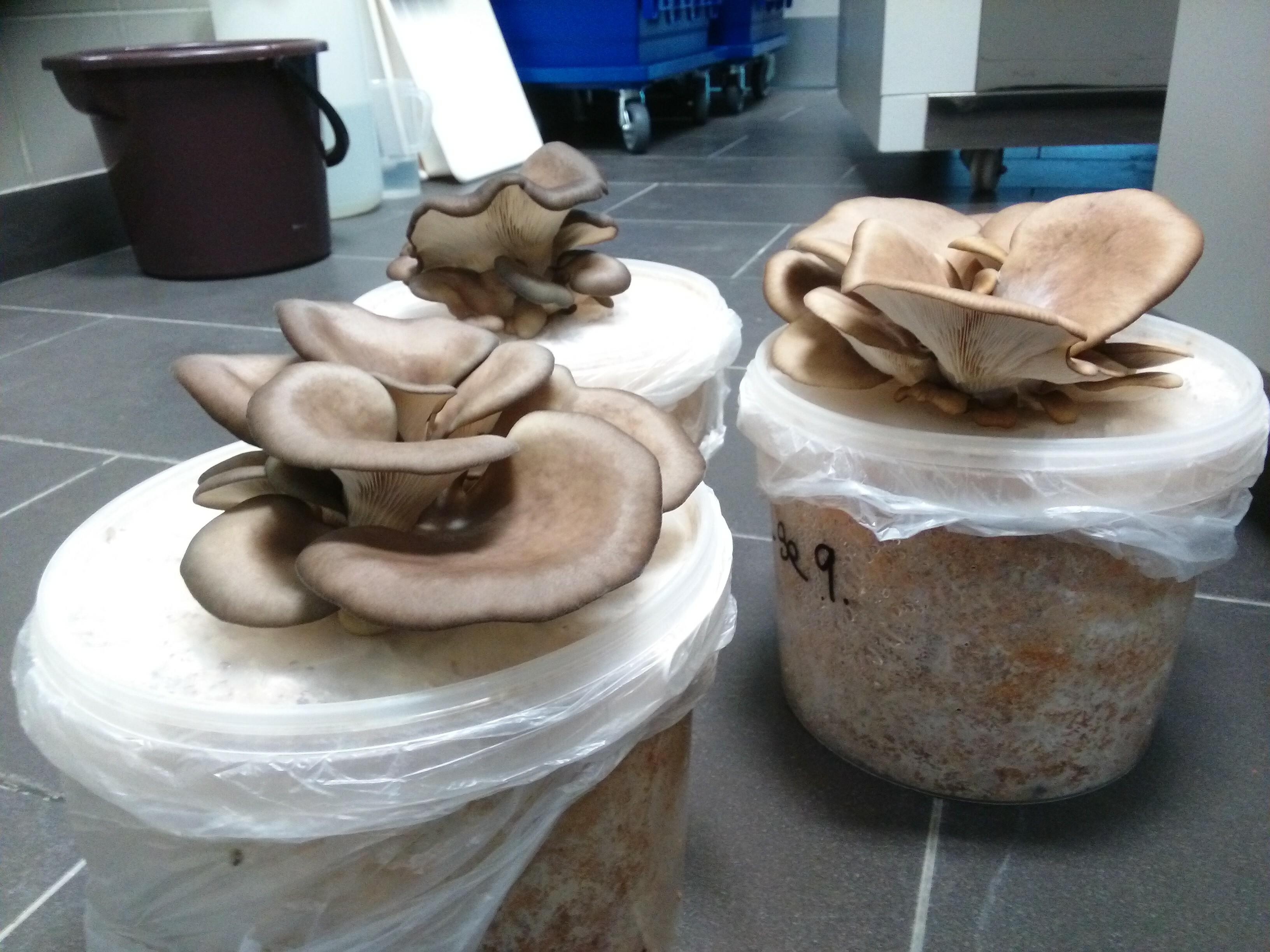
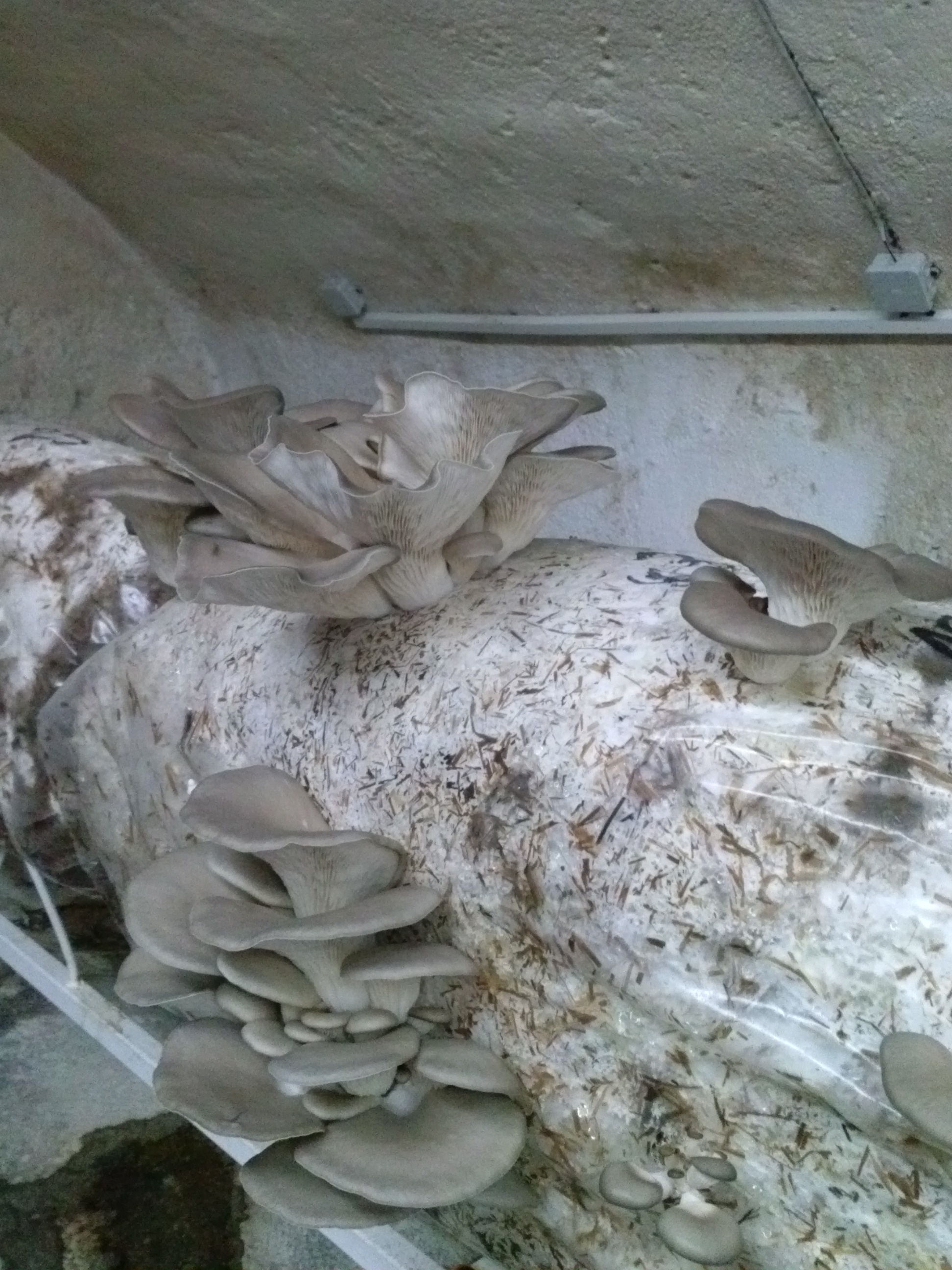
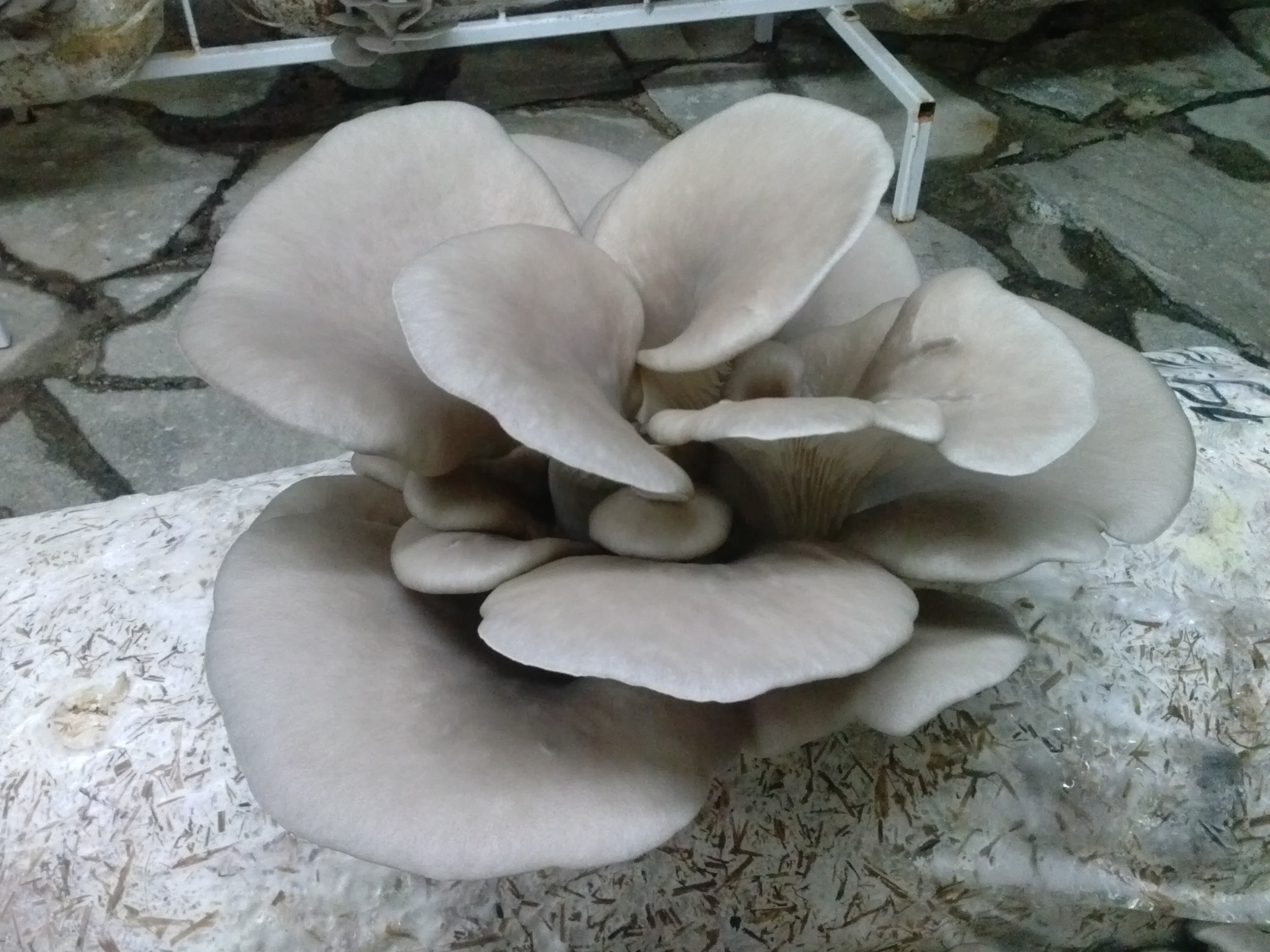
Grows in bunches or in a roof-like structure on tree trunks and stumps. The cap is tongue-shaped to fan-shaped, smooth, ash-gray to bluish-gray, sometimes with a purple tinge.
Size
Oyster mushroom fruiting bodies have a cap with a diameter of 5 to 25 cm and a thickness of 1.25 to 2.75 cm. Depth can be dominant or otherwise almost absent.
Requirements for the environment
Soil/substrate
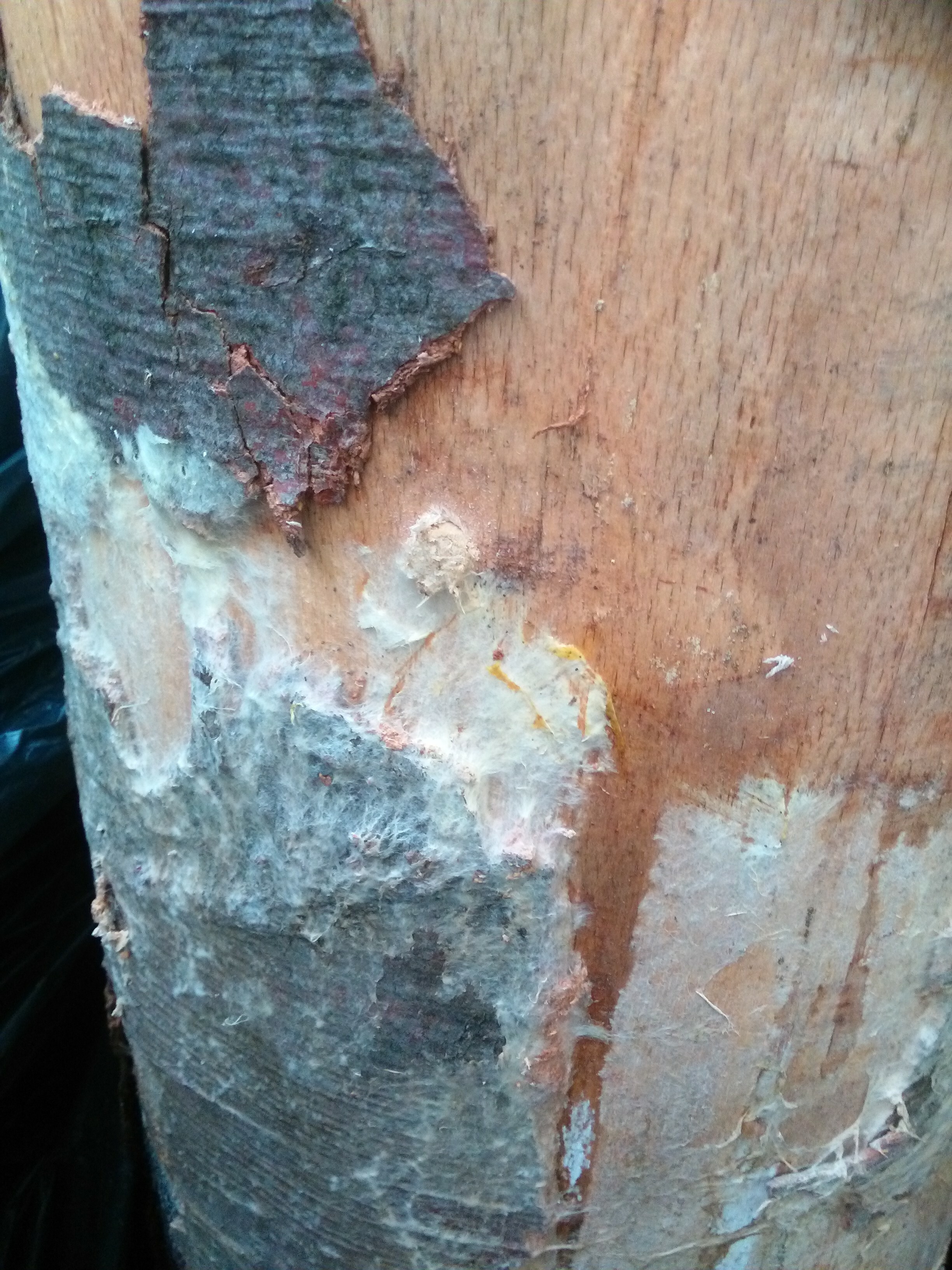
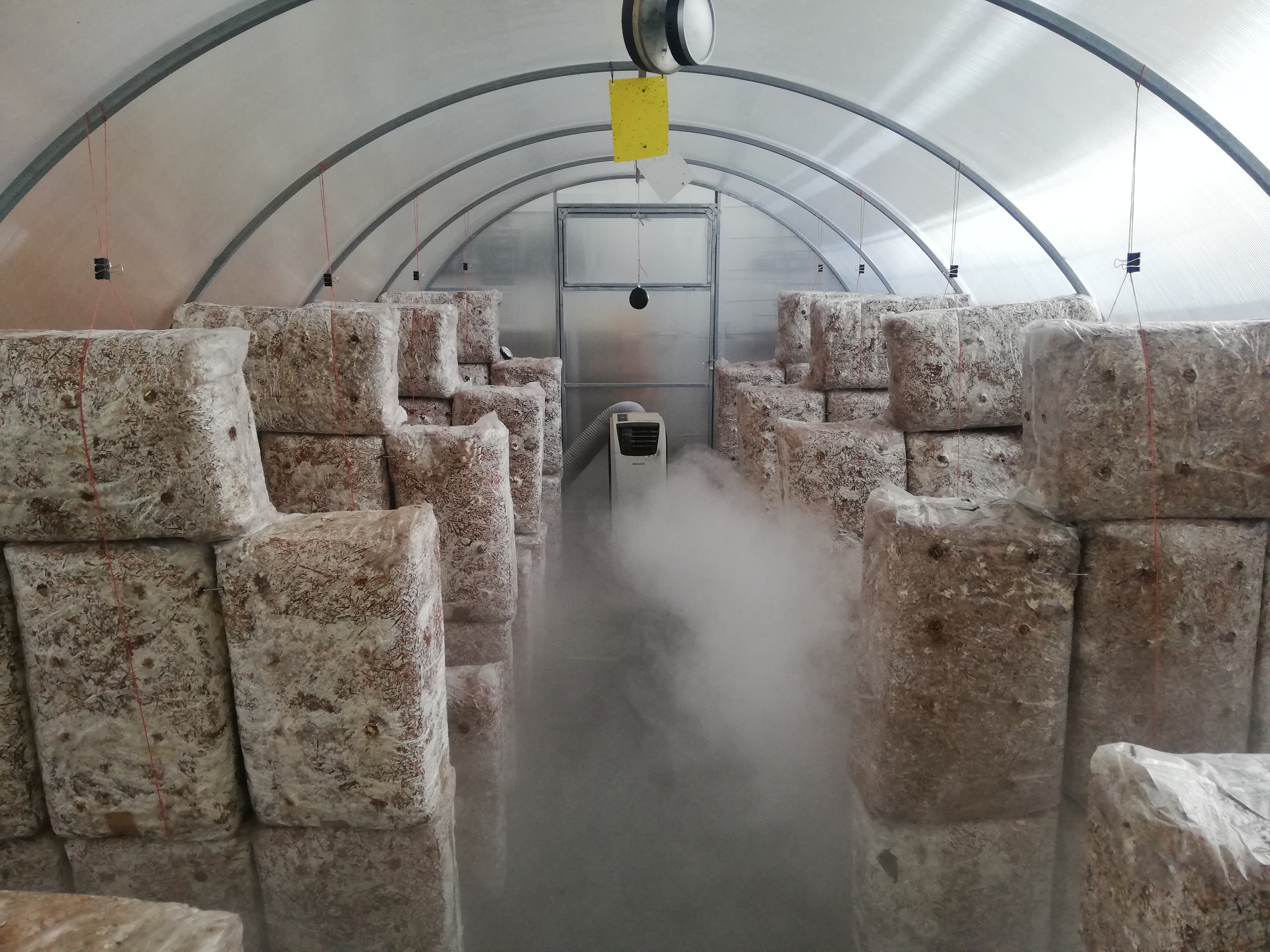
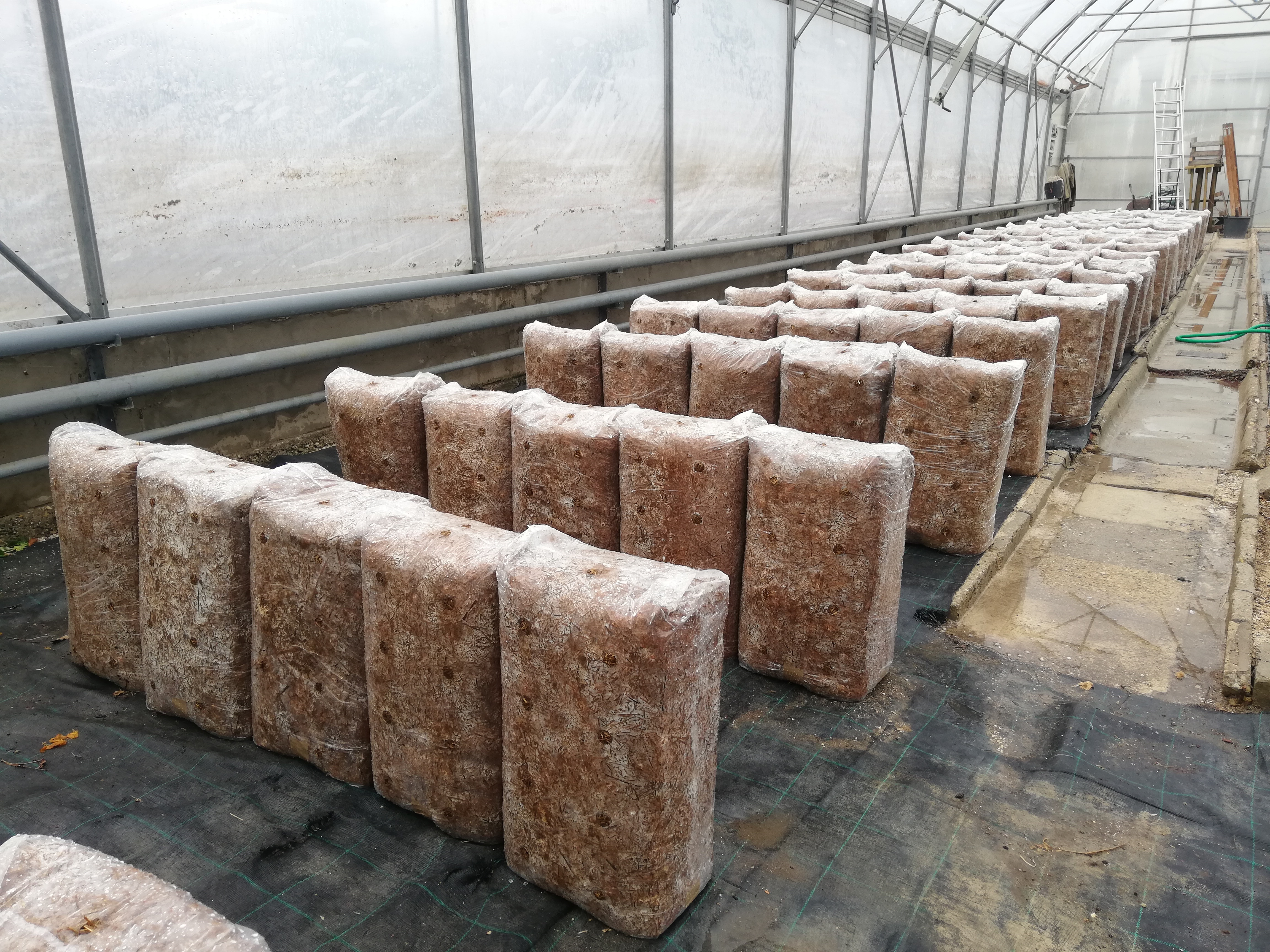
Requires a substrate rich in cellulose, hemicellulose and lignin, such as wheat straw, corn straw, sawdust and similar agro-wastes. These substrates provide ideal conditions for its growth.
Substrate pH
Ideally around 6.0, some studies report successful cultivation up to 7.5
Optimal temperature for growth and development
The ideal temperature for growth and development of fruiting bodies is around 18°C. Winter strains require lowering the temperature to 16–18°C, summer strains prefer temperatures of 20–25°C, and year-round strains fructify at temperatures of 15–25°C.
Frost resistance
Frost resistant .
Light
A sufficient amount of light is necessary for the growth of fruiting bodies, while the intensity of illumination should be around 150 to 300 lux.
Water
Optimal humidity of the substrate is 60-70%. During the phase of mycelial growth, the relative humidity can be lower, around 60-70%, during the phase of fructification, 85-95%.
Agrotechnics of growing and harvesting
Propagation
The prepared substrate is inoculated with so-called seedling, which is the carrier of the mycelium of a specific mushroom production strain. This seed is usually produced by specialized companies under strictly sterile conditions and is available on the market all year round.
Harvest
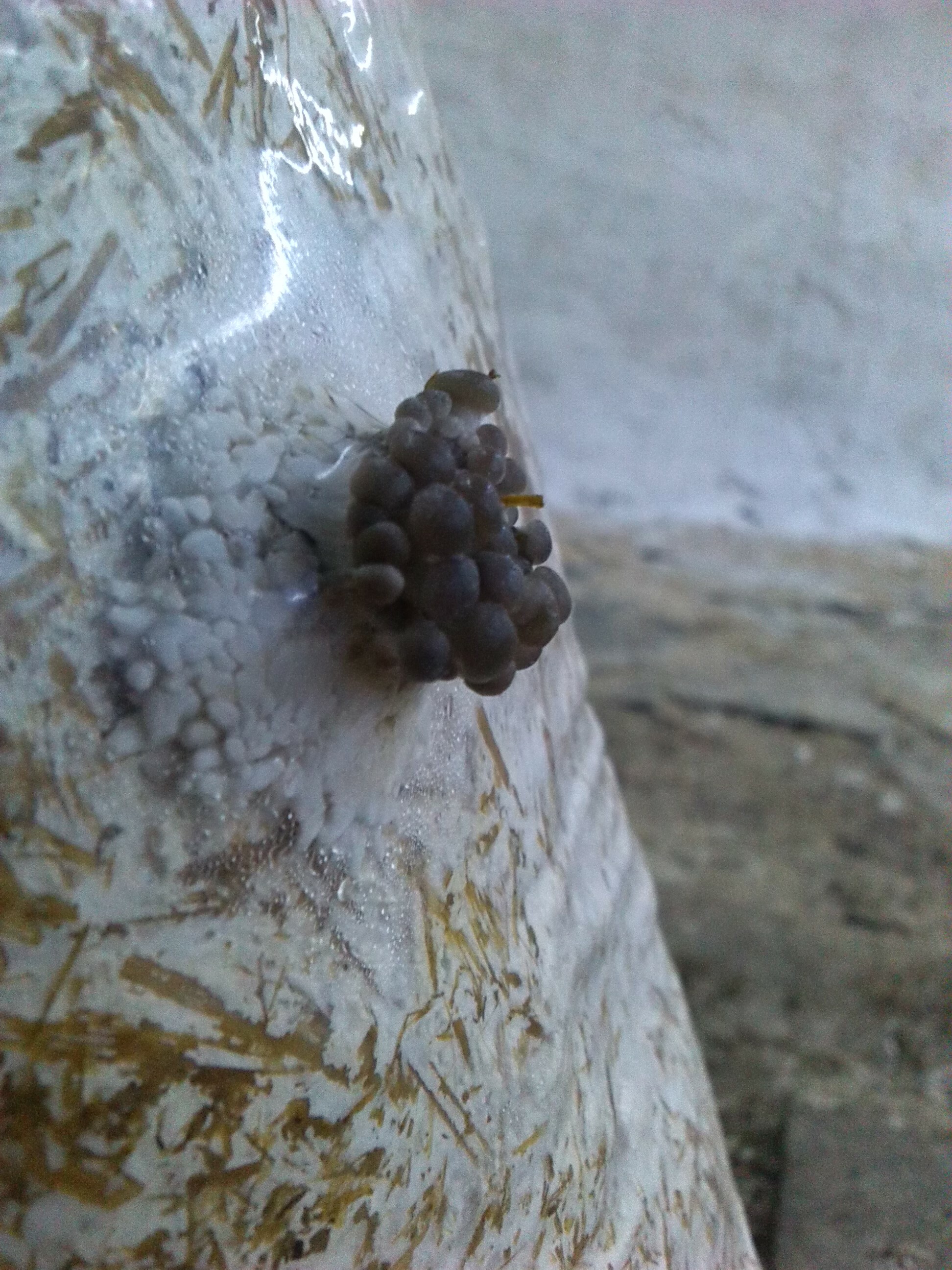
Usually around 30-35 days from the start of cultivation depending on environmental conditions, substrate and cultivation practices. The carpels are collected by twisting them from the substrate while the caps are still slightly bent, before they are completely flattened. This harvesting phase ensures the best texture and flavor of the fruiting bodies. Further harvest waves (so-called flush) come at regular intervals of approx. 14 days, while the first harvest wave is usually the most significant and usually makes up more than 60% of the total crop.
Storage
The optimal air temperature for oyster mushroom storage is between 3-5°C with relative air humidity between 85 and 90%. At this temperature and humidity range, the mushroom can maintain its quality for up to 13-15 days.
Uses
The mushroom has a wide range of uses in the culinary, medical, environmental and industrial fields due to its nutritional content, bioactive compounds and ability to break down organic matter.
Diseases and pests
It is susceptible to damage by various diseases and pests, which can significantly affect its yield and quality. Common pests include mites, snails and rodents, while the most common diseases include Trichoderma spp., Mucor, Neurospora spp., Penicillium spp. and bacterial contamination, e.g. Pleudomonas spp.. Results of some research tasks:
Analysis of Biochemical and Genetic Variability of Pleurotus ostreatus Based on the β-Glucans and CDDP Markers https://www.mdpi.com/2309-608X/8/6/563
Accumulation of Selected Metal Elements in Fruiting Bodies of Oyster Mushroom https://www.mdpi.com/2304-8158/11/1/76
Labeling Plants with QR Codes
At the Faculty of Horticulture and Landscape Engineering at SPU in Nitra, we've created a project that offers visitors to our plantings a new way to discover the beauty and intriguing aspects of plants. Each plant in our plantings has its own unique QR code. All a visitor needs to do is scan this code with their smartphone.
Encyclopedy
Informácie
Kontakt
Fakulta záhradníctva a krajinného inžinierstva
Tulipánová 7, 949 76 Nitra
phone +421 (37) 641 4229 — study department
email henrieta.budayová@uniag.sk



Copyright © 2026 Faculty of Horticulture and Landscape Engineering