

 Slovenská verzia
Okra
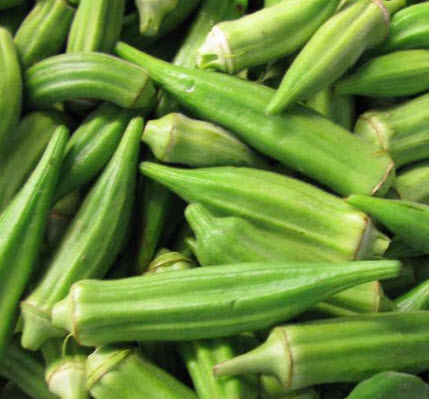
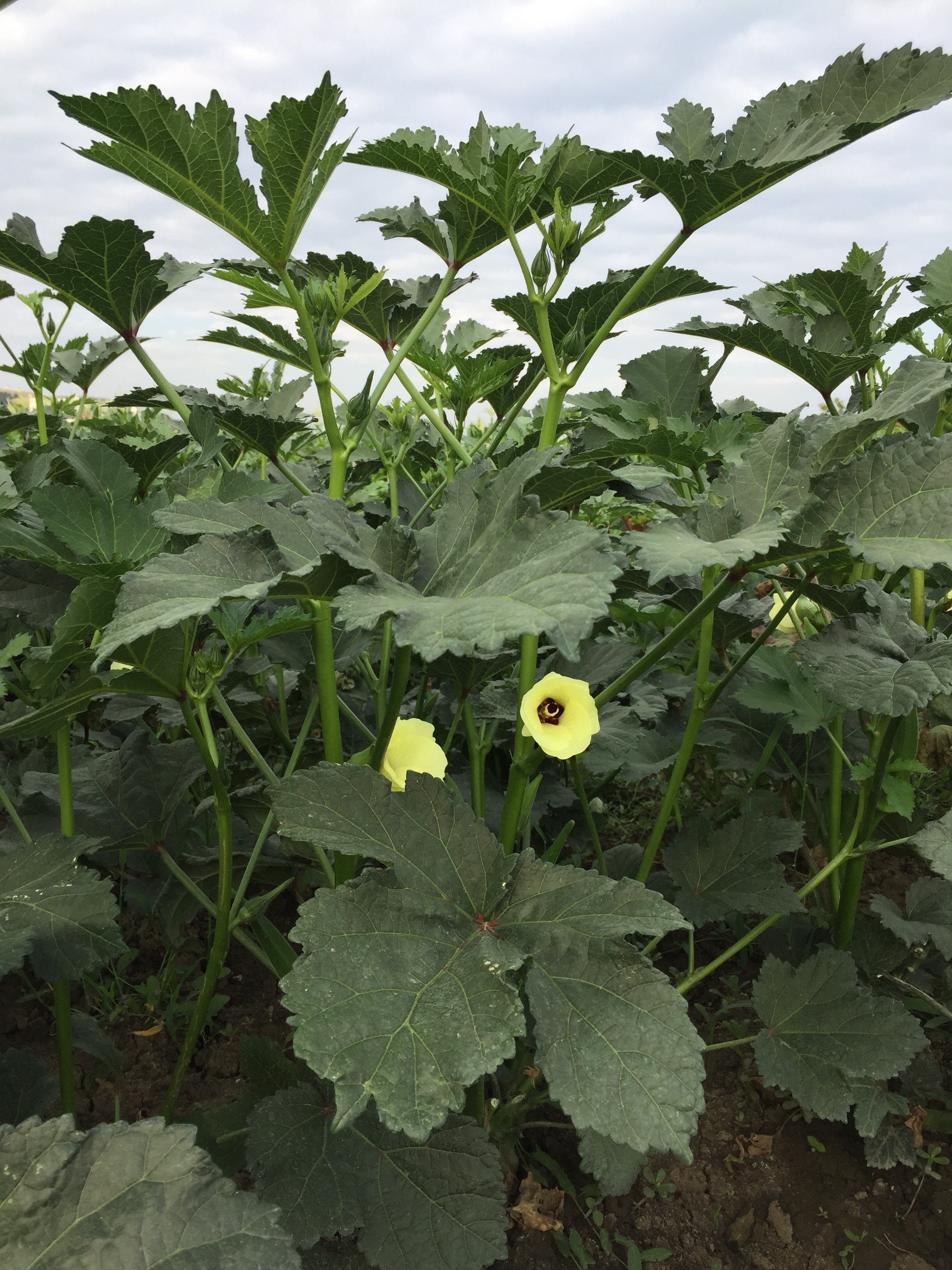
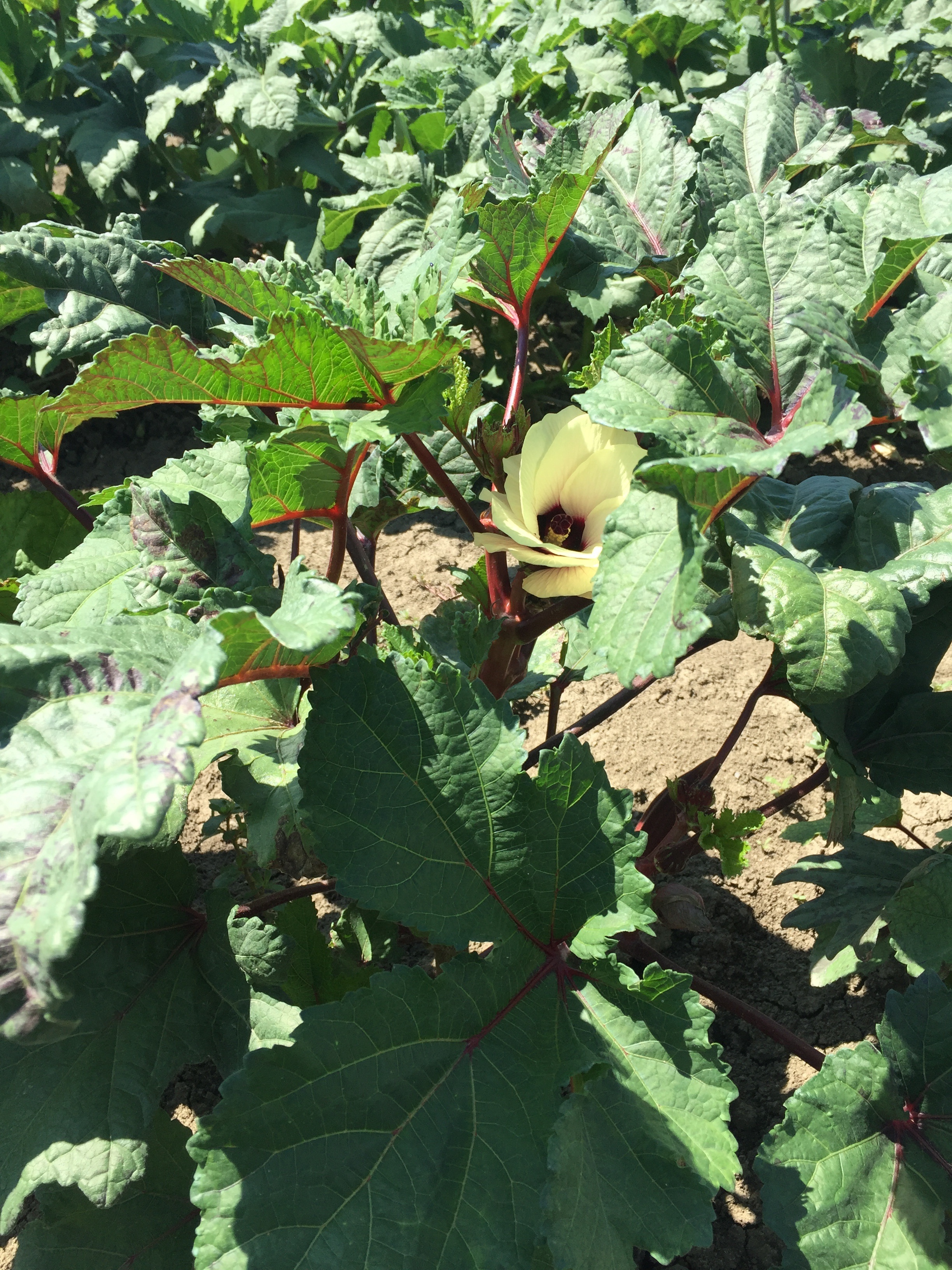

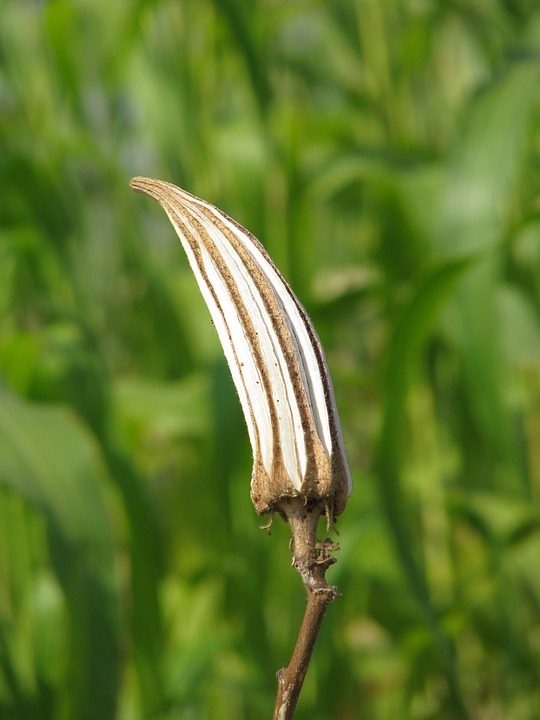
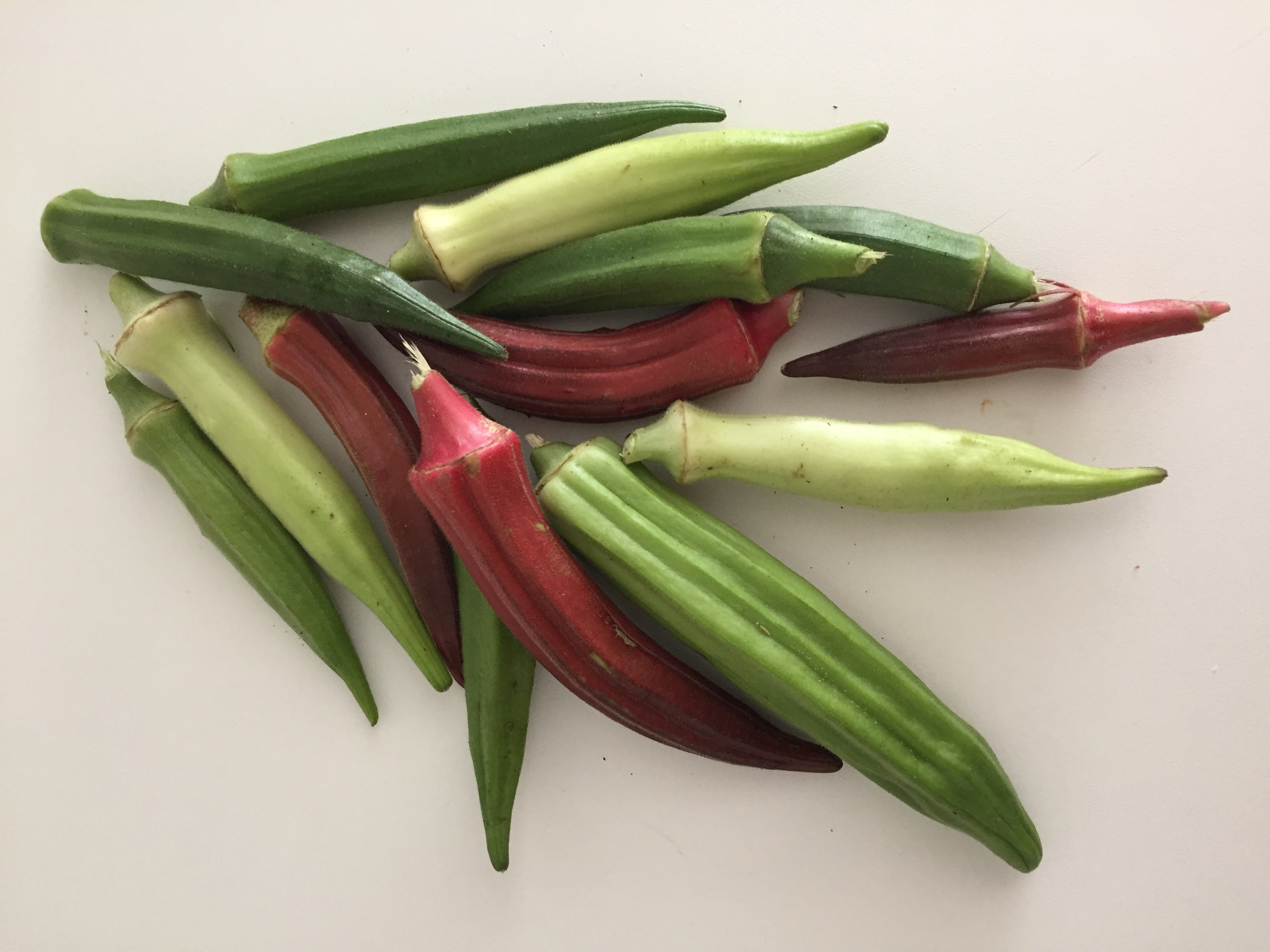
Short description of the species
Botanical name
Okra
Latin name
Abelmoschus esculentus
Family
Malvaceae
Origin
Central Africa
Crop classification
fruit vegetables
Plant height
1-3 m
Plant width
0.5-0.7 m
Exposition
sunny location
Temperature requirement
warm-requiring – sensitive to low temperature
Maintennance
medium
Water requirement
relatively low
Soil requirement
light to medium-heavy
Soil pH
6.0 – 6.8
Edible part
ruits, seeds, leaves
accessibility
Usage
- young fruits: steaming, boiling, side dish, soup thickening, conservation (sweet-acid pickle similarly to cucumber) - seeds: coffee substitution - leaves: similarly to spinachGrowing technology and harvest
Propagation
- generative – planting from seedlings
Spacing
- 0.60 x 0.30-0.50 m
Harvest
- young, fine fruits long 30-120 mm
- first fruits - approximately 40-45 days from planting to the field
Important dates
| Month | I. | II. | III. | IV. | V. | VI. | VII. | VIII. | IX. | X. | XI. | XII. |
|---|---|---|---|---|---|---|---|---|---|---|---|---|
| Sowing | X | X | ||||||||||
| Planting | XX | |||||||||||
| Fruit harvest | XXX | XXX | X |
Storage
- 7-10 days in fridge/cooling box
Use
- fruit – steaming, boiling, side dish, soup thickening, conservation (sweet-acid pickle similarly to cucumber)
- seeds – coffee substitution
- leaves – similarly to spinach
Diseases and pests
- virus diseases: Yellow Vein Mosaic Virus (YVMV)
- fungus diseases: leaf spottiness, mildew
- pests: spotted bollworm (Earias vittella; Earias insulana), leafhooper (Amrasca biguttula), aphids, whiteflies
contact_support
Labeling Plants with QR Codes
At the Faculty of Horticulture and Landscape Engineering at SPU in Nitra, we've created a project that offers visitors to our plantings a new way to discover the beauty and intriguing aspects of plants. Each plant in our plantings has its own unique QR code. All a visitor needs to do is scan this code with their smartphone.
Encyclopedy
Informácie
Kontakt
Fakulta záhradníctva a krajinného inžinierstva
Tulipánová 7, 949 76 Nitra
phone +421 (37) 641 4229 — study department
email henrieta.budayová@uniag.sk



Copyright © 2026 Faculty of Horticulture and Landscape Engineering