

 Slovenská verzia
- home
- Spices and aromatic plants
- Tropaeolaceae
- Nasturtium
- Nasturtium
Nasturtium

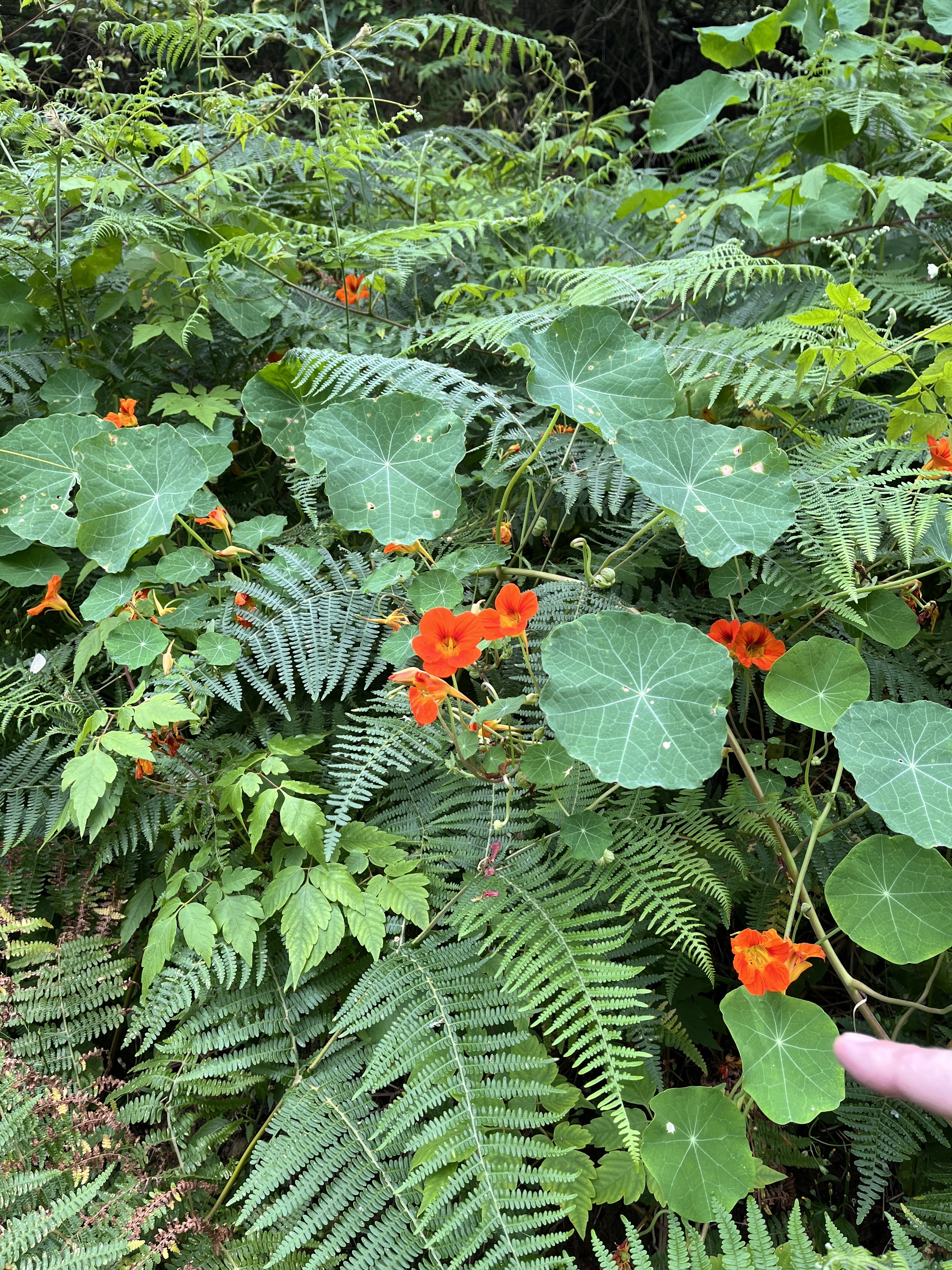
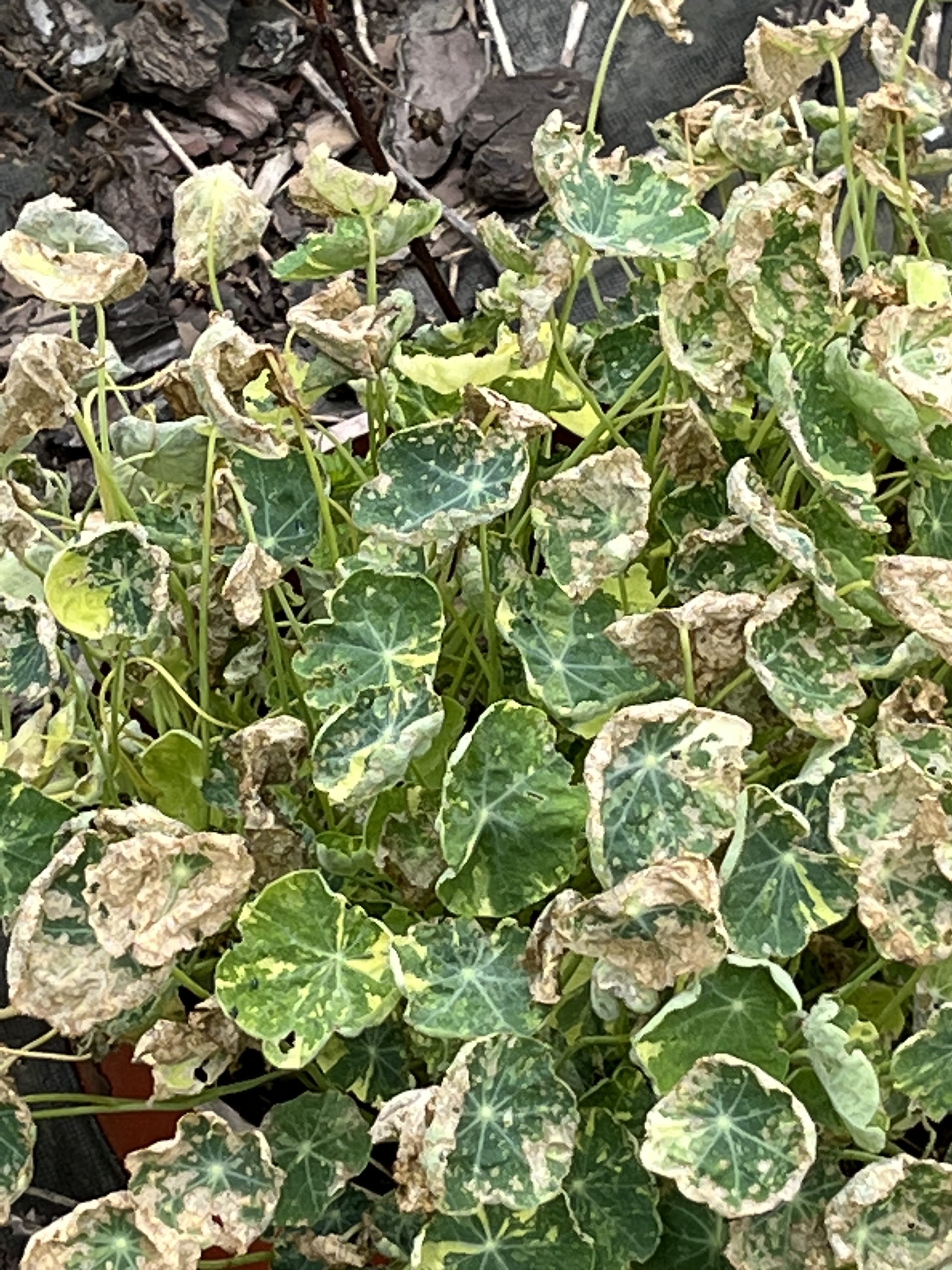
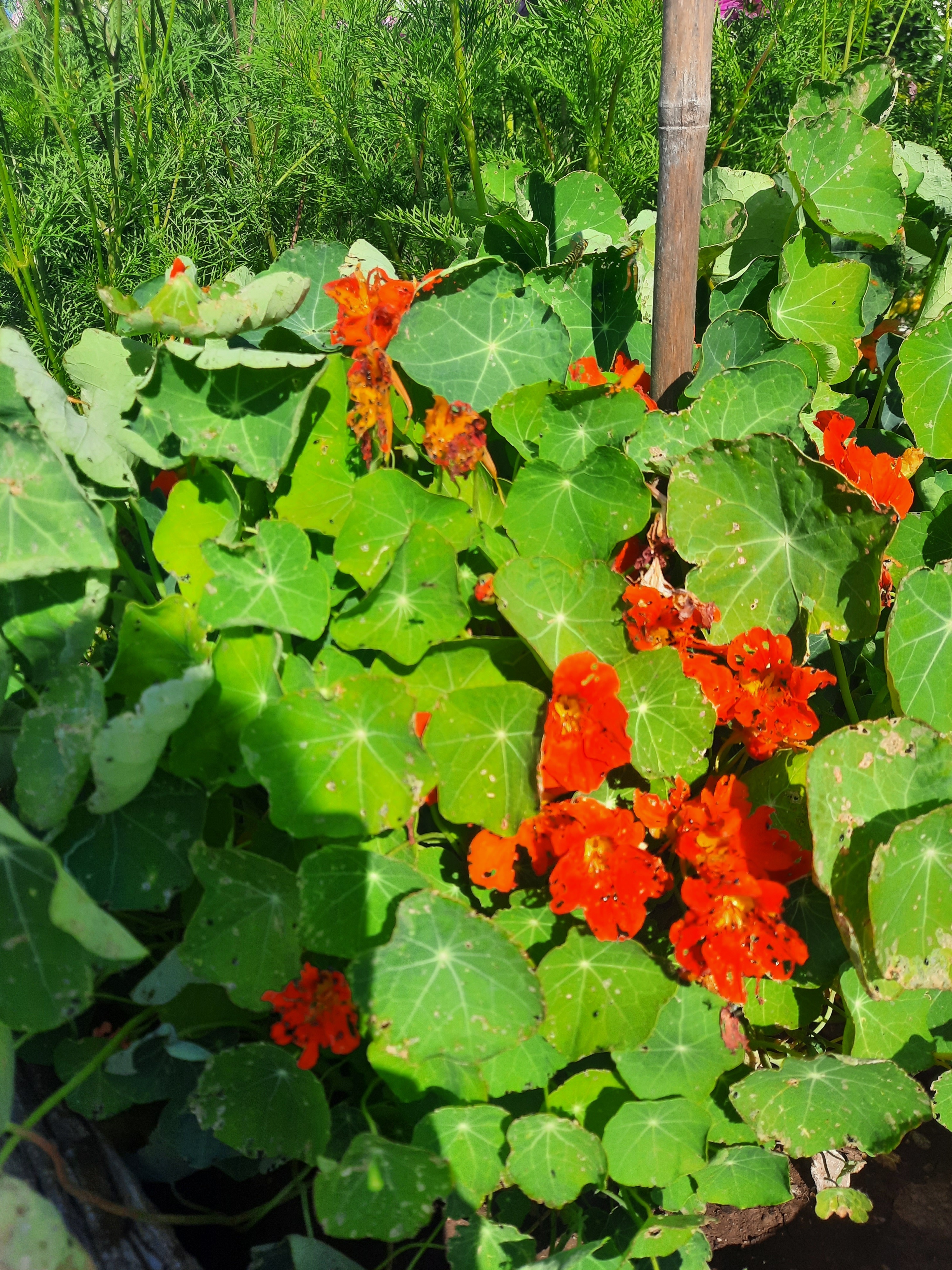
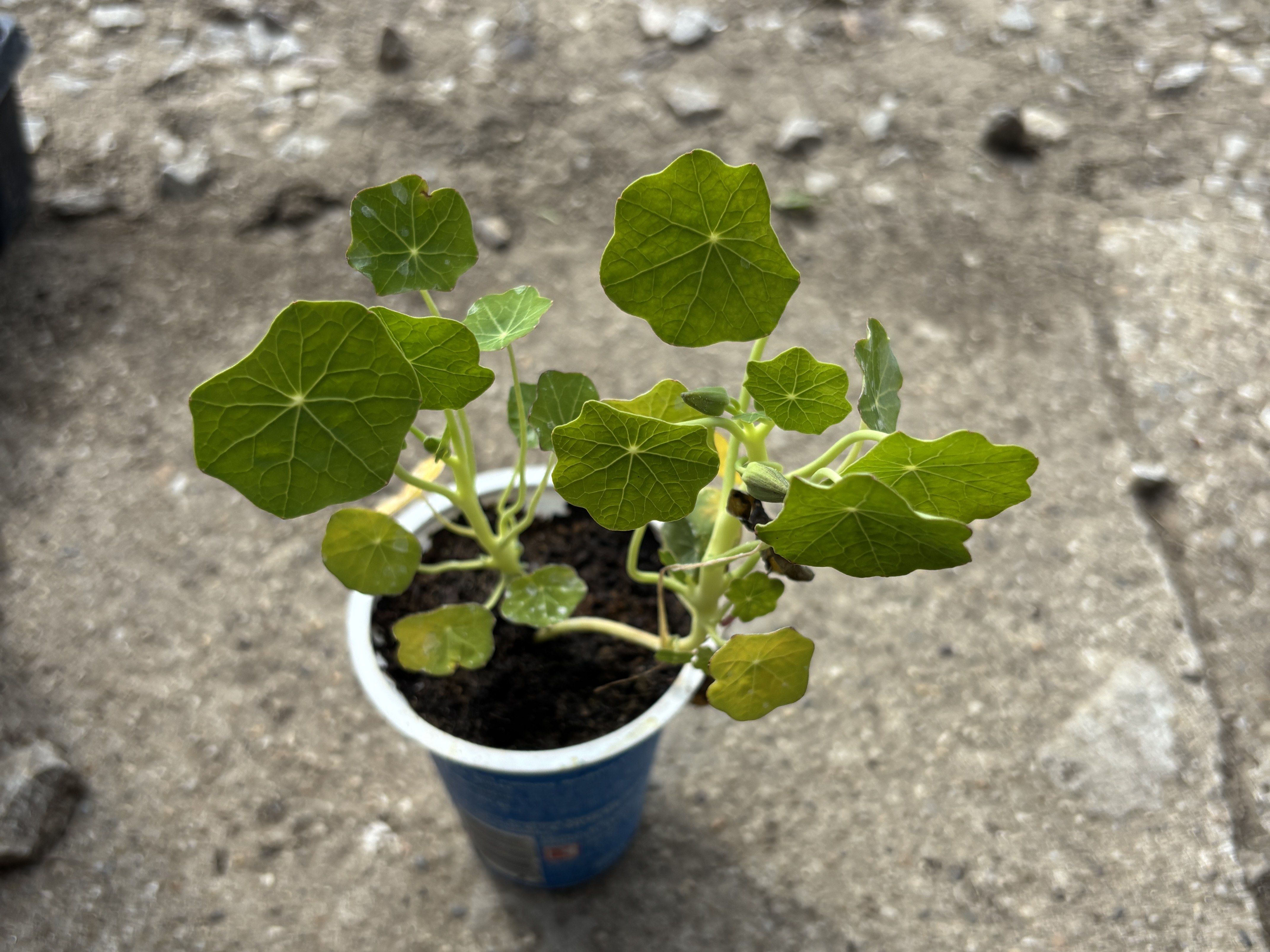
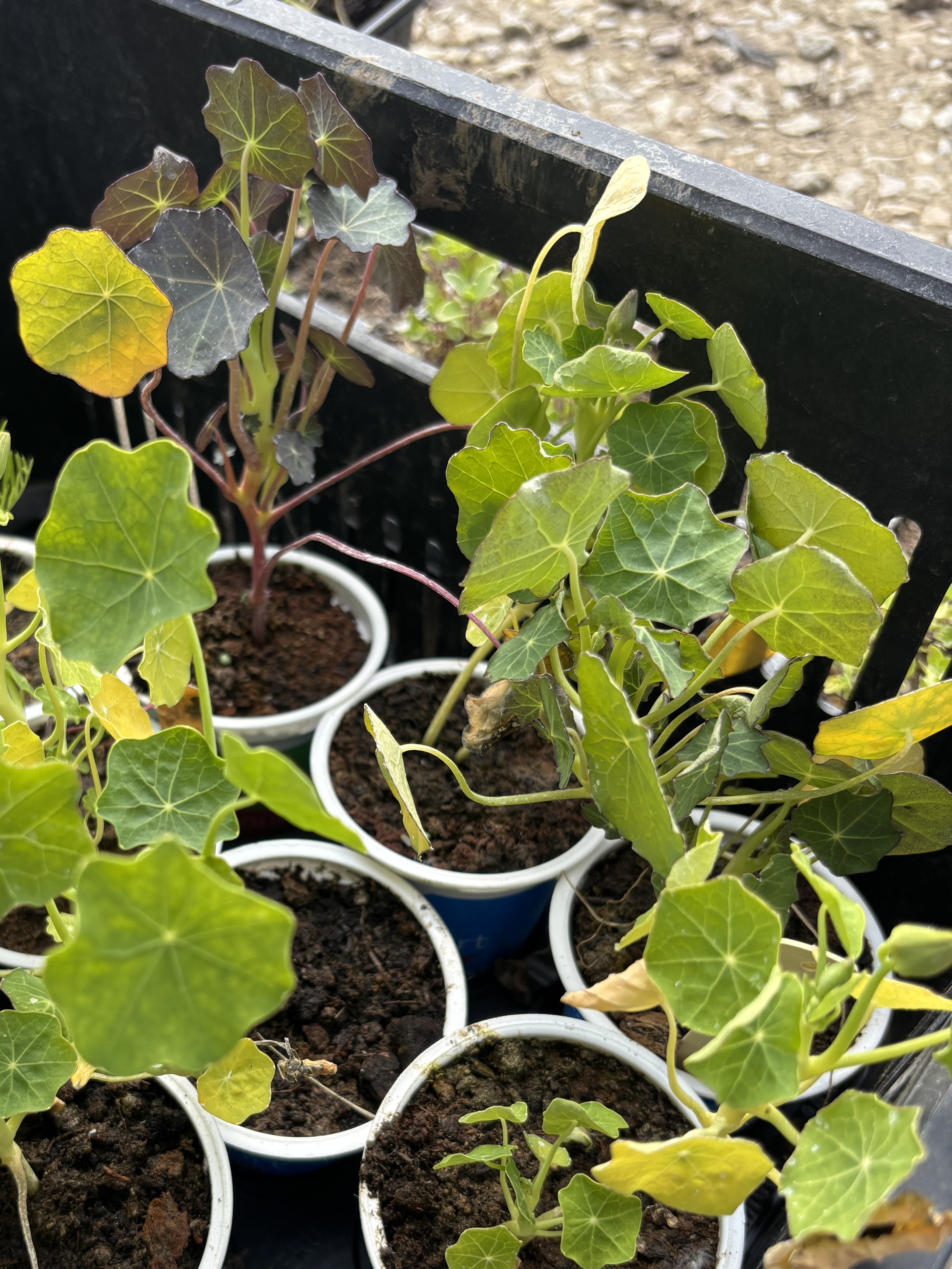
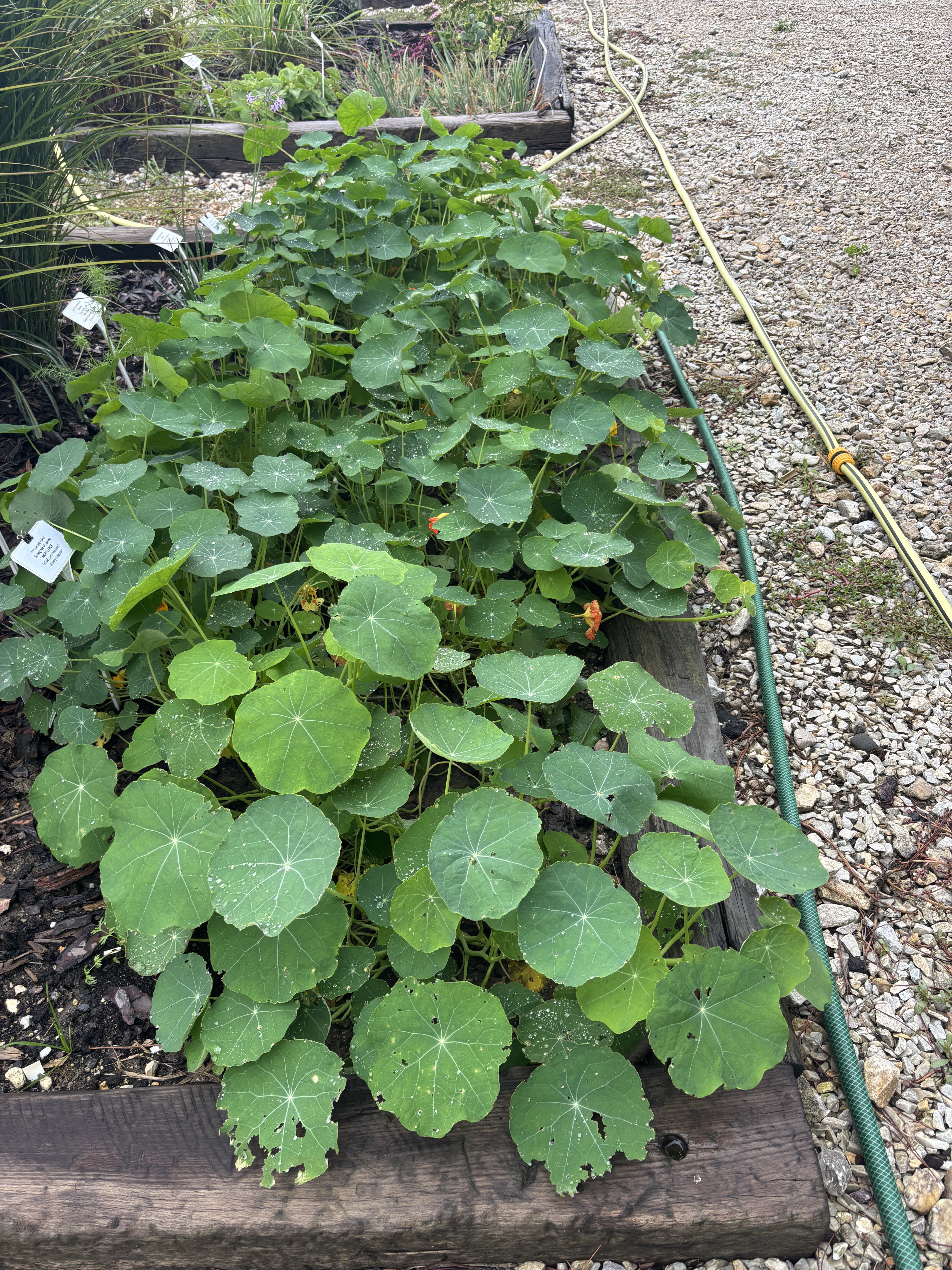
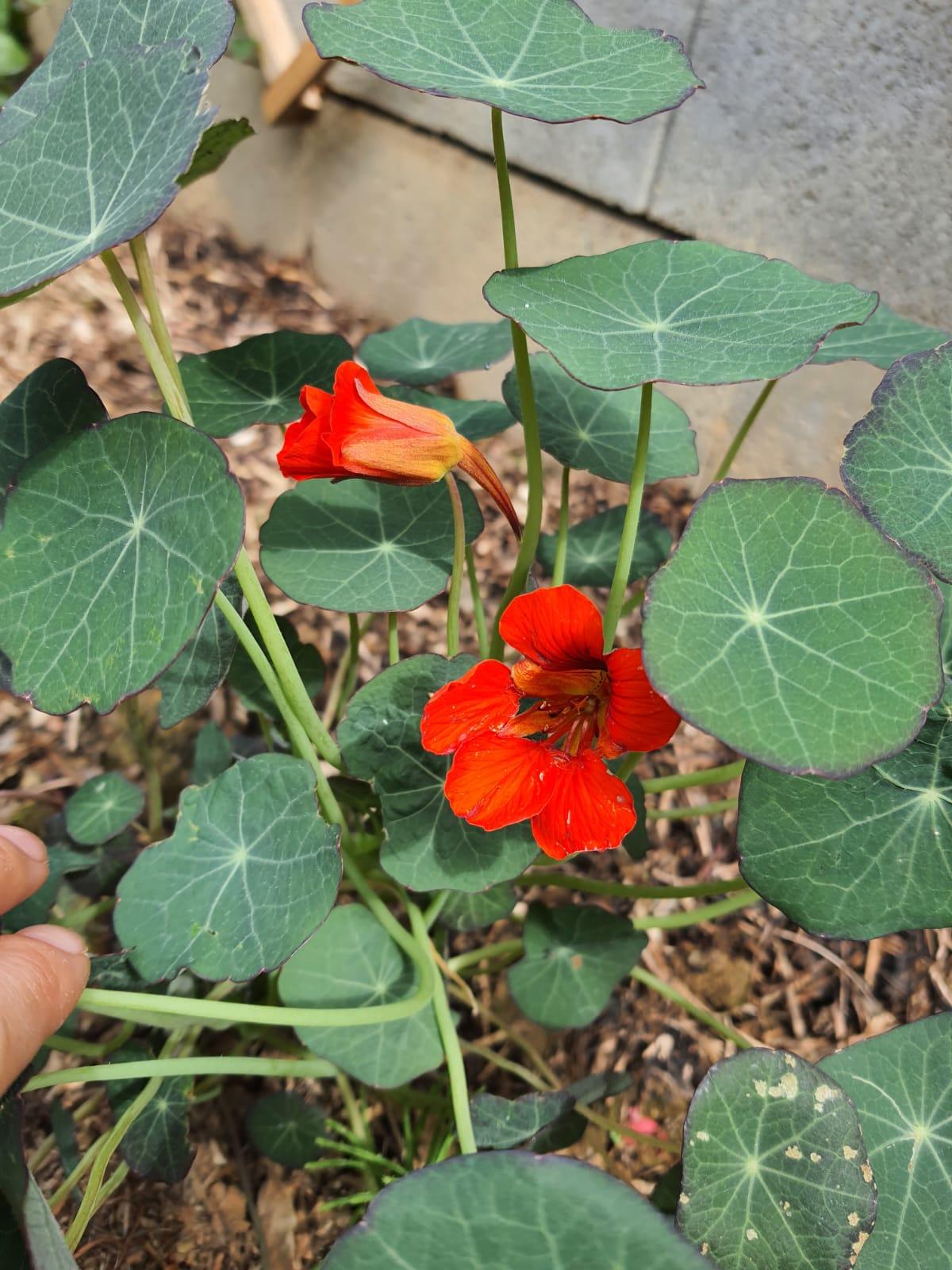
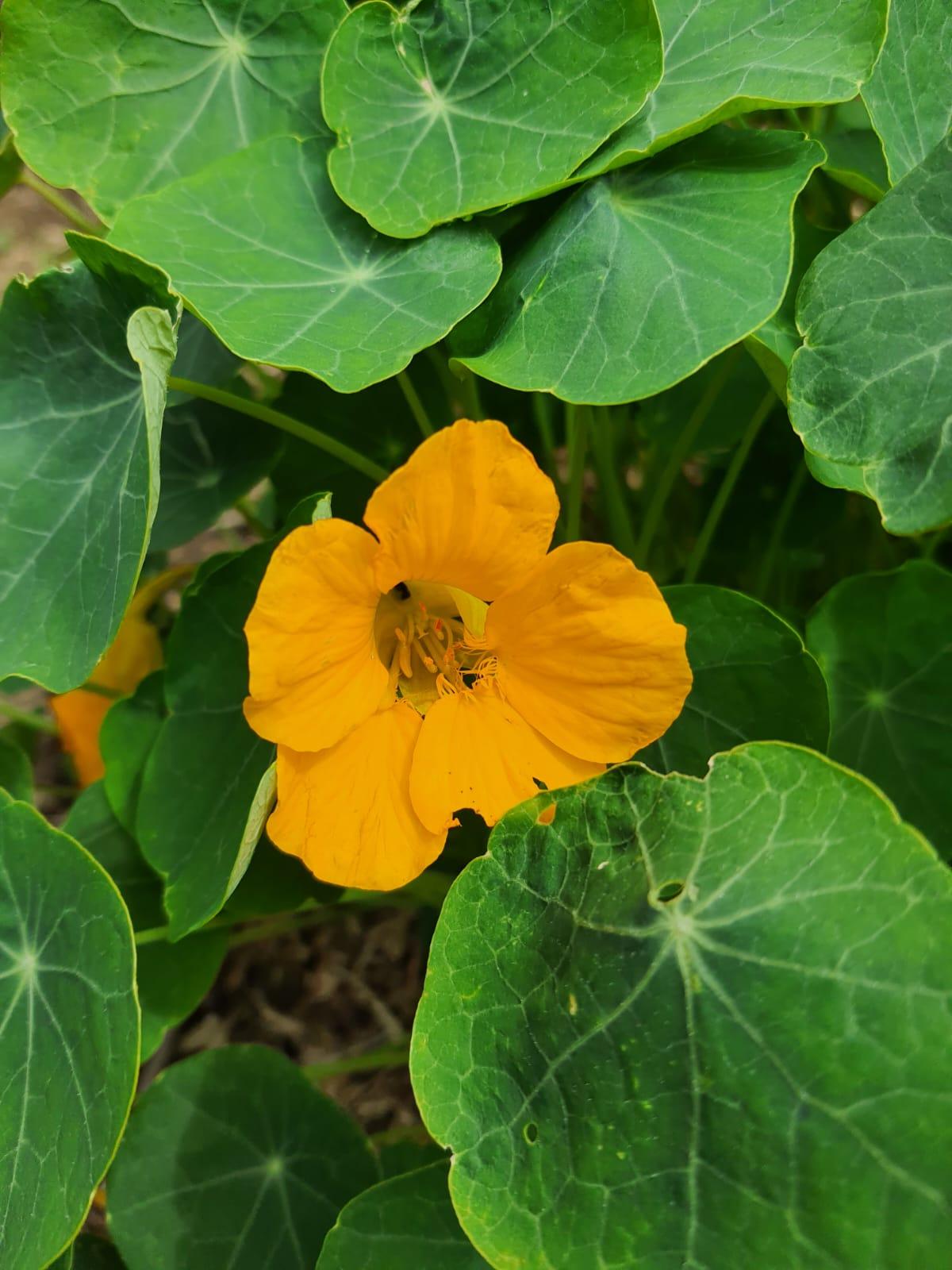
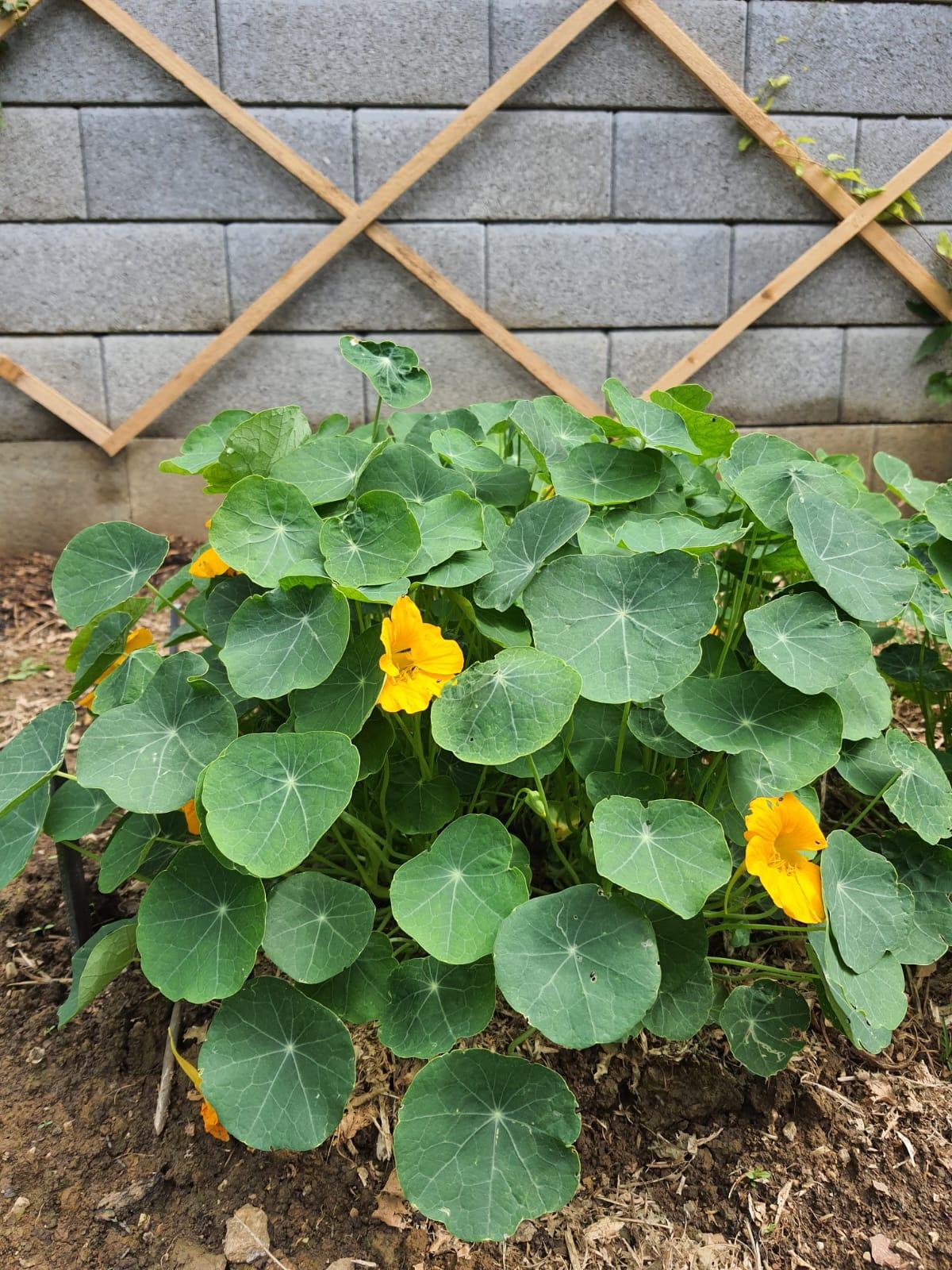
Short description of the species
Interesting
sometimes referred to as "Slovak capers" because its undeveloped flowers or young fruits are pickled in vinegar, similar to true capers (Capparis spinosa), giving them a spicy and sour tasteUsage
It is popular in gardening, floristry and cooking - its edible flowers and leaves have a slightly spicy taste reminiscent of watercress, and are used in salads and for decorating dishes.Inclusion in the crop rotation and fertilization requirements
Nasturtium is an annual plant in our area.
Track: II., III.
Suitable preceding crops: it has low nutrient requirements, therefore it can be planted after various preceding crops except those that significantly deplete the soil, such as some cereals, since excessive fertilization does not benefit it
Fertilization: it is advisable to limit the application of nutrients to the necessary minimum, since fertilization can lead to lush vegetative production (leaf mass) at the expense of flowering.
Varieties: In addition to the most famous greater nasturtium (Tropaeolum majus), which is grown as an edible and ornamental plant, lesser nasturtium (Tropaeolum minus) with smaller leaves and flowers is also grown for decorative and practical purposes, as well as species such as migratory nasturtium (Tropaeolum peregrinum), Tropaeolum speciosum and other, less widespread species of nasturtium.
Agrotechnics of cultivation
Propagation: Nasturtium propagates by seed.
Agrotechnics of cultivation – from seedlings
| Month | I. | II. | III. | IV. | V. | VI. | VII. | VIII. | IX. | X. | XI. | XII. |
|---|---|---|---|---|---|---|---|---|---|---|---|---|
| Sowing/covered areas | xx | |||||||||||
| Planting | xx | |||||||||||
| Harvest/flowers | xx | xxx | xxx |
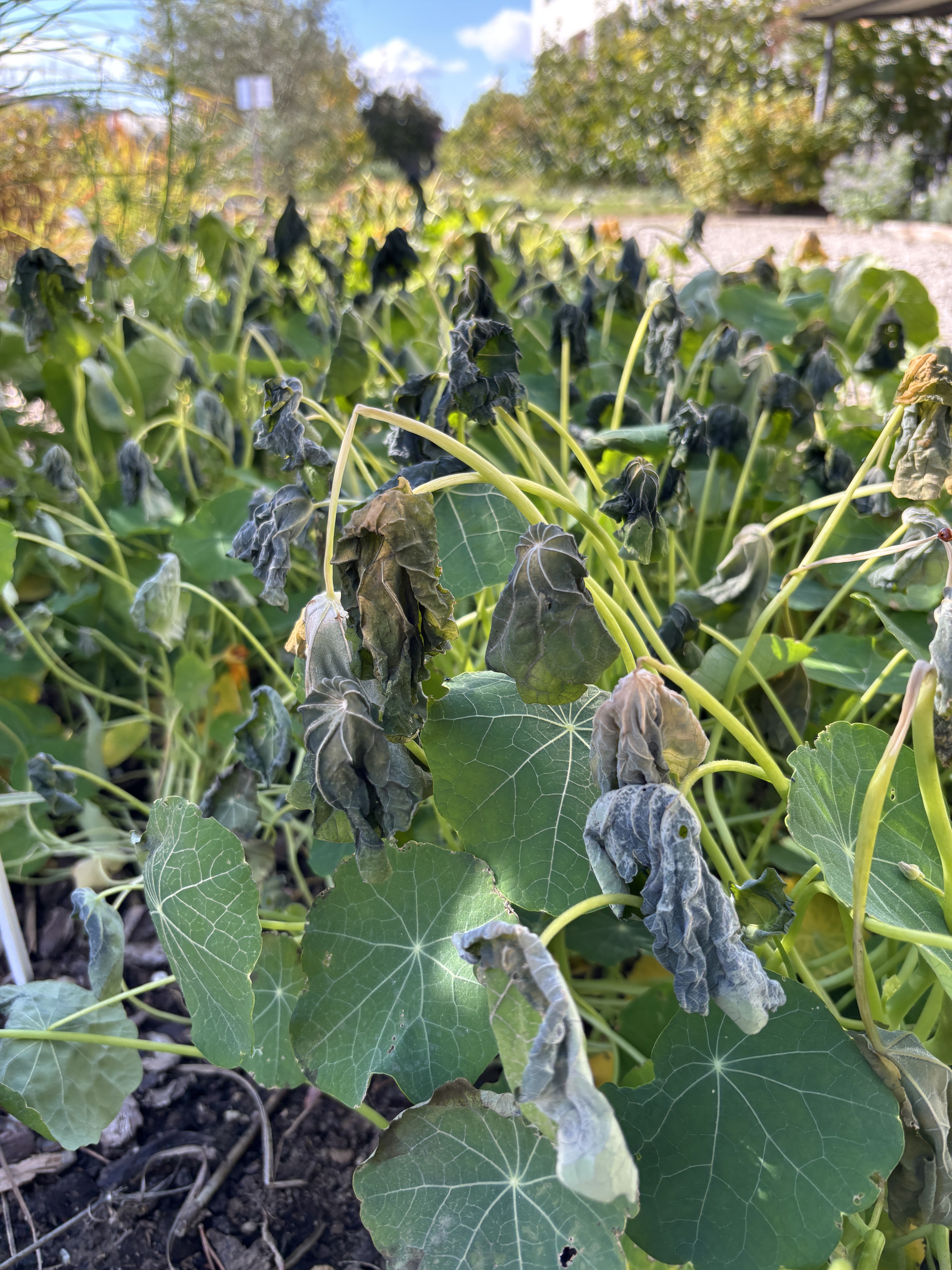
Harvesting - depending on which part of the plant is to be used. Nasturtium flowers are harvested during the summer until the first frosts, when they are fully bloomed. Leaves are harvested throughout the season, ideally young and fresh. Immature seeds are harvested in the summer, ripe in the fall, when the fruits turn brown and dry.
Uses: it is popular in gardening, floriculture and cooking - its edible flowers and leaves have a slightly spicy taste reminiscent of watercress, they are used in salads and for decorating dishes
Effect on human health
Constituents: polyphenols, flavonoids, fatty acids, glucosinolate glucotropeoline, vitamin C
Phytotherapeutic groups: disinfectant, antibiotic, antioxidant
Diseases and pests
Nasturtiums are very attractive to pests, which is the biggest threat when growing them. Nasturtiums are also often grown as a bait plant that attracts pests, thus protecting other plants in the garden. The most common pests are aphids and slugs, which can quickly destroy young plants in particular. In addition, nasturtiums can also be attacked by cabbage moth caterpillars, whiteflies, mites and other insects. The most common diseases that affect nasturtiums include mosaic virus, root rot, powdery mildew and bacterial spot. In the event of a disease, it is important to remove the affected parts of the plant so that the disease does not spread to other plants.
Labeling Plants with QR Codes
At the Faculty of Horticulture and Landscape Engineering at SPU in Nitra, we've created a project that offers visitors to our plantings a new way to discover the beauty and intriguing aspects of plants. Each plant in our plantings has its own unique QR code. All a visitor needs to do is scan this code with their smartphone.
Encyclopedy
Informácie
Kontakt
Fakulta záhradníctva a krajinného inžinierstva
Tulipánová 7, 949 76 Nitra
phone +421 (37) 641 4229 — study department
email henrieta.budayová@uniag.sk



Copyright © 2026 Faculty of Horticulture and Landscape Engineering