

 Slovenská verzia
- home
- Spices and aromatic plants
- Lamiaceae
- Marjoram
- Marjoram
Marjoram
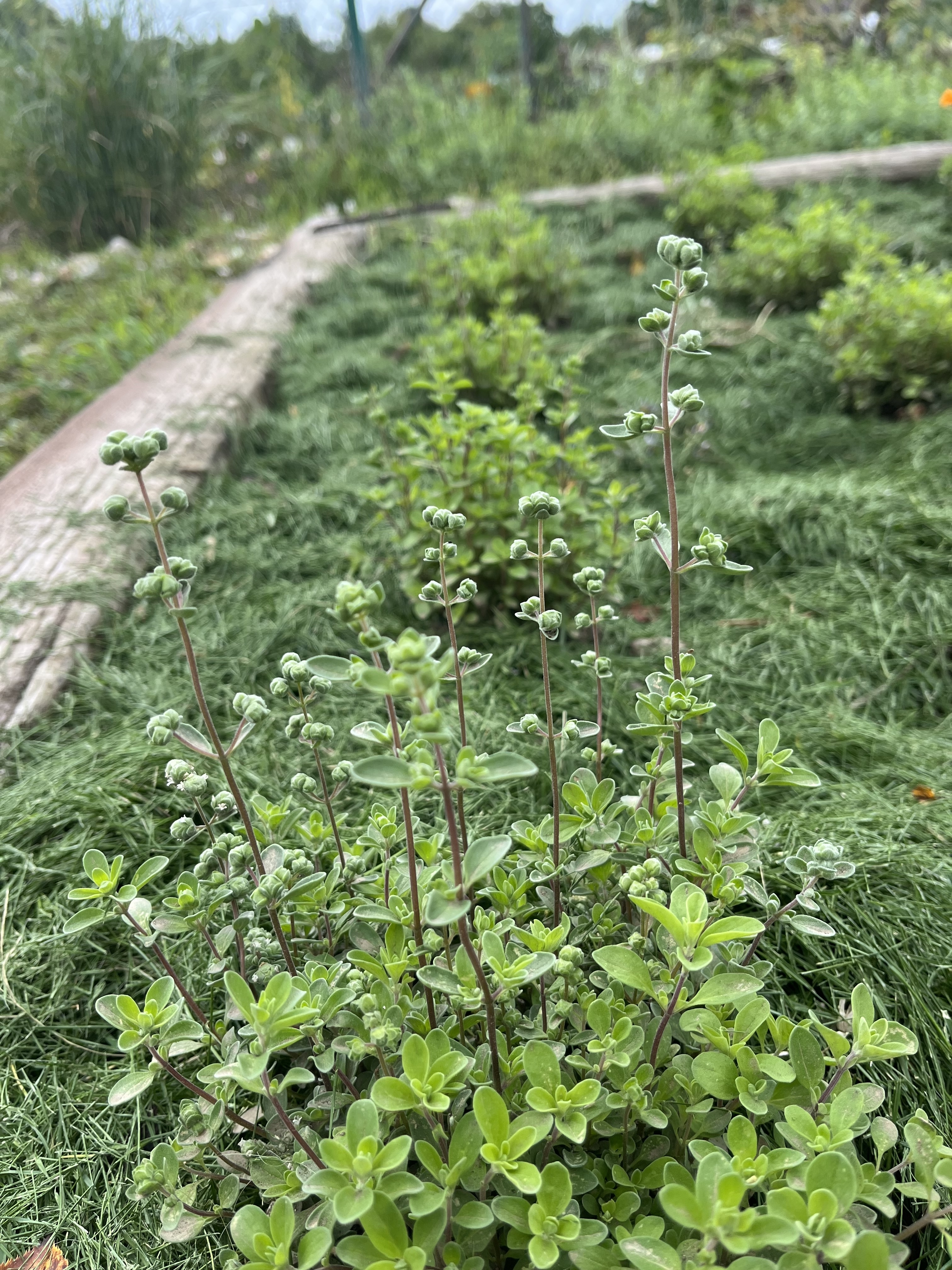
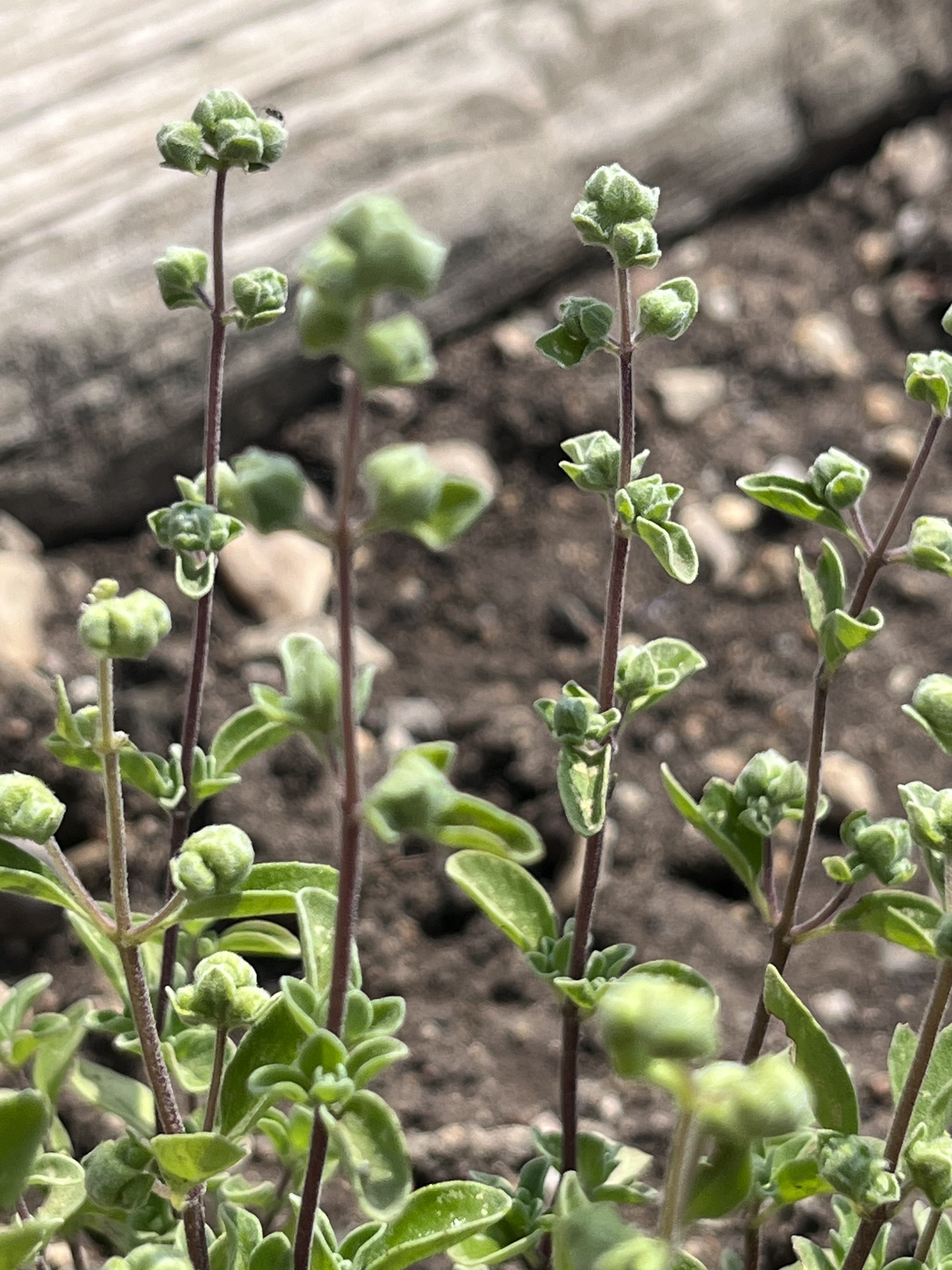
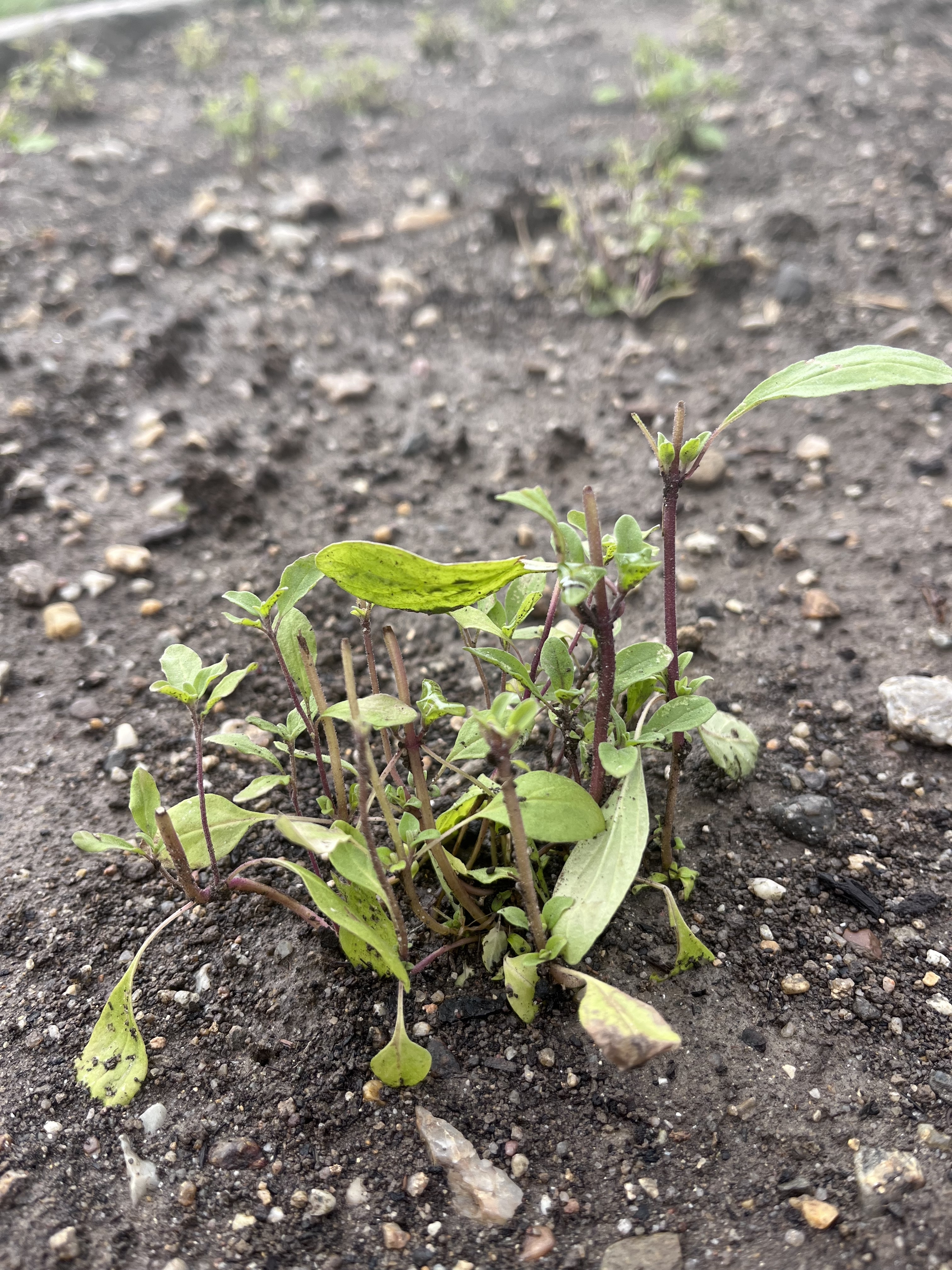
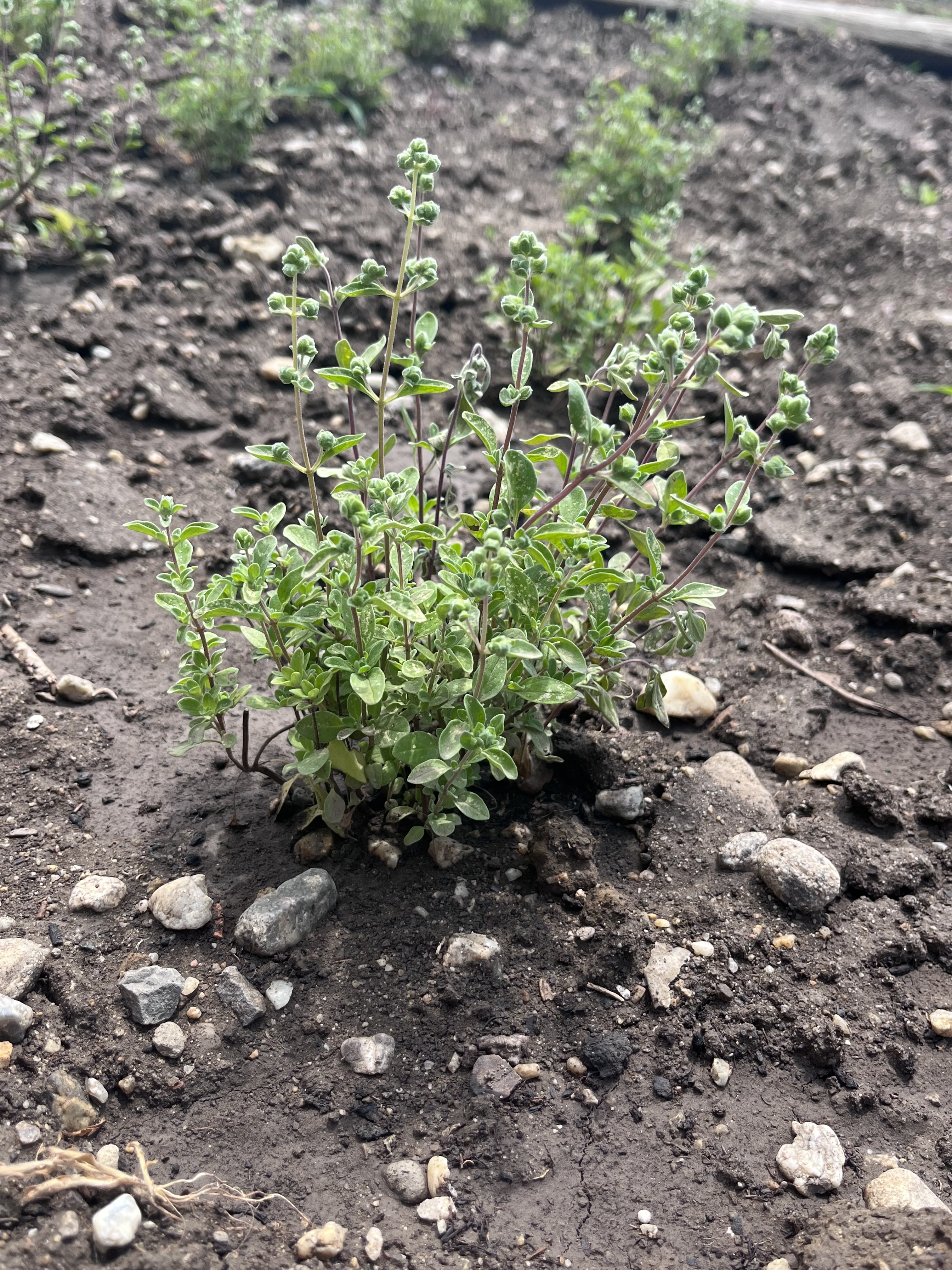
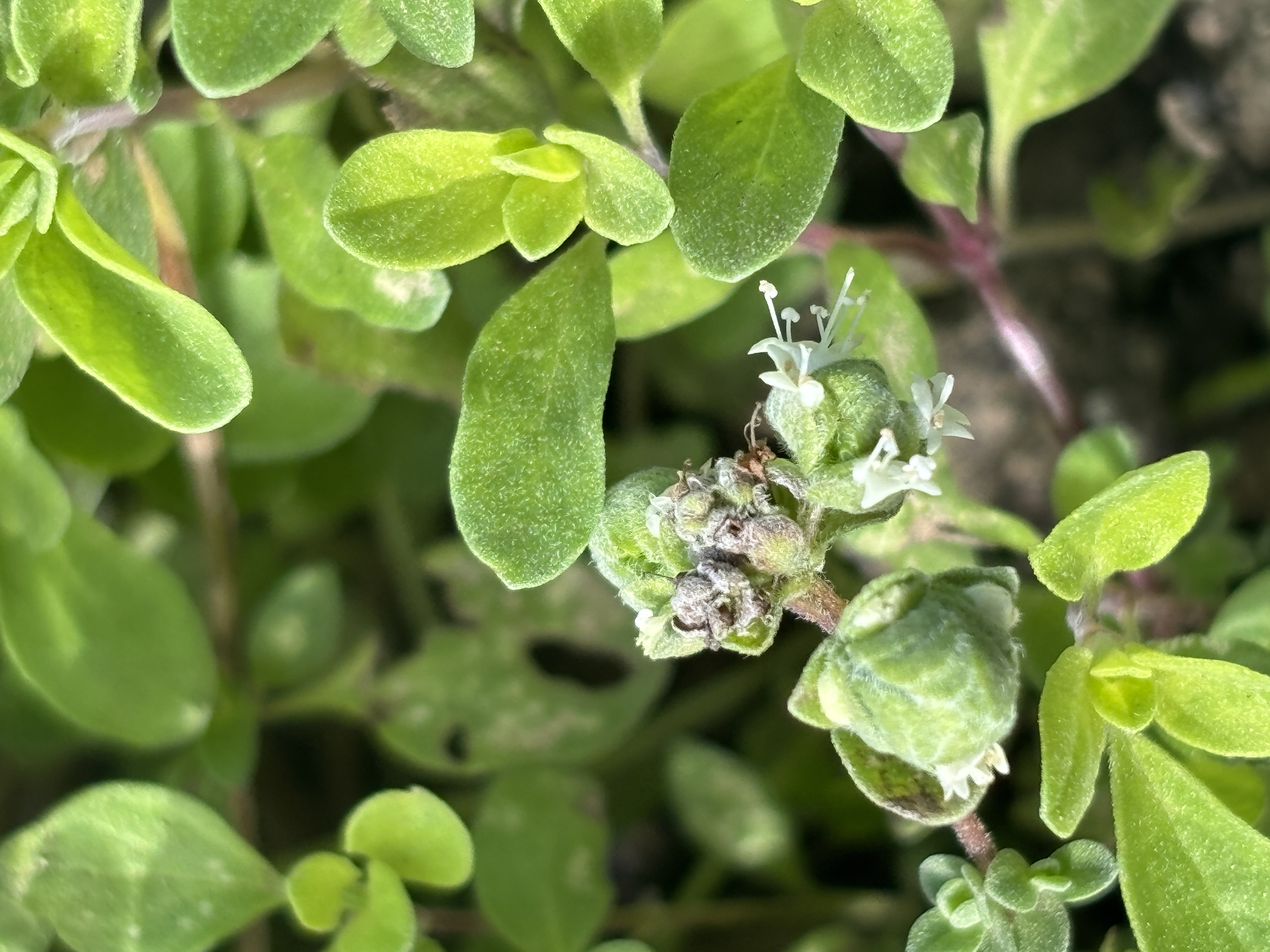
Short description of the species
Interesting
Origanum is derived from the Greek words "oros" (mountain) and "ganos" (joy, pleasure), which can be loosely translated as "joy of the mountains" - probably referring to where the plant originally grew in the wild on the slopes.Usage
especially in Mediterranean cuisine in soups, sauces, salads and meat dishes, in traditional Slovak cuisine marjoram is an essential part of potato and legume soups, goulash, as well as dishes made from potatoes and cabbageInclusion in the crop rotation and fertilization requirements
In Slovakia - an annual plant, in the south of Europe, or in the countries of origin, it can be grown as a perennial herb.
Track: II.
Suitable preceding crops: legumes, cereals, root crops and green manure crops
Fertilization: We do not fertilize with manure.
Varieties:
Since 1967, ´Marcelka´ has been registered in the LRO - a quality variety growing to a height of 0.4 m.
Agrotechnical cultivation
Propagation: only by seed, direct sowing (intensive cultivation), seedlings (in gardens)
Agrotechnical cultivation - from seedlings
| Month | I. | II. | III. | IV. | V. | VI. | VII. | VIII. | IX. | X. | XI. | XII. |
|---|---|---|---|---|---|---|---|---|---|---|---|---|
| Sowing/covered areas | xxx | x | ||||||||||
| Planting | xx | |||||||||||
| Harvest/herb, leaf | x | xxx | xxx | xxx |
Harvest - in full bloom, usually from mid-July to September, the herb is cut several times a year, about 5 cm above the ground
Use: mainly in Mediterranean cuisine in soups, sauces, salads and meat dishes, in traditional Slovak cuisine marjoram is an essential part of potato and legume soups, stews, as well as potato and cabbage dishes
Effect on human health:
Contents: essential oils, containing mainly terpenoids (e.g. linalool), flavonoids (diosmetin, quercetin, luteolin, apigenin) and phenolic acids (rosmarinic acid, caffeic acid)
Phytotherapeutic groups: carminative, antibiotic, antiphlogistic
Diseases and pests:
Pests: Aphids, thrips, mites,
Diseases: Fusarium solani, Fusarium oxysporum
Labeling Plants with QR Codes
At the Faculty of Horticulture and Landscape Engineering at SPU in Nitra, we've created a project that offers visitors to our plantings a new way to discover the beauty and intriguing aspects of plants. Each plant in our plantings has its own unique QR code. All a visitor needs to do is scan this code with their smartphone.
Encyclopedy
Informácie
Kontakt
Fakulta záhradníctva a krajinného inžinierstva
Tulipánová 7, 949 76 Nitra
phone +421 (37) 641 4229 — study department
email henrieta.budayová@uniag.sk



Copyright © 2026 Faculty of Horticulture and Landscape Engineering