

 Slovenská verzia
- home
- Fruits - general part
- Shell fruit
- Hazelnut
Hazelnut
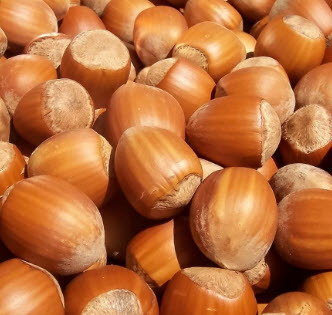
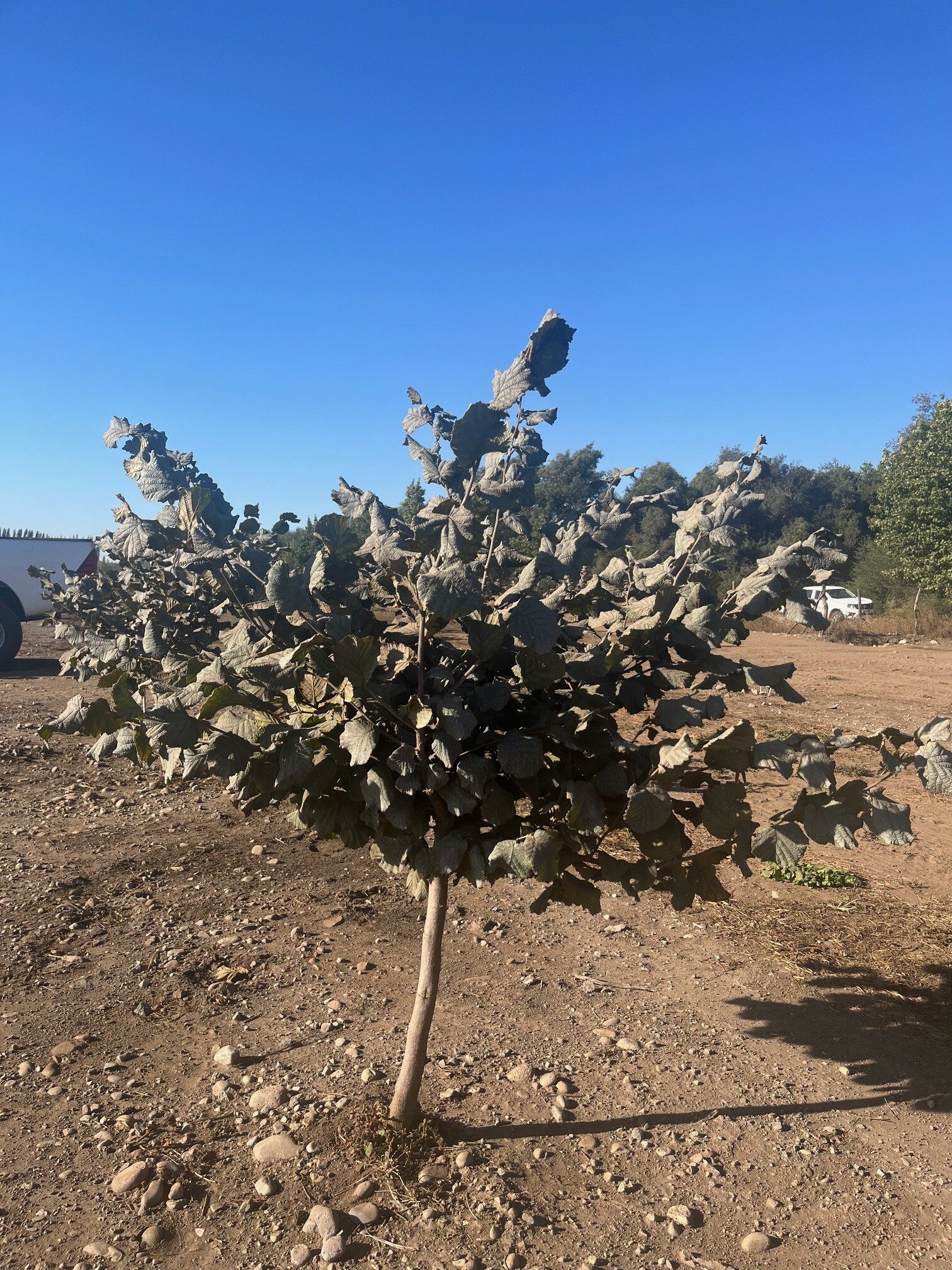
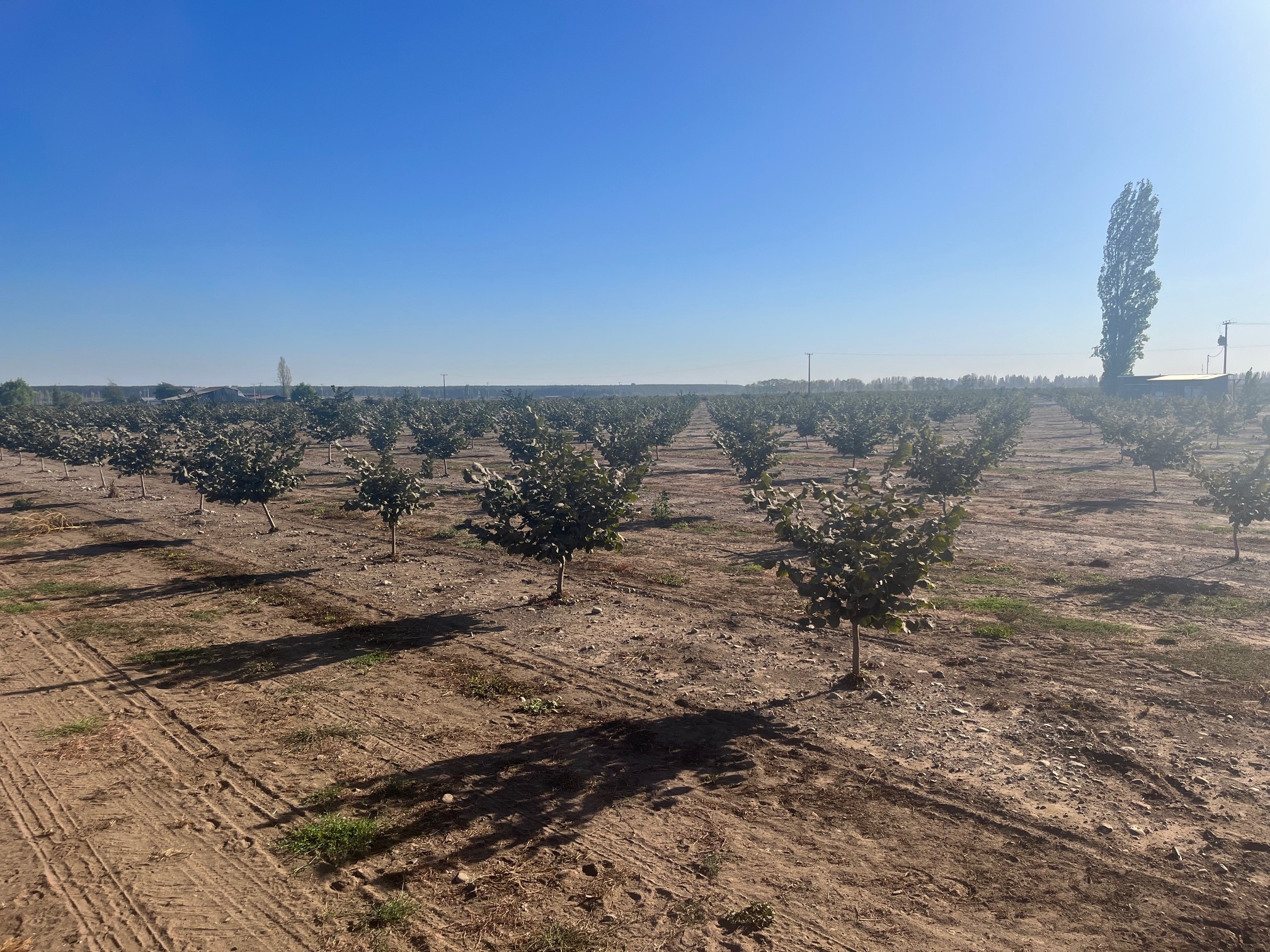
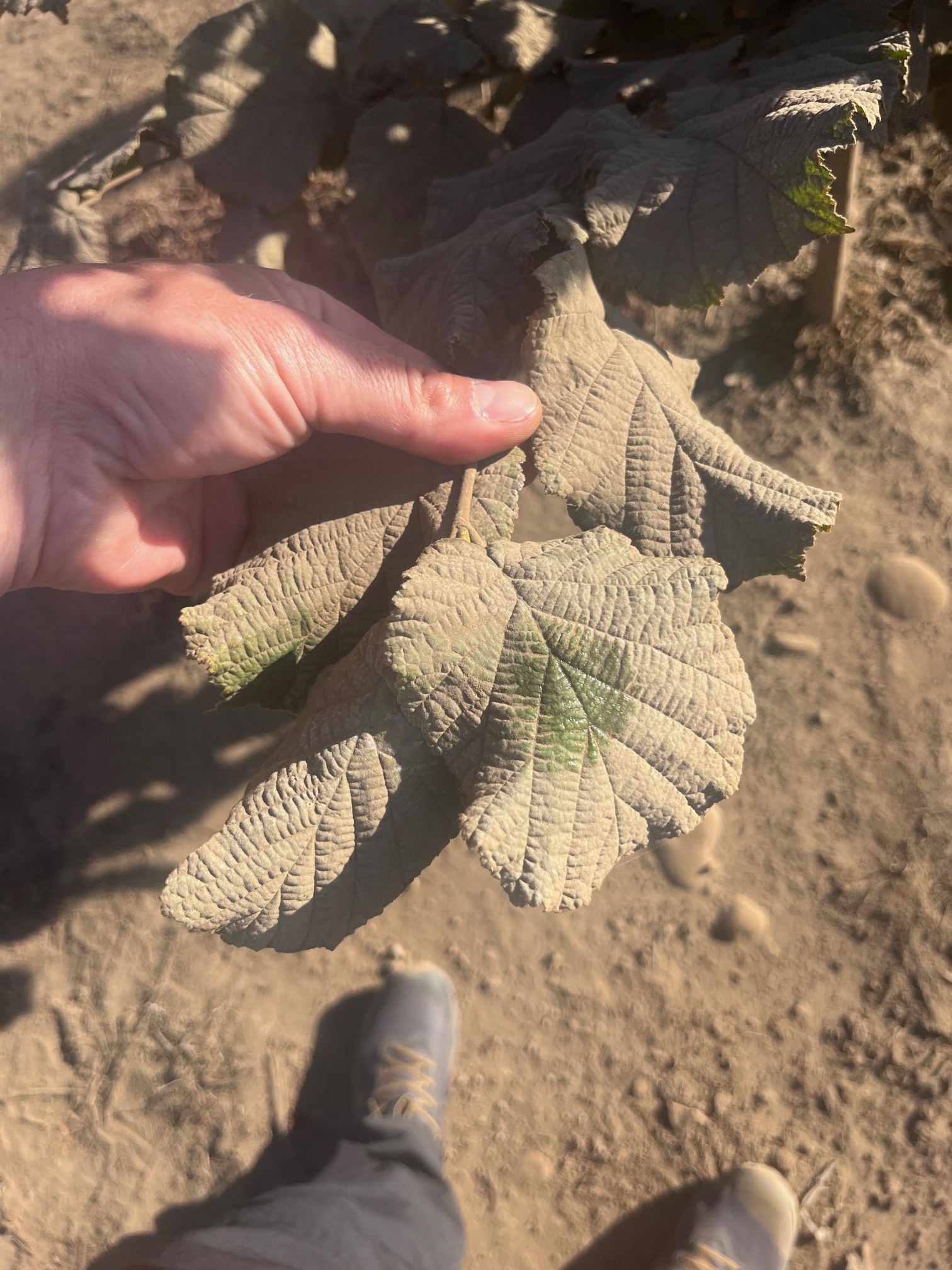
Short description of the species
Interesting
The kernel is very high in "good" fat, it contains monounsaturated fats that lower cholesterol. Hazelnuts contain 50-60% fat, 15-20% protein and slightly more than 10% water.Usage
The kernel is used for consumption.Suitable growing locations
Hazelnuts are also suitable for higher growing positions with a permeable, sandy substrate, they have a relatively shallow root system that is more widely spread, so they are not hindered by a higher groundwater level. It is undemanding to the soil.
Growing technology
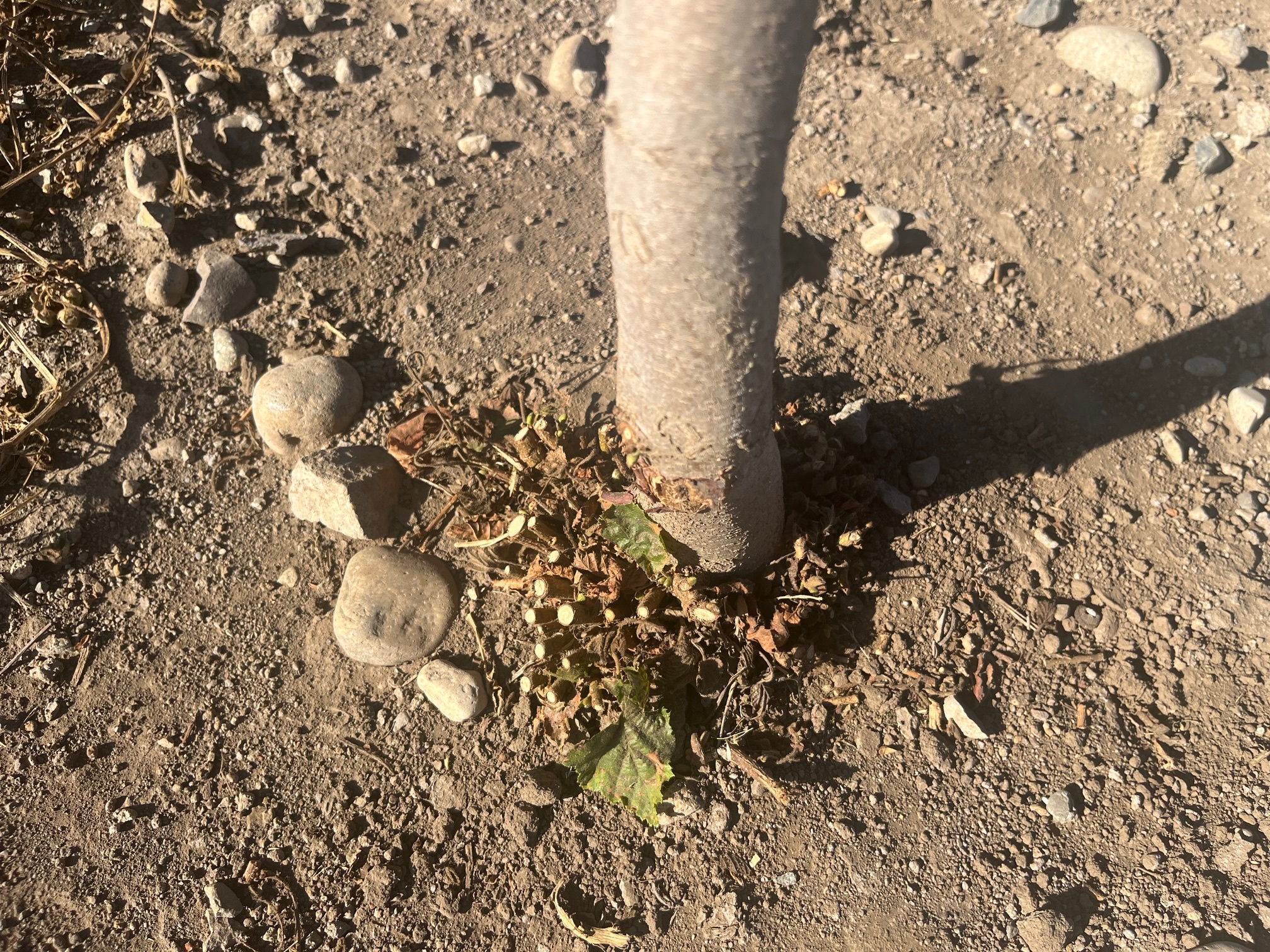
We grow it most often in the form of a bush with 10-12 basic shoots. It is possible to remove unnecessary shoots growing from the base of the kra, we do not shorten the shoots. From approximately the 10th year, we replace the basic shoots with new shoots. Planting clip 3.0-4.0 x 3.0 m, planting material - a bush with at least 3 shoots. In some countries, stem forms grafted on Corylus coluna, Turkish hazel, are also used.
Suitable varieties
All the varieties found in our country are suitable, i.e. Hall's giant, Lombard's white and Webb's. Of the varieties grown abroad, the Buttler, Cosford, Ennis and Gunslebert varieties are used the most.
Diseases and pests
diseases: powdery mildew, scarlet fever
pests: weevil
Labeling Plants with QR Codes
At the Faculty of Horticulture and Landscape Engineering at SPU in Nitra, we've created a project that offers visitors to our plantings a new way to discover the beauty and intriguing aspects of plants. Each plant in our plantings has its own unique QR code. All a visitor needs to do is scan this code with their smartphone.
Encyclopedy
Informácie
Kontakt
Fakulta záhradníctva a krajinného inžinierstva
Tulipánová 7, 949 76 Nitra
phone +421 (37) 641 4229 — study department
email henrieta.budayová@uniag.sk



Copyright © 2026 Faculty of Horticulture and Landscape Engineering