

 Slovenská verzia
- home
- Spices and aromatic plants
- Poaceae
- Lemongrass
- Lemongrass
Lemongrass
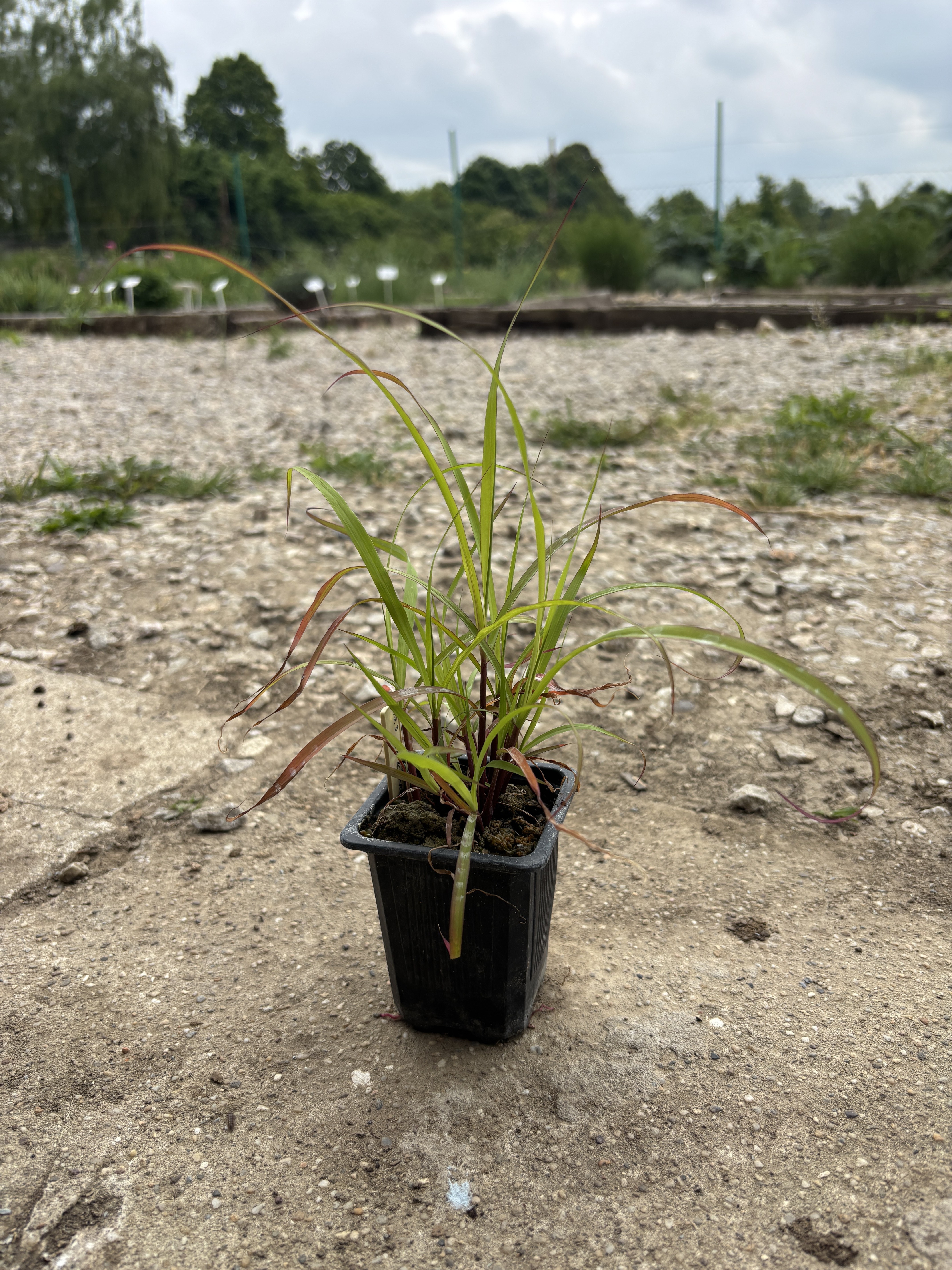
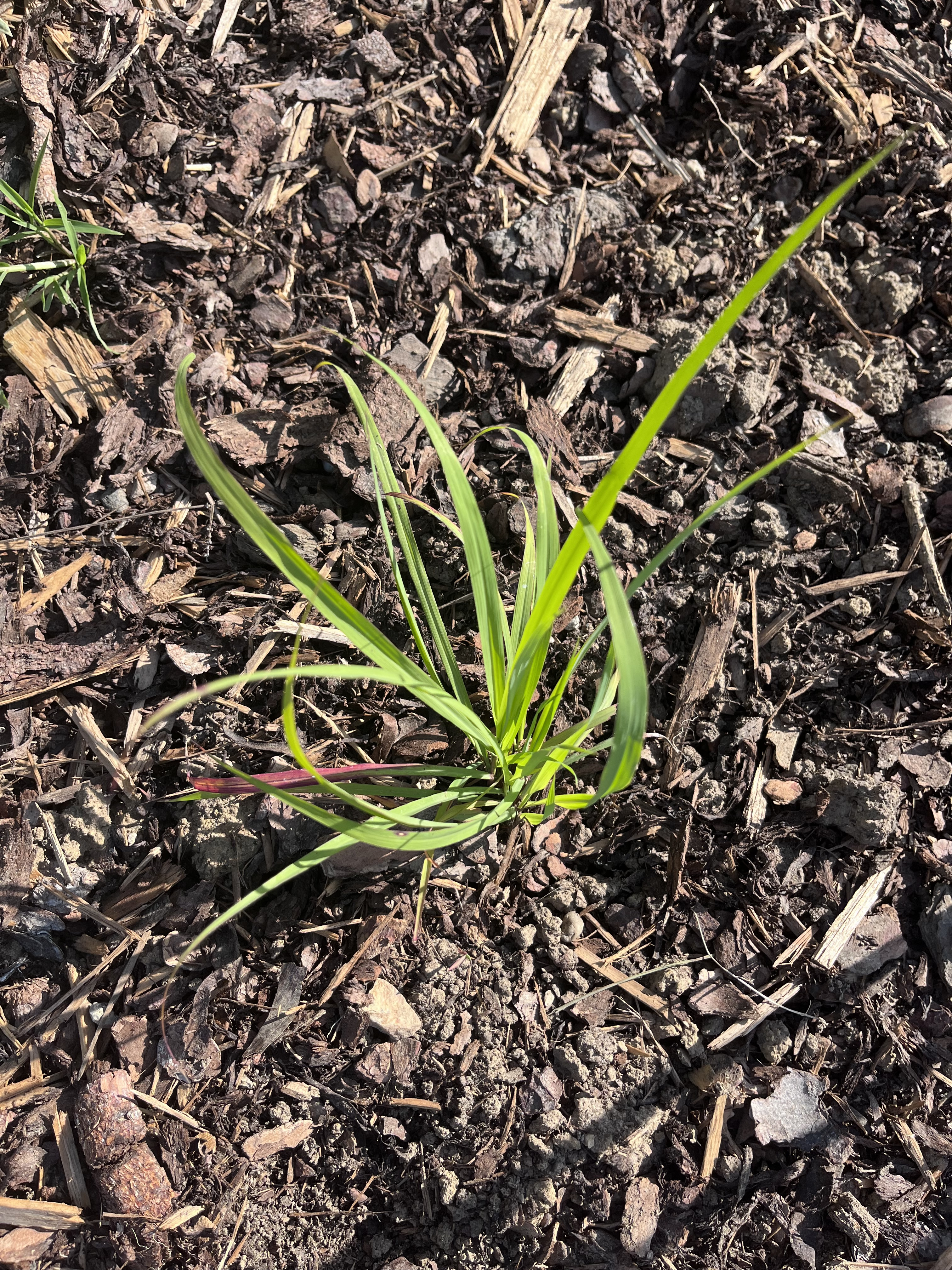
Short description of the species
Interesting
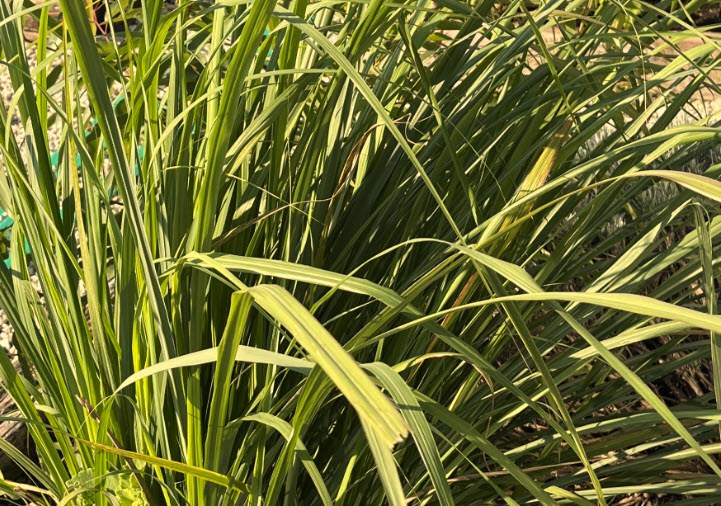
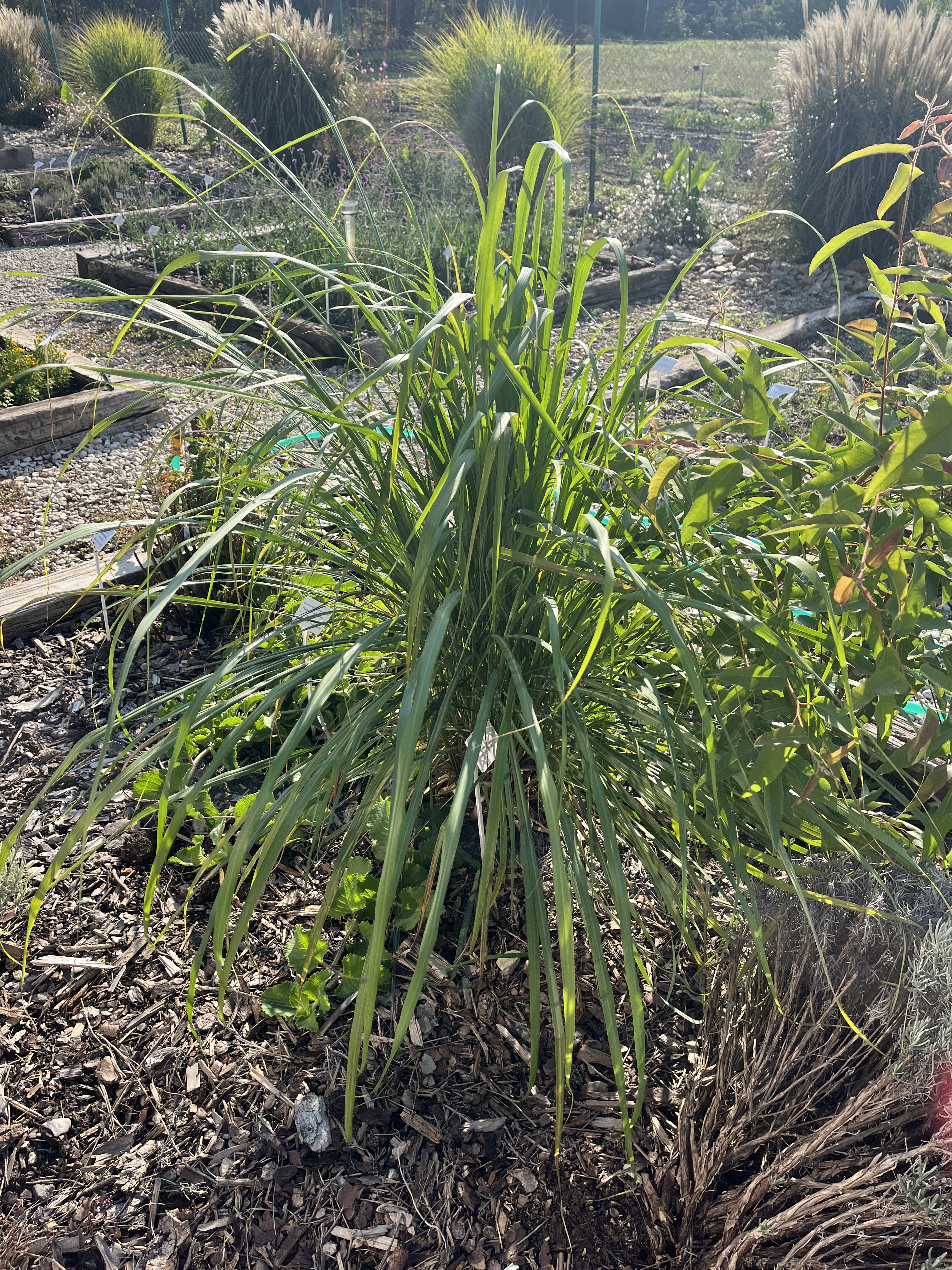
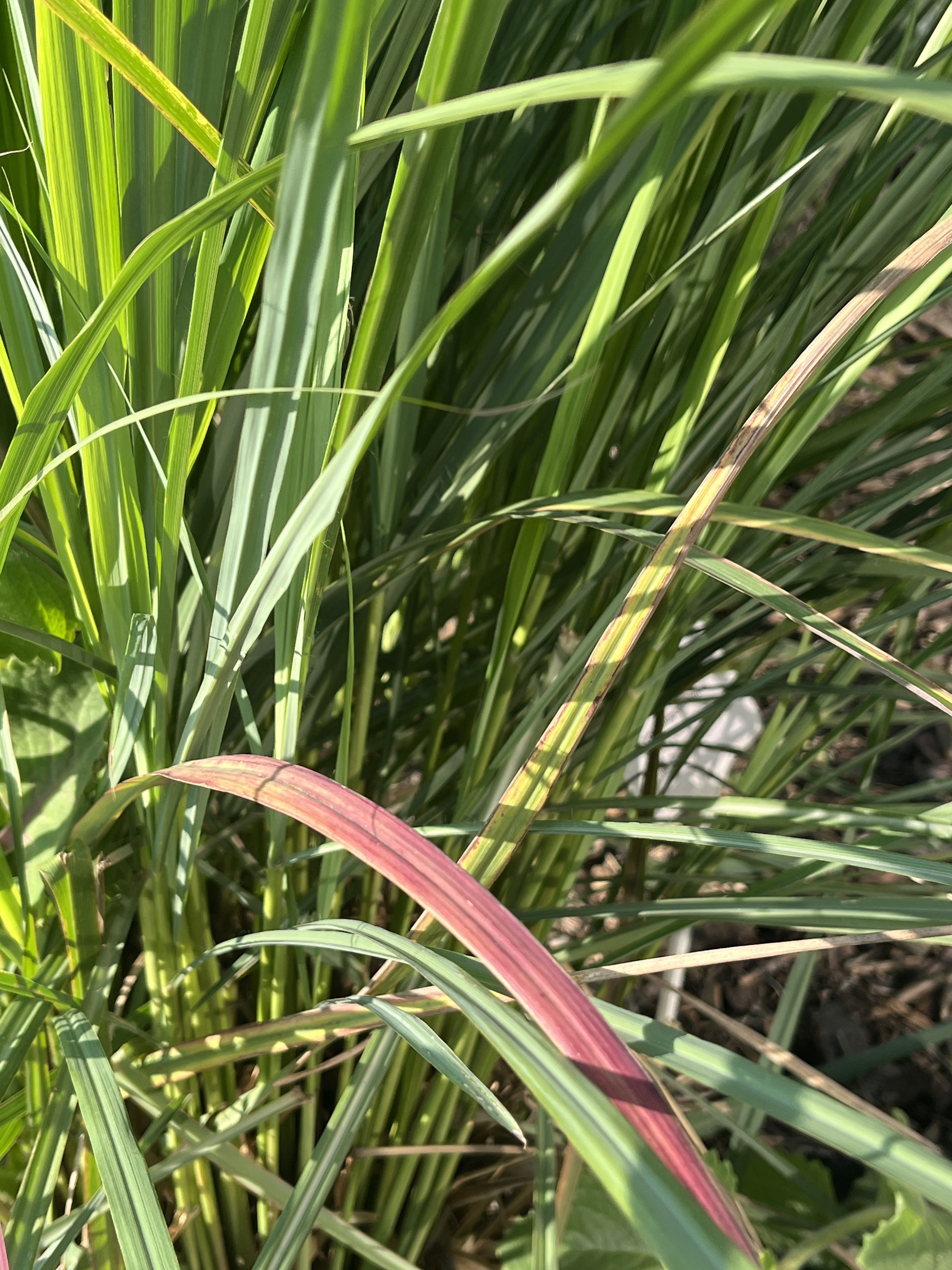
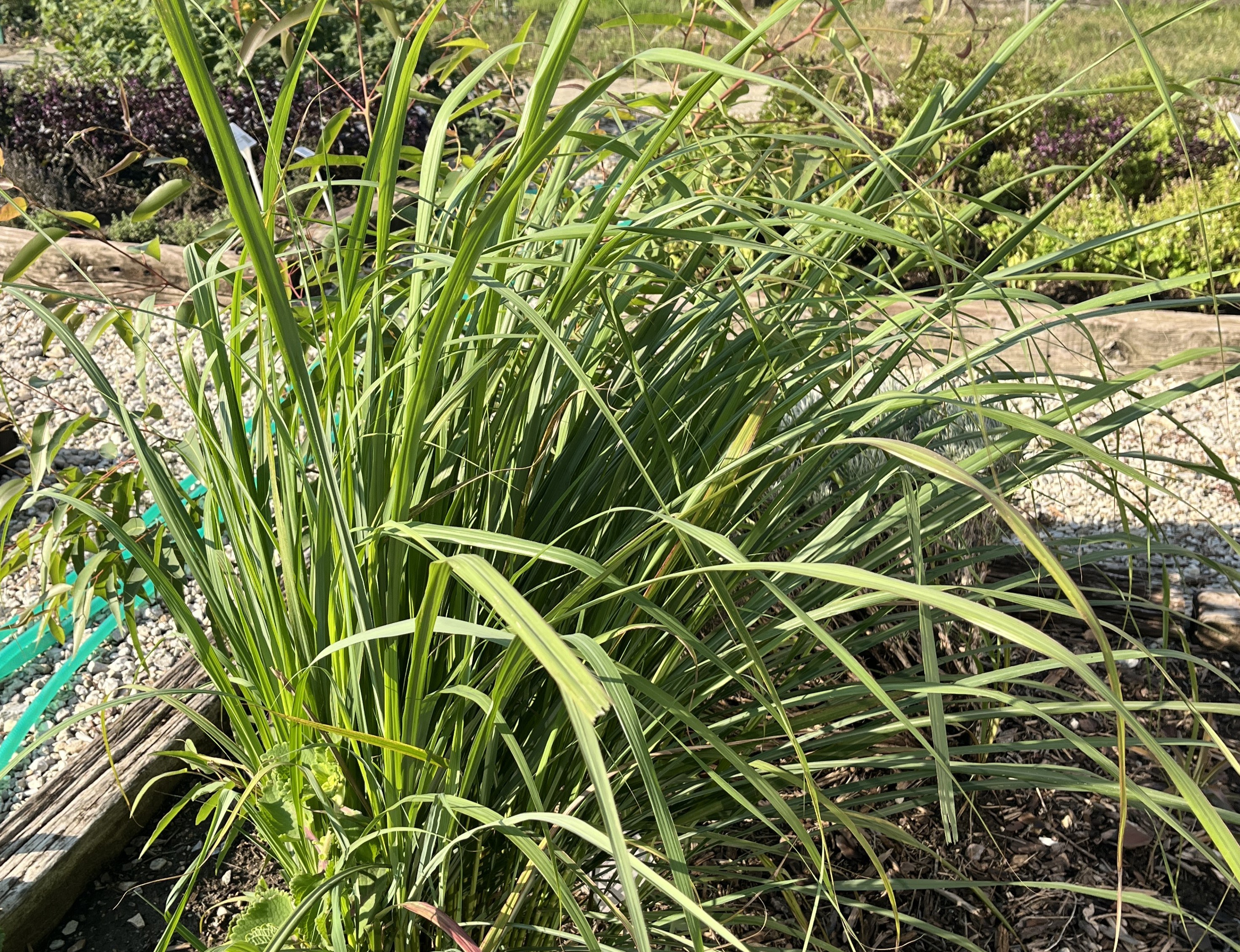
Lemongrass, also known as lemongrass, is a tropical grass rich in the essential oil citral, which gives it a typical lemony scent and flavor.Usage
Is used in the kitchen, especially in Asian gastronomy, to flavor soups, curries, sauces, teas, and fish and seafood dishes thanks to its strong lemon aroma. In our country, lemongrass is used mainly in tea blends - either in combination with green tea or with herbs.Agrotechnics of cultivation
The most common method of propagation is by dividing the clumps. It is also possible to pre-grow seedlings from seed.
Agrotechnics of cultivation – from seedlings
| Month | I. | II. | III. | IV. | V. | VI. | VII. | VIII. | IX. | X. | XI. | XII. |
|---|---|---|---|---|---|---|---|---|---|---|---|---|
| Plant division | xx | xxx | x | |||||||||
| Planting | xx | |||||||||||
| Havest/leaf | xxx | xxx | xxx |
Harvesting and storage:
Lemongrass is harvested 4–6 months after planting, just above the soil surface, before flowering, when it contains the most essential oils; mainly the lower parts of the stems are harvested, while in countries with mild winters the plant can grow again and be harvested every 3–4 months.
Uses:
Cymbopogon citratus is used in the kitchen, especially in Asian gastronomy, to flavor soups, curries, sauces, teas and fish or seafood dishes thanks to its strong lemon aroma. In our country, lemongrass is used mainly in tea blends - either in combination with green tea or with herbs.
Impact on human health:
Constituents: citral (neral and geranial), myrcene, limonene, α-pinene, α-caryophyllene, geraniol, linalool, citronellol, geranyl acetate, linalyl formate, hydroquinone, quercetin, flavonoids, saponins, alkaloids, sterols and organic acids such as chlorogenic, caffeic and p-coumaric
Phytotherapeutic groups: antibiotic, antiphlogistic, insecticide, stomachic
Diseases and pests:
Diseases and pests of lemongrass include: rust (Puccinia nakanishikii), bacterial root rot, aphids, bedbugs, caterpillars and mites.
Labeling Plants with QR Codes
At the Faculty of Horticulture and Landscape Engineering at SPU in Nitra, we've created a project that offers visitors to our plantings a new way to discover the beauty and intriguing aspects of plants. Each plant in our plantings has its own unique QR code. All a visitor needs to do is scan this code with their smartphone.
Encyclopedy
Informácie
Kontakt
Fakulta záhradníctva a krajinného inžinierstva
Tulipánová 7, 949 76 Nitra
phone +421 (37) 641 4229 — study department
email henrieta.budayová@uniag.sk



Copyright © 2026 Faculty of Horticulture and Landscape Engineering