

 Slovenská verzia
- home
- Vegetable crops
- Miscellaneous vegetable
- Lagenaria
- Lagenaria
Lagenaria
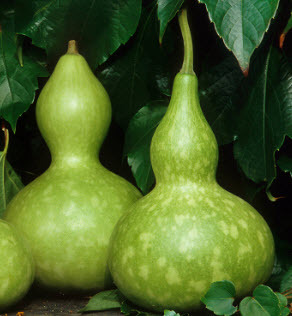
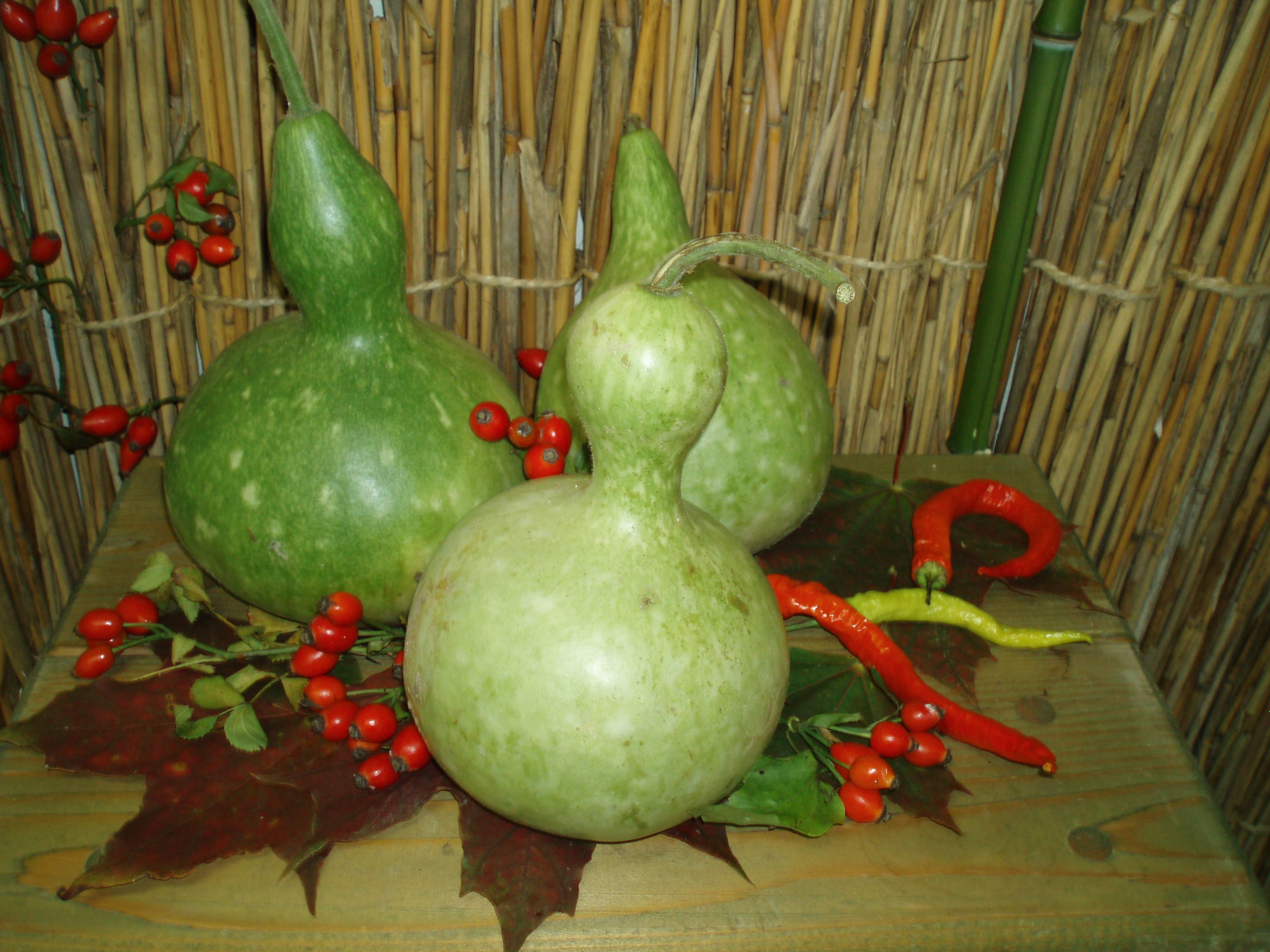
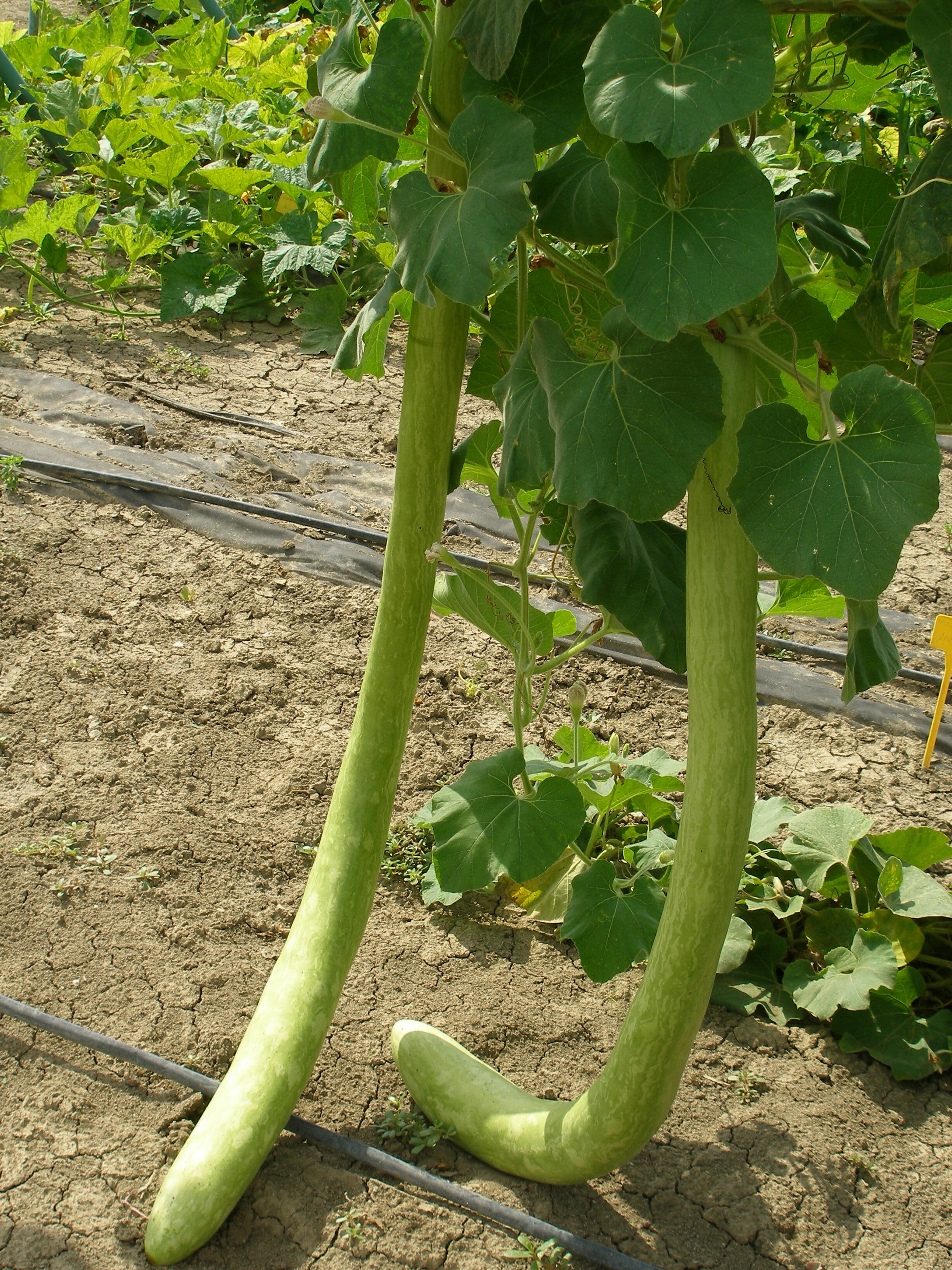
Short description of the species
Interesting
It is possible to cut part of fruit; rest of fruit is growing, thus fruit can be harvested in several harvests (piece by piece).Usage
- young fruits: salads, baking, conservation (sweet-acid pickle) - seeds: roasting (like pumpkins) - matured fruits (firm, woodened): floater, tanks for water, production of musicial instruments, decorationRequirements for the environment, fertilization and inclusion in the sowing procedure
The cultivation requirements of lagenaria are very similar to those of other squash-like vegetables, e.g. cucumbers or pumpkins. Lagenaria is relatively well adaptable to drier conditions, however, in the case of a prolonged dry period, there is a more pronounced fall of flowers and fruits (Welman, 2005). The optimum temperature for germination is 20-25 °C. Like other types of vegetables, lagenaria does not tolerate frost. Lagenaria does not have significant demands on soil type; we can grow it on both lighter and heavier soils. However, a very important condition is sufficient organic matter (humus) in the soil, which is why we include lagenaria among the crops of the 1st track. The optimal pH is 6-7.5 (Rojas-Sandoval, 2018).
Cultivation
Lagenaria can be grown from direct sowing or pre-grown seedlings. Direct sowing is suitable for growing in covered areas (greenhouses or foil greenhouses), while 3-4 seeds are placed in nests arranged in a 1x1 m clip. After emergence, it is necessary to leave the 2 strongest plants. For cultivation in the field, it is recommended to establish a stand from a pre-planted seedling, while the clip is the same as for direct sowing. It is optimal to plant the seedlings in the field in the second half of May, i.e. as well as other types of fruit vegetables. To grow lagenaria, a support structure up to 2 m high is needed, while the plants are tied at regular intervals to twine or a stake. The nutritional requirements are similar to other types of squash vegetables. Despite its good adaptability to drier conditions, it is advisable to water lagenaria regularly. Harvesting of fruits begins in the summer - 4-10 fruits can be obtained from 1 plant. The optimal length of young fruits at harvest is 200-300 mm. In case of delay in harvesting, we let the fruits harden and dry - the use of such fruits is described in the next chapter (Šlosár, 2014; Pokluda et al., 2022).
Use in gastronomy
Lagenaria fruits can be used in several ways. Young fruits, which have delicate and fragile tissues, serve as vegetables. Lagenaria fruits can be used to prepare various dishes and salads. We can prepare them in the same way as pumpkin or zucchini - we can boil them, bake them, pickle them in vinegar or salt like cucumbers, or preserve them in a sweet and sour pickle. Lagenaria is also interesting in that it is possible to cut off and consume only part of the fruit, and the remaining part, which remains on the plant, continues to grow and the fruit can be collected in parts. The seeds can also be roasted similarly to pumpkin seeds. During ripening, the fruits harden and become woody, while their pulp dries out. Dry and cleaned fruits are used in various parts of the world as floats, water containers, to make musical instruments or containers for narcotic drugs, etc. In Central and South America, the Indians decorate the dried fruits with colorful paintings and use them as decoration.
In the world, different parts of the lagenaria plant are used in medicine, e.g. a decoction of the plant is characterized by mild antibiotic effects; the skin of the fetus is used as a laxative; flowers were used in the past as an antidote for body poisoning; seeds and oil prepared from them against worms (Šlosár, 2014).
Diseases and pests
Lagenaria is relatively resistant to diseases, but in the case of prolonged drought or, conversely, during a period with more intense rainfall, powdery mildew or mold may occur. Protection against the mentioned diseases is similar to when growing cucumbers. Among the pests, we can name thrips or whiteflies as important (Anonymous, 2022c).
Labeling Plants with QR Codes
At the Faculty of Horticulture and Landscape Engineering at SPU in Nitra, we've created a project that offers visitors to our plantings a new way to discover the beauty and intriguing aspects of plants. Each plant in our plantings has its own unique QR code. All a visitor needs to do is scan this code with their smartphone.
Encyclopedy
Informácie
Kontakt
Fakulta záhradníctva a krajinného inžinierstva
Tulipánová 7, 949 76 Nitra
phone +421 (37) 641 4229 — study department
email henrieta.budayová@uniag.sk



Copyright © 2026 Faculty of Horticulture and Landscape Engineering