

 Slovenská verzia
Rutabaga
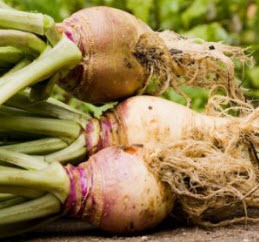
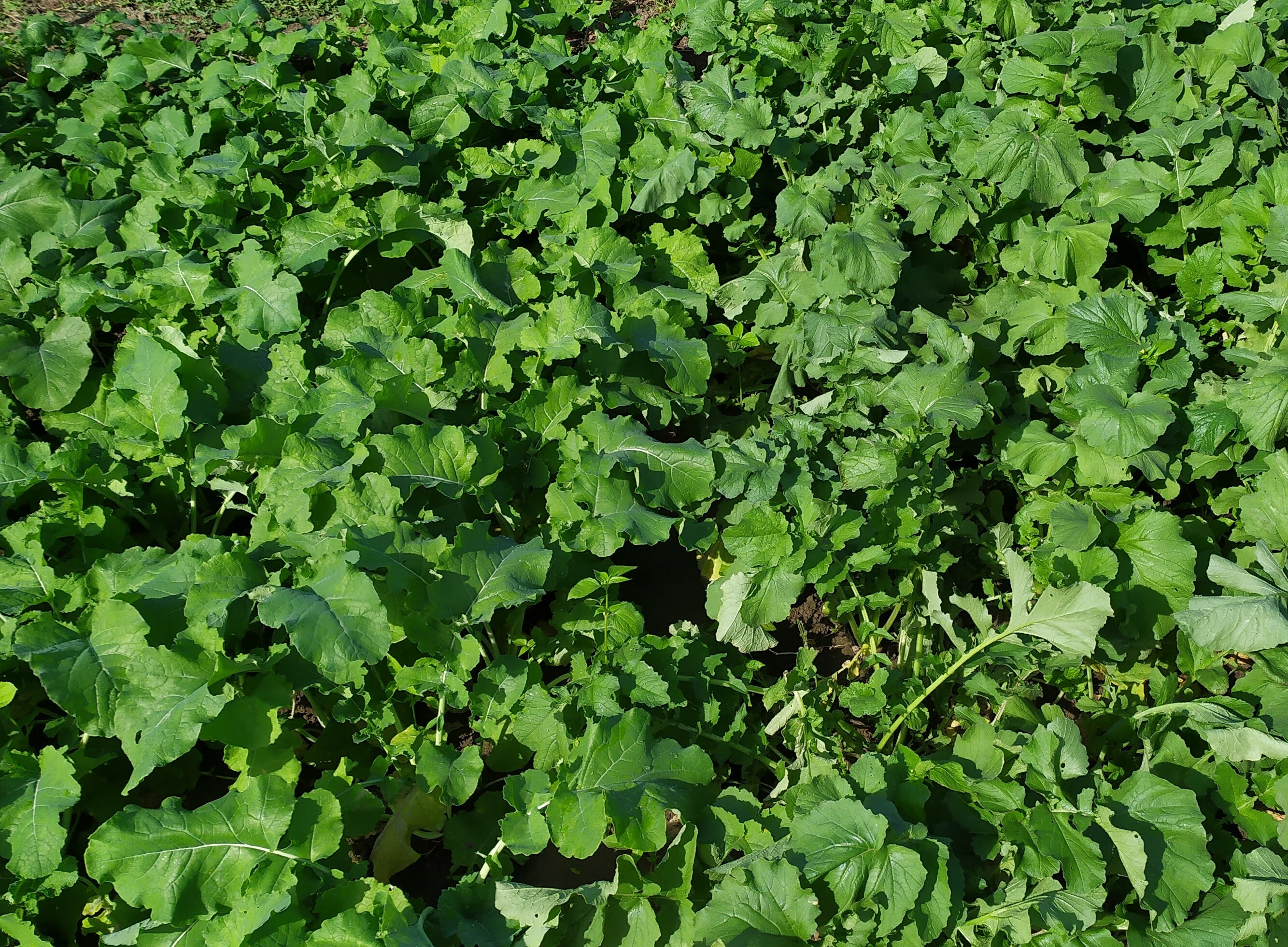
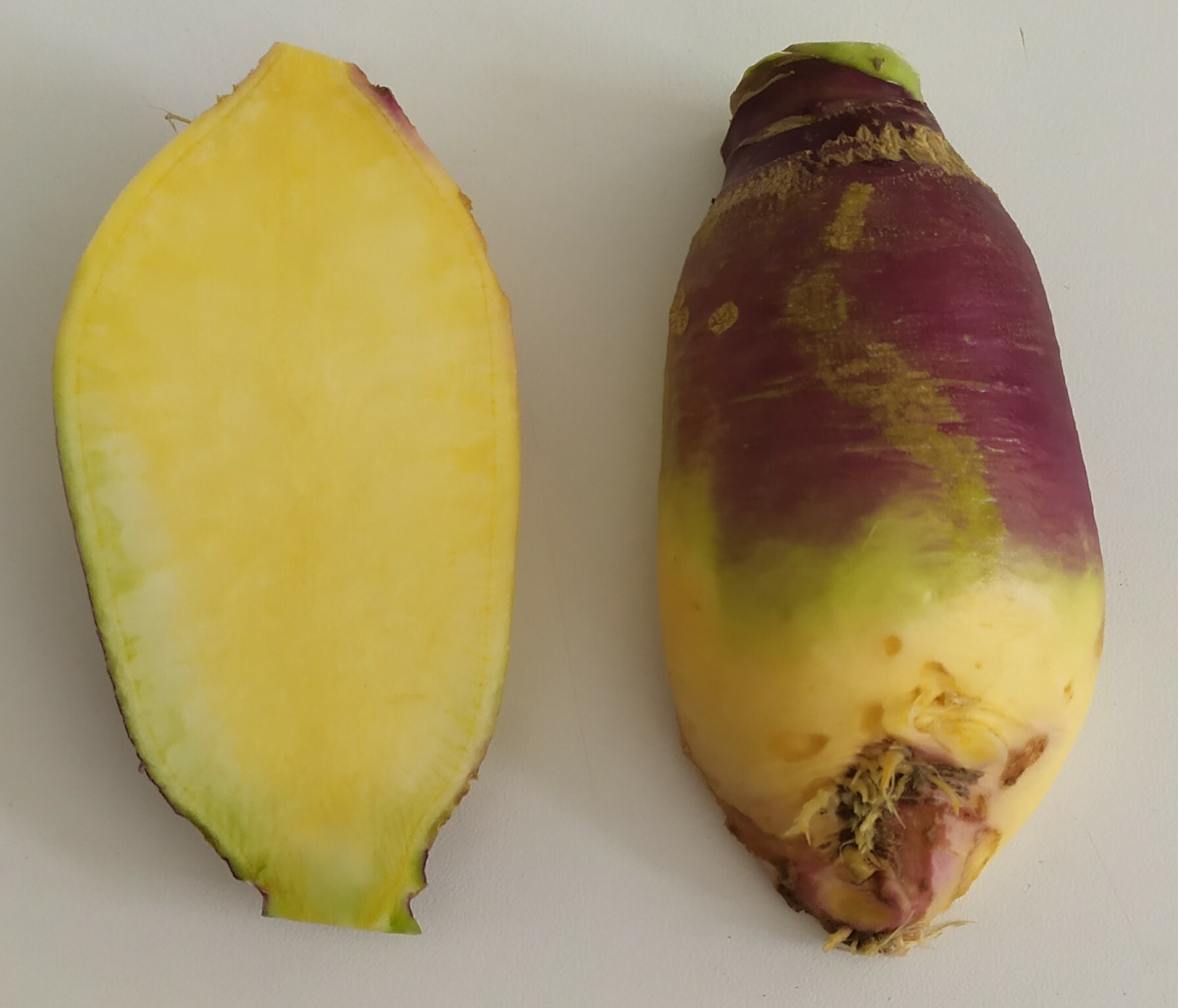
Short description of the species
Usage
- fresh or thermally processed (steaming – side dish; soups, chips production)Environmental requirements, fertilization and inclusion in the crop rotation
Rutabaga is an undemanding crop, which is included in the 2nd cultivation line. It likes moist, nutritious soils with a pH value of 6-6.8 and sunny locations. The optimal temperature of this cold-resistant vegetable is in the range of 15-20°C. It is drought-resistant, with higher moisture requirements only during the emergence period (Lim, 2015; Rubatzky and Yamaguchi, 2012; Petříková et al., 2012).
Cultivation
Rutabaga is grown by direct sowing into rows. In the case of denser sowing, it is necessary to thin the emerged plants to the exact distance after emergence. Sowing can be done from March to July, depending on the desired harvest date (Petříková et al., 2012). The recommended planting spacing is 0.20-0.50 m x 0.10-0.20 m. The vegetation period is approximately 90 days (Rubatzky and Yamaguchi, 2012). Harvesting is done manually or mechanically, especially in commercial production (Roger and Rix, 1995). The optimal yield of rutabaga is in the range of 30-60 t/ha. It can be stored in cold stores or protected shelters in the ground (Petříková et al., 2012).
Diseases and pests
Since rutabaga belong to the Brassicaceae family, when growing them, we may encounter the same diseases and pests as in species from this family. In the case of monoculture cultivation, the risk of the development and spread of cabbage-like vegetable tumors (caused by Plasmodiophora brassicae) is significantly higher. Fungal diseases may include downy mildew (Hyaloperonospora parasitica) or Alternaria ssp. (Alternaria ssp.). Rutabaga, like cabbage, can be attacked by a wide range of pests, of which the most important and dangerous is the cabbage moth (Delia radicum).
Labeling Plants with QR Codes
At the Faculty of Horticulture and Landscape Engineering at SPU in Nitra, we've created a project that offers visitors to our plantings a new way to discover the beauty and intriguing aspects of plants. Each plant in our plantings has its own unique QR code. All a visitor needs to do is scan this code with their smartphone.
Encyclopedy
Informácie
Kontakt
Fakulta záhradníctva a krajinného inžinierstva
Tulipánová 7, 949 76 Nitra
phone +421 (37) 641 4229 — study department
email henrieta.budayová@uniag.sk



Copyright © 2026 Faculty of Horticulture and Landscape Engineering