

 Slovenská verzia
- home
- Fruits - general part
- Miscellaneous fruit
- Service tree
Service tree
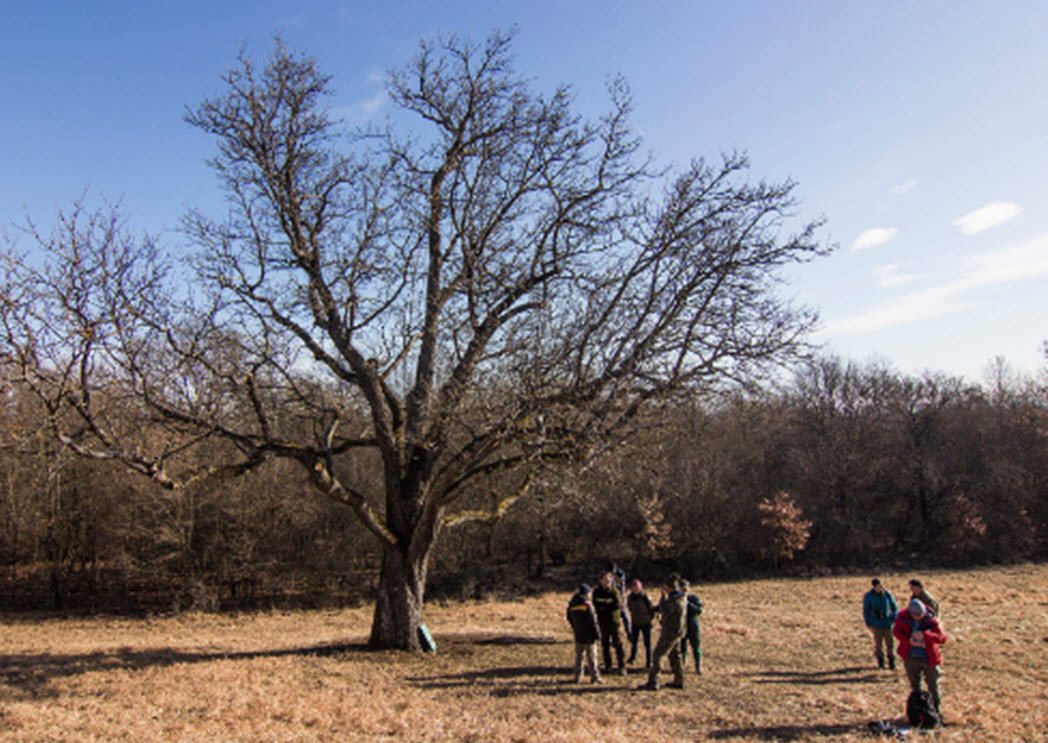
Sorbus (Sorbus domestica) is a rare, medium-sized to large deciduous tree with a natural area of distribution in southern and central Europe.
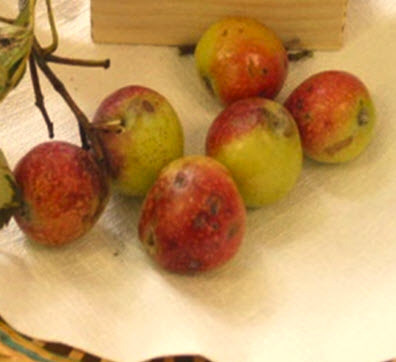
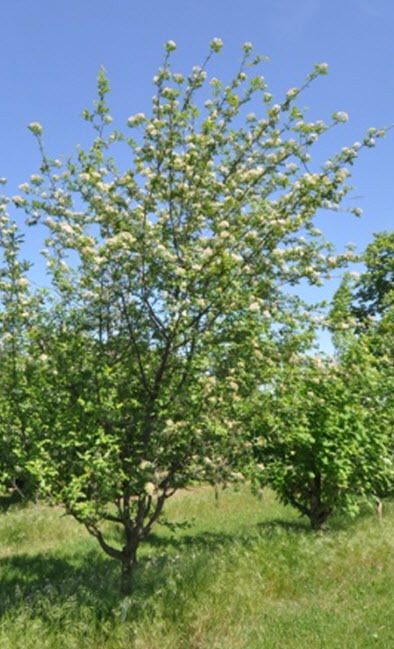

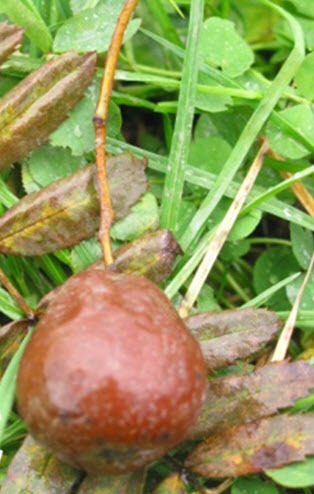
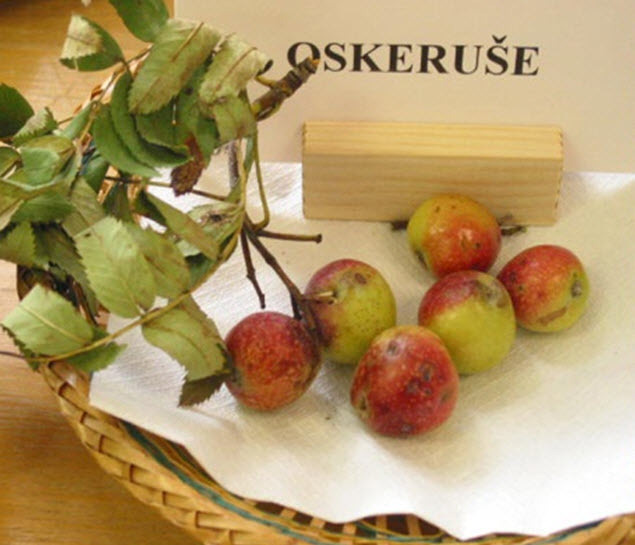
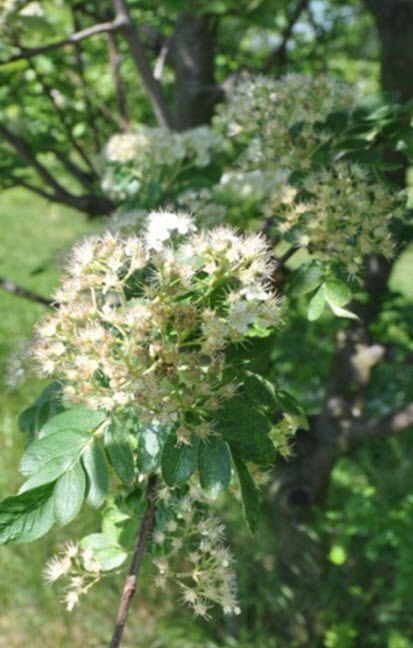
Short description of the species
Interesting
The dense and tough wood of the tree is suitable for special products such as mechanical parts, gauges, marquetry or tools; however, wood production is minimal due to its low yield and especially the rarity of acorns. As with other species of the Sorbus genus, Sorbus fruits are an important food source for a variety of birds and animals. The tree is also valuable as an ornamental.Usage
Can be used for ornamental purposes, wood utilization and fruit production. It is also used in traditional medicine against intestinal problems, dysentery, diabetes and to improve memory. Hard and heavy wood is of good quality and can command a high price; it is often used to make small items such as screws, gears, bearings, rifle stocks, various inlays and furniture. The fruit can be eaten fresh or used to make jams, juices, fruit wine, spirits and to preserve cider.Suitable growing locations
Service tree has optimal growth conditions in loose and nutrient-rich soils, but it is not demanding on light, which makes it a weak competitor in mixed stands. As a result, the tree is usually found in warm, poor and sometimes extremely dry places. The tree is frost-resistant, but prefers a mild climate. In Central Europe, the tree is found on southern slopes below 650 m.a.s.l., while in the Mediterranean it is found at higher altitudes. Oskoruša is considered to be a woody plant with higher temperature requirements, yet it tolerates temperatures down to -30 °C.
Cultivation technology
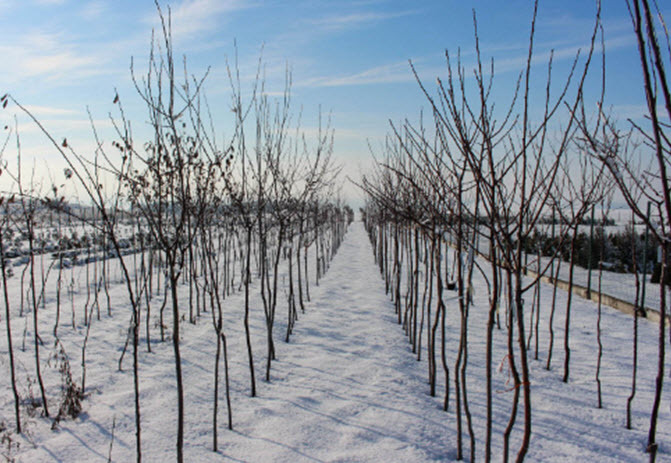
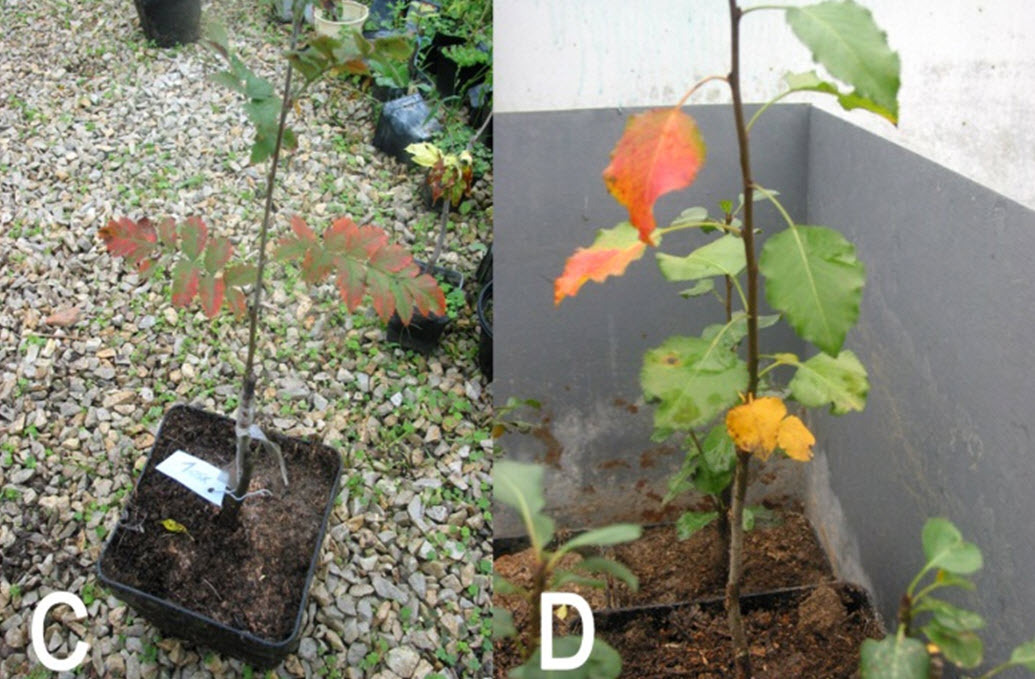
It is most often propagated from seed, but when we require an earlier entry into fertility, we can inoculate sorghum to a dormant bud. Trees are mostly grown as solitary trees, but if we plan to plant more trees, we choose a distance of 7-10 m between them. There is very little information on growing technologies in the literature, as this tree is not grown commercially. However, the growing form is most often a tall trunk with a freely growing crown. We cut only to establish skeletal branches in the 1st to 2nd year after planting. Seedlings begin to bear fruit after 8-10 years, grafted individuals a little earlier, in about 5-6 years. year after planting. Compared to other commercially grown species and trees, there is no need for regular and annual pruning. We remove diseased, damaged, overloaded or crossing shoots, as well as shoots that grow in undesirable directions.
Suitable varieties
We have practical experience with the inoculation of dormant buds in seedlings, or forest plantains of pears, rowanberries, or into the seedbeds of gooseberries. There are no bred varieties on the market, we have to rely only on local sources and locally available genotypes. Most often, there are two basic genotypes on offer, either pear or apple form.
Diseases and pests
diseases: apple cancer, apple scab, rose blight, mulberry leaf spot, black spot
pests: aphids
Labeling Plants with QR Codes
At the Faculty of Horticulture and Landscape Engineering at SPU in Nitra, we've created a project that offers visitors to our plantings a new way to discover the beauty and intriguing aspects of plants. Each plant in our plantings has its own unique QR code. All a visitor needs to do is scan this code with their smartphone.
Encyclopedy
Informácie
Kontakt
Fakulta záhradníctva a krajinného inžinierstva
Tulipánová 7, 949 76 Nitra
phone +421 (37) 641 4229 — study department
email henrieta.budayová@uniag.sk



Copyright © 2026 Faculty of Horticulture and Landscape Engineering