

 Slovenská verzia
Hyssop
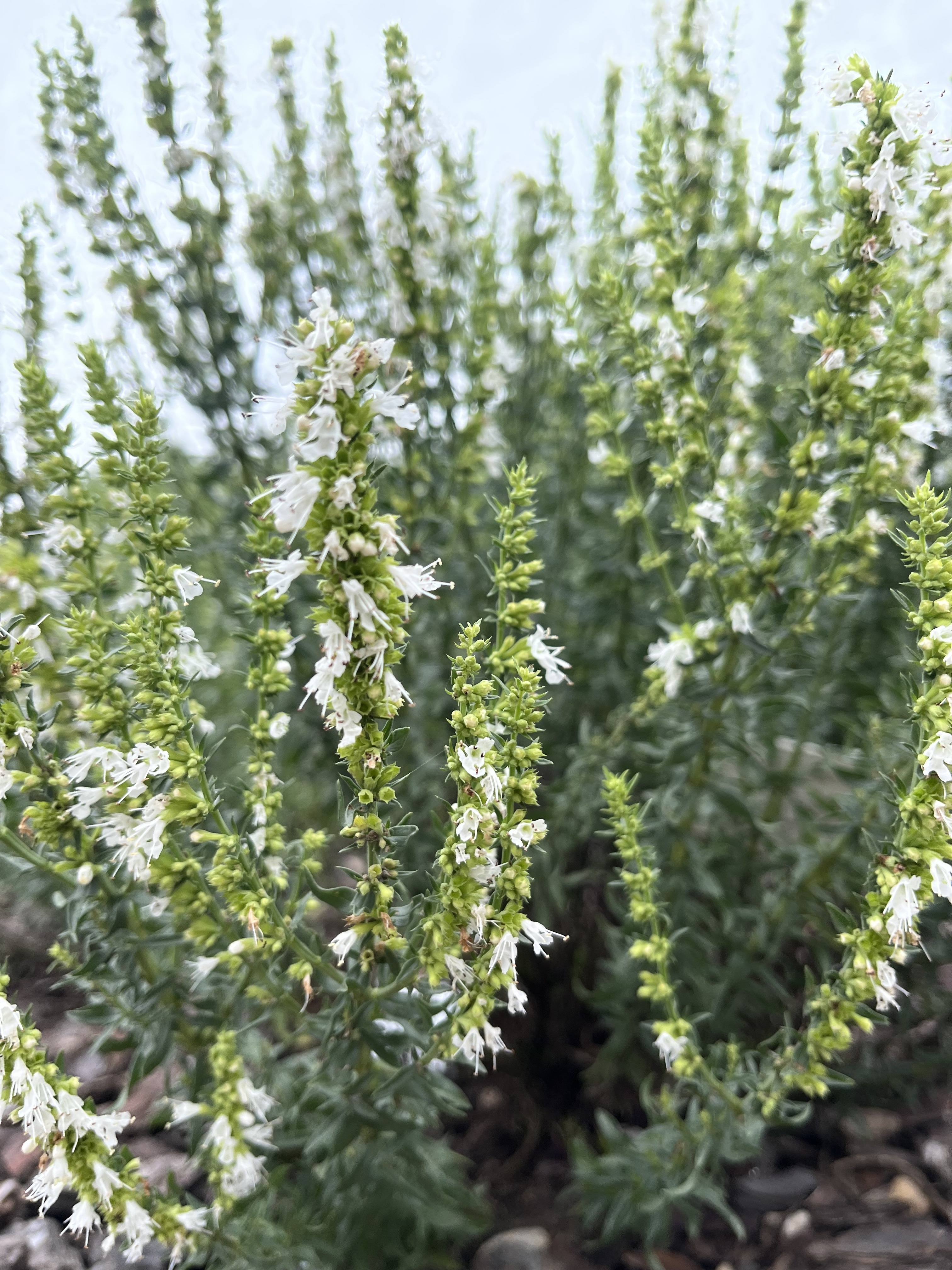
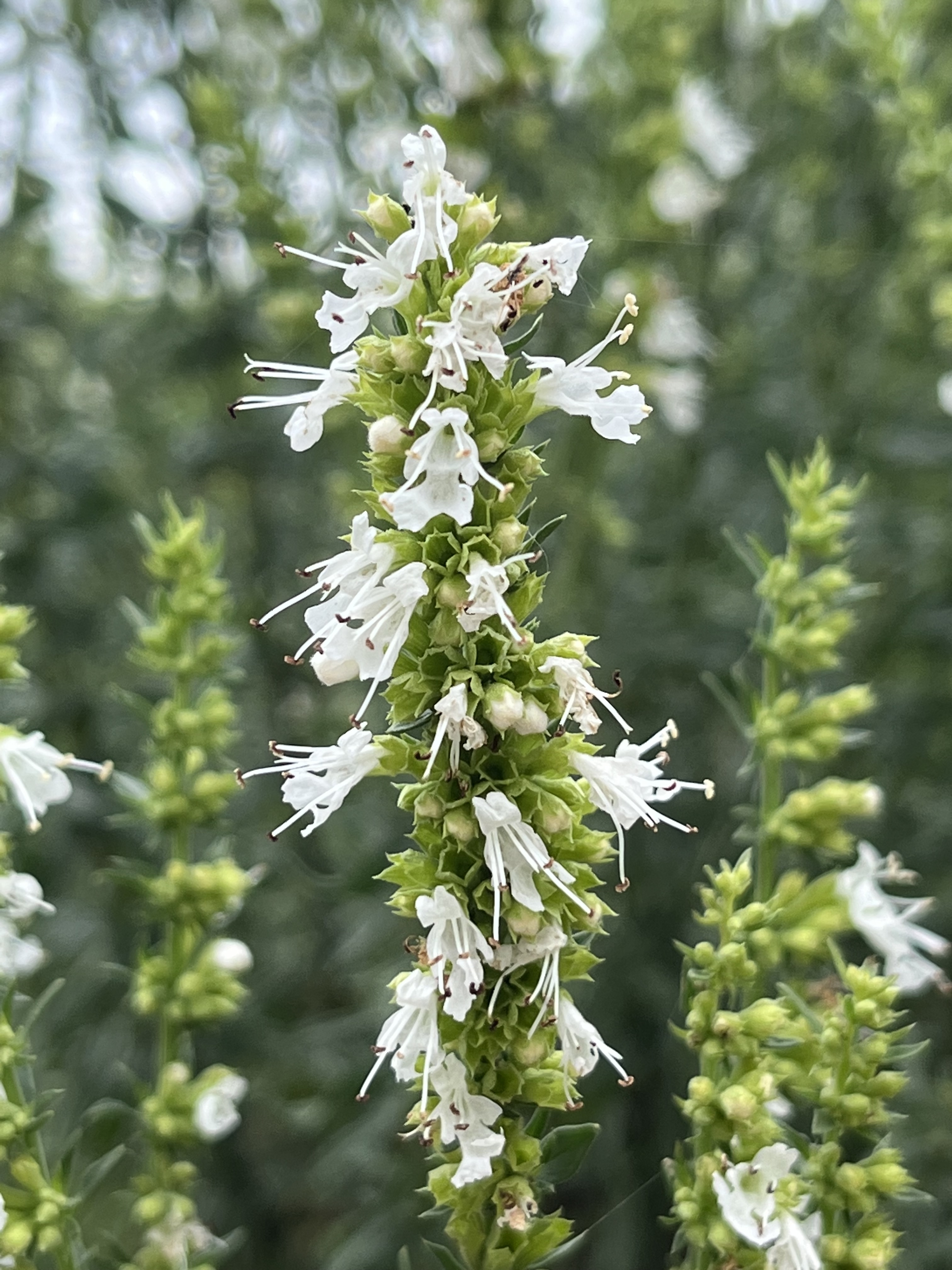
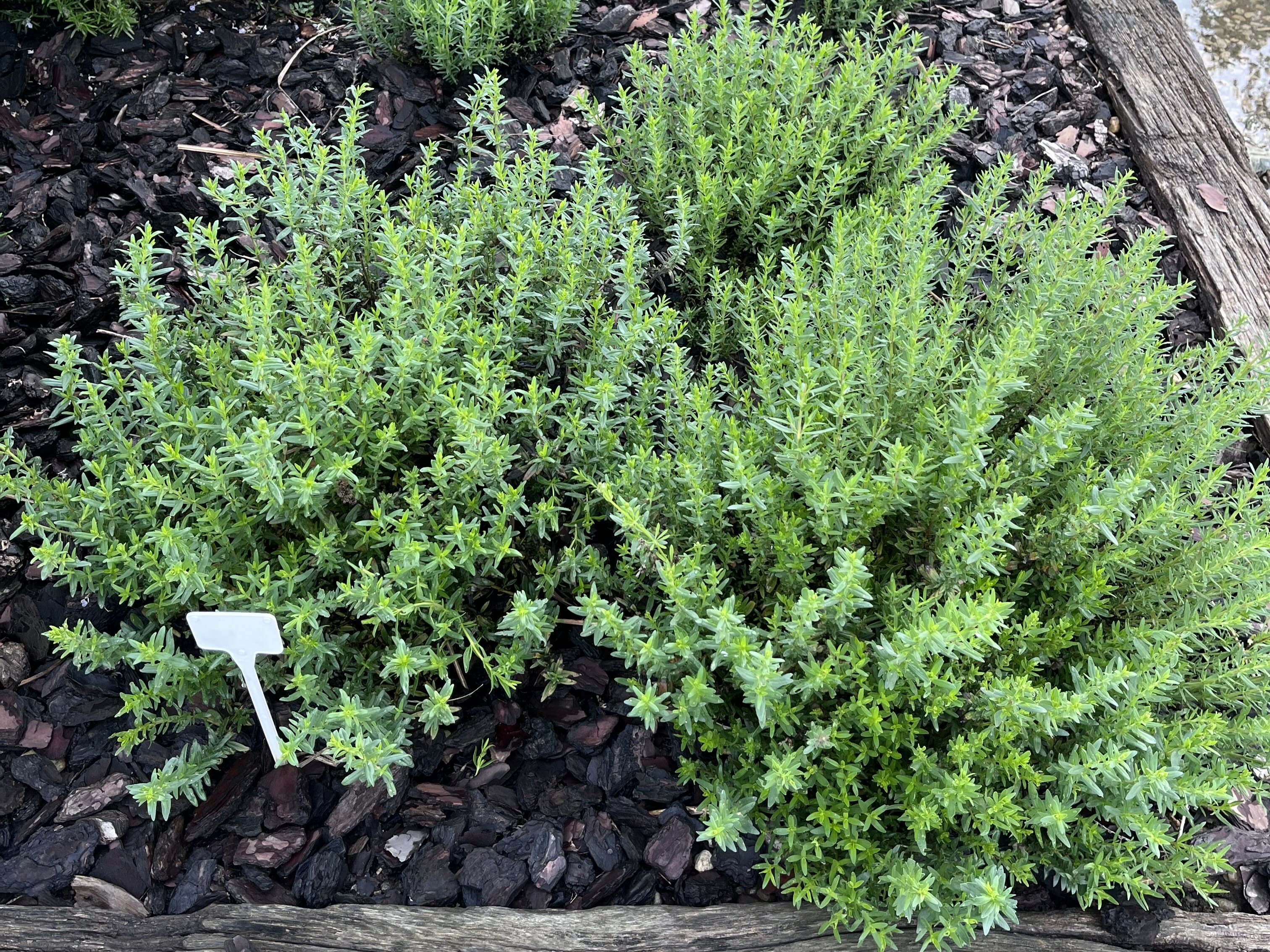
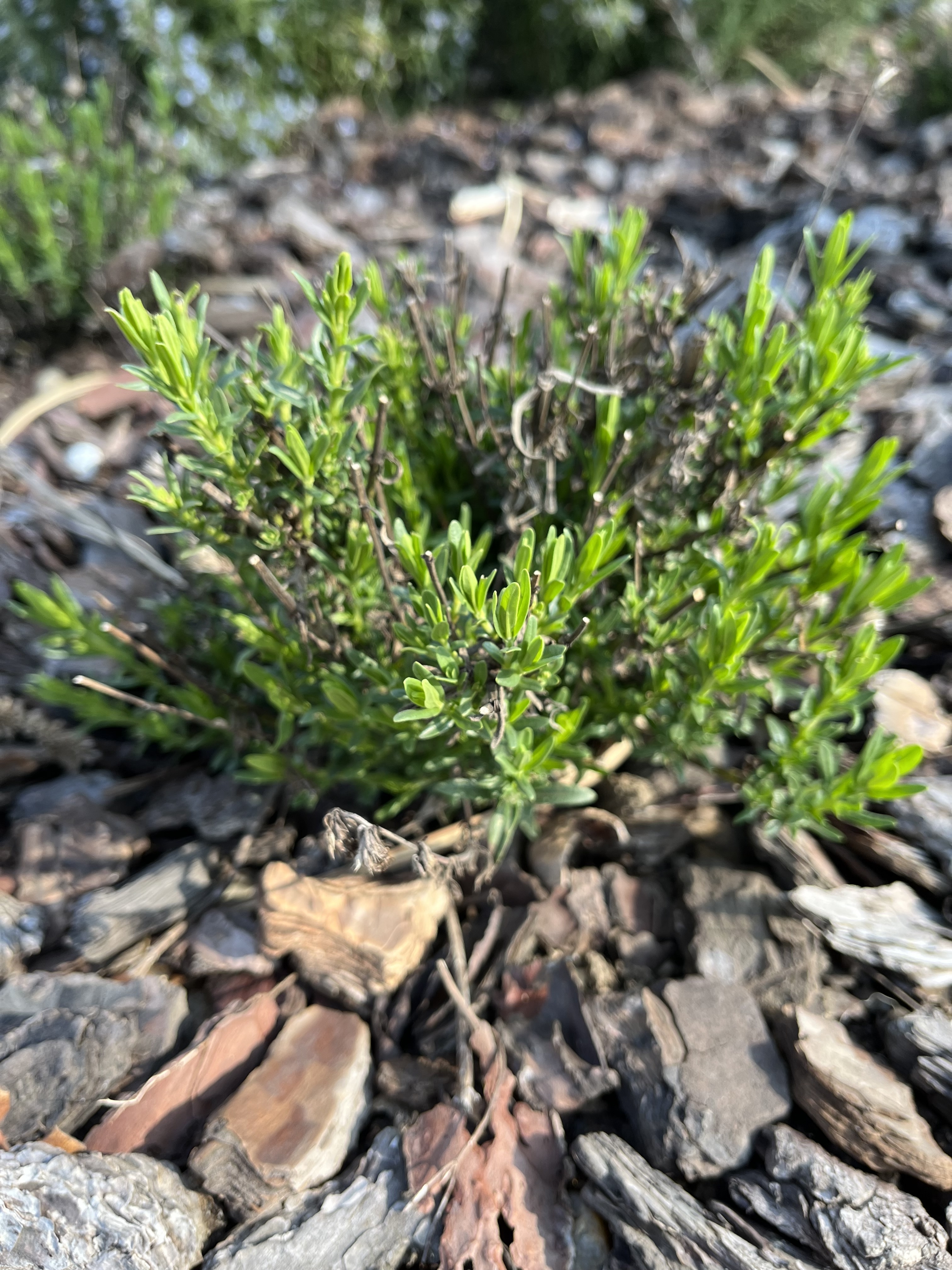
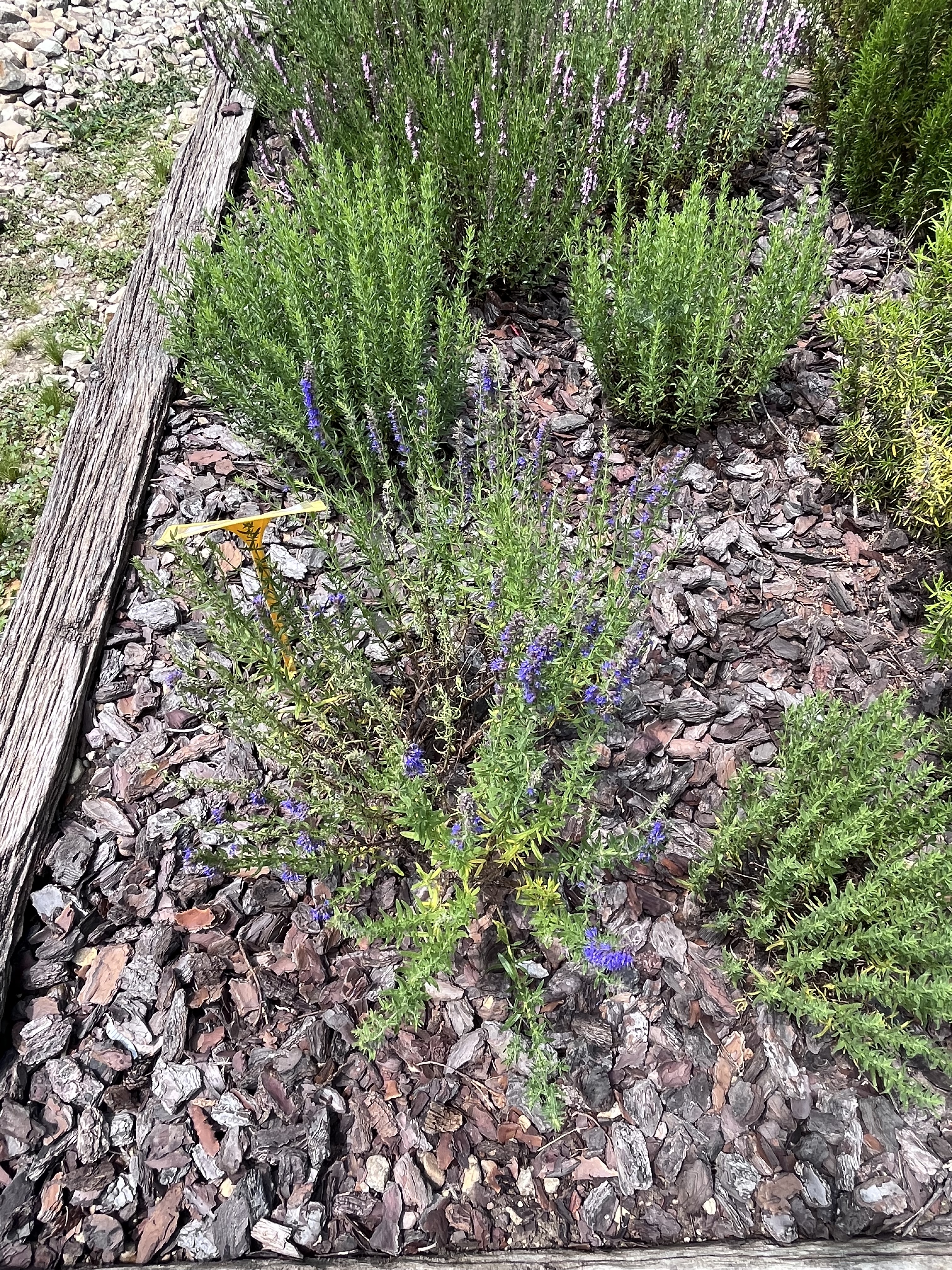
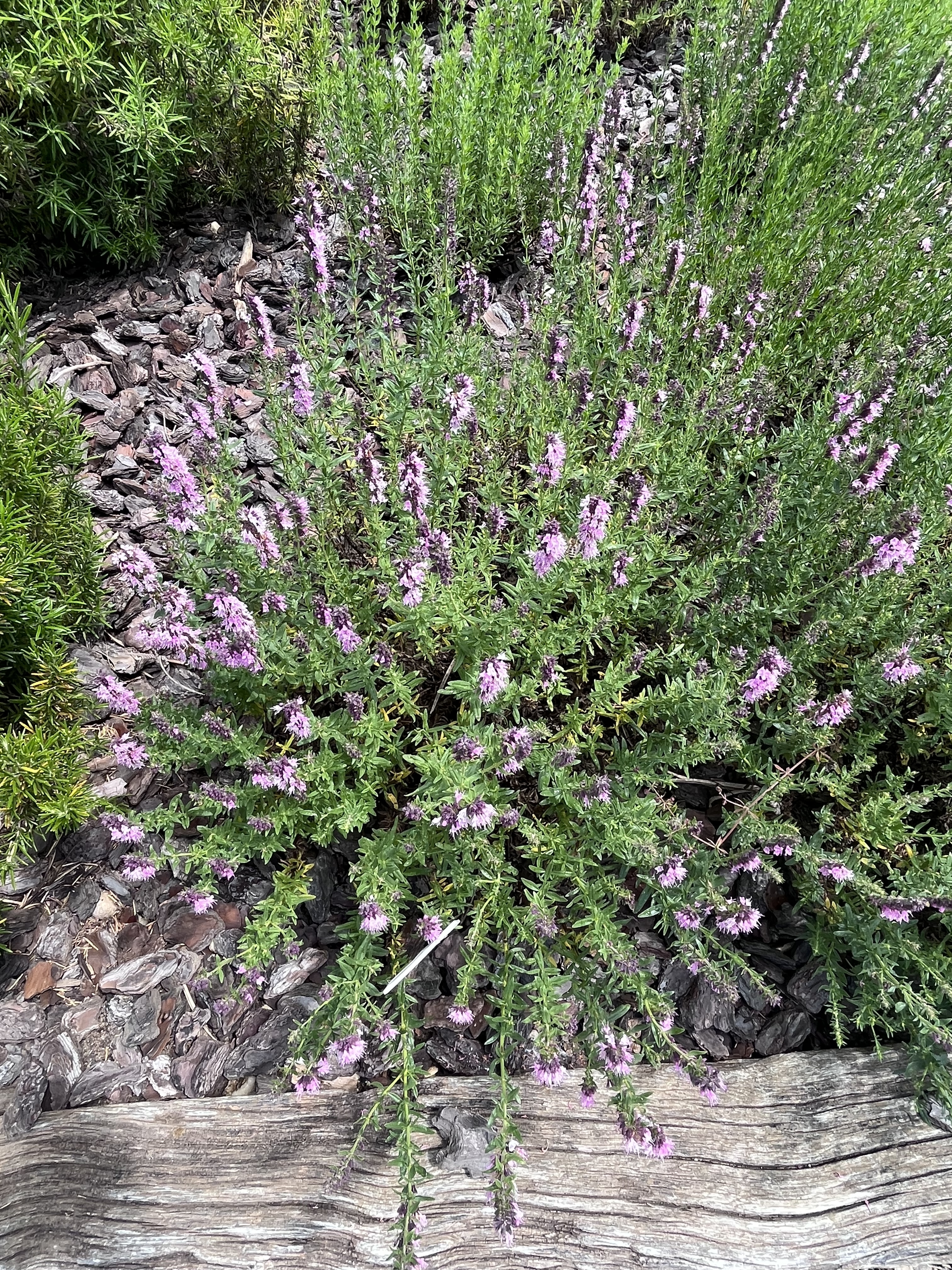
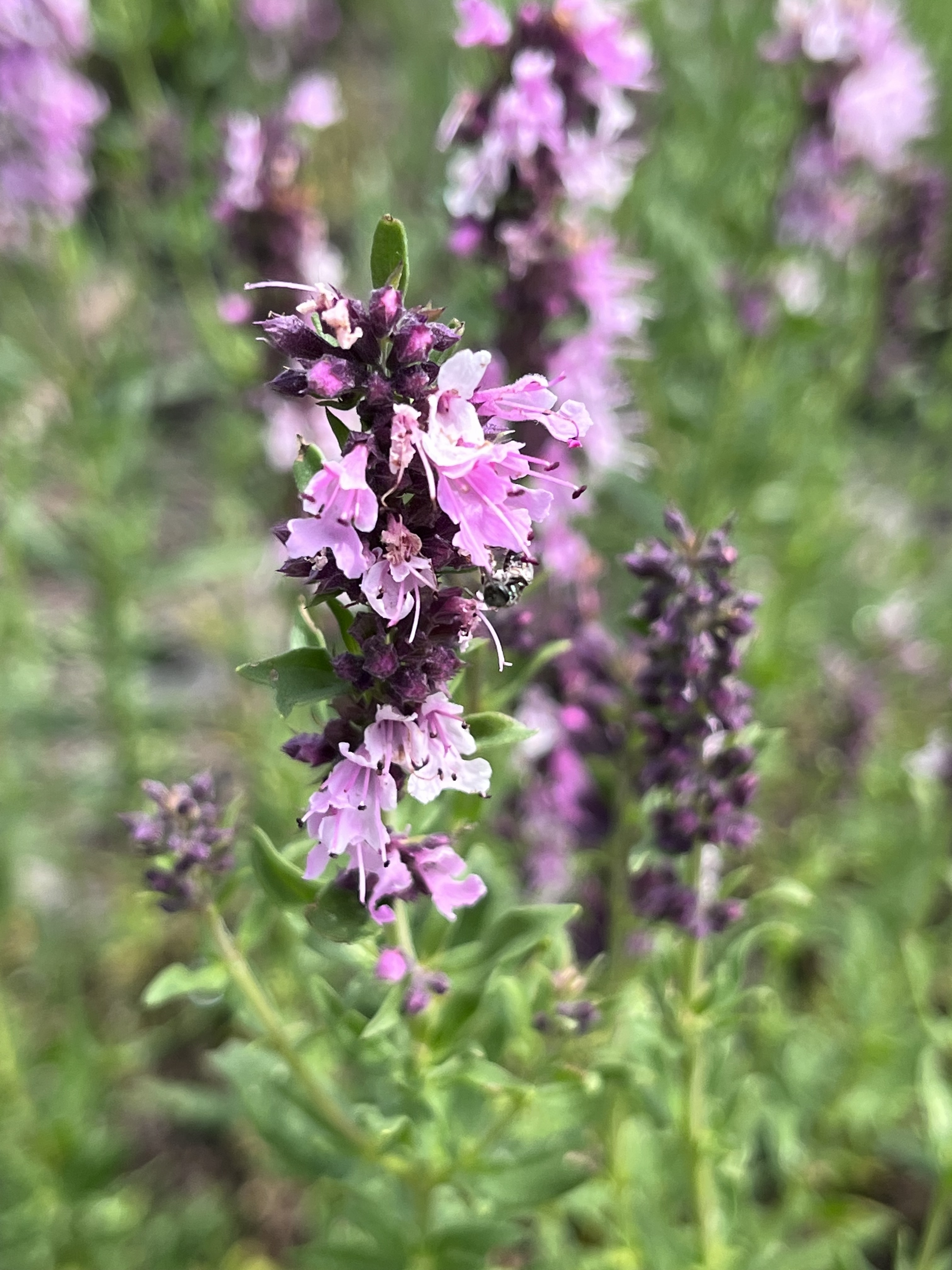
Short description of the species
Interesting
The name hyssop comes from the Greek word "hyssopos," which originates from the Hebrew "ezob" meaning "holy herb" or "herb for purification."Usage
It is used mainly in Mediterranean cuisine as a spice for meat dishes, sauces, soups, salads and for pickling vegetables and meat. Due to its bitter, spicy taste, it is also used in liqueurs (e.g. absinthe).Inclusion in the crop rotation and fertilization requirements
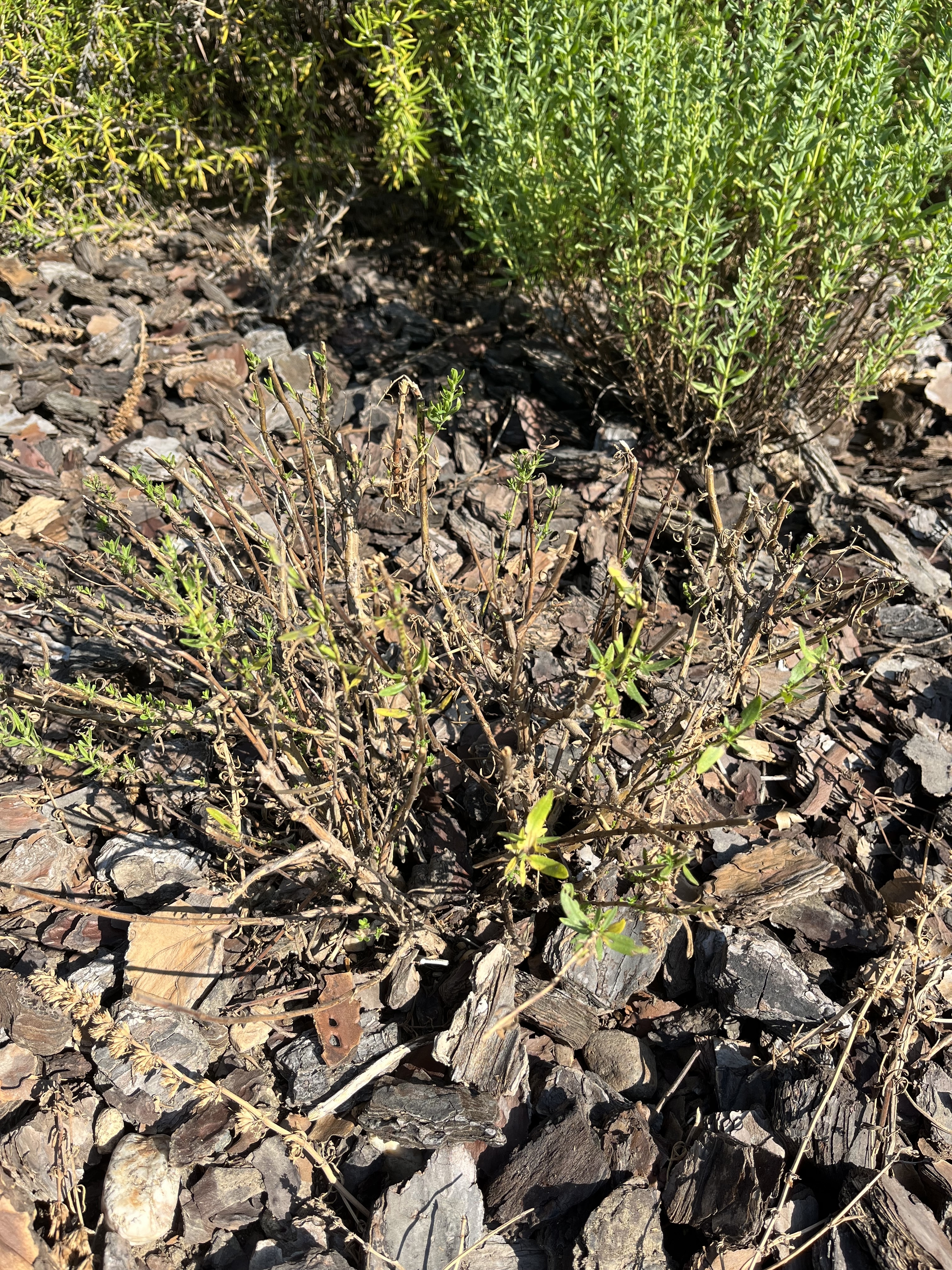
It is a perennial, it overwinters in such a way that its above-ground part dies, while the underground part (roots) survives the winter. In the spring, new shoots will grow from the root system.
Track: I.
Suitable previous crops: cereals, legumes, root crops
Fertilization: It responds well to fertilization with manure.
Varieties: Varieties with a high content of essential oils and good fertility of above-ground biomass are sought after. They also differ, for example, in the color of the flower - blue, pink or white.
Agrotechnical cultivation
Propagation: Hyssop can be propagated generatively (by seeds) or vegetatively (by cuttings or dividing the clumps).
Agrotechnical cultivation - from seedlings
| Month | I. | II. | III. | IV. | V. | VI. | VII. | VIII. | IX. | X. | XI. | XII. |
|---|---|---|---|---|---|---|---|---|---|---|---|---|
| Sowing/covered areas | xxx | x | ||||||||||
| Planting | xx | |||||||||||
| Harvest/herb | xxx | xxx | xxx |
Harvesting - the flowering herb is harvested, or the non-lignified leafy stems. When harvesting, the upper parts of the plant are cut off (about 10-15 cm above the ground)
Use: it is used mainly in Mediterranean cuisine as a spice for meat dishes, sauces, soups, salads and for pickling vegetables or meat. Due to its bitter, spicy taste, it is also used in liqueurs (e.g.
absinthe).
Impact on human health
Constituents: flavonoids, essential oils, phenolic compounds, tannins
Phytotherapeutic groups: antihydrotic, expectorant, stomachic, antiseptic
Diseases and pests
Hyssopus officinalis can be attacked by diseases such as powdery mildew, root rot and septoria, and pests such as aphids, whiteflies and mites.
Labeling Plants with QR Codes
At the Faculty of Horticulture and Landscape Engineering at SPU in Nitra, we've created a project that offers visitors to our plantings a new way to discover the beauty and intriguing aspects of plants. Each plant in our plantings has its own unique QR code. All a visitor needs to do is scan this code with their smartphone.
Encyclopedy
Informácie
Kontakt
Fakulta záhradníctva a krajinného inžinierstva
Tulipánová 7, 949 76 Nitra
phone +421 (37) 641 4229 — study department
email henrieta.budayová@uniag.sk



Copyright © 2026 Faculty of Horticulture and Landscape Engineering