

 Slovenská verzia
- home
- Vegetable crops
- Flower vegetable
- Head cabbage
- Head cabbage
Head cabbage
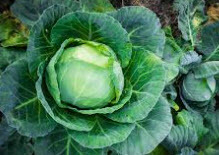
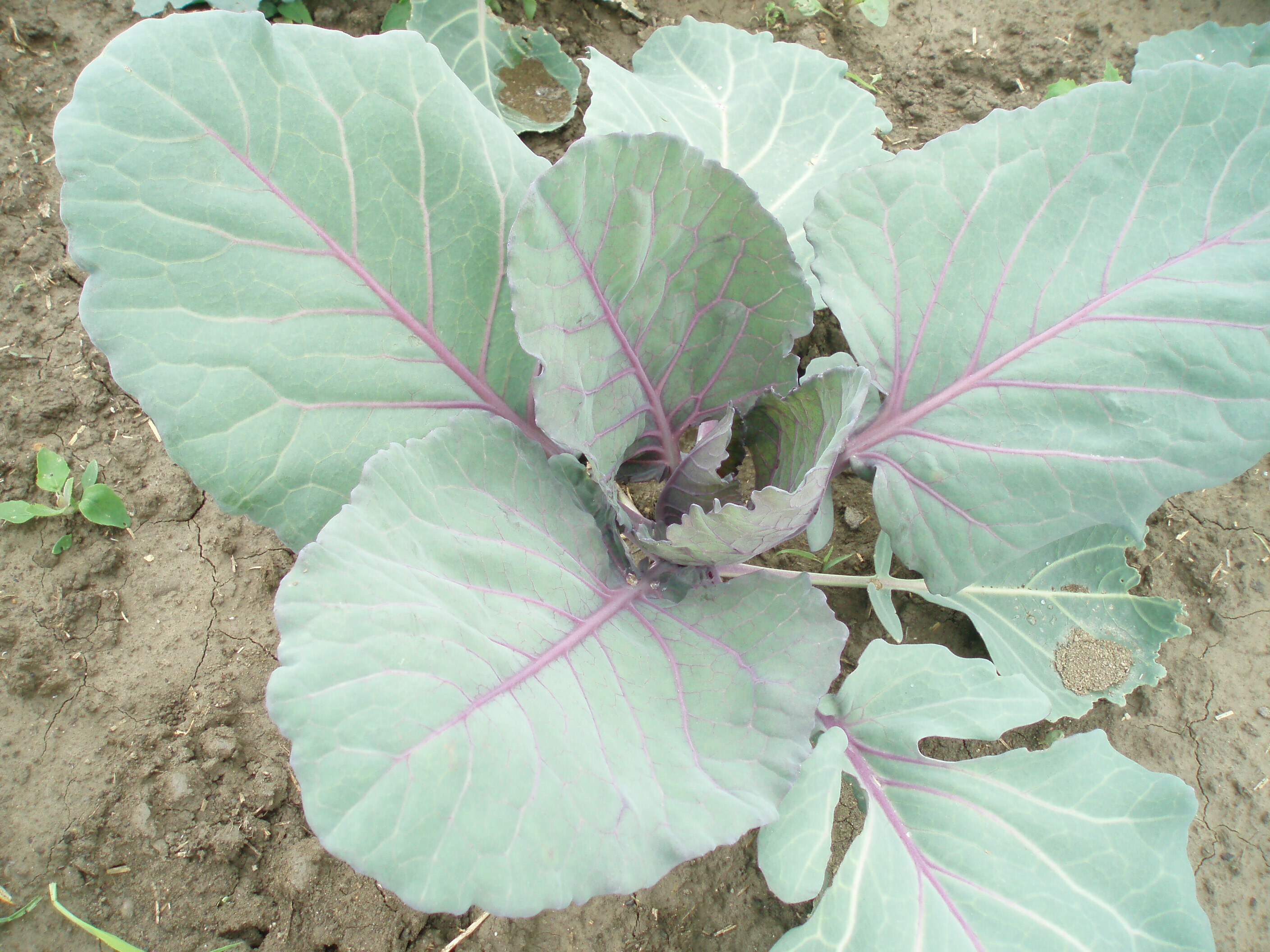
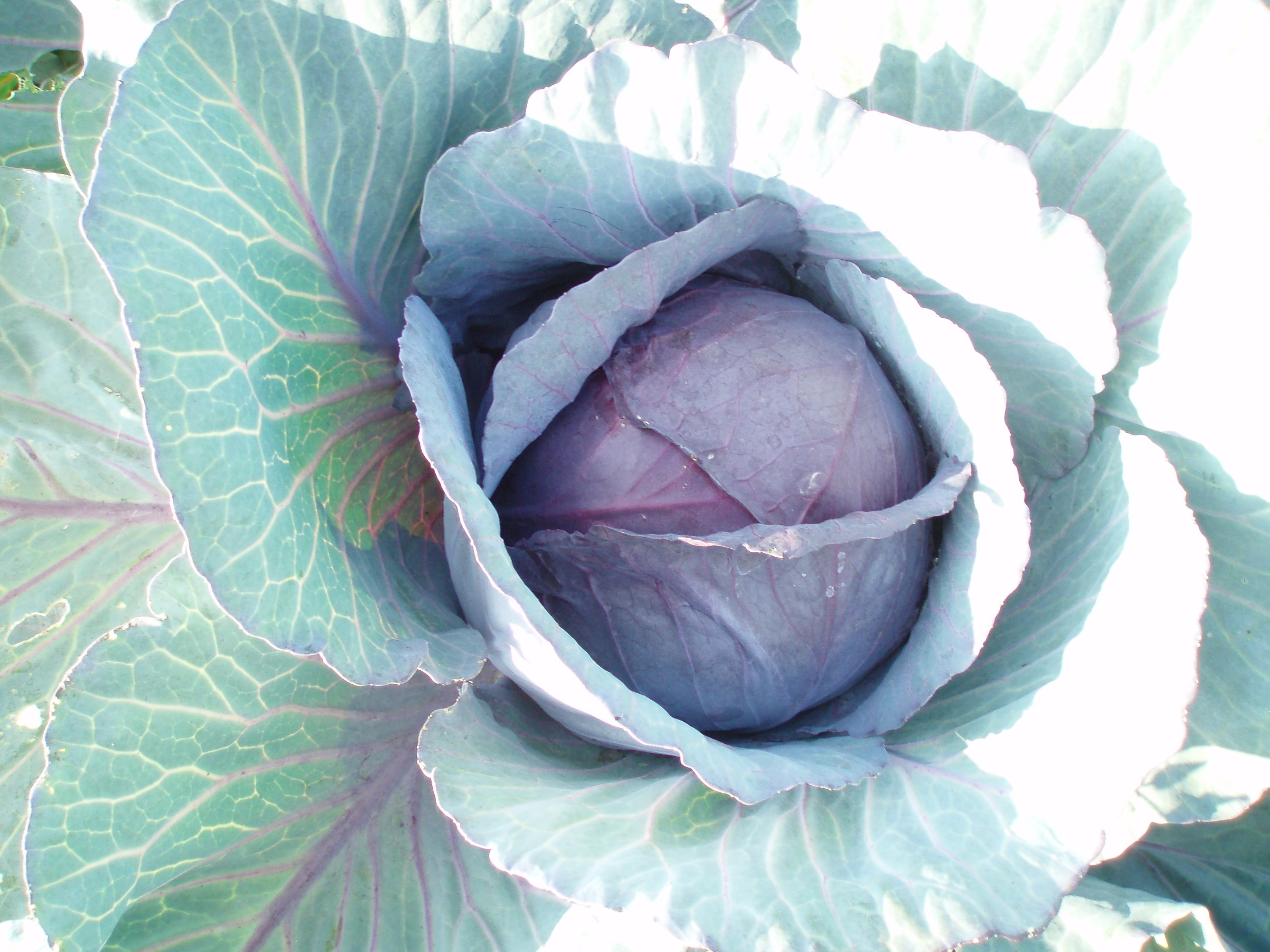
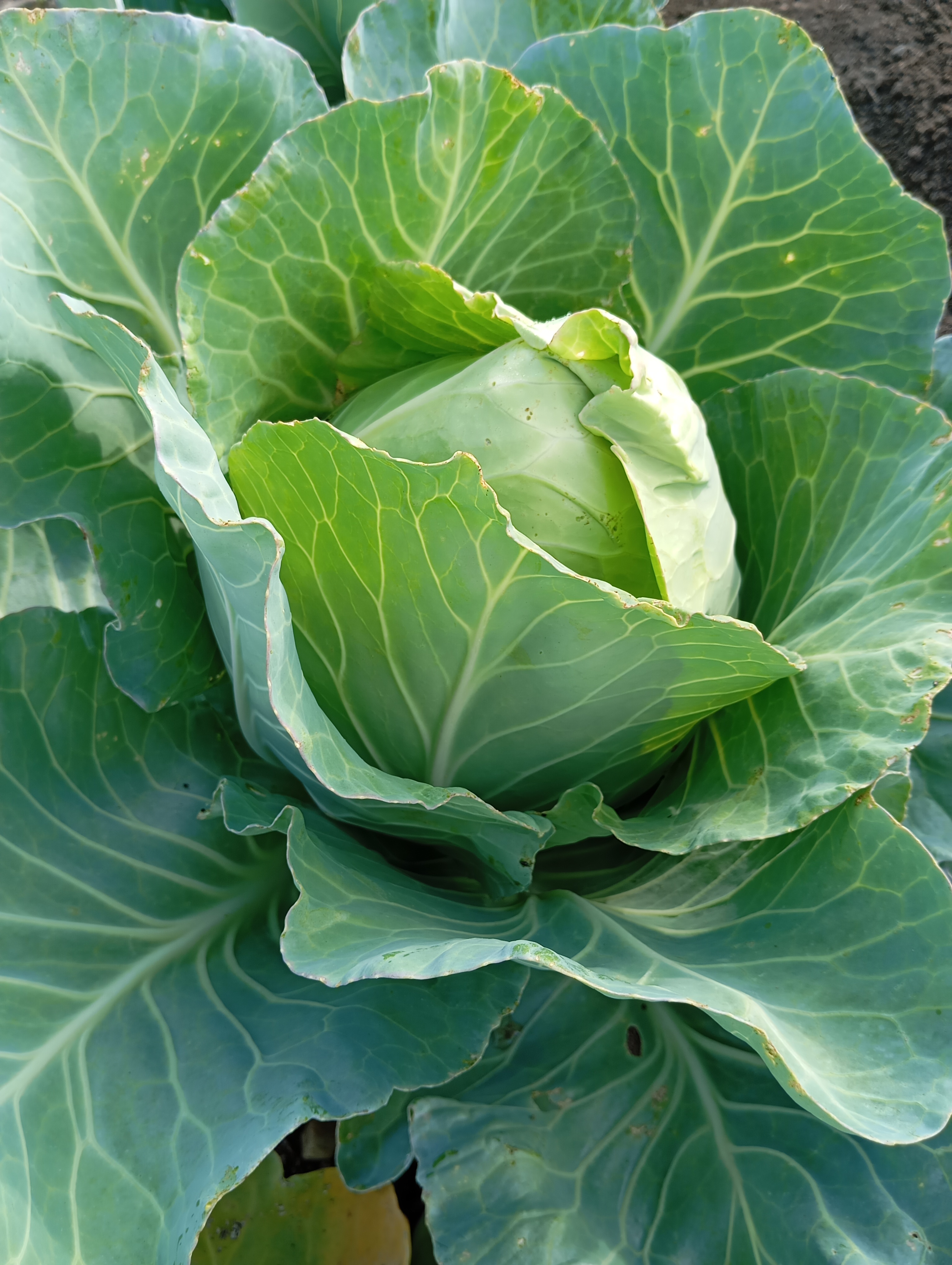
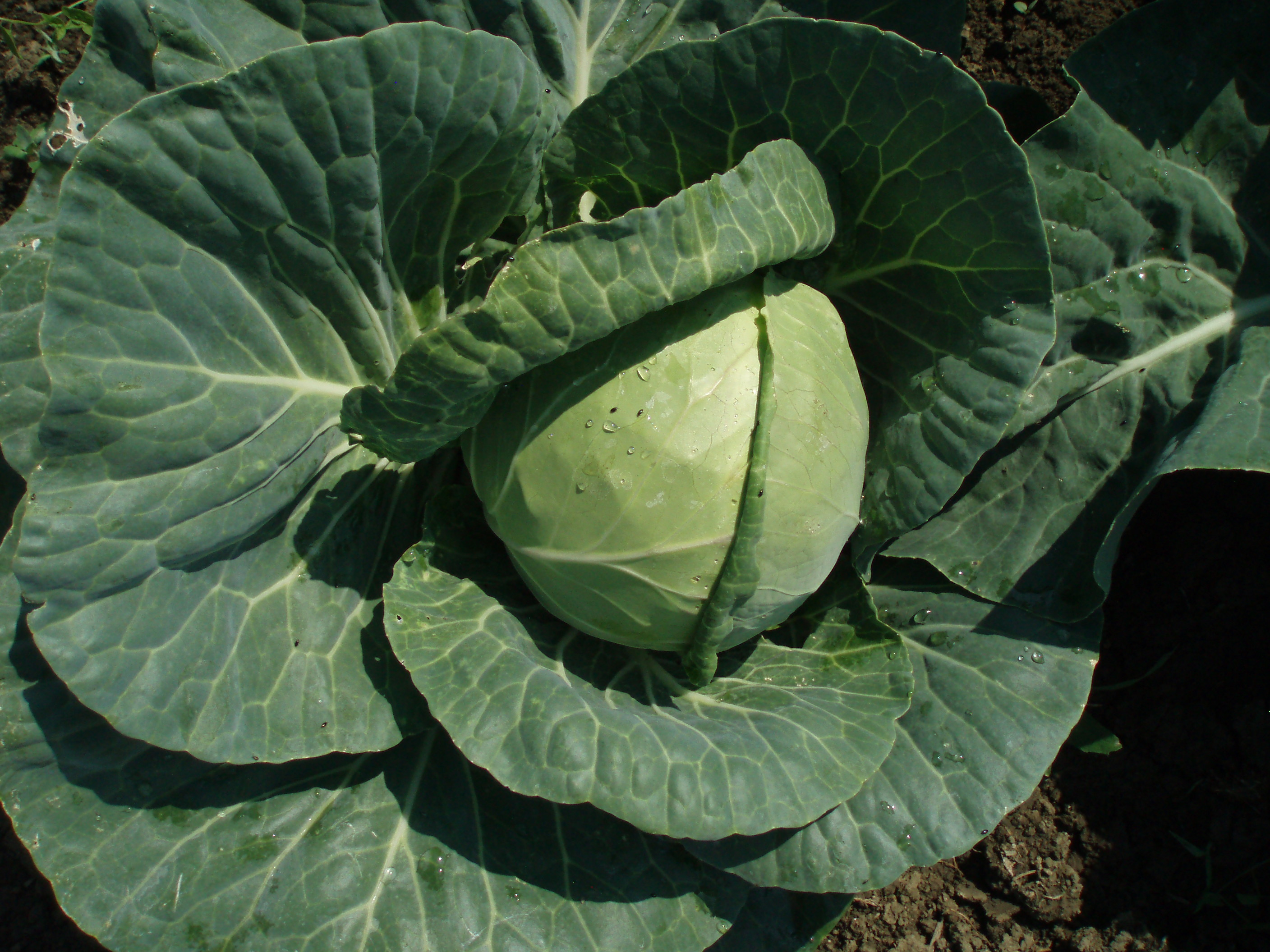
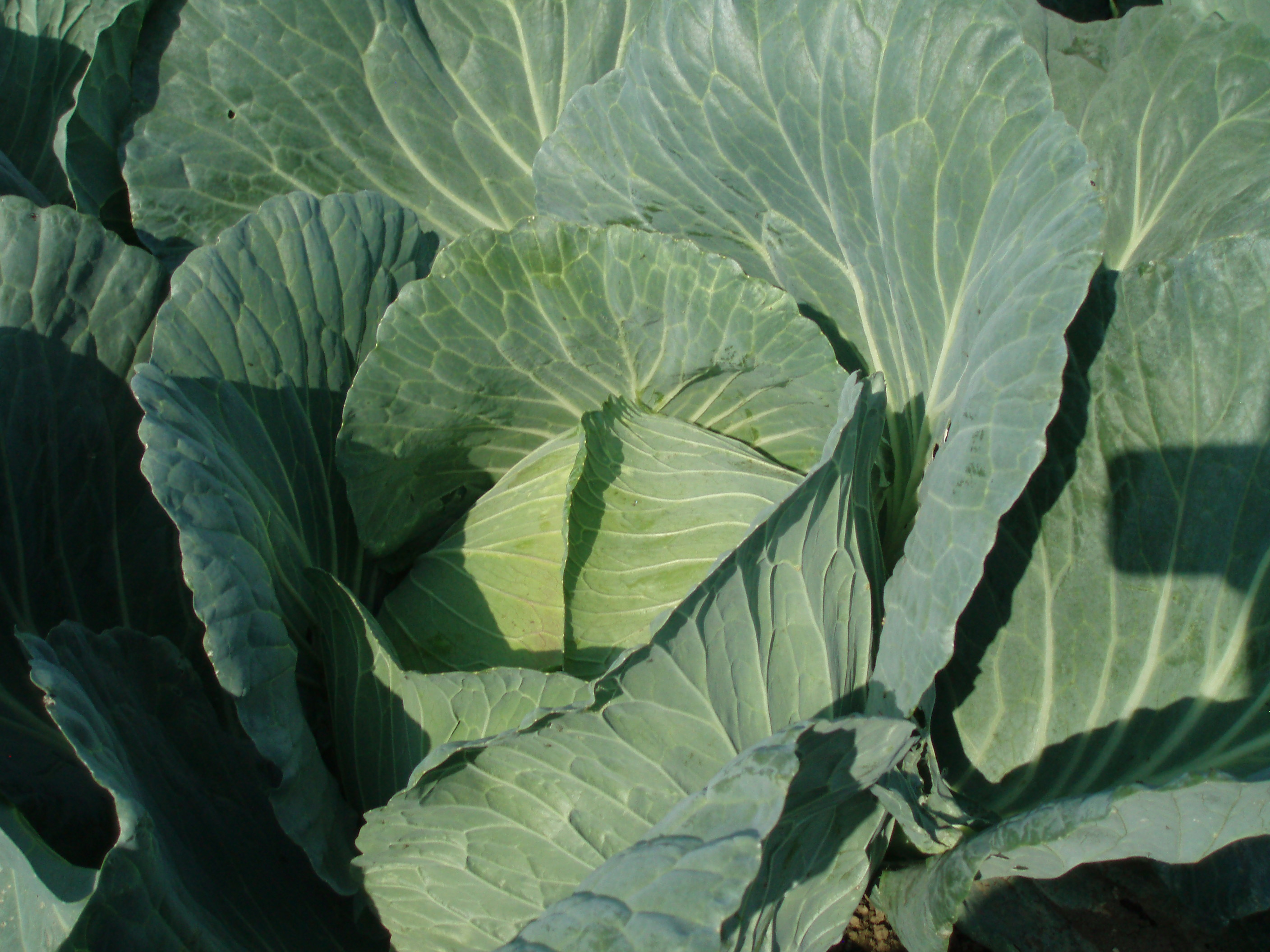
Short description of the species
Botanical name
Head cabbage
Latin name
Brassica oleracea sk. capitata
Family
Brassicaceae
Plant height
flowering stem (2nd year): 0.5-1.8 m
Exposure
relatively undemanding (sun or shadow)
Temperature requirement
cold-resistant
Keeping
medium to difficult
Water requirement
high
Soil requirement
medium-heavy, permeable, high humus content (requirement of direct organic fertilisation)
Soil pH
6.3 – 7.8
Edible part
head, leaves
accessibility
Usage
direct consumption – salads, side dish, soups; processing – conservation, fermentationGrowing technology and harvest
Propagation
- generative – direct sowing (more suitable for summer/later planting and cabbage for fermentation) or growing from seedlings
Spacing
- 0.40-0.60 x 0.40-0.50 m
Harvest
- manual selection – early cultivars, or unequal cabbage culture from direct sowing
- later planting – semi-mechanized/mechanized harvest
- head with 2-3 outside leaves – harvest and transport to storage rooms
- head harvested before optimal date – faster wilting of leaves
- delayed harvest date – head cracking
Important dates
- growing from seedlings + covering textile (late cultivars – protection against pests, mainly 2-3 weeks after planting)
| Month | I. | II. | III. | IV. | V. | VI. | VII. | VIII. | IX. | X. | XI. | XII. |
|---|---|---|---|---|---|---|---|---|---|---|---|---|
| Sowing (seedling production) | X | XXX | XXX | XX | ||||||||
| Planting | X | XXX | XXX | XXX | ||||||||
| Harvest | XX | XXX | XXX | XXX | XXX | X |
Storage
- removal of surface head humidity by air circulation (temperature approximately equal to head temperature)
- temperature = 0-1 °C
- relative air humidity = 85-90%
- optimal head weight for storage = 2-2.5 kg
Use
- direct consumption – salads, side dish, soups
- processing – conservation, fermentation
Diseases and pests
- damage in connection to un-suitable growing technology: head cracking (delayed harvest – mainly in early spring cultivars; irregular irrigation)
- the most dangerous disease: clubroot (Plasmodiophora brasssicae) – incorrect crop rotation
- virus diseases: virus mosaics
- bacterial diseases: wet rottiness (Erwinia sp., Pseudomonas sp.), black rottiness (Xanthomonas campestris pv. campestris)
- fungus diseases: falling of germinating plants (several species of microscopic funguses - Botrytis cinerea, Fusarium spp., Mycosphaerella brassicicola, Olpidium brassicae, Phytophtora spp., Pythium spp., Thanatephrous cucumeris, Verticillium spp. etc.), downy mildew (Hyaloperonospora parasitica), Alternaria leaf spottiness (Alternaria brassicicola, A. brassicae), cabbage ring spottiness (Mycosphaerella brassicicola), Phoma rottiness (Leptosphaeria maculans), Rhizoctonia rottiness (Thanatephorus cucumeris)
- pests: cabbage root fly (Delia radicum), cabbage aphid (Brevicoryne brassicae), flea-beetles (Phyllotreta spp.), white butterfly (Pieris brassicae, Pieris rape), cabbage moth (Mamestra brassicae), turnip moth (Agrotis segetum), diamondback moth (Plutella xylostella), swede midge (Contarinia nasturtii), thrips (Thrips spp.), cabbage whitefly (Aleurodes proletella), various weevil species (Ceutorhynchus spp.)
contact_support
Labeling Plants with QR Codes
At the Faculty of Horticulture and Landscape Engineering at SPU in Nitra, we've created a project that offers visitors to our plantings a new way to discover the beauty and intriguing aspects of plants. Each plant in our plantings has its own unique QR code. All a visitor needs to do is scan this code with their smartphone.
Encyclopedy
Informácie
Kontakt
Fakulta záhradníctva a krajinného inžinierstva
Tulipánová 7, 949 76 Nitra
phone +421 (37) 641 4229 — study department
email henrieta.budayová@uniag.sk



Copyright © 2026 Faculty of Horticulture and Landscape Engineering