

 Slovenská verzia
Garlic
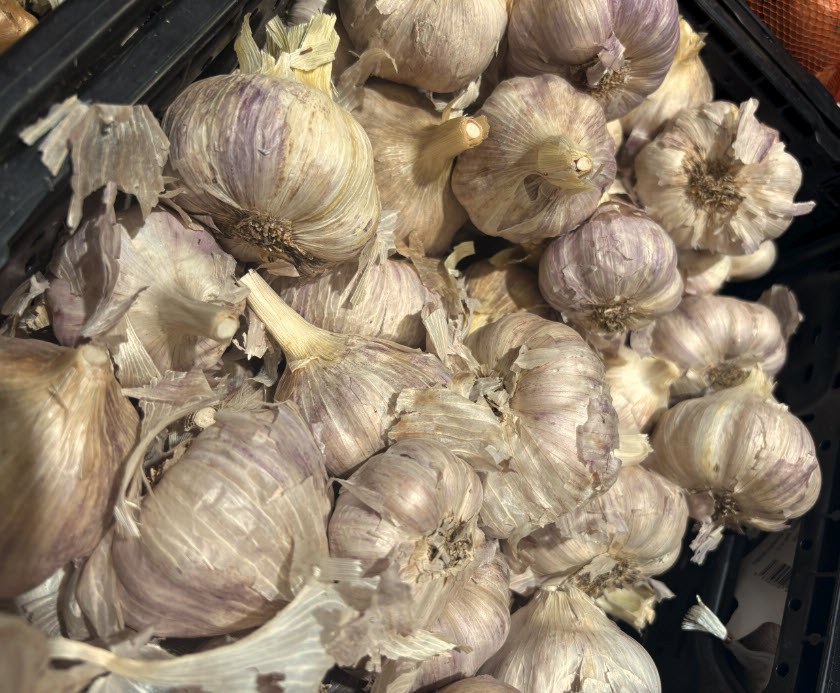
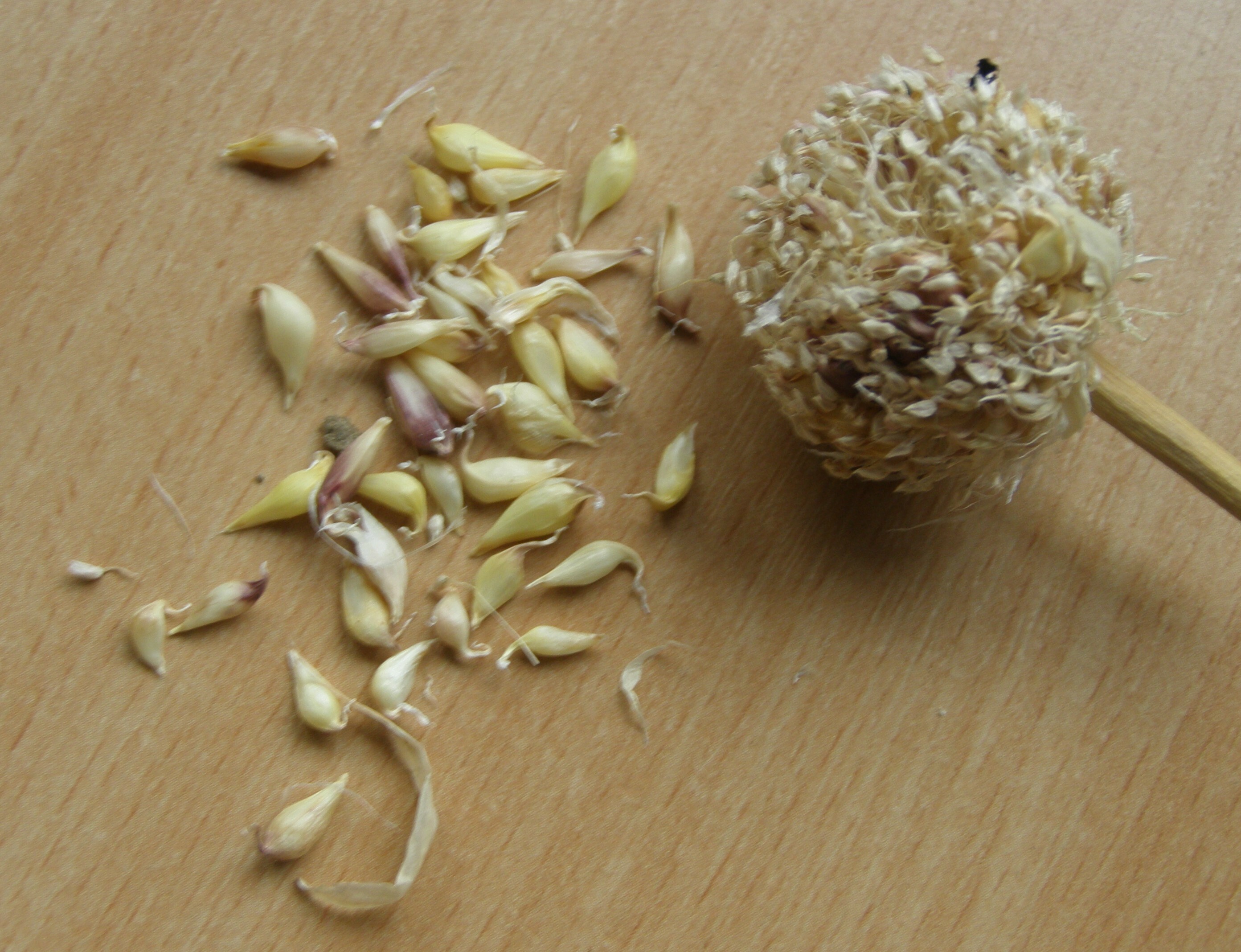
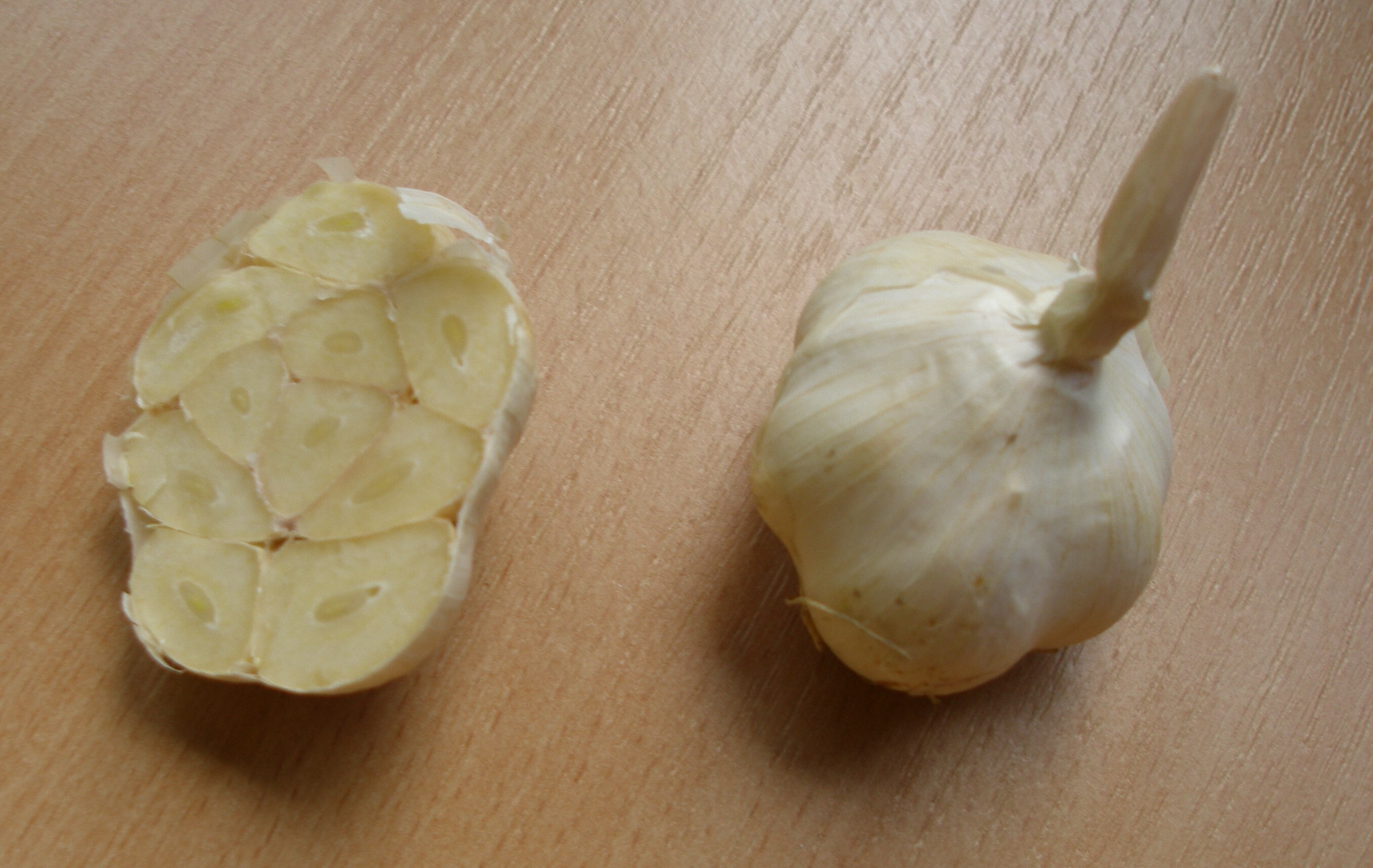
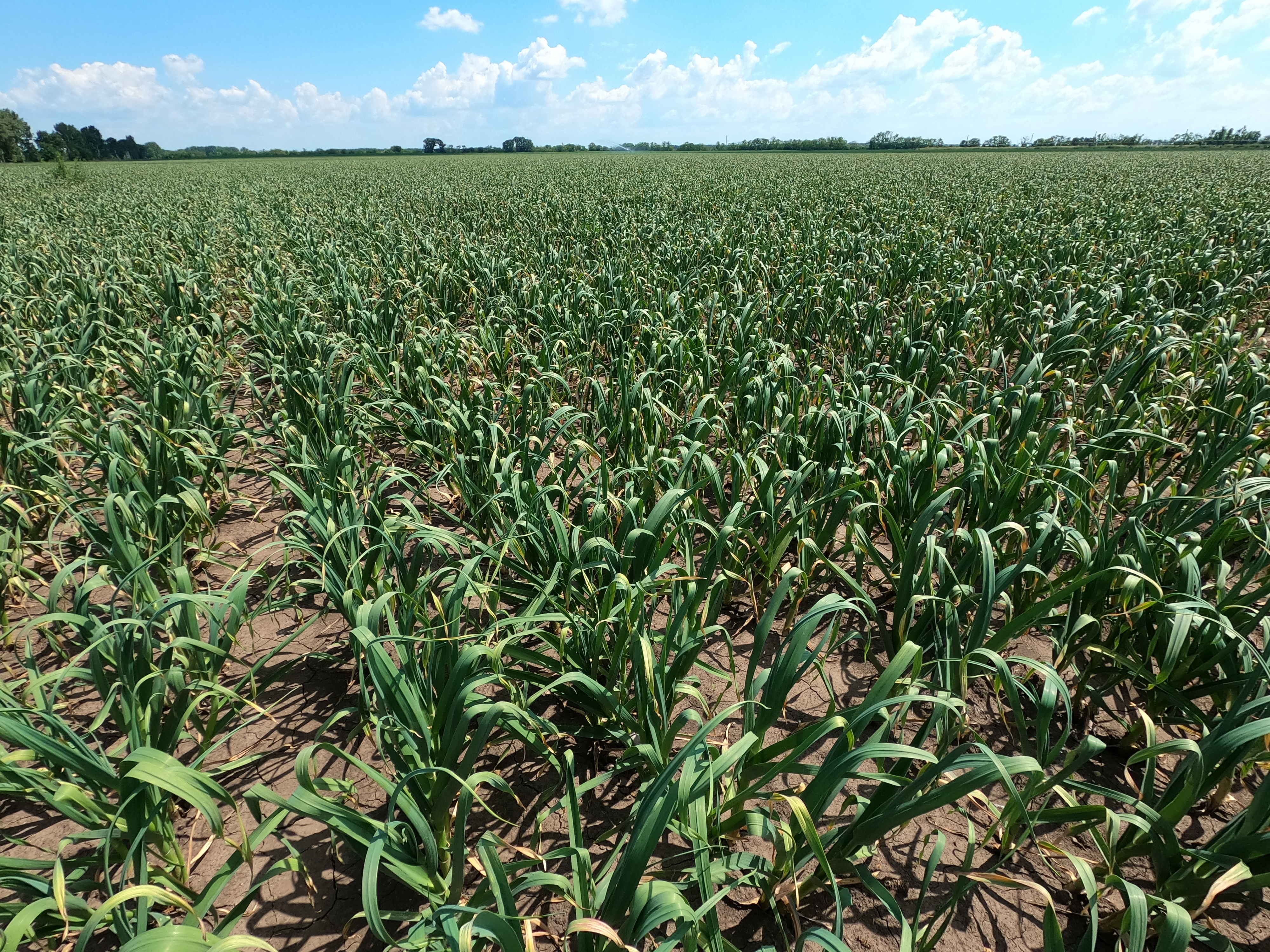
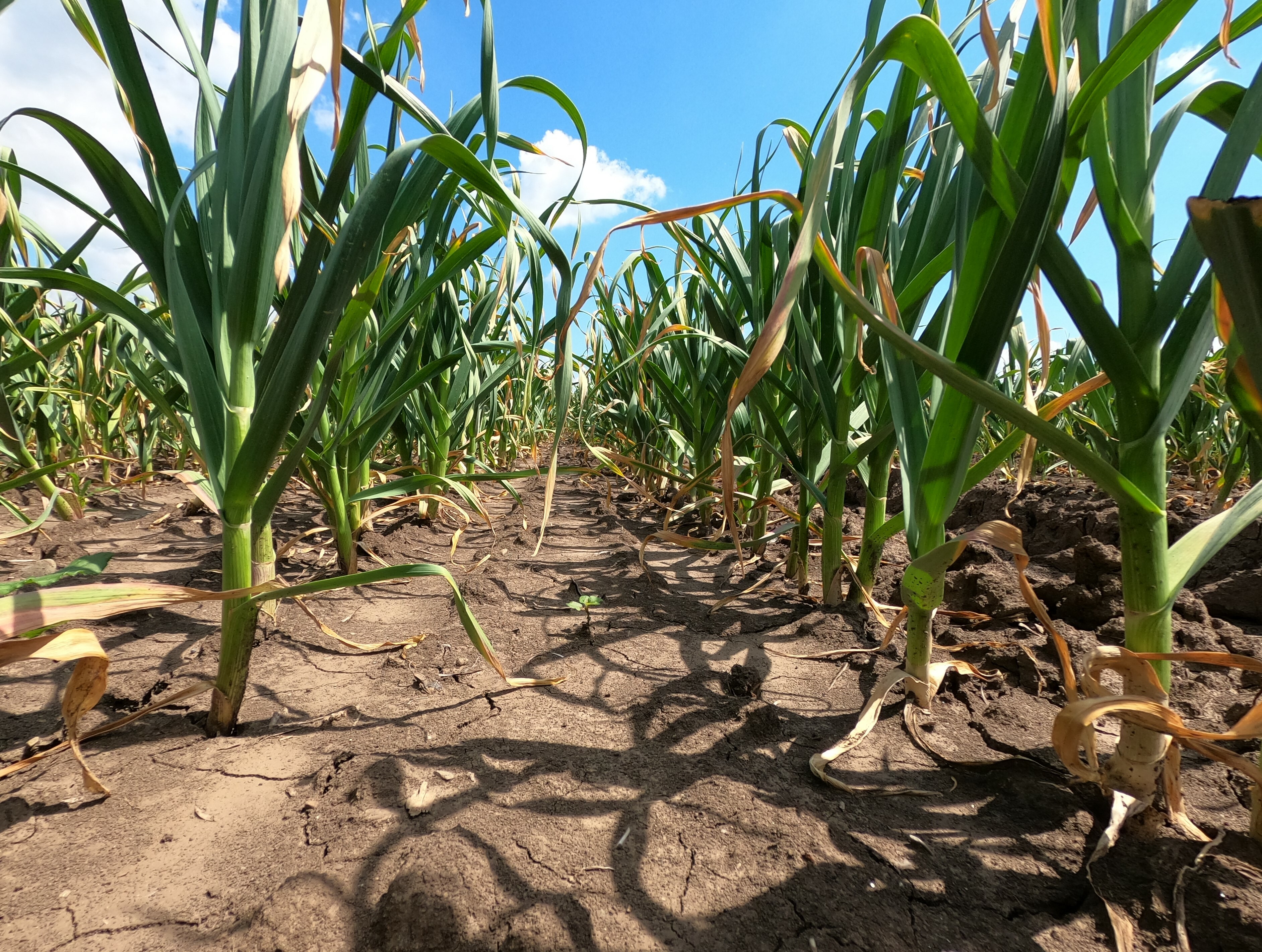
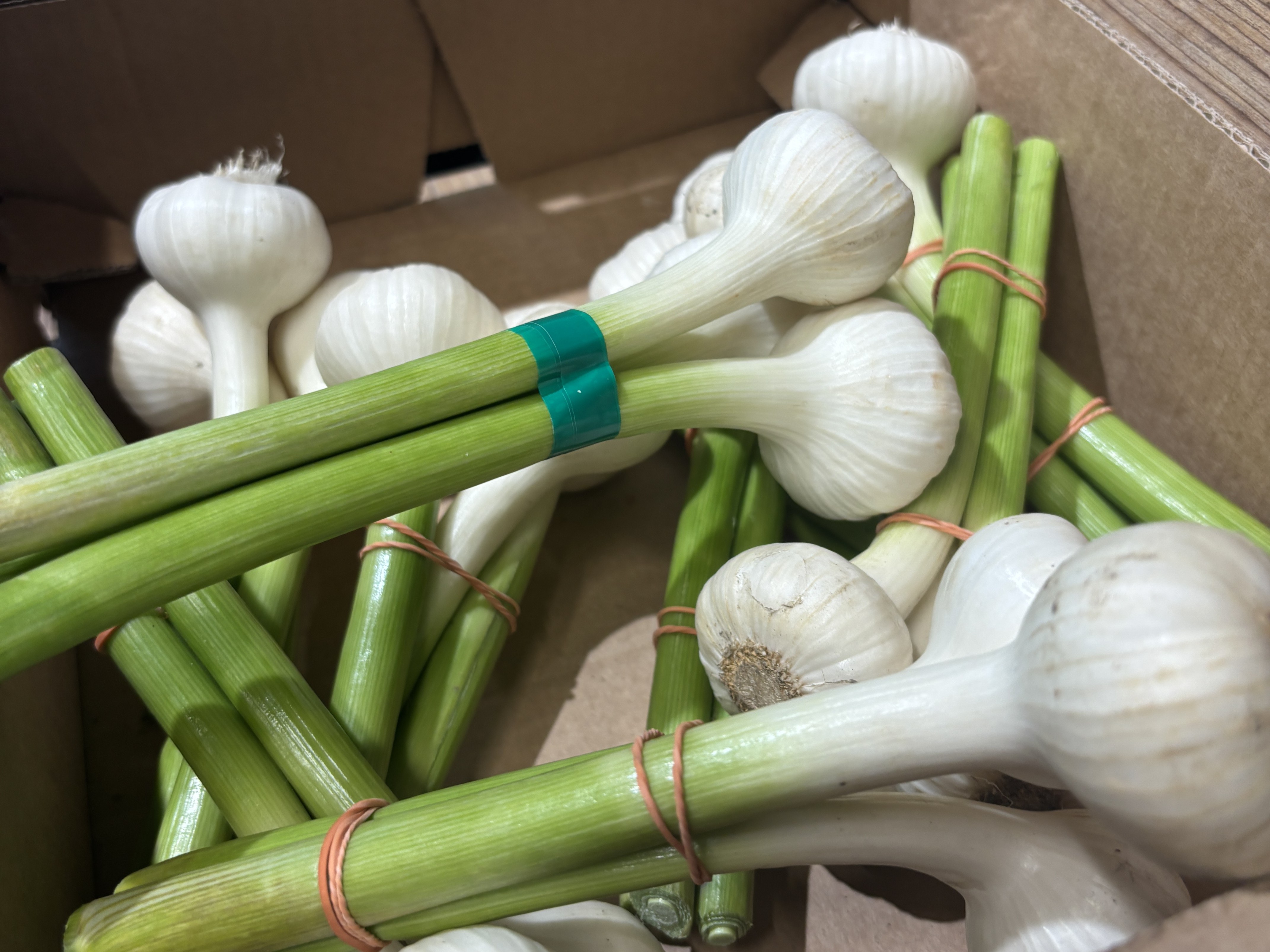
Short description of the species
Usage
in a fresh state, heat-treated; technologically processed by dryingInclusion in the crop rotation and fertilization requirements
track: II.
suitable preceding crops: cereals, legumes, cucumbers; we do not include it in crop rotations after onion vegetable species, it is advisable to leave it out of the crop rotation for at least 4-6 years.
fertilization: it does not tolerate direct fertilization with manure; during basic plowing in the fall, we fertilize with phosphorus at a dose of 60-80 kg.ha-1 and potassium: 120-140 kg.ha-1; nitrogen at a dose of 100-120 kg.ha-1 is applied twice; garlic responds well to sulfur fertilization.
Varieties:
• Garlic sticks: blue or violet or pinkish garlic that forms flower stalks; planted in autumn.
• Garlic non-sticks: white garlic that does not form a flower stalk. This type also includes: o broad-leaved garlic sticks (white winter garlic) - have wide leaves; form large bulbs of dirty white or purple color; planted in autumn o narrow-leaved garlic sticks (white spring garlic) - have narrower leaves; form smaller bulbs; planted in spring
Agrotechnics of cultivation and harvesting
Propagation: vegetatively by cloves; garlic by both sticks and stalks
Spacing:
• 0.30 – 0.45 m x 0.10 – 0.15 m (depending on the variety, wider for winter varieties)
Harvest:
• One-time – mechanized on large areas
Agrotechnics of cultivation – spring varieties (narrow-leaved non-sticks)
| Month | I. | II. | III. | IV. | V. | VI. | VII. | VIII. | IX. | X. | XI. | XII. |
|---|---|---|---|---|---|---|---|---|---|---|---|---|
| Planting | xx | x | ||||||||||
| Harvest/bulb | x | xx |
Agrotechnical cultivation – winter varieties (stick and broadleaf non-stick).
| Month | I. | II. | III. | IV. | V. | VI. | VII. | VIII. | IX. | X. | XI. | XII. |
|---|---|---|---|---|---|---|---|---|---|---|---|---|
| Planting | xx | |||||||||||
| Harvest/bulb | xx | x |
Storage: 7 – 9 months at a temperature of -1 – 0 °C and a relative humidity of 60 – 70%
Use: fresh, heat-treated; technologically processed by drying
Diseases and pests
• viral diseases: Onion yellow dwarf virus (OYDV)
• fungal diseases: onion mildew (Perenospora destructor), sclerotium rot (Sclerotium cepivorum), garlic rust (Puccinia porri), fusarium wilt (Fusarium oxysporum sp. cepae)
• pests: leek leafhopper (Phytomyza gymnostoma), onion flowerworm (Delia antiqua Meig.), root nematode (Ditylenchus dipsaci Kühn.), garlic leafhopper (Aceria tulipae), garlic moth (Acrolepiopsis assectella), garlic leafhopper (Suillia lurida), tobacco thrips (Thrips tabacci) and others.
Sources:
ANDREJIOVÁ, A. – HEGEDÜŠOVÁ, A. – GOLIAN, M. – MEZEYOVÁ, I. - ŠLOSÁR, M. 2025. Zeleninárstvo (poľné pestovanie). Nitra : SPU. 262 s. ISBN 978-80-552-2565-4
ANDREJIOVÁ, A. – ŠLOSÁR,M. 2015. Návody na cvičenia zo zeleninárstva. Nitra : SPU, 909 s. ISBN 978-80-552-1330-9.
CAGÁŇ, Ľ. Et al. 2015. Choroby a škodcovia záhradníckych rastlín. Nitra : SPU, 124 s. ISBN 978-80-552-1448-1.
Labeling Plants with QR Codes
At the Faculty of Horticulture and Landscape Engineering at SPU in Nitra, we've created a project that offers visitors to our plantings a new way to discover the beauty and intriguing aspects of plants. Each plant in our plantings has its own unique QR code. All a visitor needs to do is scan this code with their smartphone.
Encyclopedy
Informácie
Kontakt
Fakulta záhradníctva a krajinného inžinierstva
Tulipánová 7, 949 76 Nitra
phone +421 (37) 641 4229 — study department
email henrieta.budayová@uniag.sk



Copyright © 2026 Faculty of Horticulture and Landscape Engineering