

 Slovenská verzia
Fennel
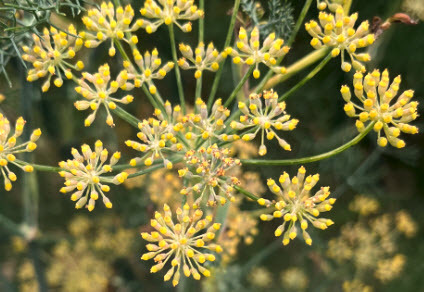
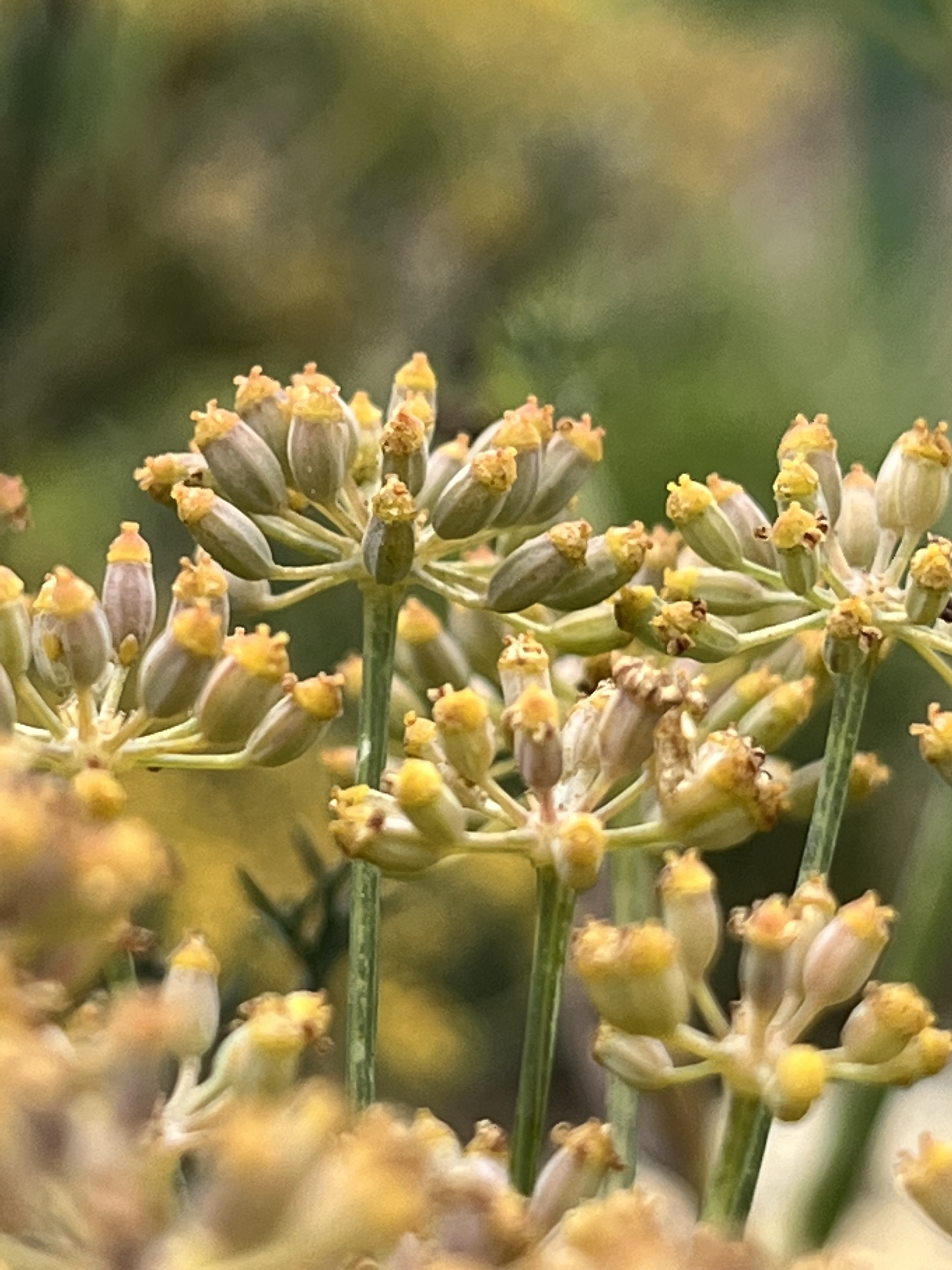
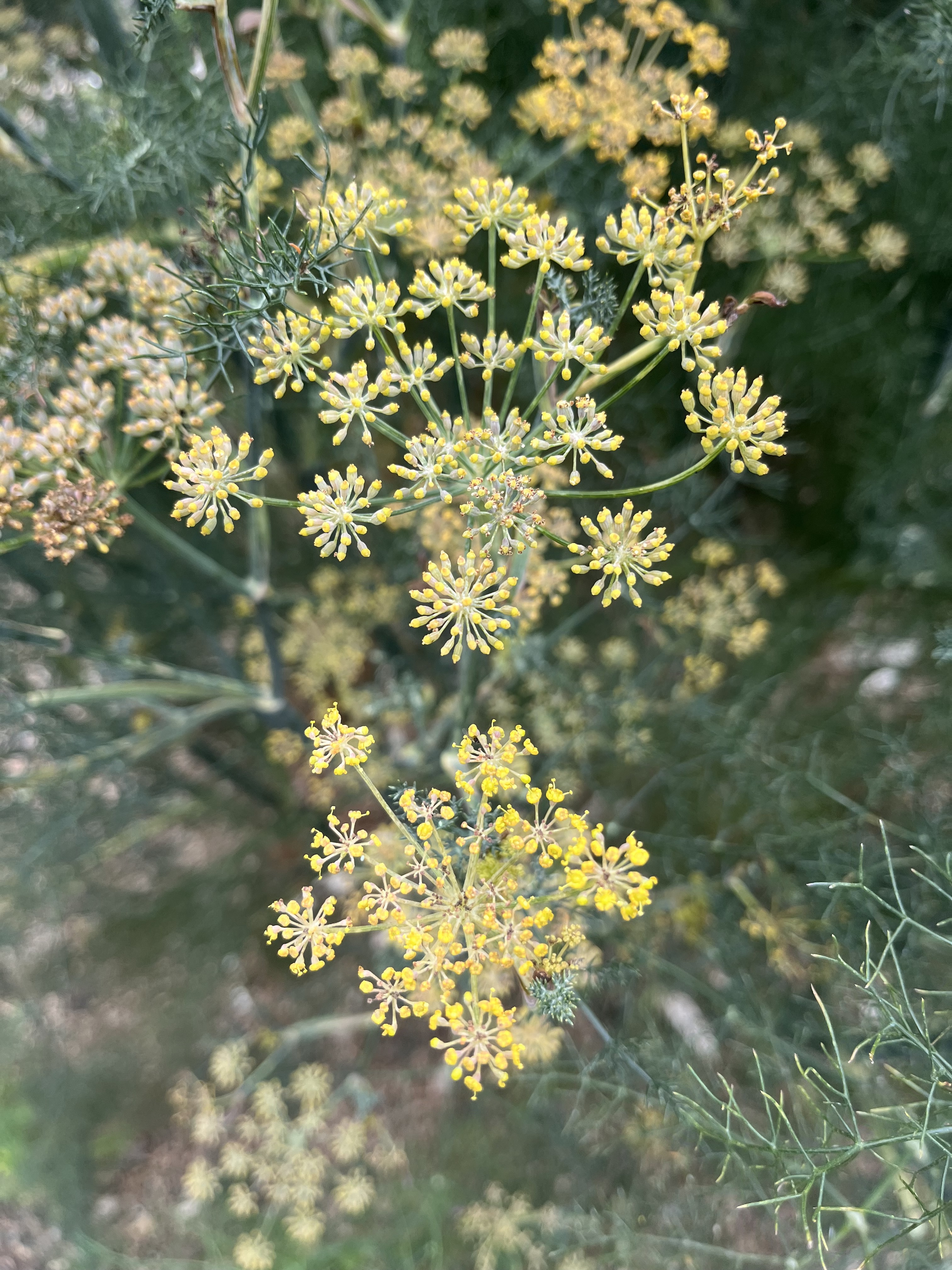
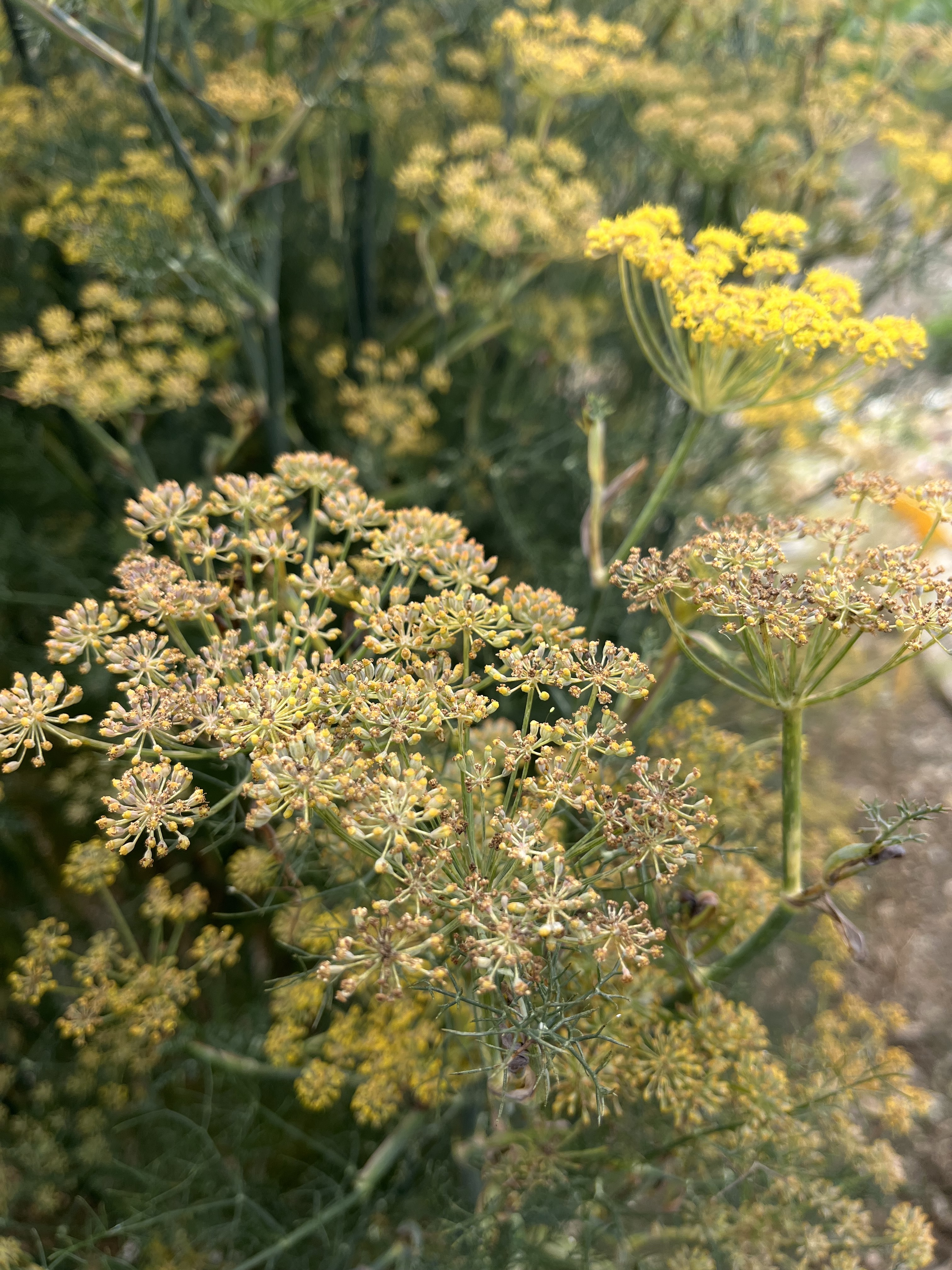
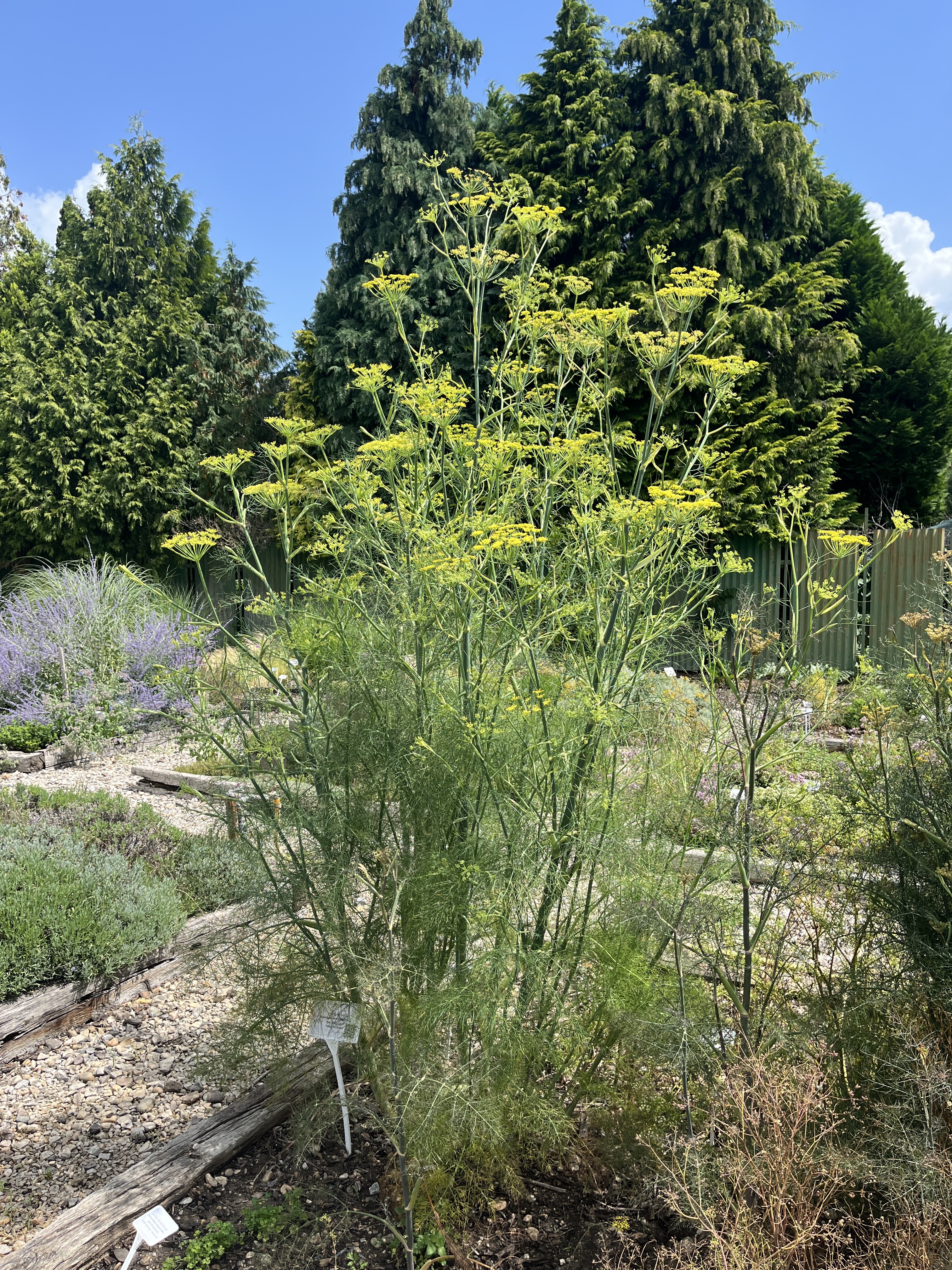
Short description of the species
Interesting
It is one of five dried spices—including cassia, cloves, star anise, and Sichuan pepper—that make up the famous Chinese powder: The Spice of Five Scents.Usage
The flavoring of various meat dishes, especially fish, is used in the preparation of various sauces, soups, herbal mayonnaises, in canning, in the production of compotes, in salads, as part of herbal teas, in various cocktails and traditional drinks, such as absinthe or ouzoInclusion in the sowing process and fertilization requirements
track: II. (I.) compost, or well-ripened farmyard manure, does not tolerate fresh farmyard manure
suitable pre-crops: cereals and roots
fertilization: The use of organic fertilizers, such as chicken or decomposed cow manure, can significantly improve the growth and yield of fennel, it responds well to fertilization with mature farmyard manure at a dose of 10-15 t/ha
varieties: In the case of fennel varieties, in addition to the height of the seed yield and the content of essential oils in the seeds, in the case of fennel as a leafy vegetable, the size, smoothness and roundness of the tubers (stem fleshy bases), their yield and uniformity are monitored.
Agricultural cultivation techniques
Propagation: direct sowing
Agro-technique of cultivation - bed method (directly into the soil)
| Month | I. | II. | III. | IV. | V. | VI. | VII. | VIII. | IX. | X. | XI. | XII. |
|---|---|---|---|---|---|---|---|---|---|---|---|---|
| Sowing | XX | X | ||||||||||
| Harvest | X | XXX | XXX |
Harvesting: per seed is done when the first-order whorls are waxy and the main whorls are fully ripe, when the seeds in the whorl are grey-green, full and brownish in colour.
Valuable ingredients: essential oils, flavonoids, phenolic acids
Phytotherapeutic groups: carminative, spasmolytic, stomachic.
Use: as an indispensable ingredient in modern French and Italian cuisine, in the seasoning of various meat dishes, especially fish, it is used in the preparation of various sauces, soups, herbal mayonnaise, in canning, in the production of compotes, it is a part of salads, a part of herbal teas, in various cocktails and traditional drinks such as absinthe or ouzo
Diseases and pests: economically, the most serious disease is cercospora foeniculi, among others we can mention - Phoma, Sclerotinia, Rhizoctonia, Fusarium, among the pests of fennel, aphids (Aphidoidae), mealybugs (Miridae), caraway beetle (Depressaria nervosa), leafhoppers are the most common. (Cnephasia spp.)
Labeling Plants with QR Codes
At the Faculty of Horticulture and Landscape Engineering at SPU in Nitra, we've created a project that offers visitors to our plantings a new way to discover the beauty and intriguing aspects of plants. Each plant in our plantings has its own unique QR code. All a visitor needs to do is scan this code with their smartphone.
Encyclopedy
Informácie
Kontakt
Fakulta záhradníctva a krajinného inžinierstva
Tulipánová 7, 949 76 Nitra
phone +421 (37) 641 4229 — study department
email henrieta.budayová@uniag.sk



Copyright © 2026 Faculty of Horticulture and Landscape Engineering