

 Slovenská verzia
- home
- Spices and aromatic plants
- Lamiaceae
- English lavender
- English lavender
English lavender

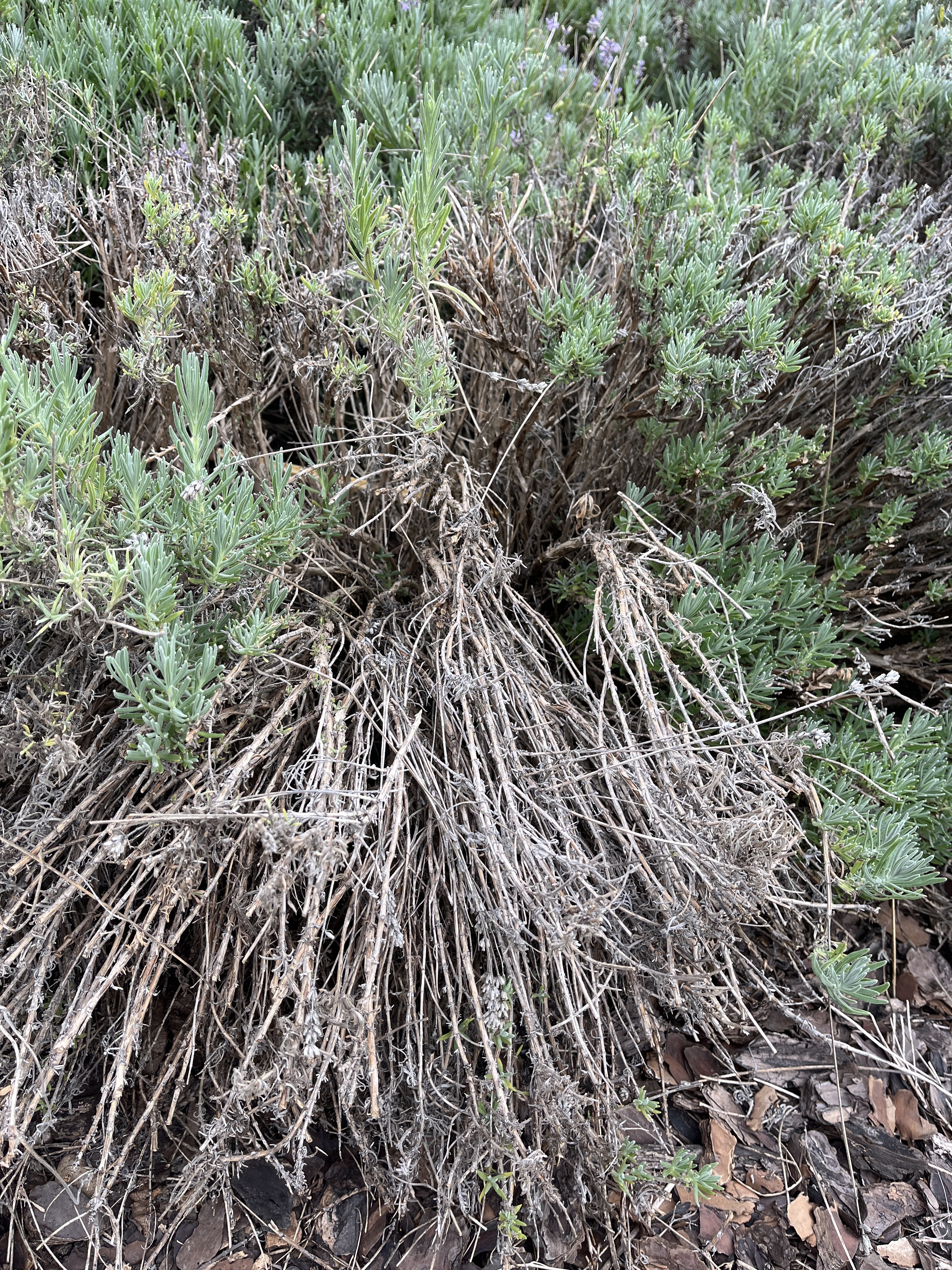
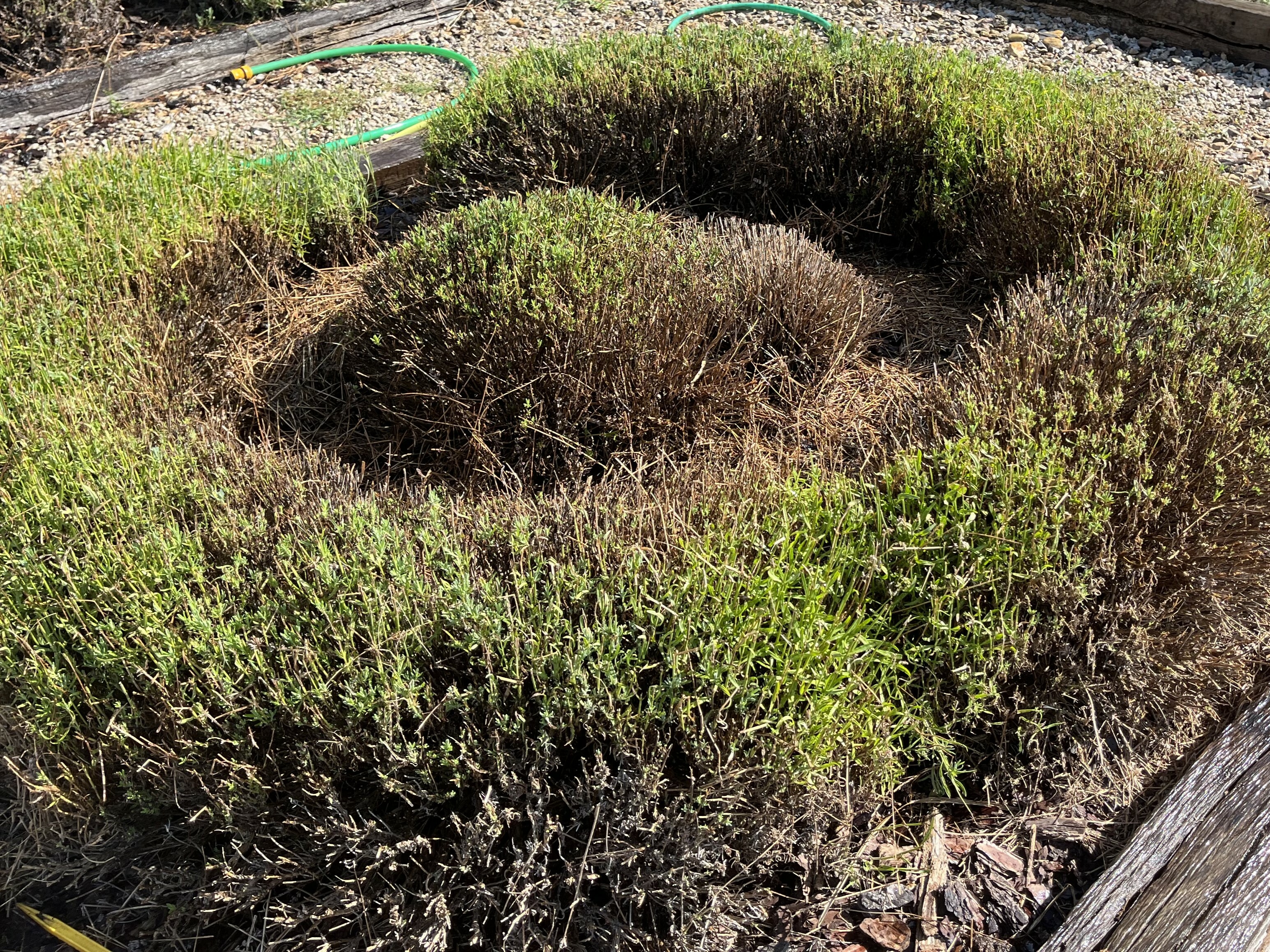
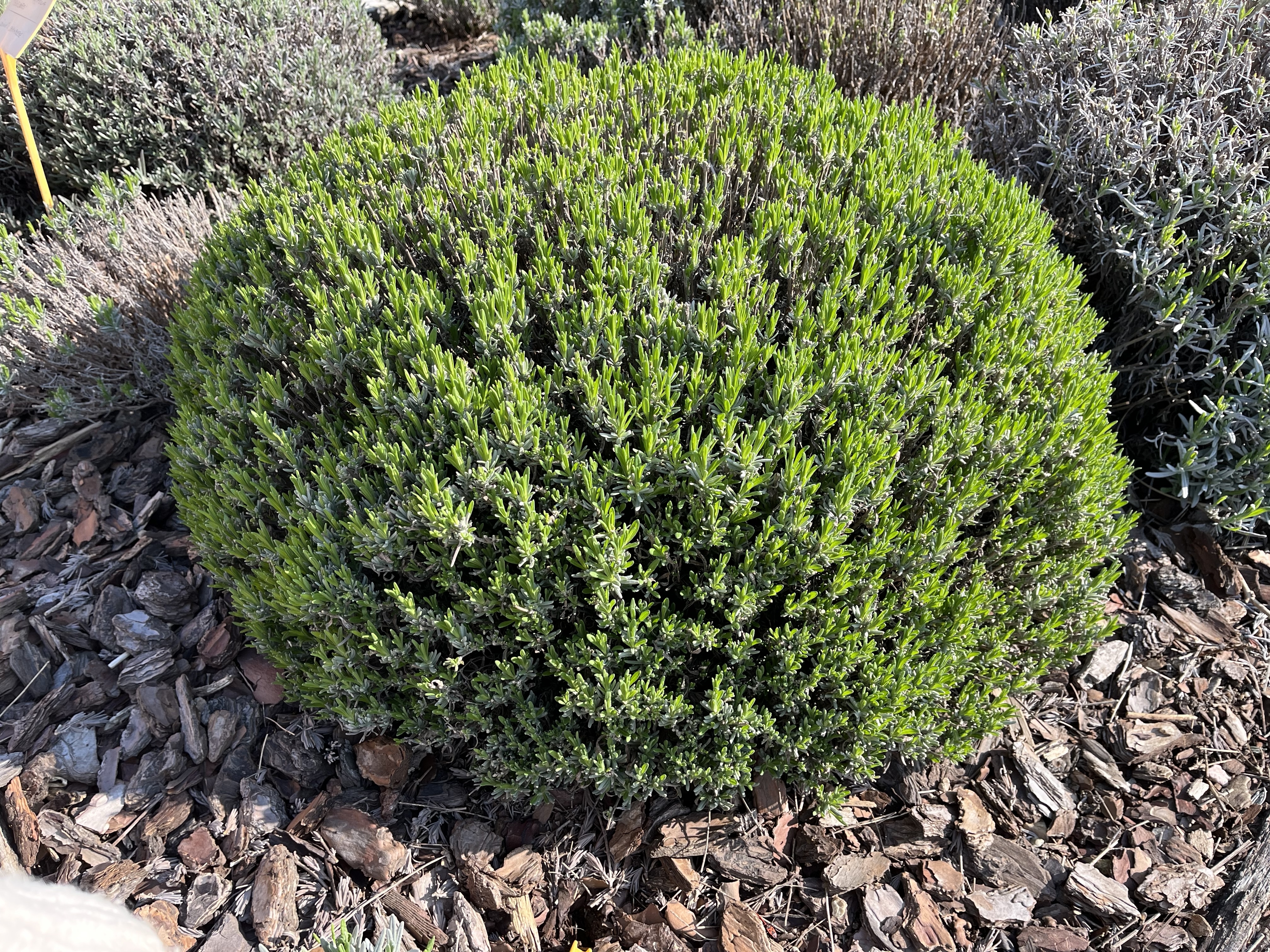
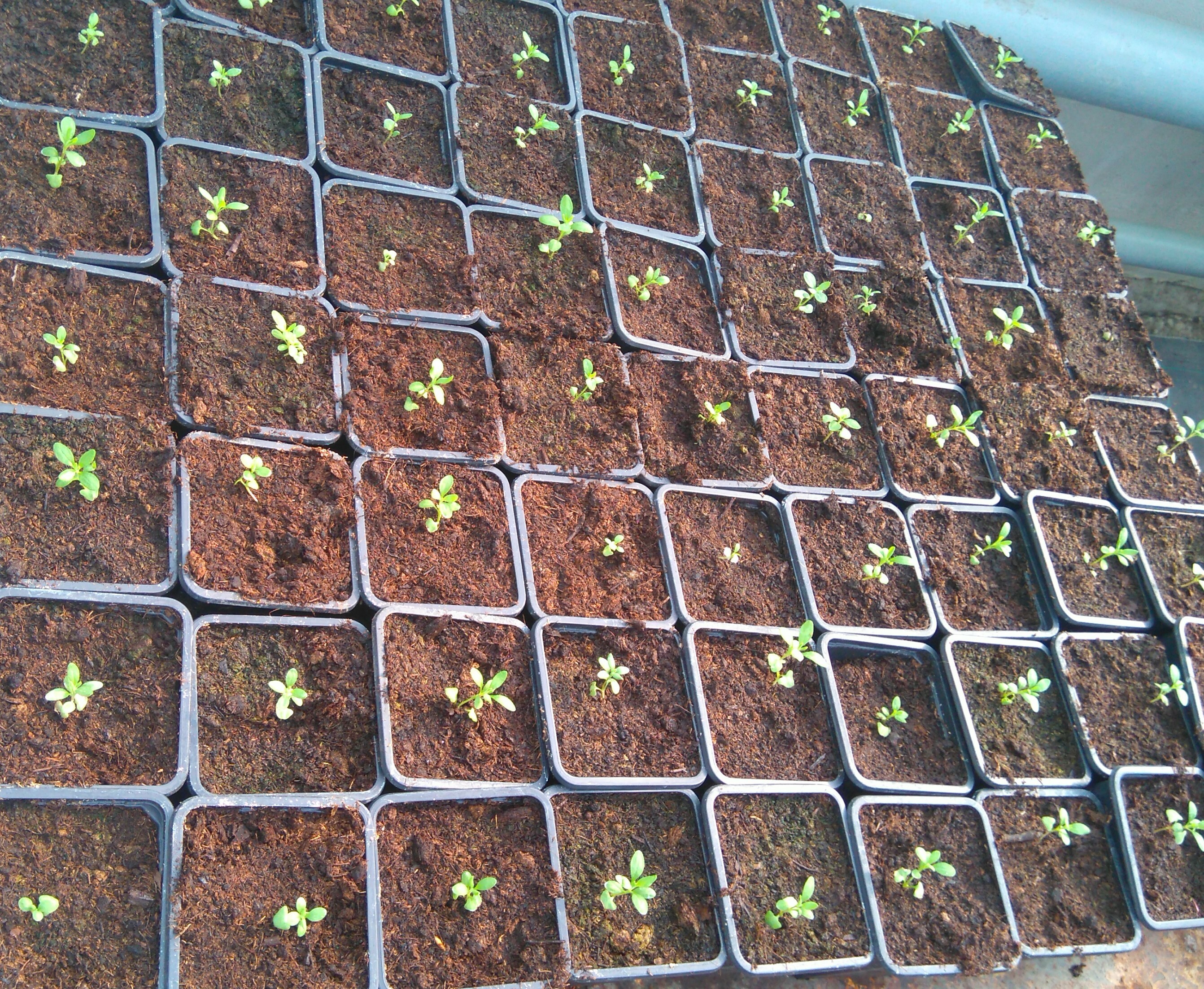
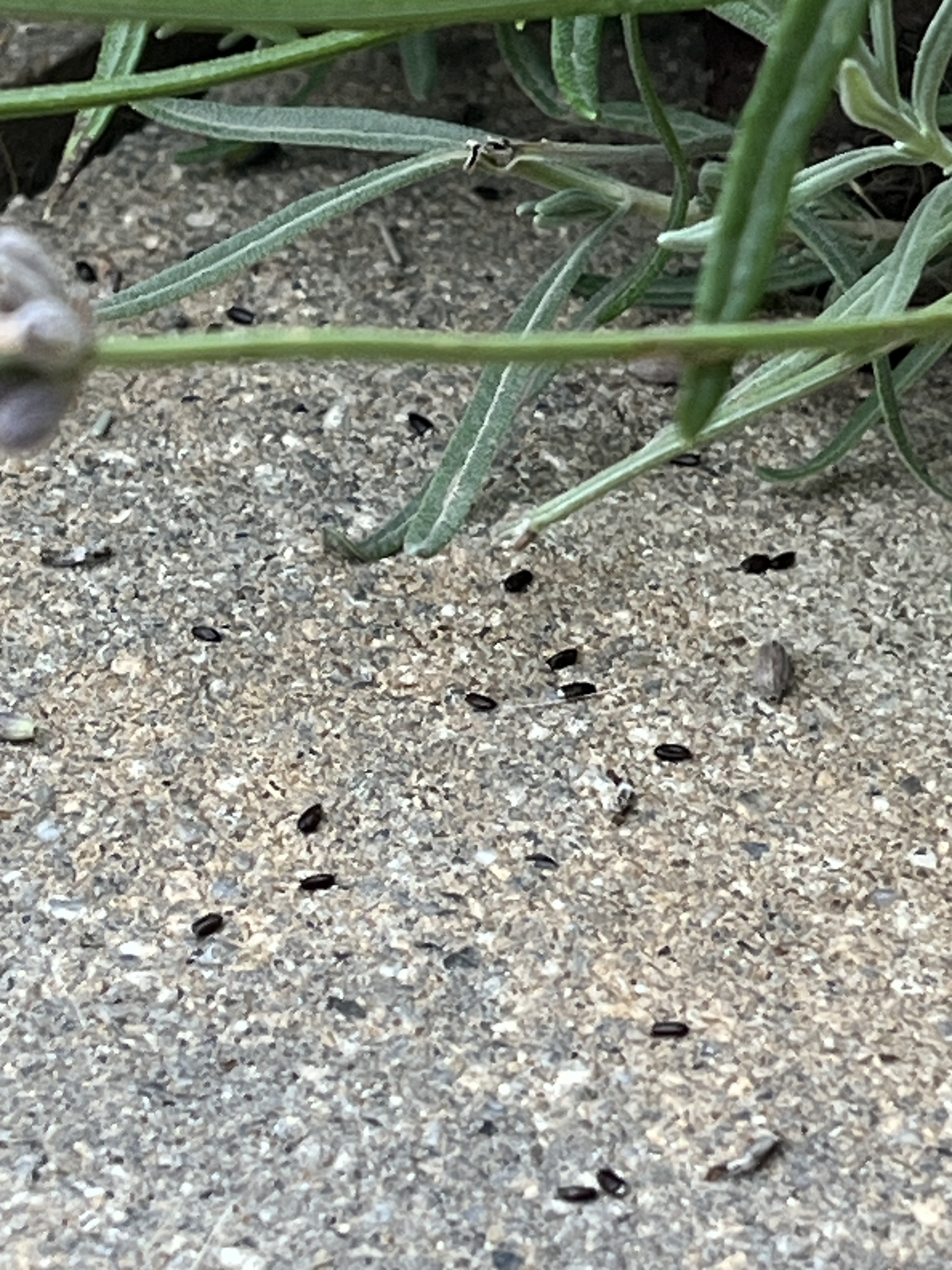
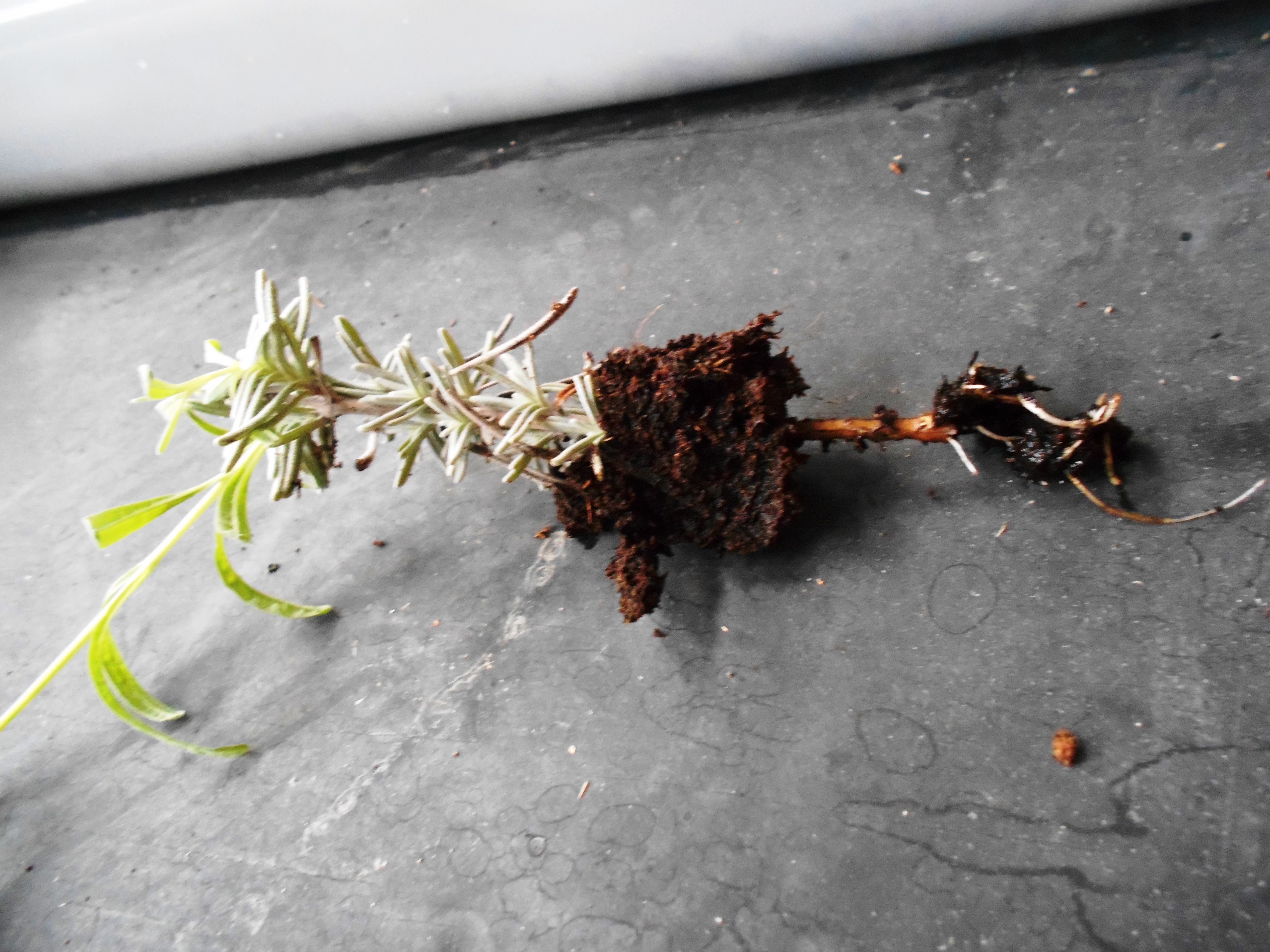
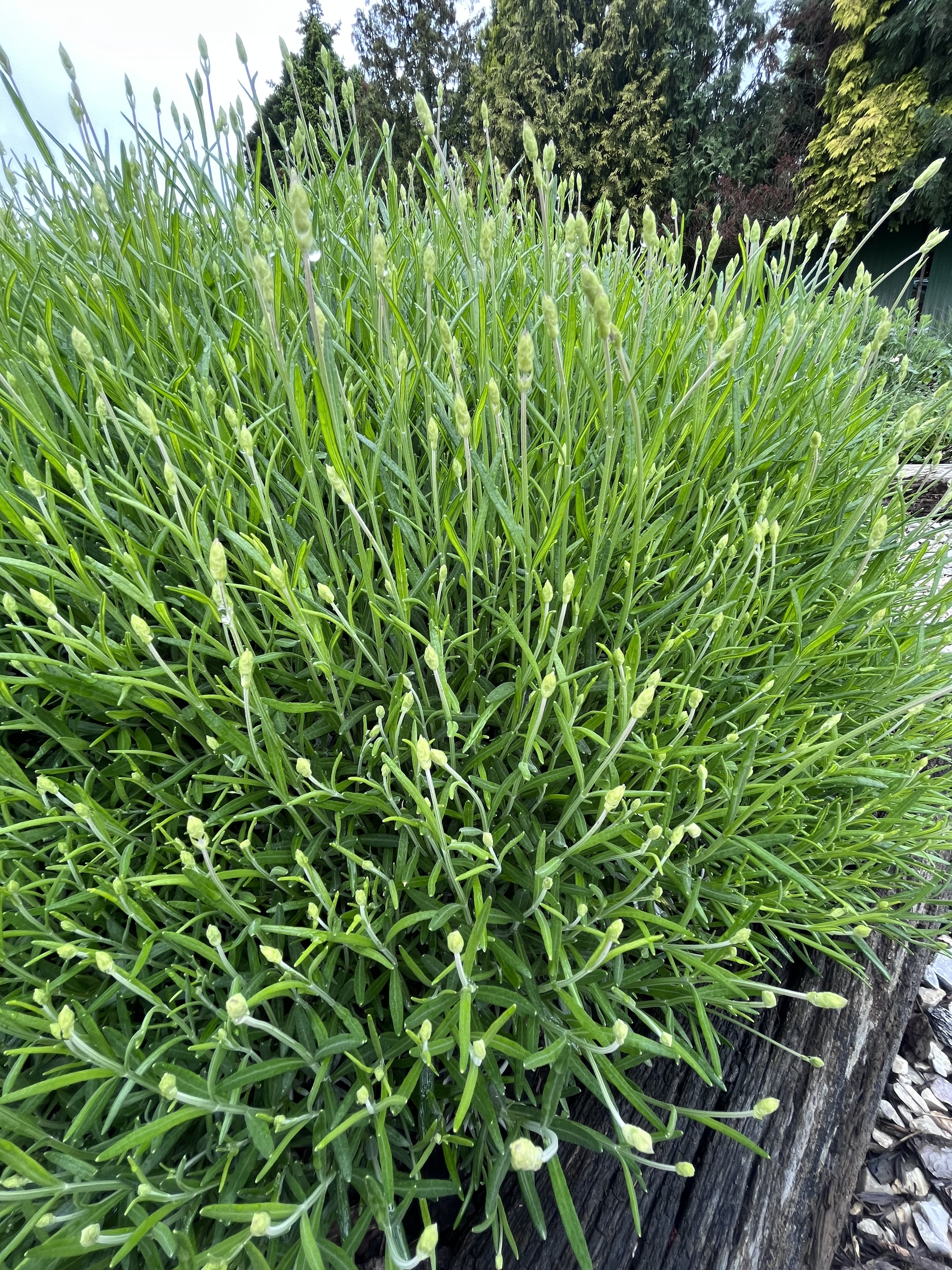
Short description of the species
Interesting
The name Lavandula is derived from the Latin word "lavare," which means "to wash," as lavender was traditionally used in baths for its cleansing and refreshing properties.Usage
To flavor desserts, teas, and even savory dishes, to season pork, fish soups, salads, stewed and baked vegetables, and meats. It is also a component of the Herbes de Provence spice mix and is often utilized in grilling.Inclusion in crop rotation and fertilization requirements
Track
I.
Suitable preceding crops
Cereals, legumes
Fertilization
Before establishing the crop, the soil is fertilized with 35 to 50 t/ha of farmyard manure, phosphorus at a rate of 70–80 kg/ha, potassium at 40–60 kg/ha, and nitrogen in spring at a rate of 60–80 kg/ha (Crisan, 2023).
Crișan, I., Ona, A., Vârban, D., Muntean, L., Vârban, R., Stoie, A., Mihăiescu, T., & Morea, A. (2023). Current Trends for Lavender (Lavandula angustifolia Mill.) Crops and Products with Emphasis on Essential Oil Quality. Plants, 12(2), 357. https://doi.org/10.3390/plants...
Varieties
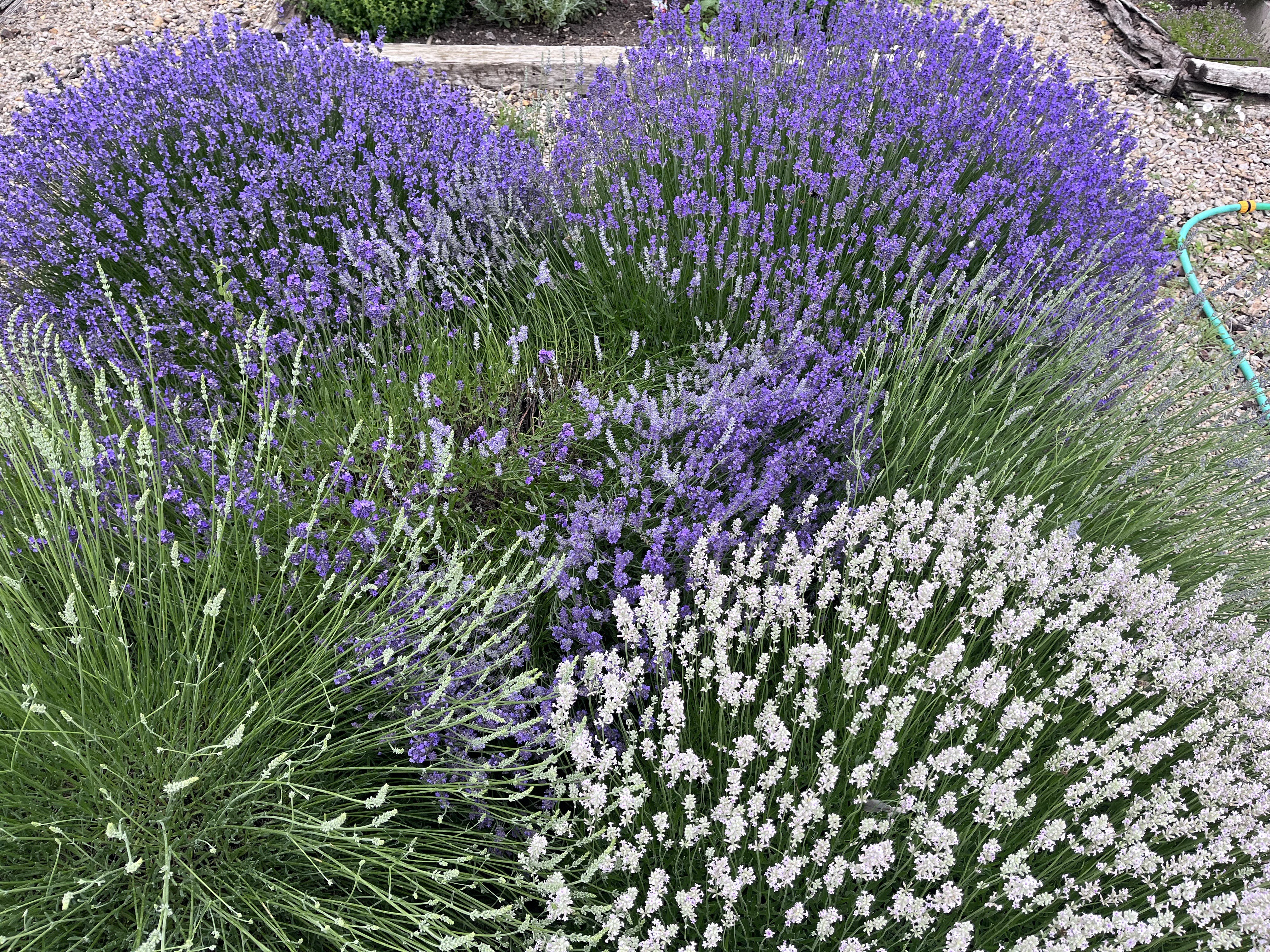
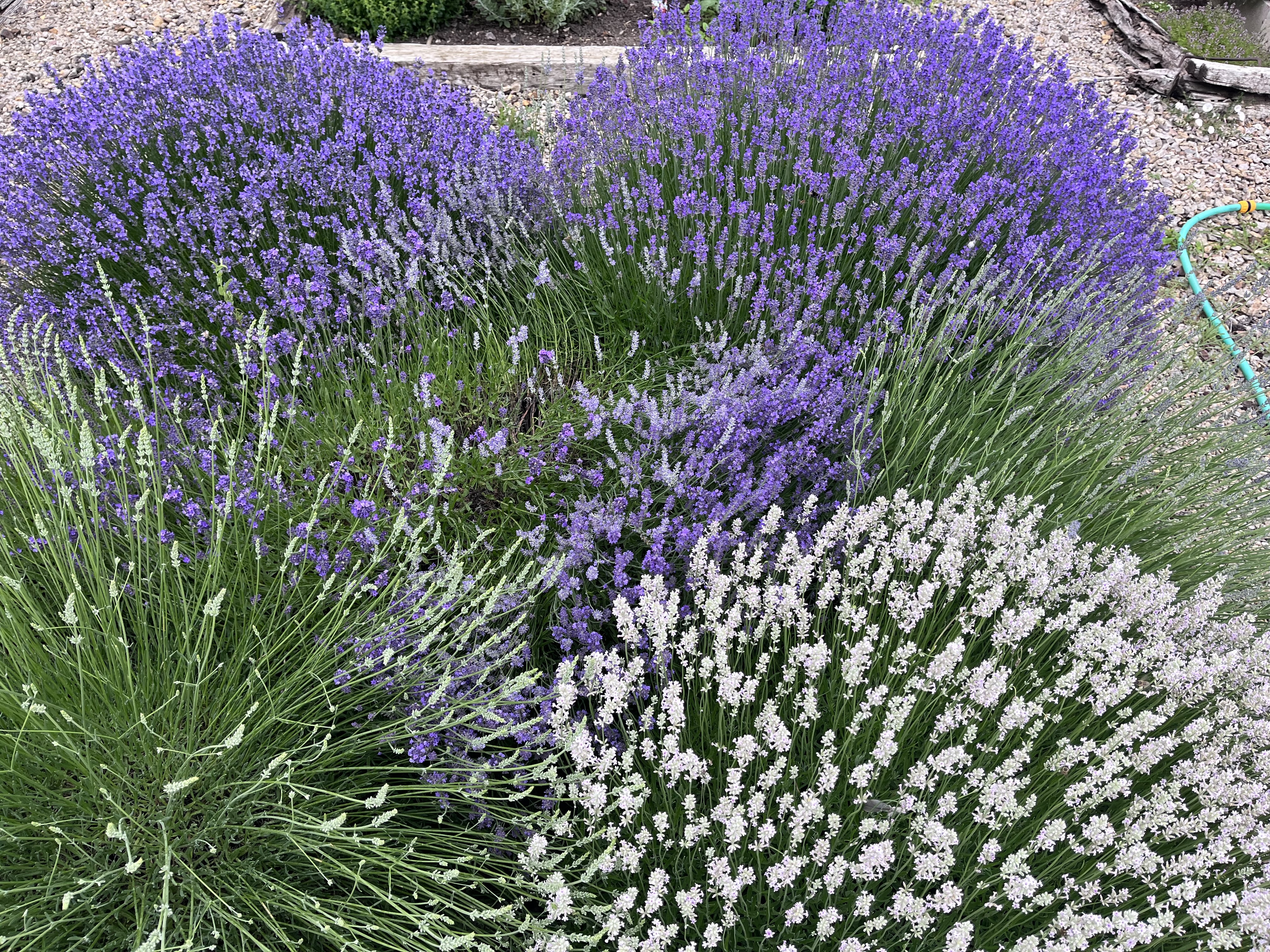
Horticultural classification distinguishes three categories of L. angustifolia: dwarf cultivars, medium-sized cultivars, and giant cultivars, based on growth habit. The level of compactness also varies. Lavender varieties are characterized by diverse flower colors. Seed companies offer a range of colors, from traditional blue and purple tones to varieties with white and pink flowers.
Cultivation agronomy
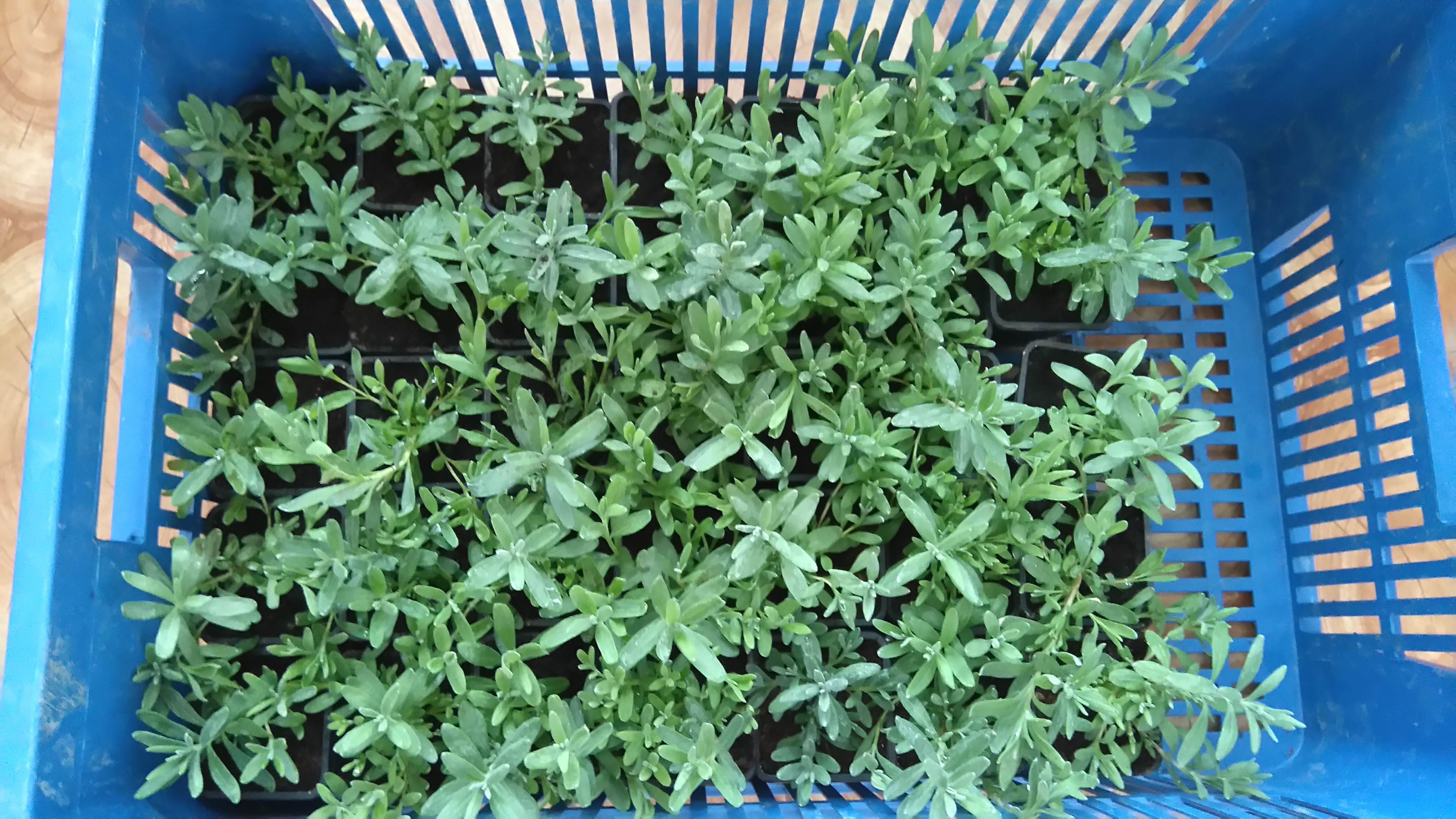
Seedlings and rooted cuttings can be planted in autumn, during September and October, or in spring (April), with a spacing of 100 cm between rows and 50–75 cm between plants in each row.
Propagation
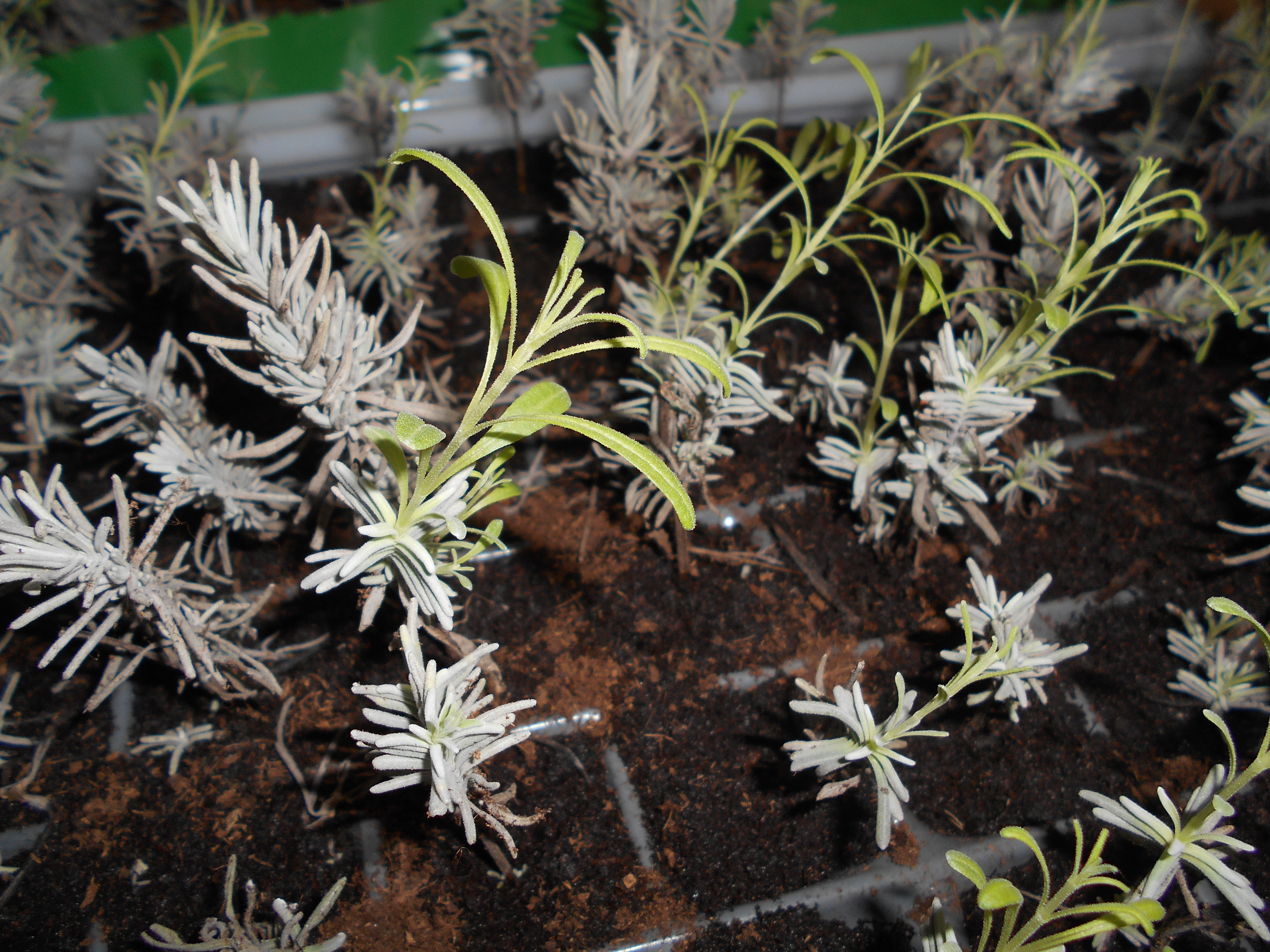
Lavender plants can be propagated by seeds, cuttings, and plant division. The most common and widely used method is cuttings.
Cultivation practices – from transplants
| Month | I. | II. | III. | IV. | V. | VI. | VII. | VIII. | IX. | X. | XI. | XII. |
|---|---|---|---|---|---|---|---|---|---|---|---|---|
| Sowing / coverd spaces | XXX | X | XXX | XXX | ||||||||
| Planting | XXX | XX | X | |||||||||
| Harvest / flower | XX | XX |
Harvest
On small areas where lavender can be harvested quickly, the best time for harvest is at the 75% flowering stage. However, if the harvest period is extended due to various reasons (large areas, insufficient processing capacity), it is recommended to begin harvesting at the 50% flowering stage and complete it no later than the 100% flowering stage.
Active compounds
Essential oils, tannins, glycosides
Phytotherapeutic groups
Nervine, sedative, antiseptic
Diseases and pests
Generally a resistant plant, lavender can be susceptible to fungal diseases such as Septoria lavandulae Desm., Phoma lavandulae Gabotto, Phomopsis lavandulae, Botrytis cinerea Pers., and Phytophthora sp.
Labeling Plants with QR Codes
At the Faculty of Horticulture and Landscape Engineering at SPU in Nitra, we've created a project that offers visitors to our plantings a new way to discover the beauty and intriguing aspects of plants. Each plant in our plantings has its own unique QR code. All a visitor needs to do is scan this code with their smartphone.
Encyclopedy
Informácie
Kontakt
Fakulta záhradníctva a krajinného inžinierstva
Tulipánová 7, 949 76 Nitra
phone +421 (37) 641 4229 — study department
email henrieta.budayová@uniag.sk



Copyright © 2026 Faculty of Horticulture and Landscape Engineering