

 Slovenská verzia
- home
- Fruits - general part
- Miscellaneous fruit
- Sweet chestnut
Sweet chestnut
Chestnut is a large tree growing to a height of 30-35 m with a trunk diameter of 1.5-2 m at the base.
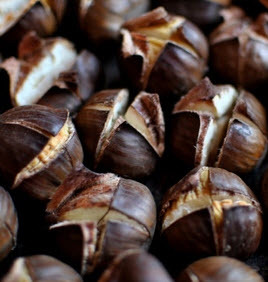
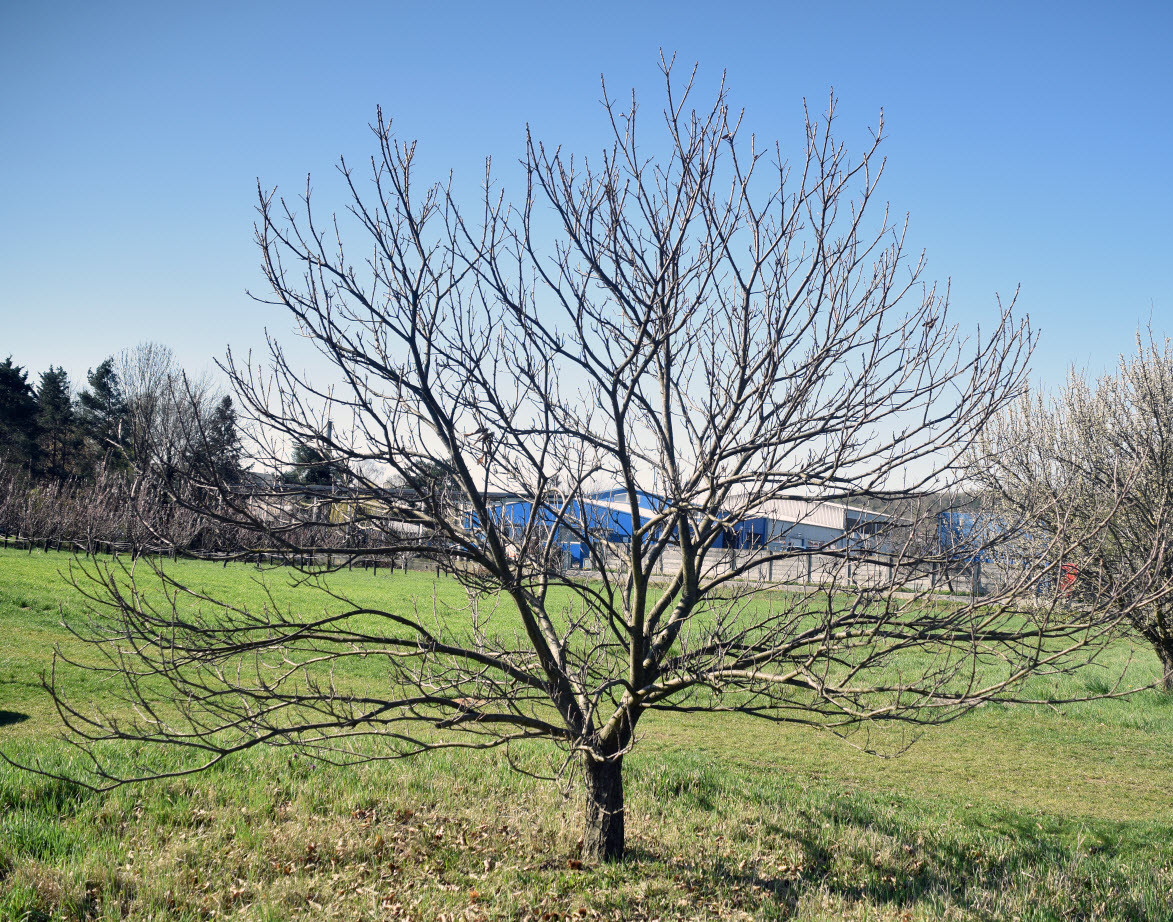
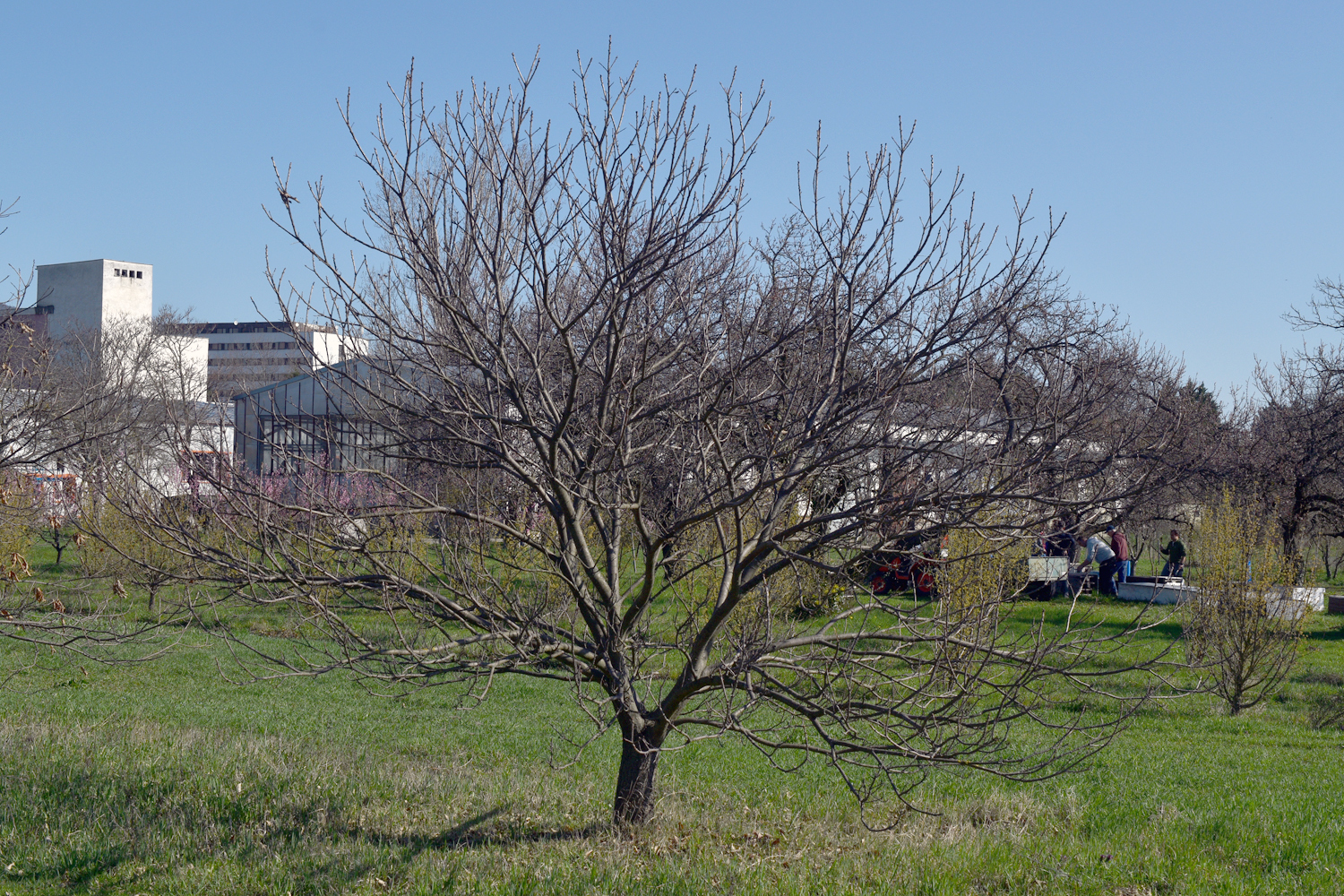
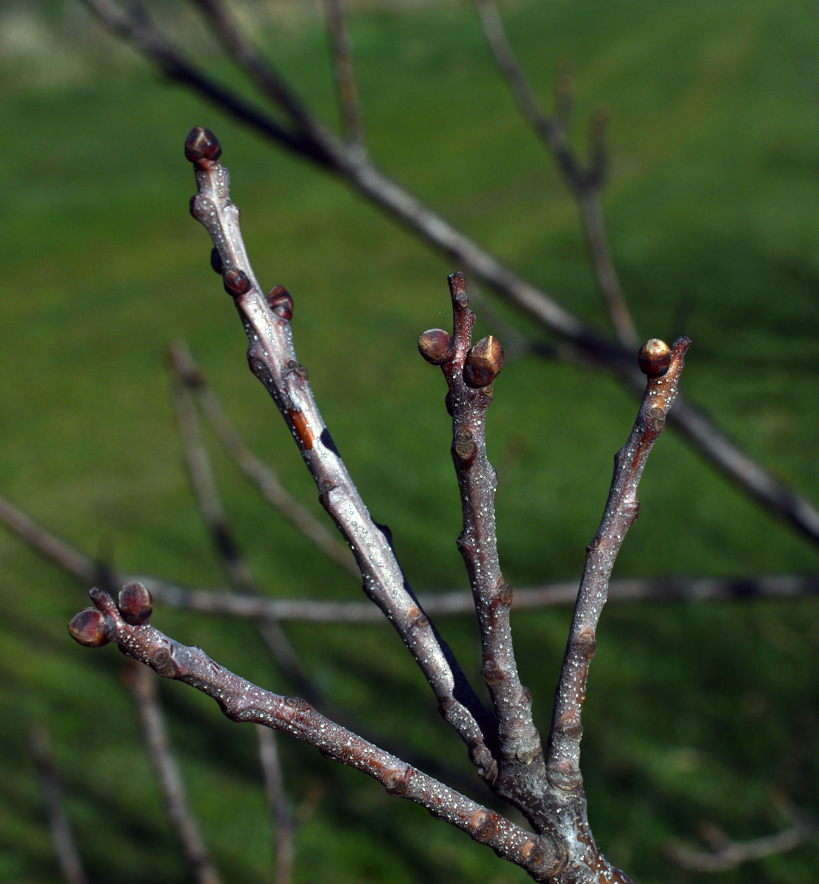
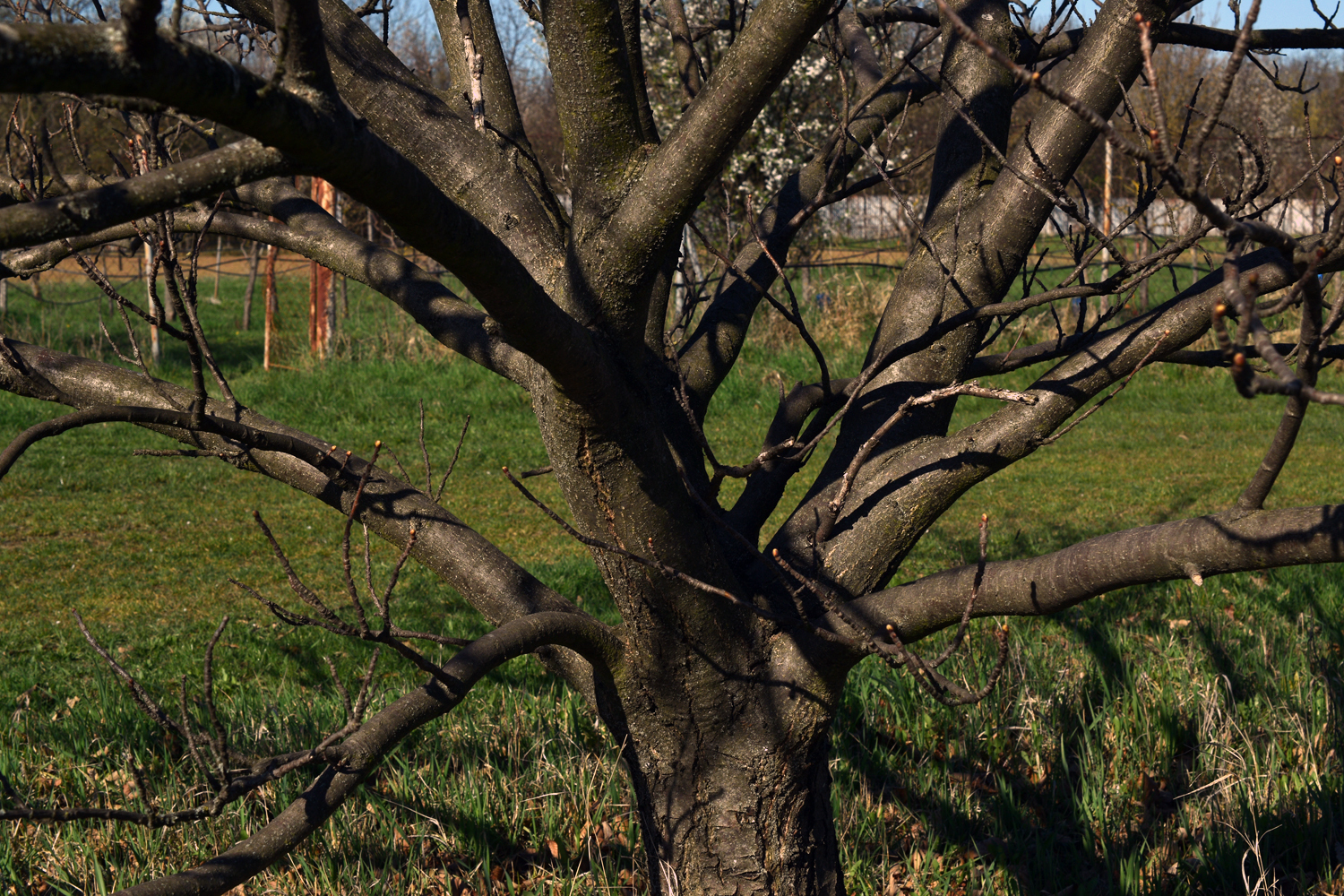
Short description of the species
Interesting
The oldest known chestnut tree in the world grows on Etna in Sicily and has a circumference of 58m and is said to be 2000 to 4000 years old. It consists of three different trunks growing from a single base. They measure 13, 20 and 22 m in circumference and share the same roots.Usage
Fruits are highly desirable and widely consumed throughout the world and generally have several beneficial nutritional properties. Chestnuts contain a high amount of carbohydrates and a significant amount of fiber, but a low amount of protein and, unlike typical nuts (walnuts, almonds, hazelnuts), also low levels of fat.Suitable growing locations
It requires soils with a slightly acidic reaction, well supplied with nutrients, to ensure more thorough pollination, it is recommended to plant more varieties, it can be grown not only in warm areas, but also in protected habitats at higher altitudes. It requires light to medium-heavy soils, well aerated, with a good supply of nutrients, with a slightly acidic soil reaction. It can be grown not only in warm areas, but also in higher positions in protected habitats. They are characterized by very good frost resistance. It grows best in areas with warm summers and cold winters. They overcome summer droughts very well.
Cultivation technology
Tall trunk with free-growing crown, cut only to establish skeletal branches in the 1st to 2nd year after planting. Sometimes it is possible to make a clearing cut, when we remove dead, cross-growing and overgrown branches on an adult tree. With seedlings grown from seed, trees begin to bear fruit around the age of 15, grafted already in the year of planting, but reach full fertility around the 5th to 7th year. It blooms at the end of May, the flowers do not freeze, therefore the fertility is annual. The planting clip is 8x4m, with the fact that after connecting the trees in a row, every other one is removed, which gives us a subsequent clip of 8x7m. This action is usually done around the seventh to eighth year, by which time the trees will bear fruit and the soil between the trees will be used.
Suitable varieties
Bouche de Betizac, Rapada, Doree de Lyon, Bojar
Diseases and pests
diseases: chestnut bark cancer, phytophthora root rot
pests: chestnut weevil
Labeling Plants with QR Codes
At the Faculty of Horticulture and Landscape Engineering at SPU in Nitra, we've created a project that offers visitors to our plantings a new way to discover the beauty and intriguing aspects of plants. Each plant in our plantings has its own unique QR code. All a visitor needs to do is scan this code with their smartphone.
Encyclopedy
Informácie
Kontakt
Fakulta záhradníctva a krajinného inžinierstva
Tulipánová 7, 949 76 Nitra
phone +421 (37) 641 4229 — study department
email henrieta.budayová@uniag.sk



Copyright © 2026 Faculty of Horticulture and Landscape Engineering