

 Slovenská verzia
Dill
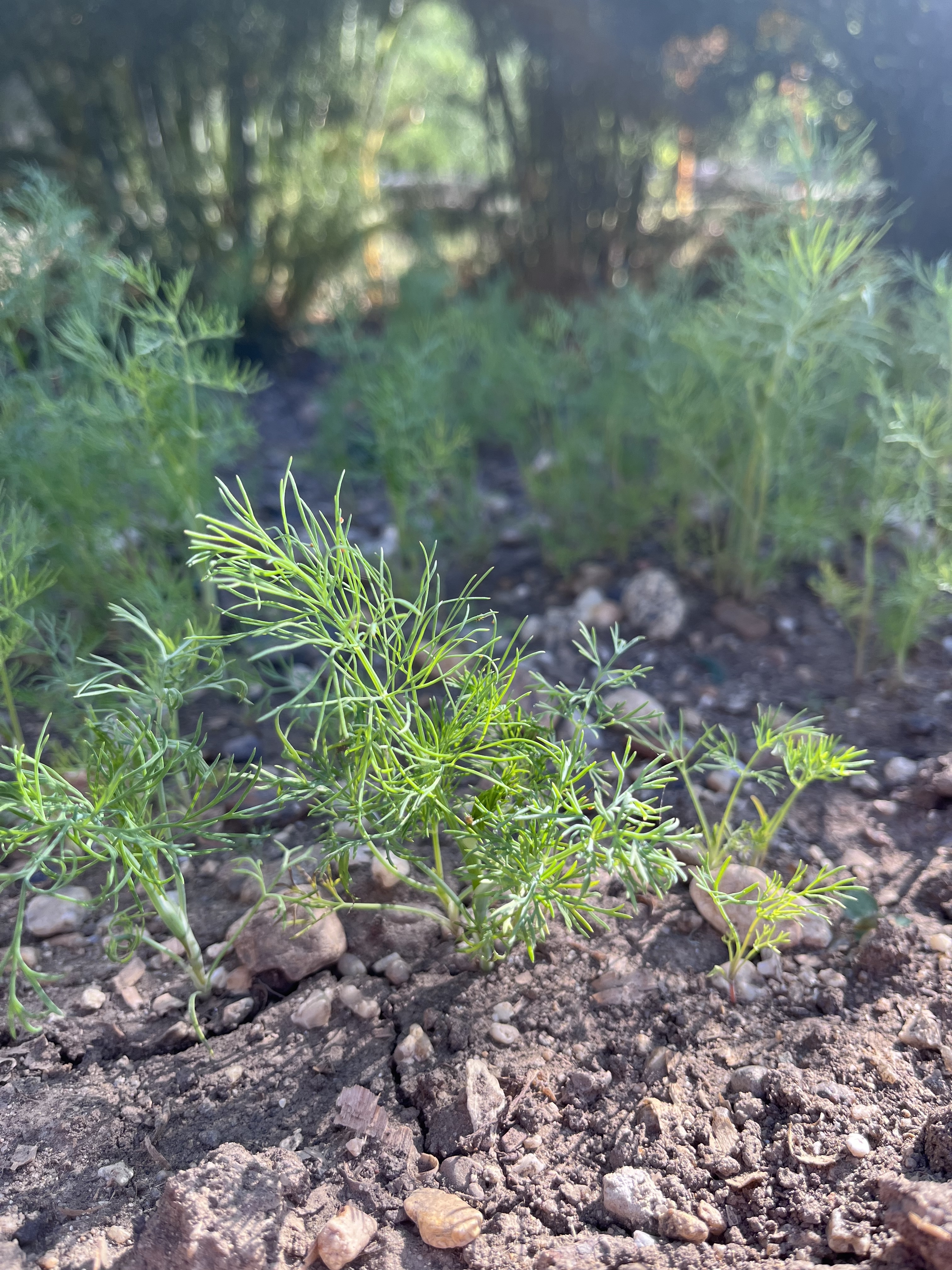
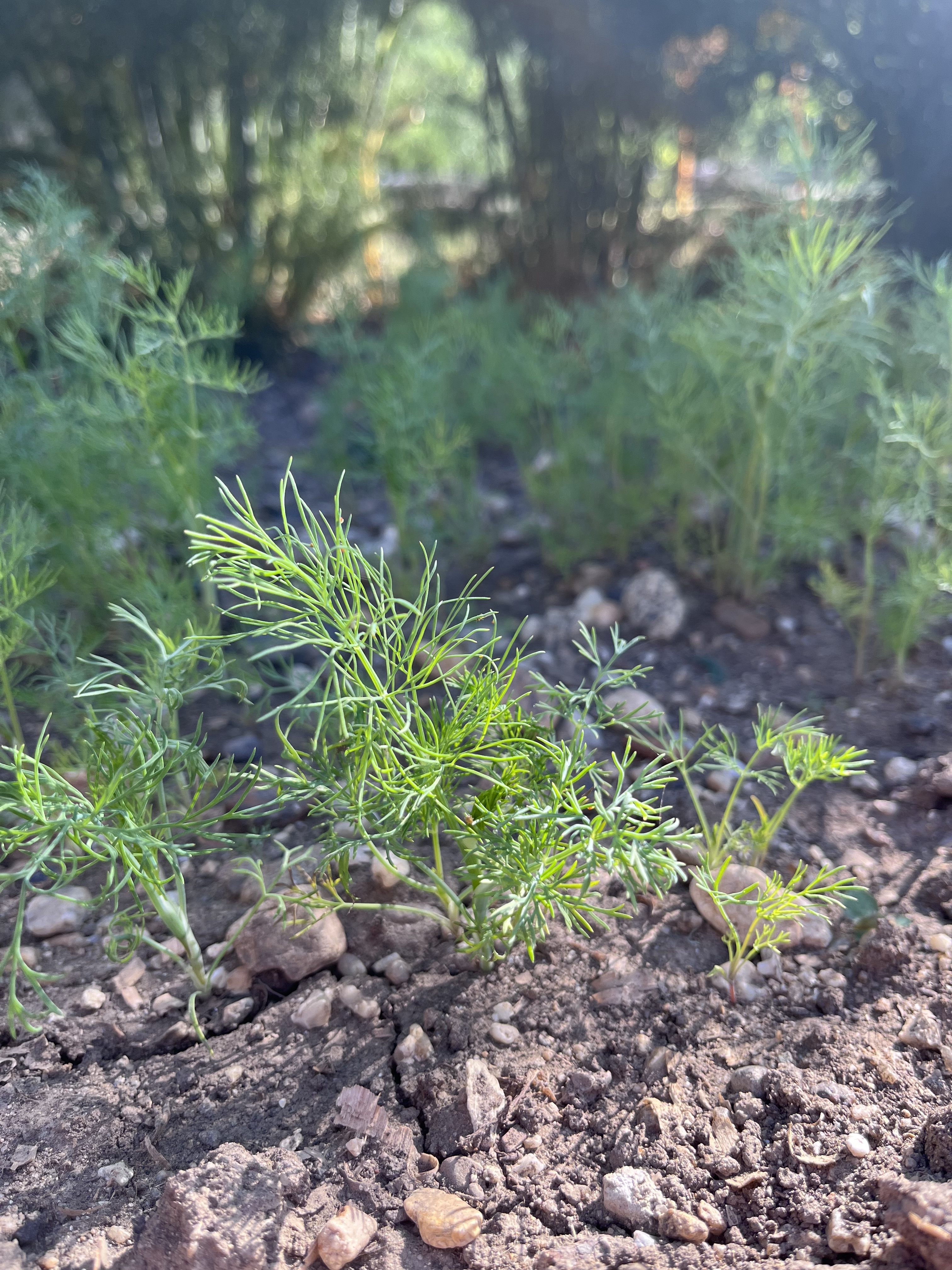
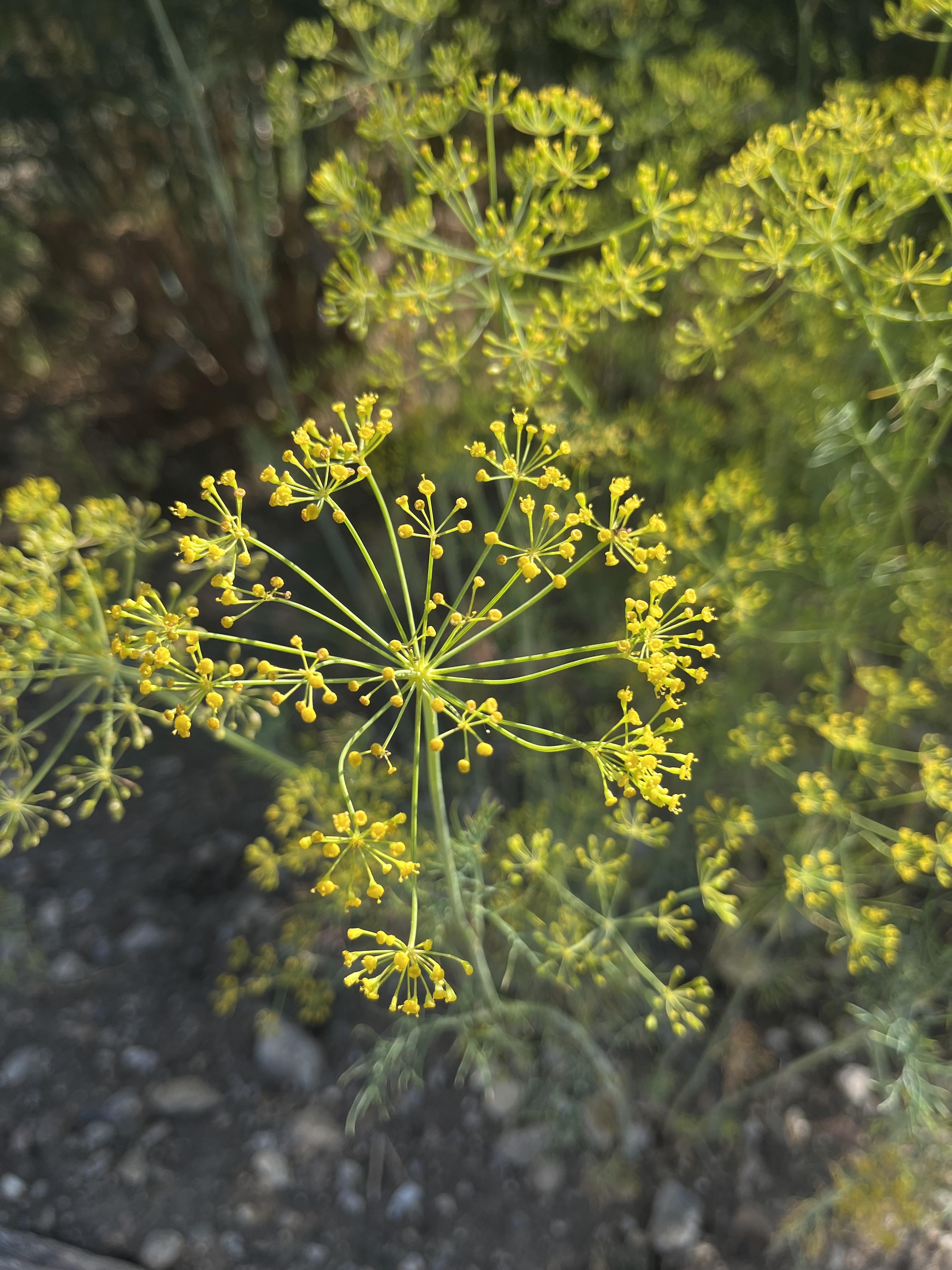
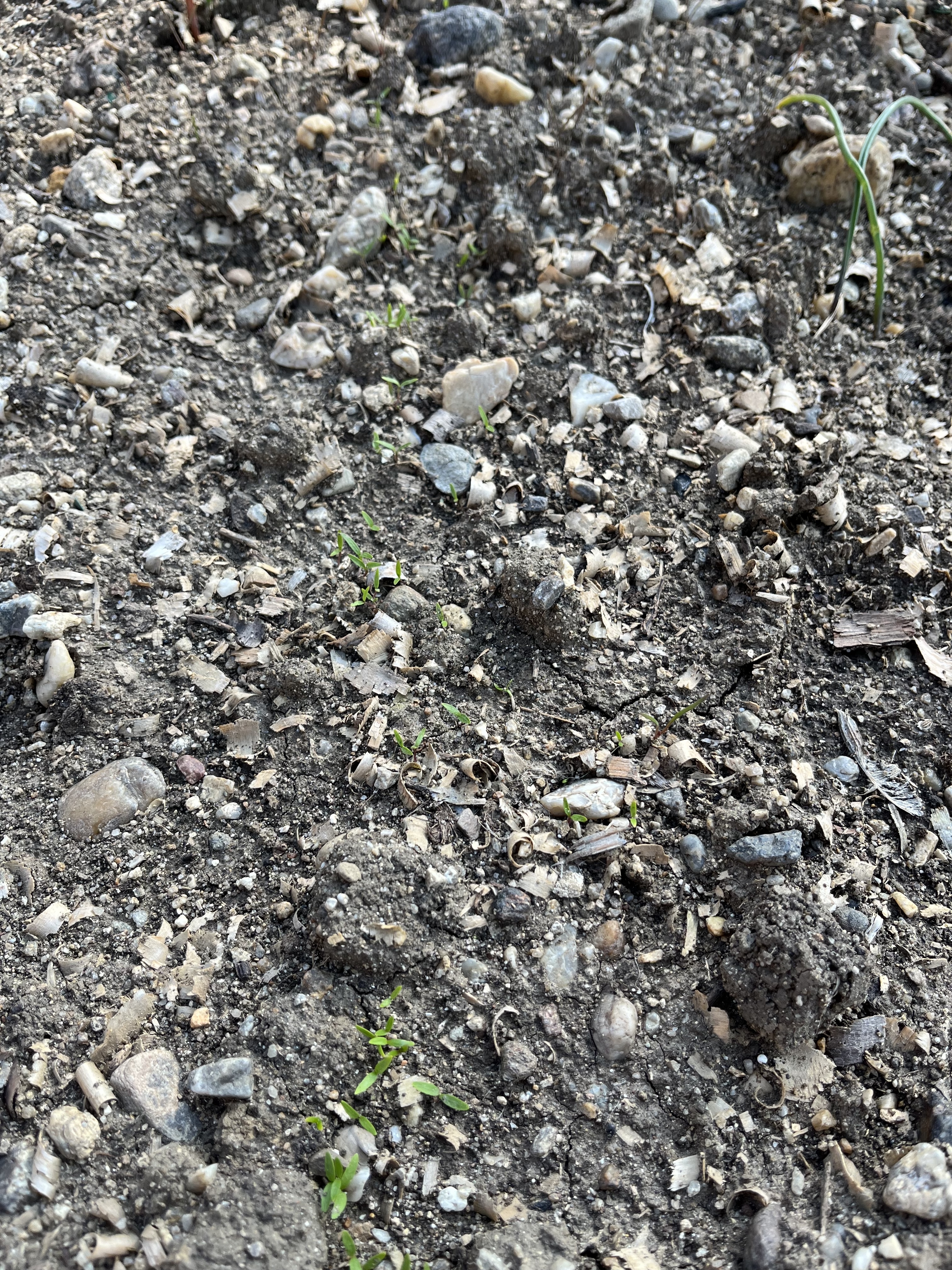
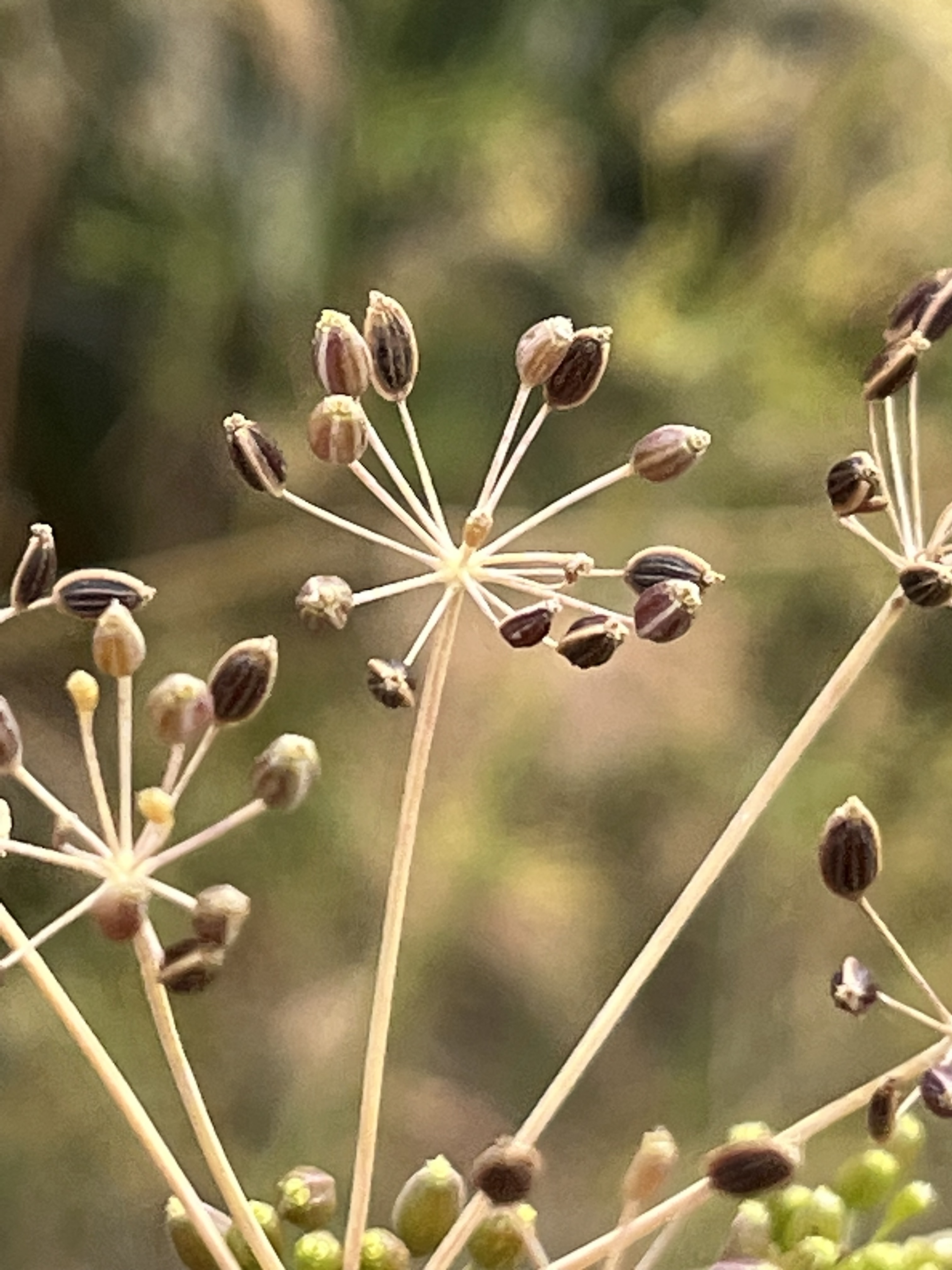
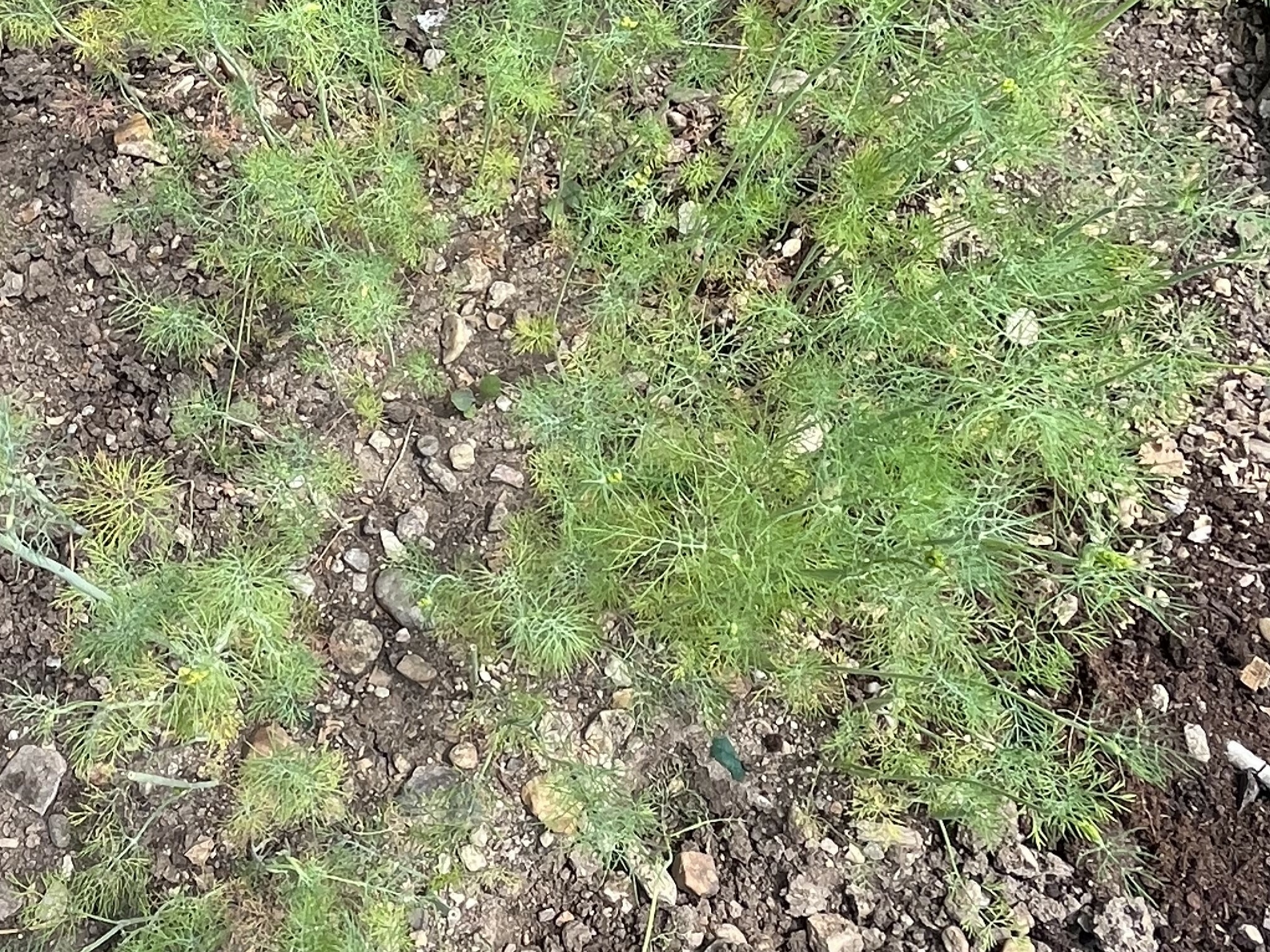
Short description of the species
Usage
or soups, meals, salads, jams, for canning vegetables, for the production of liqueurs and for processing vegetables, for flavoring meat, stews, pastries, bakery products and vinegarsInclusion in the sowing process and fertilization requirements
In our conditions, it is grown as an annual species with a short growing season.
track: II., III.
suitable pre-crops: legumes, cereals and roots
fertilization: Dill is included in the second to third track. It requires soil in an old silo.
varieties: When evaluating varieties within the framework of current breeding directions, features such as early maturity, high fertility, content and quality of essential oil, as well as a longer shelf life, as well as parameters such as the vegetation period - varies between 65-75 days, resistance to lodging, suitability for processing, freezing, drying or direct consumption.
Agricultural cultivation techniques
Propagation: direct sowing in early spring
Agro-technique of cultivation - bed method (directly into the soil)
| Month | I. | II. | III. | IV. | V. | VI. | VII. | VIII. | IX. | X. | XI. | XII. |
|---|---|---|---|---|---|---|---|---|---|---|---|---|
| Výsev | XX | XXX | XXX | XXX | XXX | XXX | XX | |||||
| Zber/ vňať, list | XXX | XXX | XXX | XXX | XXX | XXX |
Harvesting and storage: it is harvested green in bunches for direct use or for canning during the extension growth phase, when the plant has tender, fresh leaves. For kitchen use, it is harvested when the sedge reaches a height of 0.2-0.3 m.
Use: in soups, meals, salads, chalamades, when preserving vegetables, for the production of liqueurs and when processing vegetables, for flavoring meat, stews, pastries, bakery products and vinegars
Impact on human health:
Valuable ingredients: essential oils, flavonoids, vitamins (vit. C), minerals (Fe, Mg, Ca) and acid. Leafy
Phytotherapeutic groups: carminative, stomachic, lactagogue
Diseases and pests: Fusariosis, cercospora (Cercospora depressa), powdery mildew, downy mildew, root rot and aphids.
Labeling Plants with QR Codes
At the Faculty of Horticulture and Landscape Engineering at SPU in Nitra, we've created a project that offers visitors to our plantings a new way to discover the beauty and intriguing aspects of plants. Each plant in our plantings has its own unique QR code. All a visitor needs to do is scan this code with their smartphone.
Encyclopedy
Informácie
Kontakt
Fakulta záhradníctva a krajinného inžinierstva
Tulipánová 7, 949 76 Nitra
phone +421 (37) 641 4229 — study department
email henrieta.budayová@uniag.sk



Copyright © 2026 Faculty of Horticulture and Landscape Engineering