

 Slovenská verzia
- home
- Spices and aromatic plants
- Asteraceae
- Curry plant
- Curry plant
Curry plant
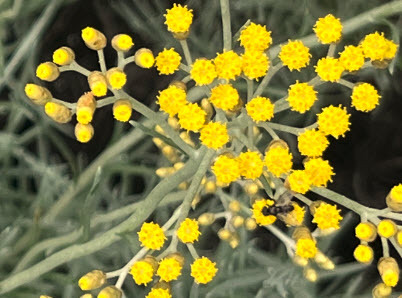
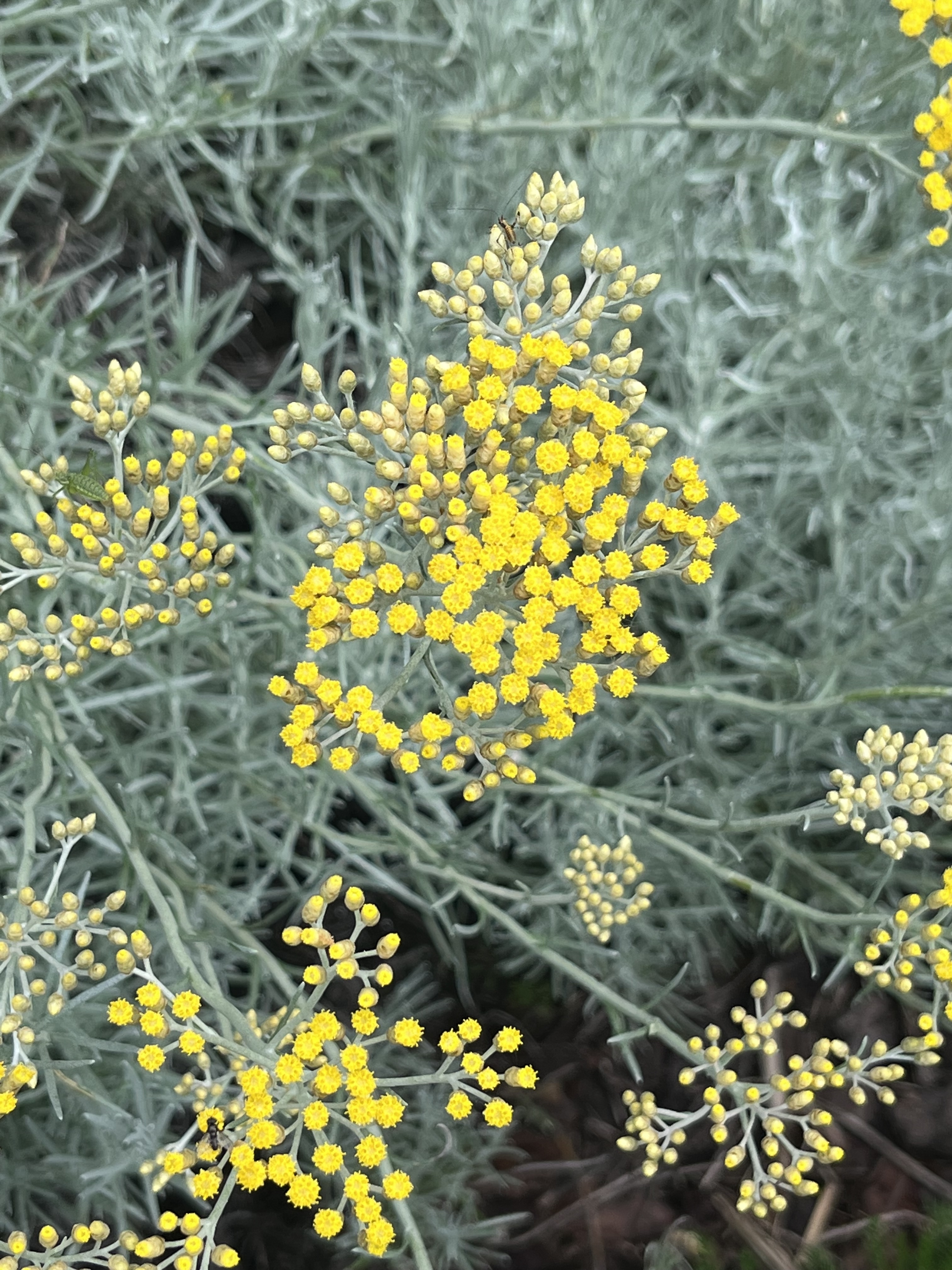
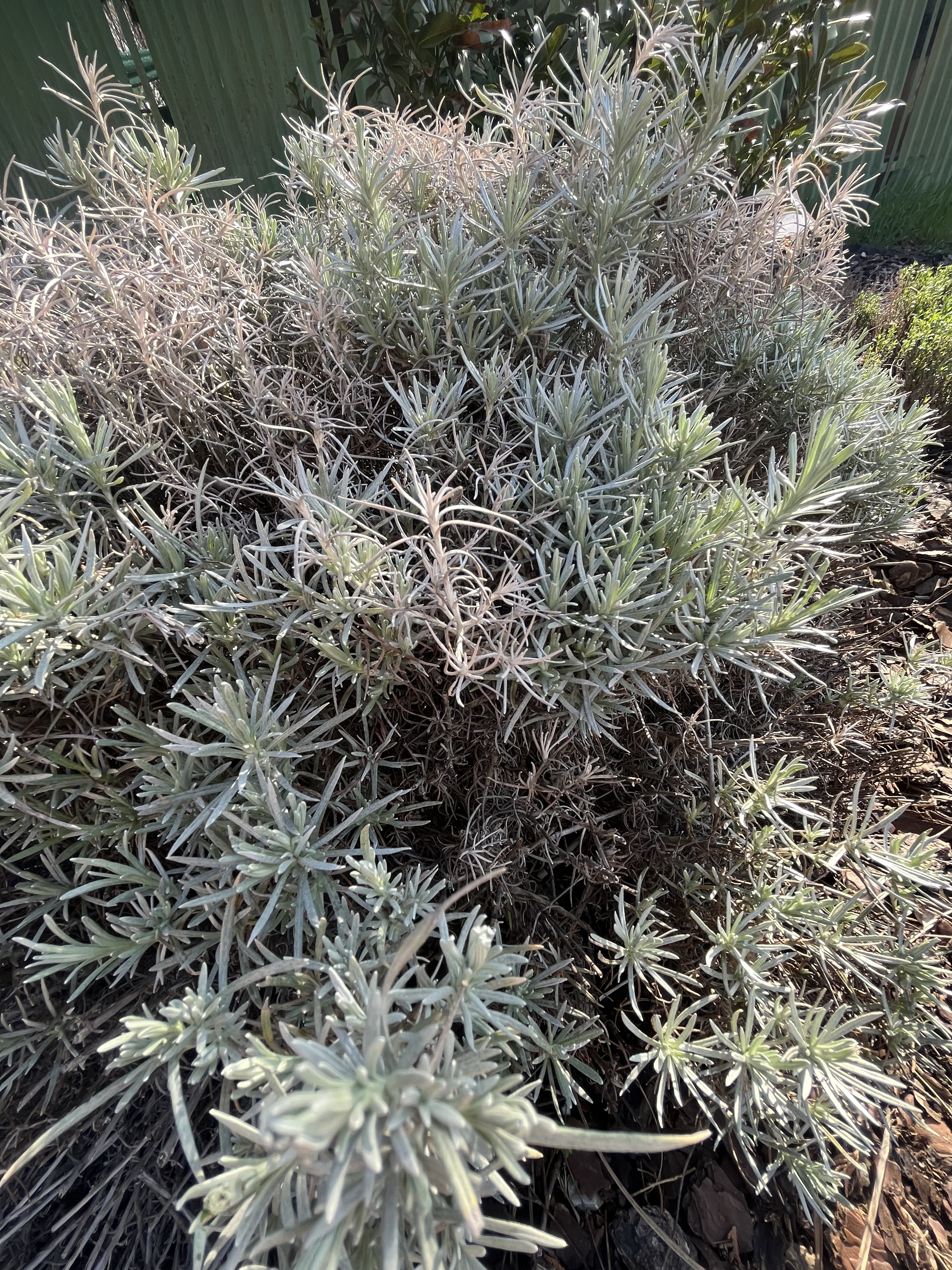
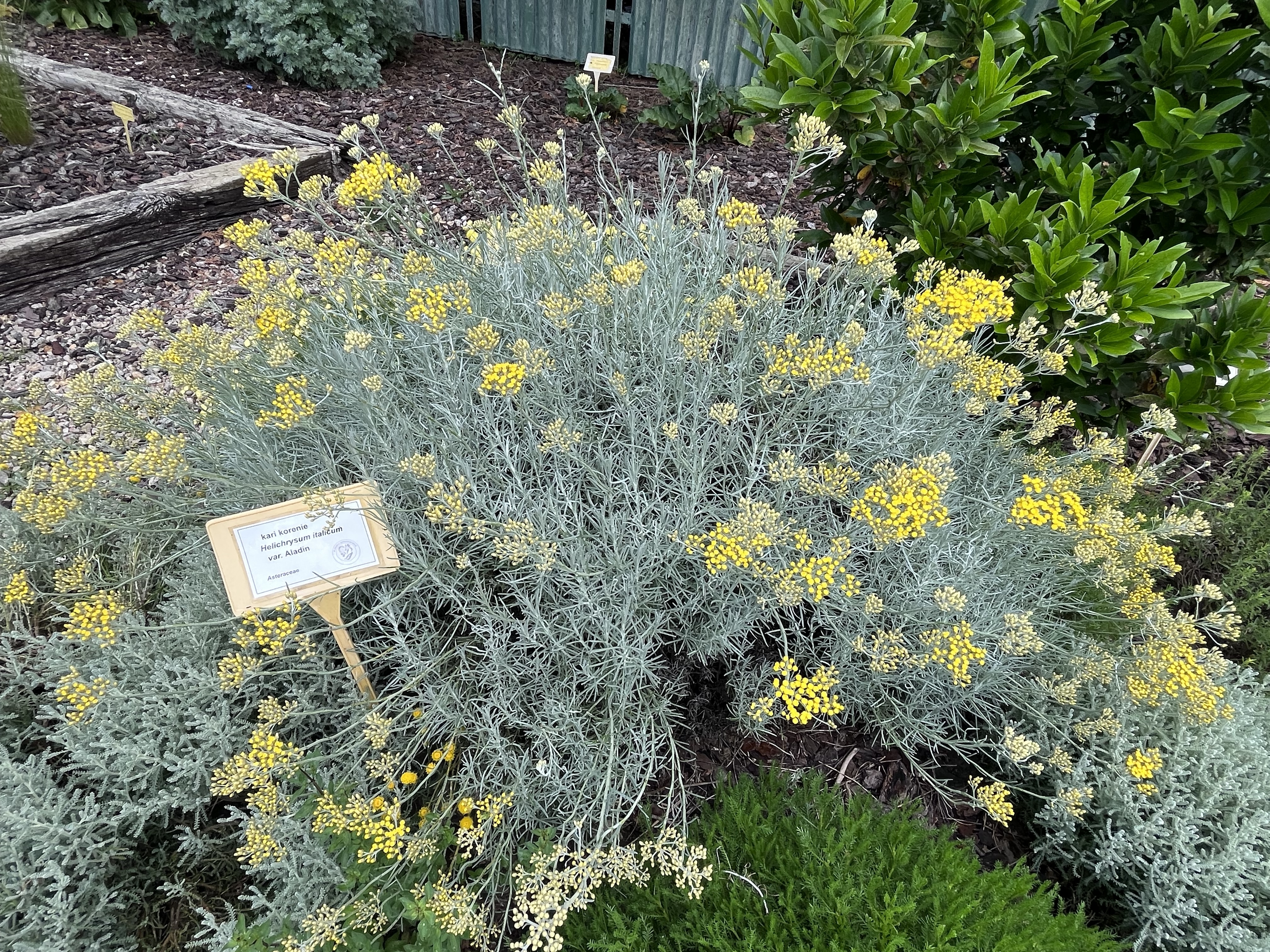
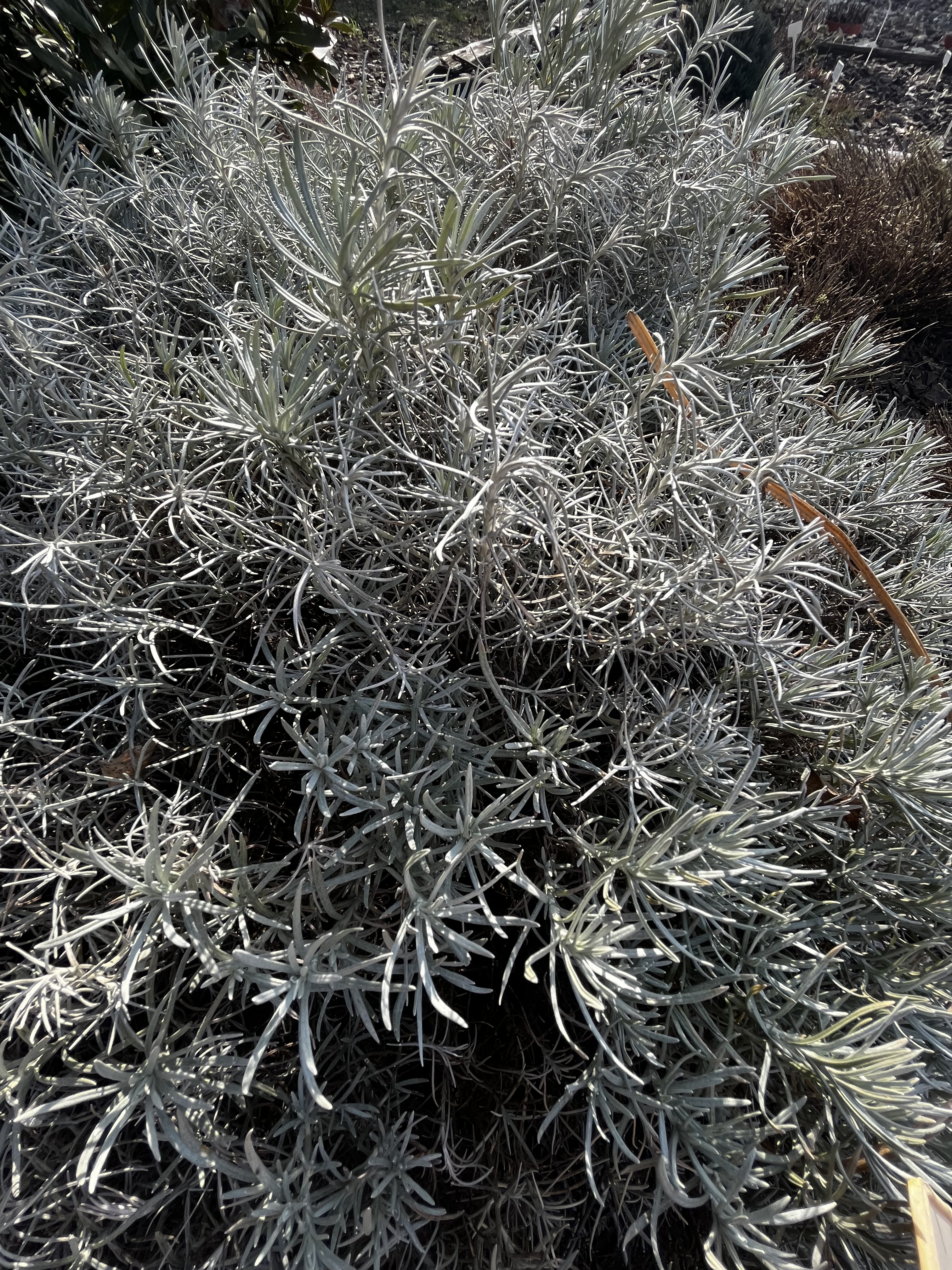
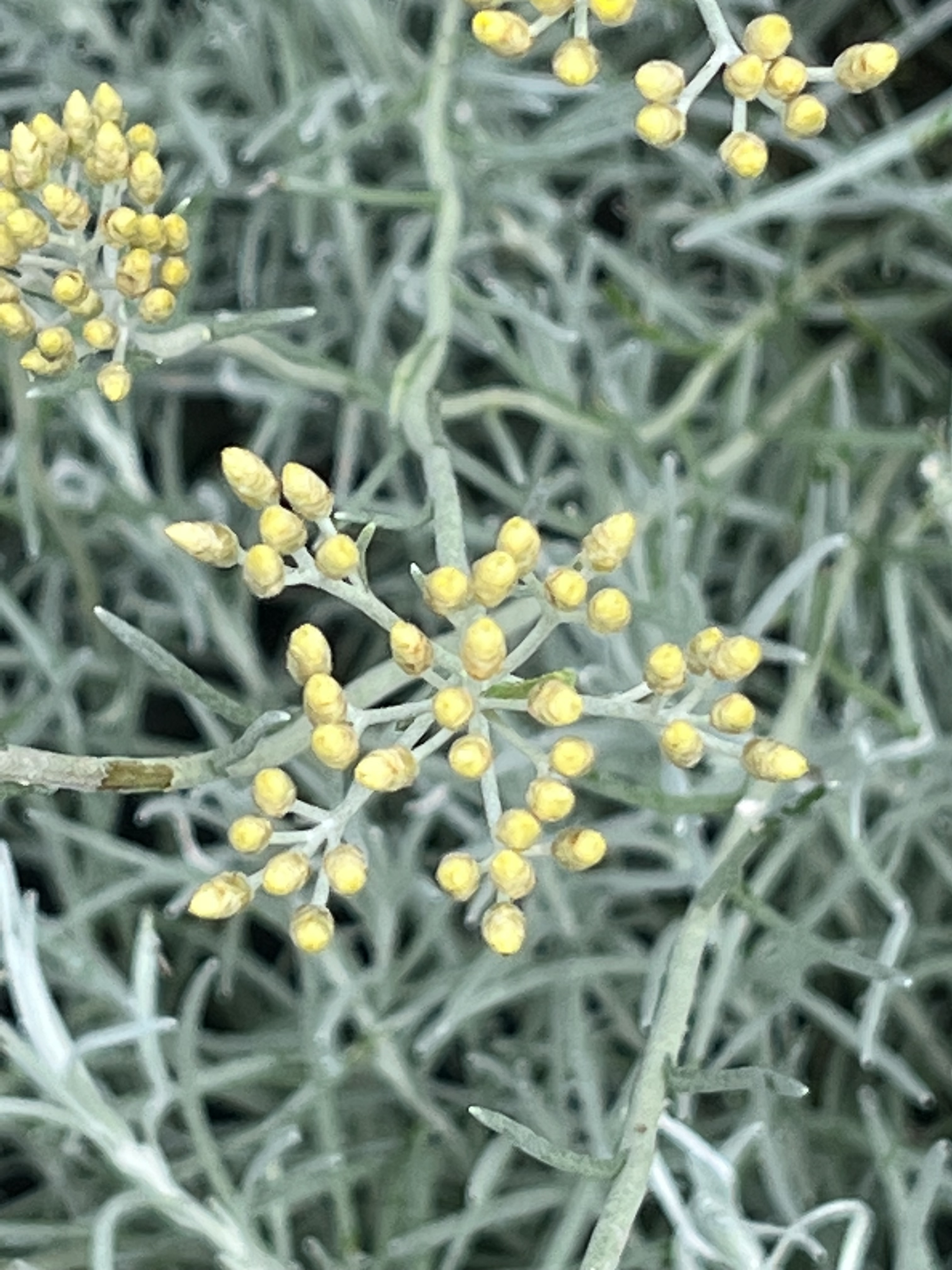
Short description of the species
Interesting
in the food industry it is used mainly for its distinct aromatic smell and taste, which are reminiscent of curry spicesUsage
leaves and flowers are added to meat, fish and vegetable dishes, rice or soups, where they add a mild, spicy taste reminiscent of curry and sageInclusion in the sowing process and fertilization requirements
It is an evergreen plant, during the mild winter it usually retains its above-ground part. If the plant is not sufficiently protected in areas with colder and longer frosts, the aerial part may die. In that case, the plant should be protected from frost by mulching or covering. If the plant is properly protected from severe frosts, it will start growing again in the spring.
Track: II.
Suitable pre-crops: cereals, legumes, roots Fertilization: does not require intensive fertilization
Agrotechnics of cultivation - can be propagated by seeds or cuttings
Agrotechnics of growing - from transplants (sowing seeds in covered areas)
| Month | I. | II. | III. | IV. | V. | VI. | VII. | VIII. | IX. | X. | XI. | XII. |
|---|---|---|---|---|---|---|---|---|---|---|---|---|
| Sowing / covered areas | X | X | ||||||||||
| Planting | X | XX | ||||||||||
| Harvest / herb, flover | XXX | XXX | XXX |
Harvest - during the flowering period, which is usually in the summer months, from June to August, when the flowers are in full bloom, Helichrysum italicum (EO) essential oils are produced from the glandular hairs present on the leaves and flower heads by hydrodistillation and steam distillation
Use: leaves and flowers are added to meat, fish and vegetable dishes, rice or soups, where they add a mild, spicy taste reminiscent of curry and sage
Valuable ingredients: flavonoids, α-pyrones, phenolic acids, acetophenones, monoterpenes, sesquiterpenes and triterpenes
Phytotherapeutic groups: antiphlogistic, antibiotic, antioxidant
Diseases and pests: a relatively resistant plant to pests, but it can occasionally be attacked by aphids, whiteflies and cicadas. Common diseases include powdery mildew and root rot.
Labeling Plants with QR Codes
At the Faculty of Horticulture and Landscape Engineering at SPU in Nitra, we've created a project that offers visitors to our plantings a new way to discover the beauty and intriguing aspects of plants. Each plant in our plantings has its own unique QR code. All a visitor needs to do is scan this code with their smartphone.
Encyclopedy
Informácie
Kontakt
Fakulta záhradníctva a krajinného inžinierstva
Tulipánová 7, 949 76 Nitra
phone +421 (37) 641 4229 — study department
email henrieta.budayová@uniag.sk



Copyright © 2026 Faculty of Horticulture and Landscape Engineering