

 Slovenská verzia
- home
- Fruits - general part
- Berry fruit
- Currants
Currants
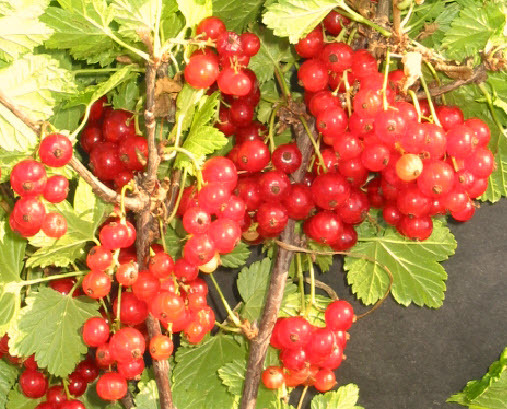
Short description of the species
Interesting
One cup of red or white currants provides about 77% of the daily intake of vitamin C. The fruit is also loaded with fiber, vitamin K and manganese, and also contains iron and potassium.Usage
direct consumption, processing into nectar and juices, distillation, jams, wineSuitable growing locations
Currants are particularly demanding on the humus content of the soil. Medium-heavy soils with a pH of 5.5-7.0 suit them. They generally do well in higher growing locations, up to 600m, black up to 300m. The average annual temperature should be around 6-8°C, for black 7-9°C, annual precipitation should be in the range of 500-700mm.
Suitable growing forms
Currants can be grown in the form of a bush, in a clip of 2.5-3 x (0.3) 0.7-0x9 m, or in the form of a tree on a golden currant rootstock. Currants can also be grown in the form of a wall, when individual shoots are tied to a support in the form of a babmus peg.
Suitable varieties
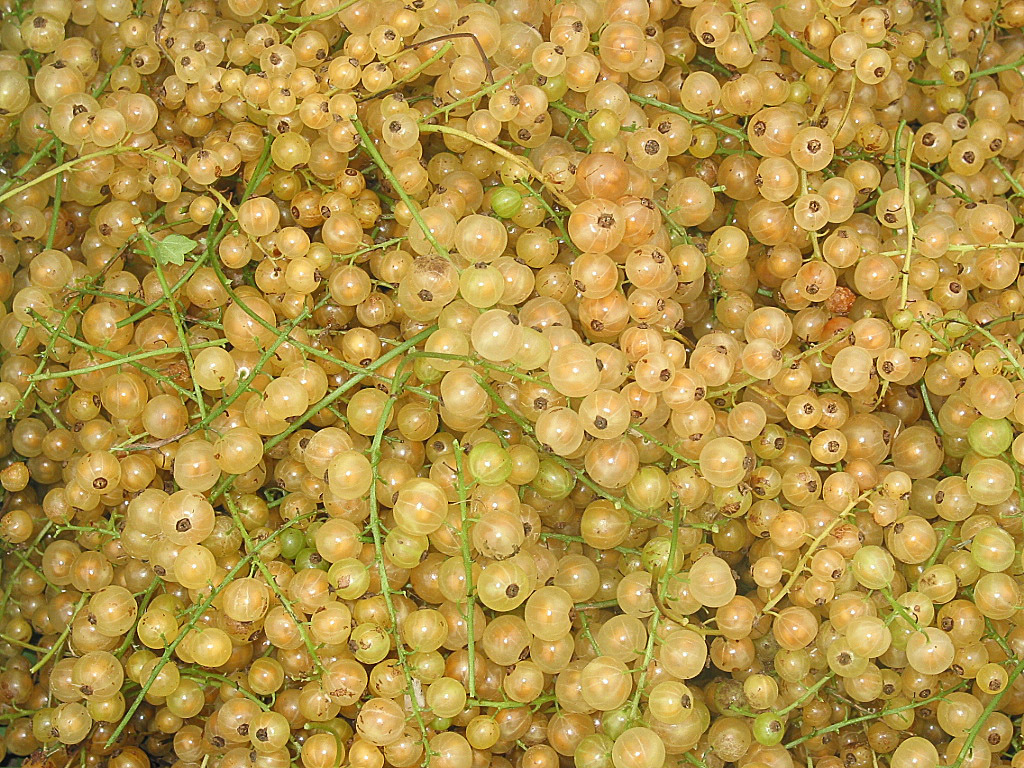
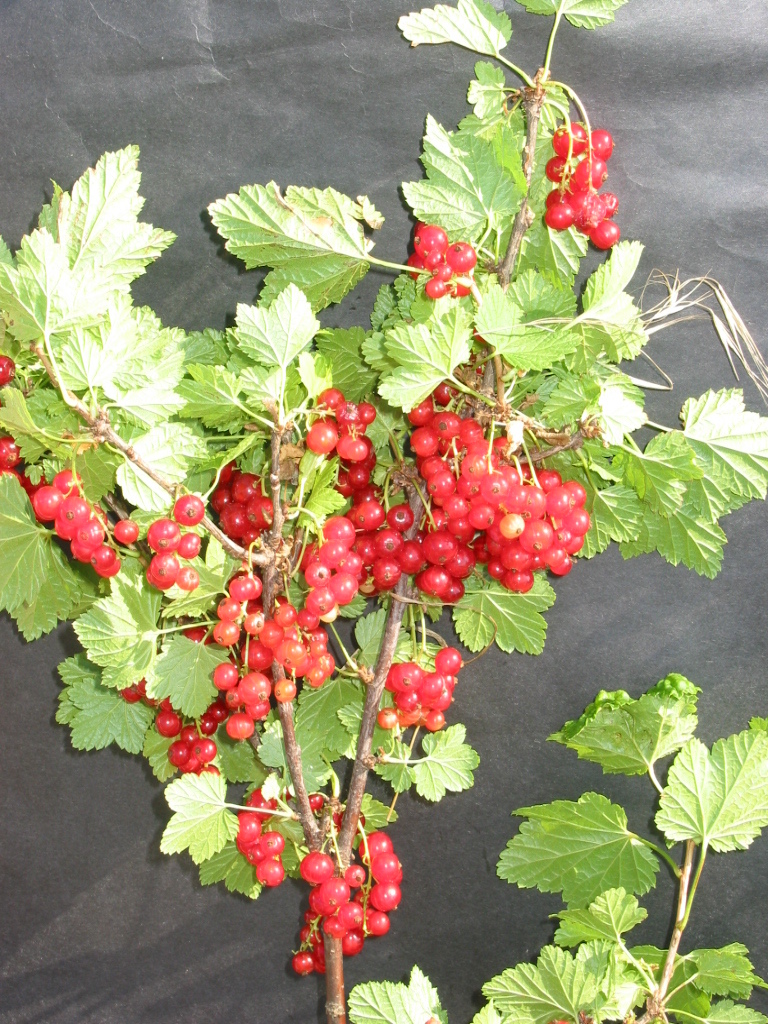
Among suitable varieties of red currants, we especially recommend the Rovada variety with large berries and long tassels and the Junifer variety. Jonkheer van Teets, or Detvan and Tatran are also suitable varieties. Black currants include the Swedish varieties Titania and Triton and the older variety Ojebyn, the Polish varieties Tiben and Tisel, the Slovak varieties Eva, Otelo, Favorit and the Scottish nobles Ben Lomond, Ben Nevis and others. For white currants, we recommend the Slovak varieties Primus and Blanka.
Diseases and pests
diseases: anthracnose
pests: aphids
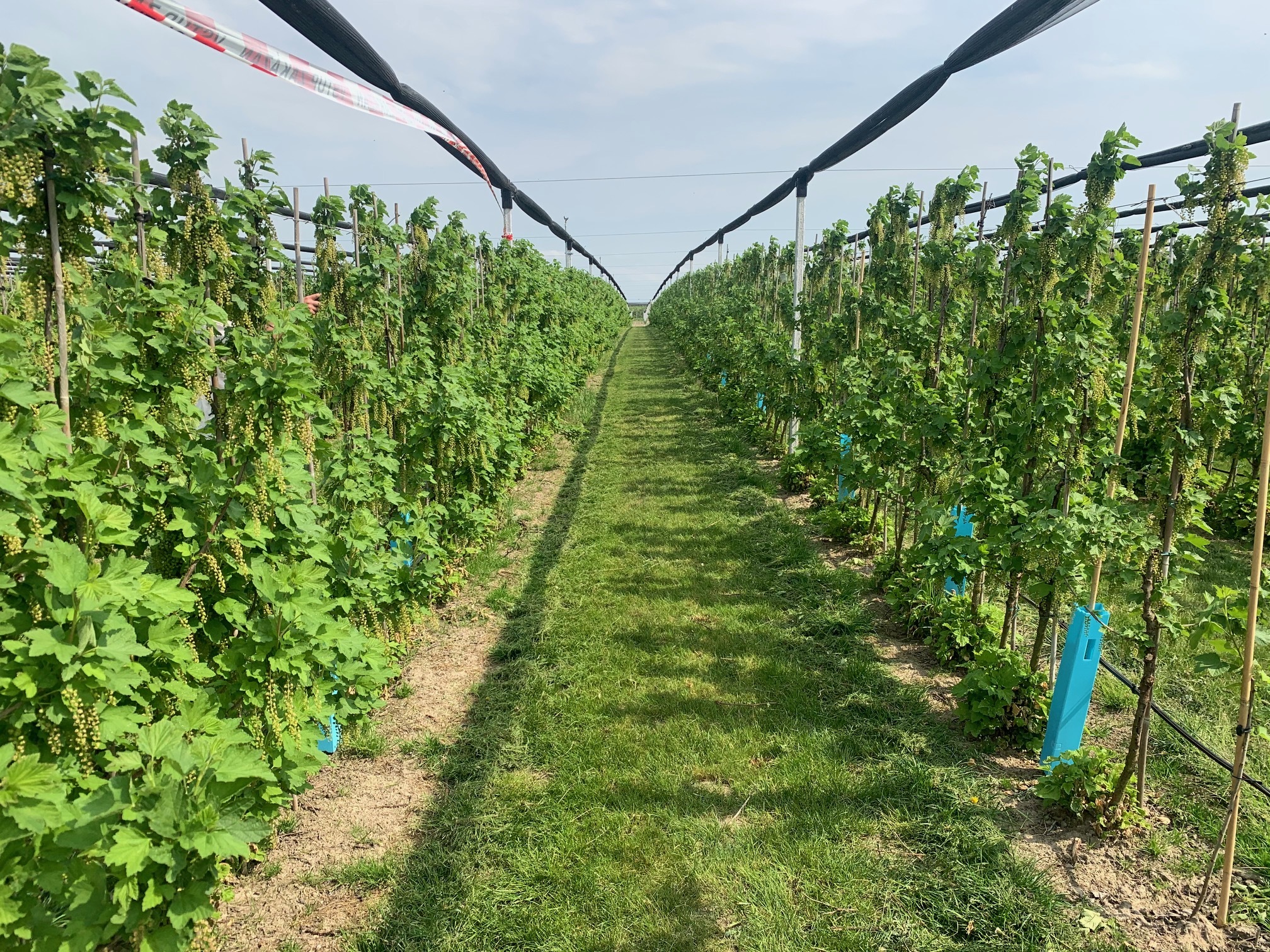
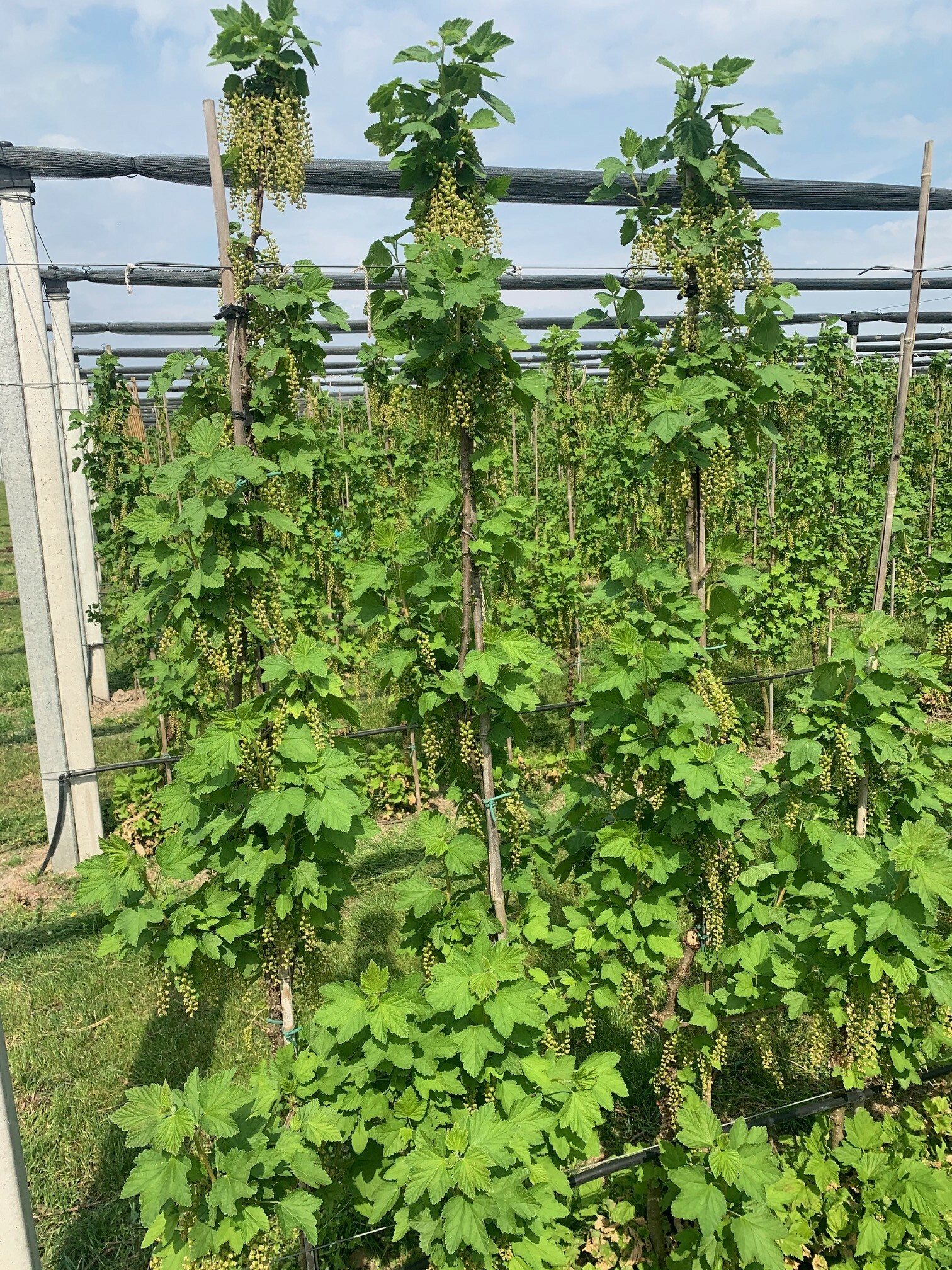
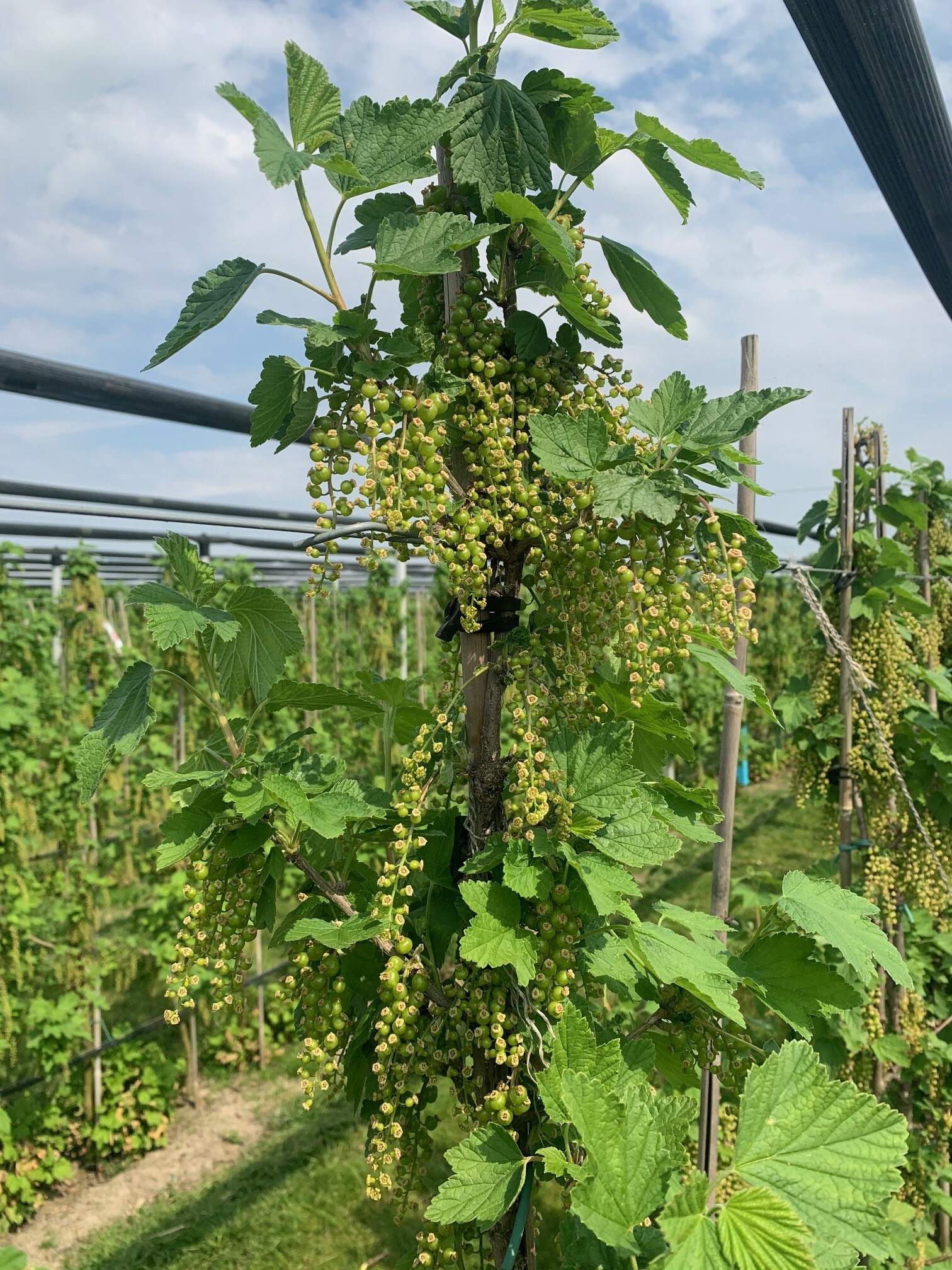
Labeling Plants with QR Codes
At the Faculty of Horticulture and Landscape Engineering at SPU in Nitra, we've created a project that offers visitors to our plantings a new way to discover the beauty and intriguing aspects of plants. Each plant in our plantings has its own unique QR code. All a visitor needs to do is scan this code with their smartphone.
Encyclopedy
Informácie
Kontakt
Fakulta záhradníctva a krajinného inžinierstva
Tulipánová 7, 949 76 Nitra
phone +421 (37) 641 4229 — study department
email henrieta.budayová@uniag.sk



Copyright © 2026 Faculty of Horticulture and Landscape Engineering