

 Slovenská verzia
- home
- Edible and medicinal mushrooms
- Cultivated mushroom
- Cultivated mushroom
Cultivated mushroom
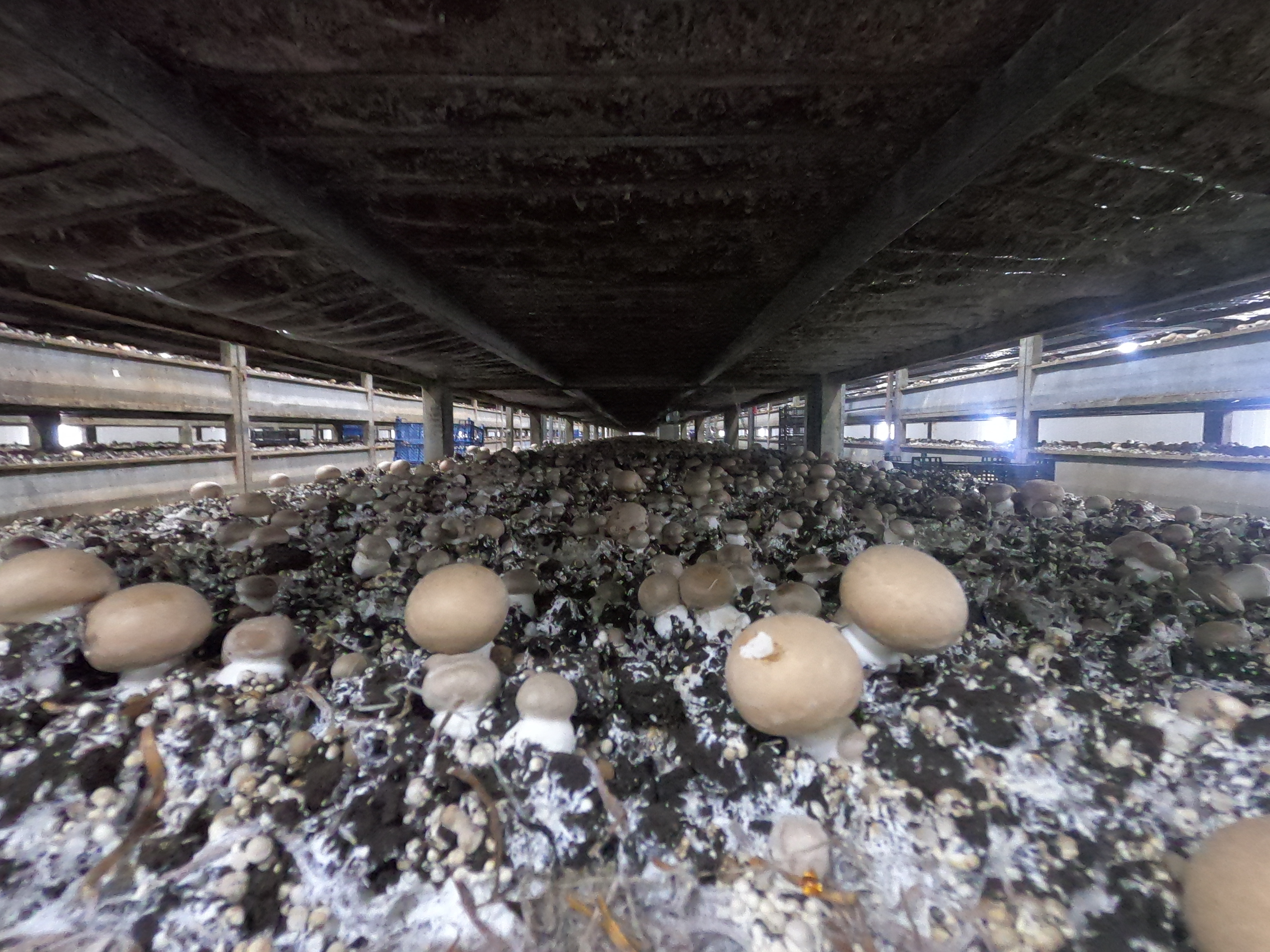
Short description of the species
Usage
Fresh mushrooms are ideal for salads, soups, sauces, grilling and baking, while dried and canned varieties are suitable for quick preparation of various dishes.Brief description of the species:
Origin: the species Agaricus bisporus, known as the two-spored mushroom, originates in Europe and North America. This species is widely distributed in temperate regions around the world. It occurs naturally in meadows and fields enriched with organic material such as compost and manure.
classification: edible mushroom
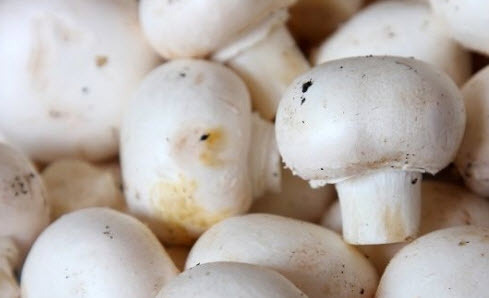
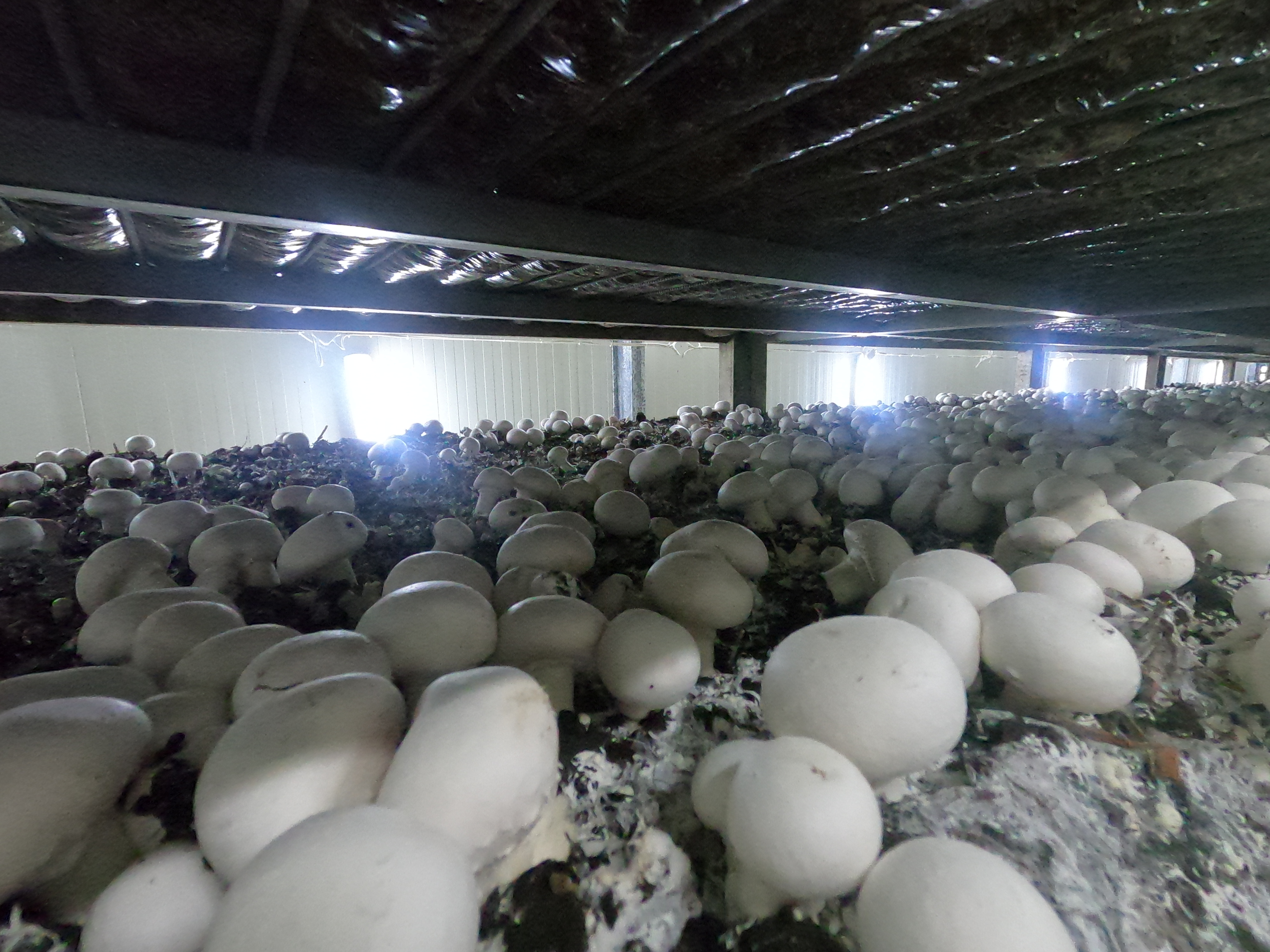
growth: the cap is white to light brown, smooth or slightly scaly. The leaves are loose, dense, initially pale pink, later chocolate brown. The pulp is cylindrical, white or cream, ring-shaped. The flesh is white, firm, turns slightly brown when cut.
height: the hat has a diameter of 5-10 cm, the depth is cylindrical and reaches a length of 3-6 cm and a diameter of 1-2 cm.
Requirements for the environment:
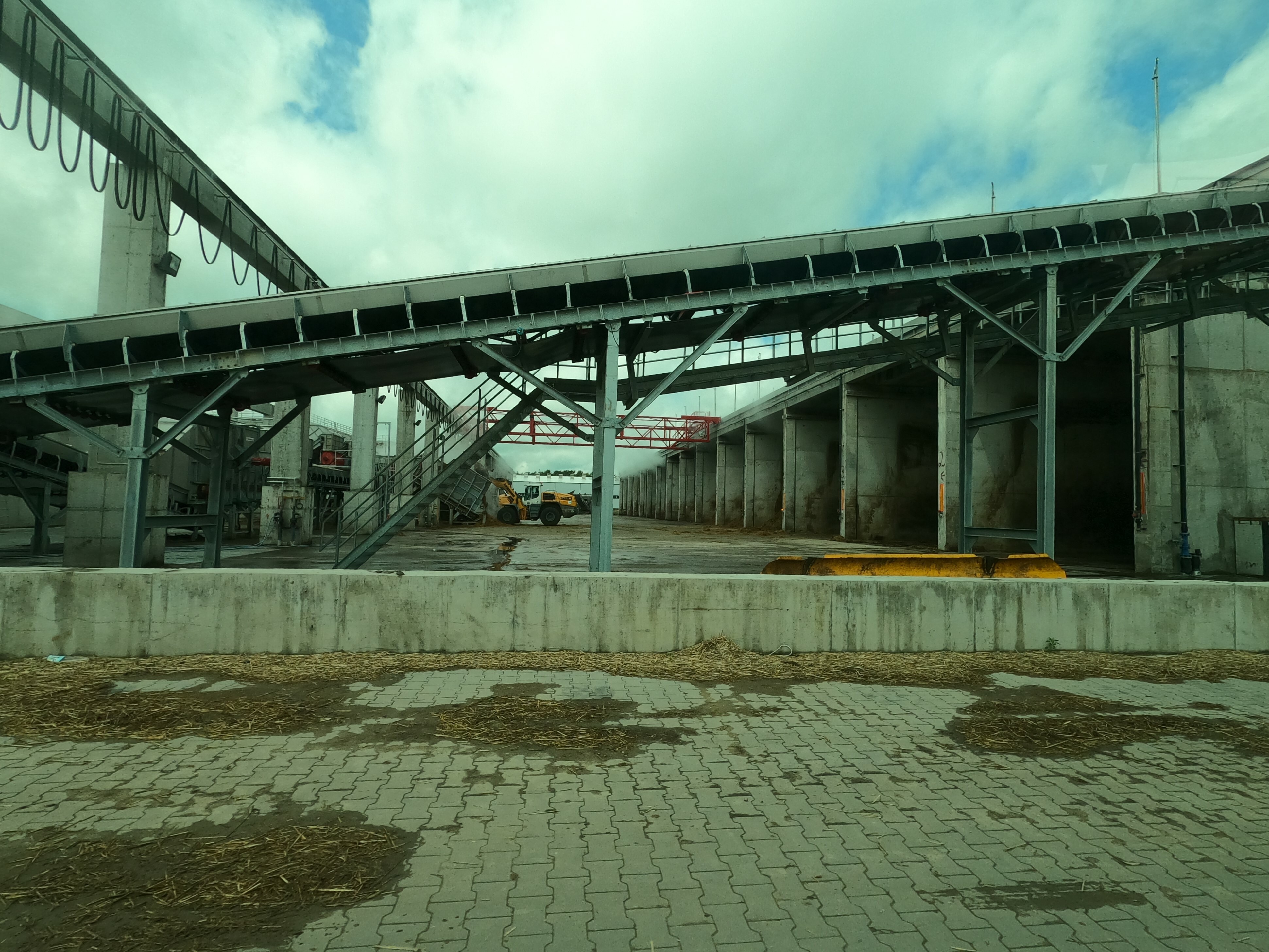
Soil/substrate: requires a rich organic substrate, often made from compost consisting of horse manure, straw and other plant materials. The substrate must be properly prepared and fermented to eliminate pathogens and improve nutrient availability for the mycelium.
pH: ideally around 6.8-7.2 optimum temperature for the growth of plants: the optimum temperature for the growth of mycelium is between 23-25°C. After colonization of the substrate, the temperature drops to 16-18°C, which supports the formation of fruiting bodies. Maintaining a stable temperature is key to ensuring the healthy growth and development of the two-spore oven frost resistance: it is grown in frost-free conditions
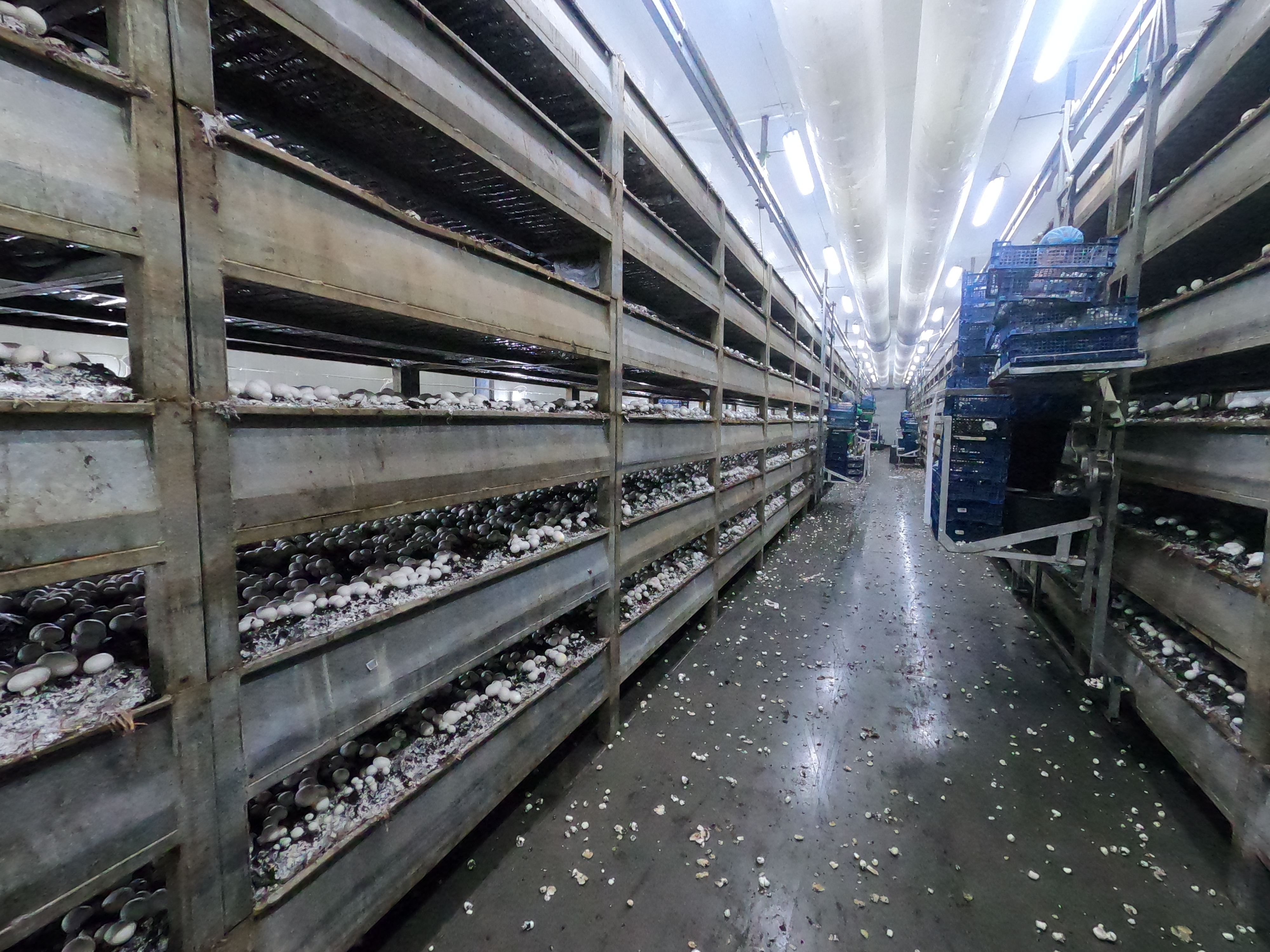
Light: Agaricus bisporus does not require light for the growth of mycelium, but for better formation of fruiting bodies it is recommended to illuminate the cultures with 300-500 lux for 12-14 hours. The strong light of culture is damaging. Water: optimal humidity of the substrate is 65-75%. During the phase of mycelial growth, the relative humidity can be lower, around 60-70%, during the phase of fructification, 85-95%.
Agrotechnics of growing and harvesting
Propagation: the prepared substrate is inoculated with so-called seedling, which is the carrier of the mycelium of a specific mushroom production strain. This seed is usually produced by specialized companies under strictly sterile conditions and is available on the market all year round.
Harvesting: fruiting bodies are ready for harvesting when they reach the optimal size for their specific type of use (canning industry, over-the-counter sales, barbecue ovens). For counter sales, however, the ovens are collected when their caps are still partially closed or slightly open. The fruiting bodies gently grasp the depth near the substrate. The fruiting bodies are released from the substrate by gently turning and slightly pushing. The fruiting bodies grow in the so-called waves or flush, with the first wave being the most abundant. Subsequent waves may come at intervals of 7-14 days.
Storage: freshly harvested fennels are stored in a cool, moist environment to extend their shelf life. Ideal storage conditions are at an air temperature of 2-4°C and a relative air humidity of 85-90%.
Uses: the two-spore mushroom is a popular edible mushroom used in kitchens around the world for its delicate taste and versatility. Fresh breadcrumbs are ideal for salads, soups, sauces, grilling and baking, while dried and canned varieties are suitable for quick preparation of various dishes.
Diseases and pests:
among the most common diseases is green mold caused by the fungus Trichoderma spp., which attacks the mycelium and fruiting bodies, reducing the yield and quality of the mushrooms. Other common fungal infections include Mucor and Neurospora spp., which can cause spoilage of fruiting bodies. Bacterial diseases caused by various bacteria can lead to rotting and a slimy surface of fruiting bodies. Pests that attack ovens include mites that damage the mycelium, insect larvae that can cause physical damage to fruiting bodies, and slugs.
Labeling Plants with QR Codes
At the Faculty of Horticulture and Landscape Engineering at SPU in Nitra, we've created a project that offers visitors to our plantings a new way to discover the beauty and intriguing aspects of plants. Each plant in our plantings has its own unique QR code. All a visitor needs to do is scan this code with their smartphone.
Encyclopedy
Informácie
Kontakt
Fakulta záhradníctva a krajinného inžinierstva
Tulipánová 7, 949 76 Nitra
phone +421 (37) 641 4229 — study department
email henrieta.budayová@uniag.sk



Copyright © 2026 Faculty of Horticulture and Landscape Engineering