

 Slovenská verzia
- home
- Fruits - general part
- Miscellaneous fruit
- Blueberry
Blueberry
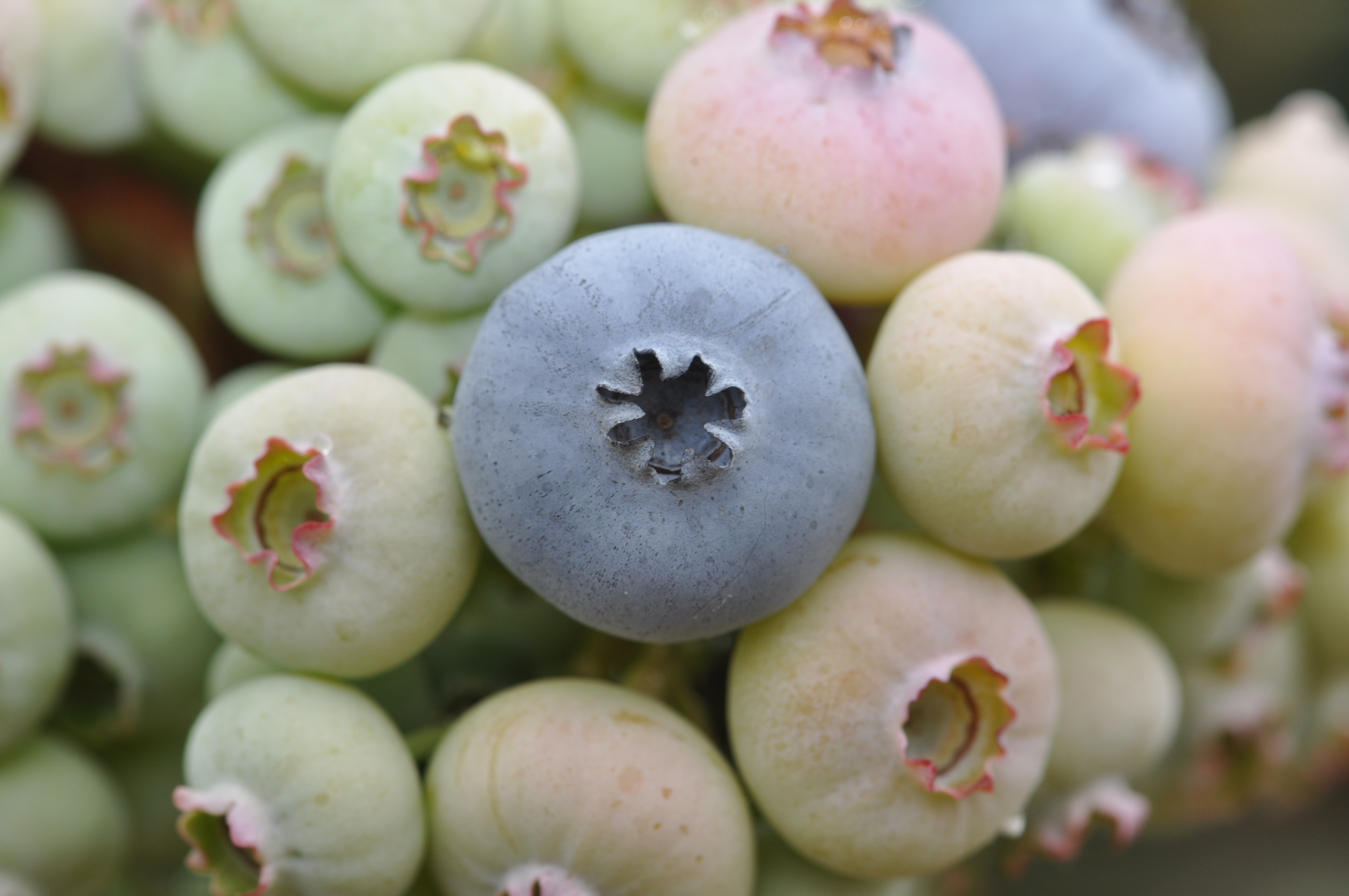
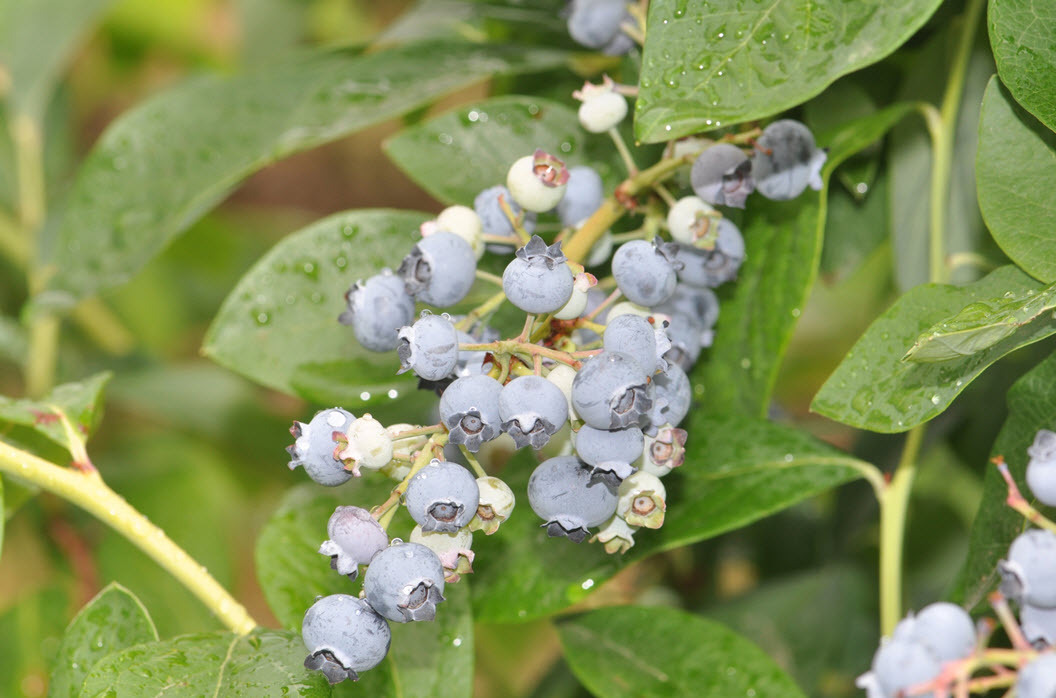
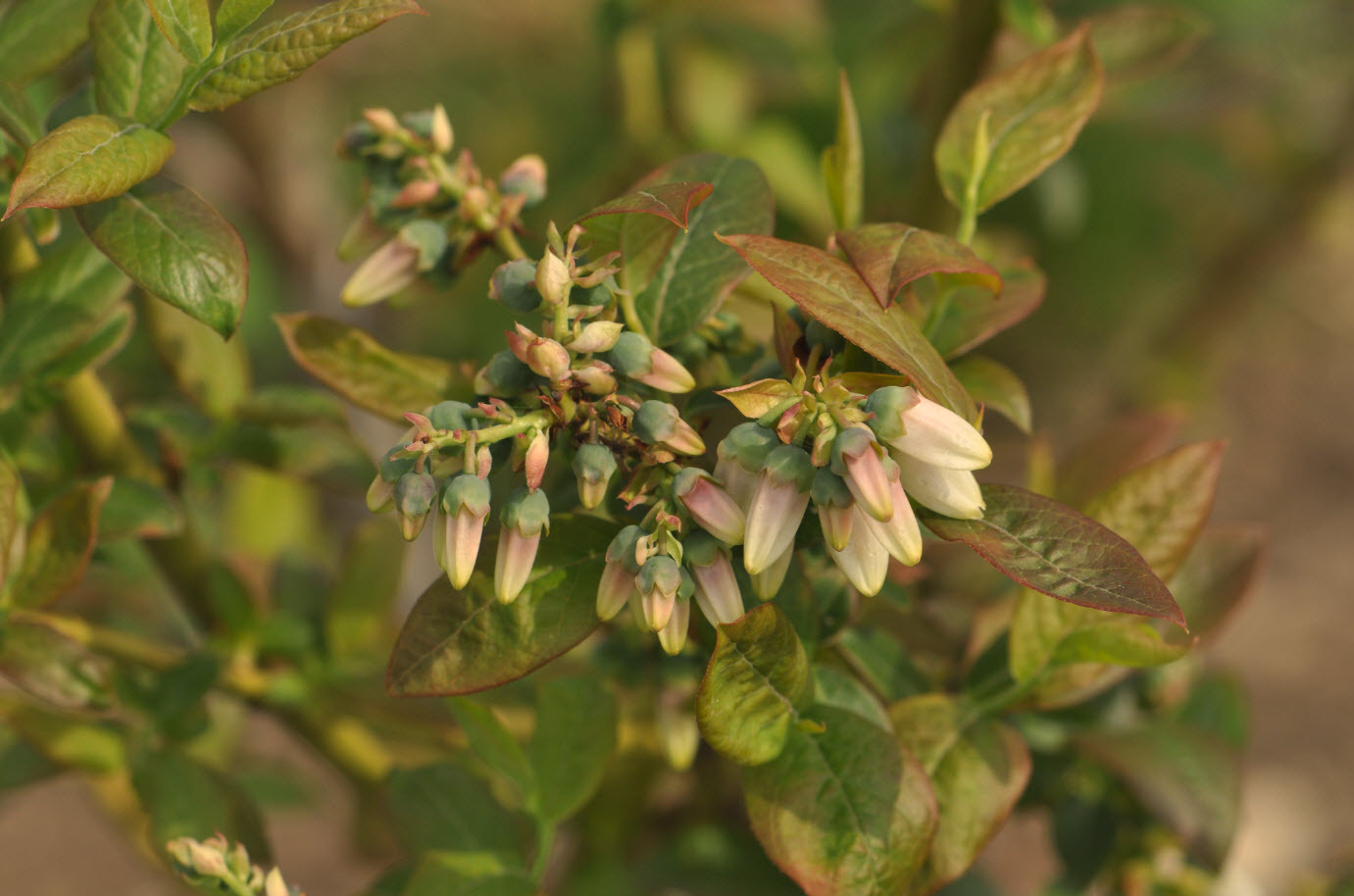
Short description of the species
Interesting
In 2021, world blueberry production was 1.1 million tons, led by the United States with 32% of global production, Peru with 20% and Canada with 13%.Usage
Blueberries are sold fresh or processed as quick-frozen fruit, puree, juice or dried or compote.Suitable growing locations
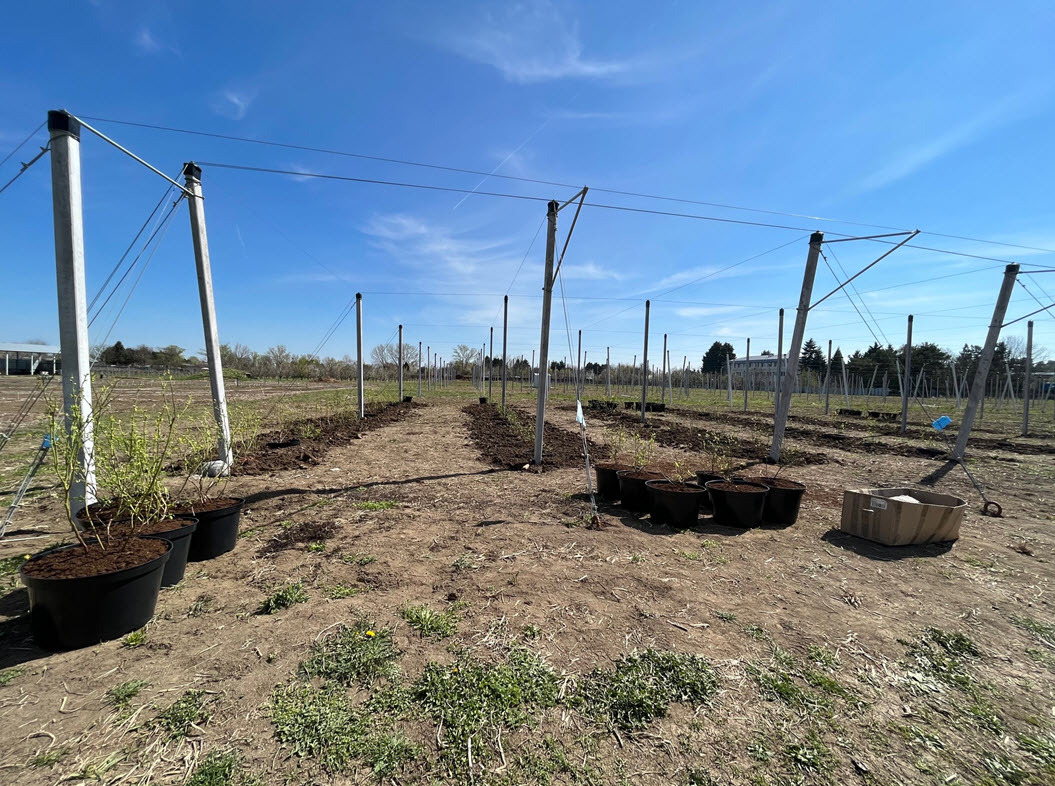
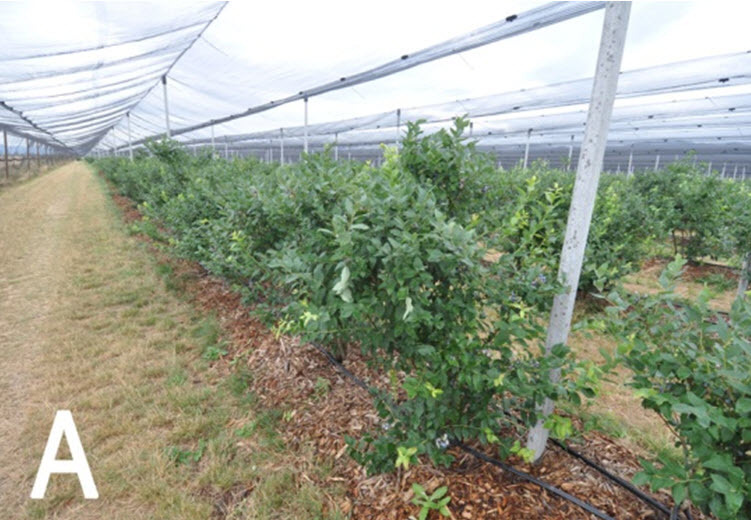
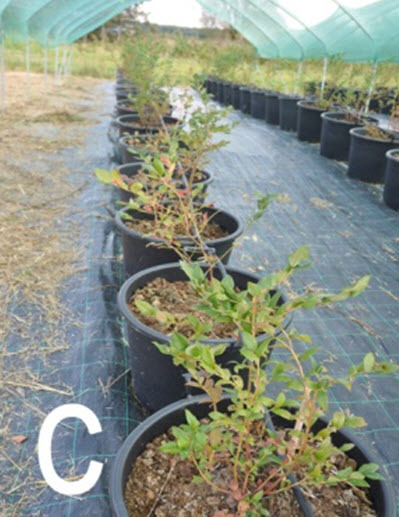
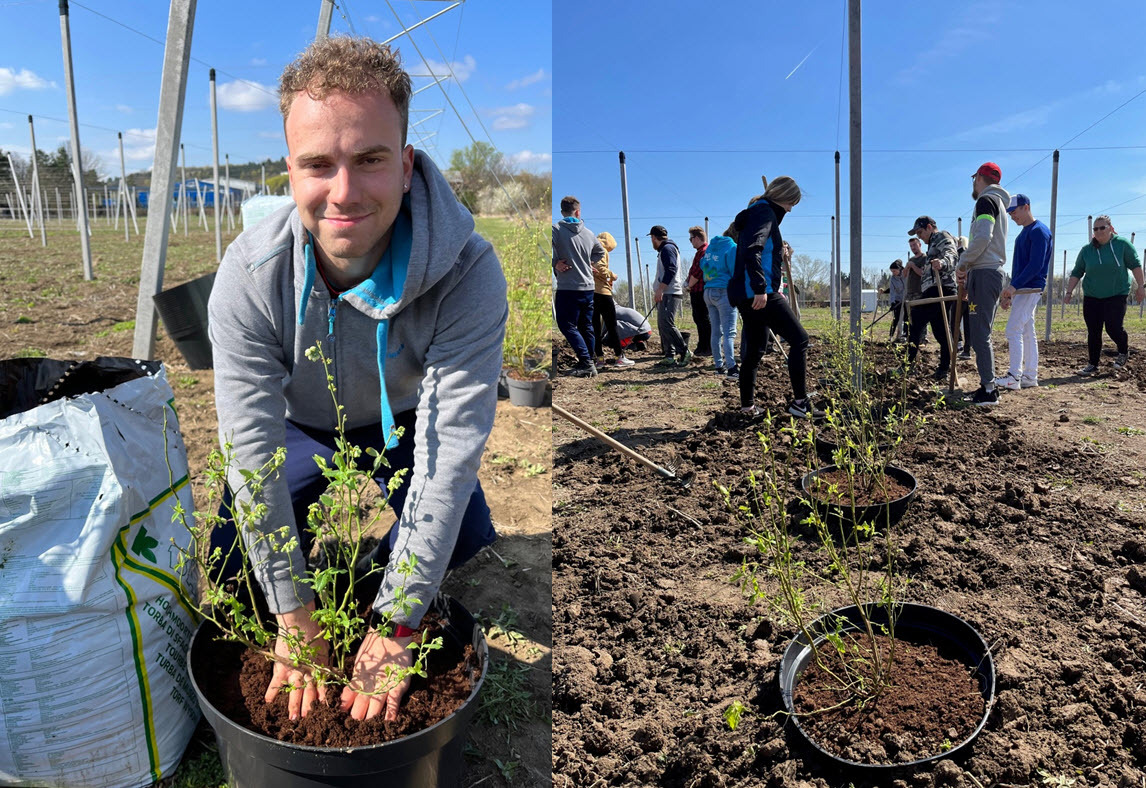
The most important factor in growing blueberries is soil pH. Blueberries are best suited to a pH of 3.2 - 4.2. At this value, plants grow optimally and achieve regular harvests. We therefore choose light soils with a high proportion of organic matter, which naturally creates an acidic environment. For soils with a higher pH, we recommend filling a pre-dug pit or a part of the soil profile that we mill (1.0x0.5m) with a mixture of upland peat, forest rake, sawdust and bark, and planting the plants in this foundation. Another measure is adjusting the pH of the soil throughout its profile. We reduce the soil reaction by adding elemental sulfur and over several years depending on the buffering capacity. Since these measures are both financially and time-consuming, in our conditions a possible solution is to grow the tree in large containers, which we may or may not sink into the ground. We grow them in open ground, but we recommend growing them in foil tunnels or under the nets.
Cultivation technology, pruning and training
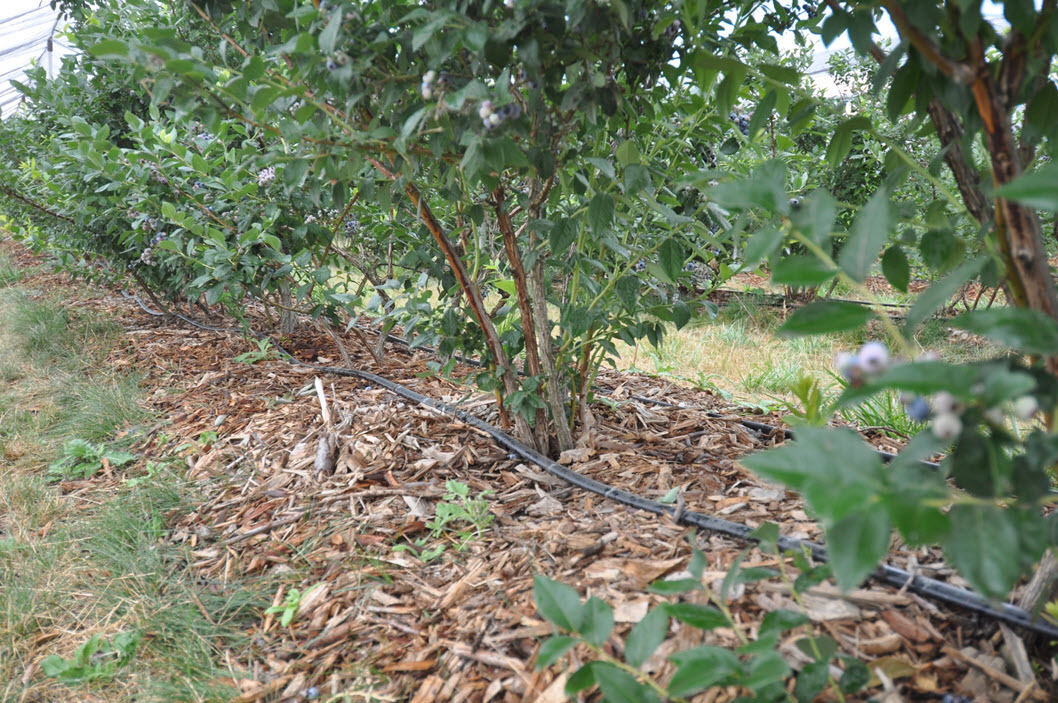
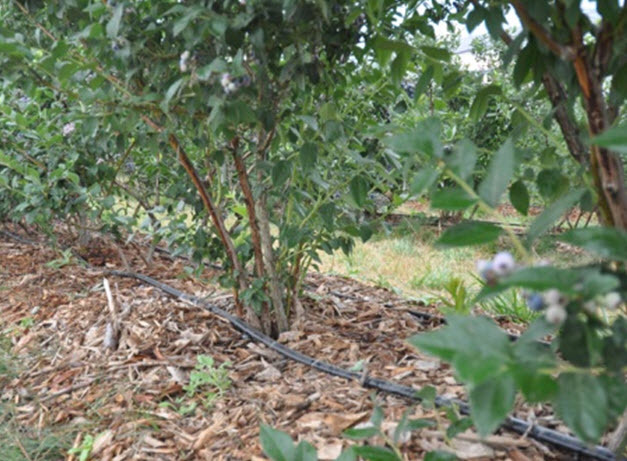
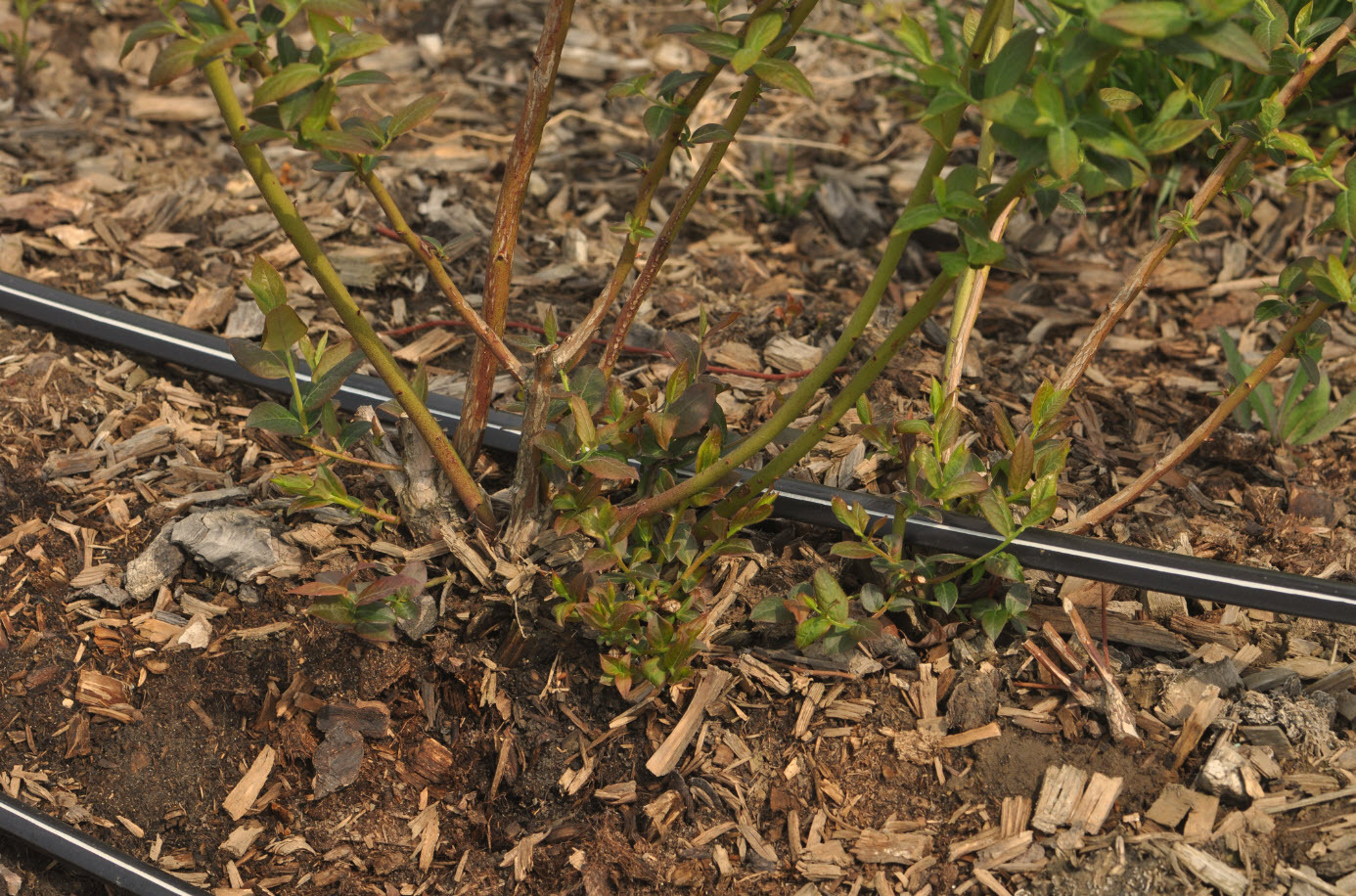
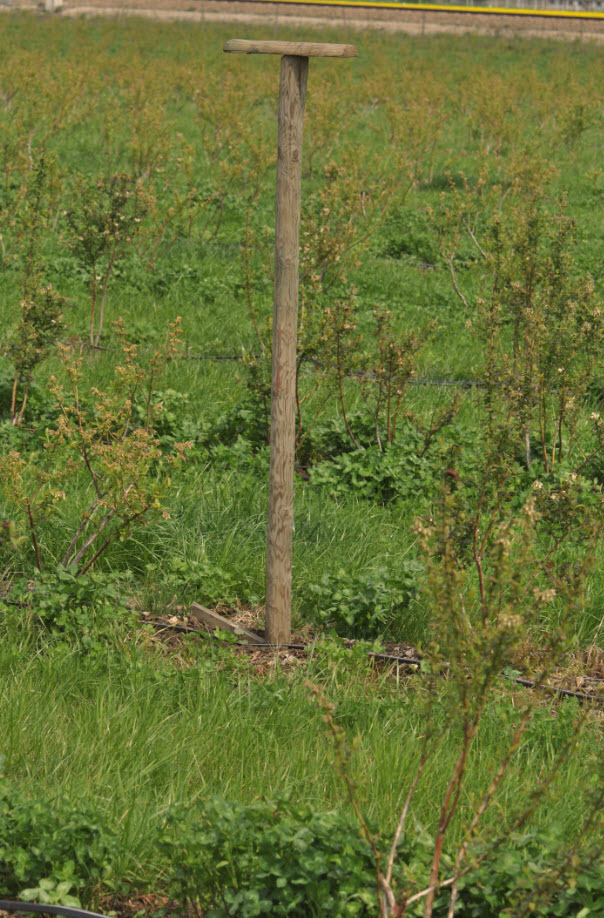
Blueberry has a basitonic character of branching, fertility is usually in the terminal part of the shoots, depending on the variety, on old wood or even basic shoots growing from the base of the plant, the most valuable is vital 2 to 3-year-old wood. We grow them in a clip of 3.0-3.5 x 1.0-1.5m. A properly cultivated form is a bush with 10 to 20 branches, gradually built up, with annual renewal of 1/4 to 1/5 of the number of branches by selecting suitable basic shoots after reaching the desired number of branches. As a rule, support is not necessary.
Varieties
There is a whole range of varieties on the market at the moment, the choice is large. We recommend sorting them according to ripening. Varieties ripening in mid-July include Reka, Sunrise, Bluetta, Duke. Patriot, Northland, Nelson, Elliot, Chandler ripen at the end of July. At the beginning of August, Bluecrop, Blueray, Bluegold, Darrow ripen. In mid-August it ripens, for example Berkeley.
Pests and diseases
- diseases: anthracnose, gray rot, brown rot, diaport bark necrosis, phytophthora rot, viruses
- pests: aphids, Drosophila japonica, roundworms, cutworms, mites, thrips, whiteflies
Labeling Plants with QR Codes
At the Faculty of Horticulture and Landscape Engineering at SPU in Nitra, we've created a project that offers visitors to our plantings a new way to discover the beauty and intriguing aspects of plants. Each plant in our plantings has its own unique QR code. All a visitor needs to do is scan this code with their smartphone.
Encyclopedy
Informácie
Kontakt
Fakulta záhradníctva a krajinného inžinierstva
Tulipánová 7, 949 76 Nitra
phone +421 (37) 641 4229 — study department
email henrieta.budayová@uniag.sk



Copyright © 2026 Faculty of Horticulture and Landscape Engineering