

 Slovenská verzia
- home
- Spices and aromatic plants
- Apiaceae
- Coriander
- Coriander
Coriander
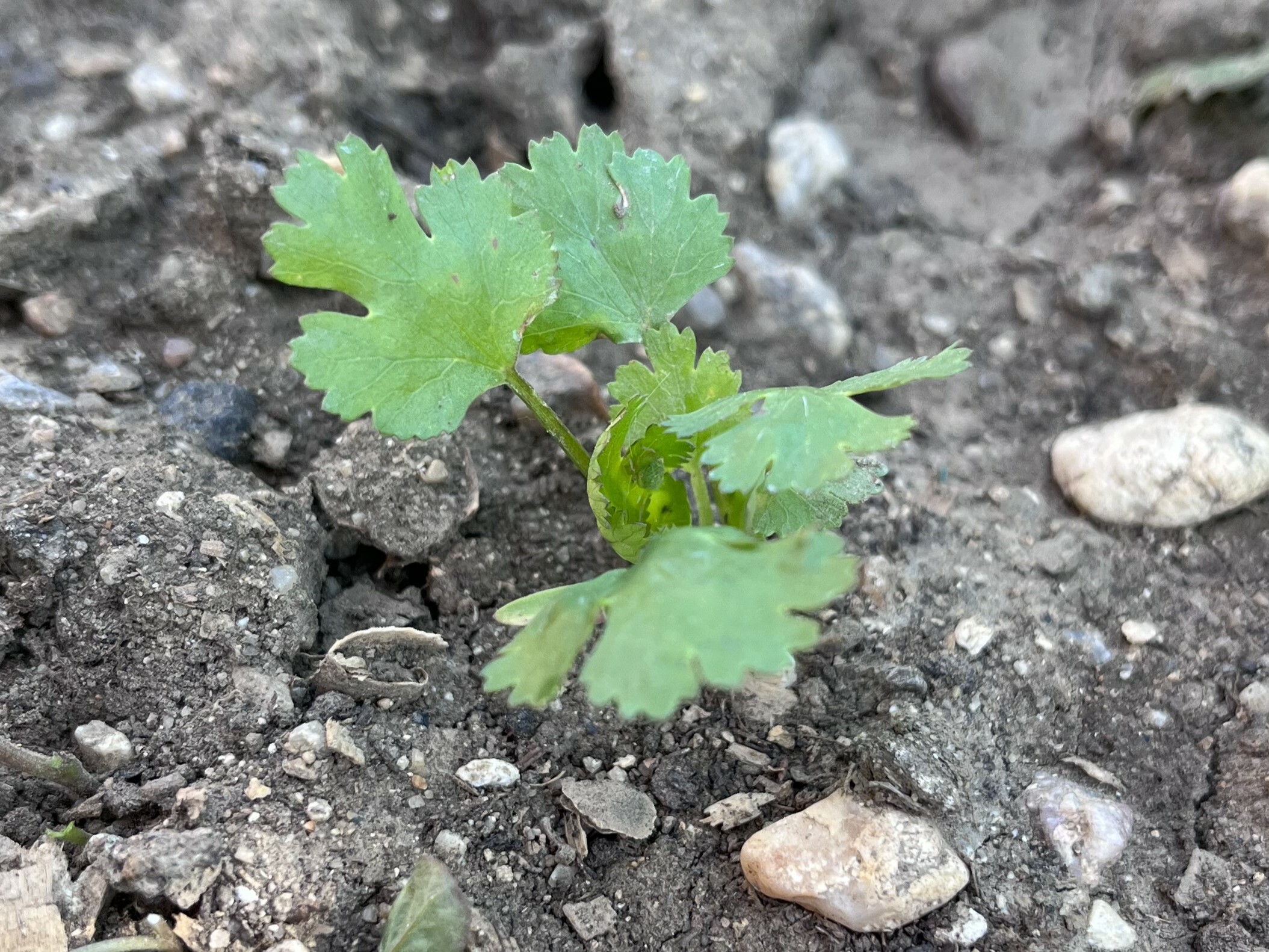

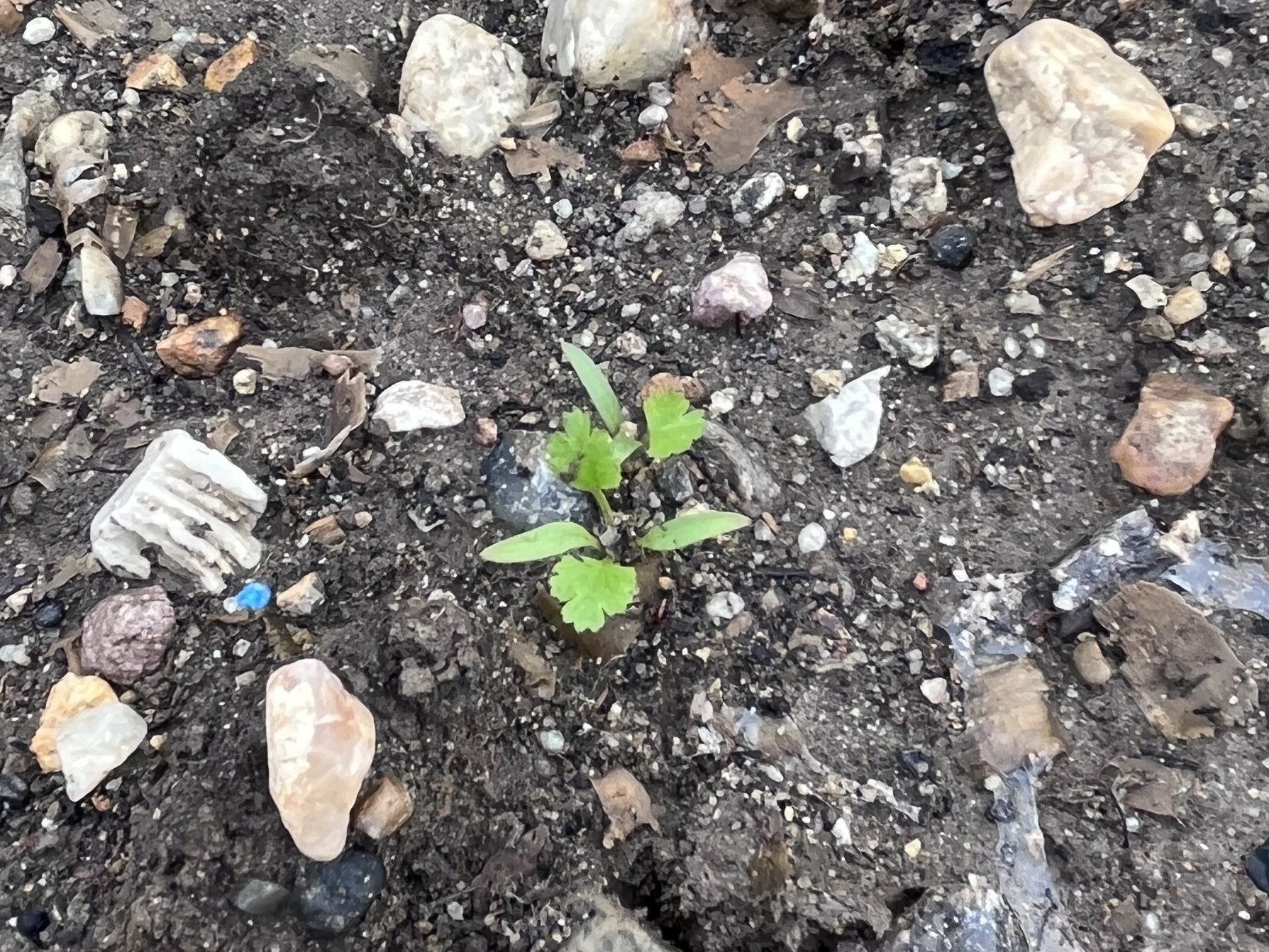
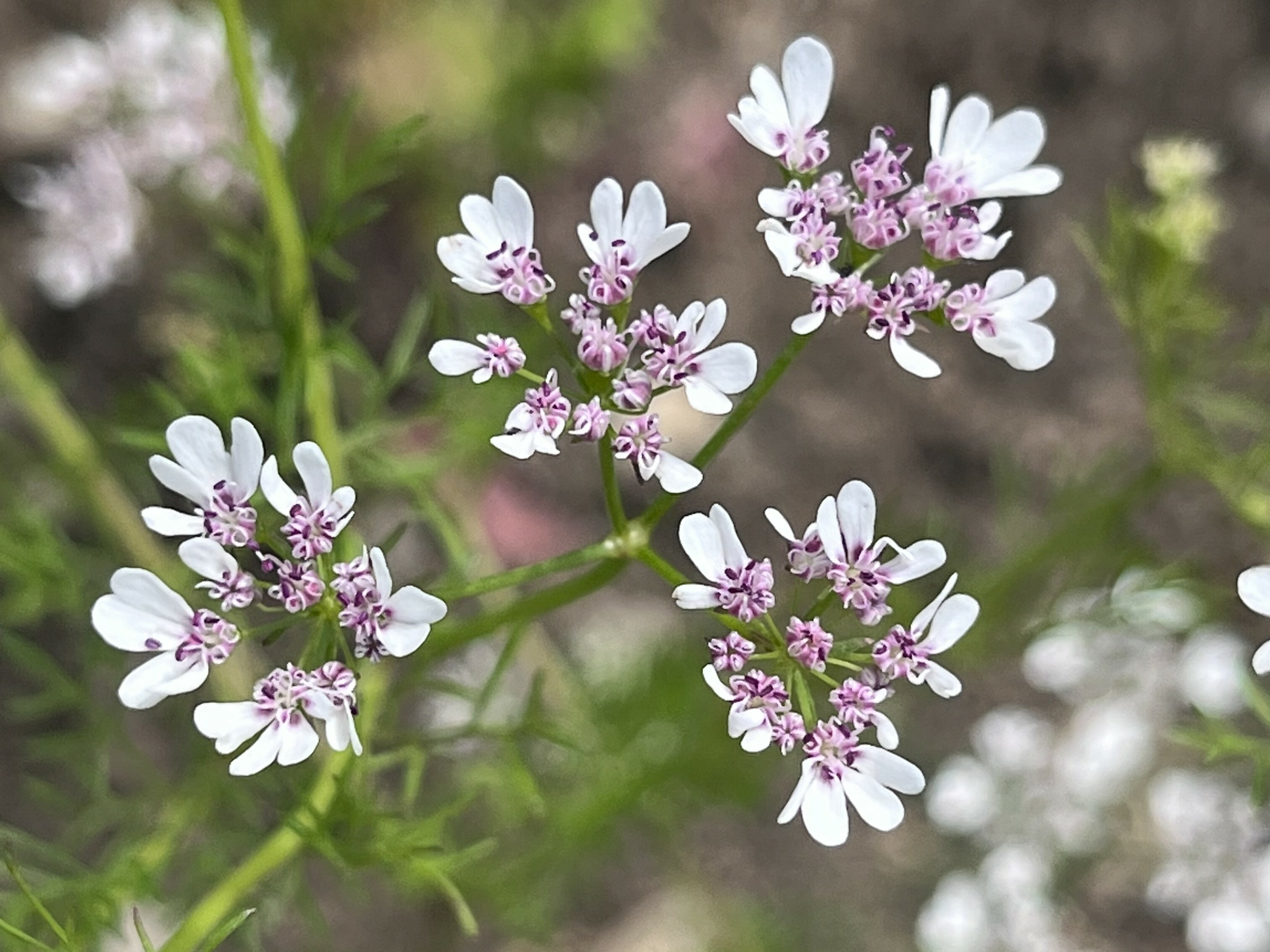
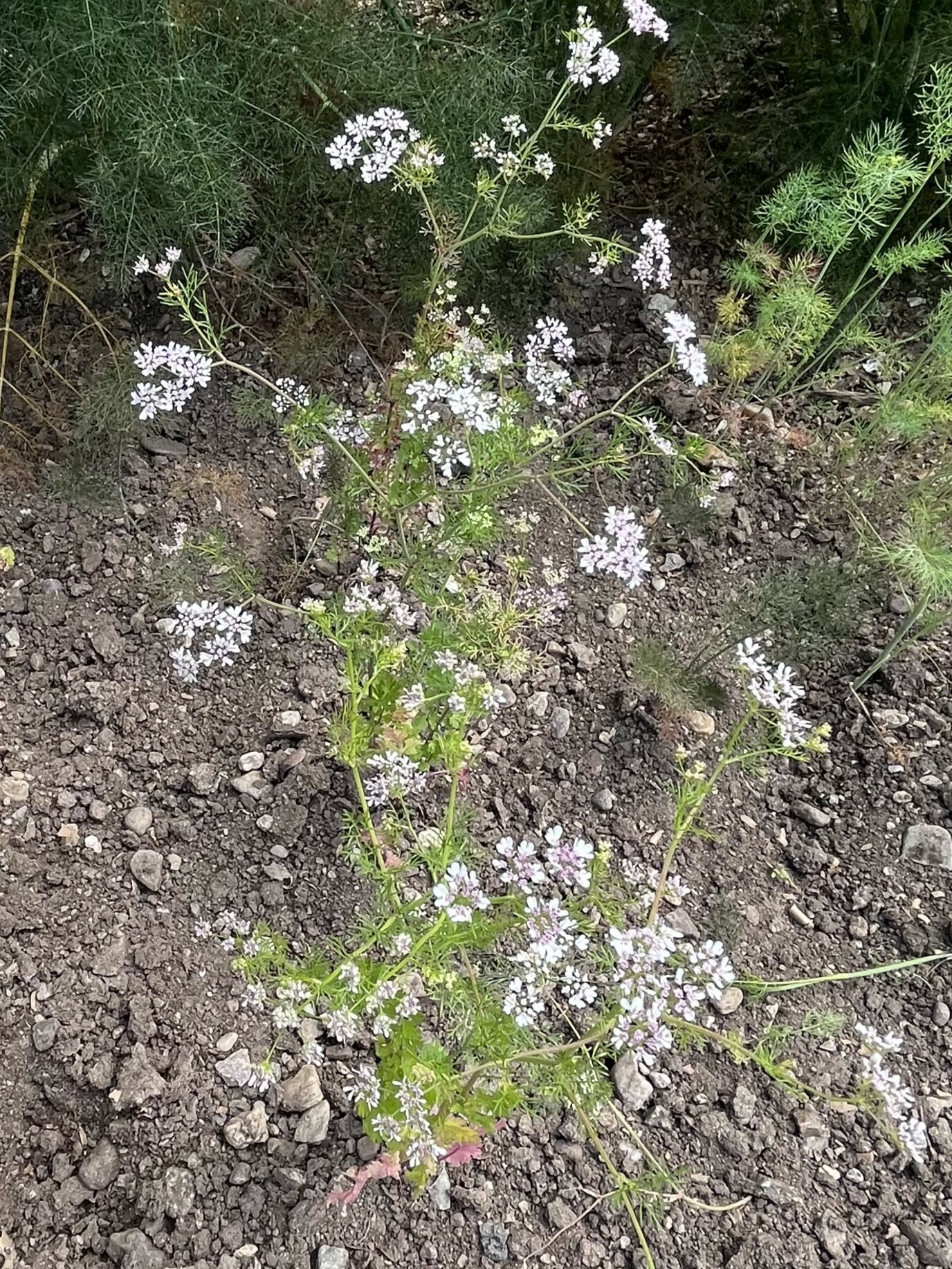
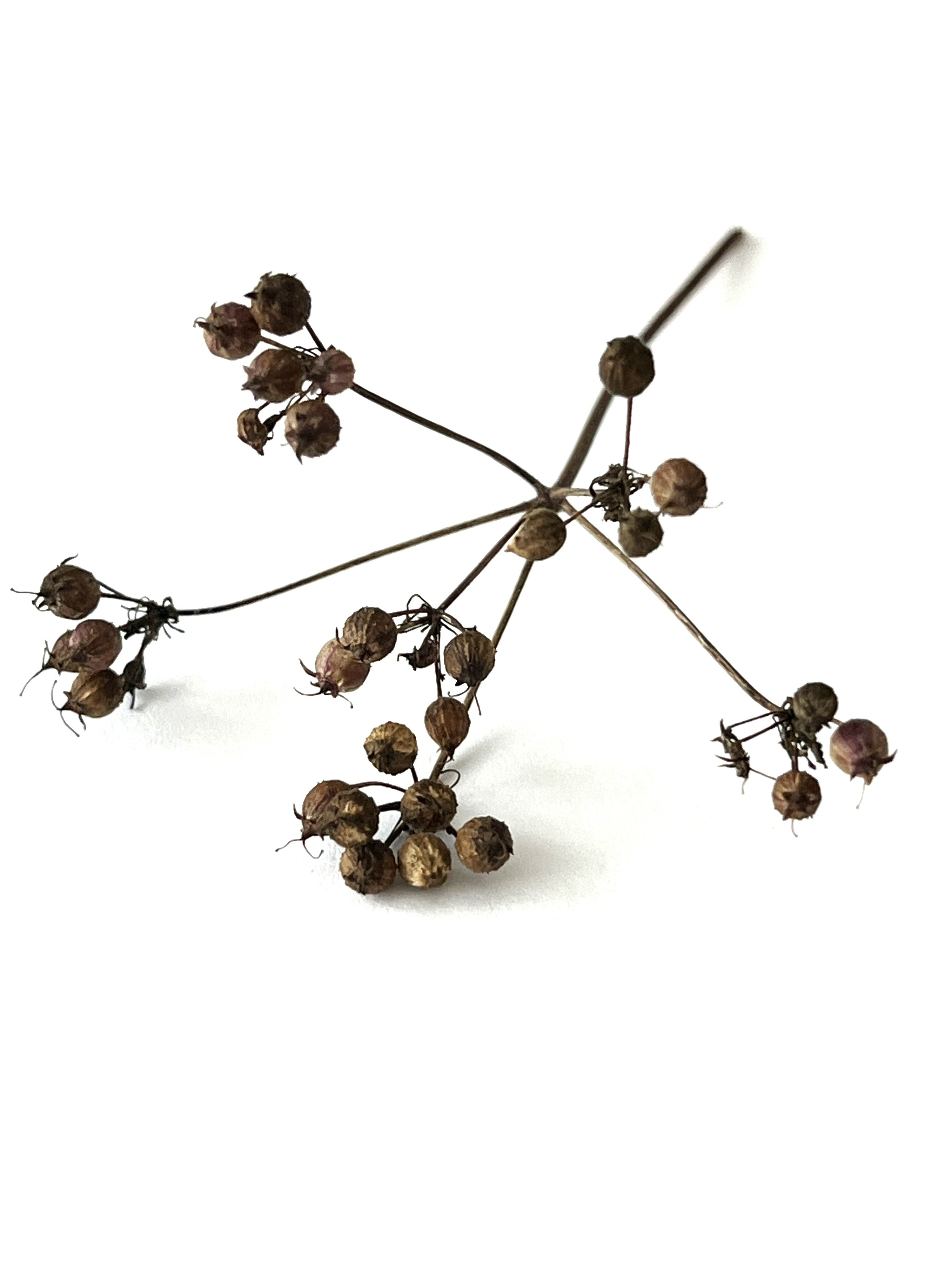
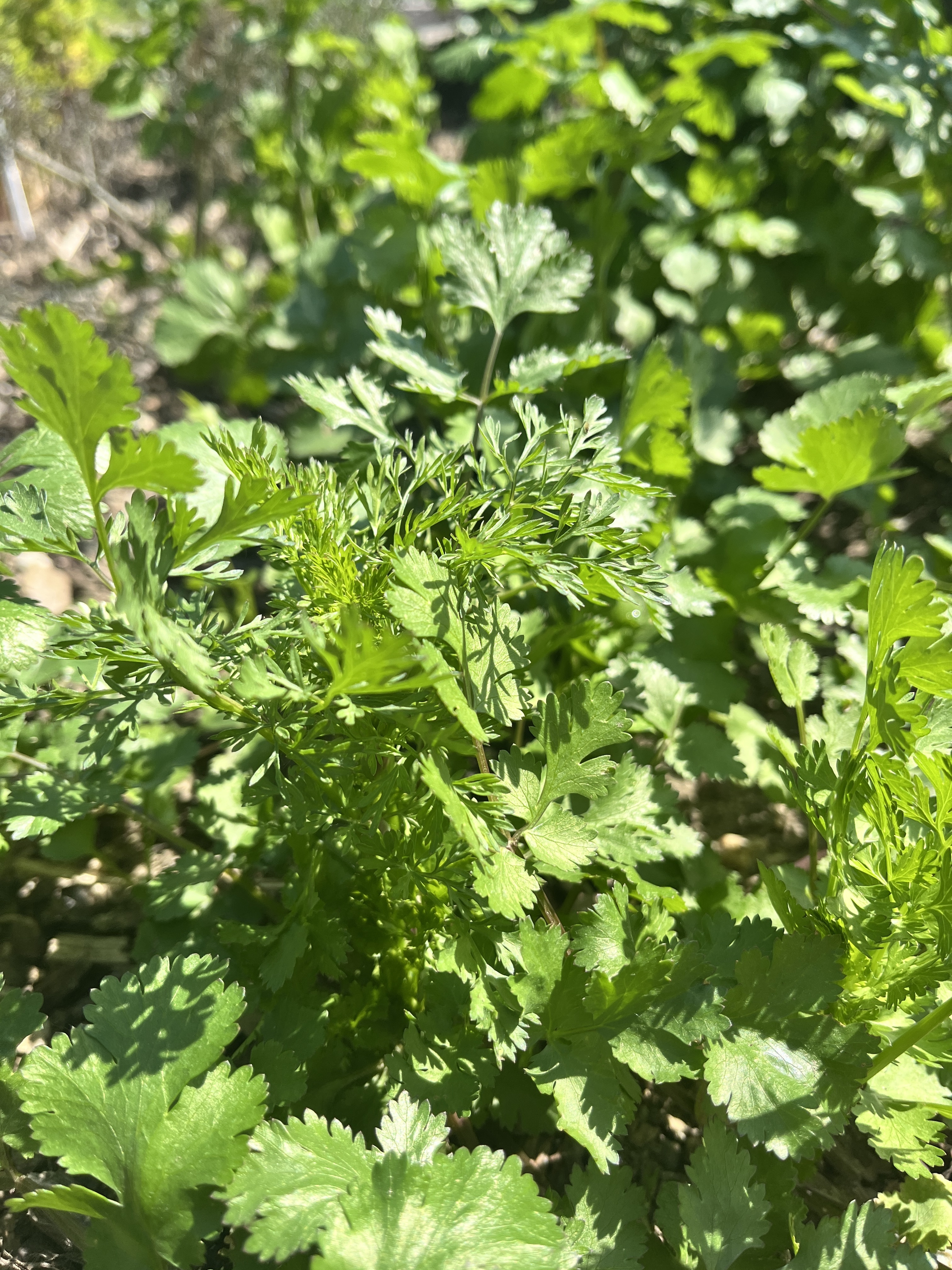
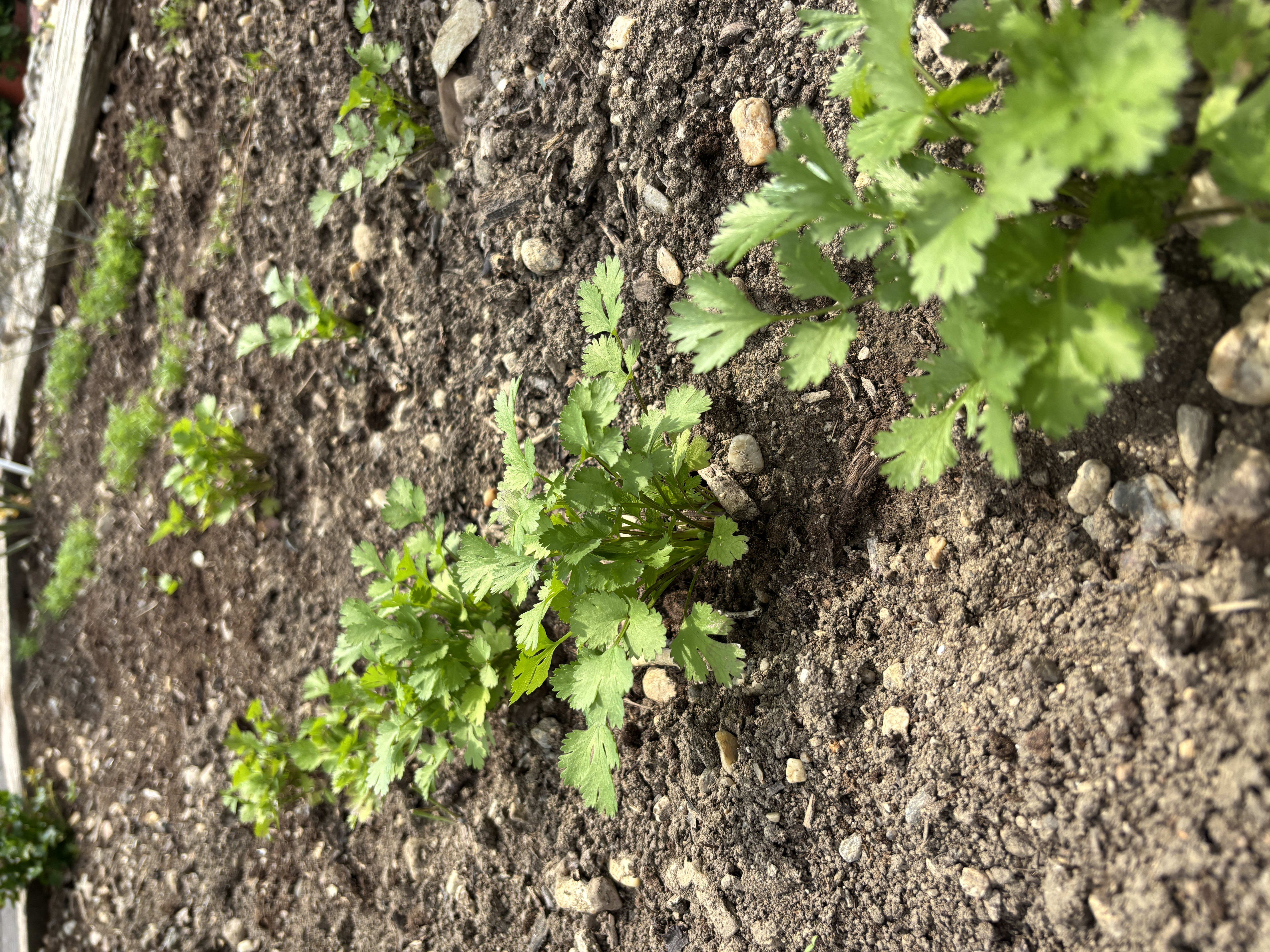
Short description of the species
Interesting
Its name comes from the Greek word "koris", which means bug, because of the unpleasant smell of unripe fruits. Coriander seeds have been found in the tombs of pharaohs, indicating its importance already in ancient cultures.Usage
the whole young plant is used for the preparation of chutneys, soups and sauces, the seeds as a spice in the preparation of curries, sausages, roast pork, fish, sauces, stews, as an ingredient in salami and various meat products, also for flavoring pastries, biscuits, buns, cakes and liqueurs, especially ginAgrotechnics of growing and harvesting
track:: II.
suitable pre-crops: fertilized root crops (early potatoes, beets), cereals and legumes
fertilization: it also thrives on moderately fertile soils, it responds well to fertilization
varieties: Coriander varieties are divided into two main groups: "sensitive to higher temperatures" and "resistant to flowering" (slow-bolt)
Agricultural cultivation techniques
Propagation: direct sowing in early spring
Agro-technique of cultivation - bed method (directly into the soil)
| Month | I. | II. | III. | IV. | V. | VI. | VII. | VIII. | IX. | X. | XI. | XII. |
|---|---|---|---|---|---|---|---|---|---|---|---|---|
| Sowing | XX | |||||||||||
| Harvest / seeds | XX | XX |
Harvest: coriander seeds are usually harvested in summer, from mid-June to mid-July, depending on location and climate. The vegetation period from spring sowing to seed collection is from 91 to 100 days. The optimal harvest date is when 70-80% of the fruits on the main cluster are waxy.
Uses - the whole young plant is used for the preparation of chutneys, soups and sauces, the seeds as a spice in the preparation of curries, sausages, roast pork, fish, sauces, stews, as an ingredient in salami and various meat products, also for flavoring pastries, biscuits, buns, cakes and liqueurs, especially gin
Valuable ingredients: essential oils, phenolic acids, flavonoids and terpenoids
Phytotherapeutic groups: carminative, stomachic, antiphlogistic
Diseases and pests: bacterial browning of fruits (Xantomonas translucens Dow.), Ramularia coriandri Moesz., gray mold, parsley rust can occur from diseases, from pests aphids, caterpillars, nematodes
Labeling Plants with QR Codes
At the Faculty of Horticulture and Landscape Engineering at SPU in Nitra, we've created a project that offers visitors to our plantings a new way to discover the beauty and intriguing aspects of plants. Each plant in our plantings has its own unique QR code. All a visitor needs to do is scan this code with their smartphone.
Encyclopedy
Informácie
Kontakt
Fakulta záhradníctva a krajinného inžinierstva
Tulipánová 7, 949 76 Nitra
phone +421 (37) 641 4229 — study department
email henrieta.budayová@uniag.sk



Copyright © 2026 Faculty of Horticulture and Landscape Engineering