

 Slovenská verzia
- home
- Spices and aromatic plants
- Asteraceae
- Common wormwood
- Common wormwood
Common wormwood
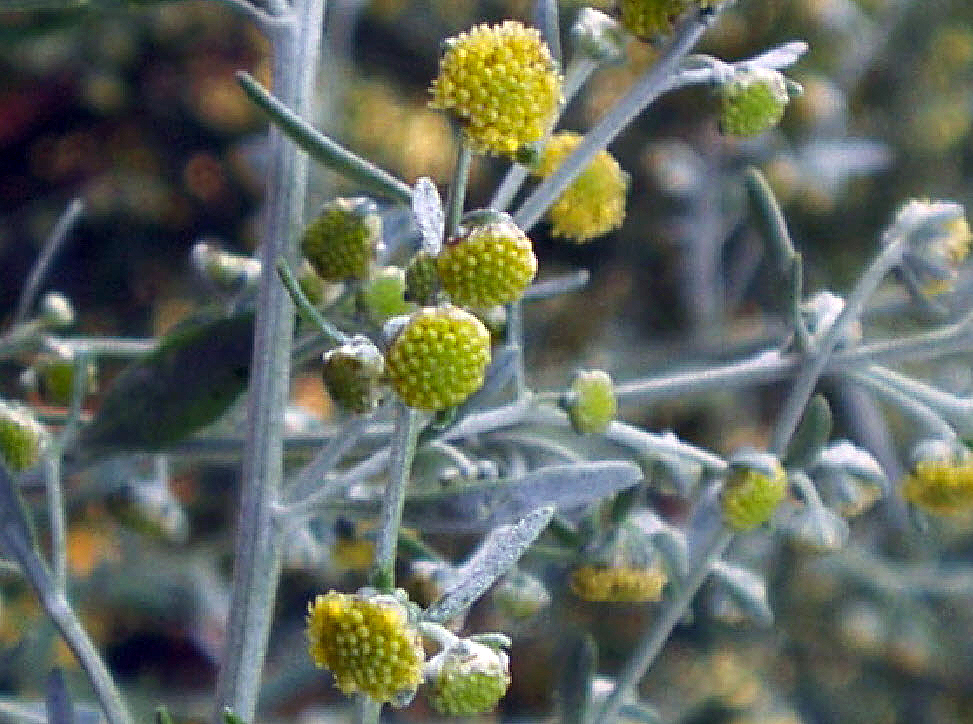
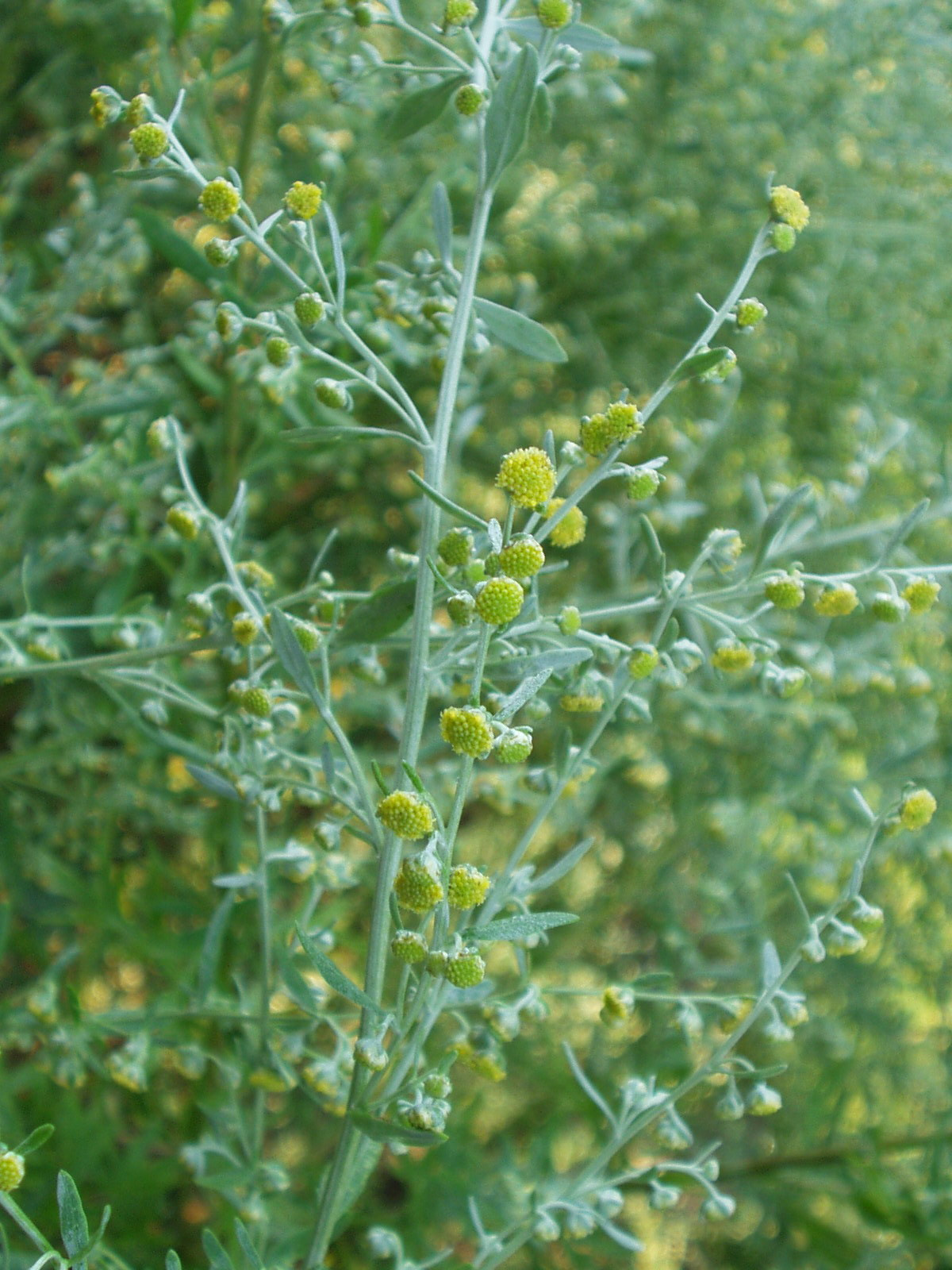
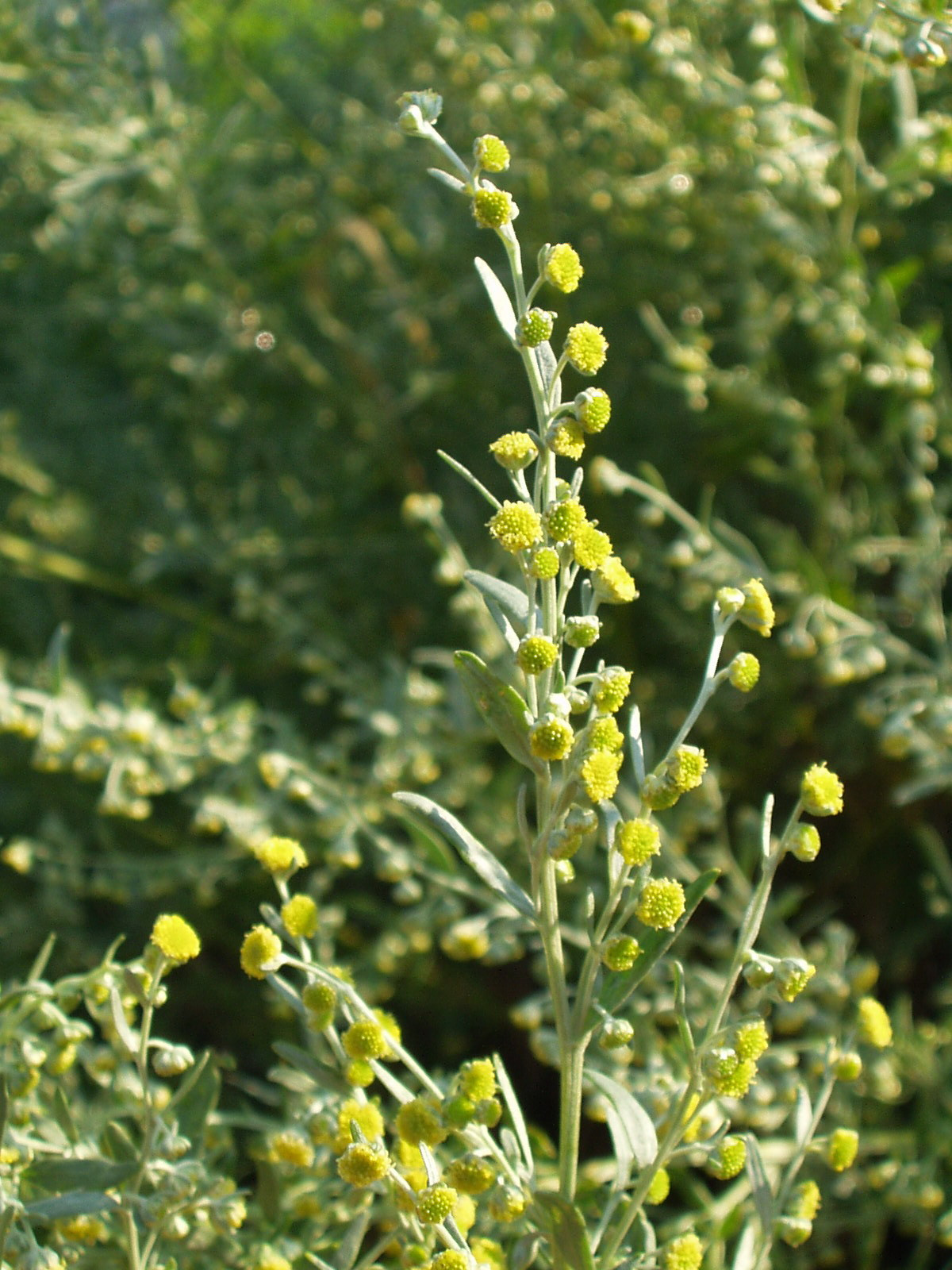
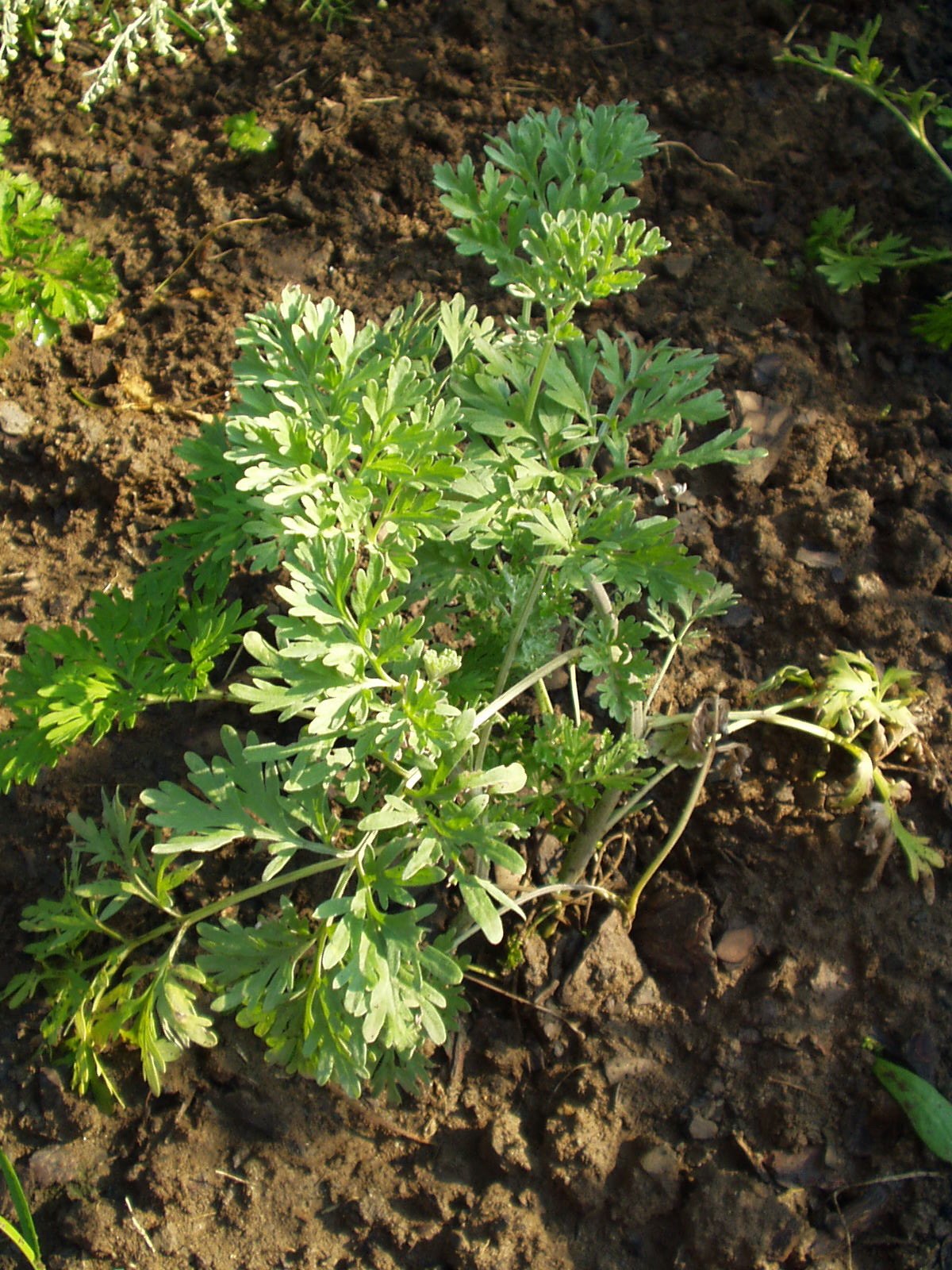
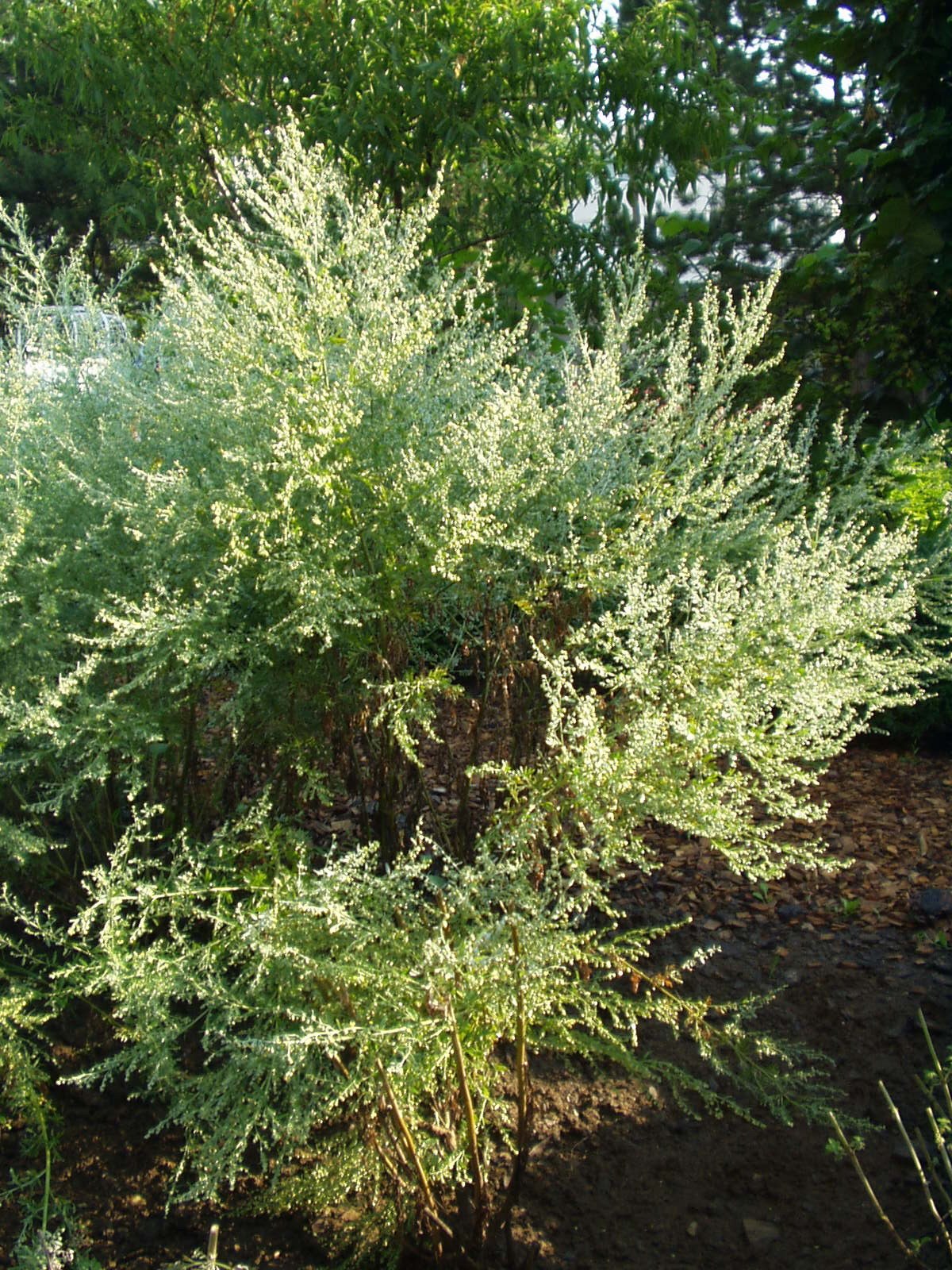
Short description of the species
Interesting
is one of the key ingredients of absinthe, the famous alcoholic drink known for its association with artists and writers in the 19th and early 20th centuriesUsage
it has a bitter taste and a spicy smell, the main raw material for the production of brandy called absinthe, bitter liqueurs and wines, also medicinal teas, as a spice for meat and vegetable soupsInclusion in the sowing process and fertilization requirements
True wormwood is a perennial in our conditions, its above-ground parts die in autumn, the deep root system below the surface remains alive, which allows it to grow again in spring. Wormwood is grown on one site for 3-4 years.
Track: II.
Suitable pre-crops: legumes, cereals
Fertilization: frequent fertilization is not necessary, a light application of compost in the spring is sufficient
Varieties: Breeding of wormwood varieties focuses on varieties with higher yields or specific phytochemical content.
Agricultural cultivation techniques
Propagation: Wormwood can be propagated from seeds, cuttings or by dividing mother plants.
Agricultural cultivation technique - seeds are sown directly into the soil in the spring after the last frost
| Month | I. | II. | III. | IV. | V. | VI. | VII. | VIII. | IX. | X. | XI. | XII. |
|---|---|---|---|---|---|---|---|---|---|---|---|---|
| Sowing | XXX | X | ||||||||||
| Harvest / herb, leaf | XXX | XXX |
Harvesting - when the plants are 0.3–0.35 m high, the tops of the panicles and the young lower leaves are collected before flowering, or at the beginning of flowering (July-August)
Use: it has a bitter taste and a spicy smell, the main raw material for the production of brandy called absinthe, bitter liqueurs and wines, also medicinal teas, as a spice for meat and vegetable soups
Ingredients: essential oils, thujone, cineole, bitters, anabsinthin, artabsin, tannins, vitamins B and C, carotene, flavone compounds, acids
Phytotherapeutic groups: carminative, stomachic, digestive, diuretic
Diseases and pests: relatively resistant to many pests and diseases due to its strong aromatic compounds, among common pests it can be attacked by aphids, although the strong aroma of wormwood often deters large populations, mites, butterfly caterpillars, from diseases - powdery mildew, rust and root rot
Labeling Plants with QR Codes
At the Faculty of Horticulture and Landscape Engineering at SPU in Nitra, we've created a project that offers visitors to our plantings a new way to discover the beauty and intriguing aspects of plants. Each plant in our plantings has its own unique QR code. All a visitor needs to do is scan this code with their smartphone.
Encyclopedy
Informácie
Kontakt
Fakulta záhradníctva a krajinného inžinierstva
Tulipánová 7, 949 76 Nitra
phone +421 (37) 641 4229 — study department
email henrieta.budayová@uniag.sk



Copyright © 2026 Faculty of Horticulture and Landscape Engineering