

 Slovenská verzia
- home
- Vegetable crops
- Miscellaneous vegetable
- Chinese mustard
- Chinese mustard
Chinese mustard
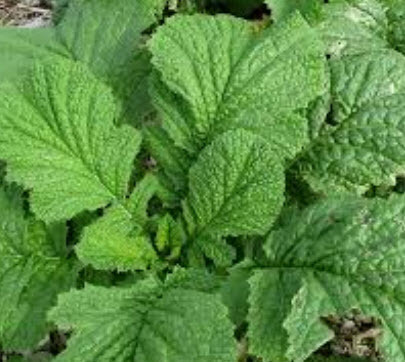
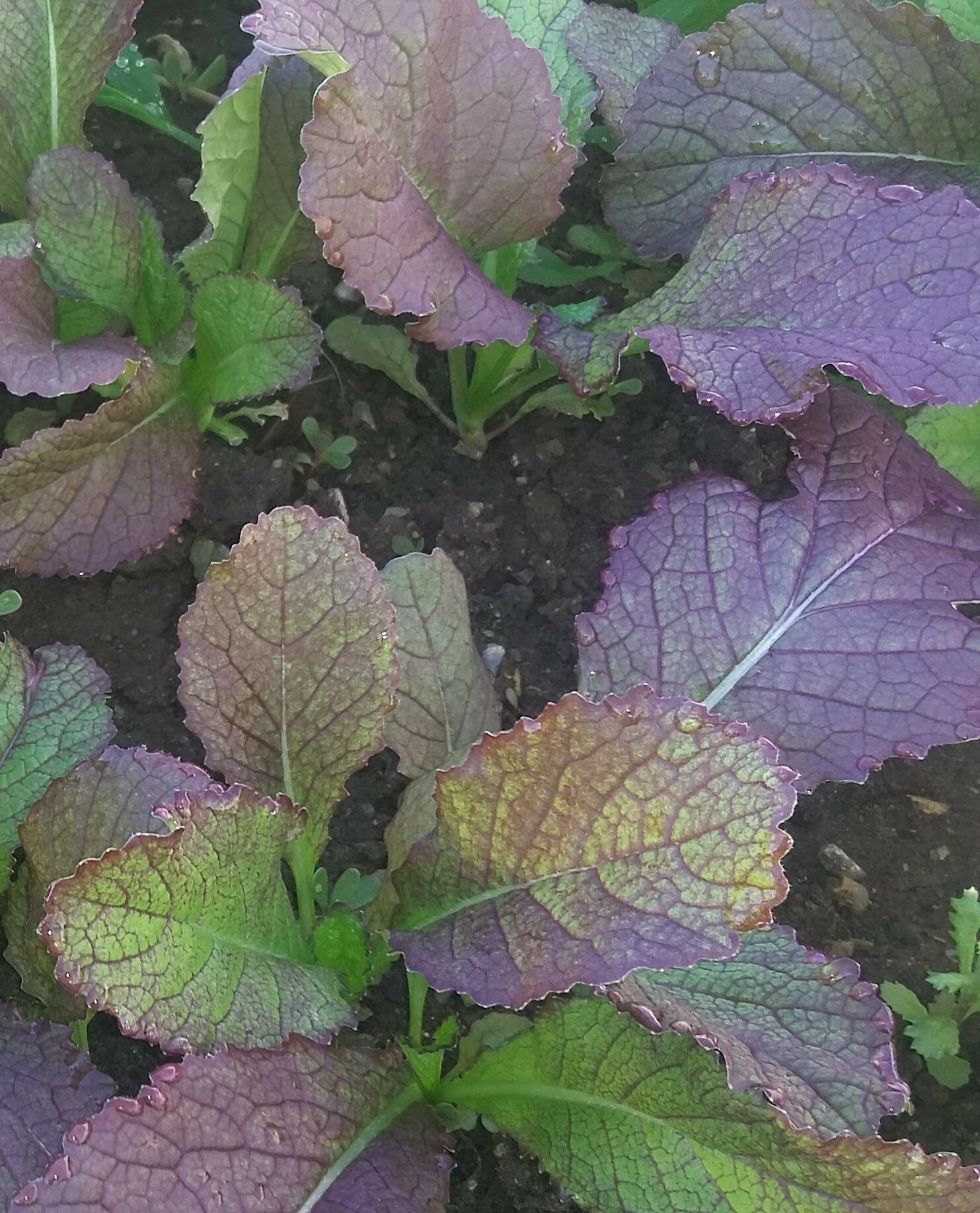
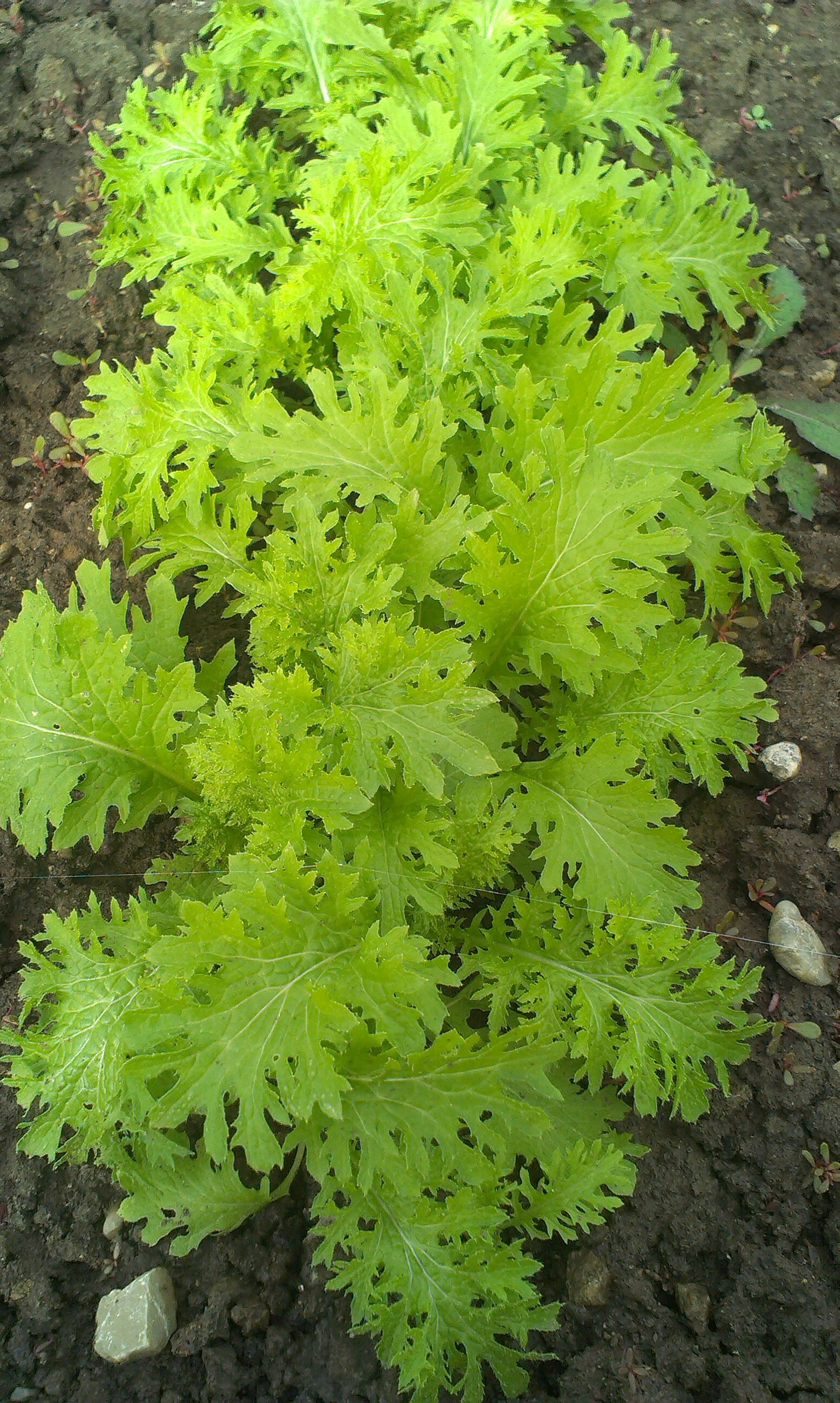
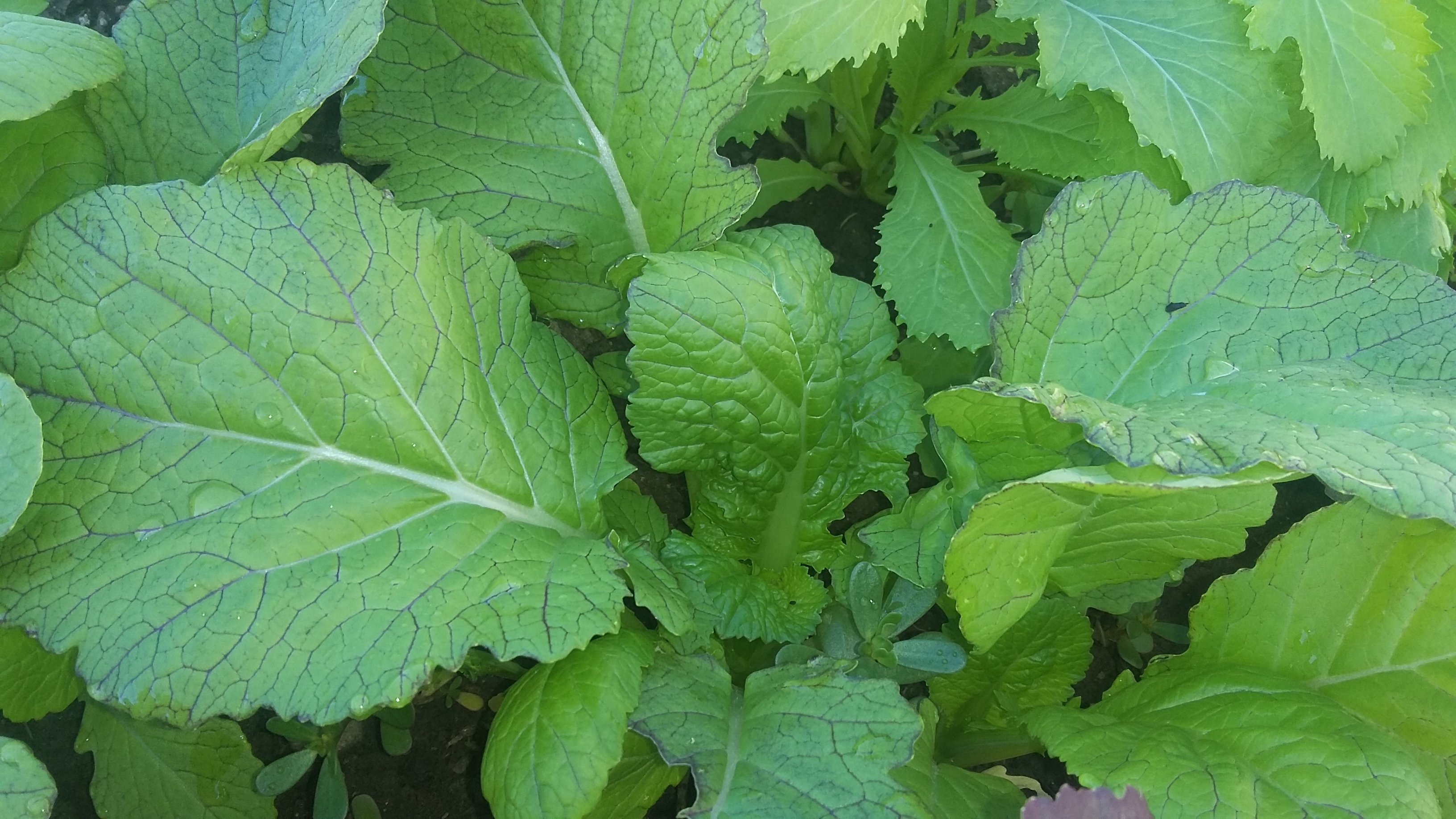
Short description of the species
Usage
- salads, microgreens (food decoration), steamingEnvironmental requirements, fertilization and inclusion in the crop rotation
Chinese mustard can be described as a relatively undemanding crop to grow. Chinese mustard grows optimally in a sunny location, with stronger sunlight leading to better leaf coloration. On the other hand, the plants will welcome a partially shaded location during the hot summer (Anderson 2011; Cornell 2022). The optimal temperature for growing Chinese mustard is approximately 18 °C, but it can also tolerate short-term drops in temperature to freezing point. Regular irrigation should be ensured when growing Chinese mustard, because during the dry season, growth slows down and the leaves lose their flavor. At temperatures above 29-30 °C, the leaves begin to become bitter due to lack of water (Cornell 2022; Drost and Johnson 2020). Chinese mustard requires permeable soils with a pH of 6.0-7.5 (Cornell 2022). Like other leafy greens, Chinese mustard is a 2nd-line fertilizer, and nutrient requirements can be met by applying a compound fertilizer before establishment.
Cultivation technology
Chinese mustard is grown mainly from direct sowing in spring (early March-mid May) or autumn (mid July-early August). In the case of summer sowing, flowering occurs. On the other hand, pre-cultivation of seedlings (3-4 weeks) is a more suitable alternative for growing Chinese mustard. In smaller areas, it is possible to collect the leaves gradually, but in large-scale production, entire leaf rosettes are cut. Harvesting of Chinese mustard leaves begins approximately 6-8 weeks after planting. After harvesting, the leaves need to be quickly cooled to approximately 5°C, or processed quickly (Cornell, 2022; Drost and Johnson, 2020; Pokluda et al., 2022).
Diseases and pests
When growing Chinese mustard, the greatest risk is posed by leafhoppers, similar to young cabbage plants and other types of cruciferous vegetables. The risk of their occurrence is significantly higher, especially during summer sowing. As a preventive measure, it is advisable to use a white covering fabric after sowing, which can be left on the stand until harvest. Other significant pests of Chinese mustard include the rapeseed mealybug (Pokluda et al., 2022).
Labeling Plants with QR Codes
At the Faculty of Horticulture and Landscape Engineering at SPU in Nitra, we've created a project that offers visitors to our plantings a new way to discover the beauty and intriguing aspects of plants. Each plant in our plantings has its own unique QR code. All a visitor needs to do is scan this code with their smartphone.
Encyclopedy
Informácie
Kontakt
Fakulta záhradníctva a krajinného inžinierstva
Tulipánová 7, 949 76 Nitra
phone +421 (37) 641 4229 — study department
email henrieta.budayová@uniag.sk



Copyright © 2026 Faculty of Horticulture and Landscape Engineering