

 Slovenská verzia
- home
- Spices and aromatic plants
- Lamiaceae
- Garden thyme
- Garden thyme
Garden thyme

Short description of the species
Interesting
The word thymus comes from the Greek thymos, which is translated as "spirit" or "passion" and in philosophy and psychology it refers to the emotional or psychological energy that motivates a person to act.Usage
it is added to soups, stews, poultry and meat dishes, where it helps to reduce the aroma of stronger types of meat, such as mutton or lamb, it is also part of various herbal mixtures, for example Provençal pepperInclusion in the sowing process and fertilization requirements
Thymus serpyllum is grown as a permanent crop in field cultivation, in one place for 4–8 years, wintering in the form of a green half-crop.
Track: I.
Suitable pre-crops: cereals, fertilized root crops
Fertilization: It is recommended to fertilize with farmyard manure in a dose of 40-50 t/ha.
Varieties: As part of intensive cultivation, characteristics such as e.g. resistance to diseases and pests, susceptibility to root rot, content of essential oils and height of biomass formation.
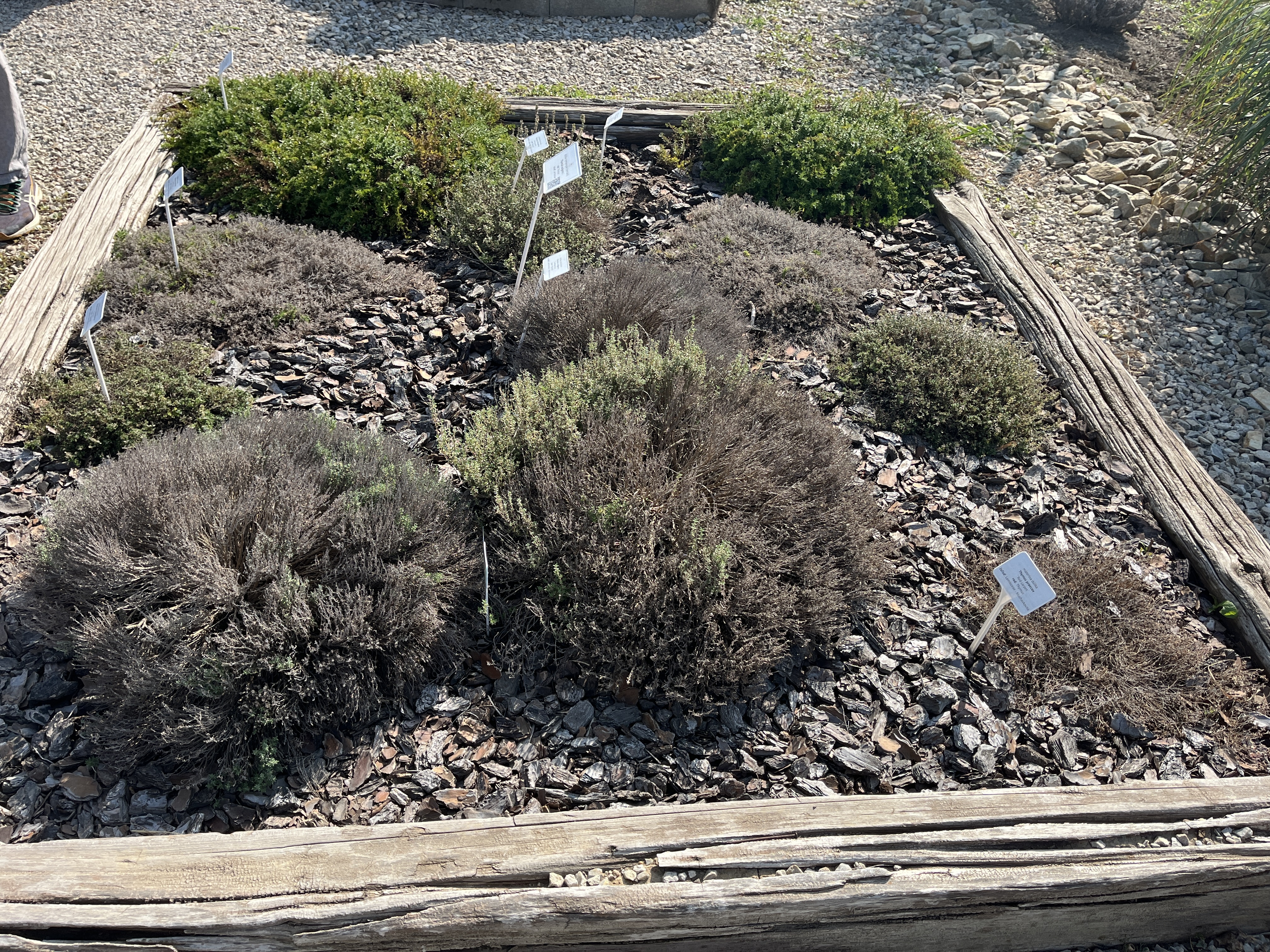
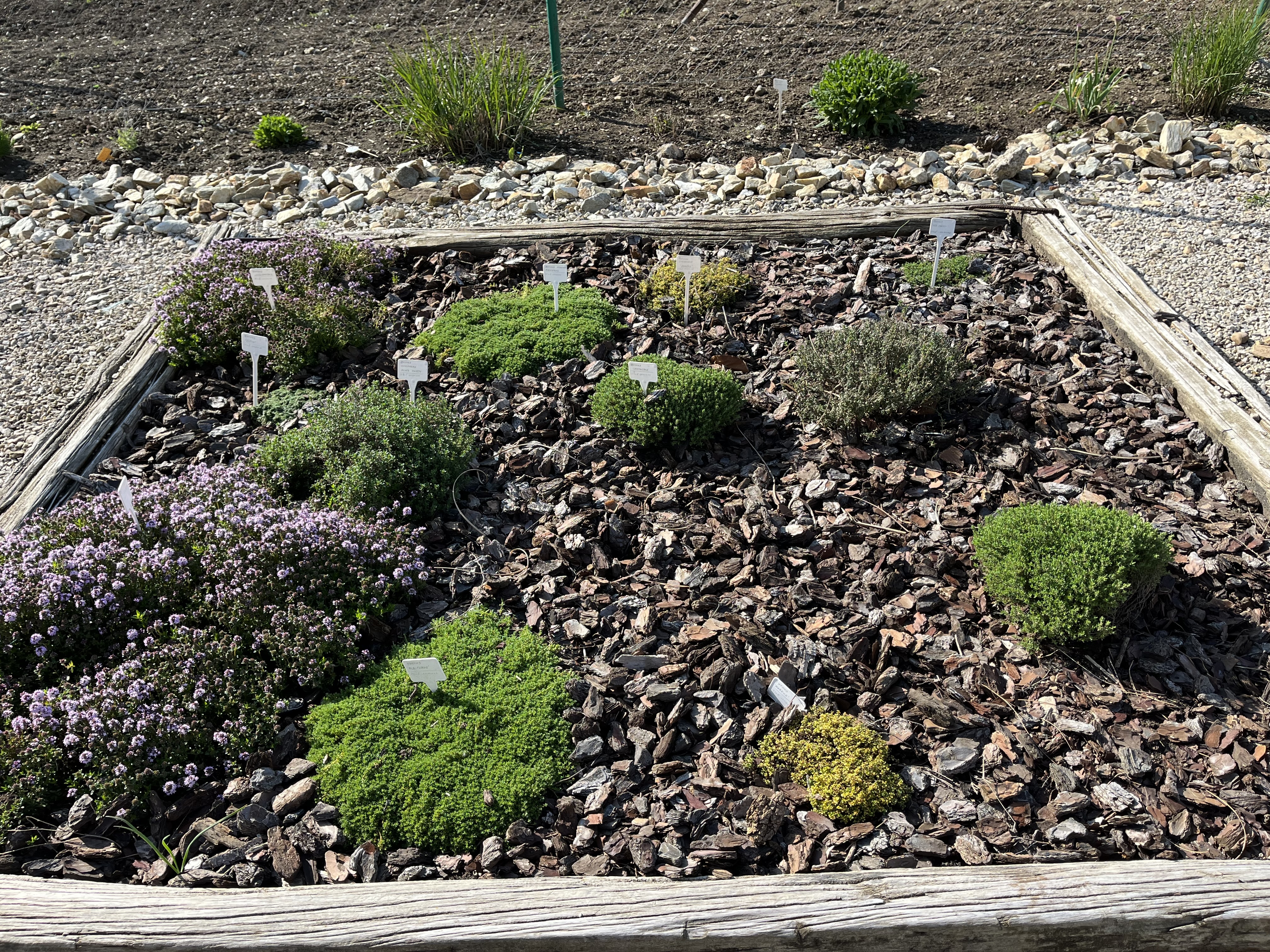
Genus thymus spp. however, it is characterized by high variability, and species and varieties differ from each other in many features, according to which customers of the hobby sector can choose the suitable individuals for their gardens.
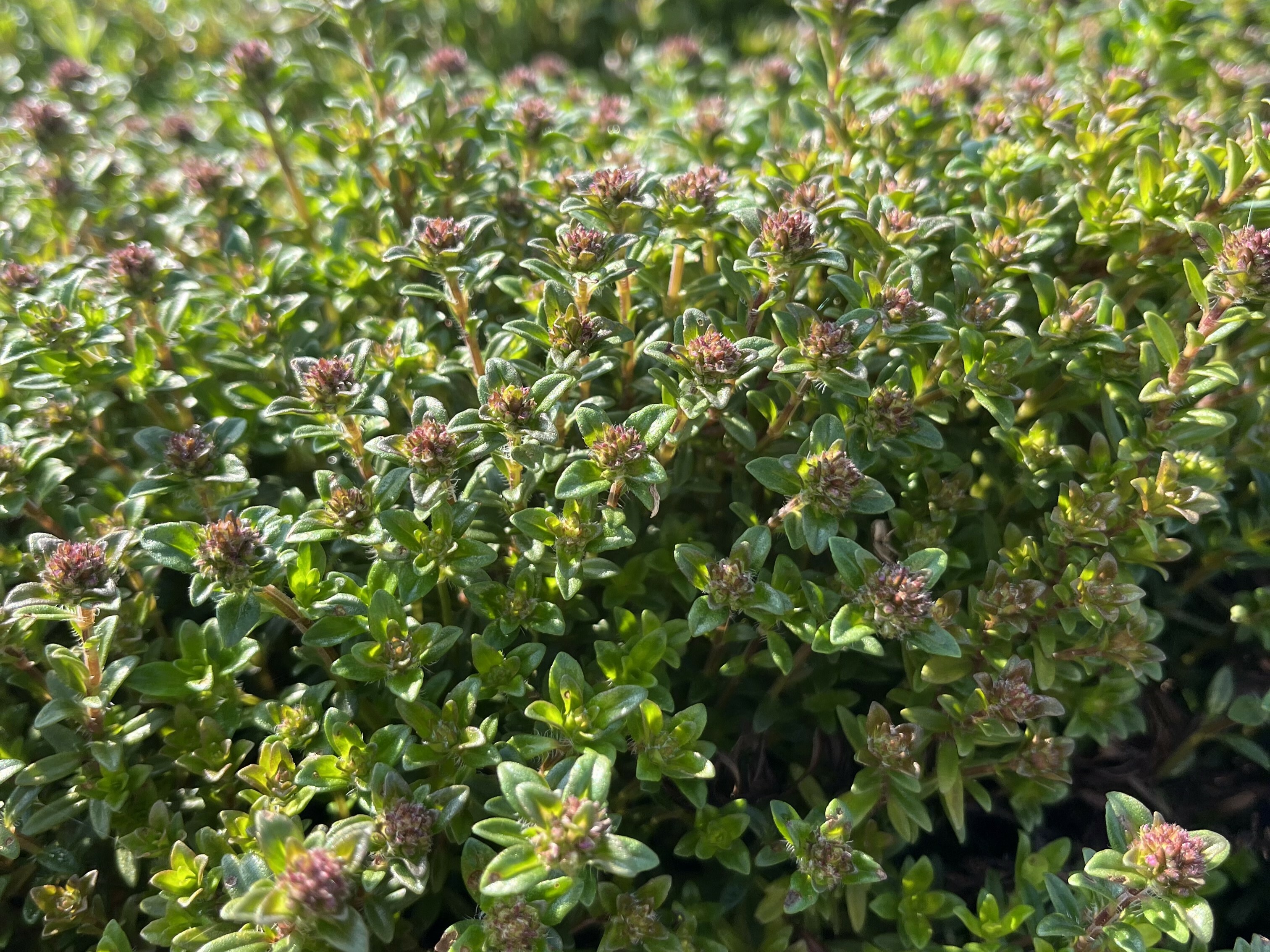
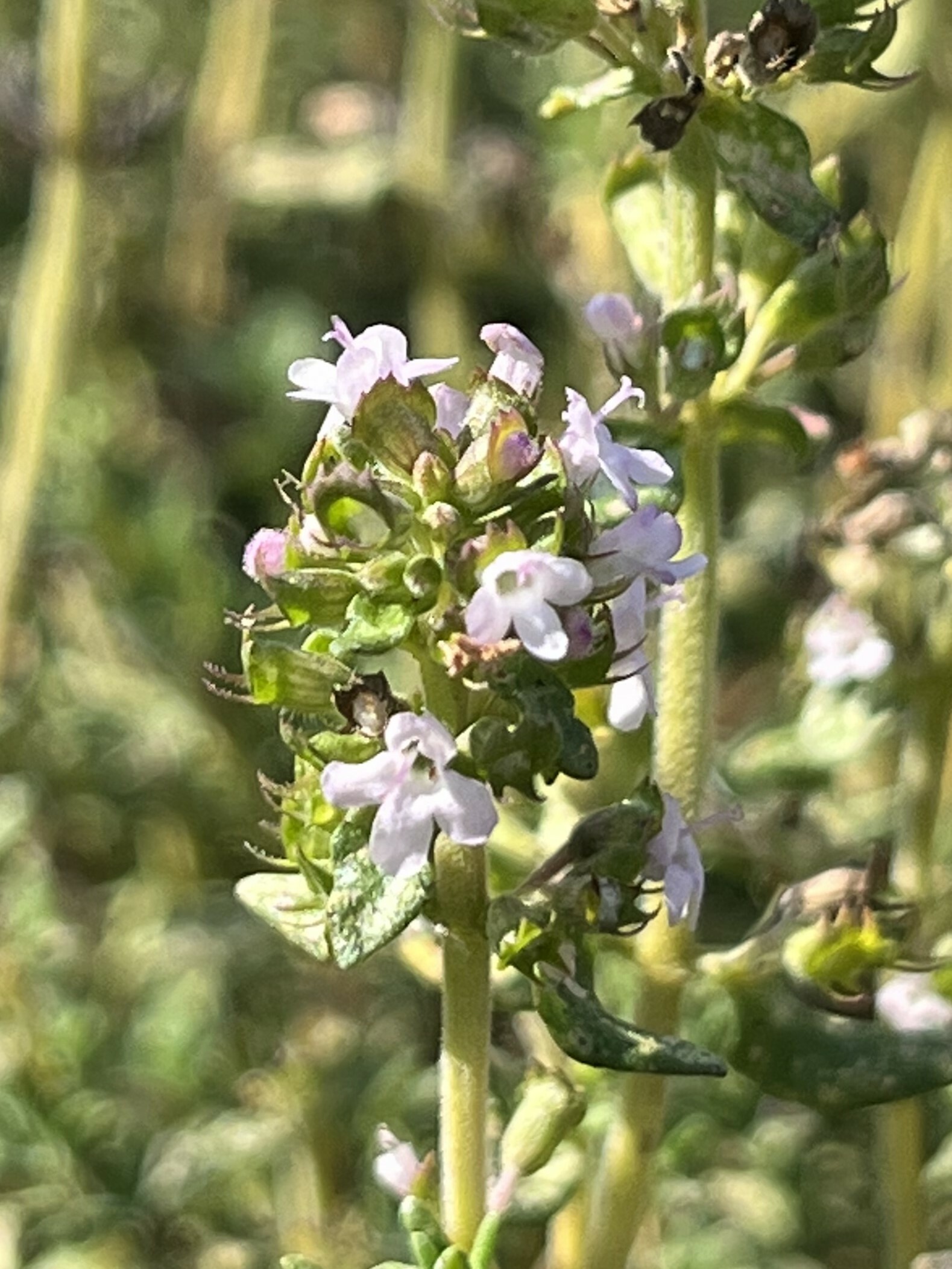
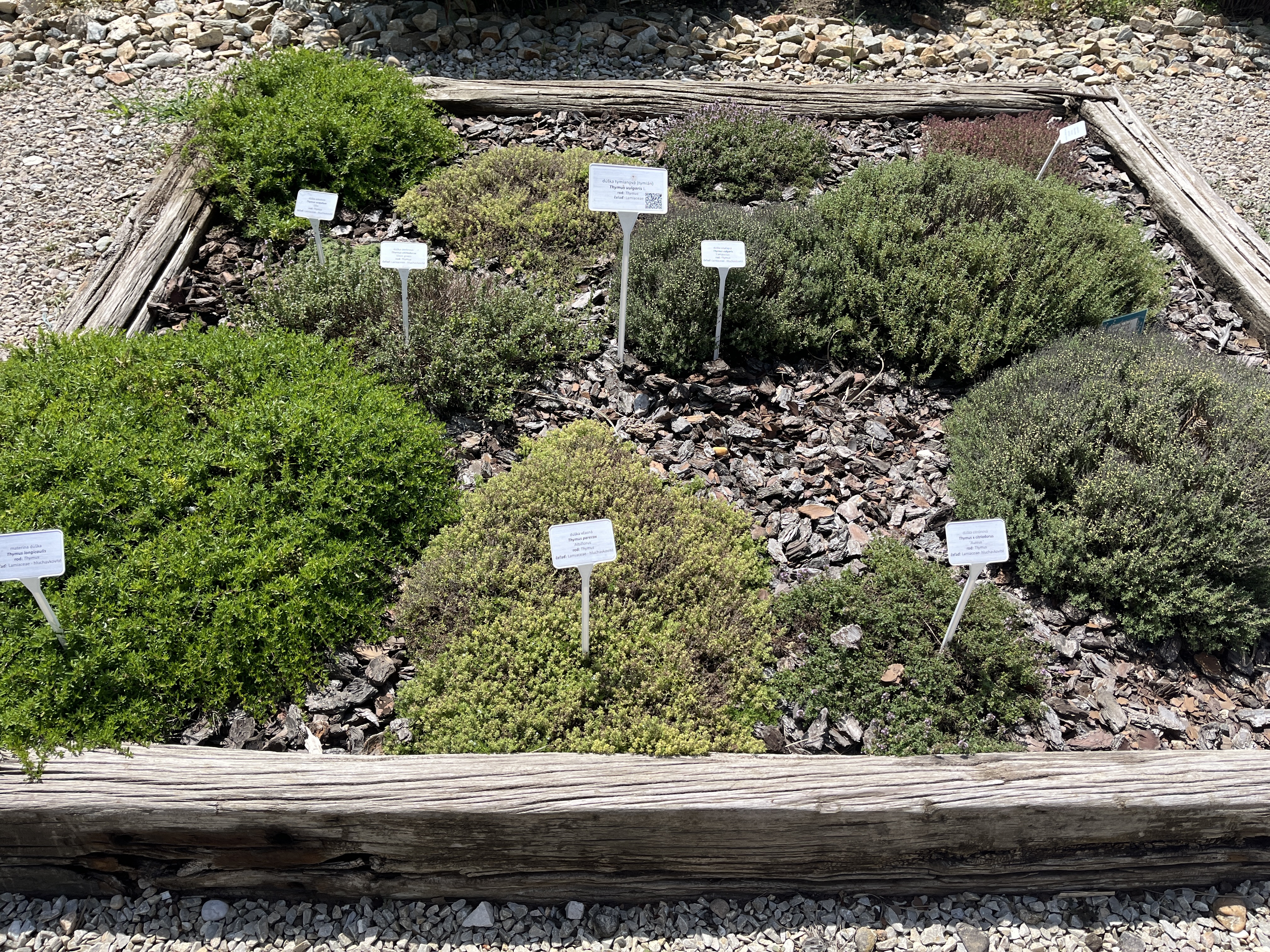
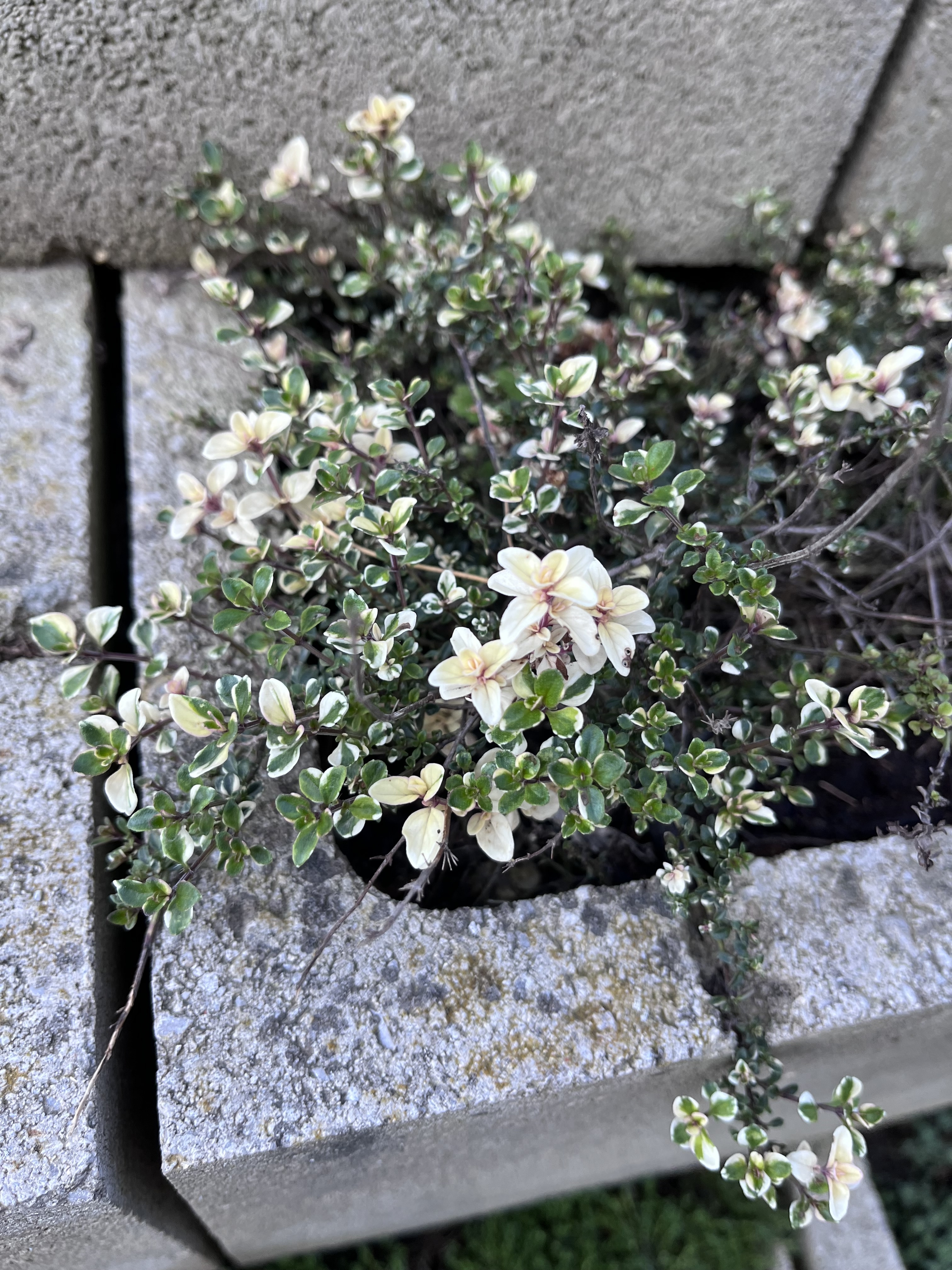
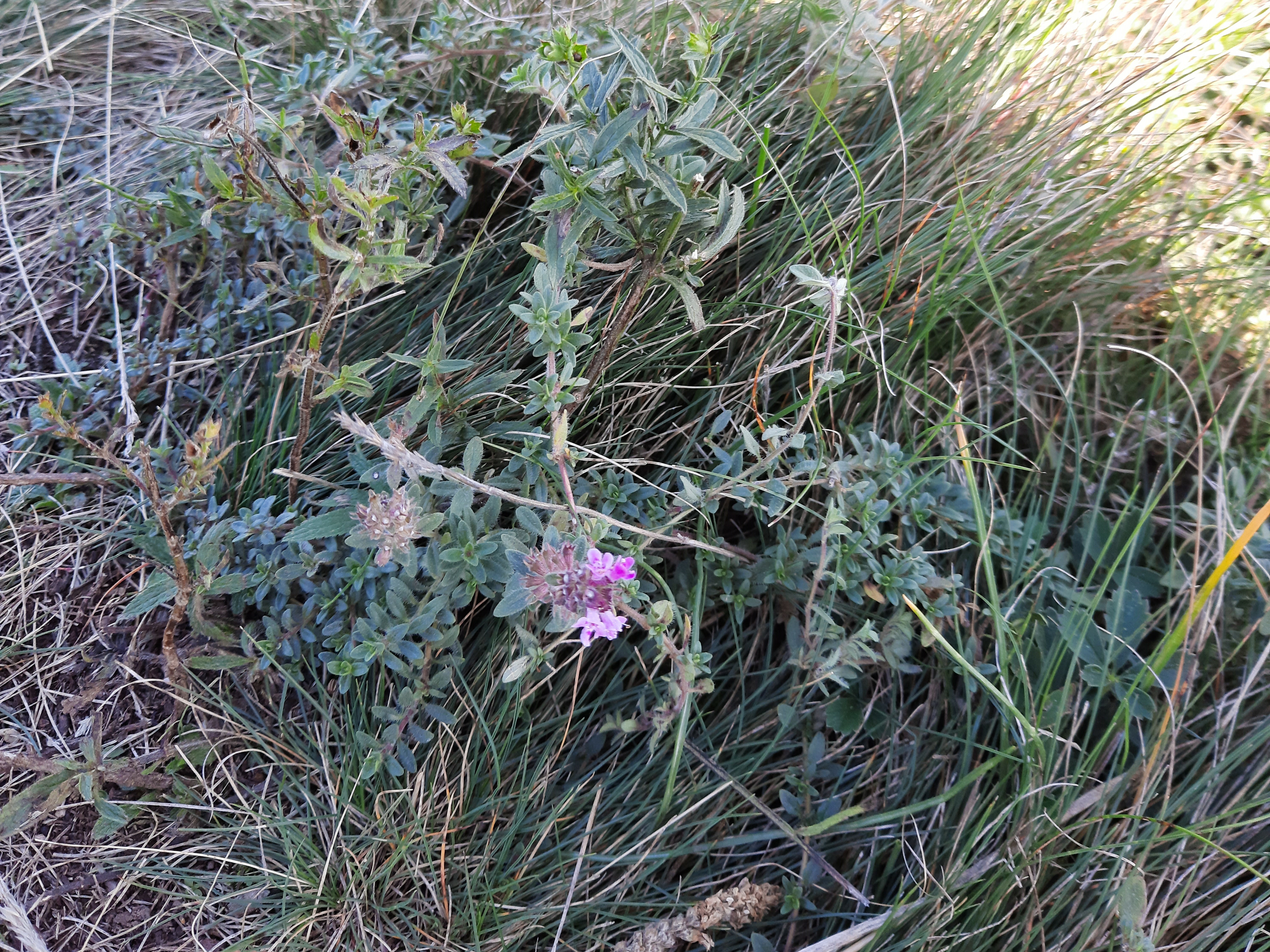
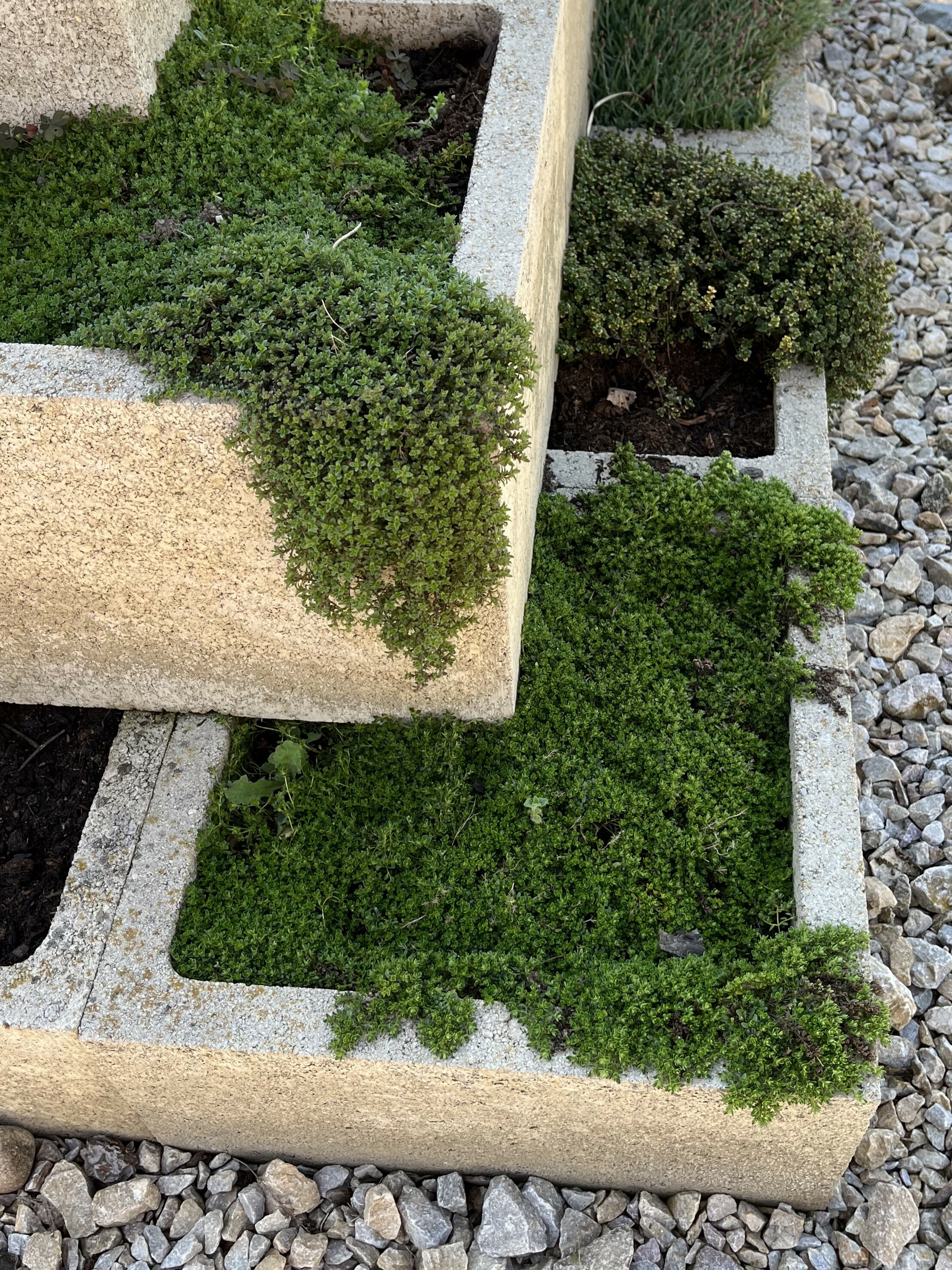
Creeping thyme (Thymus serpyllum) - farming technique and use is similar to that of thyme, these two species are often confused. Unlike thyme sprig, it is not found in the wild. It is a low semi-shrub, with a creeping character, which is richly branched and has herbaceous stems with opposite, linear leaves.
Agricultural cultivation techniques
Propagation: direct sowing from seed, pre-cultivation of transplants, vegetative (by dividing plants and cuttings)
Agricultural cultivation techniques - from transplants (spring sowing)
| Month | I. | II. | III. | IV. | V. | VI. | VII. | VIII. | IX. | X. | XI. | XII. |
|---|---|---|---|---|---|---|---|---|---|---|---|---|
| Sowing/covered areas | XXX | X | ||||||||||
| Planting | XXX | |||||||||||
| Harvest | XXX | XXX | XXX | XXX |
Harvest and storage: The flowering clematis is harvested at the beginning of flowering, 8 to 10 cm above the ground, in the first year of growth only once, in the second decade of September, in subsequent years 1 to 2 times a year, while we do not harvest the woody parts.
Use: it is added to soups, stews, poultry and meat dishes, where it helps reduce the aroma of stronger types of meat, such as mutton or lamb, it is also part of various herbal mixtures, for example Provencal spices
Impact on human health: Ingredients: essential oils (thymol, carvacrol), tannins, flavonoids and triterpenes
Phytotherapeutic groups: antibiotic, antiseptic, antiphlogistic, expectorant
Diseases and pests: Thyme plants are susceptible to fungal infections of species such as Fusarium, Rhizoctonia and Phoma. Symptoms include necrosis of roots, stems and leaves.
Labeling Plants with QR Codes
At the Faculty of Horticulture and Landscape Engineering at SPU in Nitra, we've created a project that offers visitors to our plantings a new way to discover the beauty and intriguing aspects of plants. Each plant in our plantings has its own unique QR code. All a visitor needs to do is scan this code with their smartphone.
Encyclopedy
Informácie
Kontakt
Fakulta záhradníctva a krajinného inžinierstva
Tulipánová 7, 949 76 Nitra
phone +421 (37) 641 4229 — study department
email henrieta.budayová@uniag.sk



Copyright © 2026 Faculty of Horticulture and Landscape Engineering