

 Slovenská verzia
- home
- Spices and aromatic plants
- Lamiaceae
- Peppermint
- Peppermint
Peppermint
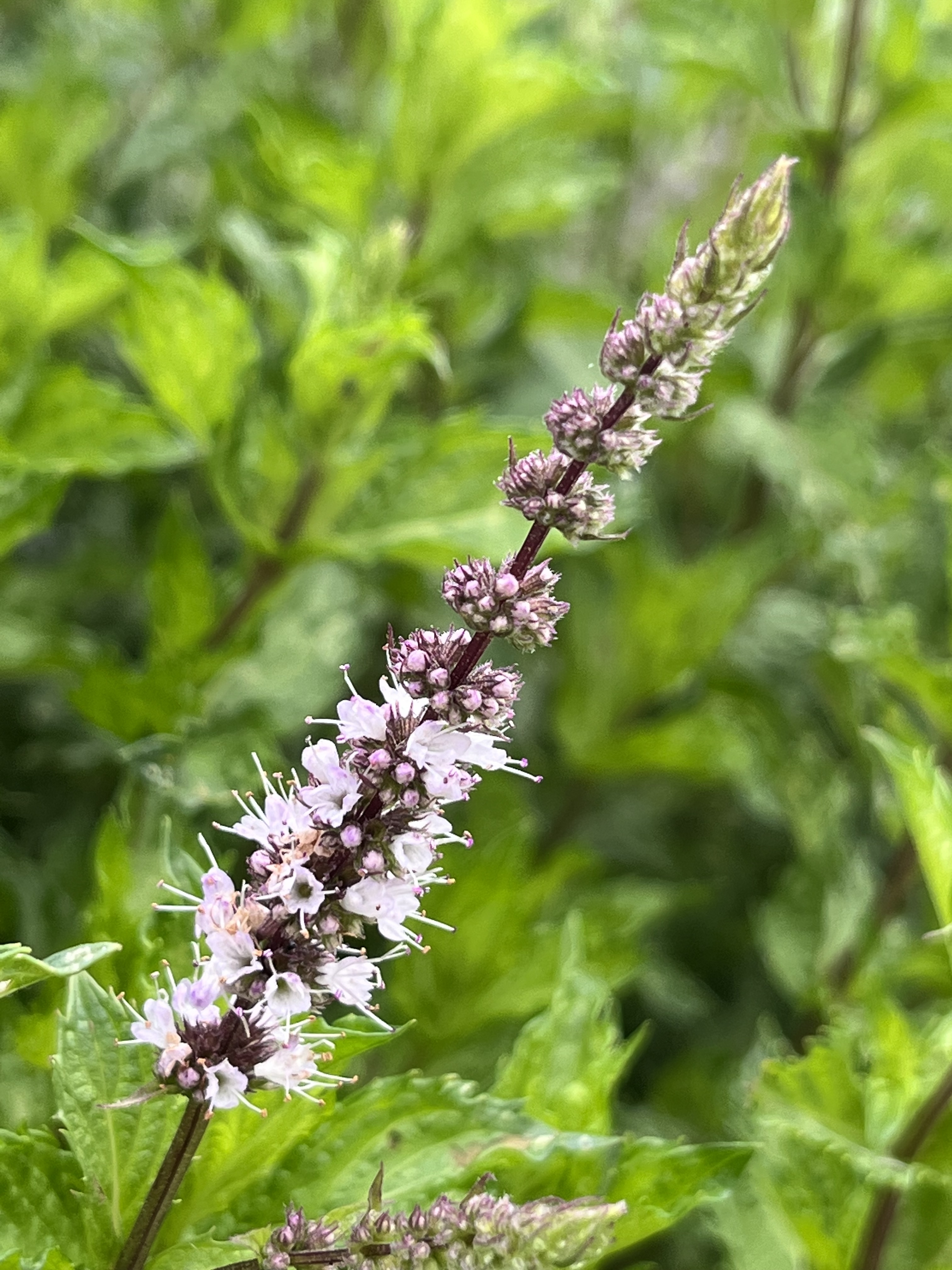
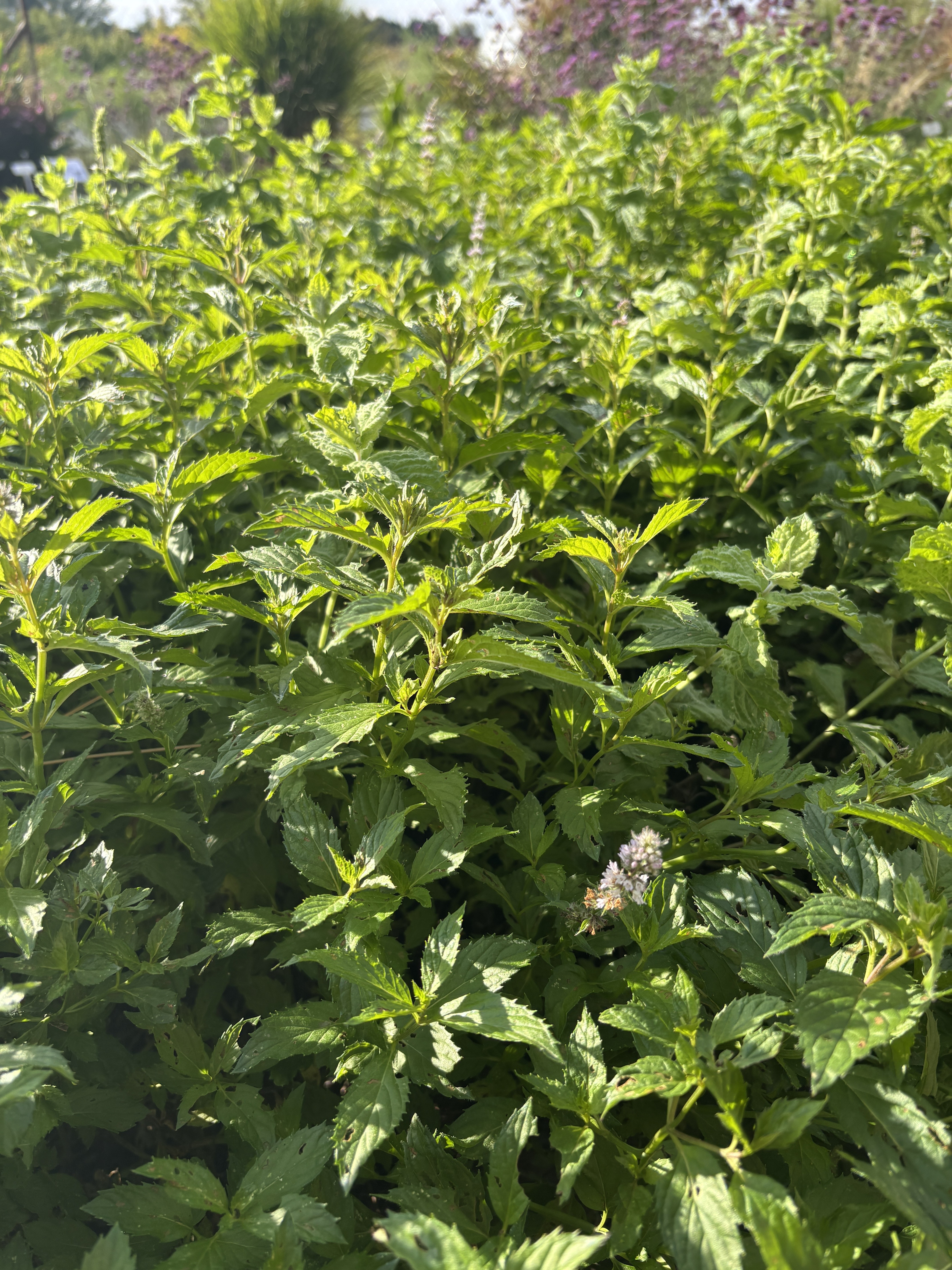
Short description of the species
Interesting
The name comes from the Greek word "Minthe," the name of a nymph from Greek mythology. According to legend, the goddess Persephone suspected her husband Hades, the god of the underworld, of having an affair with the nymph Minthe. In a fit of jealousy, she transformed her into the fragrant, perennial herb that now bears her name.Usage
leafy, spicy vegetable, in cooking and medicine, an ingredient in dishes such as salads, soups, sauces, eggs, fish and meat dishesInclusion in the crop rotation and fertilization requirements
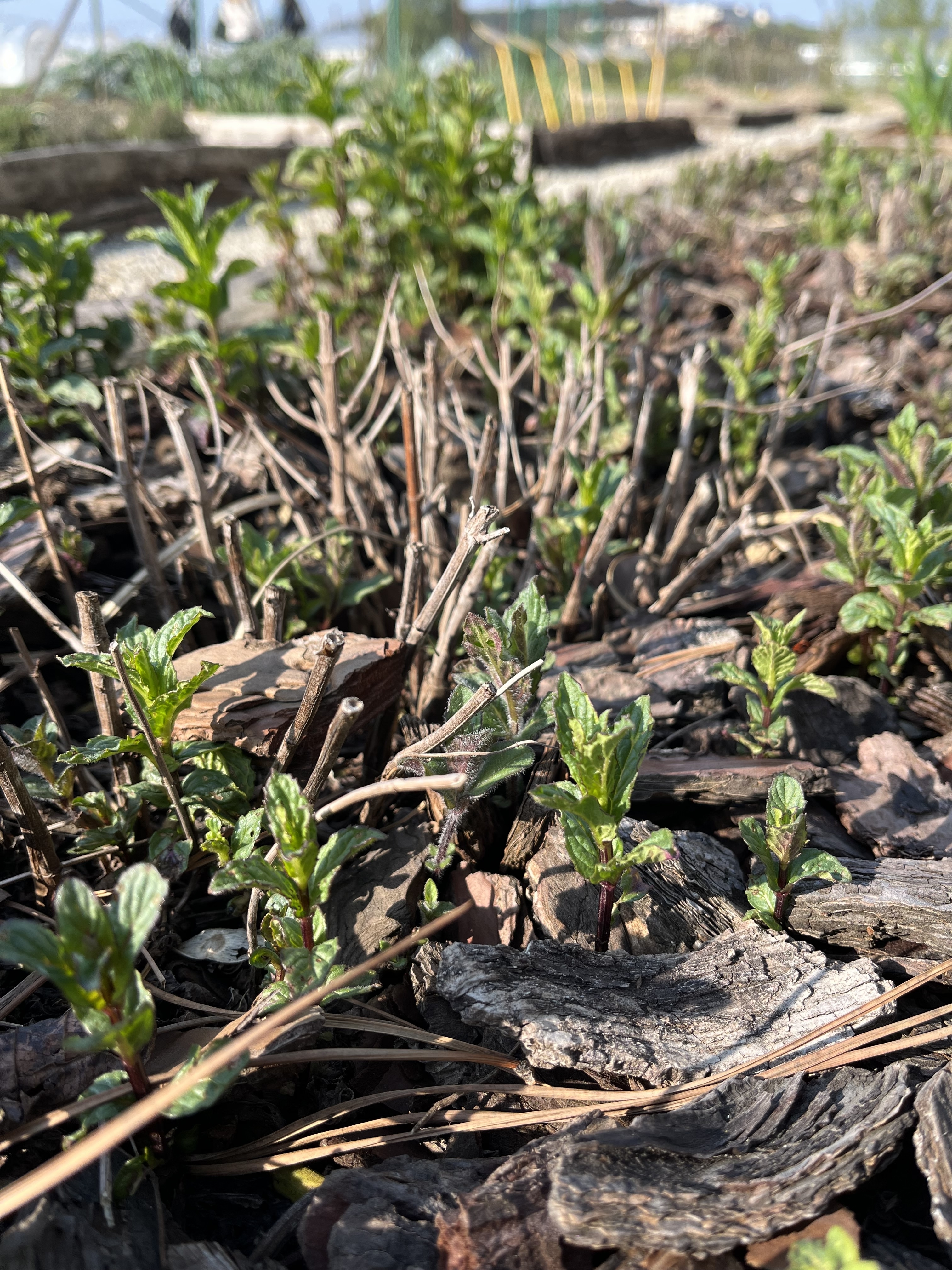
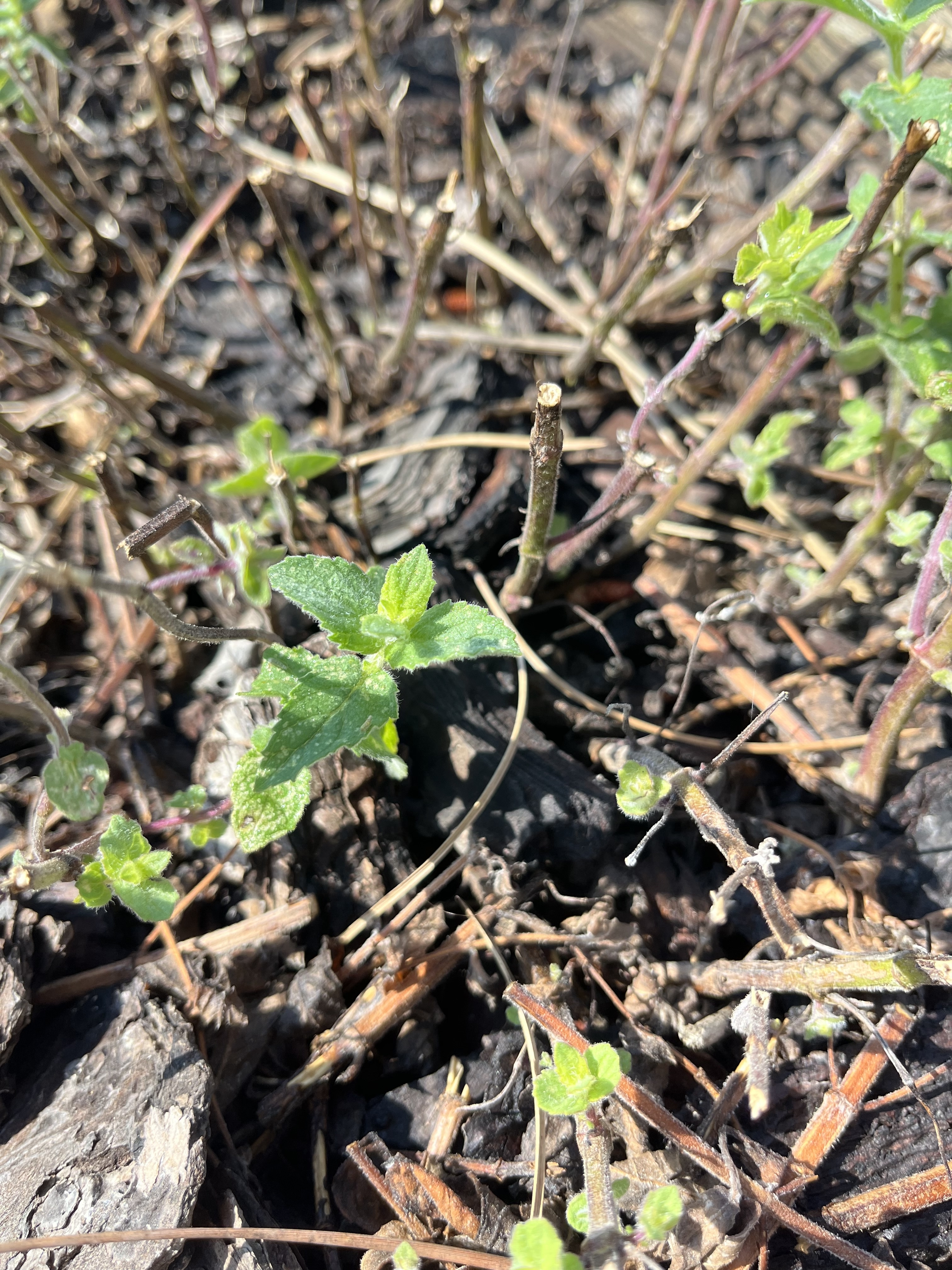
Perennial crop grown for max. 3–4 years in the same place, the above-ground part thaws in winter, sprouts again in spring.
Suitable preceding crops: root crops, suitable preceding crops are e.g. organically fertilized potatoes, sugar beet or peas, or winter crops
Fertilization: regular fertilization with a balanced, versatile fertilizer Track: I., II. (can also tolerate MH fertilization at a dose of 30 – 40 t/ha)
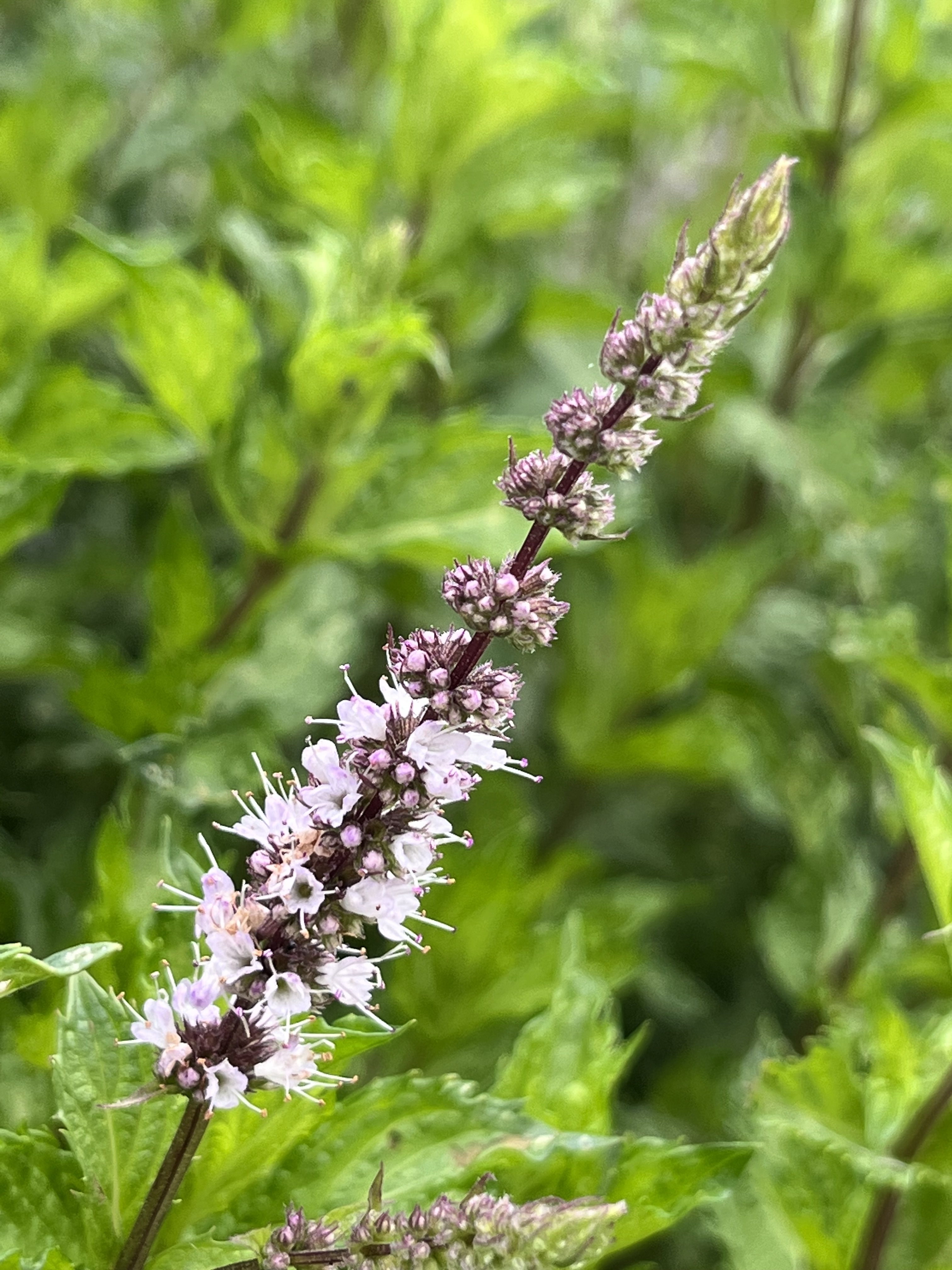
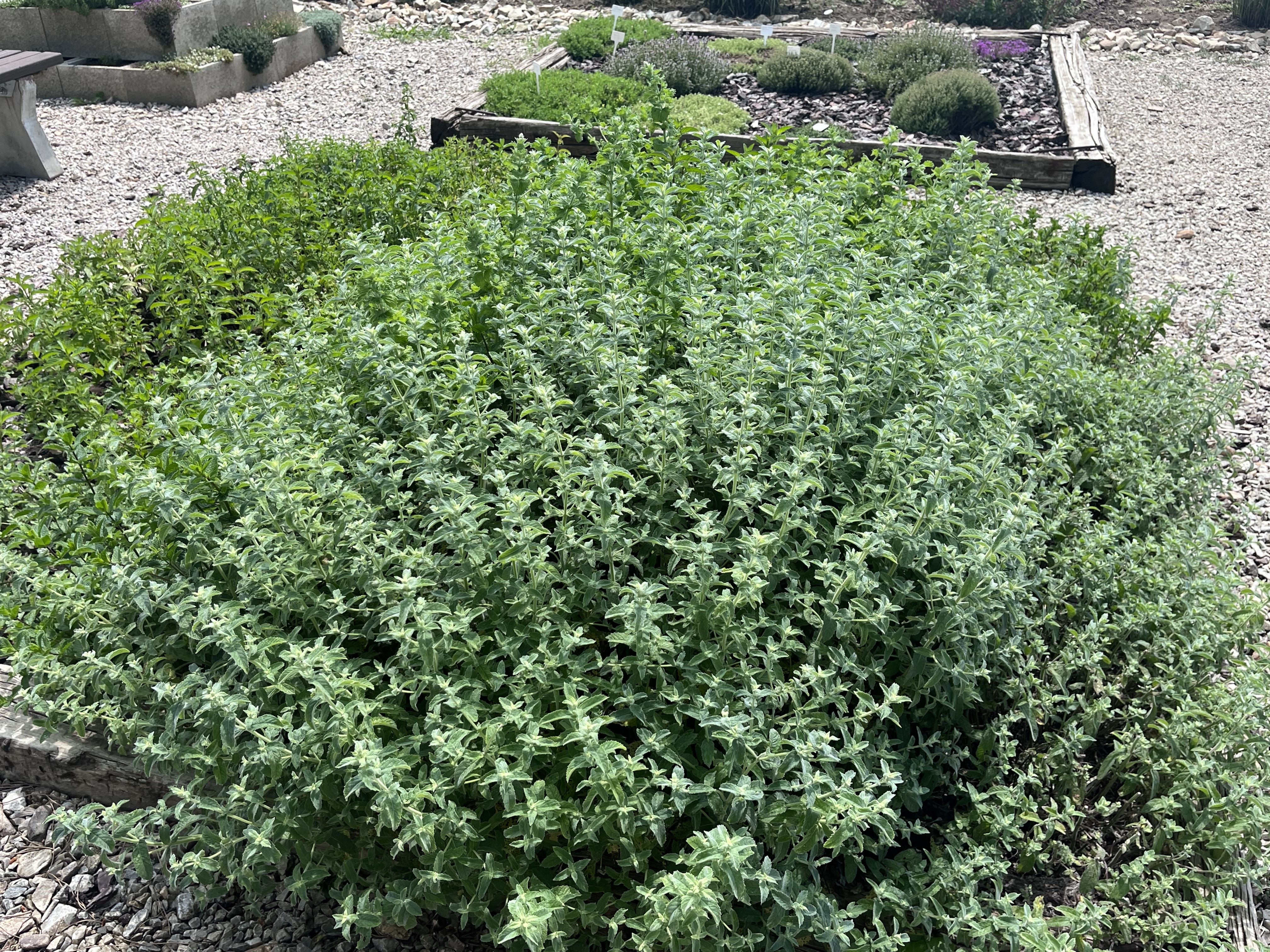
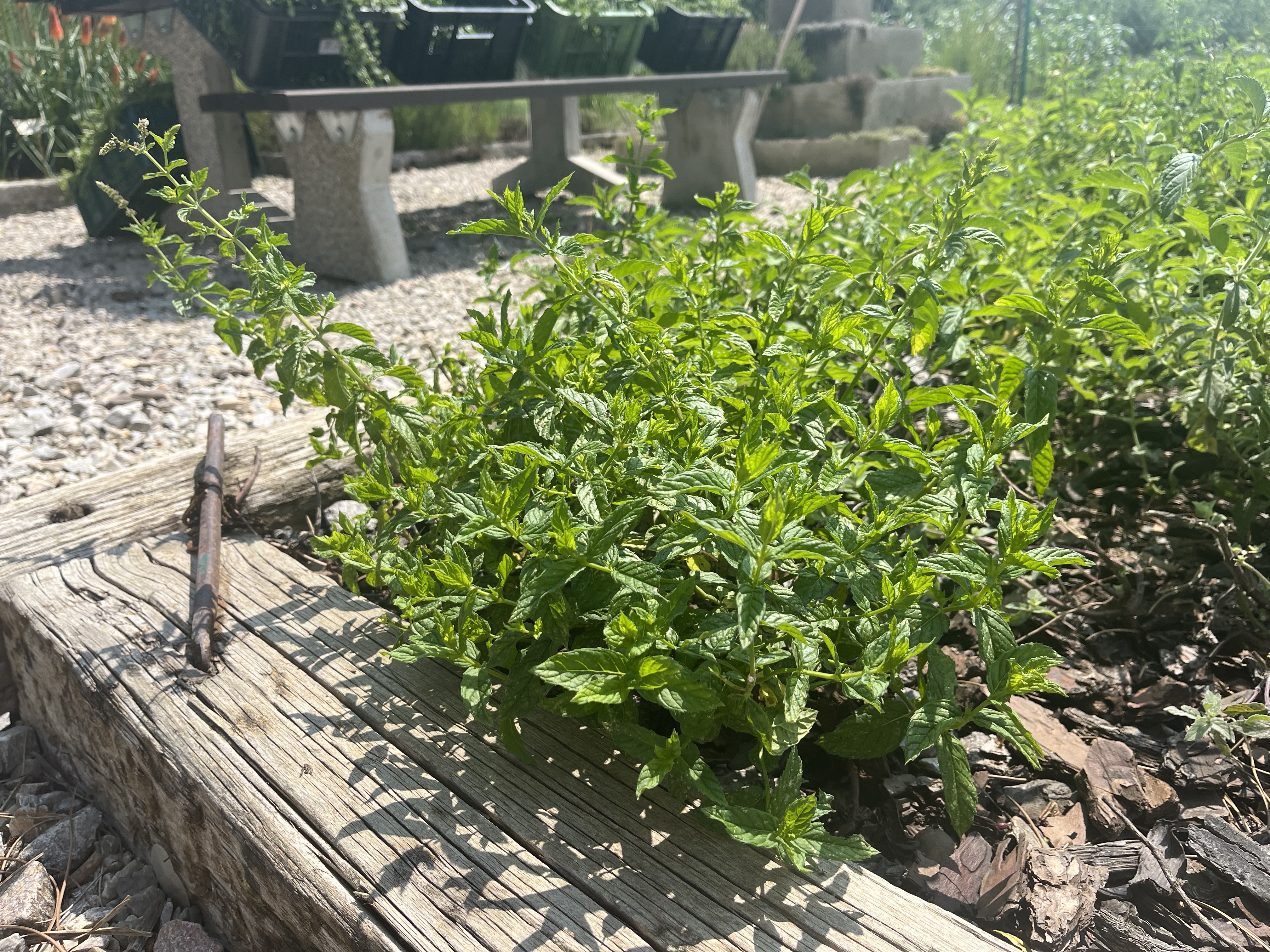
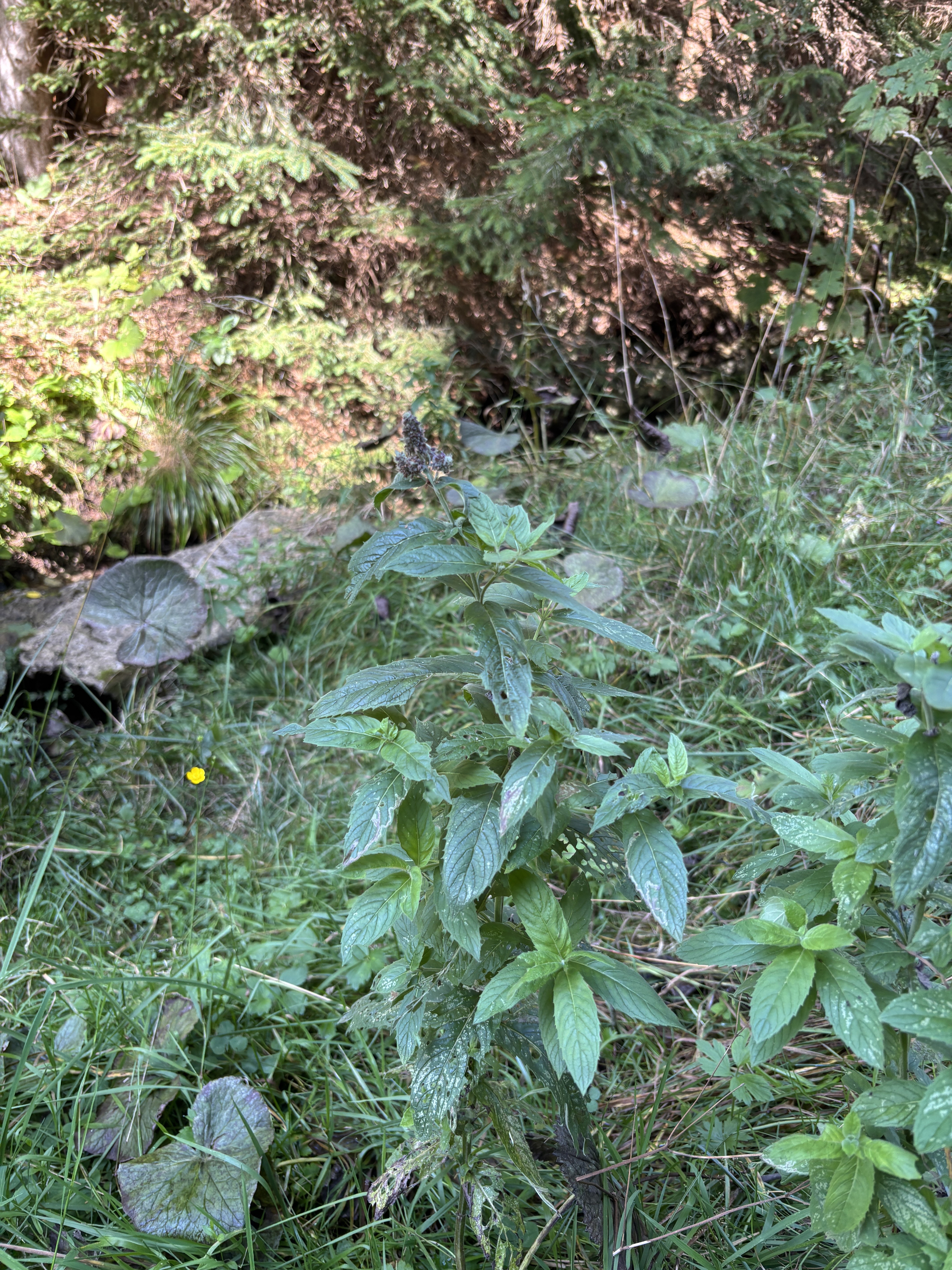
Varieties: many natural hybrids and variations, from a commercial point of view the species Mentha x piperita, Mentha spicata, Mentha longifolia L., Field mint (Mentha arvensis), Sweet mint (Mentha suaveolens) and Lemon mint (Mentha × piperita citrata) are important due to their high yield, intensive growth and desirable oil content In LRO - the only variety Mentha x piperita L. ´Kristinka´ from 2013 to 2033. The Community Plant Variety Office in France, for the first time since its establishment, granted the University of Prešov in Prešov, as the only workplace in Slovakia for the breeding of medicinal plants, registration of a peppermint variety at the level of legal protection of varieties in the entire EU, valid from 2017 to 2042. It is a lush green, aromatic perennial that grows to 40-60cm.
Agrotechnics of cultivation
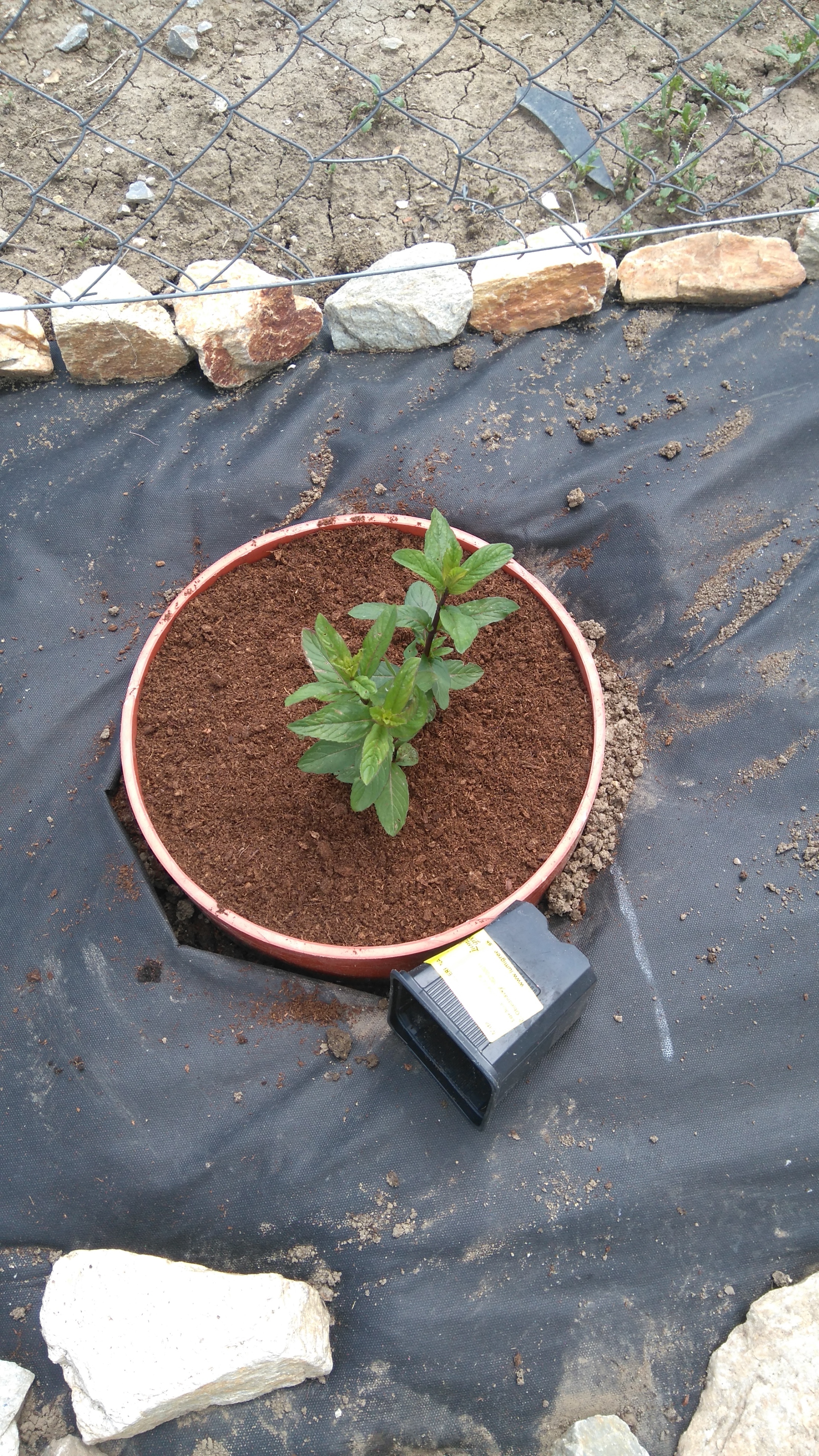
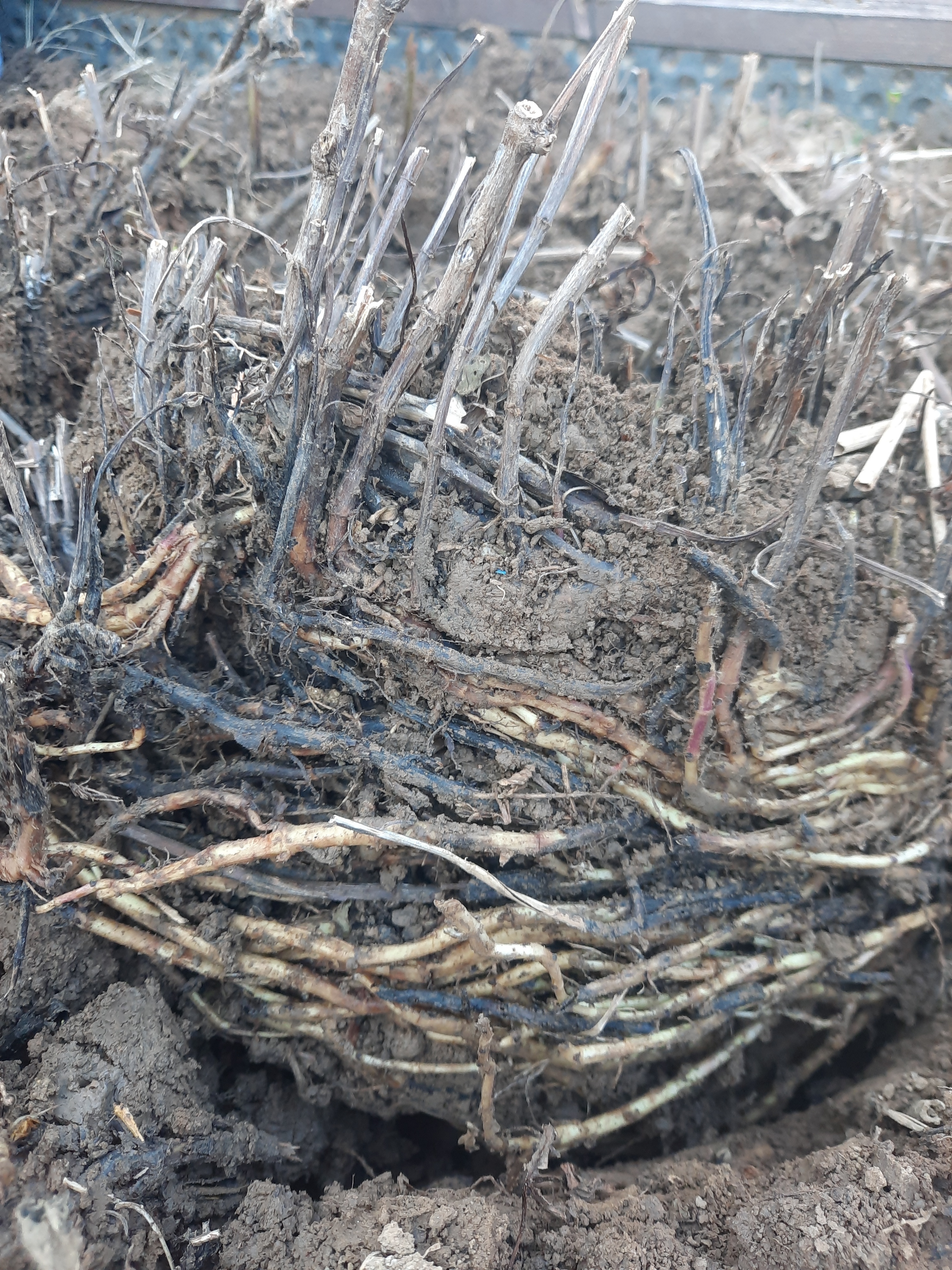
Propagation: exclusively vegetatively - by underground root shoots - rhizomes, or by above-ground creeping stems or rooted apical cuttings
| Month | I. | II. | III. | IV. | V. | VI. | VII. | VIII. | IX. | X. | XI. | XII. |
|---|---|---|---|---|---|---|---|---|---|---|---|---|
| Planting | x | xxx | x | xxx | x | |||||||
| Harvest | xxx | xxx | xxx | xxx |
Harvest: at the beginning of flowering and in sunny, calm weather, 2-3 times during the growing season
Use: ingredient in many dishes (salads, soups, sauces, eggs, fish and meat dishes), food flavoring (including sweets and chewing gum), liqueurs and toothpaste
Effect on human health
Constituents: essential oils, tannins, phenolic acids, bitters and others
Phytotherapeutic groups: stomachic, antispasmodic, carminative, disinfectant, cholagogue, corrigendum
Diseases and pests:
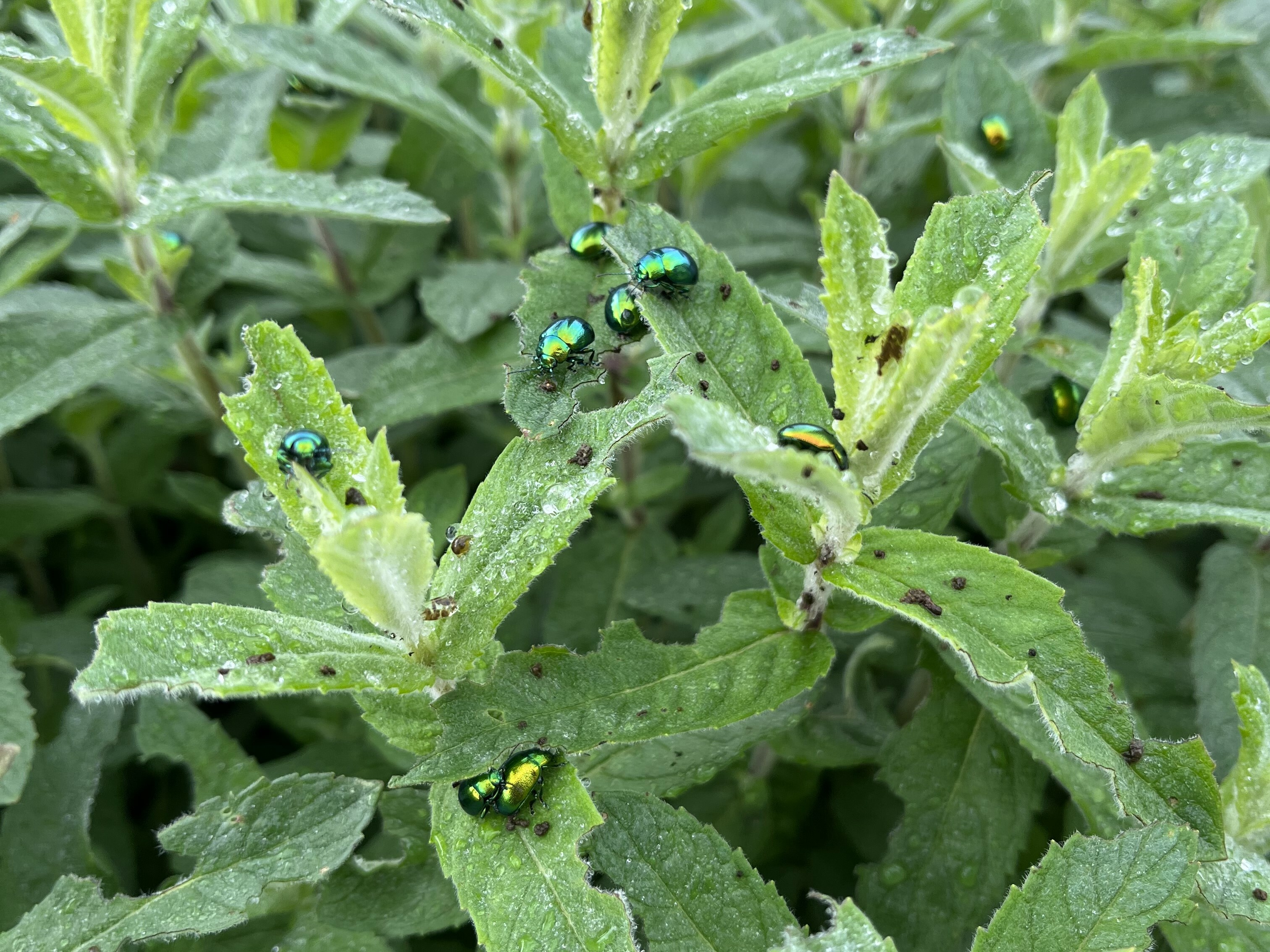
Mint is susceptible to fungal diseases such as rust (Puccinia menthae PERS.) and powdery mildew. Common pests include aphids and mites.
Labeling Plants with QR Codes
At the Faculty of Horticulture and Landscape Engineering at SPU in Nitra, we've created a project that offers visitors to our plantings a new way to discover the beauty and intriguing aspects of plants. Each plant in our plantings has its own unique QR code. All a visitor needs to do is scan this code with their smartphone.
Encyclopedy
Informácie
Kontakt
Fakulta záhradníctva a krajinného inžinierstva
Tulipánová 7, 949 76 Nitra
phone +421 (37) 641 4229 — study department
email henrieta.budayová@uniag.sk



Copyright © 2026 Faculty of Horticulture and Landscape Engineering