

 Slovenská verzia
Lovage
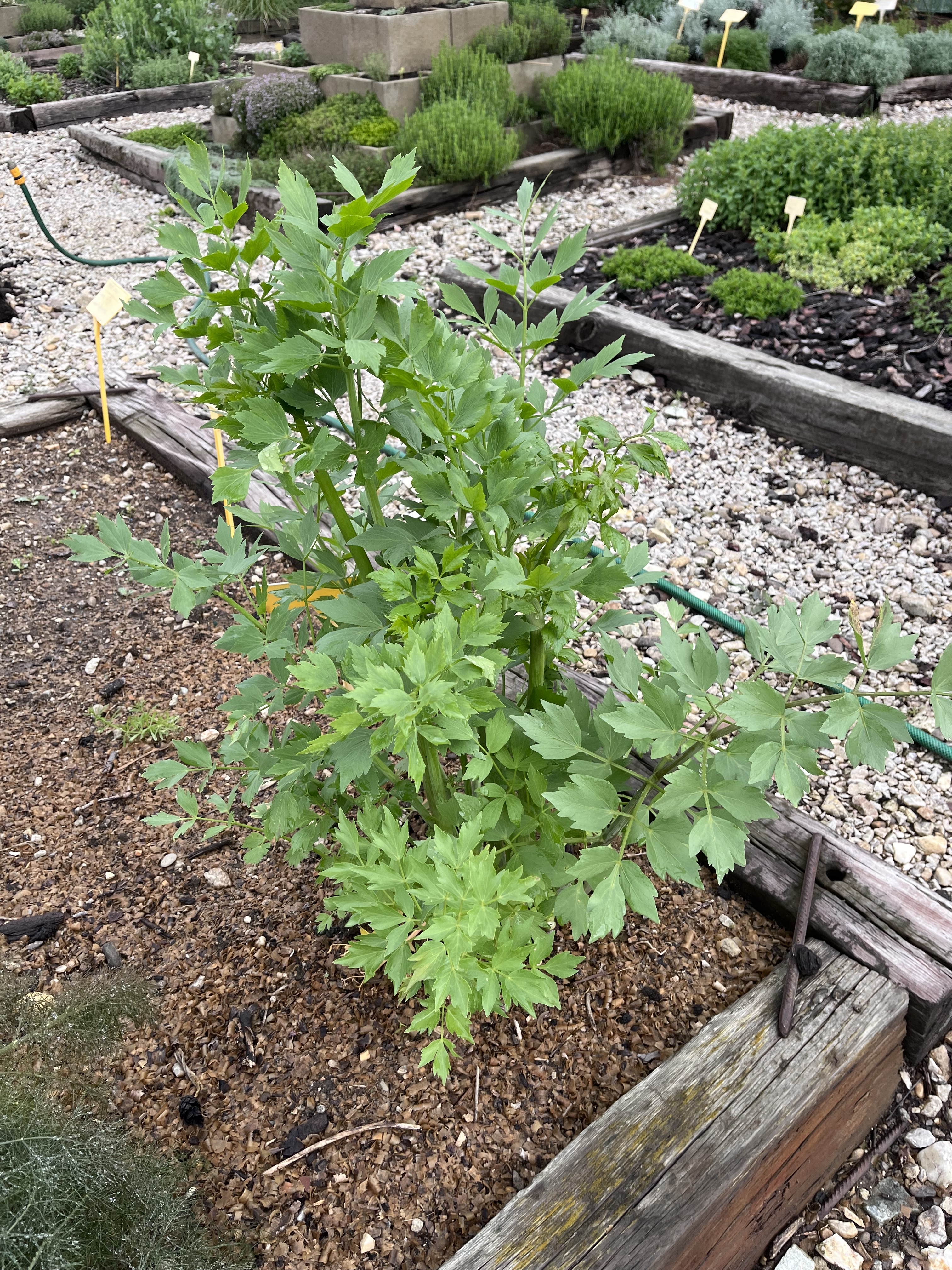
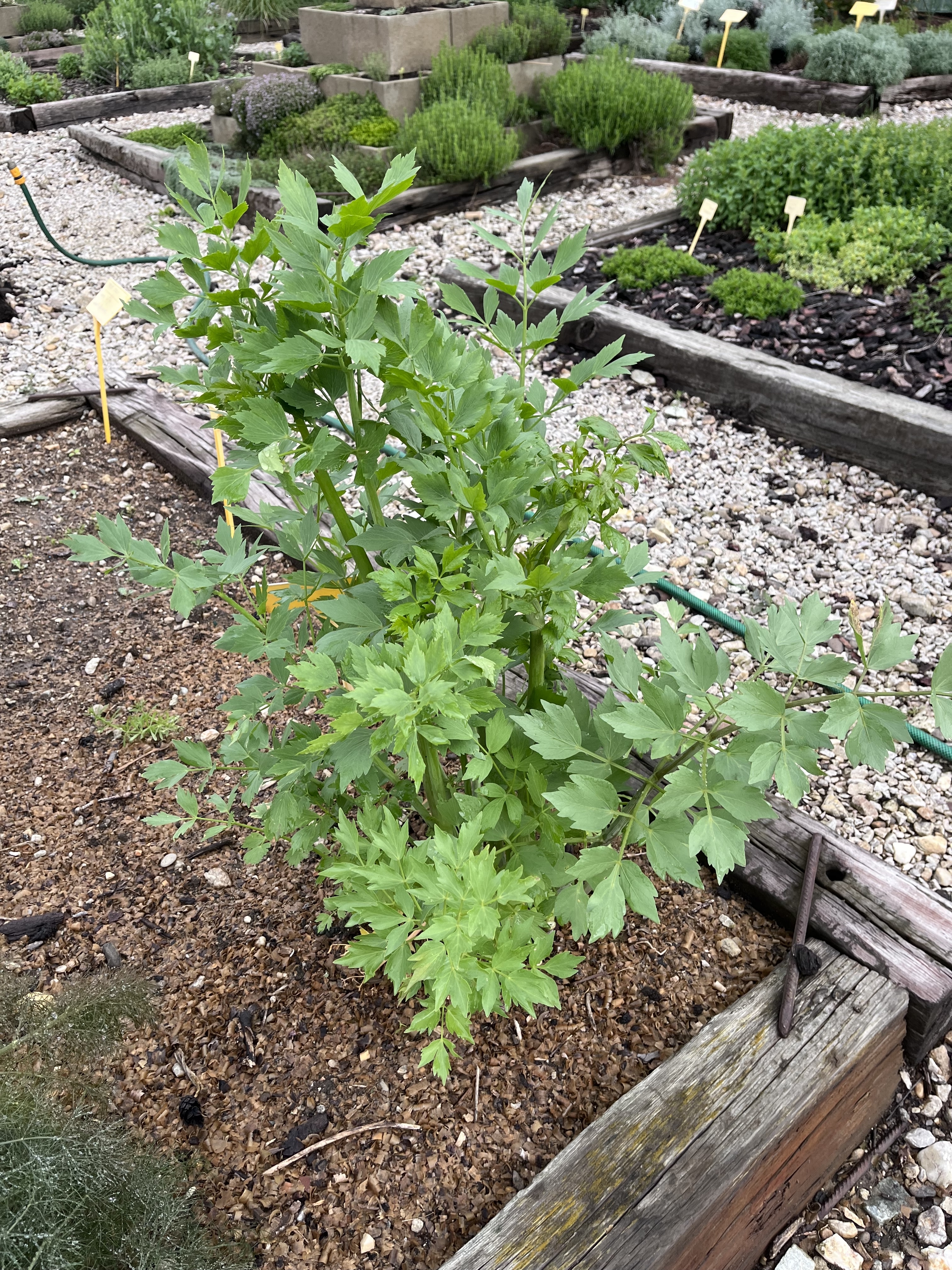
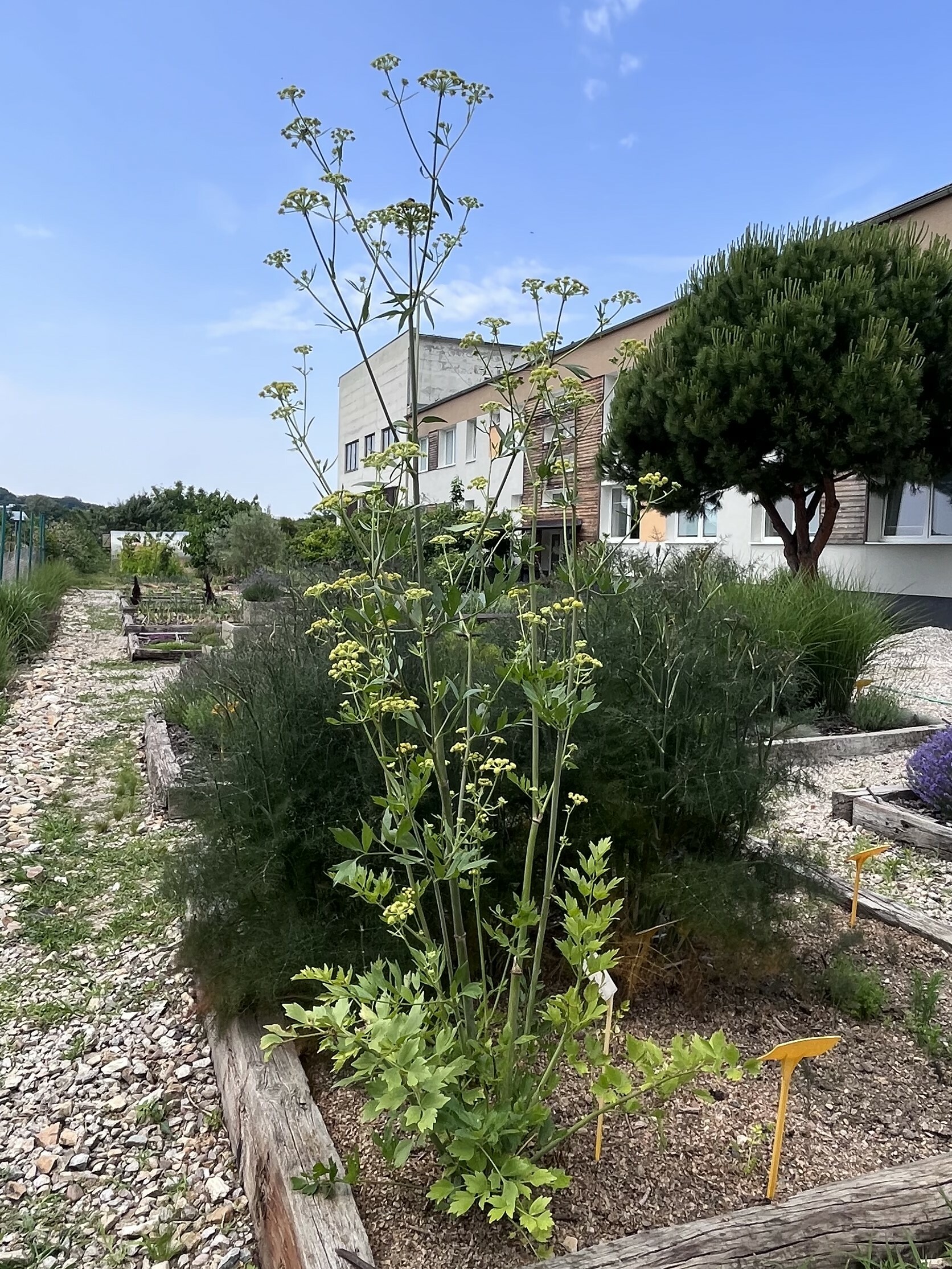
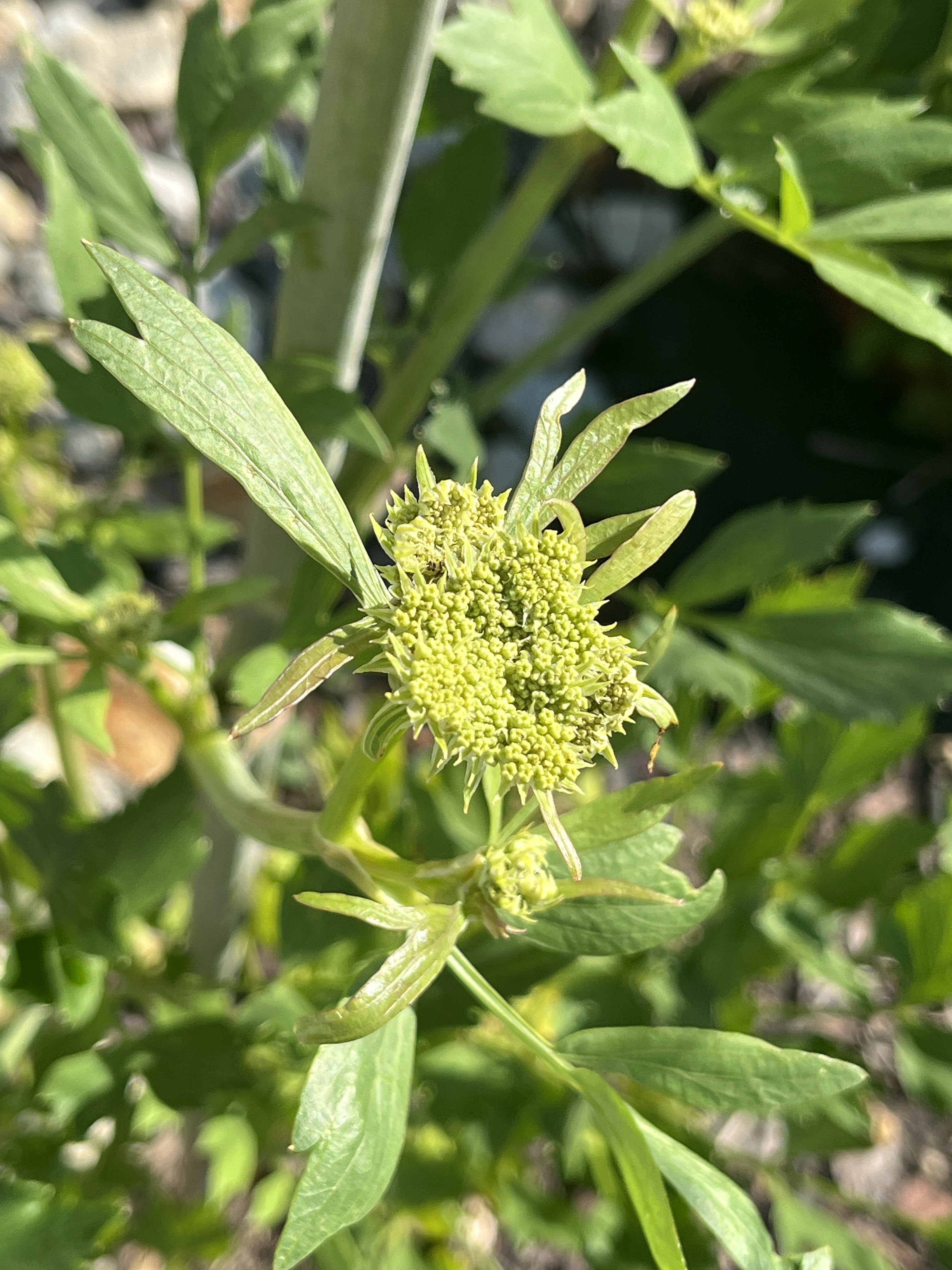
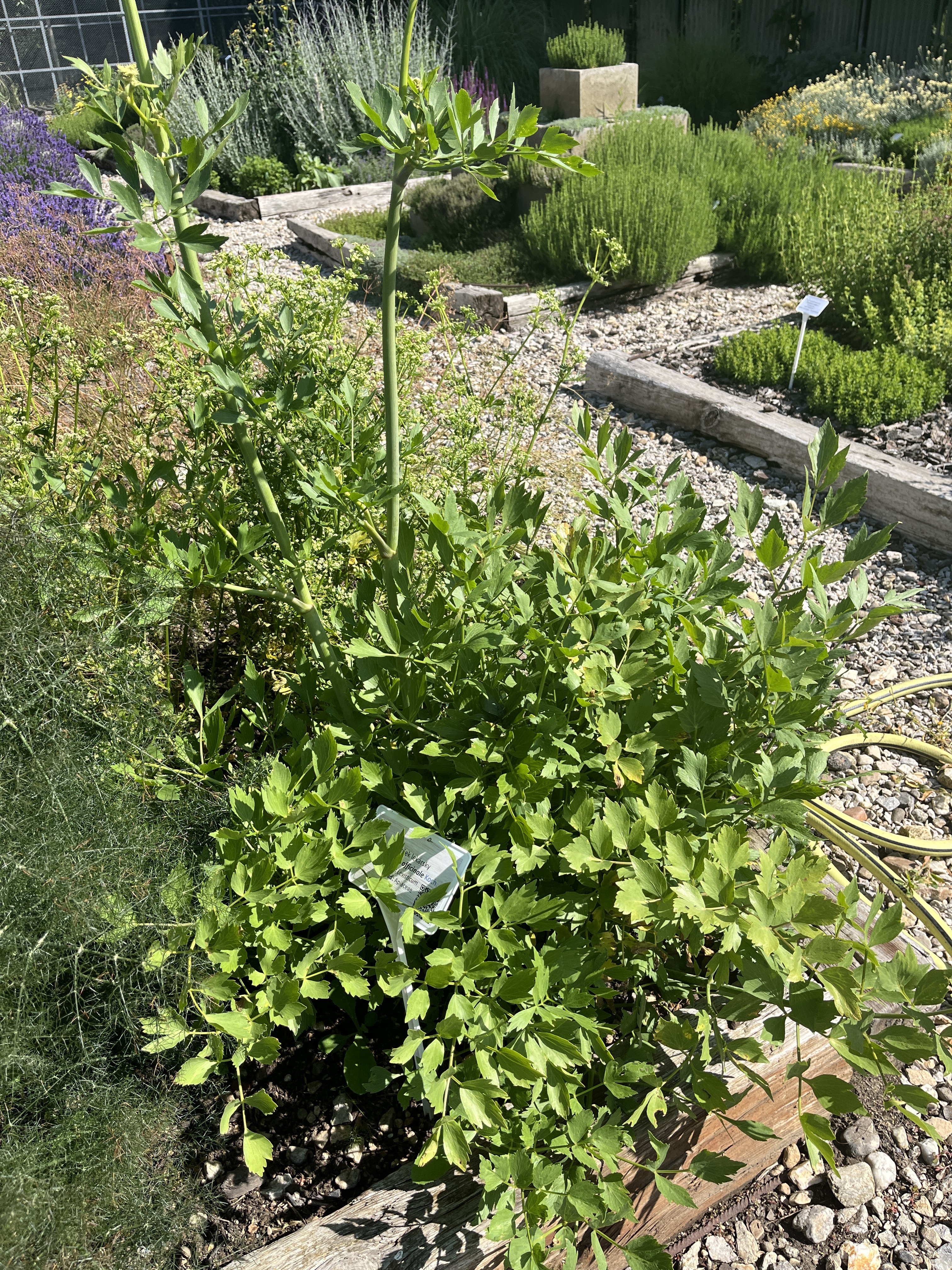
Short description of the species
Interesting
In Germany, the plant is nicknamed "Maggikraut" after the popular seasoning sauce Maggi, because its taste is very similar to this sauce.Usage
it is added to spice mixes (Vegeta, Maggi). It is used in fish, poultry and lamb dishes, in bean stews, in fillings and spreads.Inclusion in the sowing process and fertilization requirements
It can be grown in one place for 3-4 or more years.
track: II.
suitable pre-crops: root crops
fertilization: After harvesting, it requires a regenerative dose of nitrogen.
varieties: Most cultivated Ligurian plants are very similar, as the plant is grown primarily for its aromatic and medicinal properties, rather than for specific variations in growth or appearance.
Agricultural cultivation techniques
Propagation: sowing seeds directly into well-prepared soil in autumn or very early spring (March)
Agro-technique of cultivation - bed method (directly into the soil)
| Month | I. | II. | III. | IV. | V. | VI. | VII. | VIII. | IX. | X. | XI. | XII. |
|---|---|---|---|---|---|---|---|---|---|---|---|---|
| Výsev | XXX | X | ||||||||||
| Zber/ vňať, list | XXX | XXX |
Harvest and storage: the leaves of Ligurian can be collected already in the first year of growth (when they reach a size of approx. 20 cm cm), from spring to late autumn. With large-scale production technologies, leaves are collected once. Ligurian roots are usually harvested after two to three years of growth.
Use: It is added to spice mixes (Vegeta, Maggi). It is used in fish, poultry and lamb dishes, in bean stews, in fillings and spreads.
Impact on human health
Valuable ingredients: essential oils, polyphenols, vit. C
Phytotherapeutic groups: diuretic, carminative, mucolytic
Diseases and pests: it is often attacked by a virus (ligurček mosaic), ligurček leaf spot (Septoria levistici), among pests, the biggest damage is caused by aphids, aphids and the field leafhopper (Eupterix atropunctata).
Labeling Plants with QR Codes
At the Faculty of Horticulture and Landscape Engineering at SPU in Nitra, we've created a project that offers visitors to our plantings a new way to discover the beauty and intriguing aspects of plants. Each plant in our plantings has its own unique QR code. All a visitor needs to do is scan this code with their smartphone.
Encyclopedy
Informácie
Kontakt
Fakulta záhradníctva a krajinného inžinierstva
Tulipánová 7, 949 76 Nitra
phone +421 (37) 641 4229 — study department
email henrieta.budayová@uniag.sk



Copyright © 2026 Faculty of Horticulture and Landscape Engineering