

 Slovenská verzia
Oregano
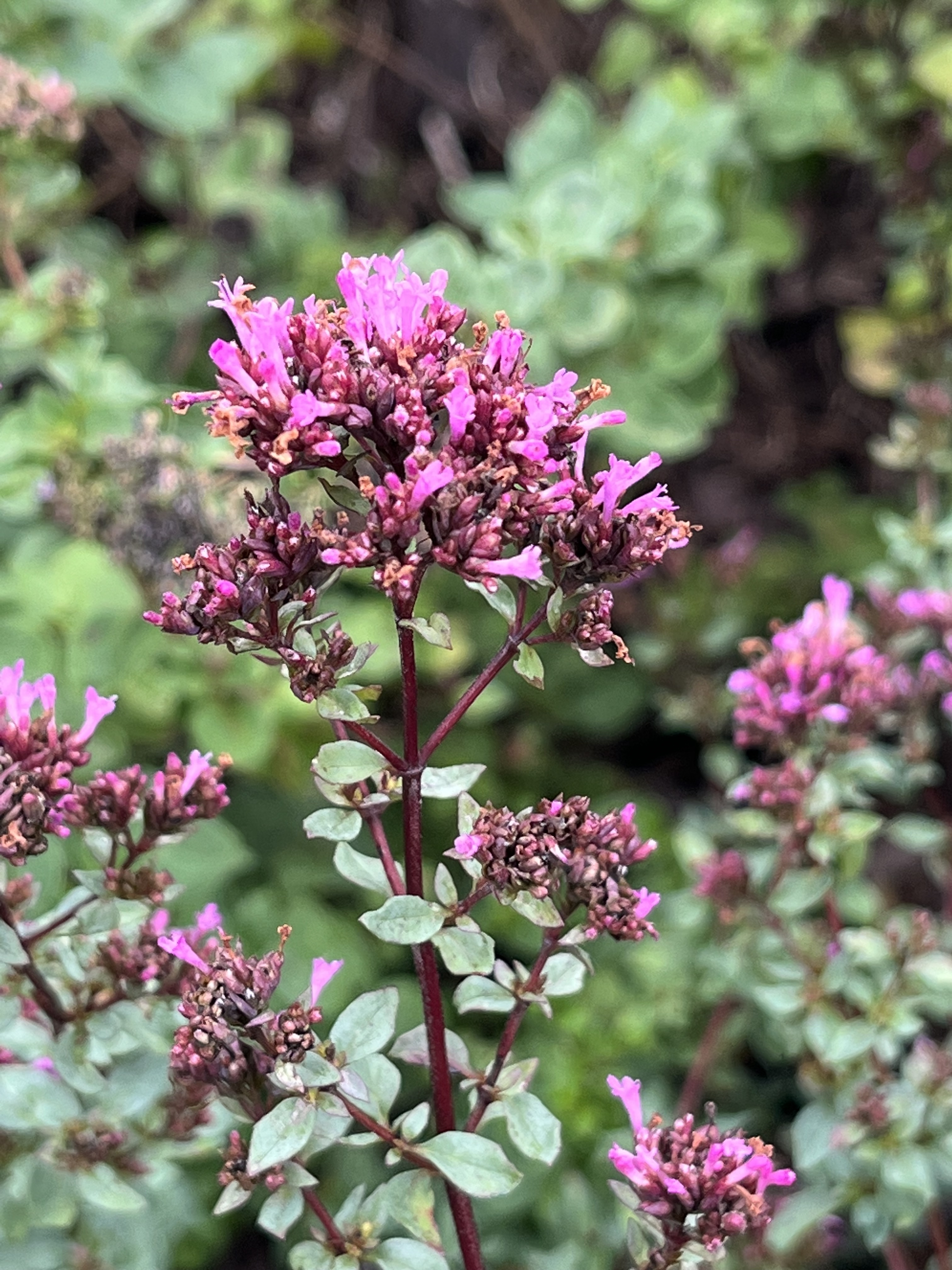
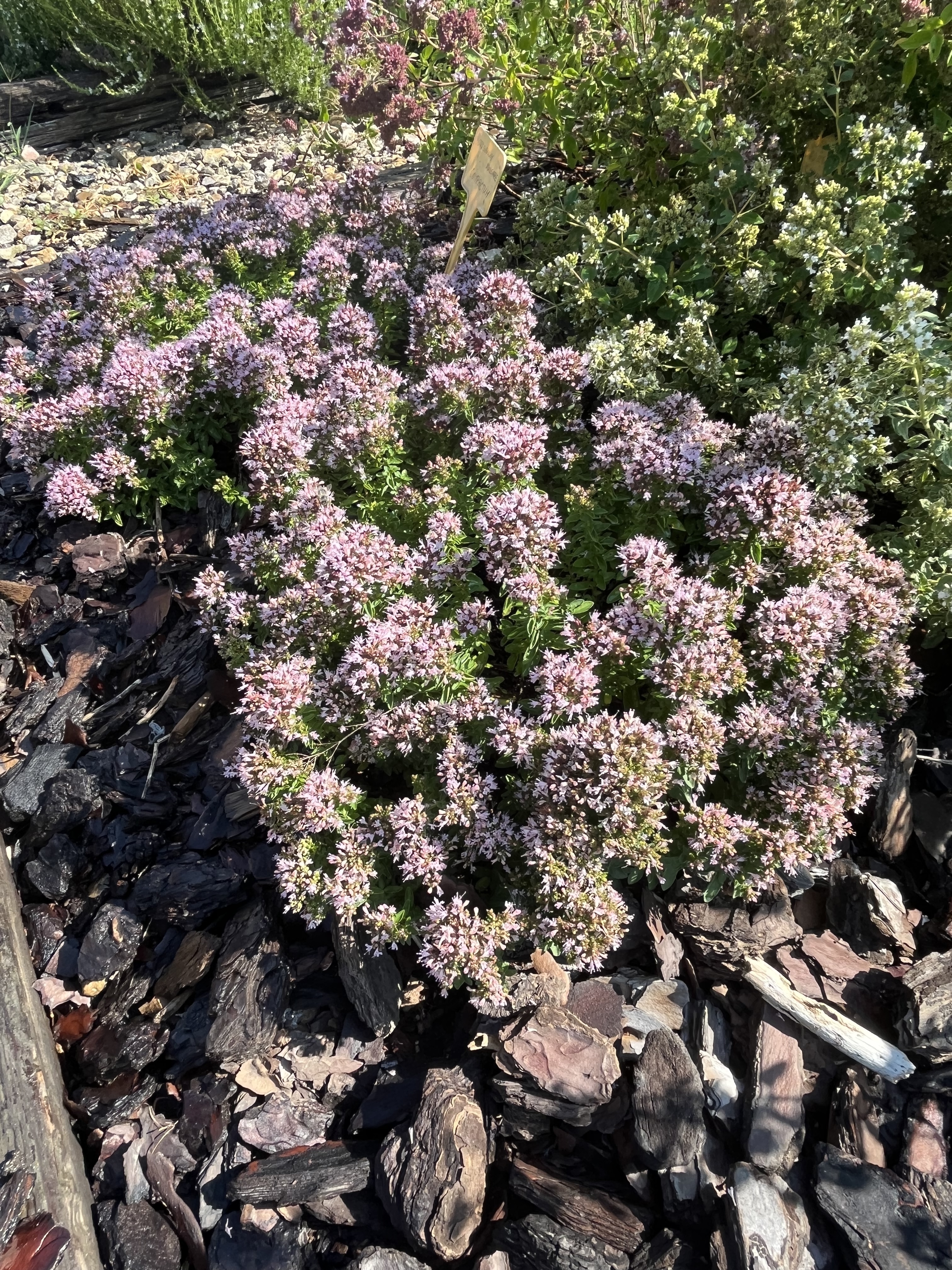
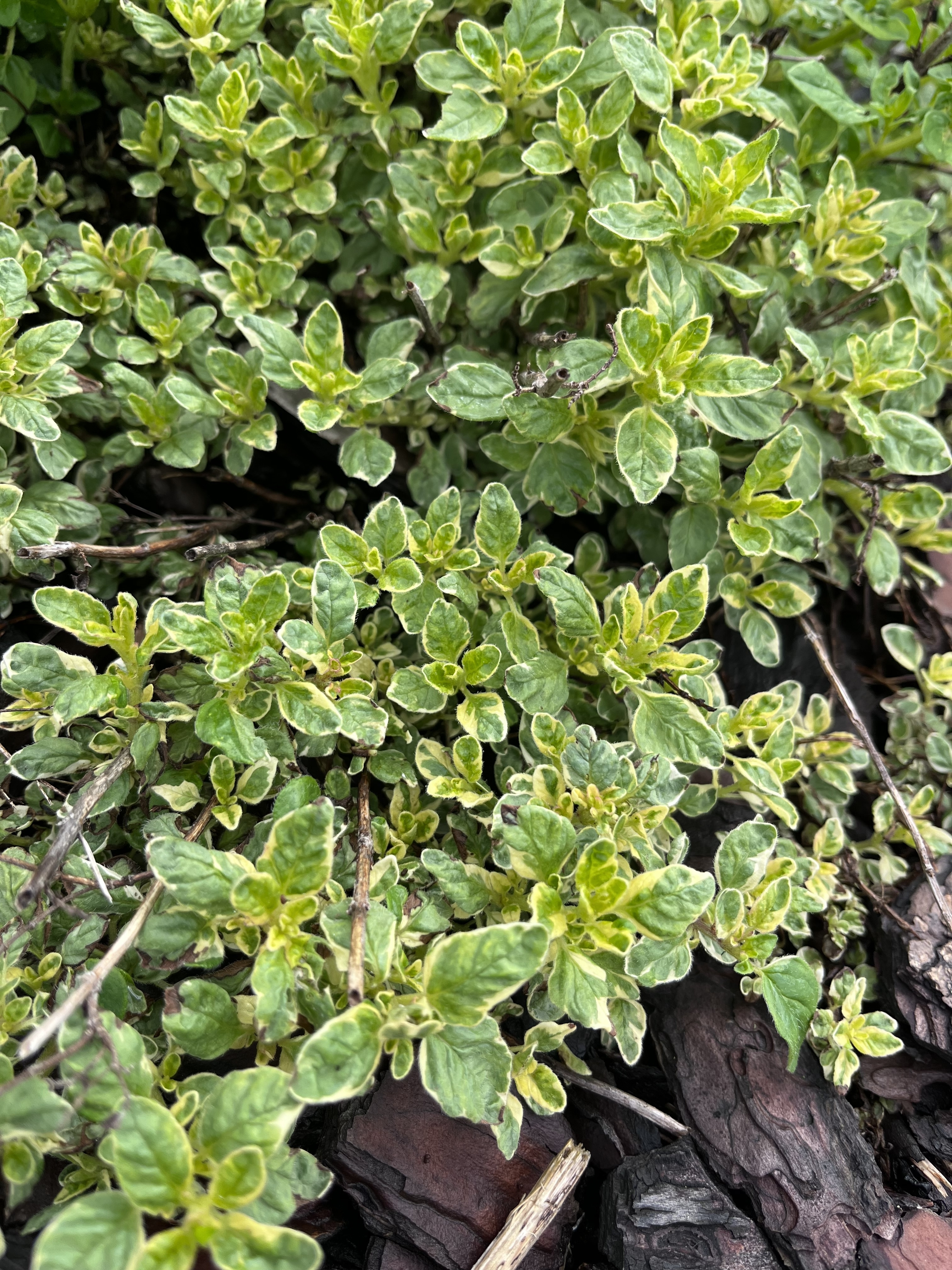
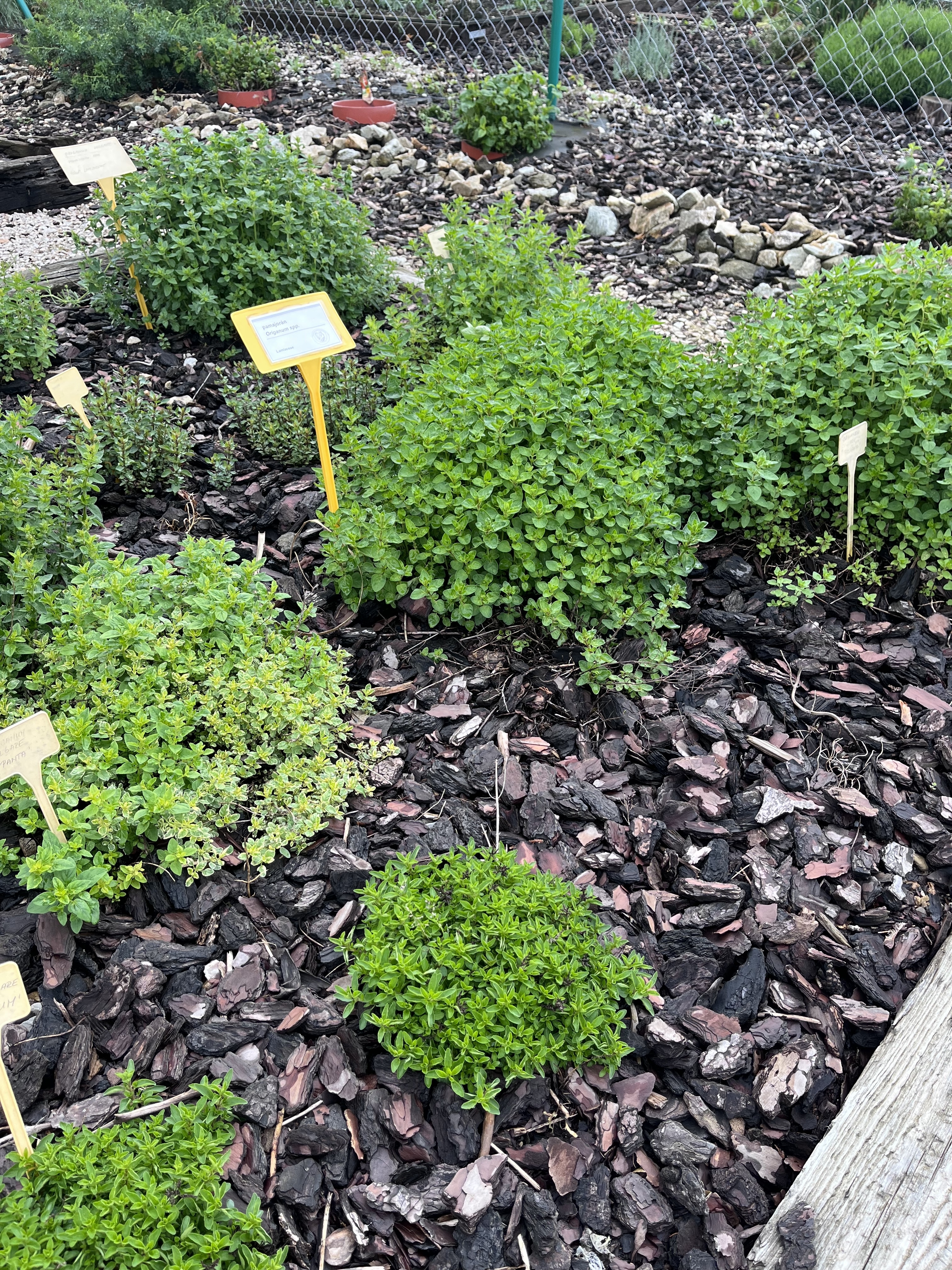
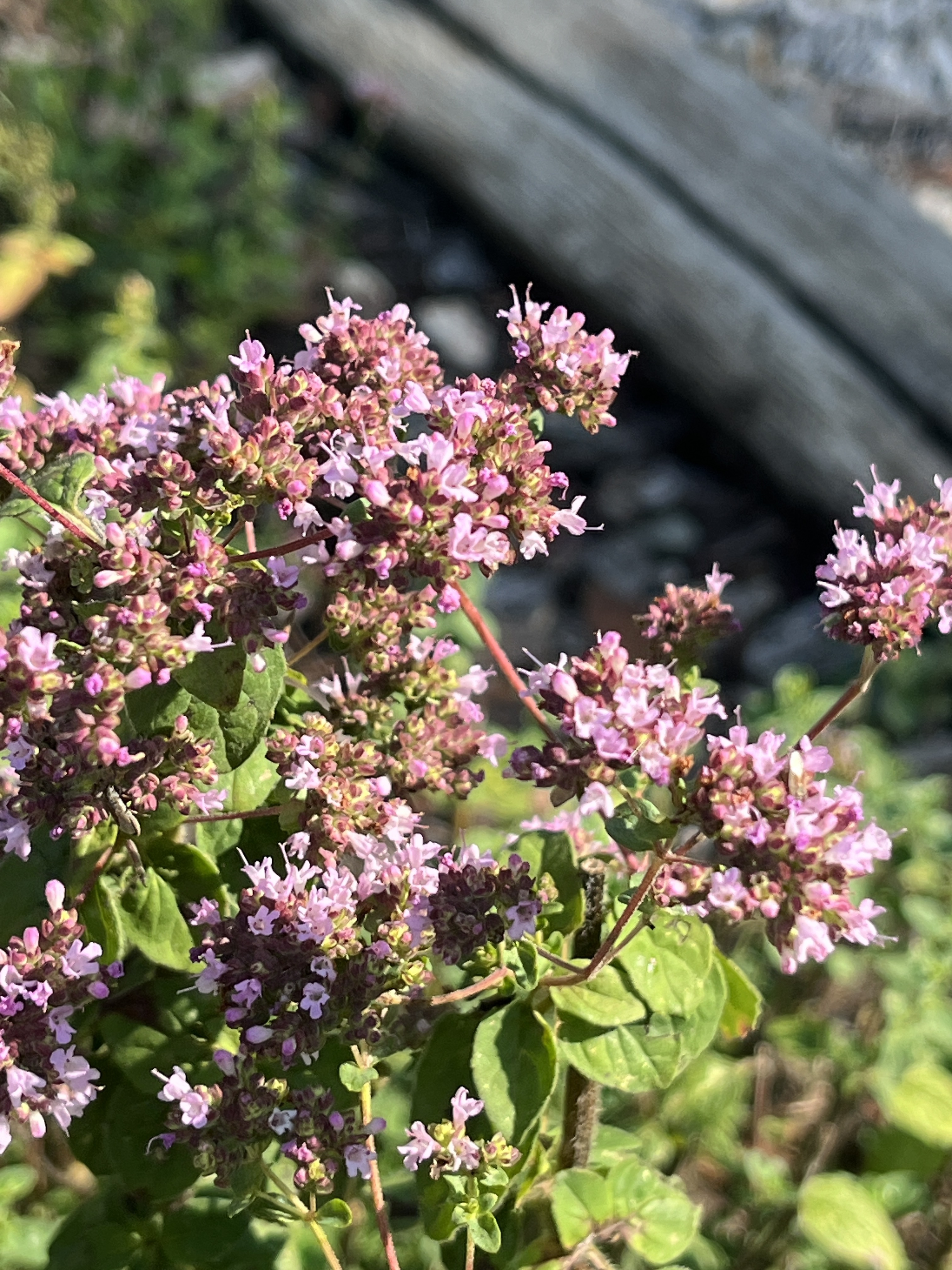
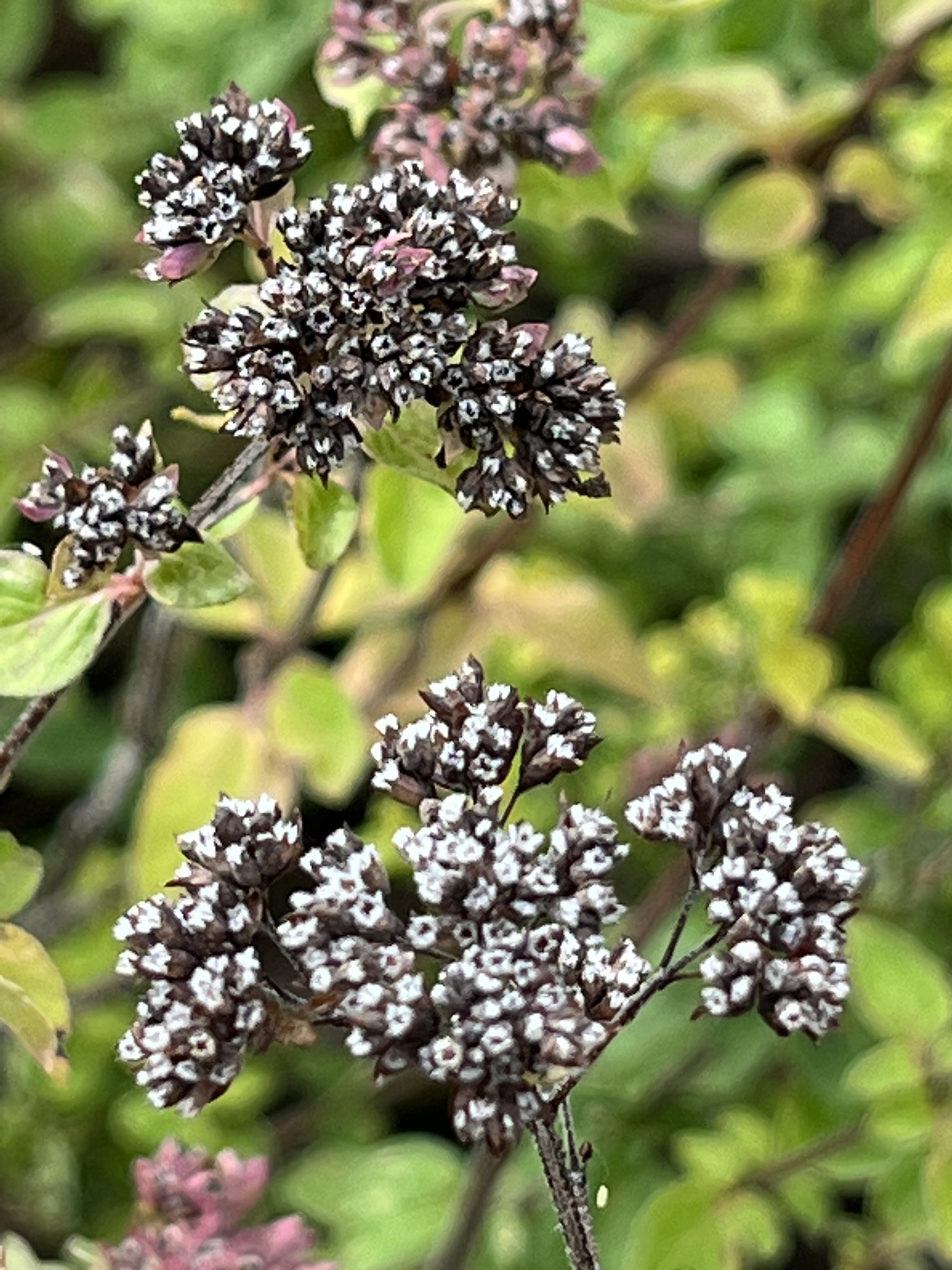
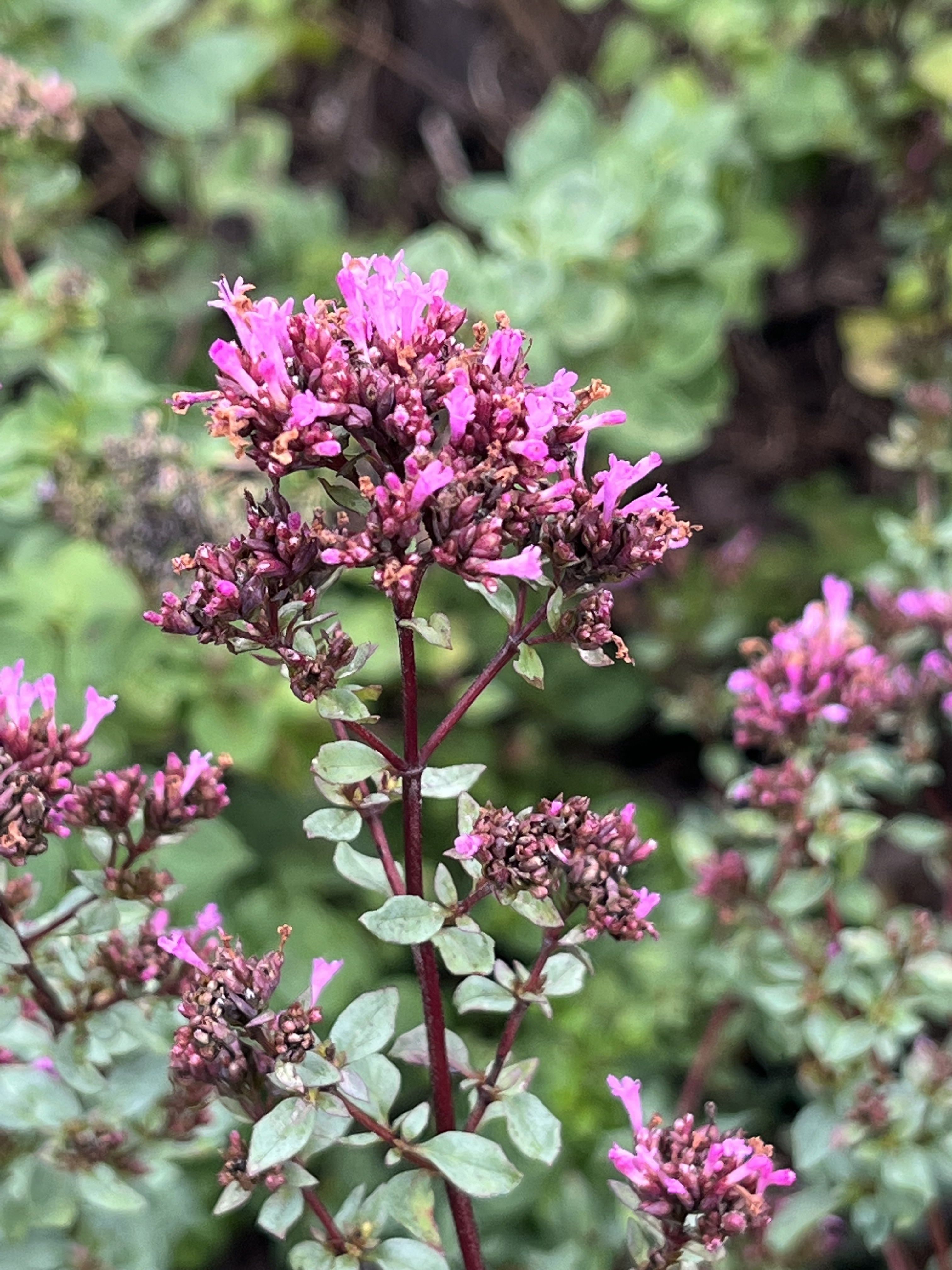
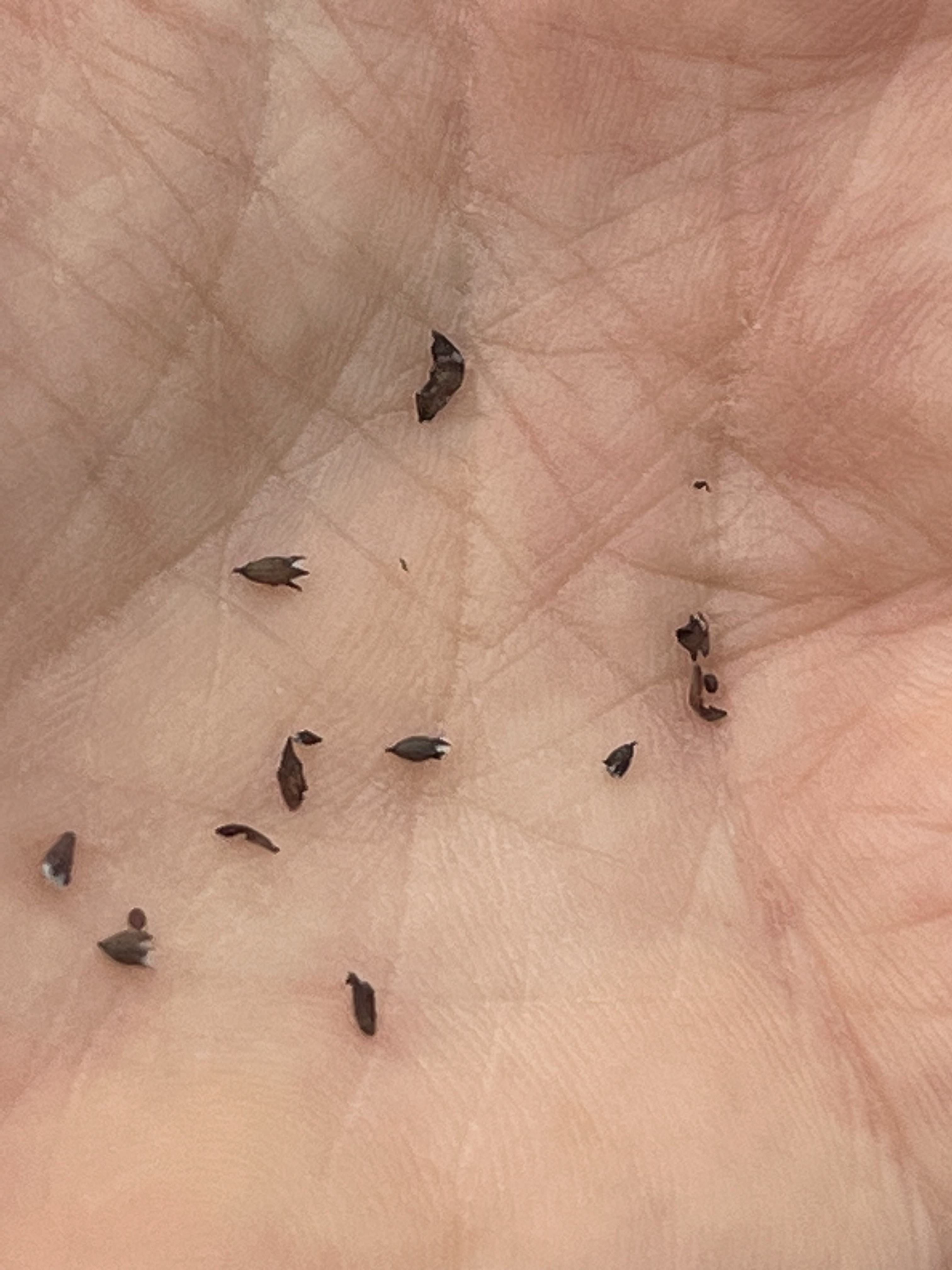
Short description of the species
Interesting
Dried and fresh leaves of this genus, but of different species (Origanum onites, Organum vulgare ssp. prismaticum, etc.) are used as a spice, which is known worldwide under the trade name "oregano".Usage
Oregano is typical of Mediterranean and Mexican cuisine, used in sauces, pizza, soups, marinades and spice blends (Provencal herbs or Mexican blend, etc.)Inclusion in the crop rotation and fertilization requirements
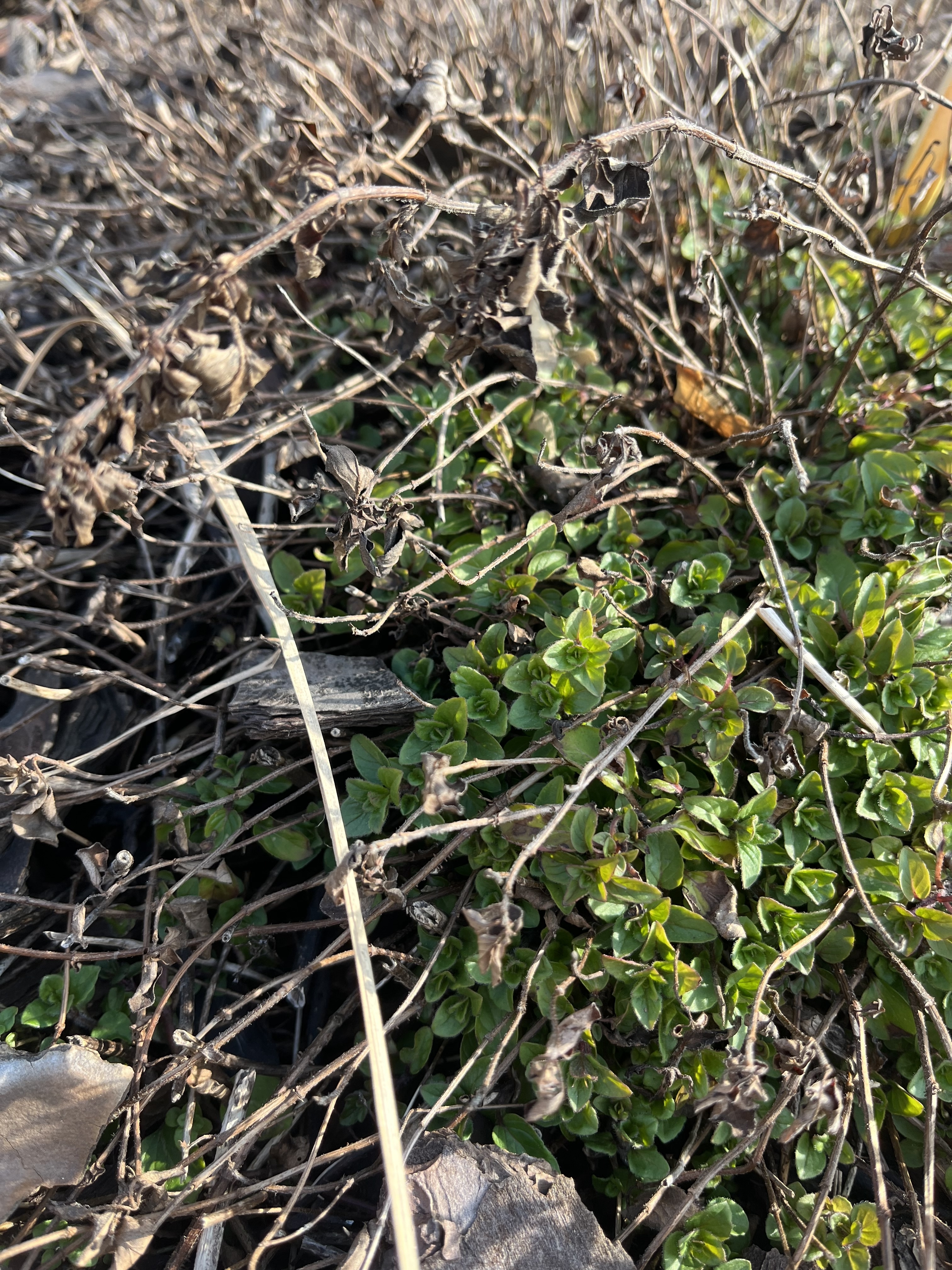
In our conditions, it is a perennial, it grows again in spring after the aboveground part dies off in winter.
Track: II.
Suitable preceding crops: legumes, cereals, root vegetables
Fertilization: In an experimental study (Asri, 2023) with organic fertilizers, various forms of organic and chemical fertilizers were applied to oregano plants, with special attention paid to manure (FYM - 21 t ha⁻¹), chicken manure (CM - 5 t ha) and other fertilizers such as urea (46% N) 325 kg ha⁻¹, potassium sulfate (50% K₂O) - 200 kg ha⁻¹, superphosphate (44% P₂O₅) 200 kg ha⁻¹. The study showed that all forms of fertilization positively affected both fresh and dry herb yield, as well as essential oil production, with chicken manure having the greatest direct effect.
Varieties: Economically interesting oregano varieties include those with high essential oil content, good yields and are adapted to different climatic conditions.
Cultivation techniques
Oregano can be propagated by seed, division of older plants or cuttings.
| Month | I. | II. | III. | IV. | V. | VI. | VII. | VIII. | IX. | X. | XI. | XII. |
|---|---|---|---|---|---|---|---|---|---|---|---|---|
| Sowing/covered areas | xx | |||||||||||
| Plnanting | xx | |||||||||||
| Harvest/herb, leaf | xxx | xxx | xxx |
Harvest - We harvest flowering herbs, or just the flower tops in full bloom, which is usually in summer, from June to August, depending on climatic conditions.
Use: Oregano is typical of Mediterranean and Mexican cuisine, used in sauces, pizza, soups, marinades and spice mixtures (Provencal herbs or Mexican mixture, etc.)
Effect on human health:
Constituents: essential oils (carvacrol, thymol, 1,8-cineole), tannins and bitters, flavonoids, carotene, vitamin C
Phytotherapeutic groups: sedative, nervine, carminative, antiseptic
Diseases and pests:
Oregano can be attacked by diseases such as powdery mildew, rust, root rot and septoria, and pests such as aphids and whiteflies.
REF: ASRI, Filiz Öktüren, 2023. The effects of organic and conventional fertilization on oregano (Origanum onites L.) yield and quality factors. Folia Horticulturae. Vol. 35, no. 1, p. 209–219. DOI 10.2478/fhort-2023-0016
Labeling Plants with QR Codes
At the Faculty of Horticulture and Landscape Engineering at SPU in Nitra, we've created a project that offers visitors to our plantings a new way to discover the beauty and intriguing aspects of plants. Each plant in our plantings has its own unique QR code. All a visitor needs to do is scan this code with their smartphone.
Encyclopedy
Informácie
Kontakt
Fakulta záhradníctva a krajinného inžinierstva
Tulipánová 7, 949 76 Nitra
phone +421 (37) 641 4229 — study department
email henrieta.budayová@uniag.sk



Copyright © 2026 Faculty of Horticulture and Landscape Engineering