

 Slovenská verzia
- home
- Fruits - general part
- Berry fruit
- Blackberry
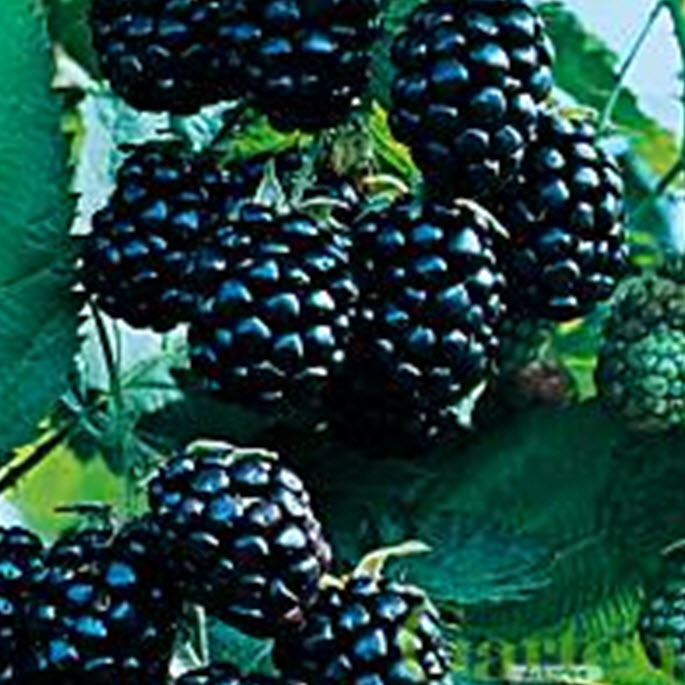
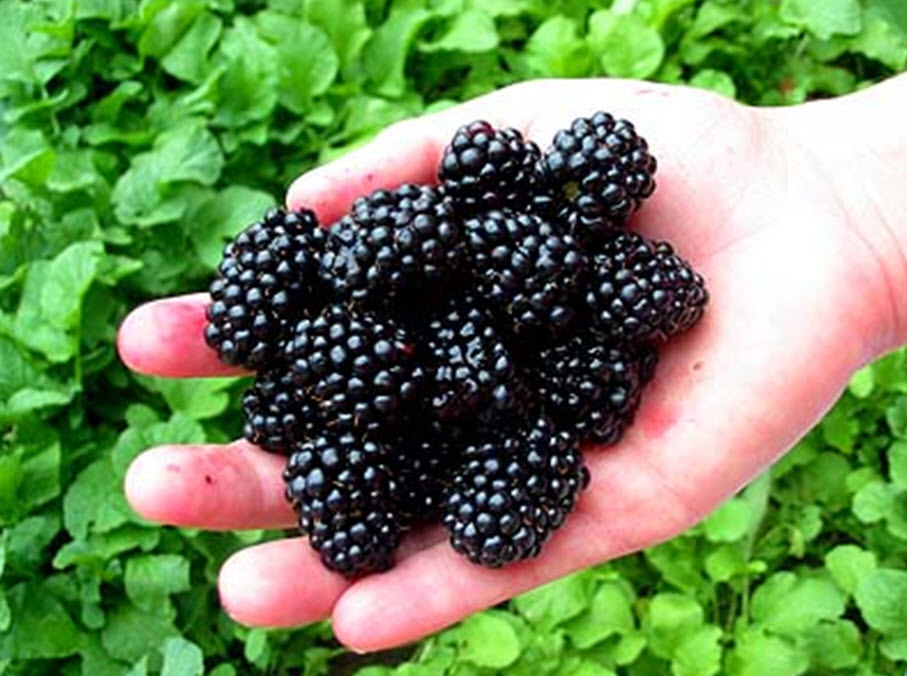
Blackberry
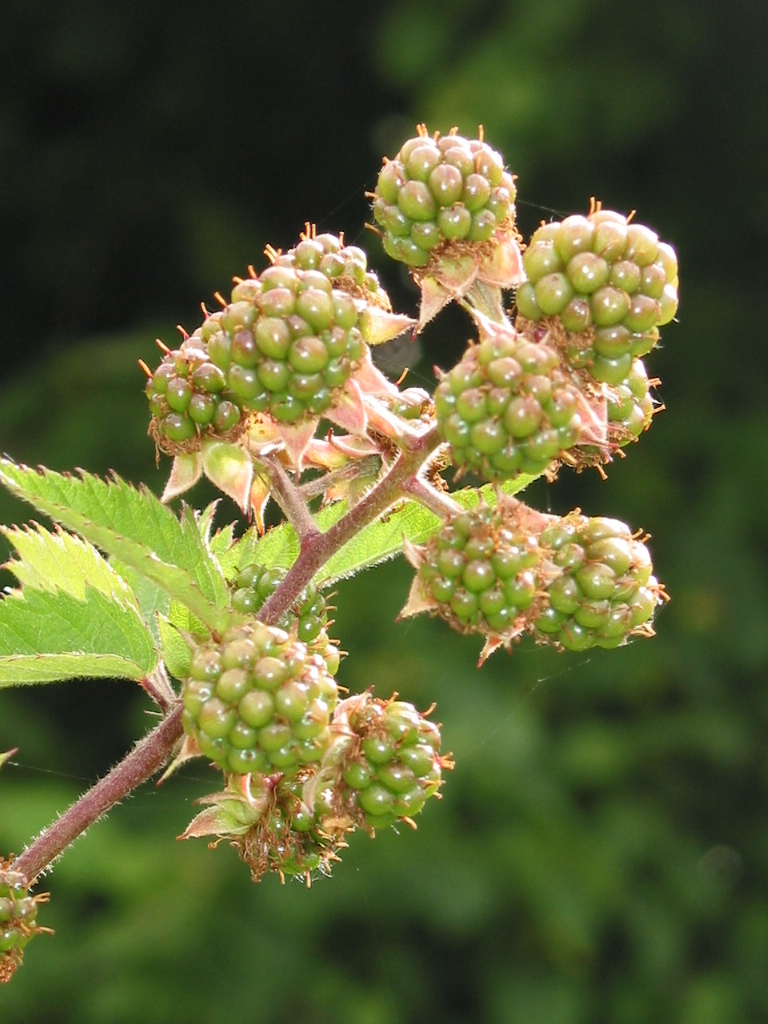
Short description of the species
Interesting
Blackberries are rich in antioxidants that can help prevent cancer and heart disease, and are full of polyphenols, which are thought to improve memory performance and improve cognitive function.Usage
direct consumption, processing into nectar, juices and syrupSuitable growing locations
They are especially demanding on the humus content in the soil. Medium-heavy soils with a pH of 6.5-7.5 suit them. This fruit species can also be grown in colder and higher altitude areas.
Suitable growing forms
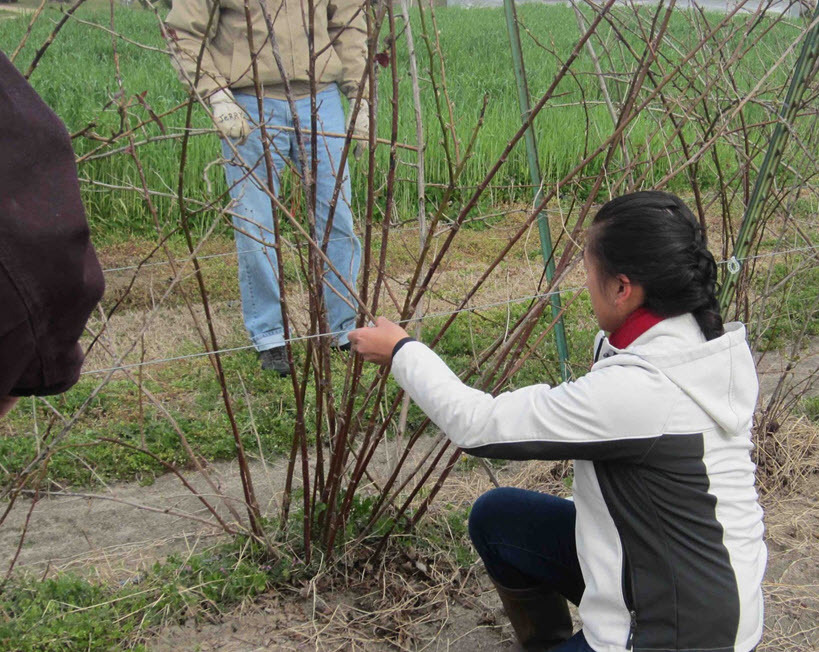
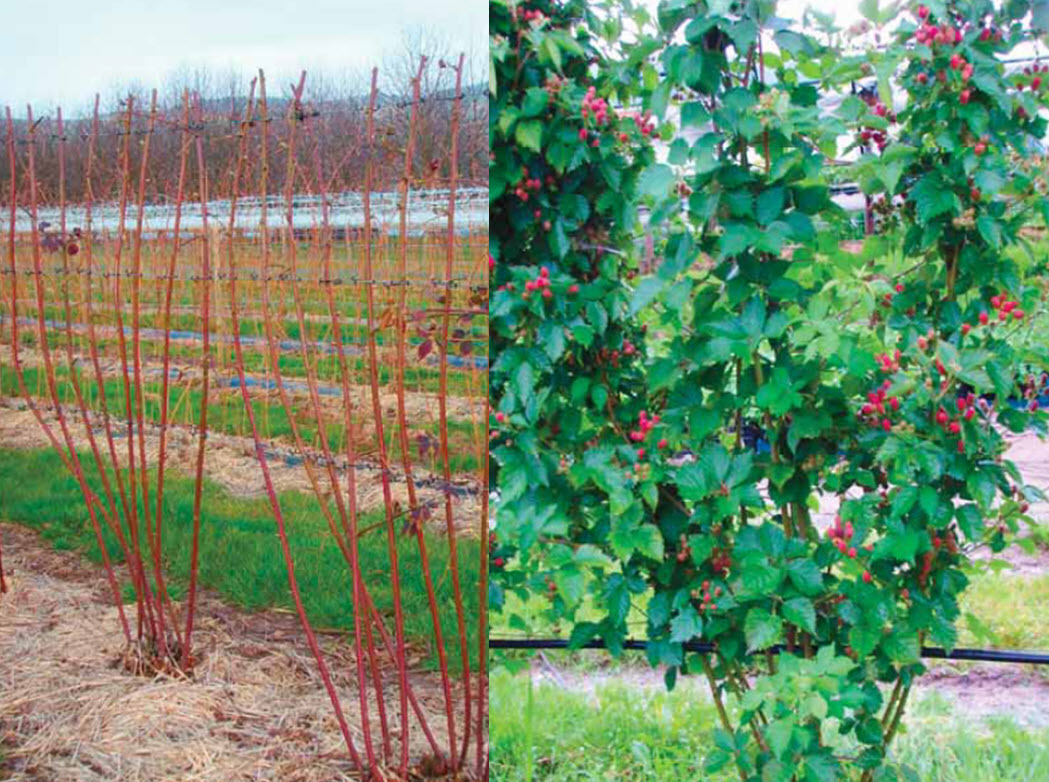
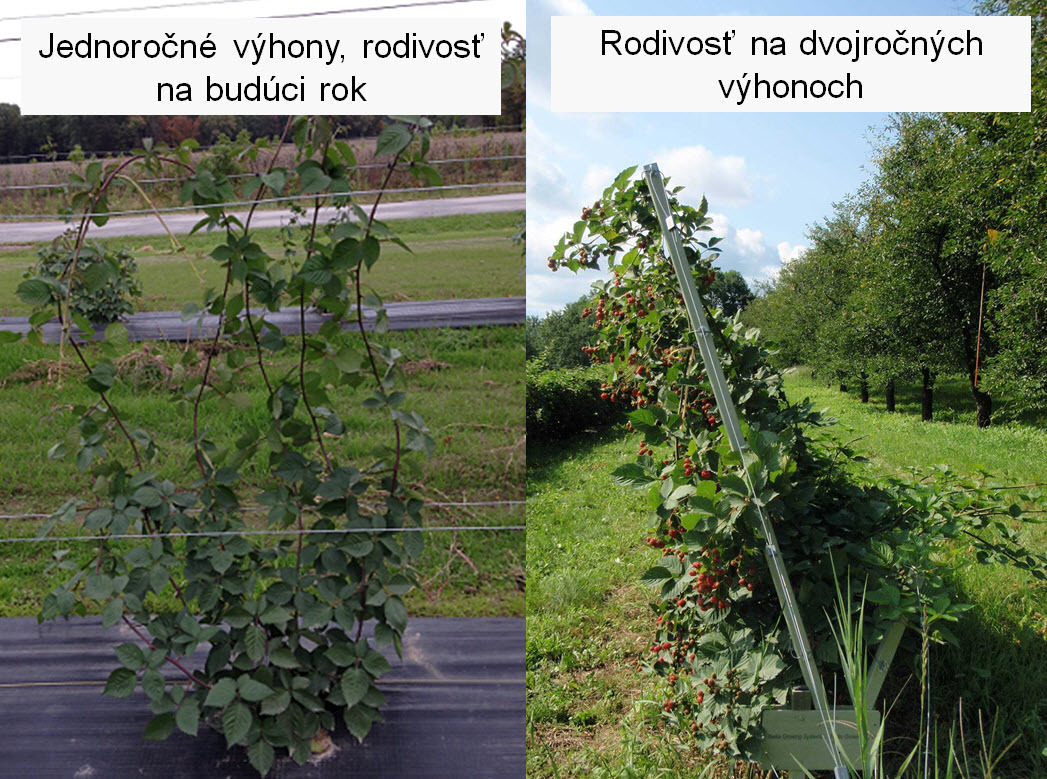
Blackberries are semi-covers with a creeping nature of growth, they have less strong, long shoots that require support. The wire should be 1.8 m high, composed of individual wires at a height of 0.9, 1.2, 1.5 and 1.8 m, to which we tie the shoots growing during the vegetation into a fan shape. Blackberries bear fruit on two-year-old wood. After harvesting, we remove the dead shoots. We recommend cutting new shoots before harvesting (on two-year-old wood), or remove the top to promote branching. Spacing - 3.0 - 4.0 x 2.0-2.5 m, 6 to 8 strong one-year shoots are left on adult plants.
Suitable varieties
For blackberries, we recommend the Black Butte, Orkan and Loch Ness varieties, which are thornless, the Thornfree variety is past its prime and subject to fruit rot. However, in terms of taste, none of them can compare to the thorny Theodor Reimers variety.
Diseases and pests
diseases: viruses, gray rot
pests: Japanese drosophila
Labeling Plants with QR Codes
At the Faculty of Horticulture and Landscape Engineering at SPU in Nitra, we've created a project that offers visitors to our plantings a new way to discover the beauty and intriguing aspects of plants. Each plant in our plantings has its own unique QR code. All a visitor needs to do is scan this code with their smartphone.
Encyclopedy
Informácie
Kontakt
Fakulta záhradníctva a krajinného inžinierstva
Tulipánová 7, 949 76 Nitra
phone +421 (37) 641 4229 — study department
email henrieta.budayová@uniag.sk



Copyright © 2026 Faculty of Horticulture and Landscape Engineering