

 Slovenská verzia
- home
- Vegetable crops
- Root vegetable
- Carrot
- Carrot
Carrot
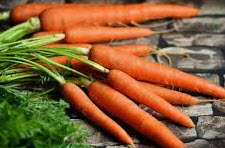
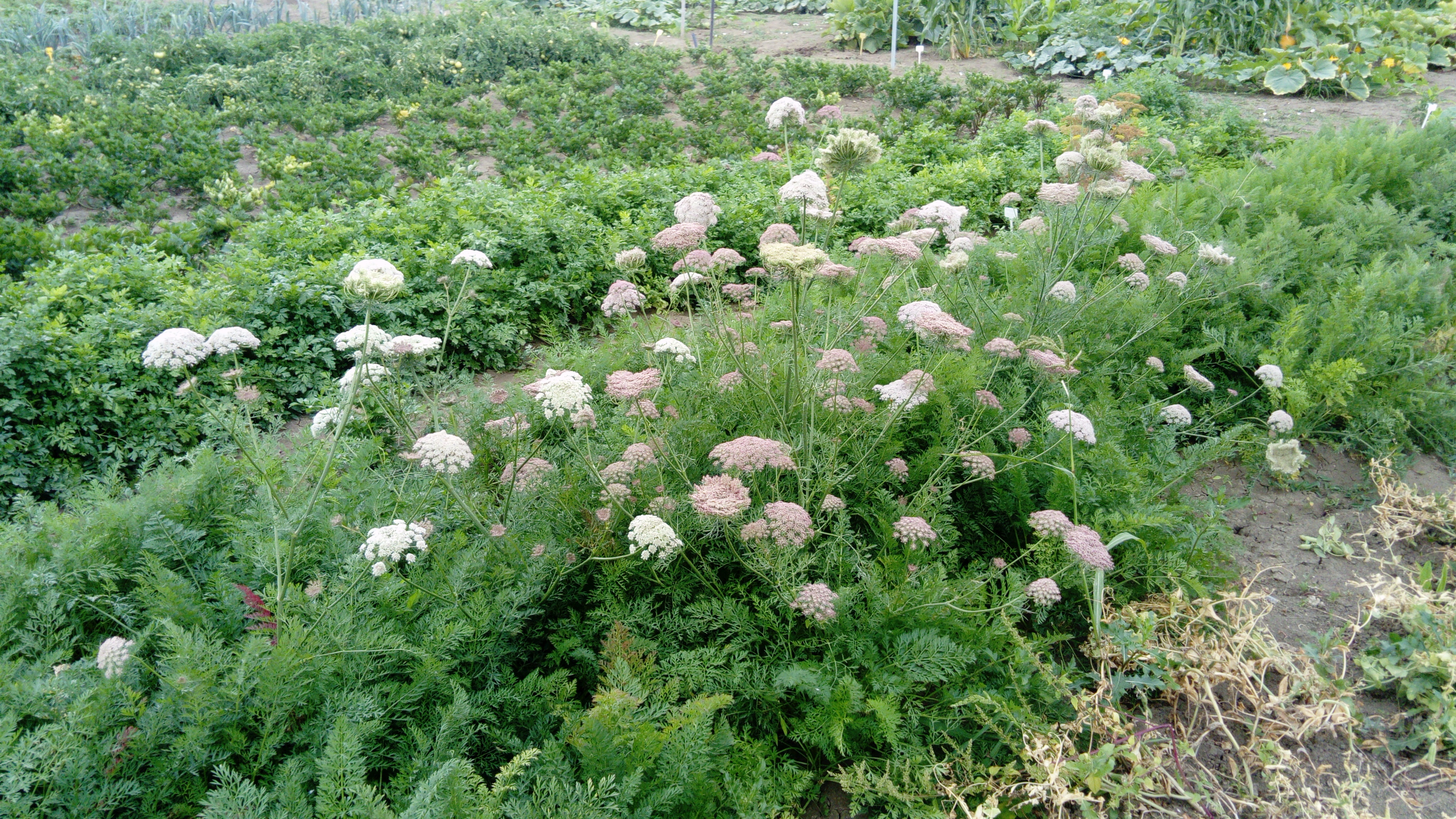


Short description of the species
Usage
direct consumption – salads, soups, side dish, juices; processing – sterilization/conservation, freezingGrowing technology and harvest
Propagation
- generative – direct sowing
Spacing
- 0.30-0.40 x 0.03-0.05 m
- sowing depth = 15-20 mm
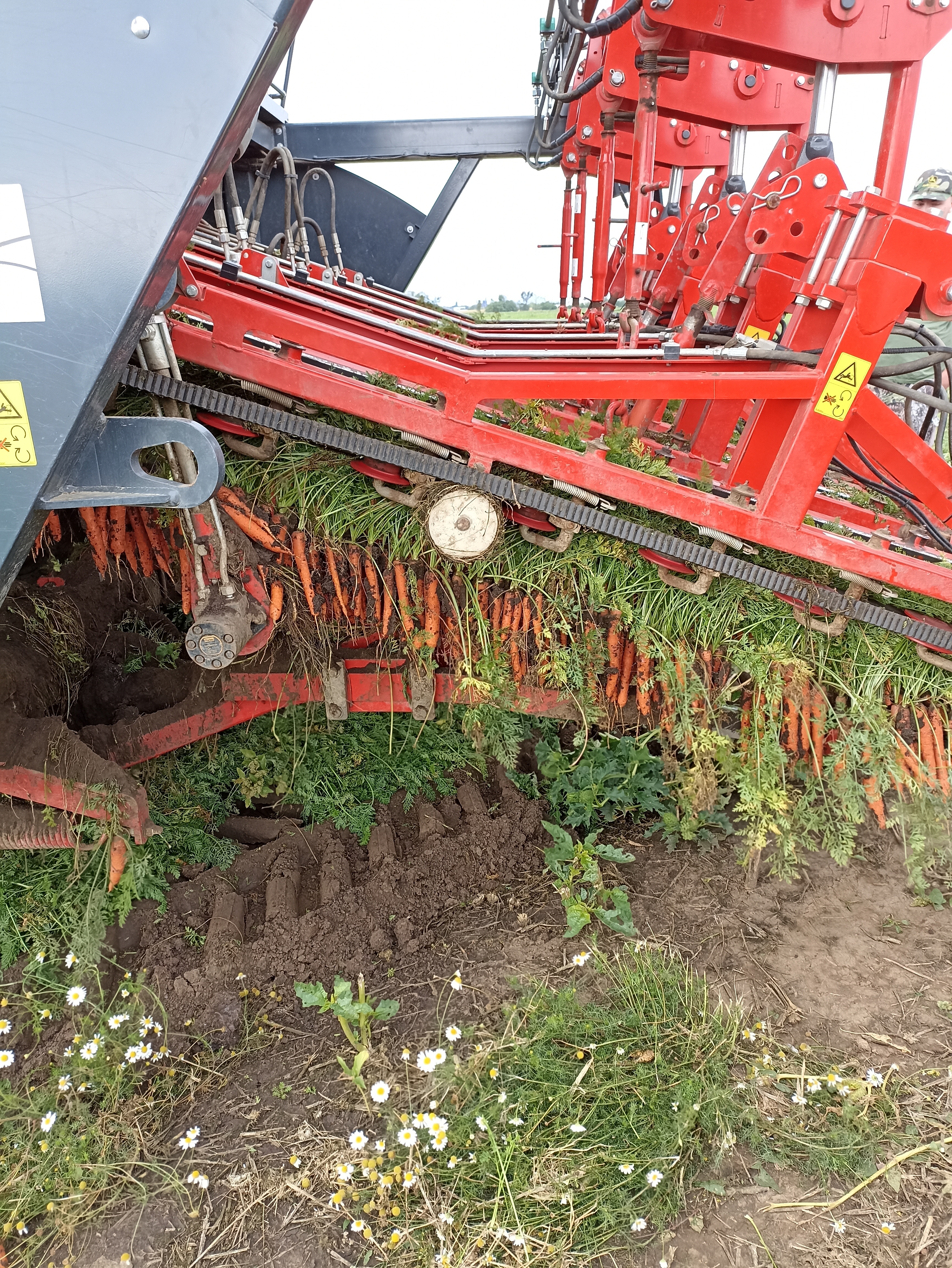
Harvest
- early cultivars – root with leaves on market in package of several roots
- cultivars for storage = taking from soil and leaf removal
- before freeze period
- late harvest = woodening and cracking of roots
Important dates
| Month | I. | II. | III. | IV. | V. | VI. | VII. | VIII. | IX. | X. | XI. | XII. |
|---|---|---|---|---|---|---|---|---|---|---|---|---|
| Sowing | XX (textile) | XXX | XXX | XXX | XXX | XX | ||||||
| Harwest | XXX | XXX | XXX | XXX | XXX | X |
Storage
- temperature = 0-1 °C
- air humidity = 95-98%
- storage period at mentioned conditions = approximately 6 month (basic condition = health, un-damaged roots)
Use
- direct consumption – salads, soups, side dish, juices
- processing - conservation (small roots – „baby“ carrot) or freezing
Diseases and pests
- damage in case of un-suitable growing technology: root cracking (irregular irrigation, later harvest), deformations – root branching (un-suitable soil, dense sowing), greening of root head
- virus diseases: Carrot mottle virus (CMoV), Celery mosaic virus (CMV), Carrot thin leaf virus (CTLV), Carrot red leaf virus (CRLV)
- fungus diseases: carrot and parsley mildew (Erysiphe heraclei), Alternaria carrot spottiness (Alternaria dauci)
- storage diseases: various bacteria (mostly Erwinia carotovora subsp. carotovora or Pseudomonas spp.) and funguses (mostly Botrytis cinerea, Sclerotinia sclerotiorum, Alternaria radicina, Rhizoctonia crocorum ai.) causing rotteness of carrot roots
- diseases connecting with selling of washed carrot: cratered rotteness (Athelia arachnoidea), surface black root of carrot (Berkelyomyces basicola)
- pests: root nematode (Meloidogyne hapla), aphids (Semiaphis dauci, Dysaphis crataegi), carrot flealouse (Trioza viridula), carrot fly (Chamaepsila rosae)
Labeling Plants with QR Codes
At the Faculty of Horticulture and Landscape Engineering at SPU in Nitra, we've created a project that offers visitors to our plantings a new way to discover the beauty and intriguing aspects of plants. Each plant in our plantings has its own unique QR code. All a visitor needs to do is scan this code with their smartphone.
Encyclopedy
Informácie
Kontakt
Fakulta záhradníctva a krajinného inžinierstva
Tulipánová 7, 949 76 Nitra
phone +421 (37) 641 4229 — study department
email henrieta.budayová@uniag.sk



Copyright © 2026 Faculty of Horticulture and Landscape Engineering