

 Slovenská verzia
Caraway
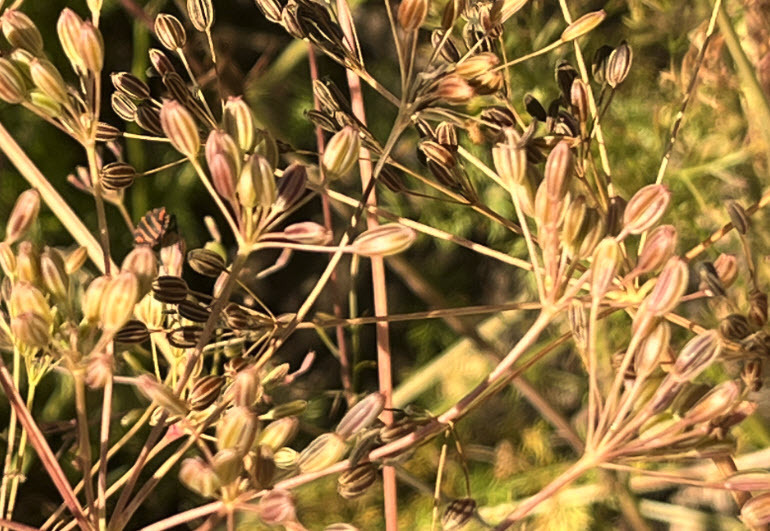
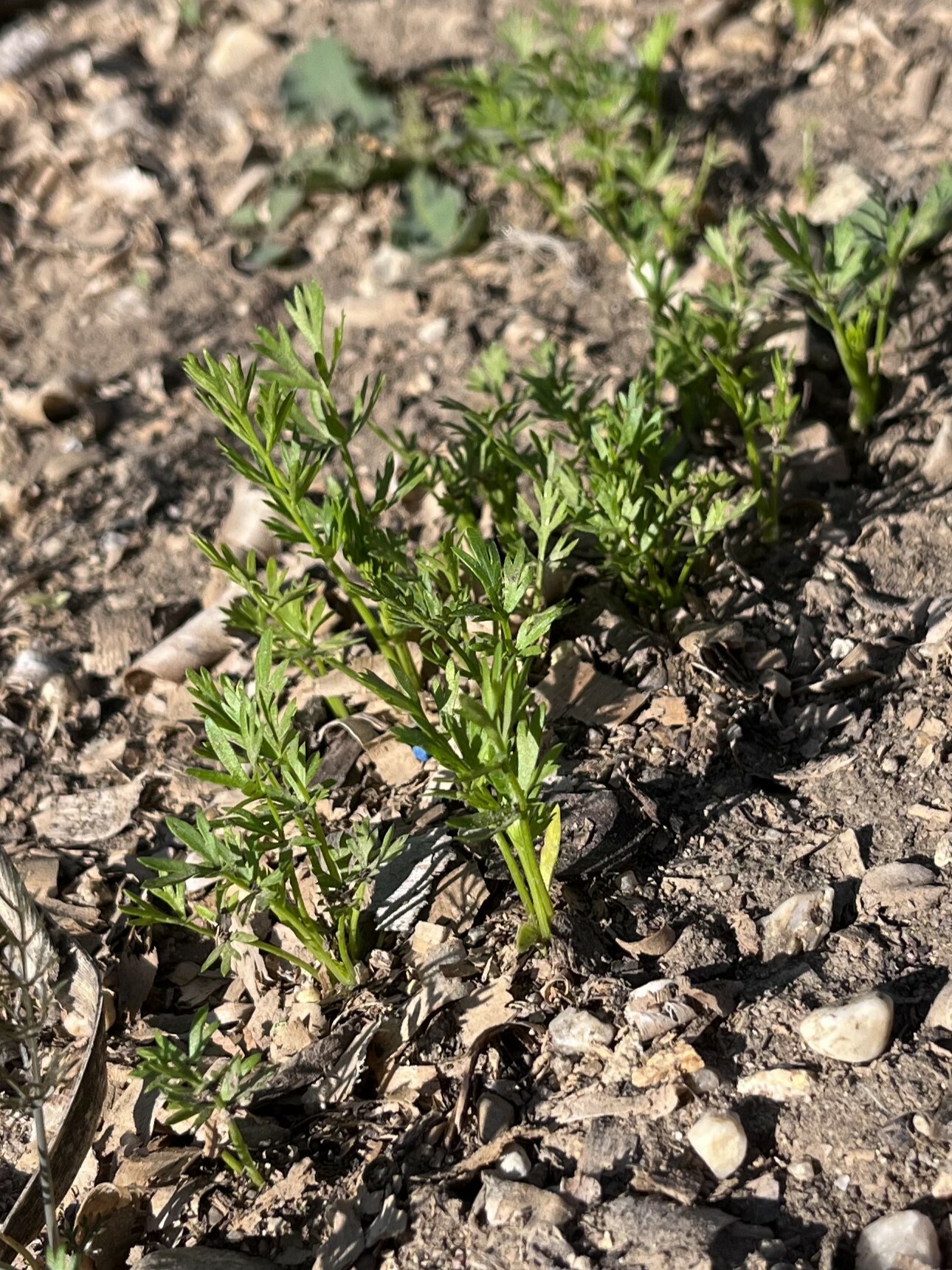
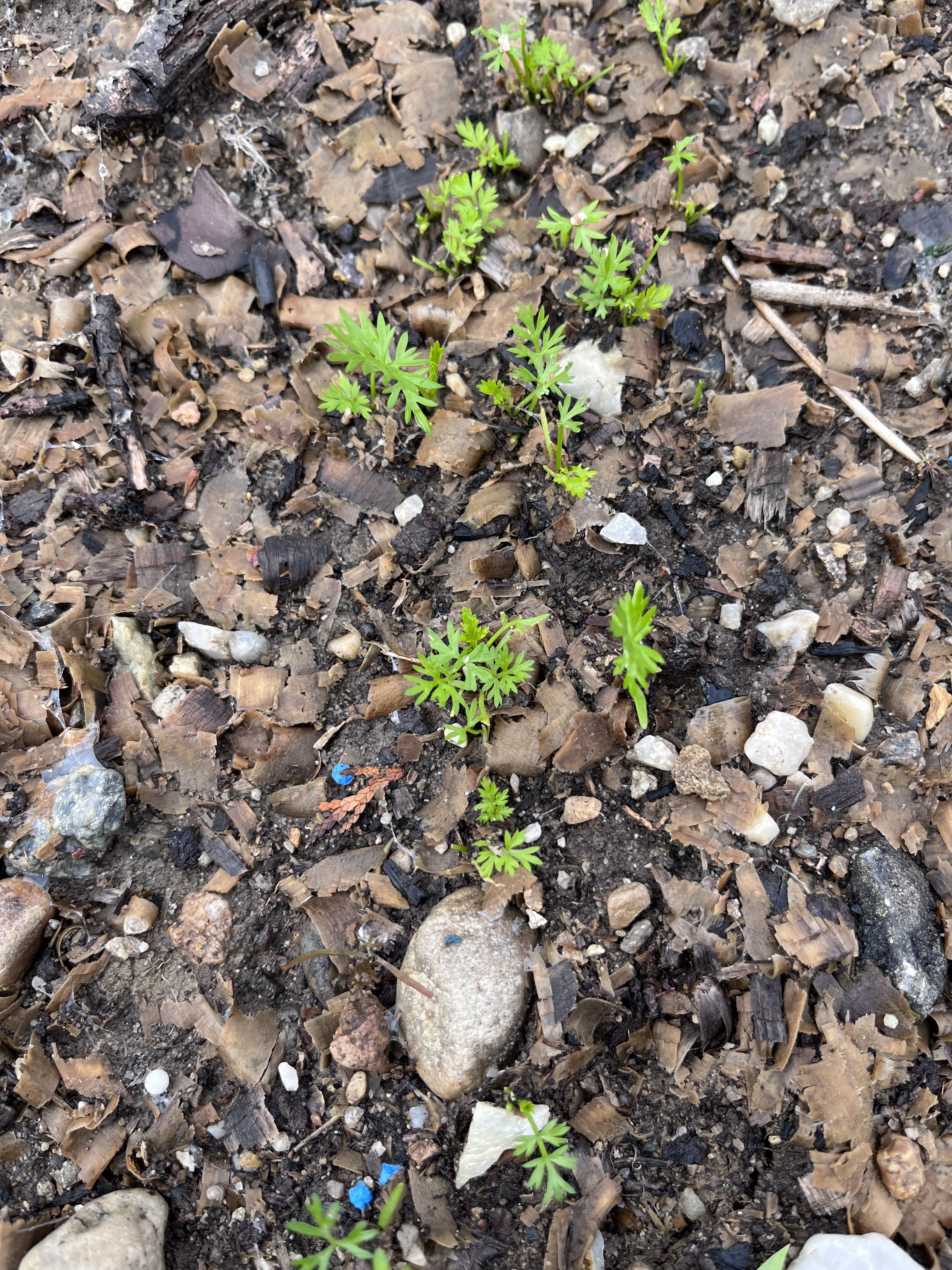
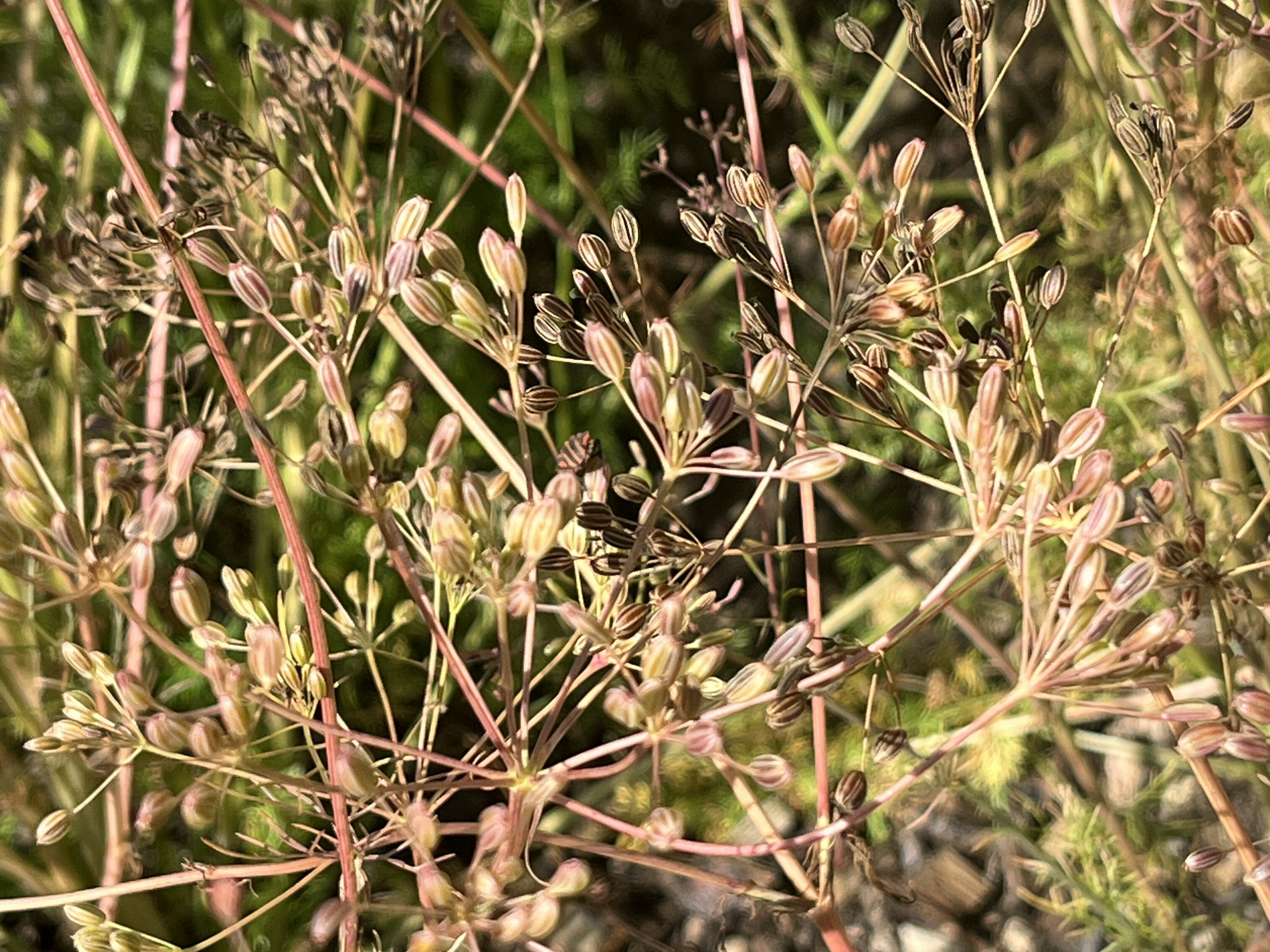
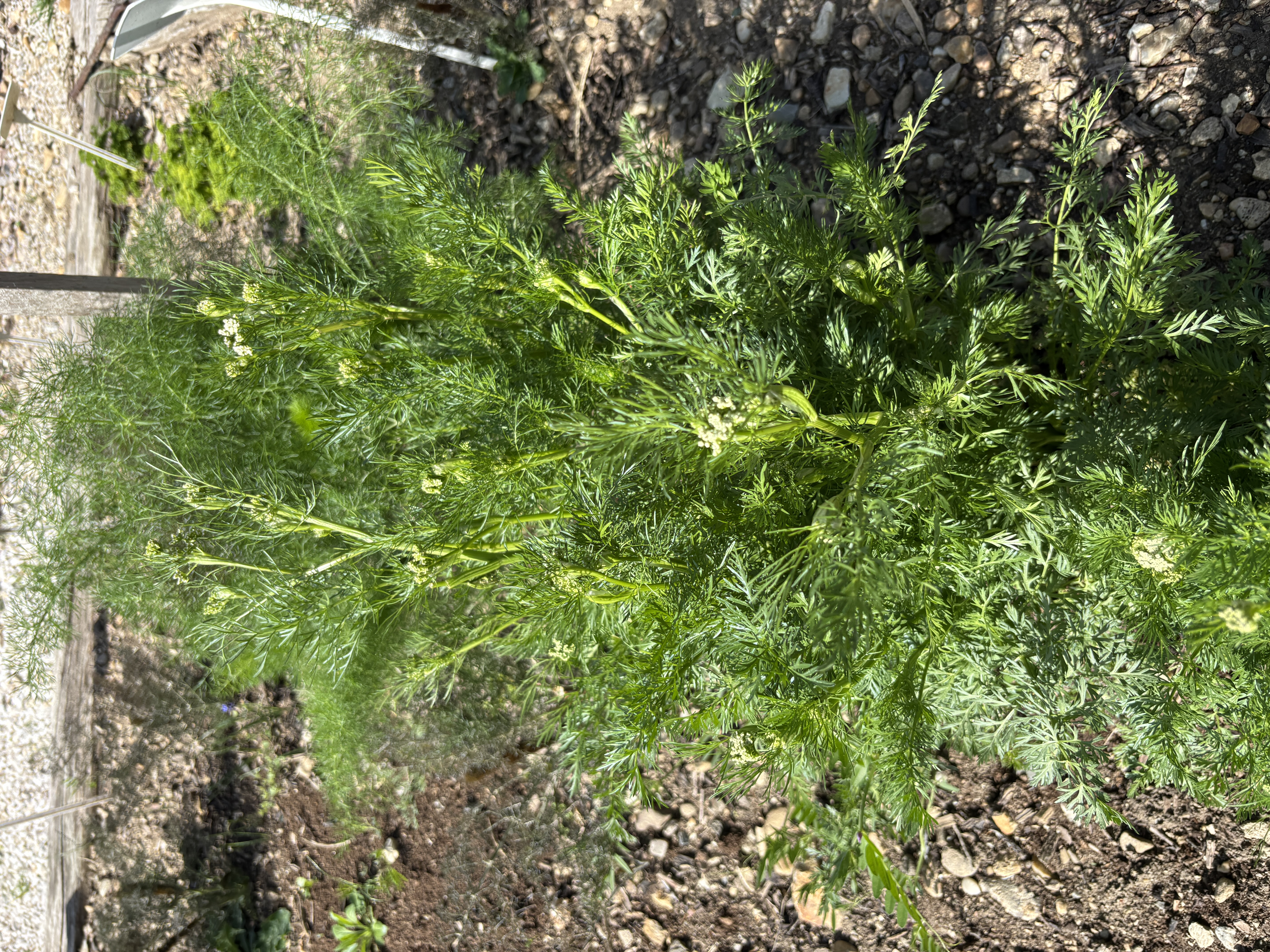
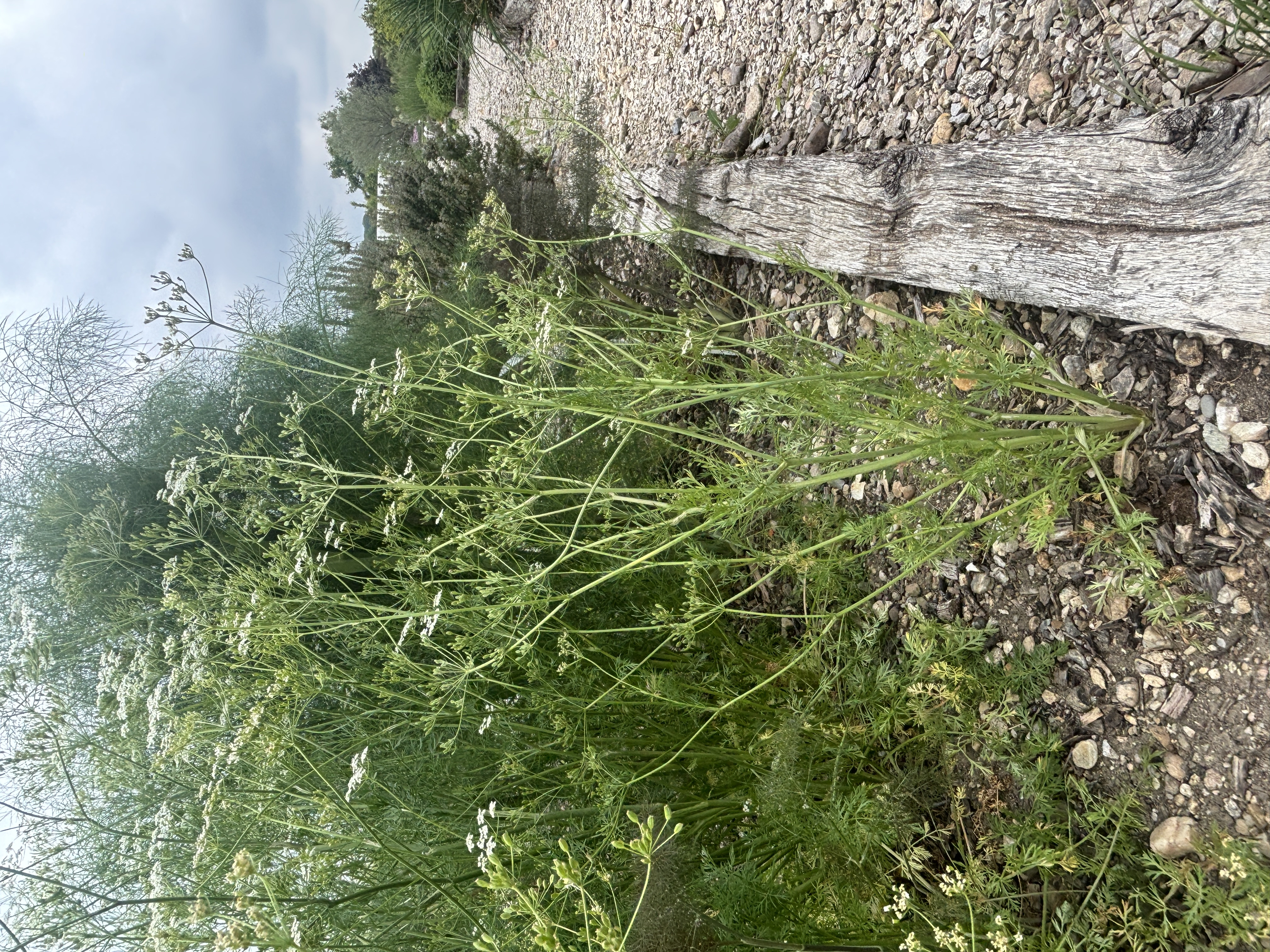
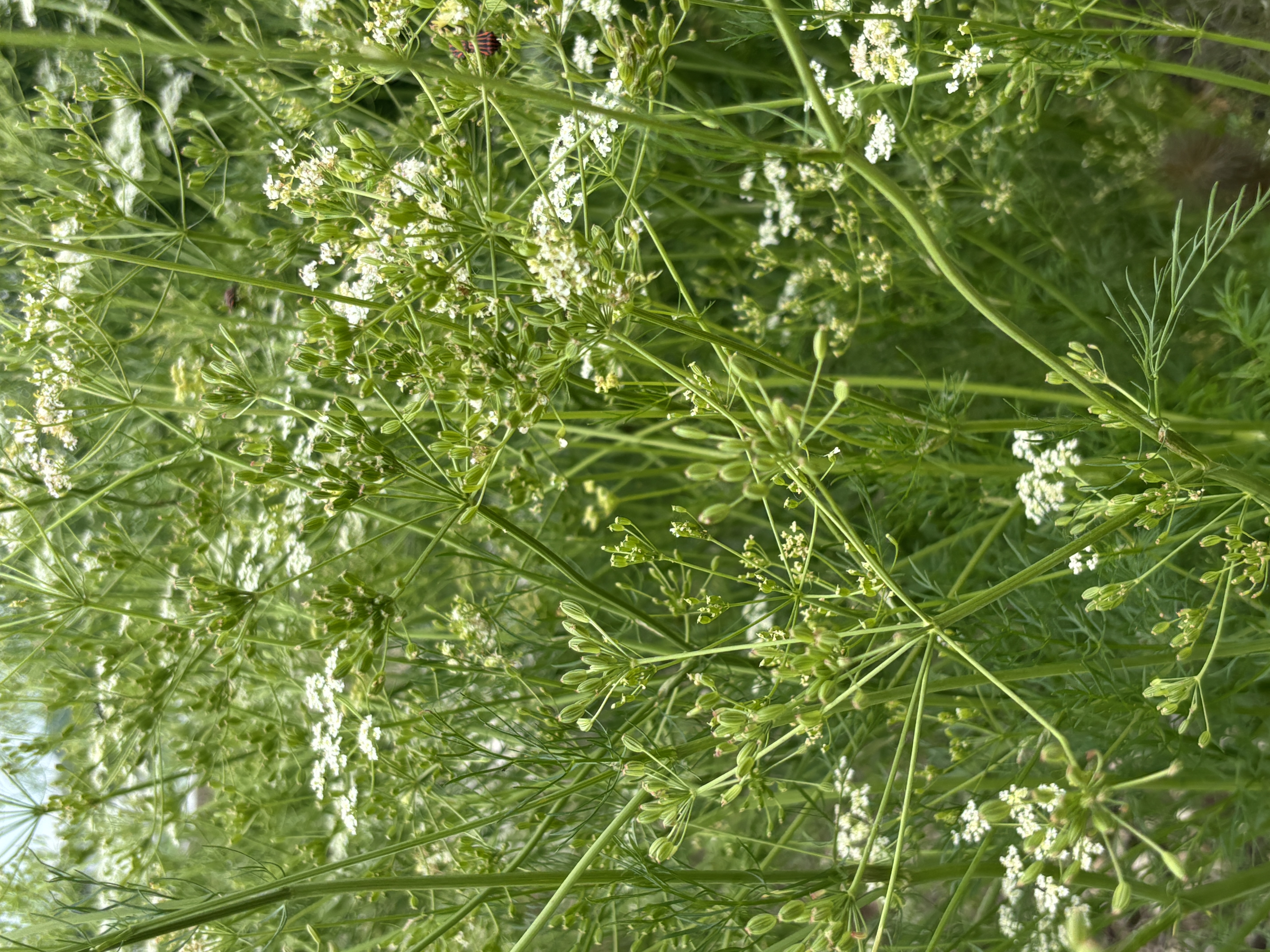
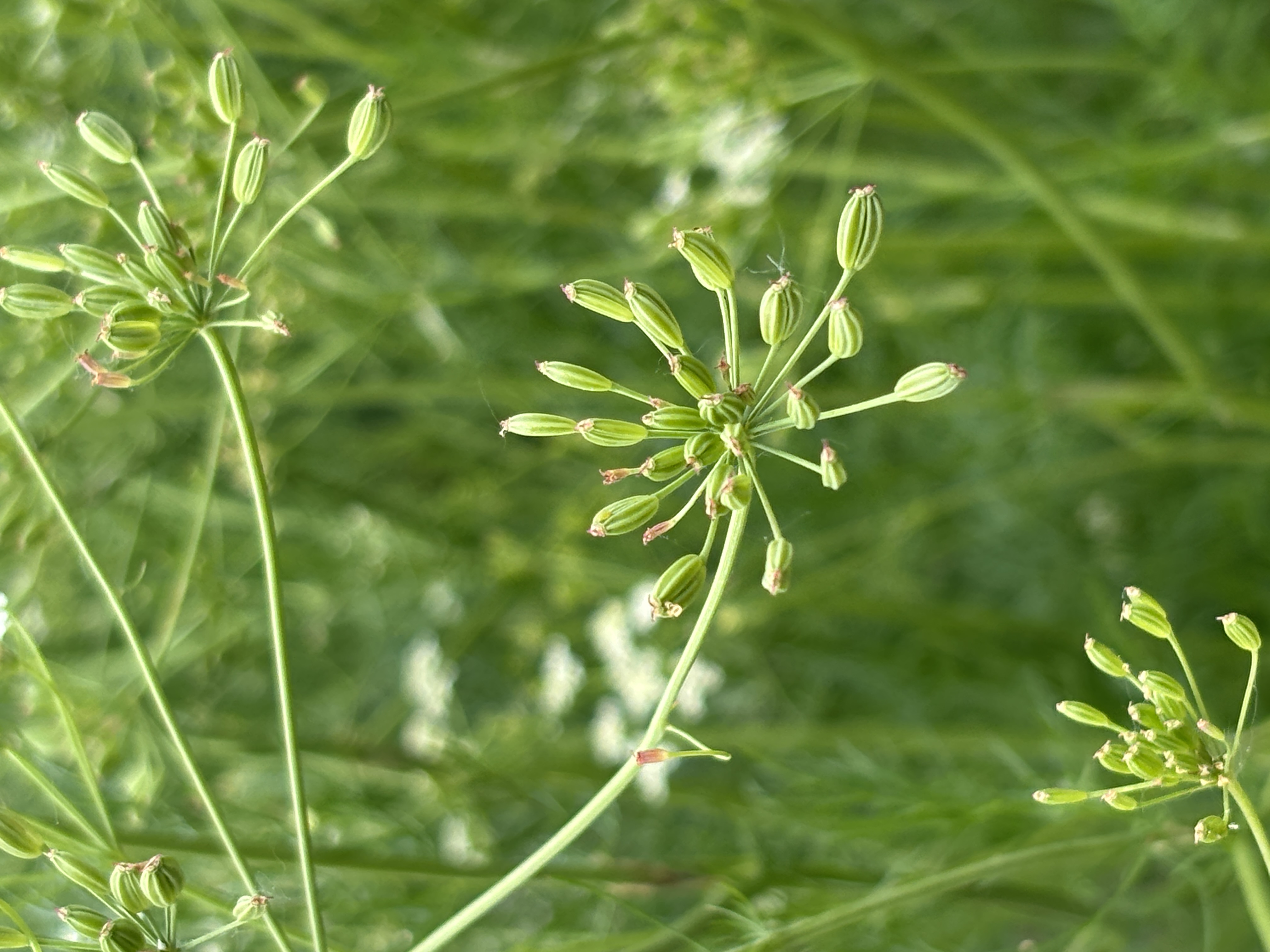
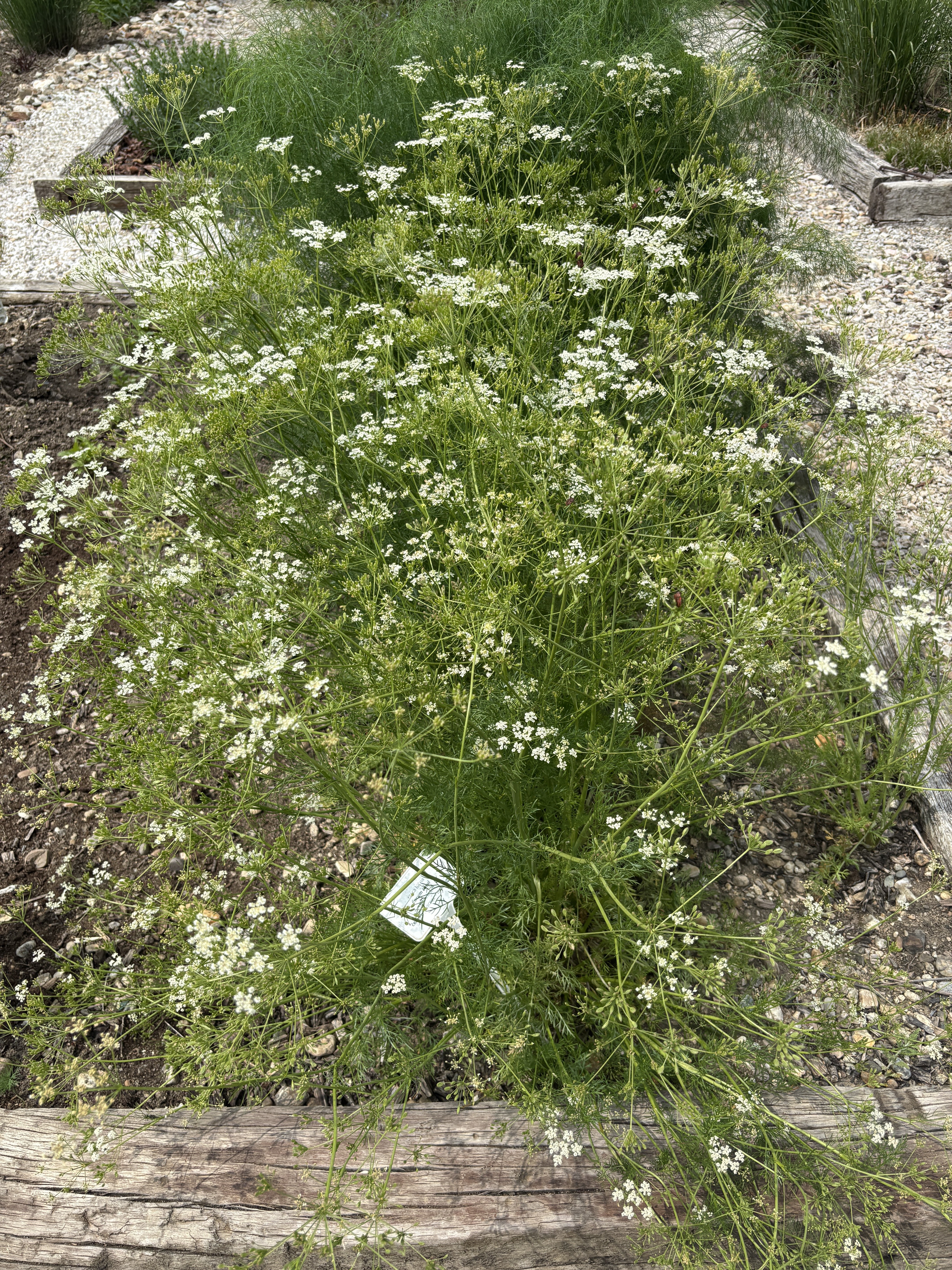
Short description of the species
Interesting
It is one of the most widespread spices in the world and is the most cultivated spice plant in Slovakia.Usage
It is added to bread and baked goods, it is used to flavor spreads, cheeses, soups, stews, salads, meat, potatoes, various sauces, chalamades.Inclusion in the sowing process and fertilization requirements
Track: II.
Suitable pre-crops: Cereals and roots are suitable pre-crops.
Fertilization: is a nutrient-demanding plant, especially nitrogen.
Varieties: In the Czech Republic and Slovakia, the so-called two-year varieties ´Rekord´, ´Prochan´, ´Kepron´. Agritec Šumperk (Ing. P. Šmirous, PhD.) is currently engaged in the breeding of winter cumin, and the Czech Republic has applied for registration in the EU under the trade name Český kmín. The most famous varieties from the European assortment are: ´Bleija´ (Holland); ´Hungarian´ (Hungary); ´Kami LD´, ´Silvia´ (Denmark), ´Caraway I´ and ´Caraway II´ (Sweden). (HERBA, 2024).[IM1] In some countries such as the USA, Canada, Yugoslavia, the Netherlands, annual forms of cumin are also grown.
Agricultural cultivation techniques
Propagation: direct sowing into the soil
Cultivation agro-technique - bed method (directly into the soil)
| Month | I. | II. | III. | IV. | V. | VI. | VII. | VIII. | IX. | X. | XI. | XII. |
|---|---|---|---|---|---|---|---|---|---|---|---|---|
| Sowing | XX | XXX | X | |||||||||
| Harvest | XX | XXX |
Harvesting: seeds ripen unevenly, and fall out very quickly after ripening. Therefore, it is very important to determine the correct date of collection. The most suitable date for harvesting is the period when the seeds of the central round go from waxy to full maturity.
Valuable nutritions: silica (2-7%), oil (10-18%), proteins, carbohydrates and flavonoids, fatty acids, including oleic, linoleic and palmitic acids
Phytotherapeutic groups: carminative, stomachic, spasmolytic
Diseases and pests: Of the diseases and pests that damage caraway plants, they are the caterpillars of the caraway pest Depressaria nervosa, and the caraway weevil Eriophyes carvi, of the diseases it is Cercospora carvi, Erysiphe spp., Septoria, Phoma spp., Ascochyta.
Labeling Plants with QR Codes
At the Faculty of Horticulture and Landscape Engineering at SPU in Nitra, we've created a project that offers visitors to our plantings a new way to discover the beauty and intriguing aspects of plants. Each plant in our plantings has its own unique QR code. All a visitor needs to do is scan this code with their smartphone.
Encyclopedy
Informácie
Kontakt
Fakulta záhradníctva a krajinného inžinierstva
Tulipánová 7, 949 76 Nitra
phone +421 (37) 641 4229 — study department
email henrieta.budayová@uniag.sk



Copyright © 2026 Faculty of Horticulture and Landscape Engineering