
 Slovenská verzia
- home
- Spices and aromatic plants
- Asteraceae
- Candyleaf
- Candyleaf
Candyleaf
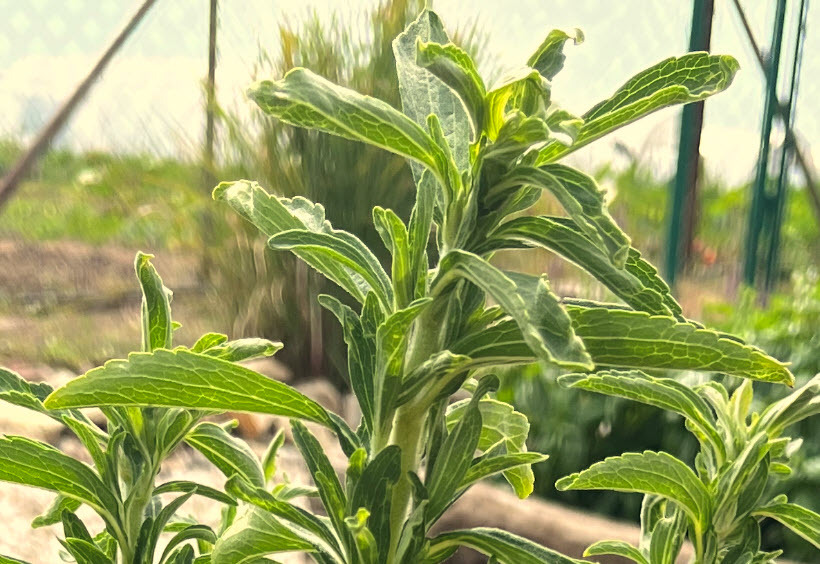
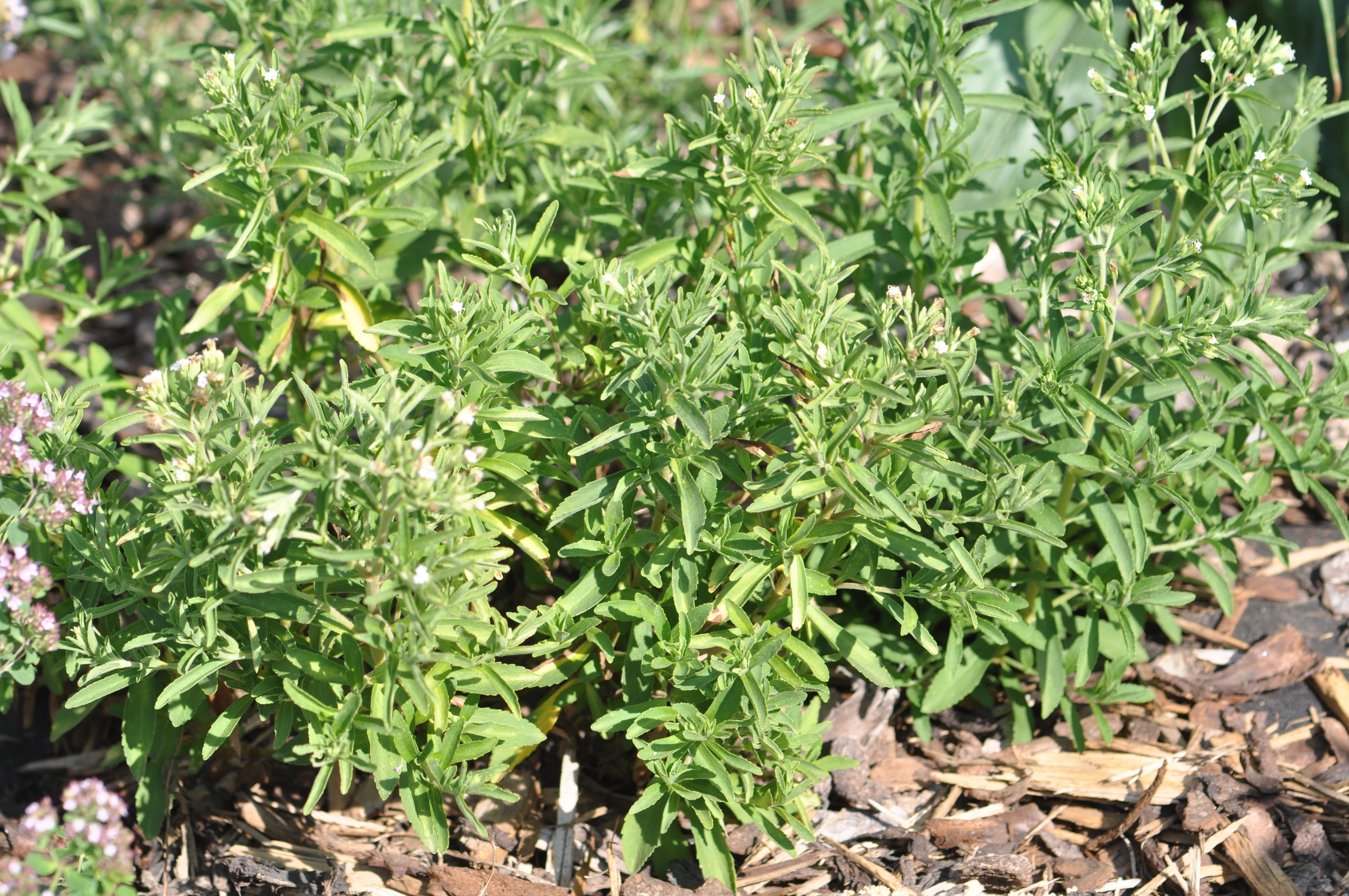
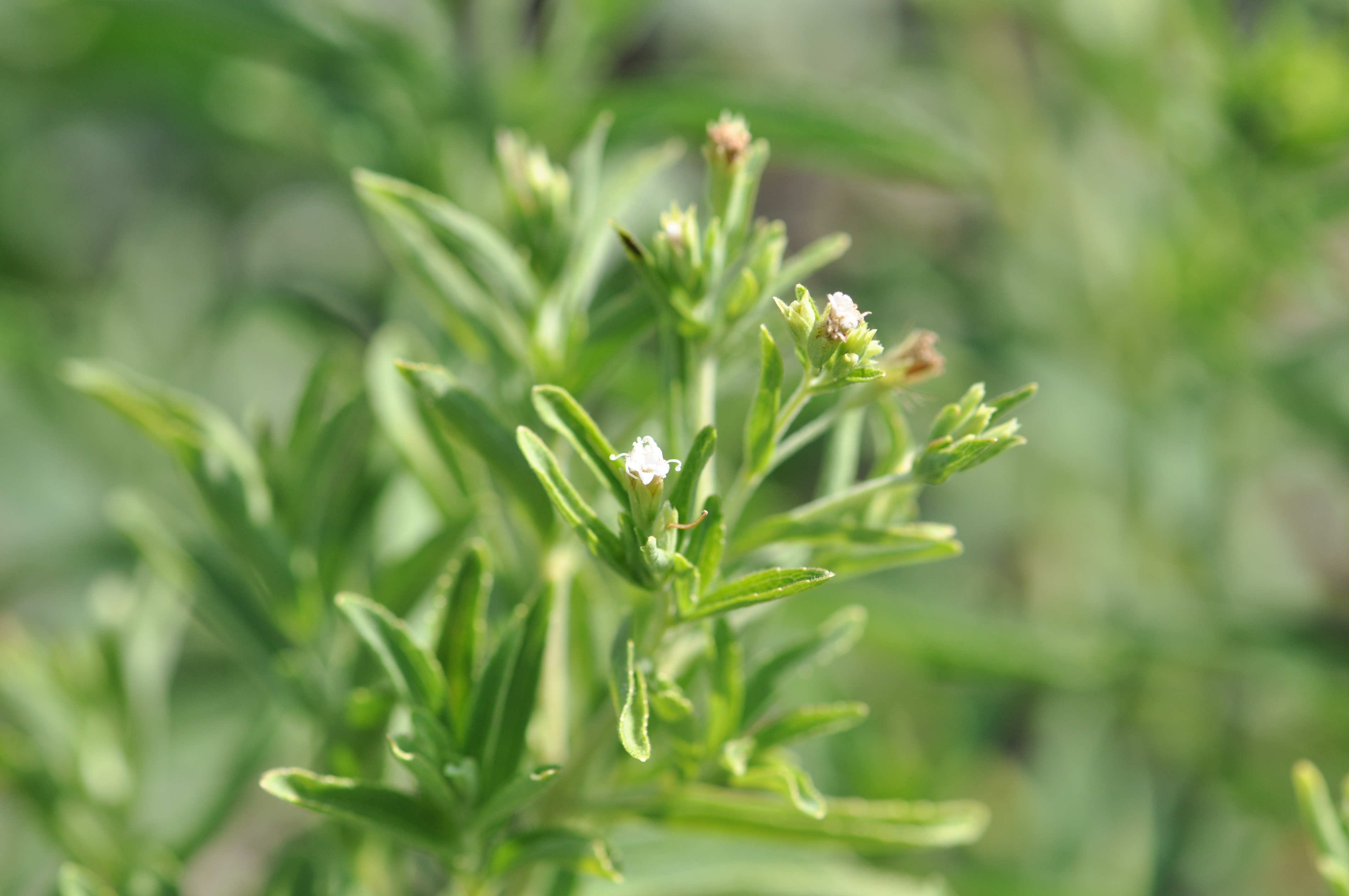
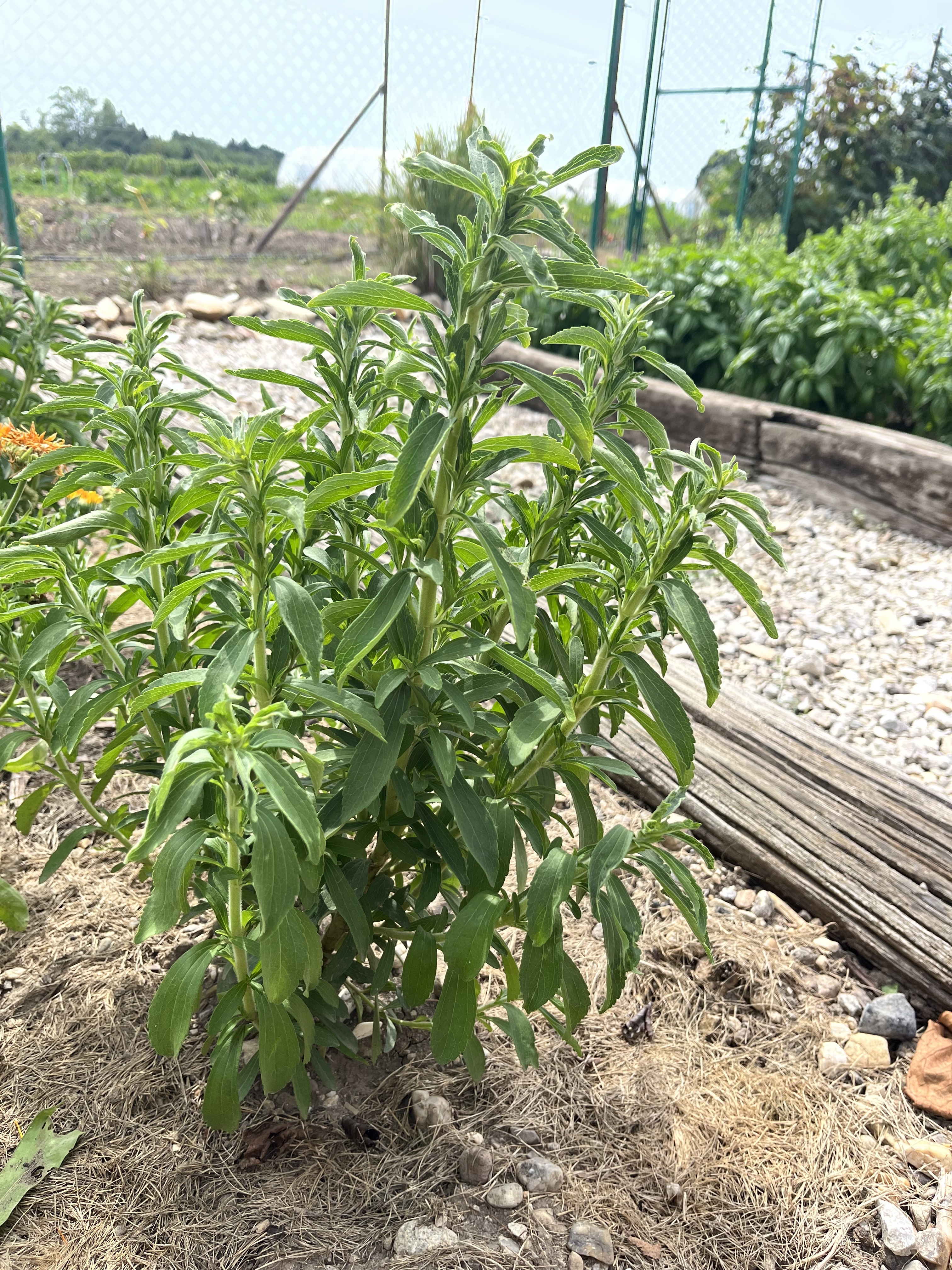
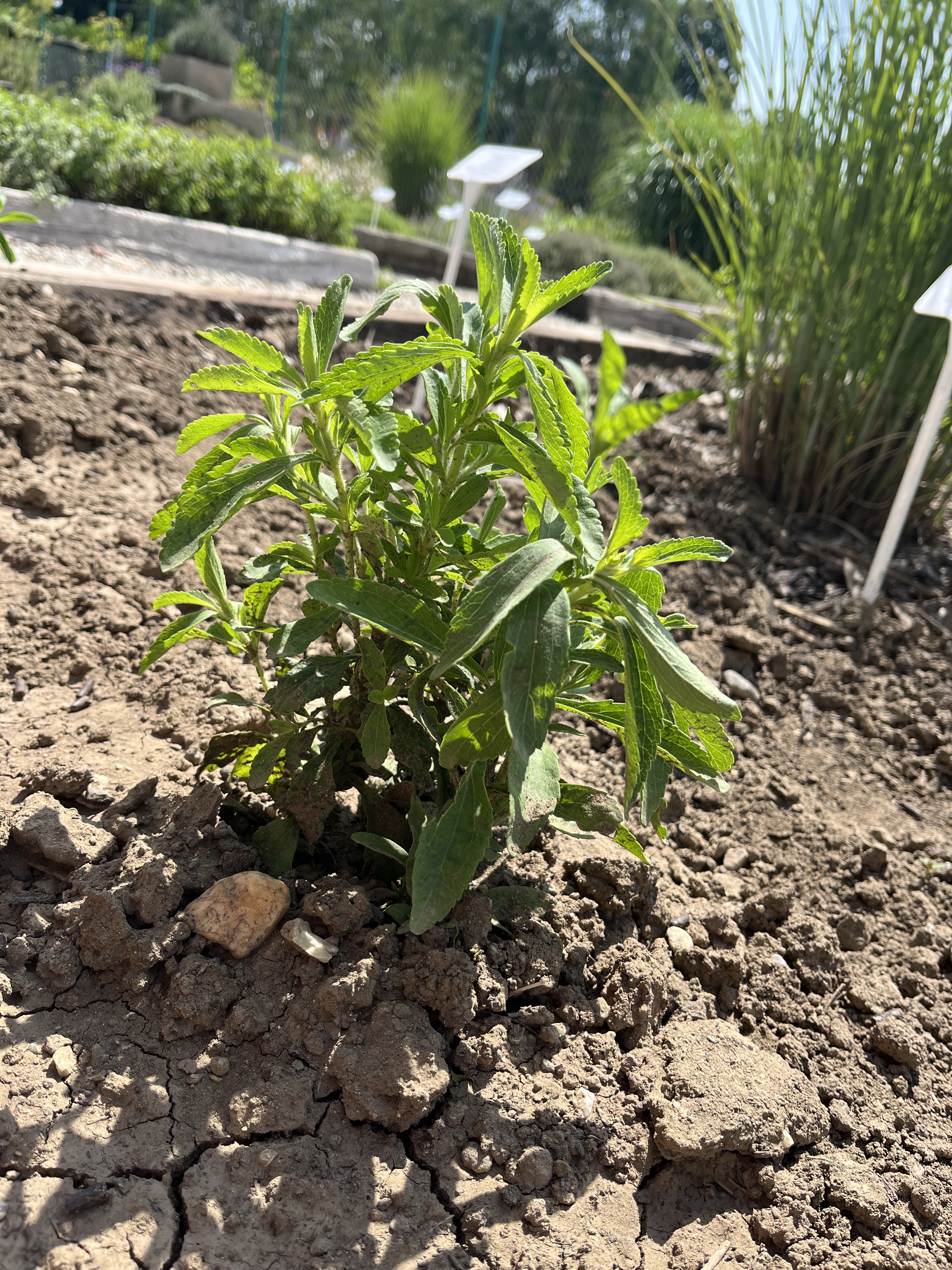
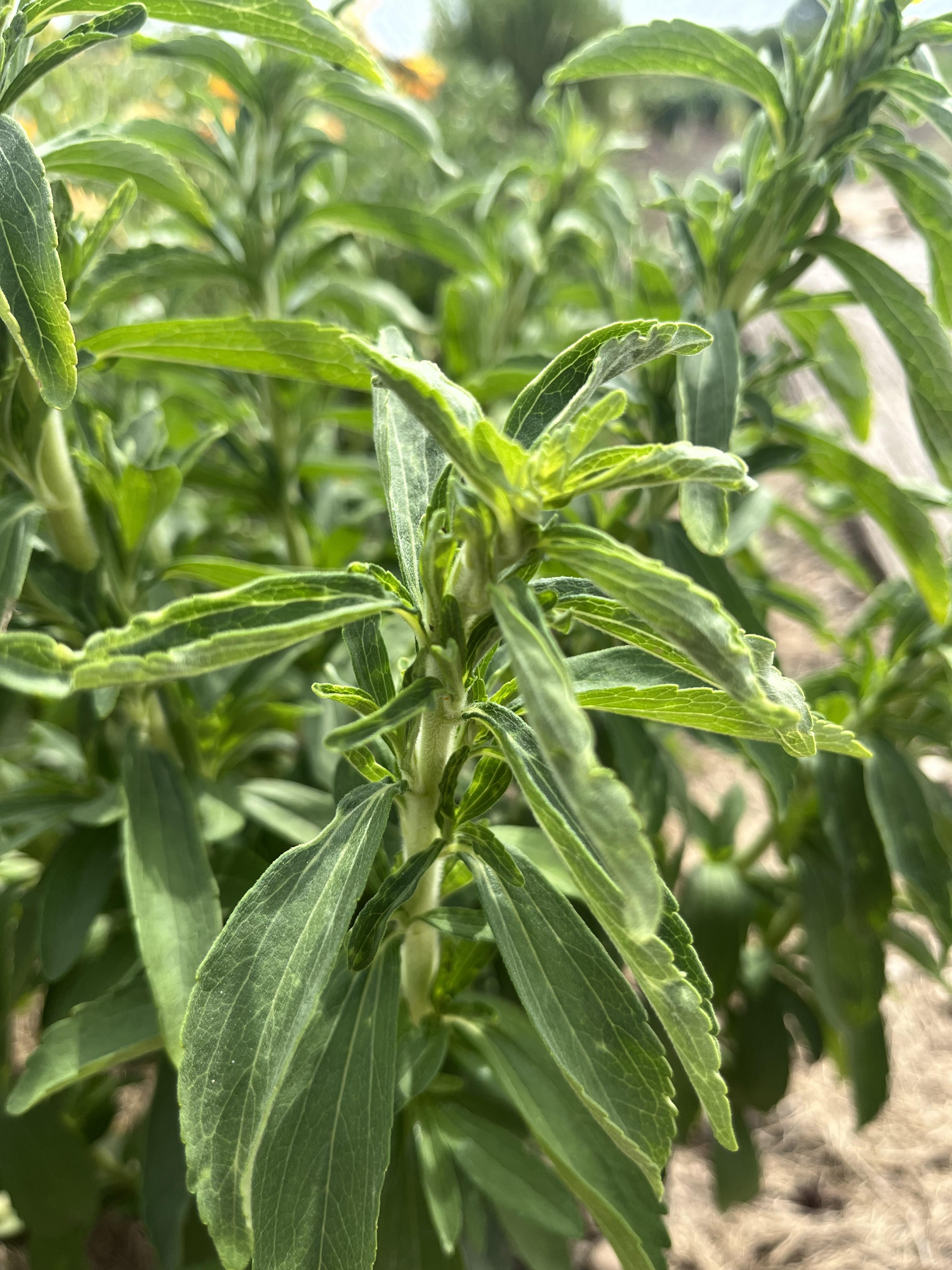
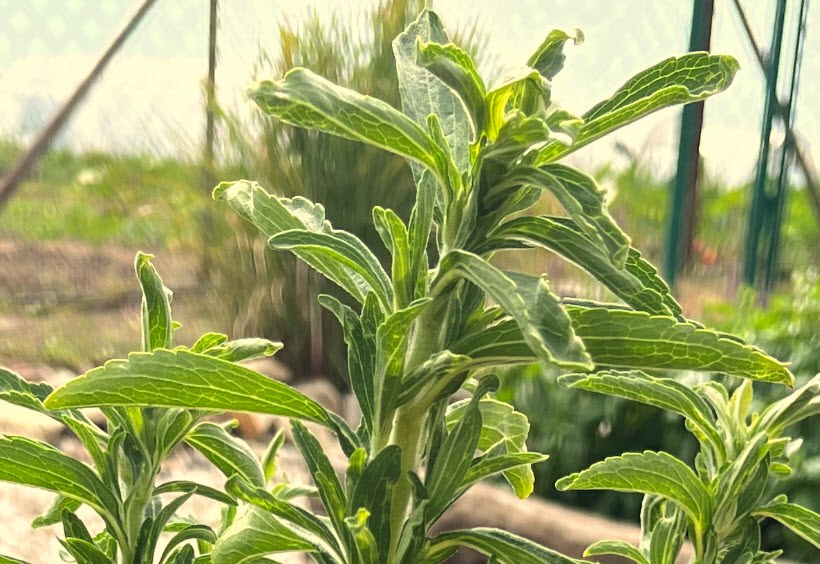
Short description of the species
Interesting
The sweetness of stevia is up to 200-300 times greater than the sweetness of regular sugar, despite the fact that it contains almost no calories.Usage
It is used to sweeten various beverages such as teas, lemonades and juices, and in many foods including baked goods, desserts, cereals, yogurts and sauces. Stevia is also often used in low-calorie or diet-oriented products.Inclusion in the sowing process and fertilization requirements
It does not tolerate frost, it is grown as an annual plant in Slovakia.
Track: II.
Suitable pre-crops: plants for green manure
Fertilization: Stevia responds well to fertilization with organic fertilizers with a balanced content of nutrients (nitrogen, phosphorus, potassium) and with the addition of micronutrients.
Varieties: In stevia breeding, factors are combined to develop varieties that are suitable for commercial cultivation and have desirable properties for the food and pharmaceutical industries. The main goal is to increase the content of sweet glycosides, especially rebaudioside A, which has a better taste profile (it is less bitter) than other glycosides, such as stevioside.
Agricultural cultivation techniques - Stevia can be grown either from seeds or from cuttings.
Agricultural cultivation techniques - from transplants
| Month | I. | II. | III. | IV. | V. | VI. | VII. | VIII. | IX. | X. | XI. | XII. |
|---|---|---|---|---|---|---|---|---|---|---|---|---|
| Sowing / covered areas | ||||||||||||
| Planting | XX | |||||||||||
| Harvest / herb, leaf | XX | XXX | X |
Harvesting - Stevia can be harvested as soon as it reaches 40-50 cm and the shoots are cut to about 10-15 cm, another harvest can follow in 2-3 months, depending on the growth.
Uses: It is used to sweeten various drinks, such as teas, lemonades and juices, and in many foods including pastries, desserts, cereals, yogurts and sauces. Stevia is also often used in low-calorie or diet-oriented products.
Impact on human health:
Valuable elements: rebaudioside, stevioside, proteins, carbohydrates, lipids, fiber, oils, vitamins and phenolic compounds
Phytotherapeutic groups: antidiabetic, antihypertensive, antiphlogistic
Diseases and pests: Diseases that attack stevia include - alternaria leaf spot (Alternaria alternata), sclerotinia white rot (Sclerotinia sclerotiorum), stevia white rot (Sclerotium rolfsii), septoria leaf spot (Septoria steviae), rhizoctonia rot (Rhizoctonia sp.), fusarium wilt (Fusarium oxysporum). From pests - moth larvae - (Agrotis spp.), aphids (Aphididae), whiteflies (Aleyrodidae), thrips (Thripidae).
Labeling Plants with QR Codes
At the Faculty of Horticulture and Landscape Engineering at SPU in Nitra, we've created a project that offers visitors to our plantings a new way to discover the beauty and intriguing aspects of plants. Each plant in our plantings has its own unique QR code. All a visitor needs to do is scan this code with their smartphone.
Encyclopedy
Informácie
Kontakt
Fakulta záhradníctva a krajinného inžinierstva
Tulipánová 7, 949 76 Nitra
phone +421 (37) 641 4229 — study department
email henrieta.budayová@uniag.sk



Copyright © 2026 Faculty of Horticulture and Landscape Engineering