

 Slovenská verzia
- home
- Fruits - general part
- Miscellaneous fruit
- Lingonberry
Lingonberry
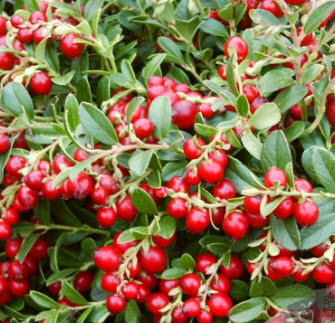
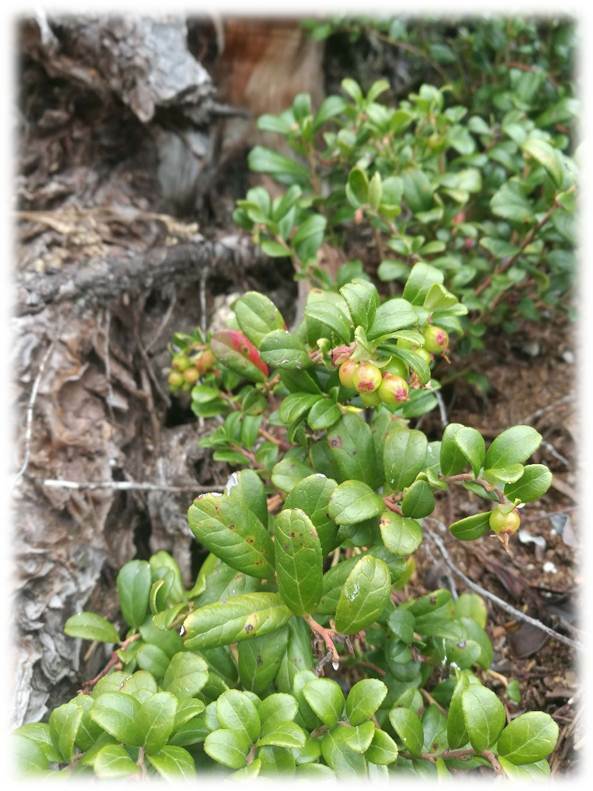
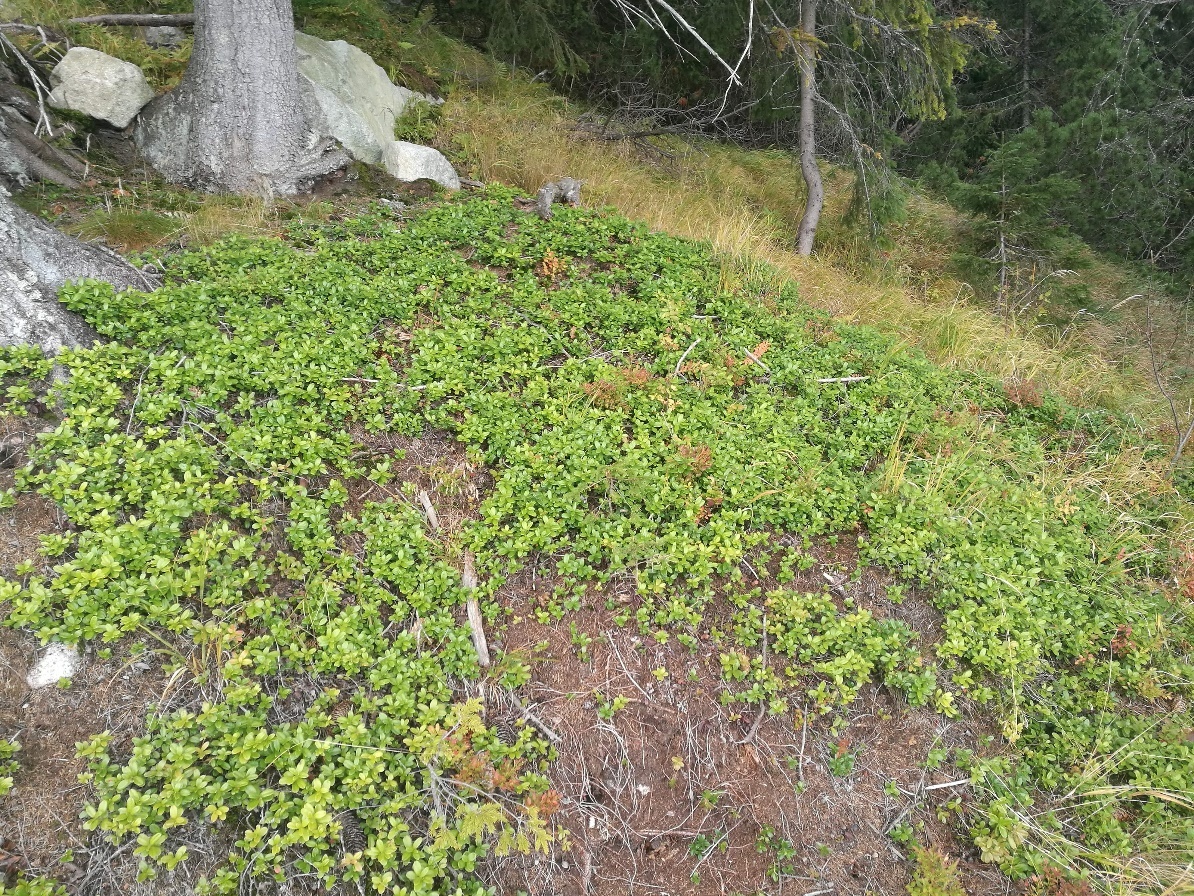
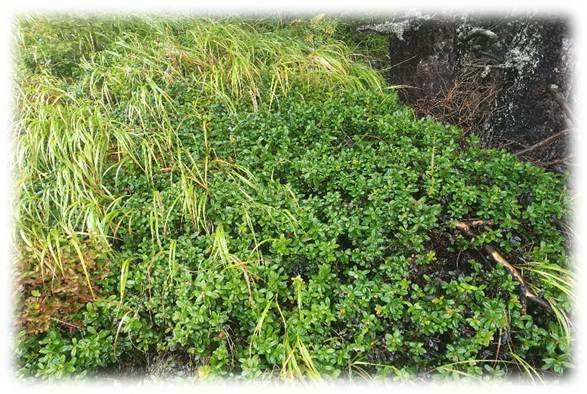
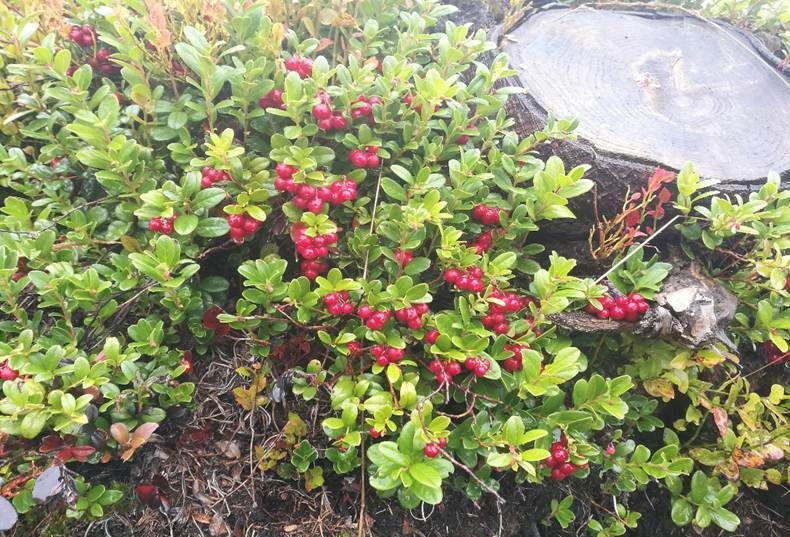
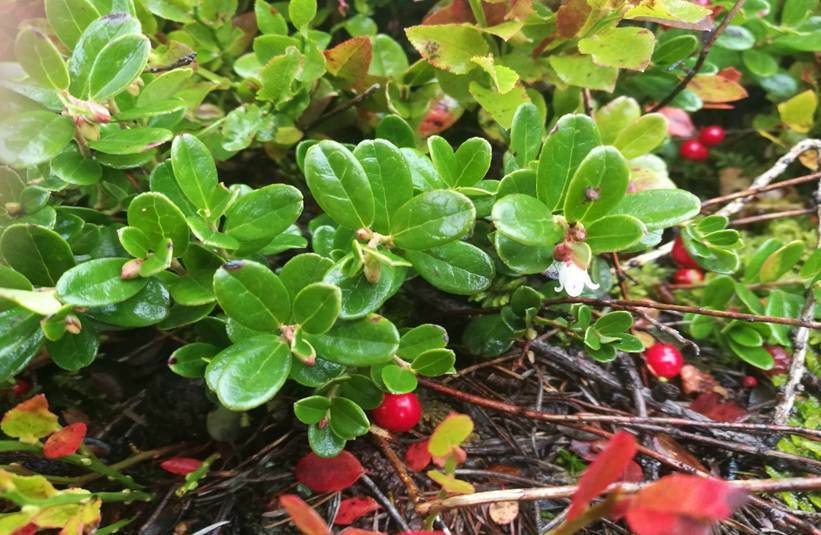

Short description of the species
Suitable growing locations
The cranberry retains its leaves all winter, even in the coldest years, which is unusual for a broad-leaved plant, although in its natural habitat it is usually protected from severe cold by snow cover. It is extremely frost-resistant, it tolerates temperatures down to -45°C or lower, but it suffers where there are hot summers. Prefers shade and constantly moist, acidic soil. Nutrient-poor soils are tolerated, but not alkaline soils.
Cultivation technology, pruning and training
Lingonberries prefer acidic, well-drained soil. They thrive in soil with a pH between 4.0 and 5.5. If the soil is not naturally acidic, it can be amended with materials such as peat. They require partial to full sun locations. Lingonberriescan tolerate some shade, especially in warmer climates. Lingonberries are usually planted in spring or fall. Planting in early spring or late fall allows plants to establish a root system before they face extreme temperatures. The planting clip is 0.3-0.4m x 3.0-3.5m. They prefer permanently moist, but not waterlogged, soil. Plants require regular watering, especially in dry periods. Mulching around plants helps maintain soil moisture. Lingonberries do not require heavy fertilization. Use a balanced, slow-release fertilizer in the spring. Avoid excessive nitrogen fertilization, as cranberries prefer nutrient-poor soil and require fertilizers without calcium components. Lingonberries bloom and ripen in two stages. The first flowering is in May to June. Its harvest is smaller, it is harvested at the end of June. The main flowering period is in July and August. The fruits from this stage are larger, better quality and tastier, they are harvested from September to October. Harvesting in the gardens is done by hand or with combs.
Lingonberries require minimal pruning, apart from the occasional removal of dead and damaged shoots each spring. When the plant begins to produce regularly, remove all shoots in early spring, leaving 6-8 strong shoots.
Suitable varieties
Koralle, Ida (BV 8726-8), Linnea (BV 8739-8), Sussi, Sanna.
Diseases and pests
diseases: gray mold (Botrytis cinerea), bacterial spot (Xanthomonas campestris)
pests: aphids, whiteflies, spotted drosophila (Drosophila suzukii)
Labeling Plants with QR Codes
At the Faculty of Horticulture and Landscape Engineering at SPU in Nitra, we've created a project that offers visitors to our plantings a new way to discover the beauty and intriguing aspects of plants. Each plant in our plantings has its own unique QR code. All a visitor needs to do is scan this code with their smartphone.
Encyclopedy
Informácie
Kontakt
Fakulta záhradníctva a krajinného inžinierstva
Tulipánová 7, 949 76 Nitra
phone +421 (37) 641 4229 — study department
email henrieta.budayová@uniag.sk



Copyright © 2026 Faculty of Horticulture and Landscape Engineering