

 Slovenská verzia
- home
- Vegetable crops
- Flower vegetable
- Broccoli
- Broccoli
Broccoli
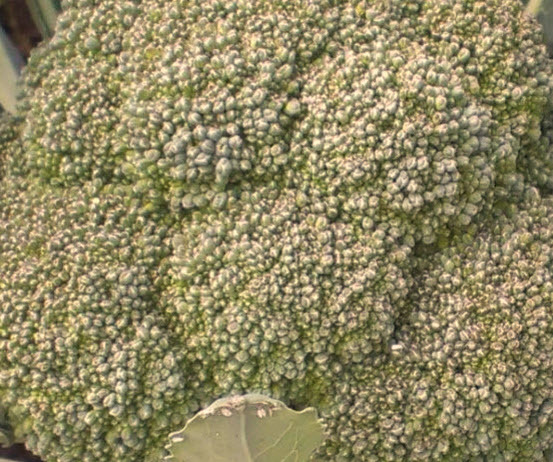
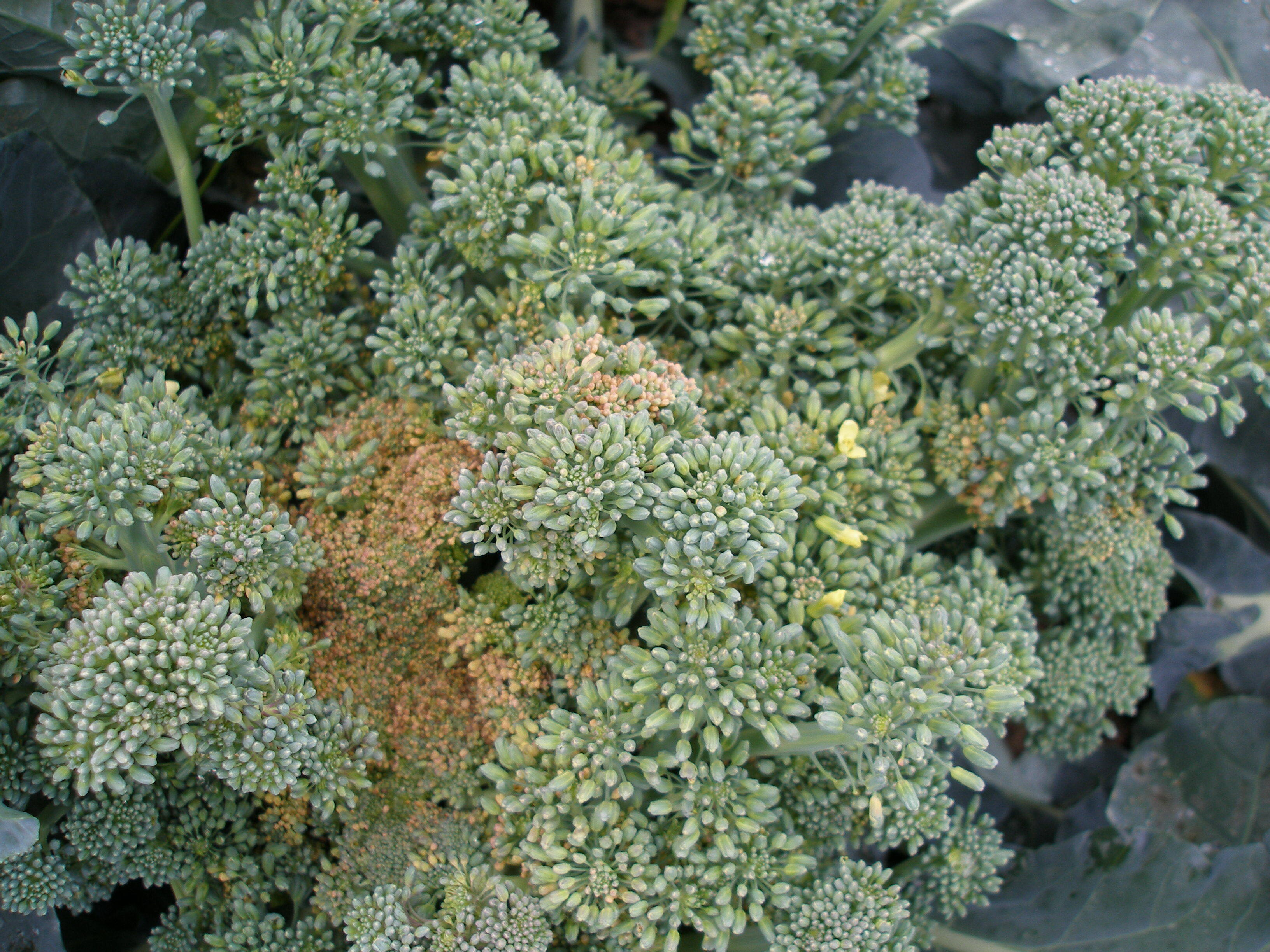
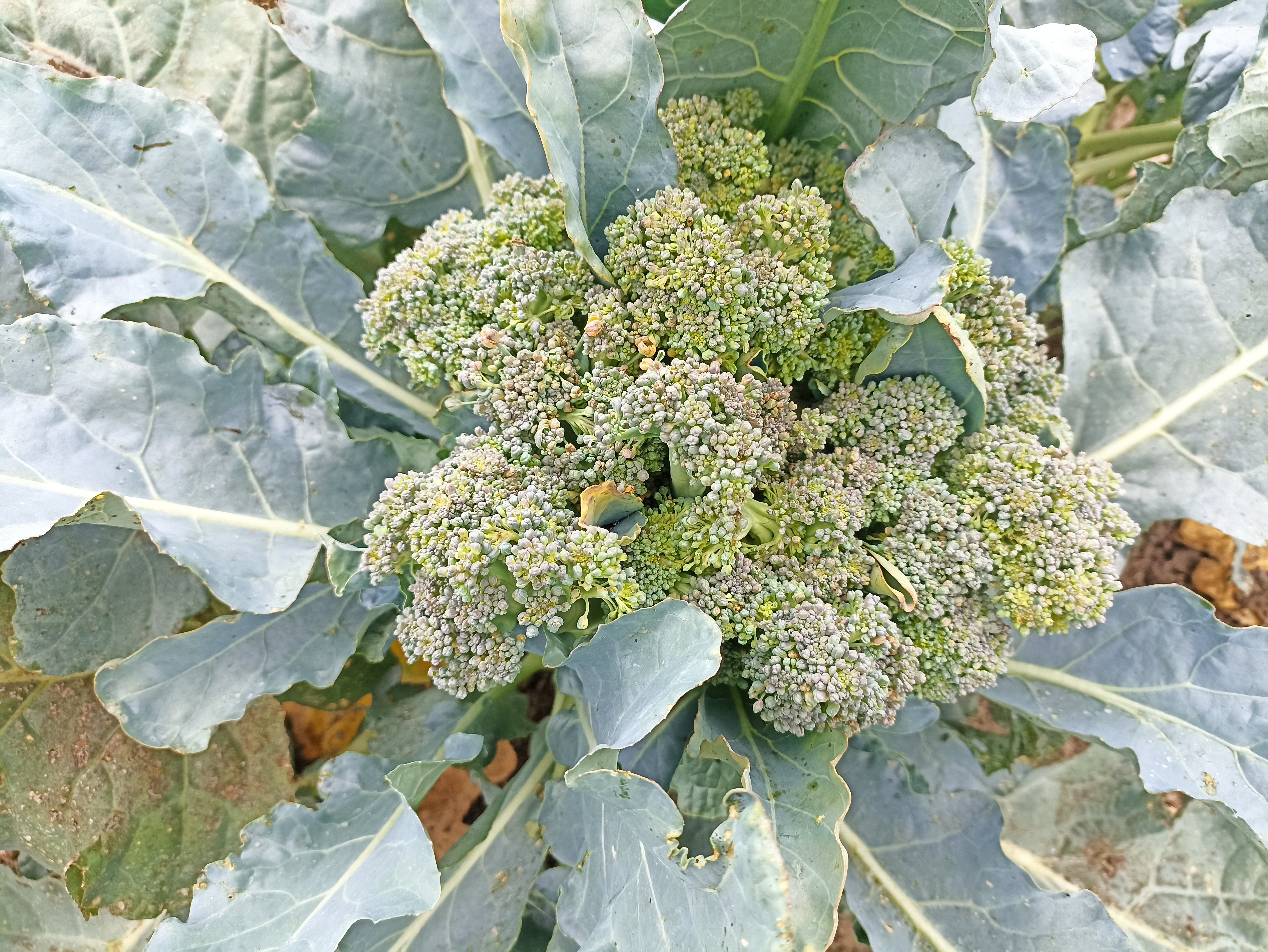
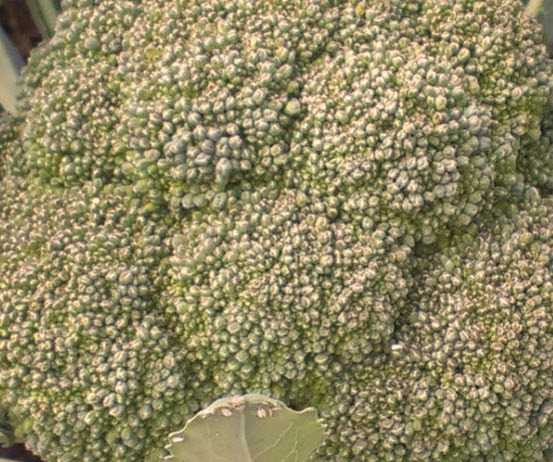
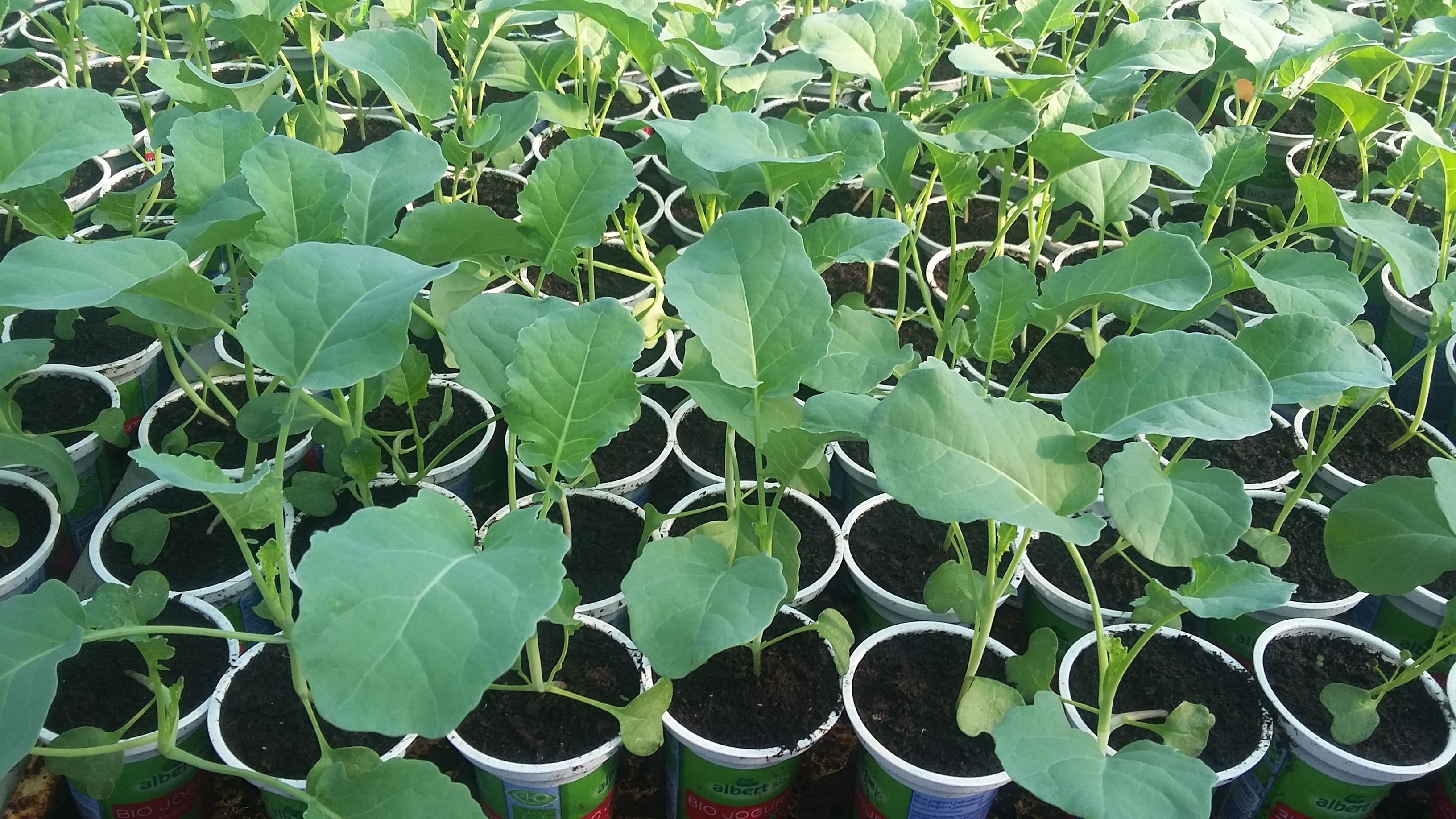
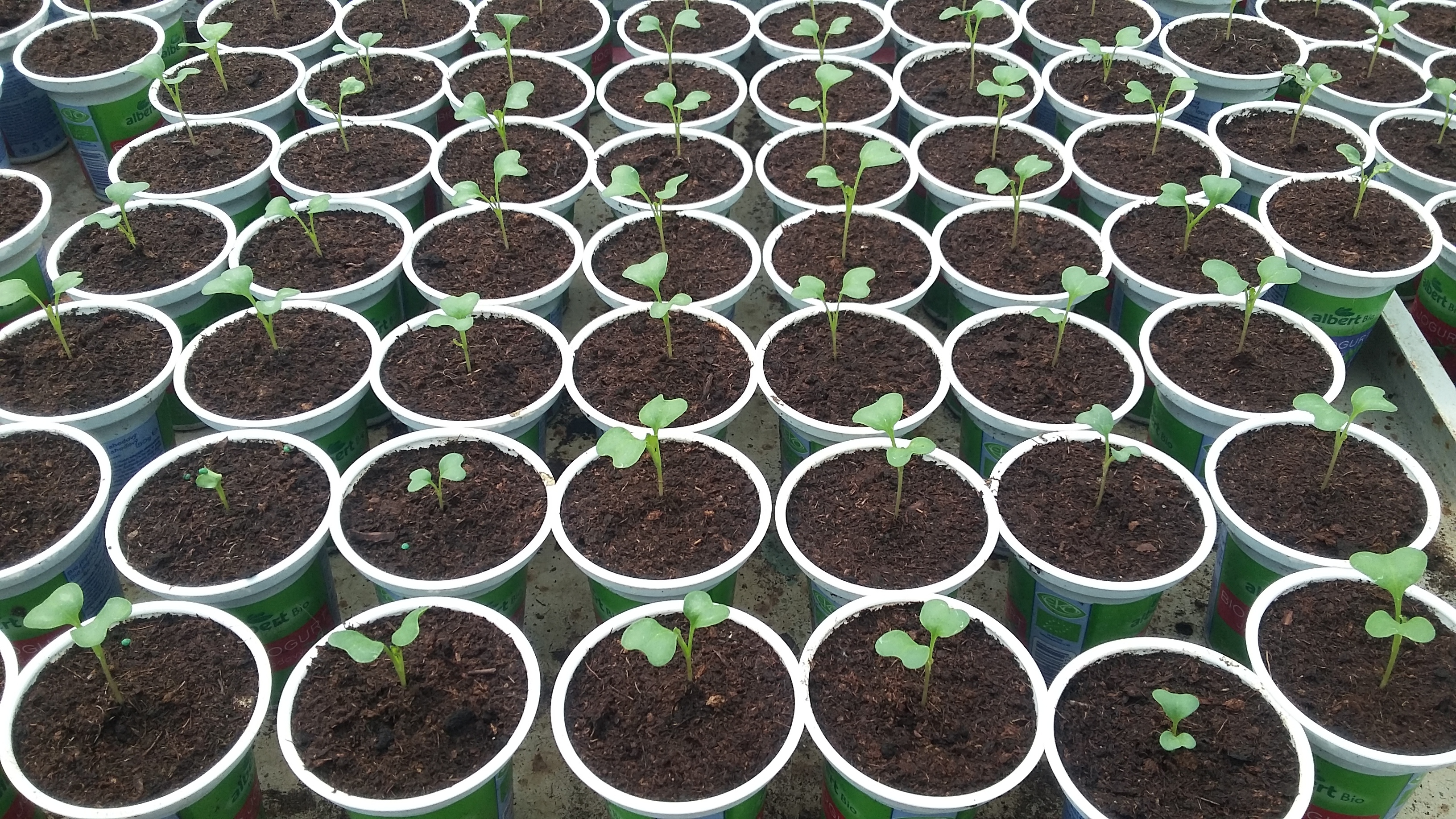
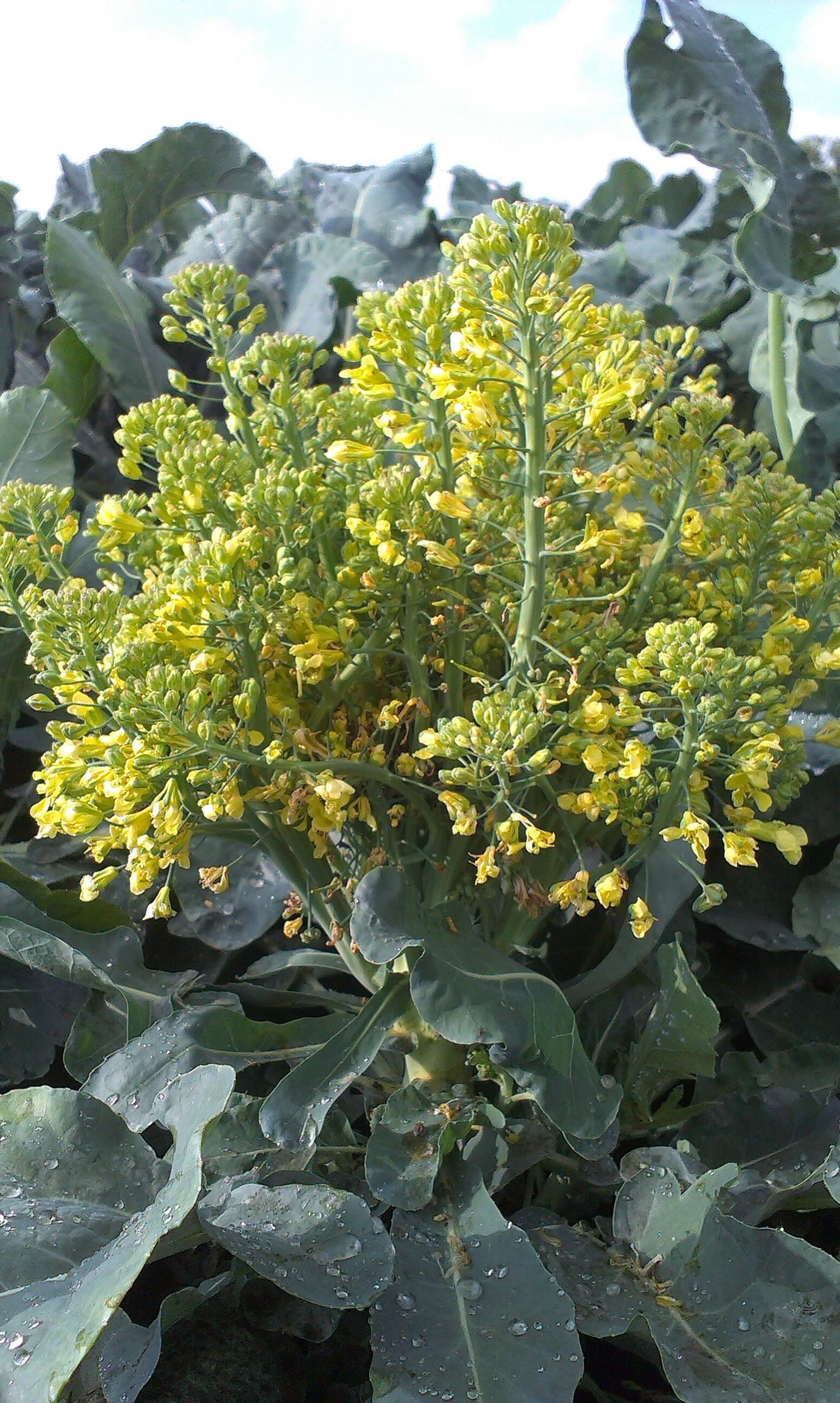
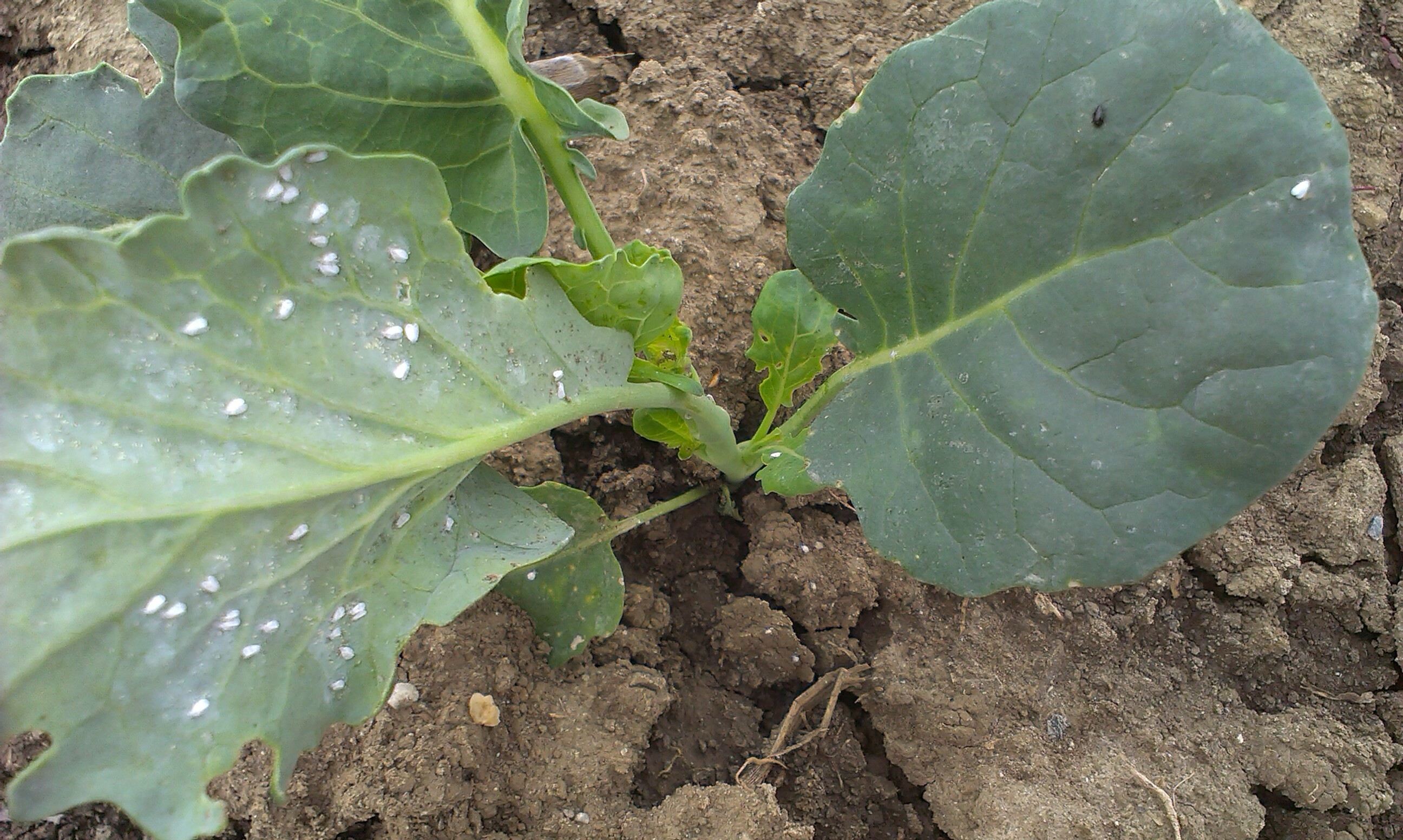
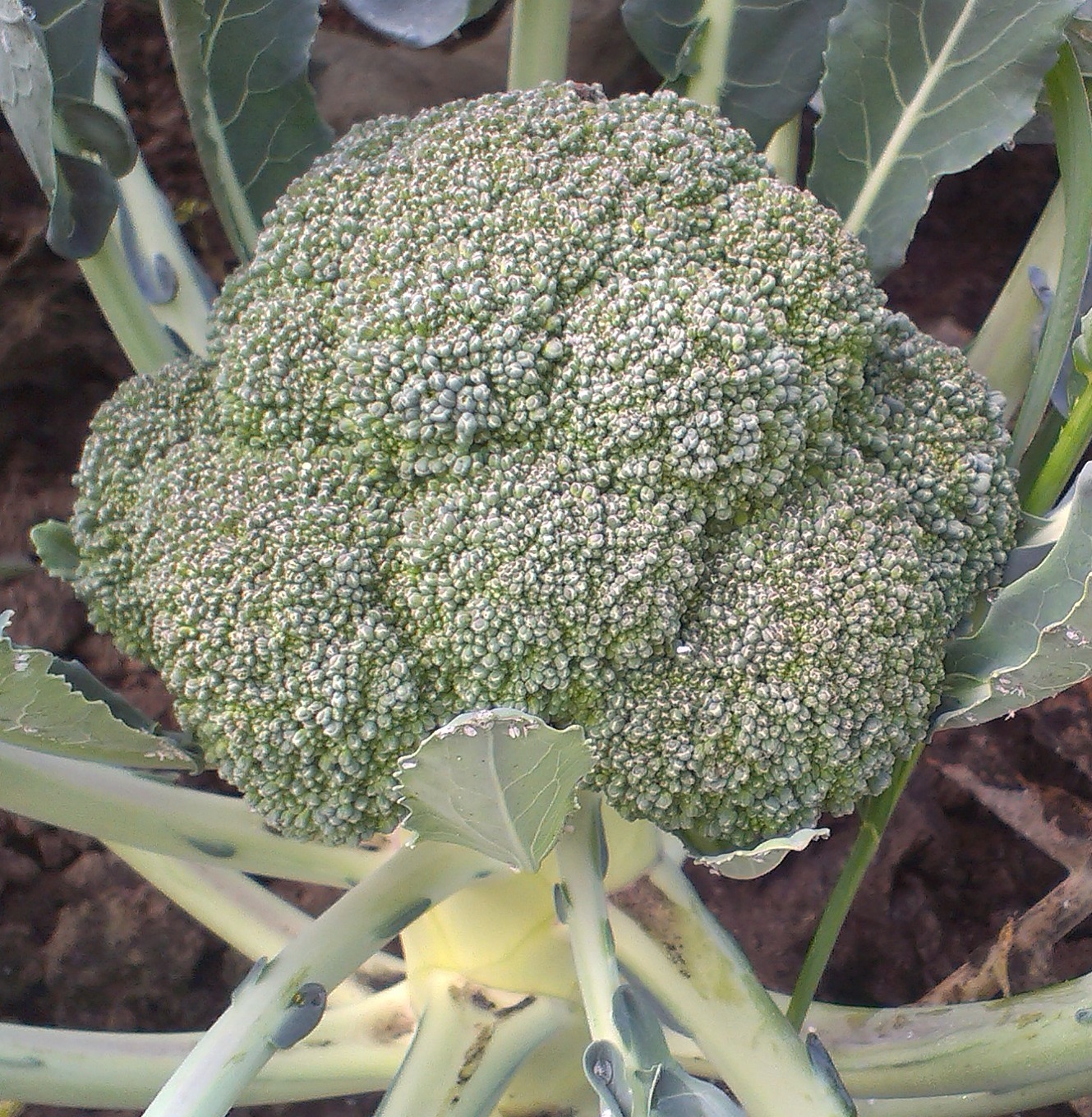
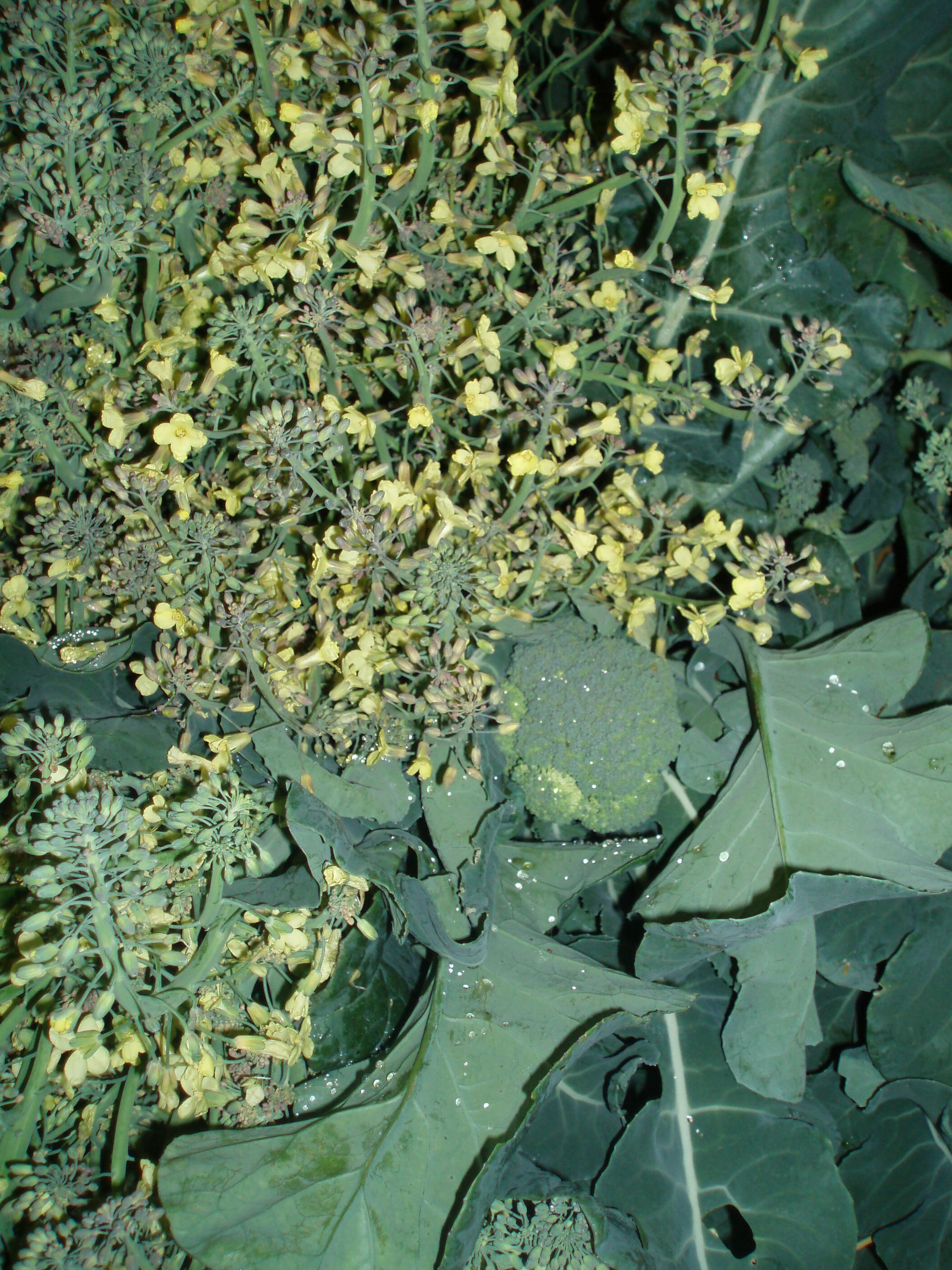
Short description of the species
Botanical name
Broccoli
Latin name
Brassica oleracea sk. Italica
Family
Brassicaceae
Plant height
flowering stem (2nd year): 0.5-1.8 m
Exposure
relatively undemanding (sun or shadow)
Frost tolerance
frost-resistant (to -7/-8 °C)
Keeping
medium to difficult (mostly pest protection)
Water requirement
high
Soil requirement
medium-heavy, permeable, high humus content (requirement of direct organic fertilisation)
Soil pH
6,3 – 7,8
ÚEdible part
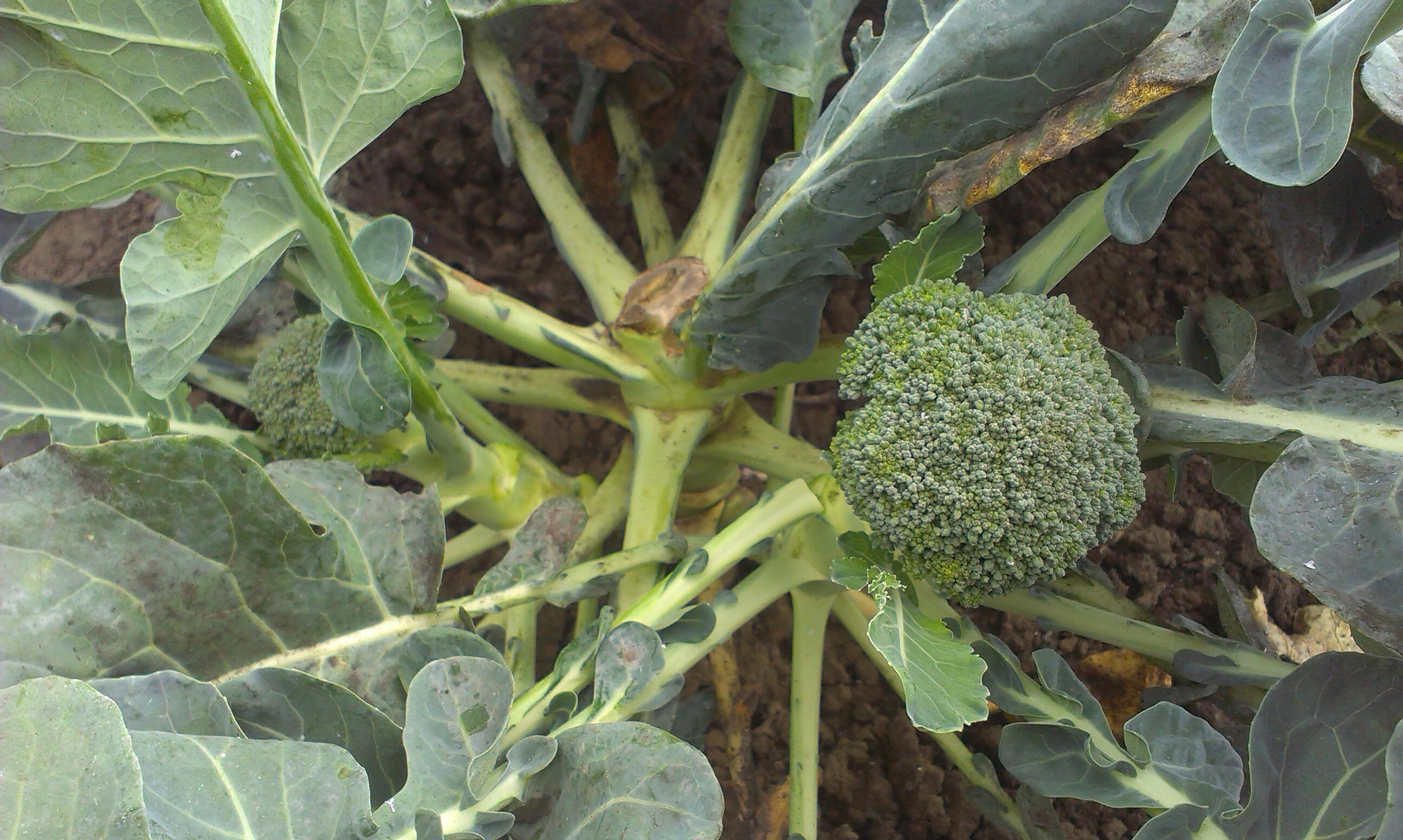
floret (inflorescene of un-developed flower buds)
accessibility
Usage
direct consumption – side dish, soups; processing – freezing ríloha k jedlám, polievkyGrowing technology and harvest
Propagation
- generative – growing from seedlings
Spacing
- early cultivars = 0.40 x 0.40 m
- late cultivars = 0.50 x 0.5 m, or maximally 0.6 x 0.6 m
Harvest
- 60-90 days from planting (dependent on the cultivar)
- optimal date = basics for required quality (relatively fast growth of floret)
- delayed harvest = lengthening of flower buds, floret disintegration and sequential flowering
Important dates
- growing from seedlings (preferred) + covering textile (late cultivars – protection against pests, mainly 2-3 weeks after planting)
| Month | I. | II. | III. | IV. | V. | VI. | VII. | VIII. | IX. | X. | XI. | XII. |
|---|---|---|---|---|---|---|---|---|---|---|---|---|
| Sowing (seedling production) | XXXX | XXXX | XXXX | XXXX | ||||||||
| Planting | XXXX | XXXX | XXXX | XXXX | ||||||||
| Harvest | XXXX | XXXX | XXXX | XXXX | XXXX |
Storage
- optimal temperature = 0-1 °C (5-6 weeks)
- higher temperature, e.g. 5 °C (similarly as in the home fridge) = 5-10 days
- higher temperature + longer storage period = opening of flower buds
Use
- direct consumption – side dish, soups
- processing – freezing
Diseases and pests
- the most dangerous disease: clubroot (Plasmodiophora brasssicae) – incorrect crop rotation (insufficient time distance from other Brassica species – cabbage, radish etc.)
- fungus diseases: falling of germinating plants (several species of microscopic funguses - Botrytis cinerea, Fusarium spp., Mycosphaerella brassicicola, Olpidium brassicae, Phytophtora spp., Pythium spp., Thanatephrous cucumeris, Verticillium spp. etc.), downy mildew (Hyaloperonospora parasitica), Alternaria leaf spottiness (Alternaria brassicicola, A. brassicae, A. raphani)
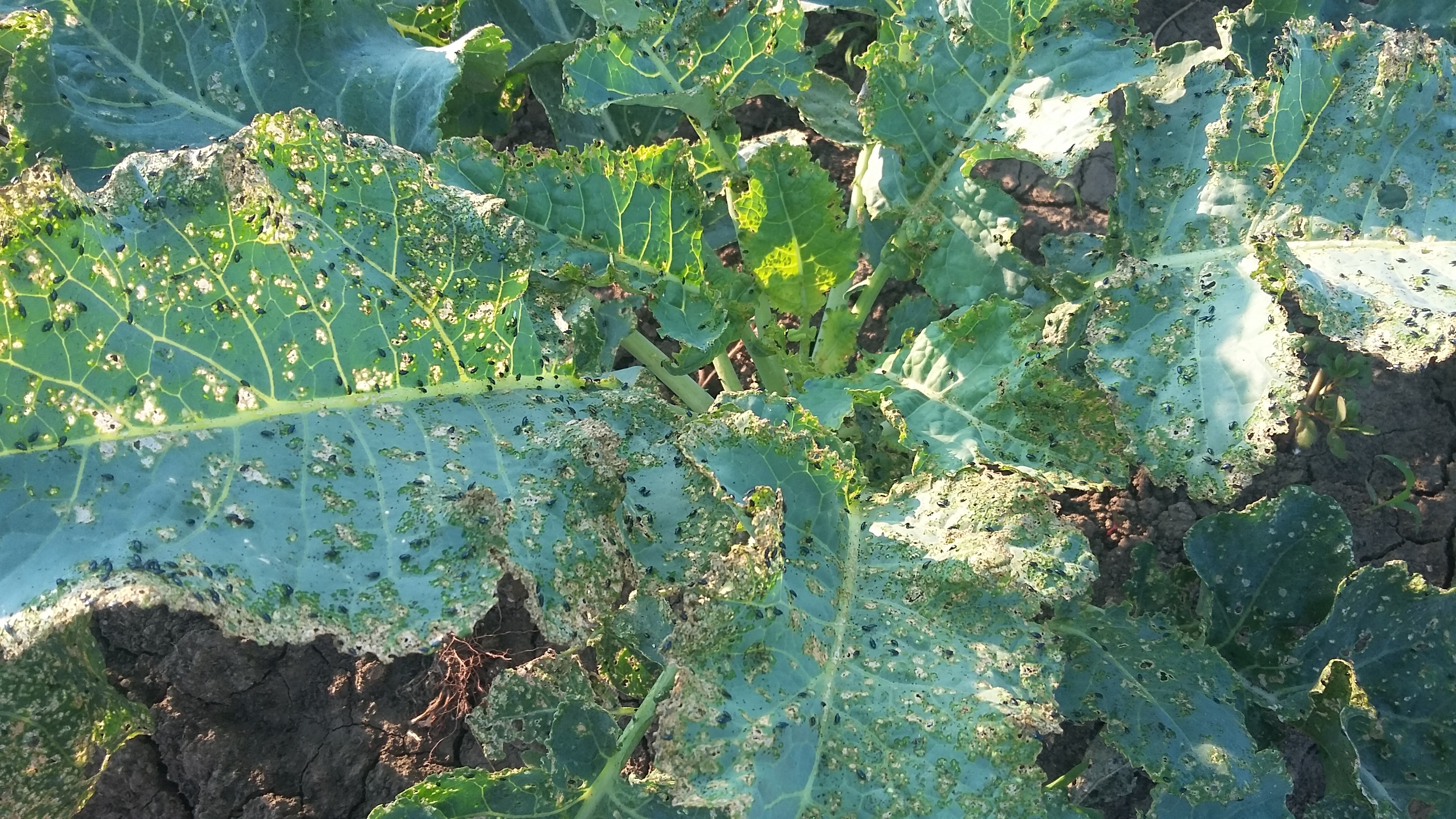
- pests: cabbage root fly (Delia radicum), cabbage aphid (Brevicoryne brassicae), flea-beetles (Phyllotreta spp.), white butterfly (Pieris brassicae, Pieris rape), cabbage moth (Mamestra brassicae), cabbage whitefly (Aleurodes proletella)
contact_support
Labeling Plants with QR Codes
At the Faculty of Horticulture and Landscape Engineering at SPU in Nitra, we've created a project that offers visitors to our plantings a new way to discover the beauty and intriguing aspects of plants. Each plant in our plantings has its own unique QR code. All a visitor needs to do is scan this code with their smartphone.
Encyclopedy
Informácie
Kontakt
Fakulta záhradníctva a krajinného inžinierstva
Tulipánová 7, 949 76 Nitra
phone +421 (37) 641 4229 — study department
email henrieta.budayová@uniag.sk



Copyright © 2026 Faculty of Horticulture and Landscape Engineering