

 Slovenská verzia
- home
- Vegetable crops
- Miscellaneous vegetable
- Black salsify
- Black salsify
Black salsify
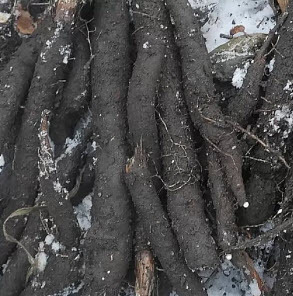
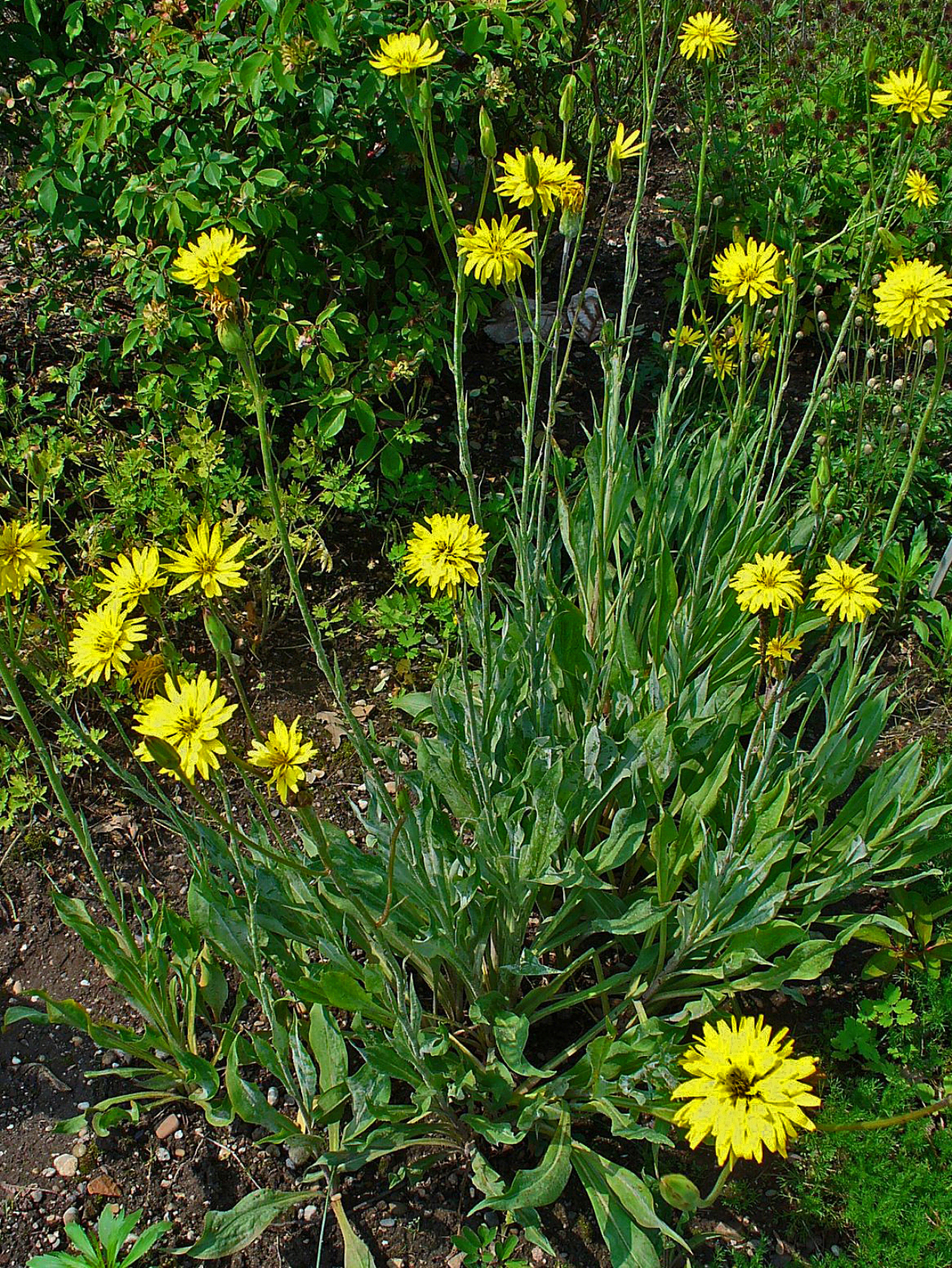
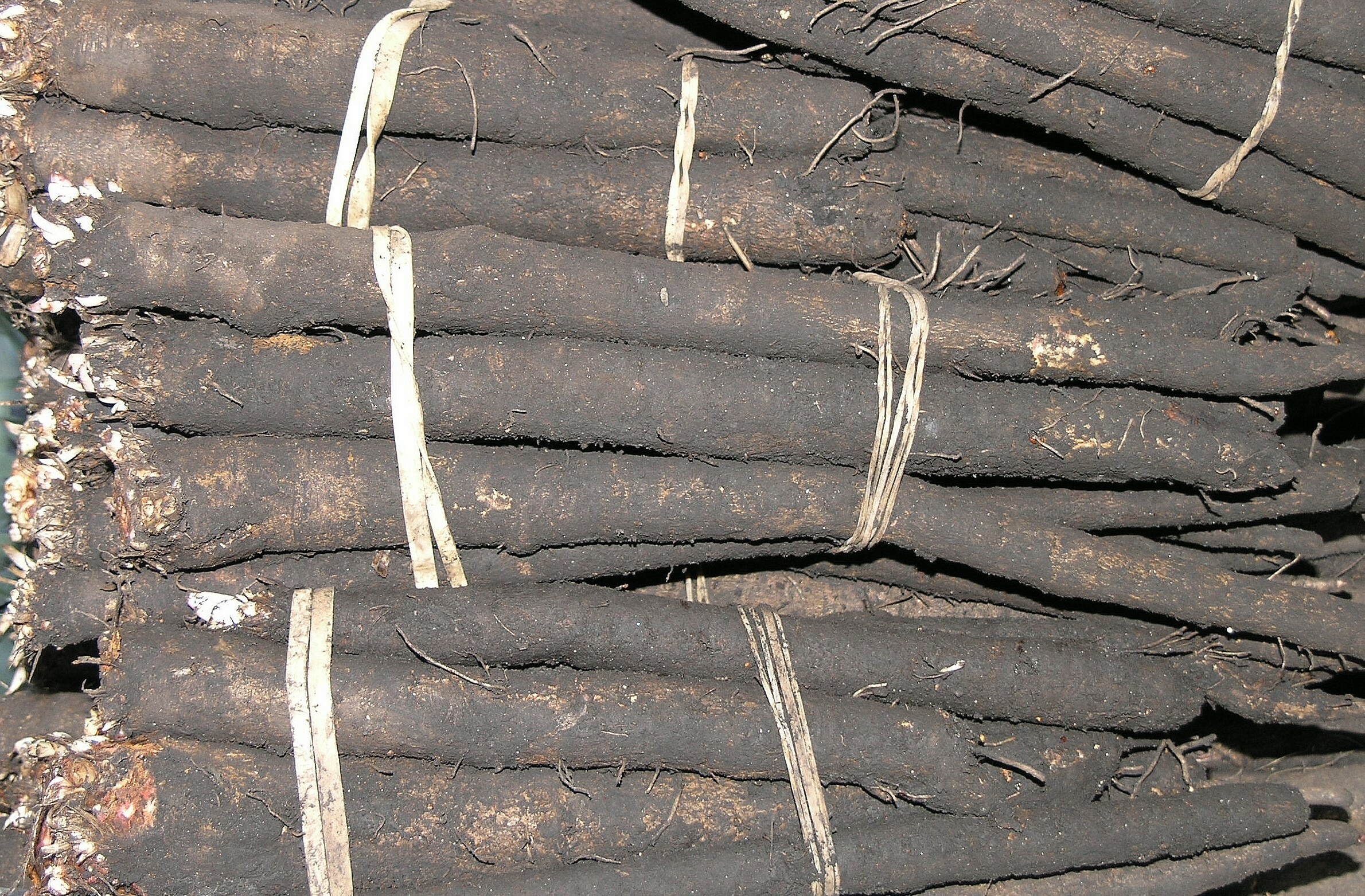
Short description of the species
Interesting
Until to 16th century, black salsify was consumed mostly by Keltic and Germanic nations who believes in its positive effect against plague and snake striking.Usage
- fresh (salads) or thermally-processed (side dish, soups, sauces, purée)Environmental requirements, fertilization and inclusion in the crop rotation
We classify Hadomor in the 2nd cultivation line (Petříková et al., 2012). The most suitable soils for its cultivation are light, sandy, suitable for the formation of long roots (Grubben and Denton, 2004). Hadomor is resistant to low temperatures, but higher yields are achieved in warmer areas (Petříková et al., 2012). The ideal monthly temperature average is 12-24°C (Stephens, 1994).
Cultivation
Hadomor is grown from direct sowing, ideally in March, as it has a longer vegetation period (Petříková et al., 2012). When establishing a stand, it is recommended to sow more densely in rows 0.20 m apart, followed by uniting the plants at a distance of 0.10 m in the row (Ashworth, 2002; Brickell et al., 2012). Hadomor requires irrigation only during periods of persistent drought. Harvesting is carried out in autumn; in areas with mild winters also in spring. The roots reach a consumption size approximately 6 months after sowing (Stephens, 1994). The harvest can be stored in cool and humid areas or the roots can be left in the ground even during the winter months (Petříková et al., 2012).
Diseases and pests
The only significant problem in the cultivation of black root (Pokluda et al., 2022) may be mold (Pustula/Albugo/tragoponis).
Labeling Plants with QR Codes
At the Faculty of Horticulture and Landscape Engineering at SPU in Nitra, we've created a project that offers visitors to our plantings a new way to discover the beauty and intriguing aspects of plants. Each plant in our plantings has its own unique QR code. All a visitor needs to do is scan this code with their smartphone.
Encyclopedy
Informácie
Kontakt
Fakulta záhradníctva a krajinného inžinierstva
Tulipánová 7, 949 76 Nitra
phone +421 (37) 641 4229 — study department
email henrieta.budayová@uniag.sk



Copyright © 2026 Faculty of Horticulture and Landscape Engineering