

 Slovenská verzia
- home
- Spices and aromatic plants
- Ranunculaceae
- Black cumin
- Black cumin
Black cumin
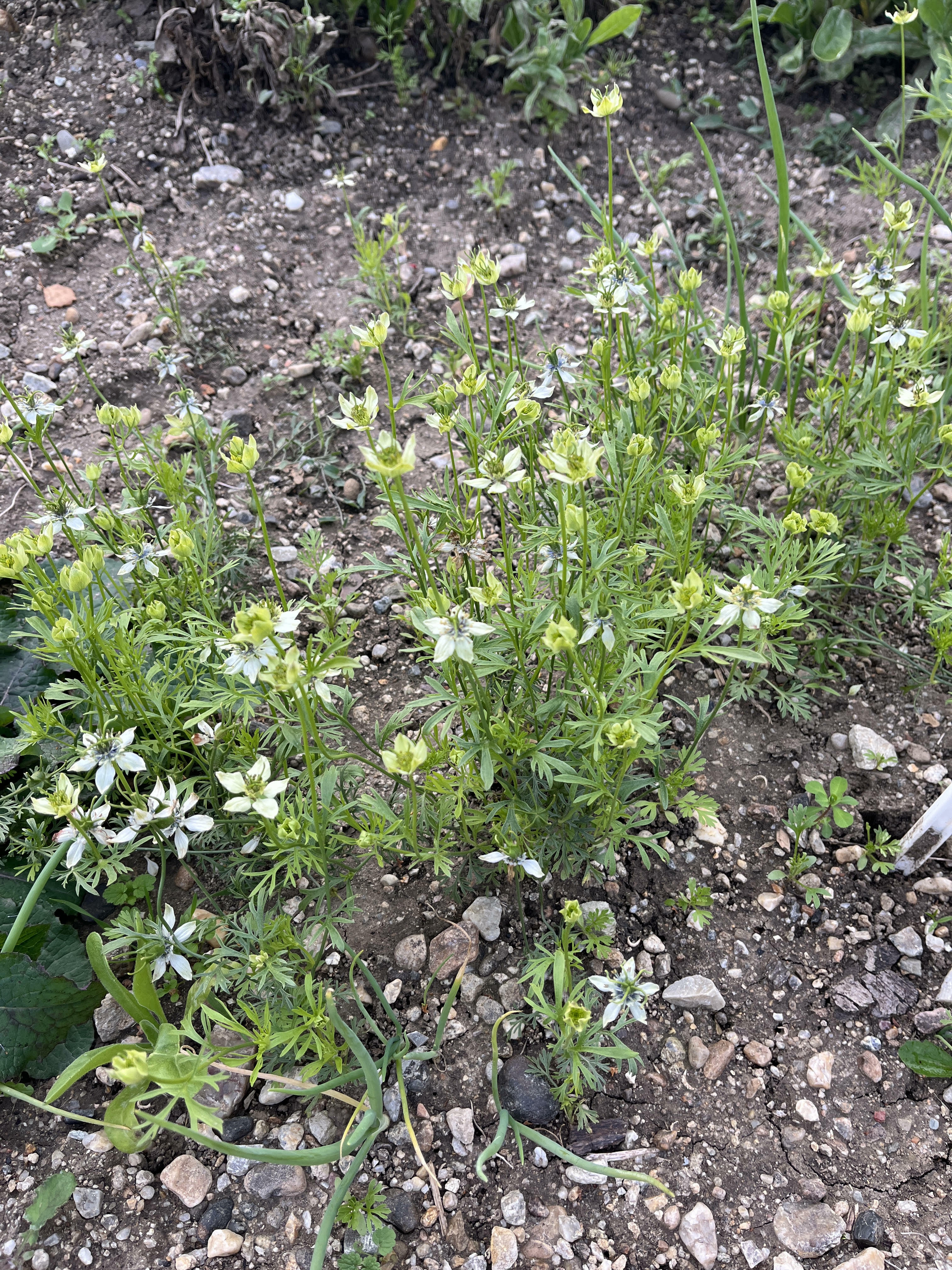
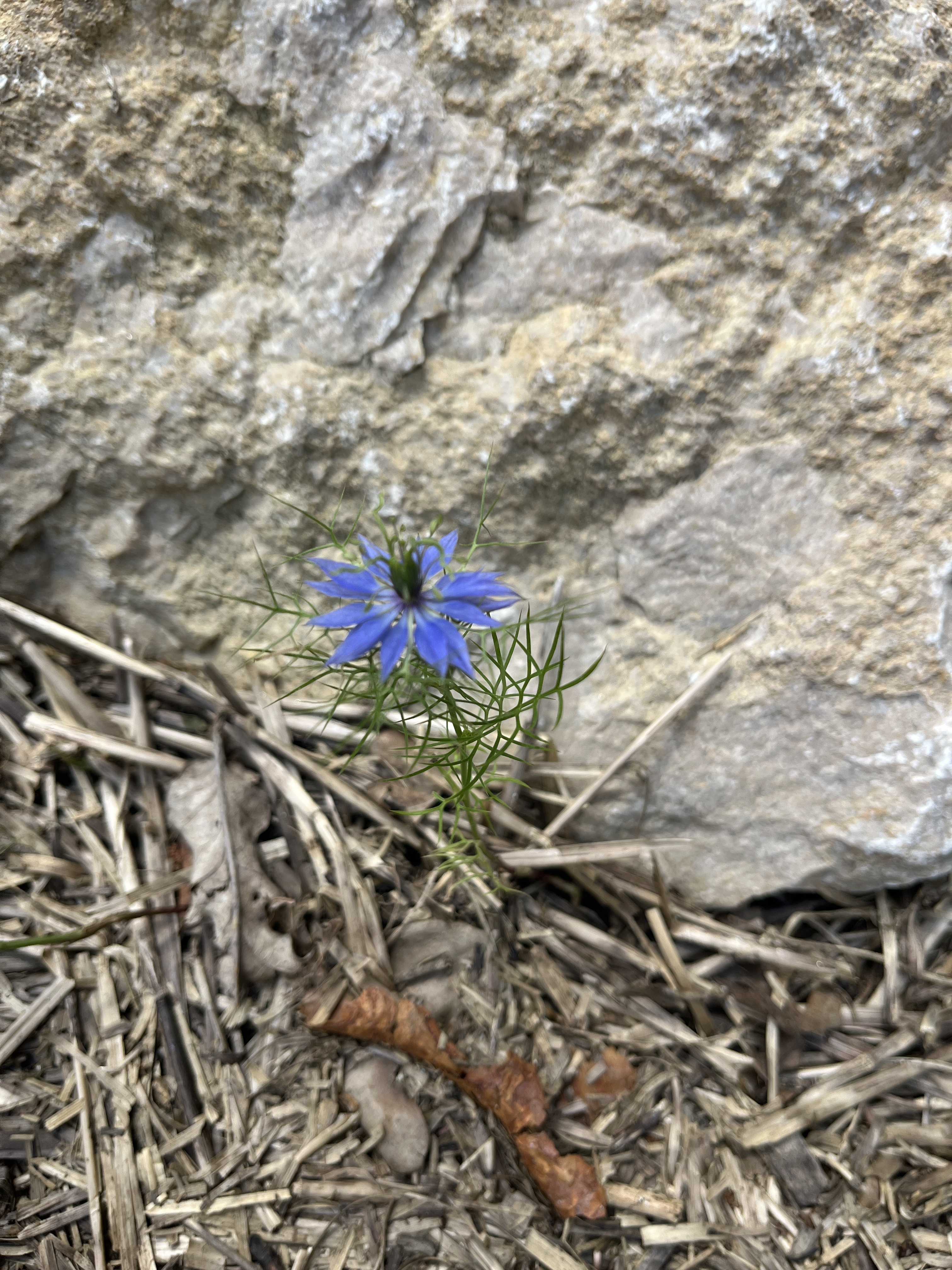
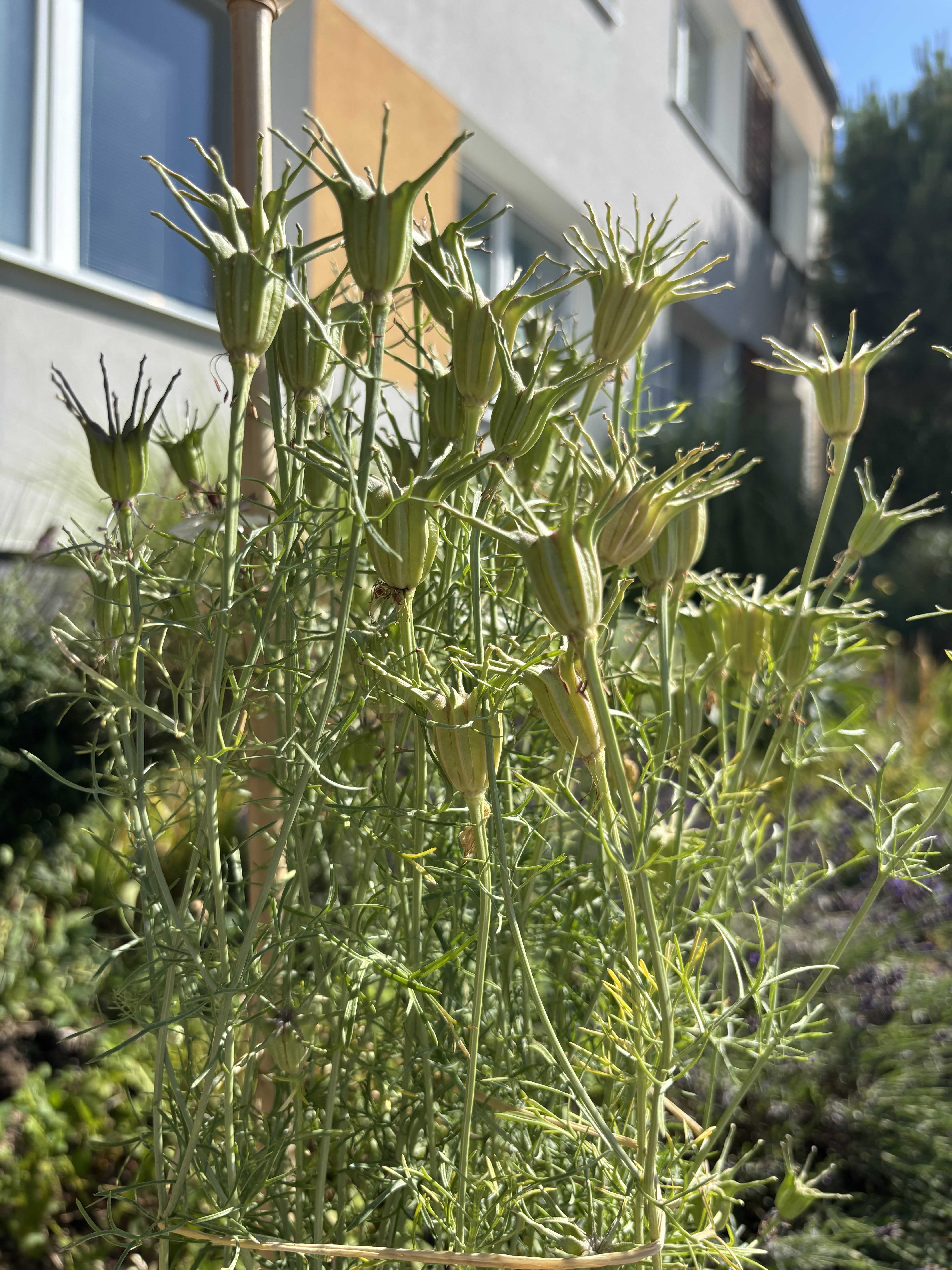
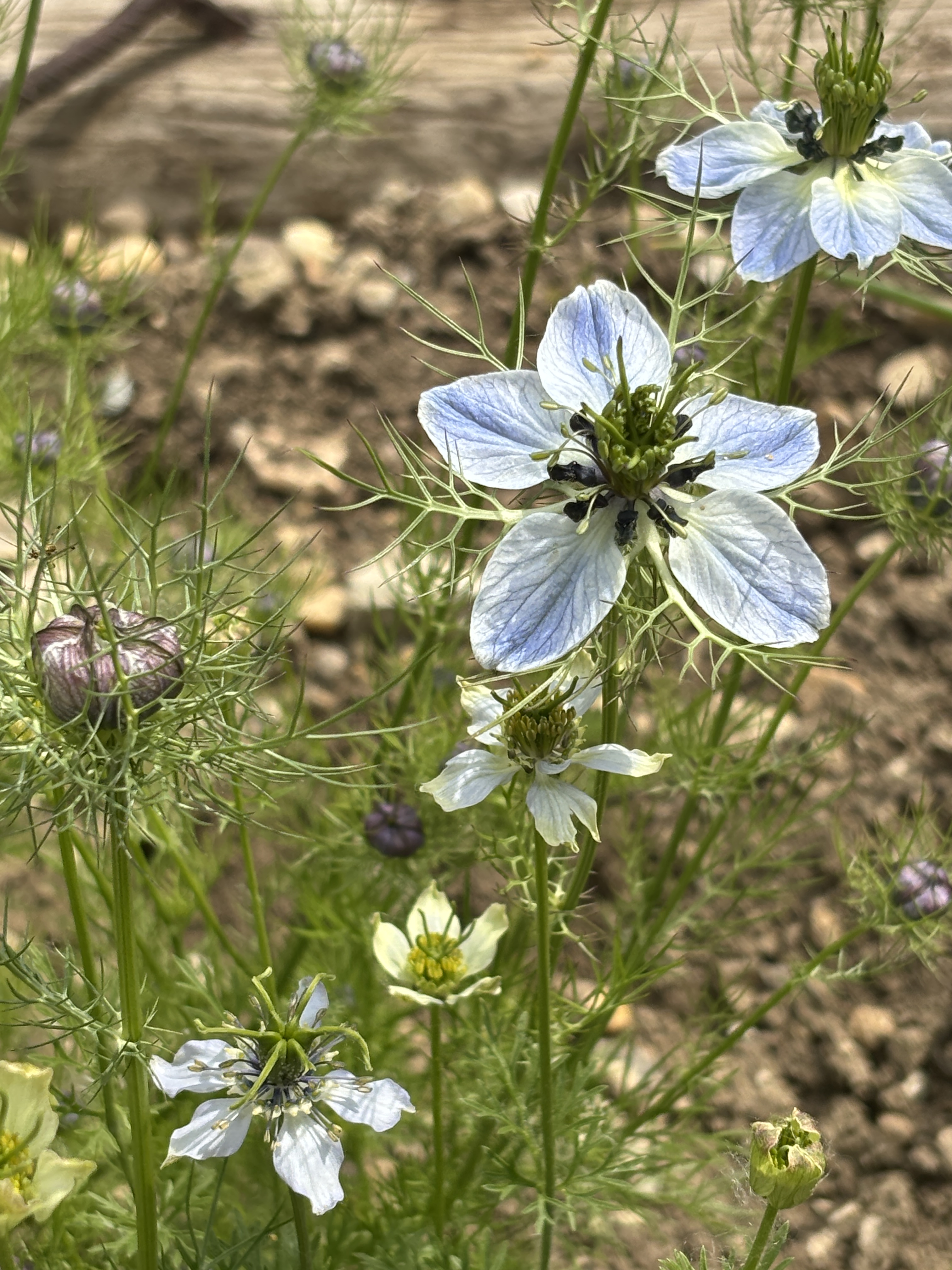
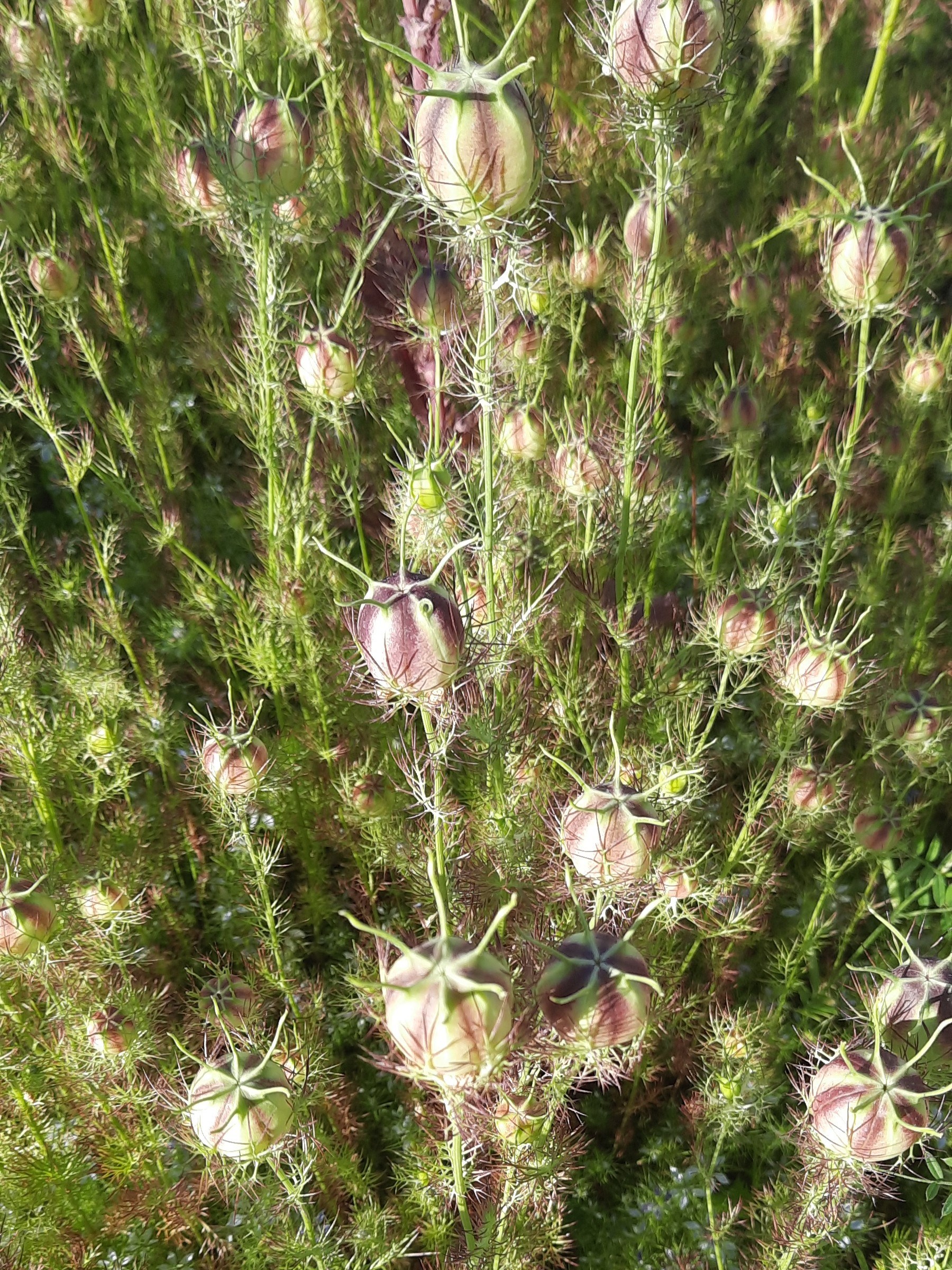
Short description of the species
Interesting
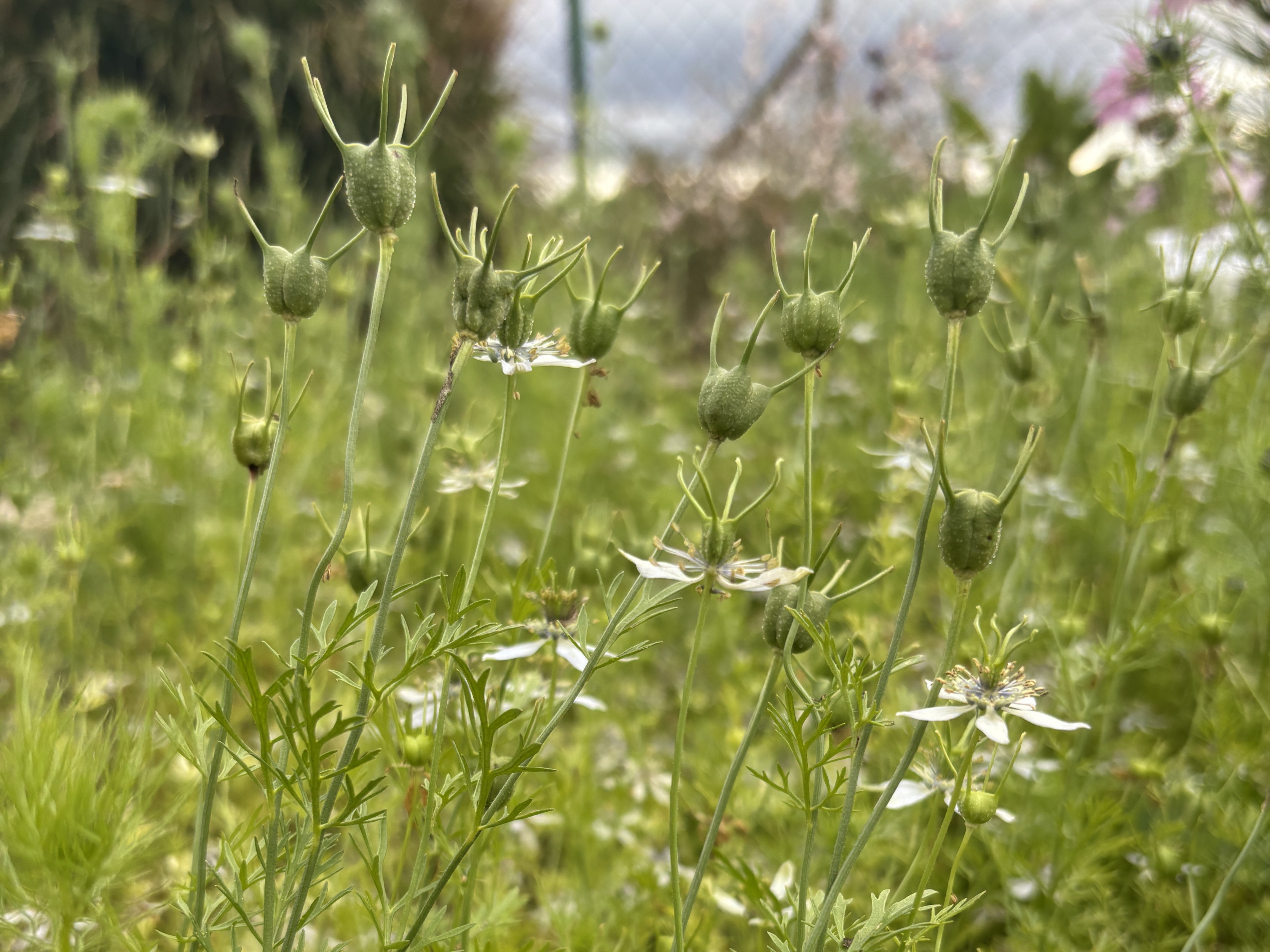
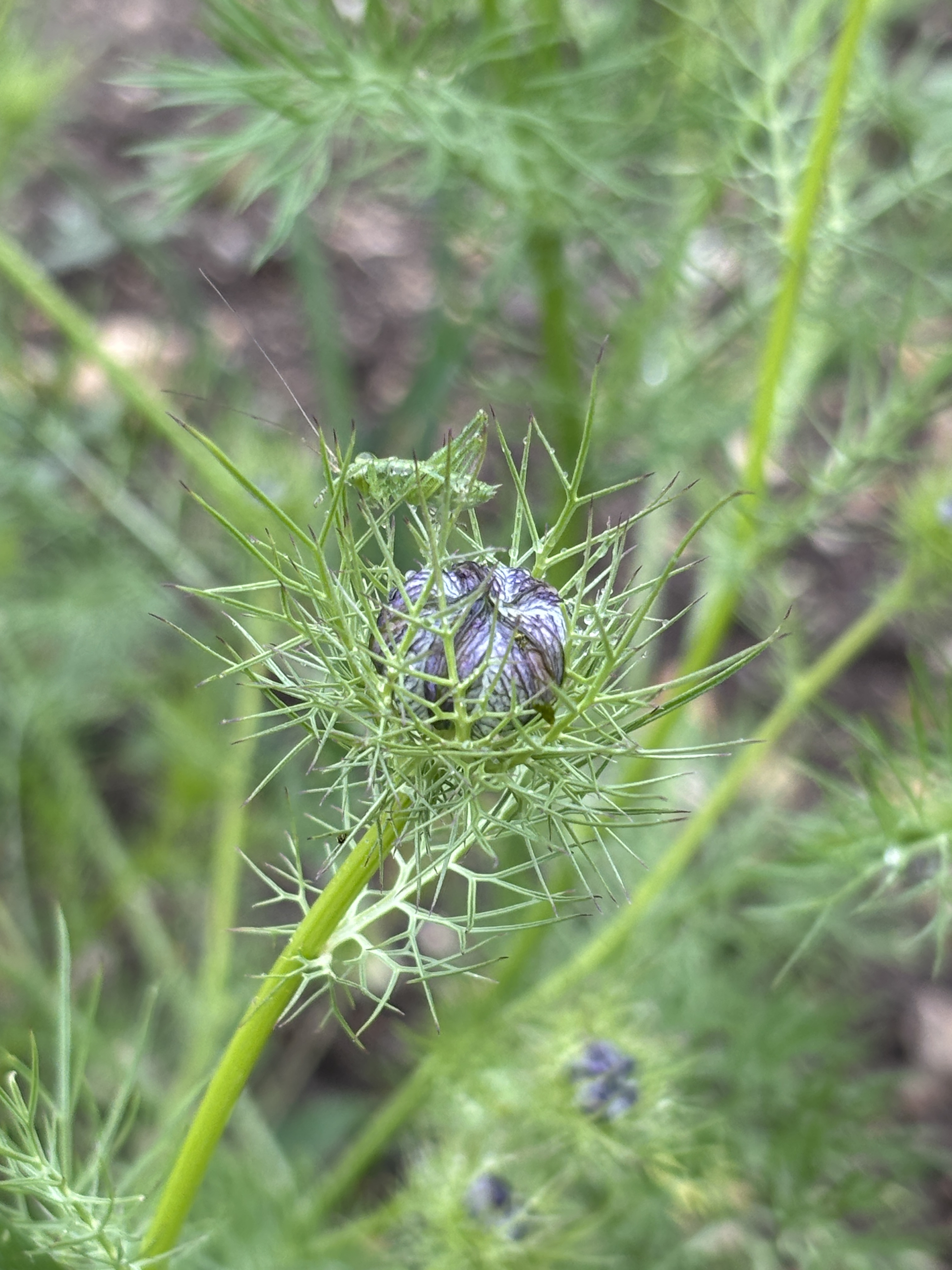
The name black cumin comes from the Latin word "niger" or "nigellus", which means black, and is therefore often referred to as black cumin.Usage
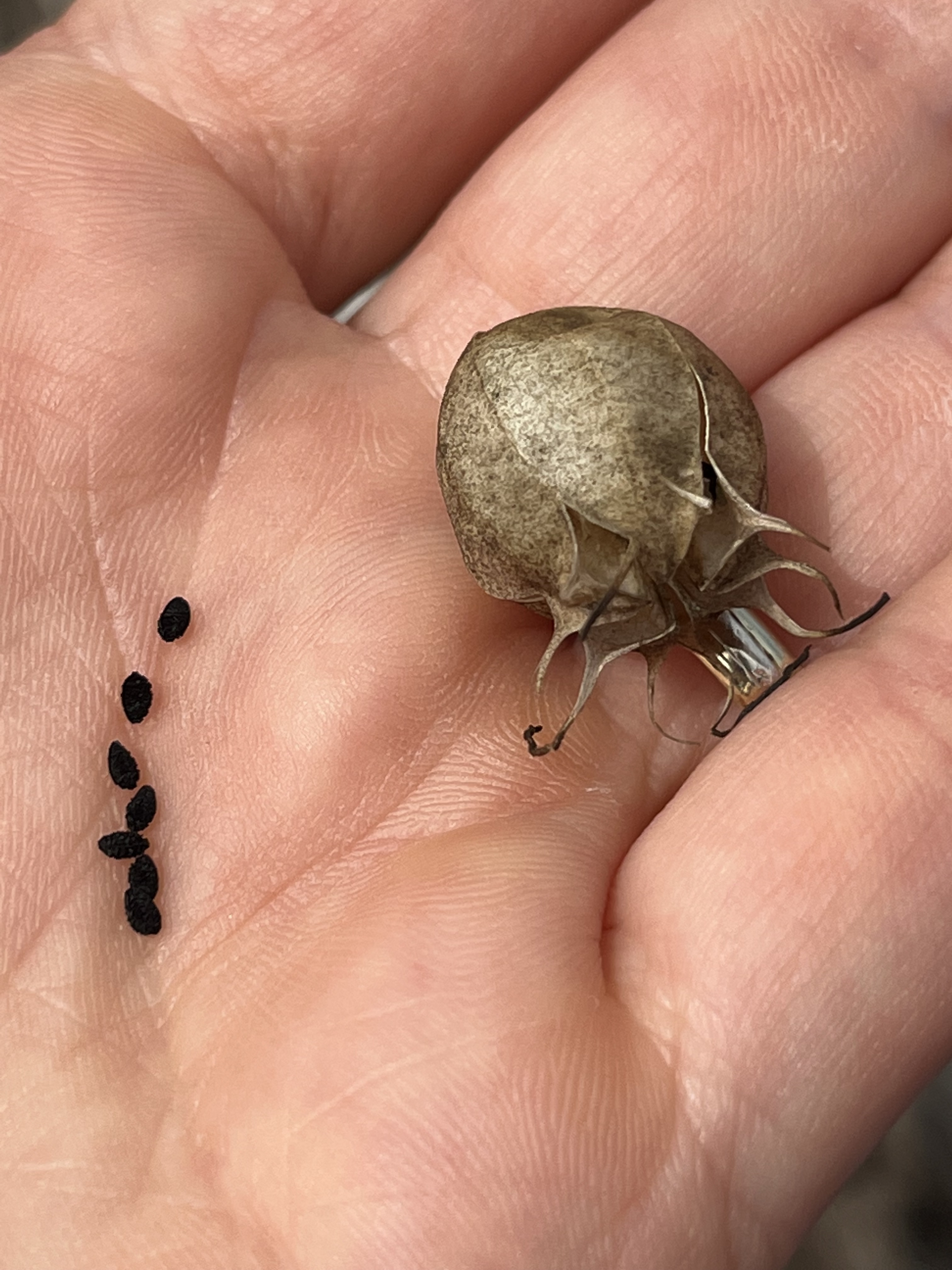
Black cumin seeds are used as a topping for baked goods, in spice blends (e.g. garam masala, curry), and to flavor a variety of dishes, from salads to meats. They are also used to make teas and cold-pressed oils high in bioactive compounds.Inclusion in the crop rotation and fertilization requirements
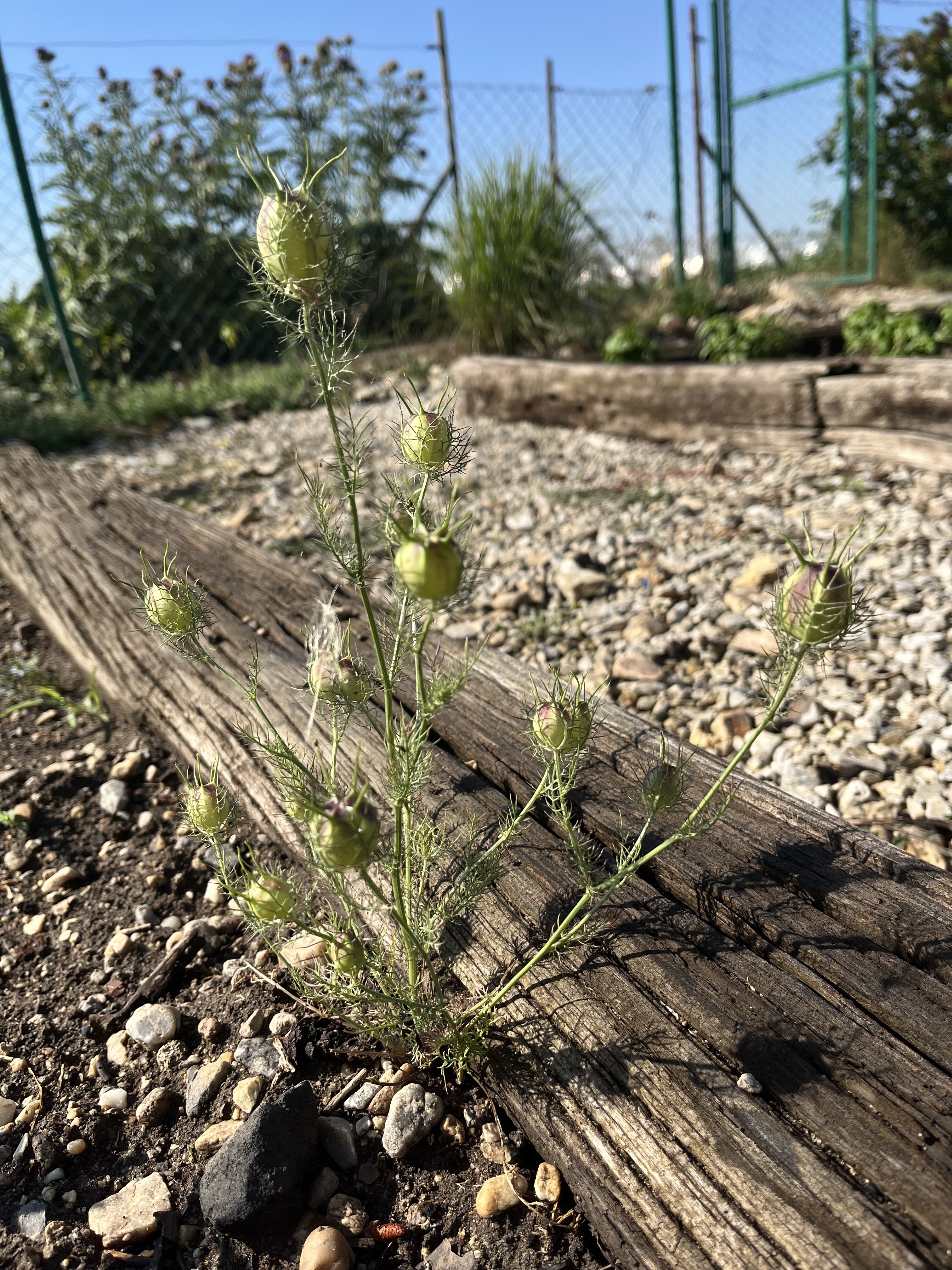
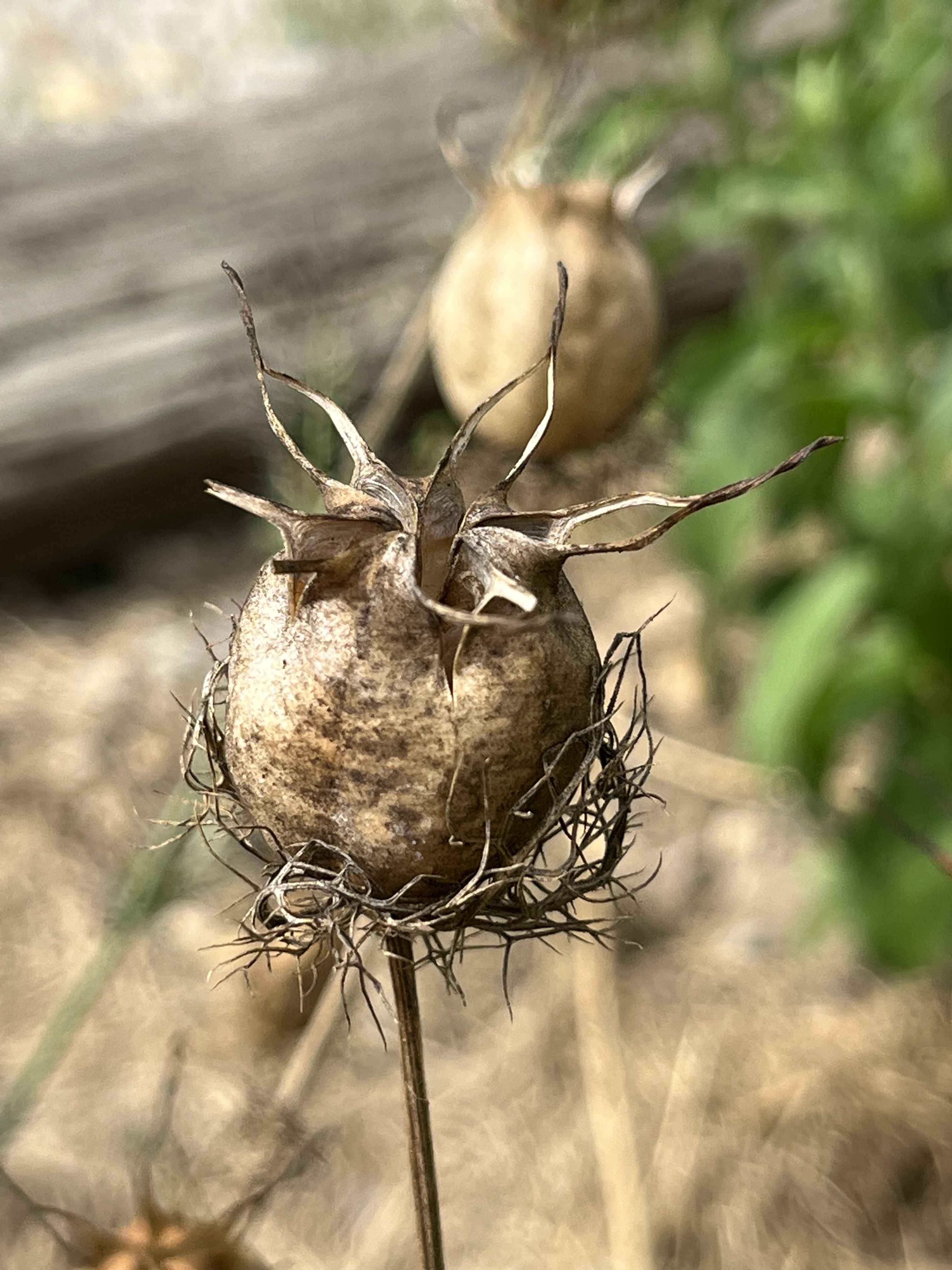
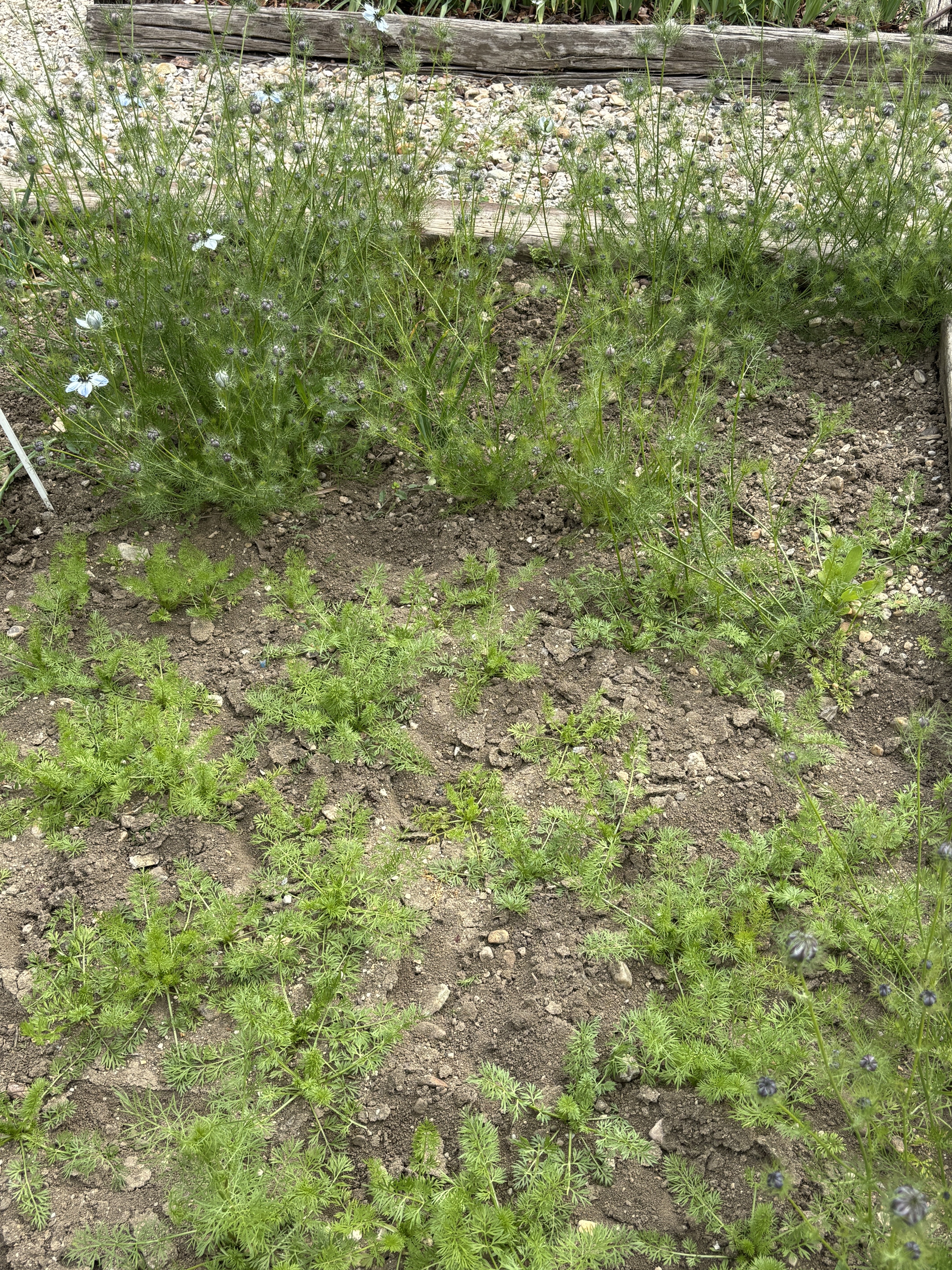
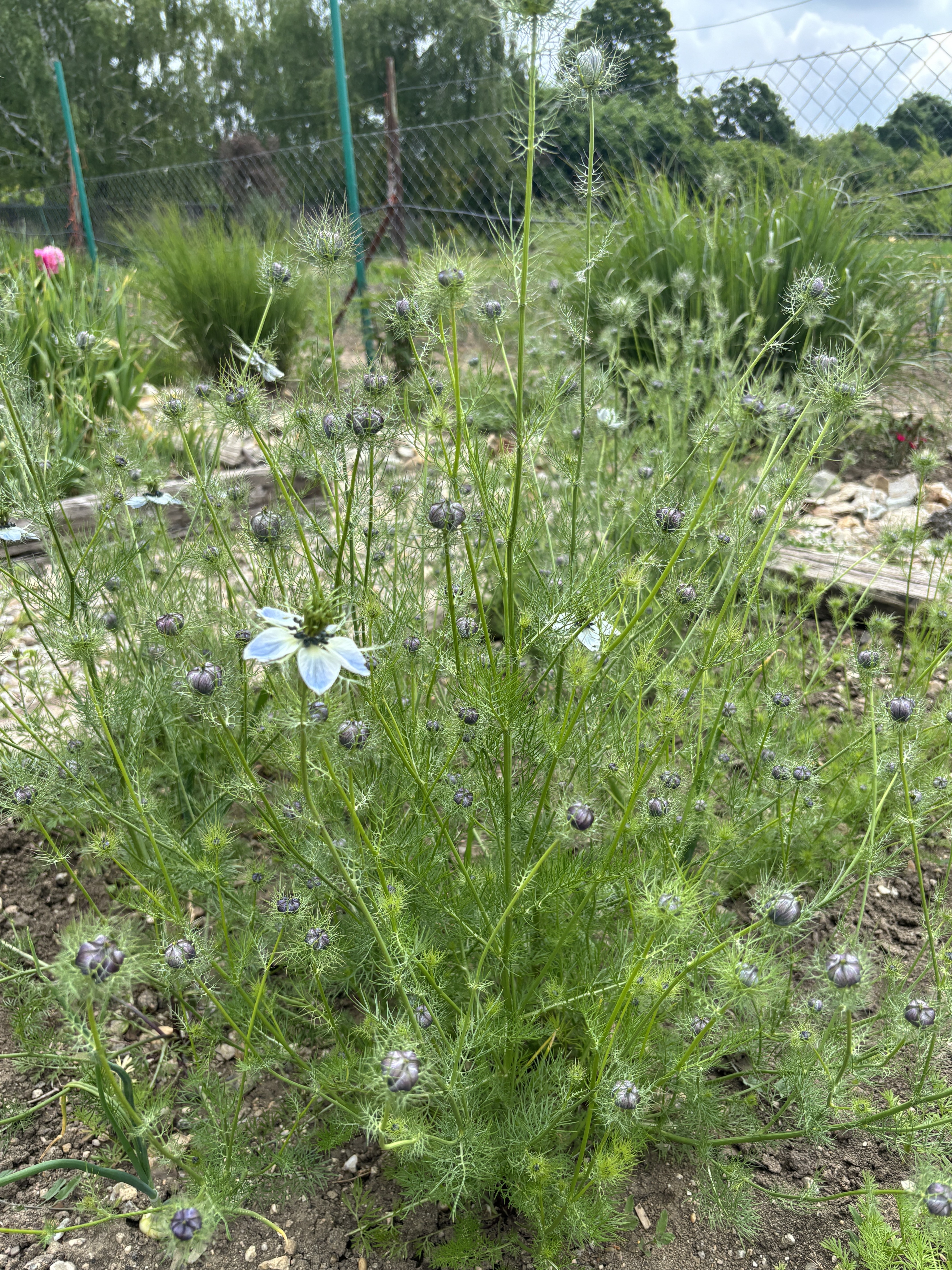
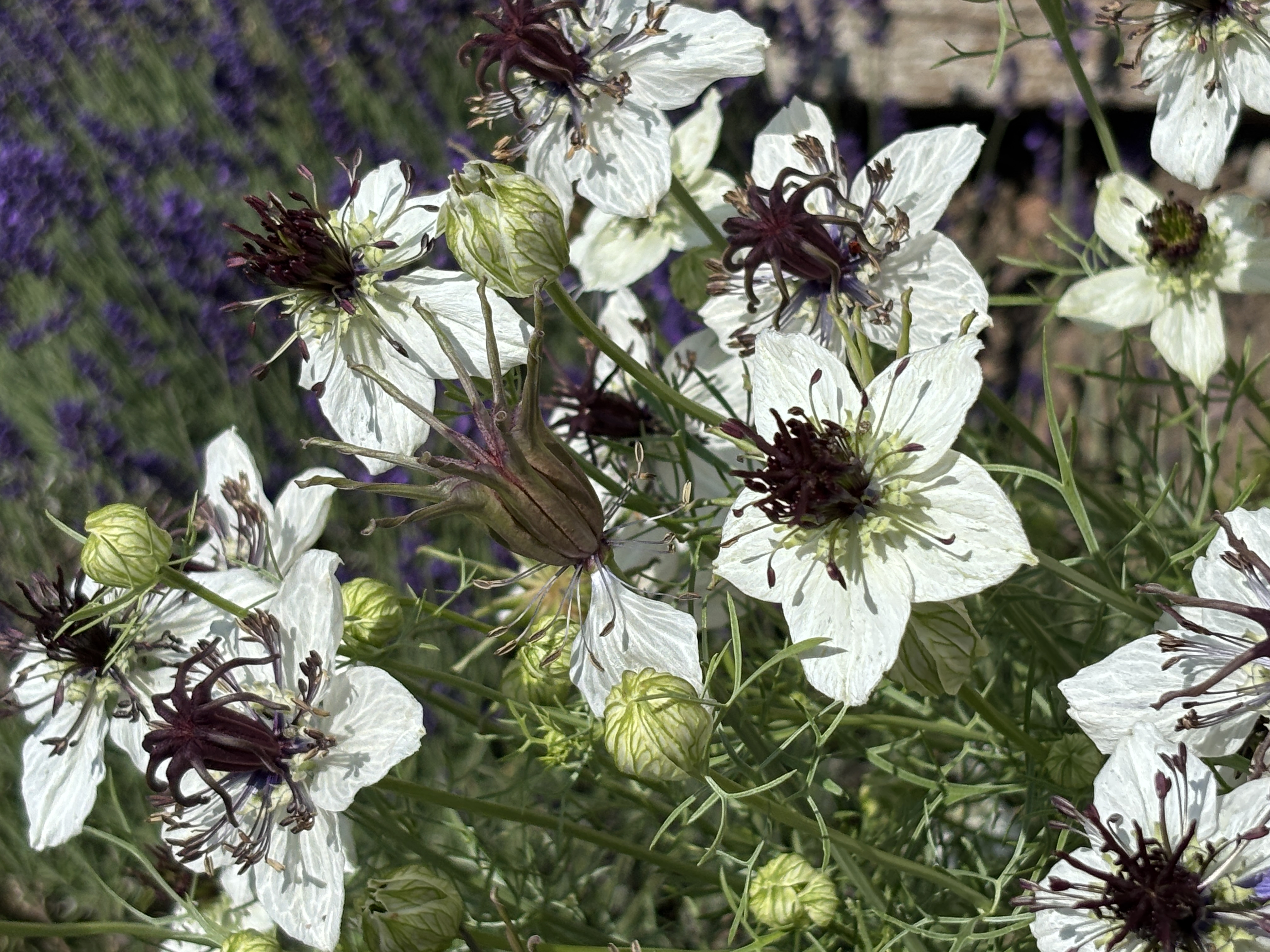
In our conditions, it is an annual plant that forms vesicles with black seeds after flowering, and although it can be sown naturally in the same place, for better yield and control, it is recommended to collect the seeds and sow them in the spring.
Track: II.
Suitable preceding crops: legumes, cereals, corn, root vegetables
Fertilization: The plant does not have high nutrient requirements, but in case of a lack of nutrients in the soil, nitrogen fertilizer can be applied.
Varieties: The most famous species of the genus Nigella spp. are N. sativa L.; N. damascena L.; N. orientalis L., N. hispanica L.; N. arvensis L. and others.
Cultivation techniques
Can be propagated by direct sowing or pre-cultivation of seedlings.
Cultivation techniques – from seedlings
| Month | I. | II. | III. | IV. | V. | VI. | VII. | VIII. | IX. | X. | XI. | XII. |
|---|---|---|---|---|---|---|---|---|---|---|---|---|
| Sowing/covered areas | xx | |||||||||||
| Planting | xx | |||||||||||
| Harvest/seed | x | xxx | x |
Harvesting - takes place in late summer, when the pods containing the seeds change color from green to brown, before they open or burst, to prevent premature seed loss.
Uses: Black nigella seeds are used as a sprinkle on baked goods, in spice blends (e.g. garam masala, curry) and to flavor various dishes, from salads to meat. They are also used to make teas and cold-pressed oils with a high content of bioactive substances.
Impact on human health
Constituents: alkaloids, essential oils, proteins, fats, essential fatty acids, amino acids, vitamins and minerals
Phytotherapeutic groups: antioxidant, antiphlogistic, antibiotic, stomachic, carminative
Diseases and pests
It is a relatively resistant plant, but it can be attacked by several diseases and pests, such as rust, mold, aphids, mites, caterpillars and bugs.
Labeling Plants with QR Codes
At the Faculty of Horticulture and Landscape Engineering at SPU in Nitra, we've created a project that offers visitors to our plantings a new way to discover the beauty and intriguing aspects of plants. Each plant in our plantings has its own unique QR code. All a visitor needs to do is scan this code with their smartphone.
Encyclopedy
Informácie
Kontakt
Fakulta záhradníctva a krajinného inžinierstva
Tulipánová 7, 949 76 Nitra
phone +421 (37) 641 4229 — study department
email henrieta.budayová@uniag.sk



Copyright © 2026 Faculty of Horticulture and Landscape Engineering