

 Slovenská verzia
- home
- Vegetable crops
- Root vegetable
- Beetroot
- Beetroot
Beetroot
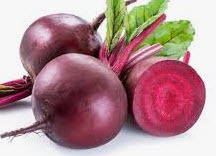
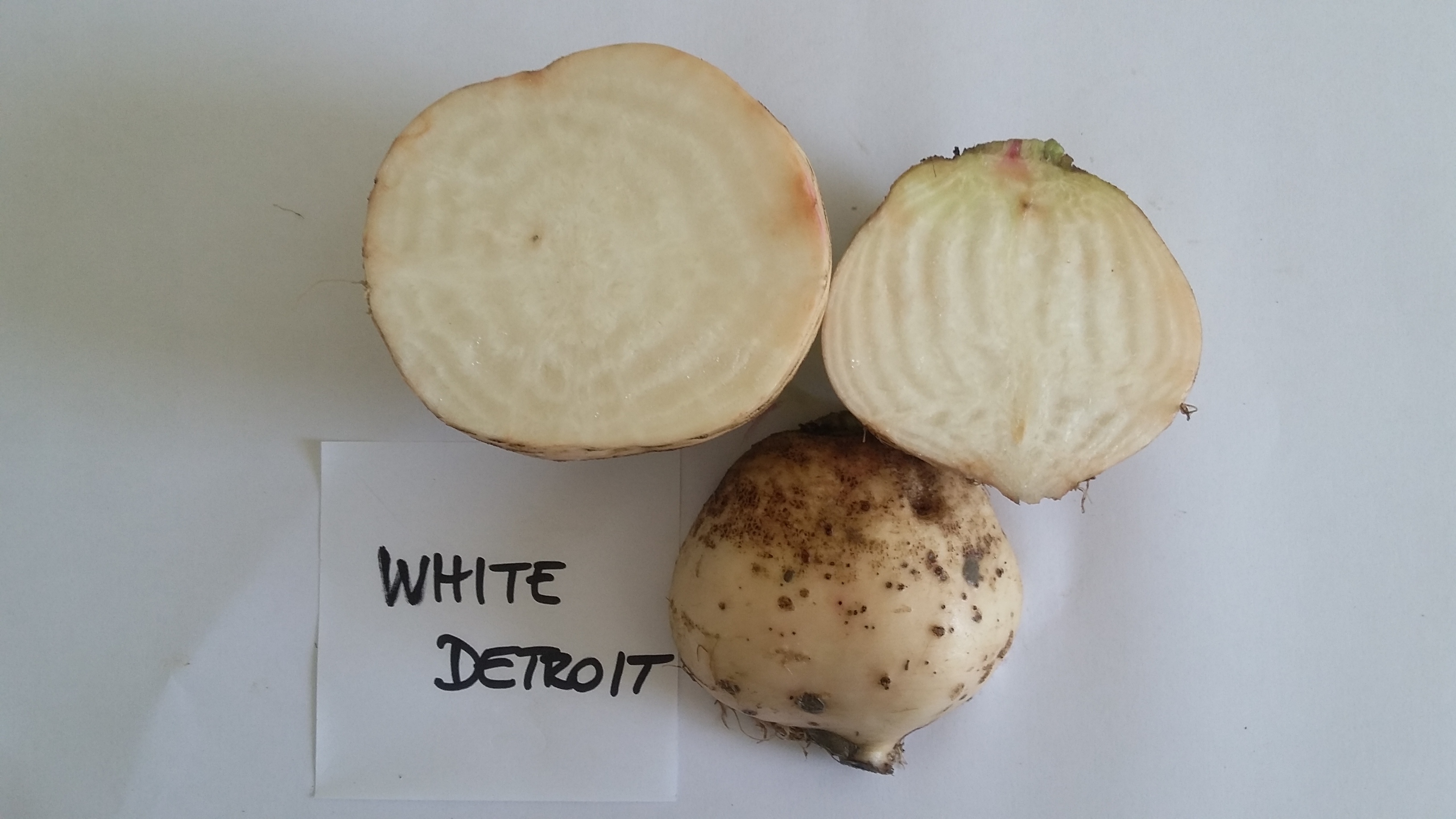
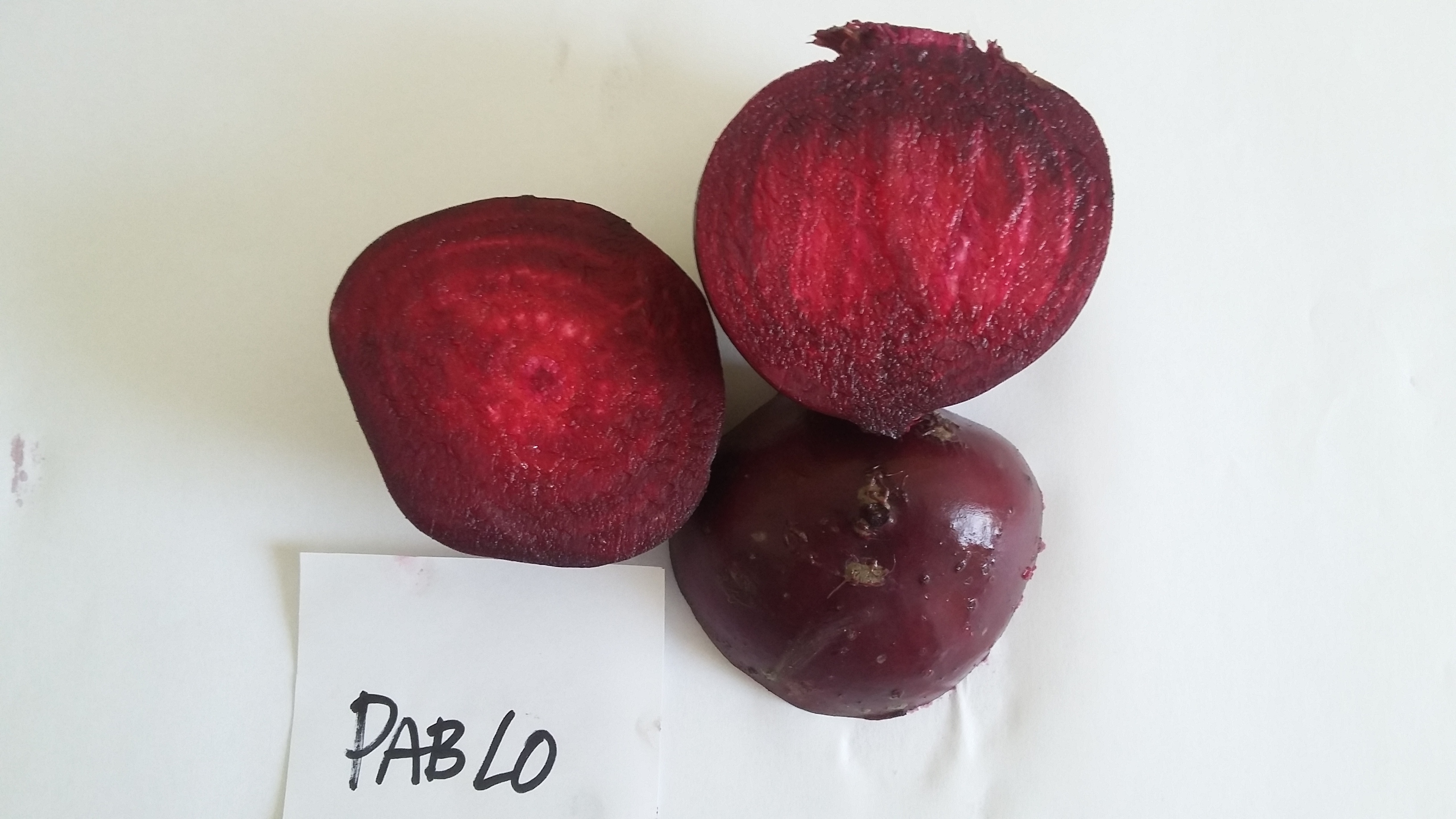
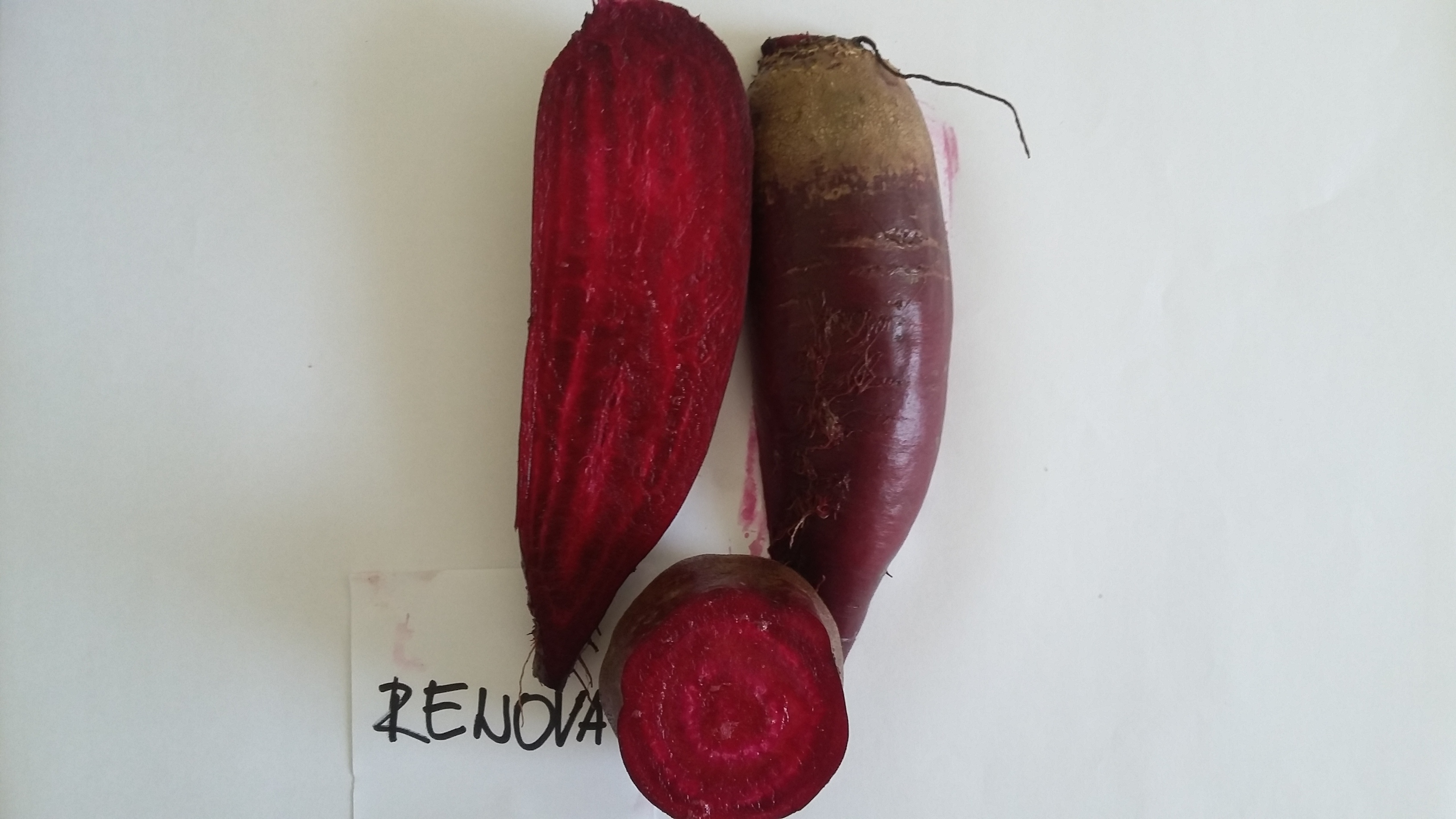
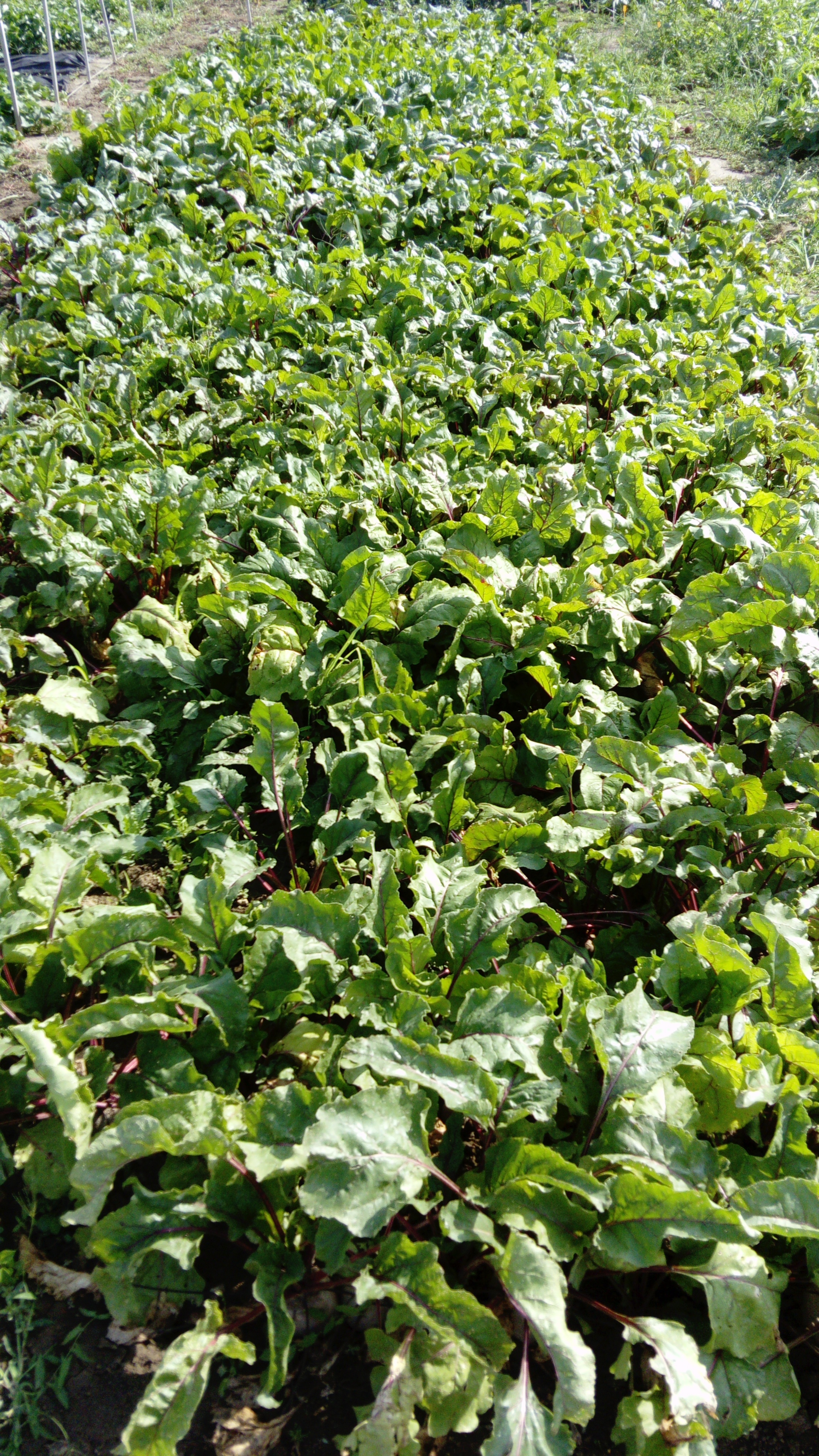
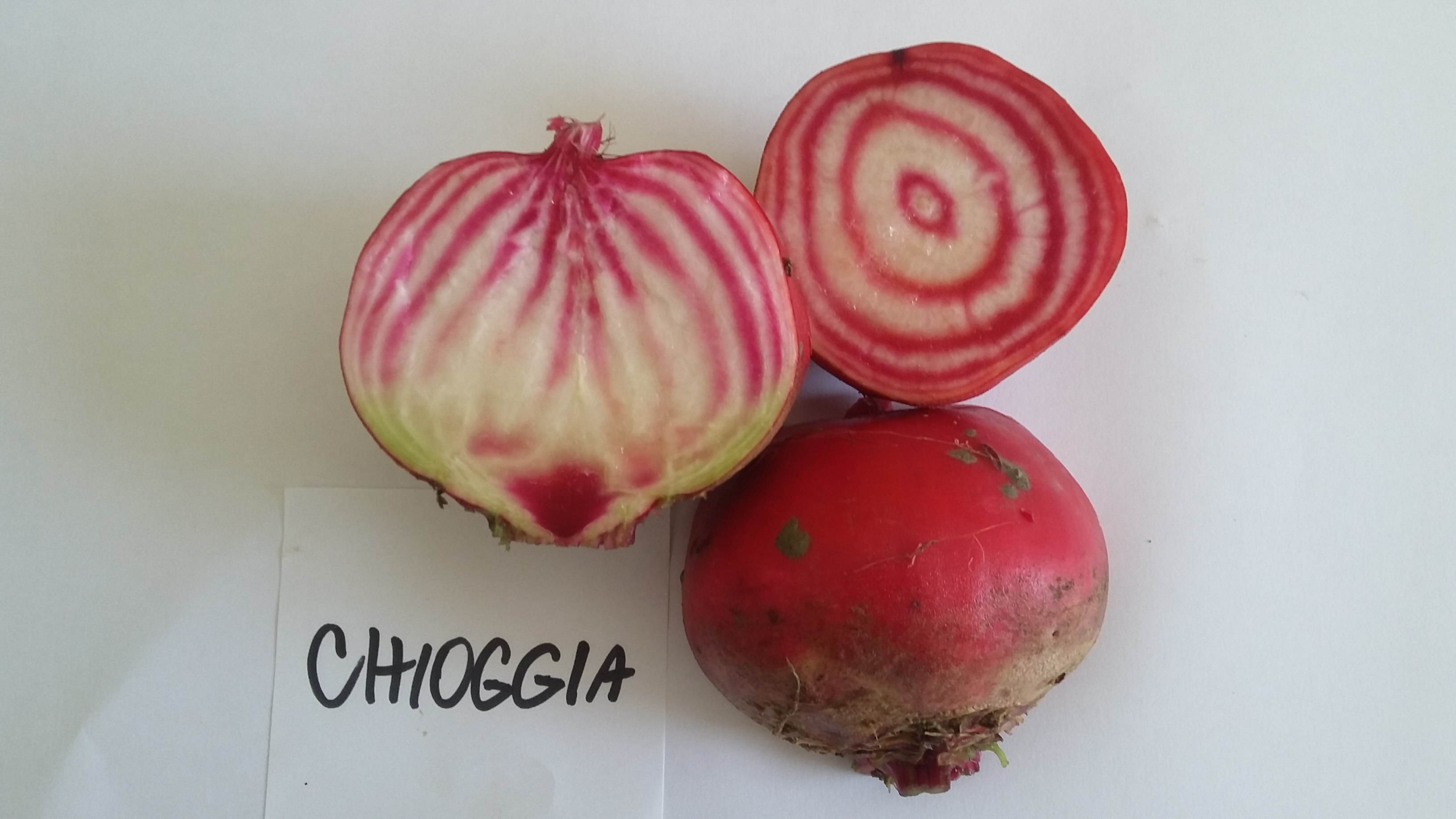
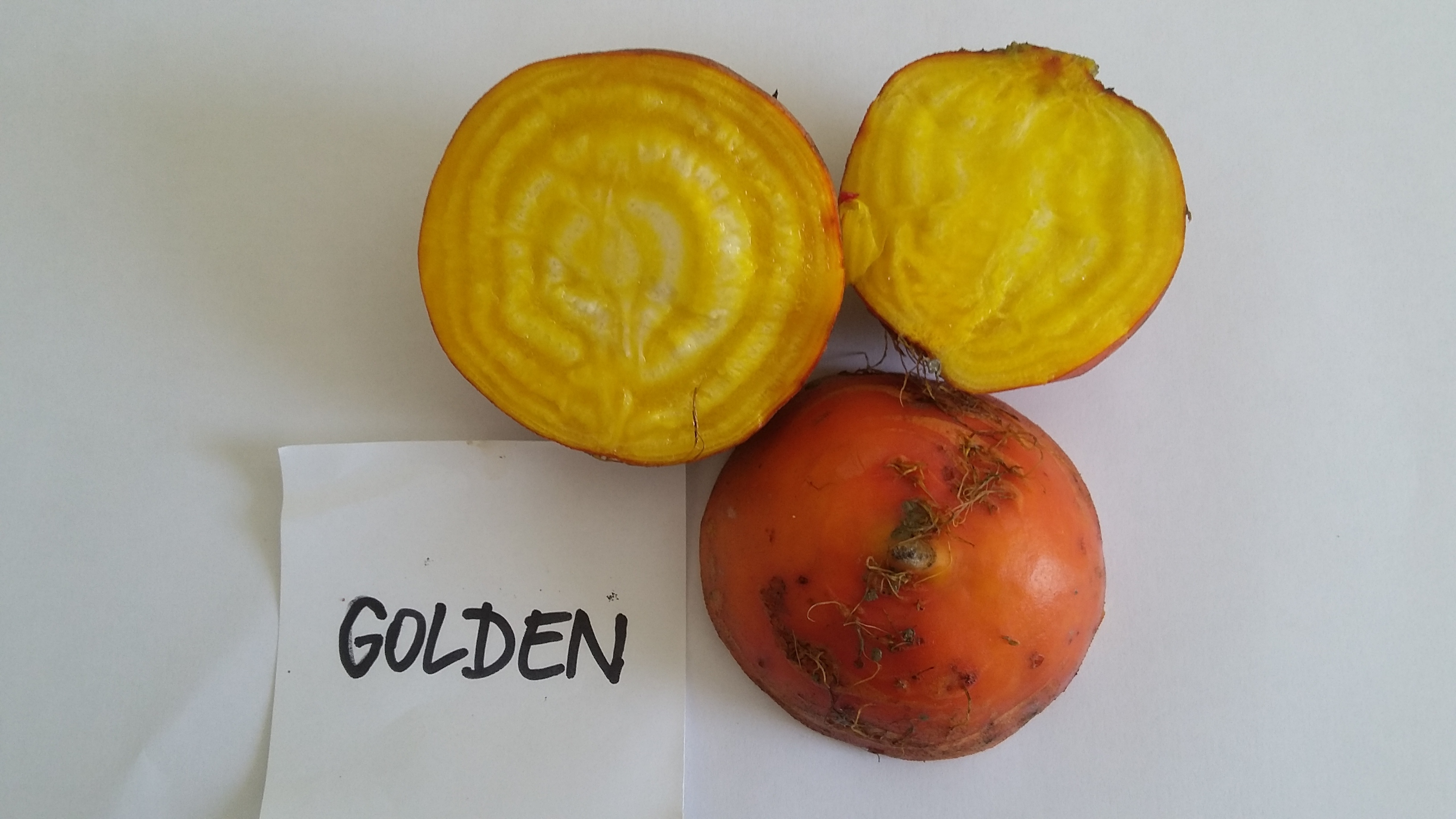
Short description of the species
Botanical name
Beetroot
Latin name
Beta vulgaris sk. Conditiva
Family
Chenopodiaceae
Origin
along coastlines from Britain to India
Crop classification
root vegetable
Plant height
flowering stem (2nd year): 1.2 m
Exposure
relatively undemanding (sun or semi-shadow)
Temperature requirement
ideal temperature 8-30 °C; low temp. within germination and emergence, jarovization risk; high temp. , growth retardation, root woodening
Keeping
medium
Water requirement
medium
Soil requirement
medium-heavy, permeable
Soil pH
6.5 – 7.5
Edible part
root
accessibility
Usage
direct consumption – salads, juices; processing – sterilization/conservationGrowing technology and harvest
Propagation
- generative – direct sowing
Spacing
- 0.30-0.40 x 0.10 m
- sowing depth = 30-40 mm
Harvest
- root diameter = 50-150 mm; in case of processing to cubes can be also more
- some of processing companies = conservation of small roots with diameter 30-40 mm (in this case, denser spacing can be used, e.g. 0.20 x 0.05 m)
- late harvest = woodening, cracking and bad coloration of roots
Important dates
| Month | I. | II. | III. | IV. | V. | VI. | VII. | VIII. | IX. | X. | XI. | XII. |
|---|---|---|---|---|---|---|---|---|---|---|---|---|
| Sowing | XX | XXX | XXX | |||||||||
| Harvest | XX | XXX | XX |
Storage
- temperature = 0-1 °C
- air humidity = 90-95%
- storage period at mentioned conditions = approximately 8 month (basic condition = health, un-damaged roots)
Use
- direct consumption – salads, juices
- conservation – small roots or cutting to cubes
Diseases and pests
- virus diseases: Beet yellow virus (BYV), Beet mosaic virus (BMV), Beet necrotic yellow vein virus (BNYVV)
- bacterial diseases: beet scabbing (Streptomyces scabies)
- fungus diseases: damping-off, black leg, black root and seedling blight (complex of various microorganisms and funguses, mostly Pleospora betae, Aphanomyces spp., Fusarium spp., Pythium spp. etc.), beet leaf spottiness (various fungus species, mainly Cercospora beticola, Ramularia beticola), beet mildew (Erysiphe betae), beet rust (Uromyces betae), downy mildew (Peronospora farinosa f. sp. betae)
- pests: beet root fly (Pegomya hyoscyami), pygmy mangold beetle (Atomaria linearis), bean aphid (Aphis fabae), flea-beetles
contact_support
Labeling Plants with QR Codes
At the Faculty of Horticulture and Landscape Engineering at SPU in Nitra, we've created a project that offers visitors to our plantings a new way to discover the beauty and intriguing aspects of plants. Each plant in our plantings has its own unique QR code. All a visitor needs to do is scan this code with their smartphone.
Encyclopedy
Informácie
Kontakt
Fakulta záhradníctva a krajinného inžinierstva
Tulipánová 7, 949 76 Nitra
phone +421 (37) 641 4229 — study department
email henrieta.budayová@uniag.sk



Copyright © 2026 Faculty of Horticulture and Landscape Engineering