

 Slovenská verzia
- home
- Fruits - general part
- Miscellaneous fruit
- Elderberry
Elderberry
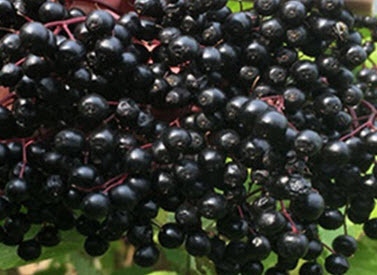
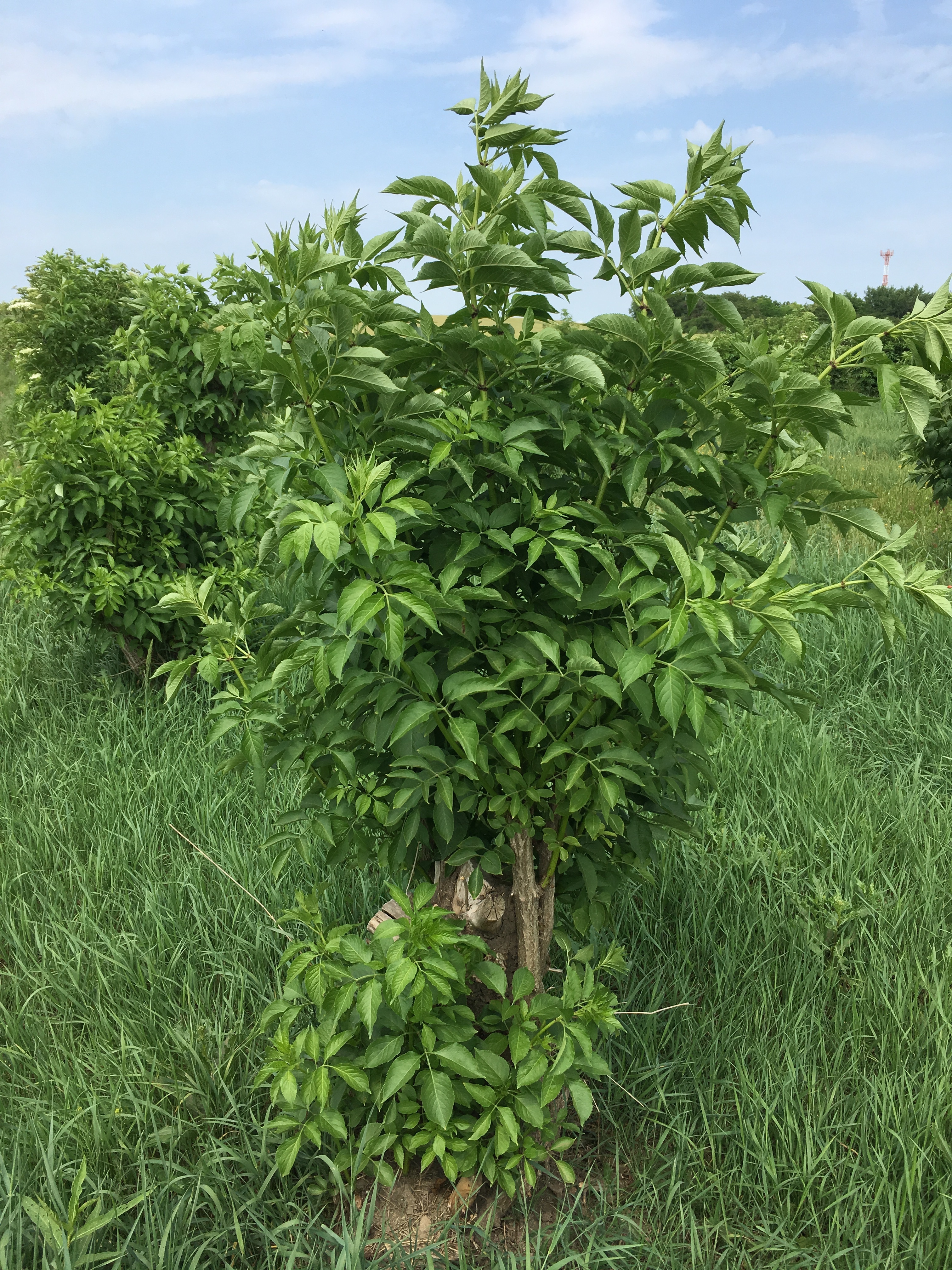
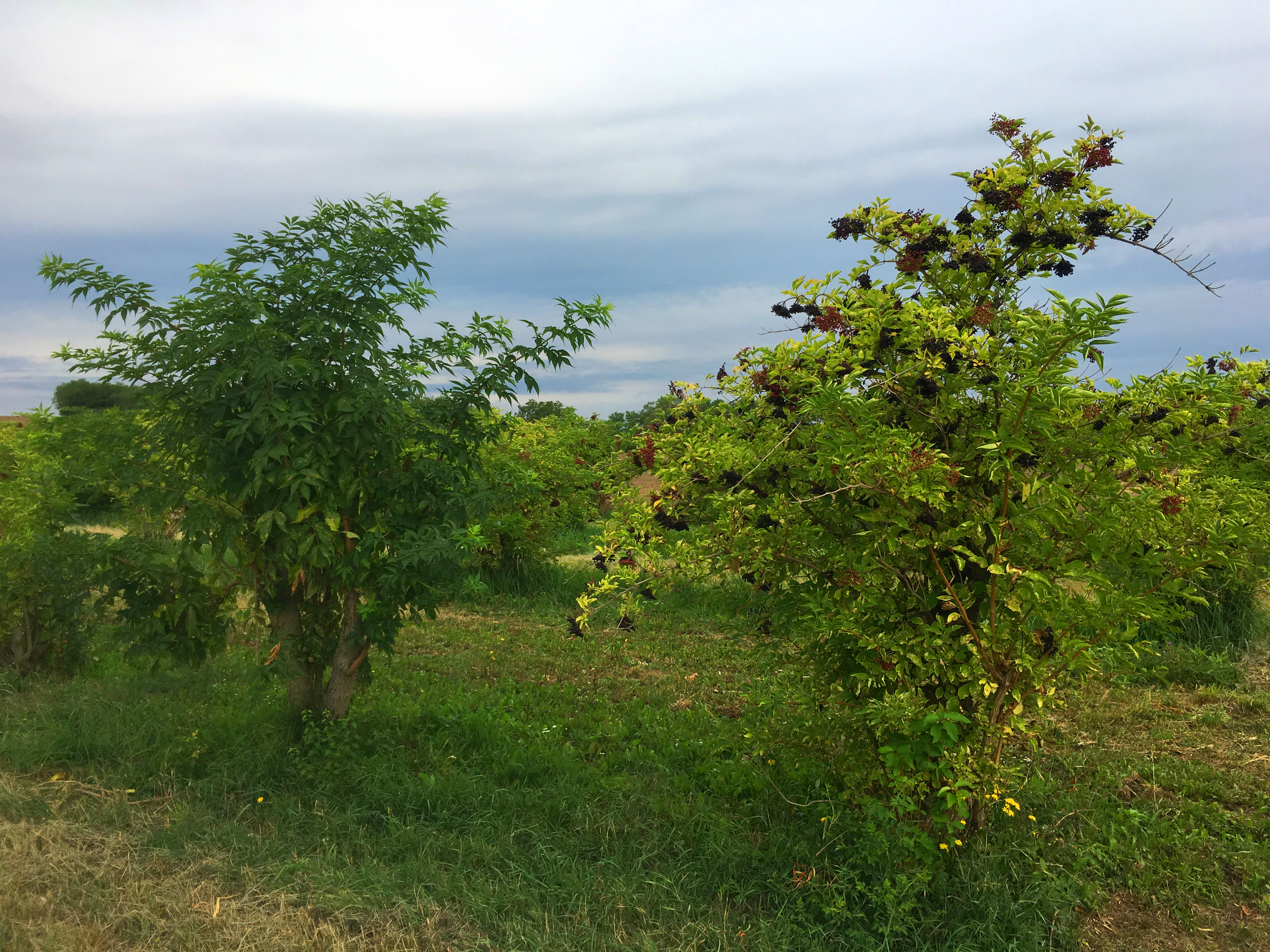
Elderberry bush is a deciduous shrub or small tree growing to a height and width of 6 meters, rarely reaching a height of 10 m. Berries have one of the highest antioxidant capacities among edible berries.
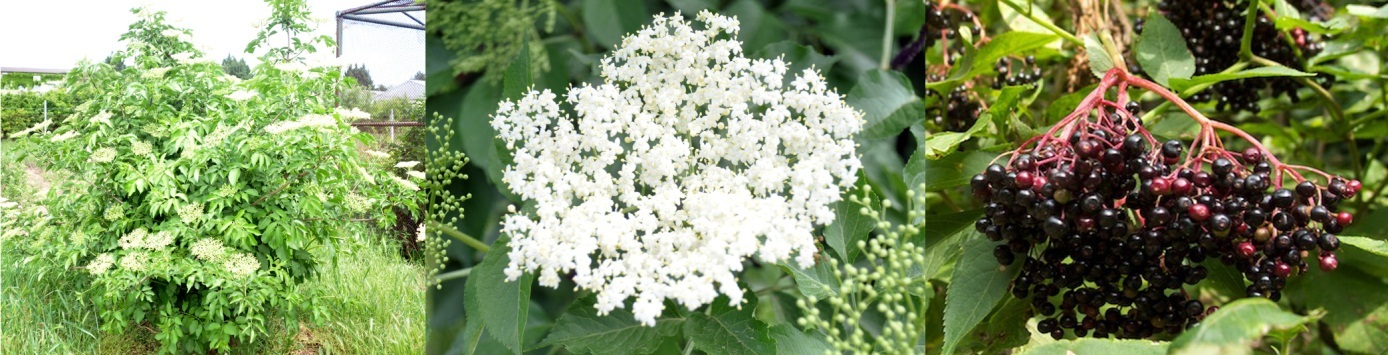
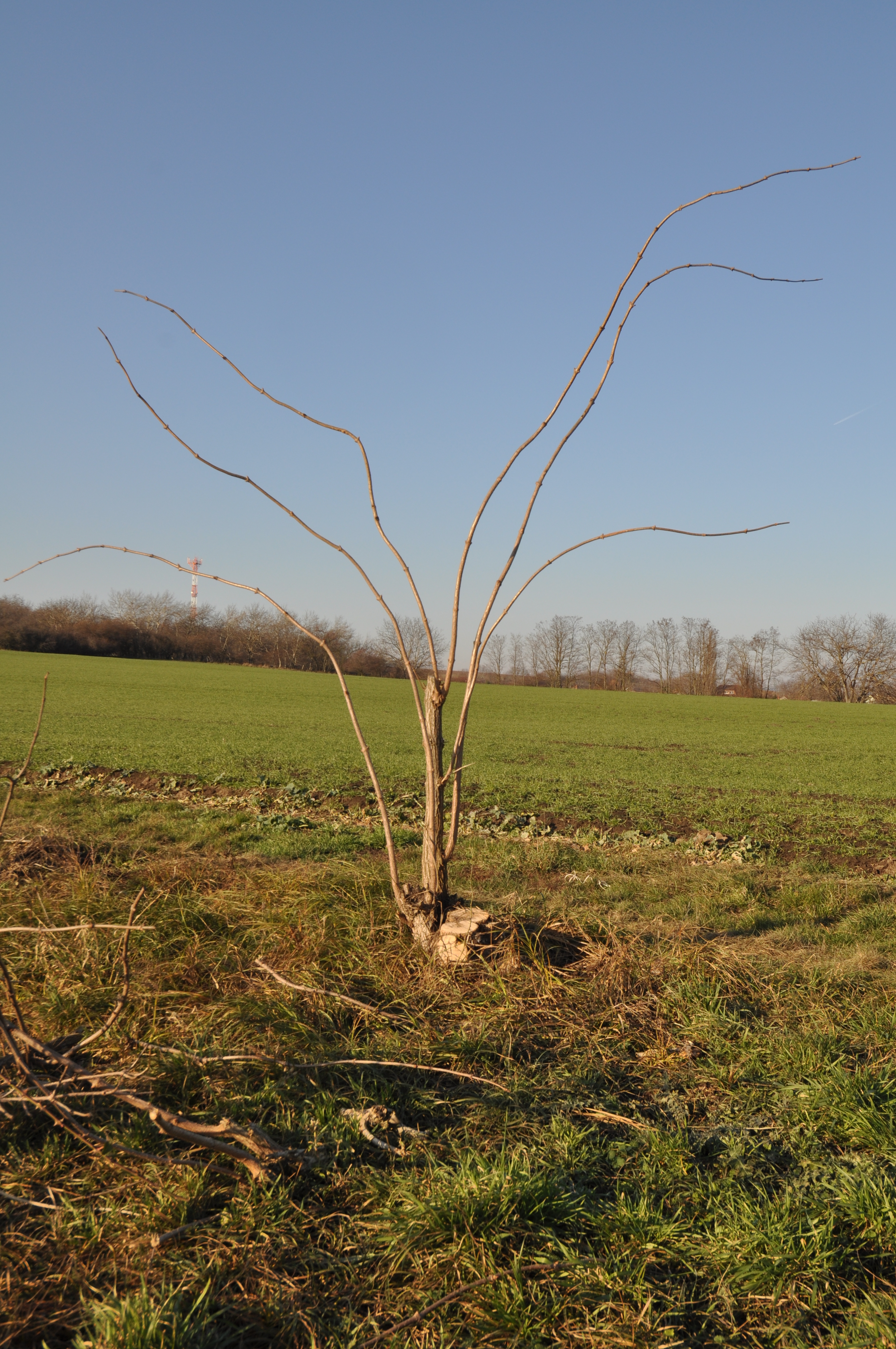
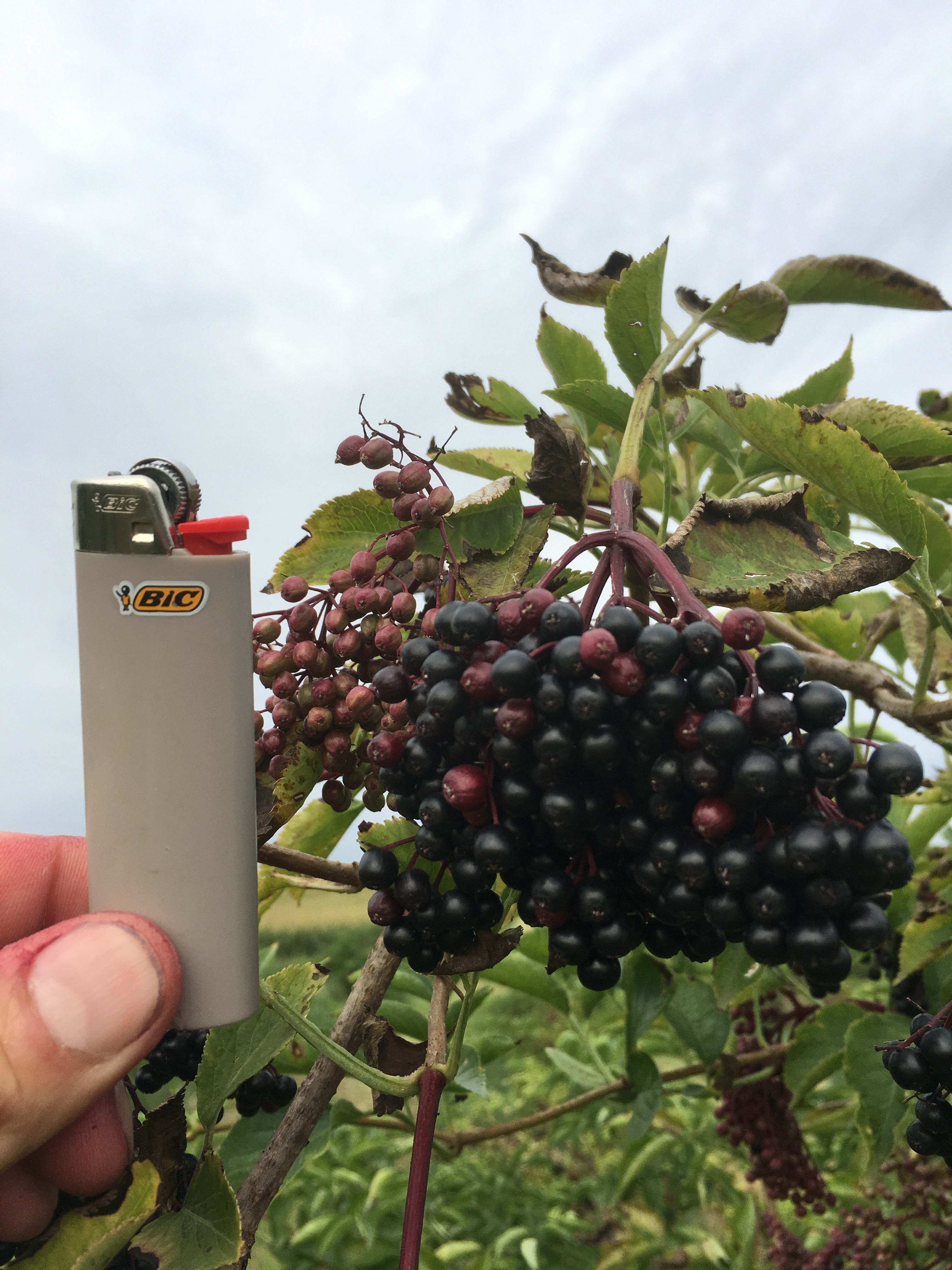
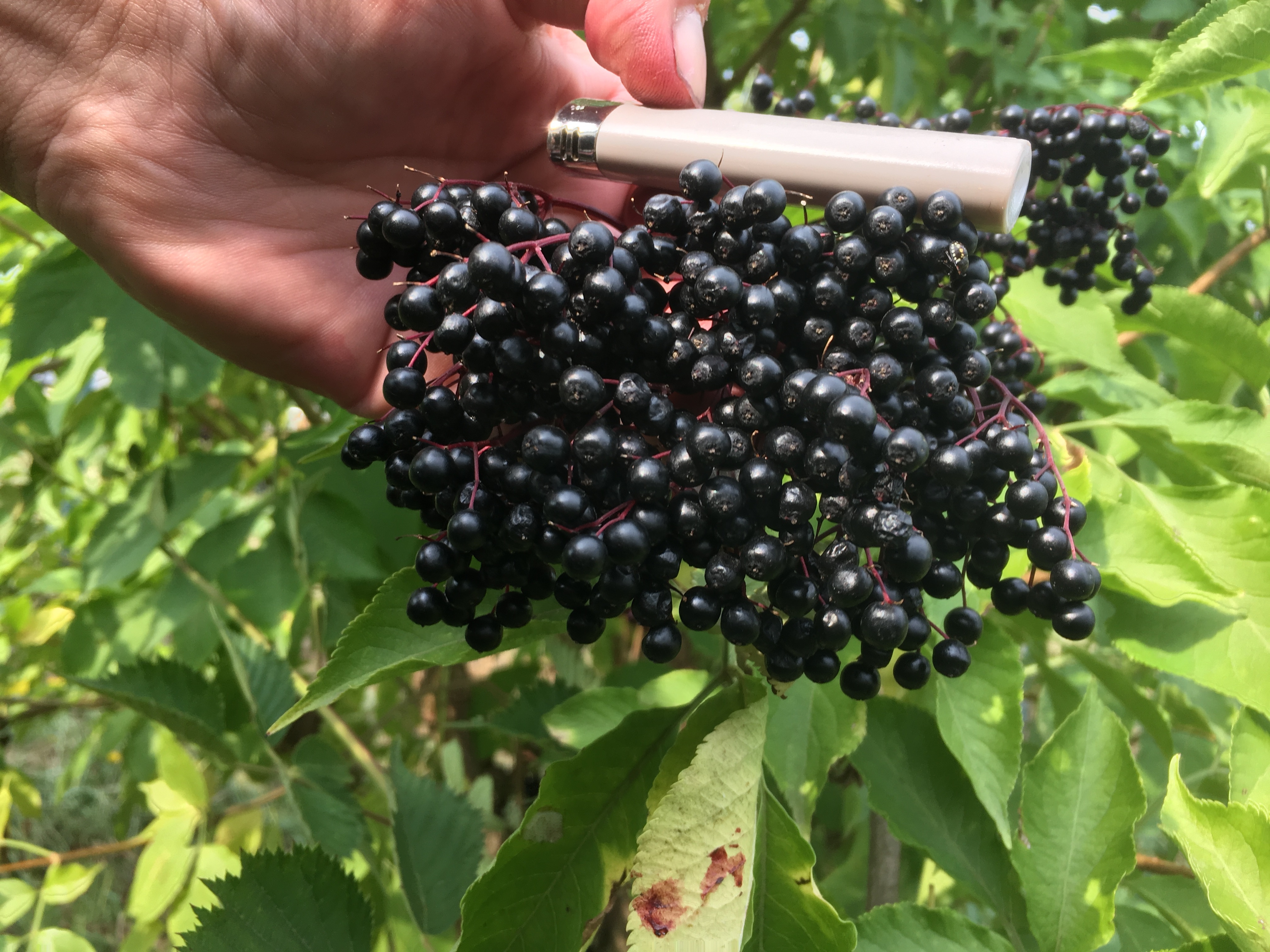
Short description of the species
Interesting
European red elder (Sambucus racemosa) is highly toxic to humans and is not recommended for commercial fruit production. It is mainly used as an attractive landscaping plant, but due to its toxicity, extreme caution is required.Usage
syrups from flowers, jams, jams and wine from fruitsSuitable growing locations
It is mainly suited to southern to southwestern exposures, where it will bloom profusely and provide a large harvest of fruits. It is a light-loving plant, but it also thrives in partial shade. It grows on fresh, humous, loose loamy, sandy-loamy or even clayey soils rich in nutrients and especially nitrogen, light and heavier, but moderately moist and loose. It is characterized by considerable resistance to winter frosts and is not in danger of being damaged even by spring frosts, as it blooms (depending on the area) from May to July.
Cultivation technology
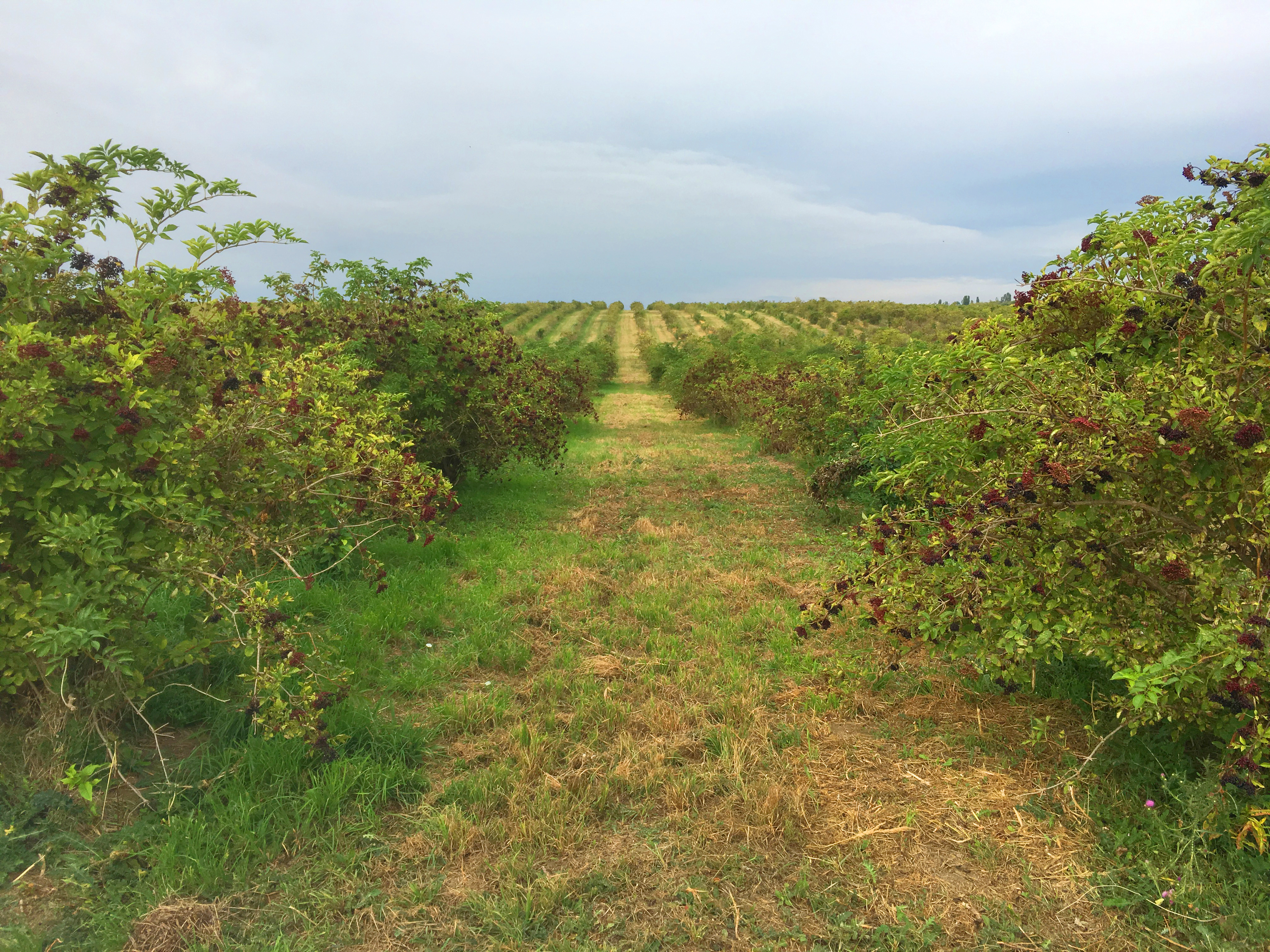
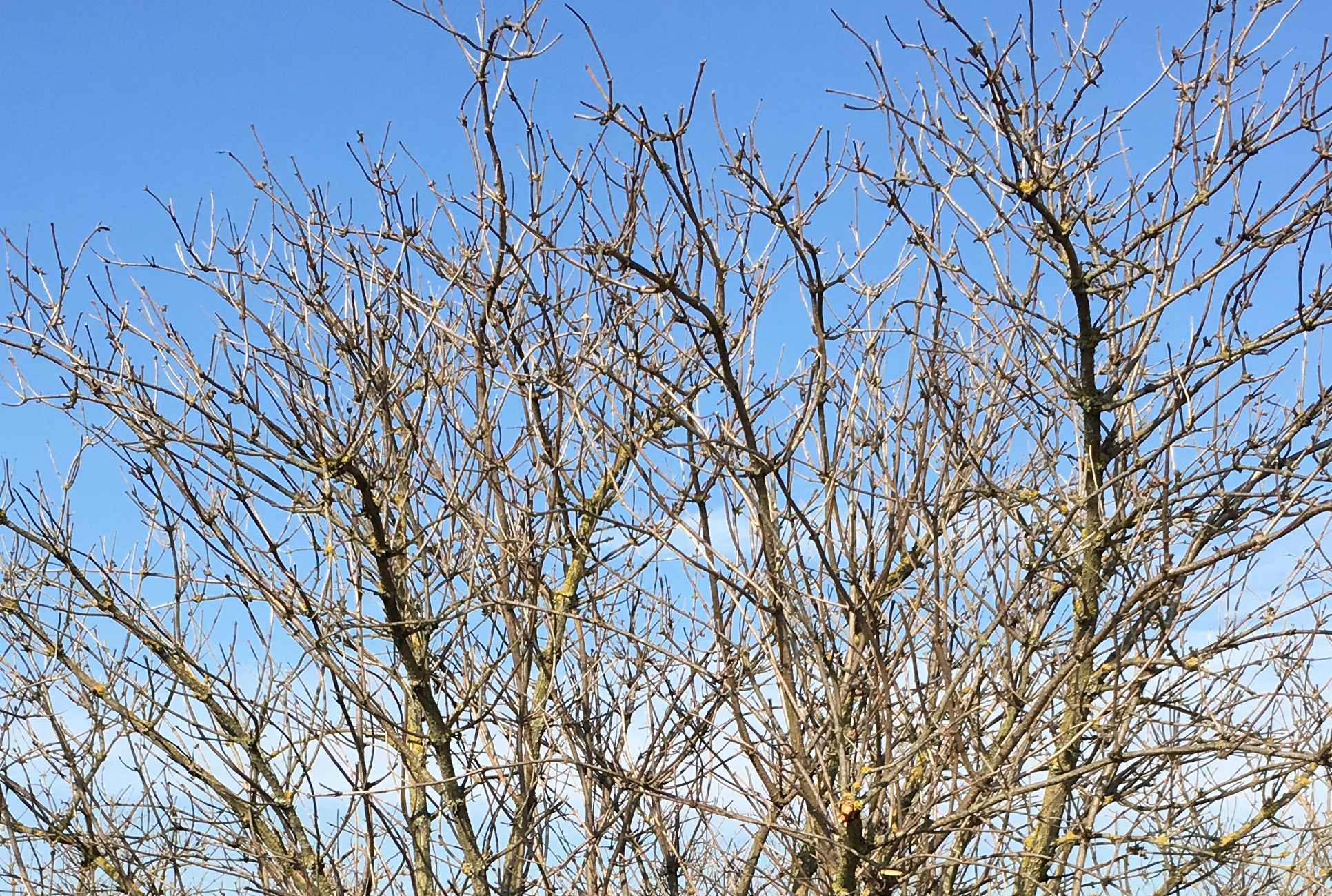
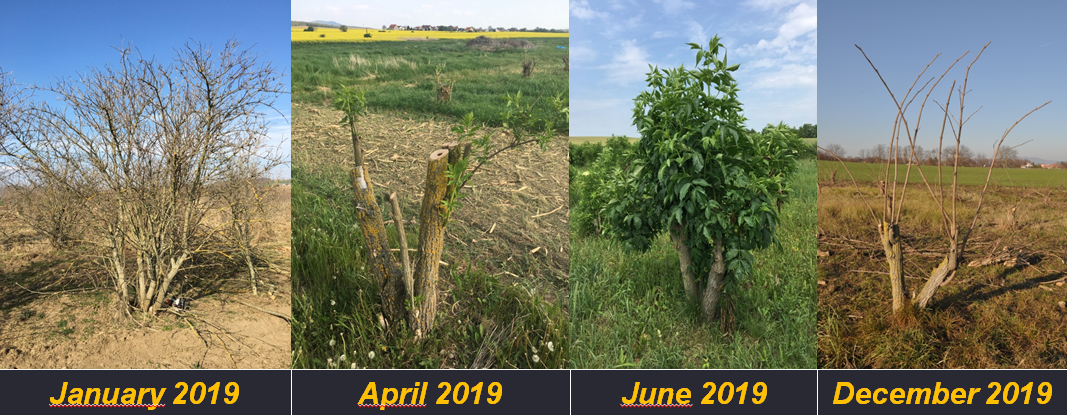
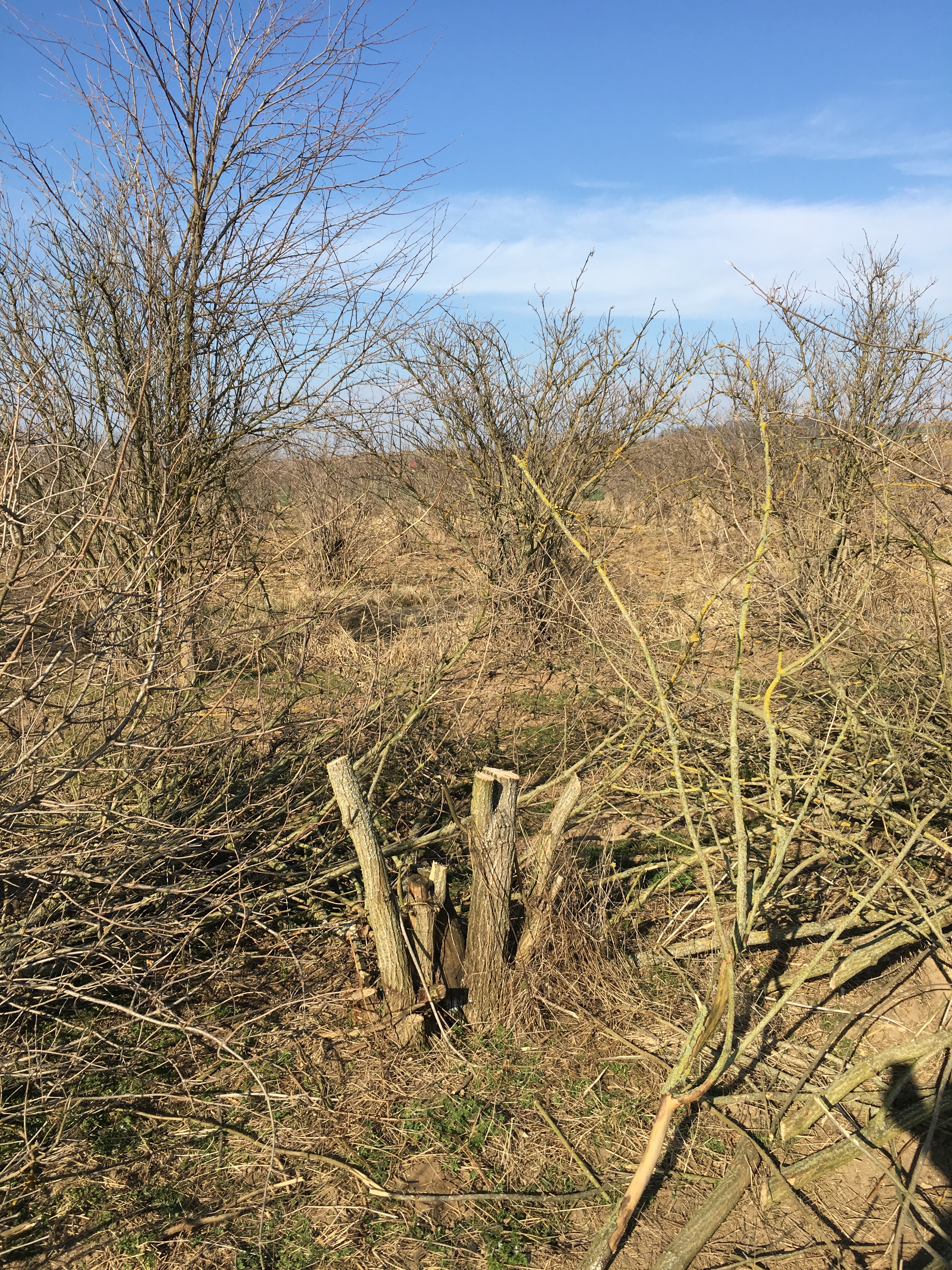
It has a basitonic character of growth with a tendency to form a small tree, the possibility of growing in the shape of a straight-rooted tree. Fertility is ensured by one-year shoots growing from older wood and on the growth, in order to achieve a higher quality of fruits and a regular harvest, fertility is oriented towards strong shoots growing annually from older wood after a deep cut. A suitable clip is 6.0 x 4.0-4.5 m. The tree forms a quarter trunk with 10-15 basic branches, which are regularly renewed. Every year, during the spring cut, two-year-old branches are removed and replaced by strong shoots growing from the base of the crown, while the number of remaining shoots increases gradually to 10 to 15.
Suitable varieties
Sambo, Haschberg, Donau, Heidegg 17
Diseases and pests
diseases: powdery mildew, verticillium wilt, spotting, root rot
pests: aphids, Japanese drosophila, mites
Labeling Plants with QR Codes
At the Faculty of Horticulture and Landscape Engineering at SPU in Nitra, we've created a project that offers visitors to our plantings a new way to discover the beauty and intriguing aspects of plants. Each plant in our plantings has its own unique QR code. All a visitor needs to do is scan this code with their smartphone.
Encyclopedy
Informácie
Kontakt
Fakulta záhradníctva a krajinného inžinierstva
Tulipánová 7, 949 76 Nitra
phone +421 (37) 641 4229 — study department
email henrieta.budayová@uniag.sk



Copyright © 2026 Faculty of Horticulture and Landscape Engineering