

 Slovenská verzia
- home
- Vegetable crops
- Miscellaneous vegetable
- Artichoke (Globe Artichoke)
- Artichoke (Globe Artichoke)
Artichoke (Globe Artichoke)
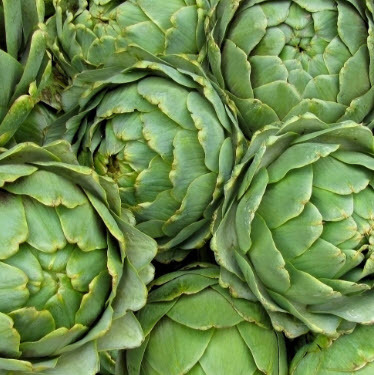
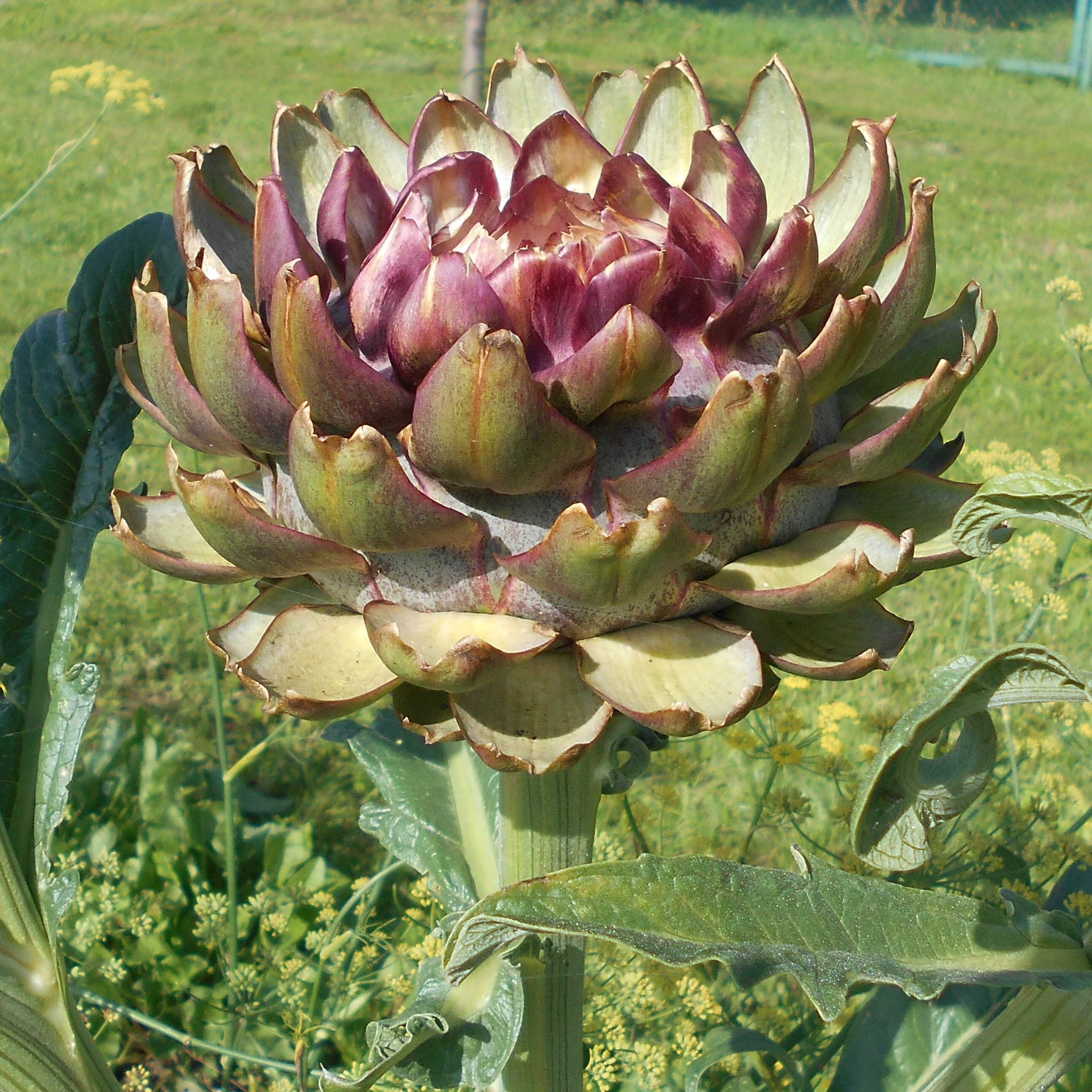
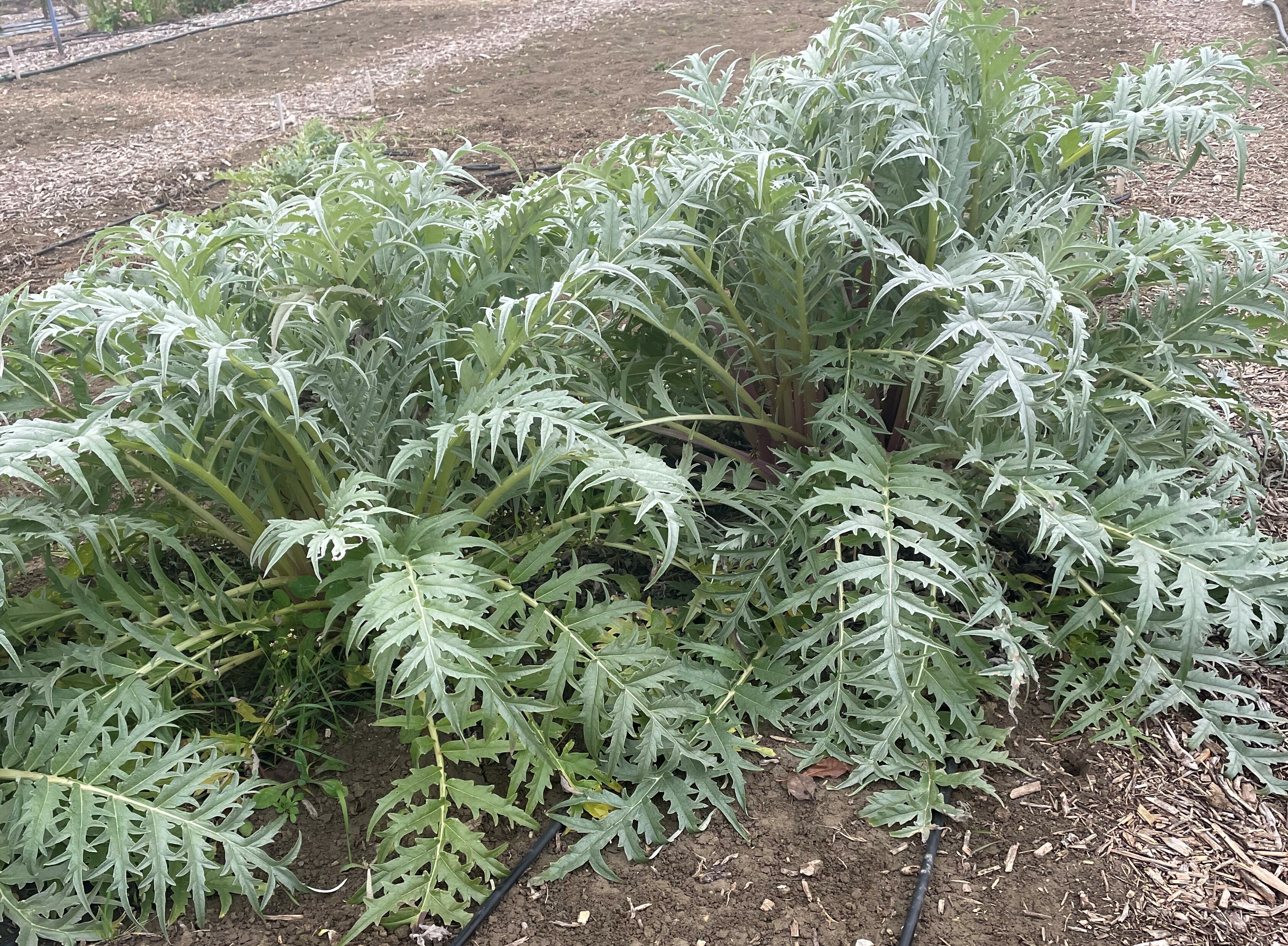
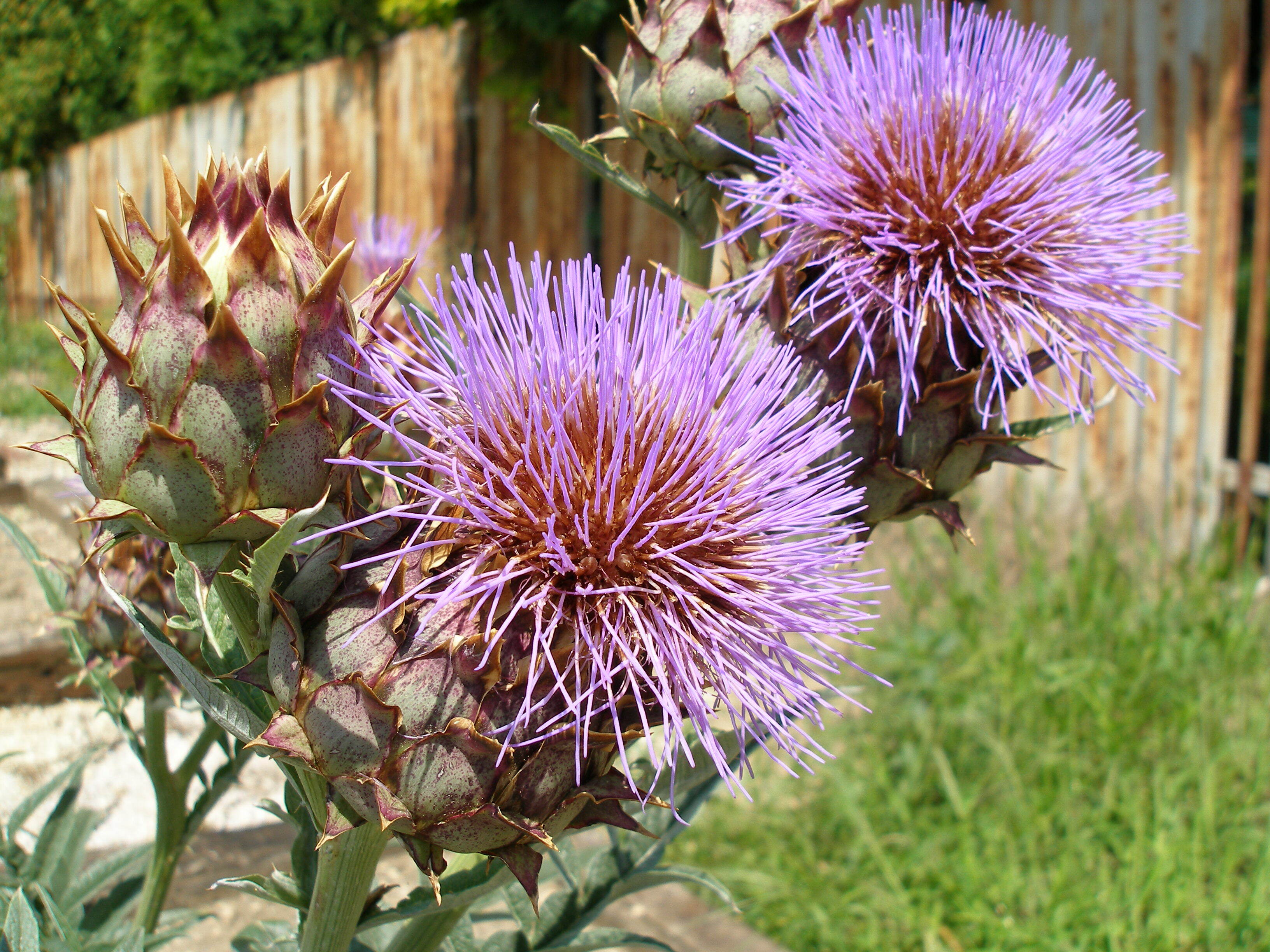
Short description of the species
Interesting
Even though artichoke is warm-requiring crop, it can over-wintering in conditions of South Slovakia in case of mild winter. However, precise preparation of plants to over-wintering is necessary.Usage
- boiling, steaming, grilling, conservation, ingredient to pizzaEnvironmental requirements, fertilization and inclusion in the crop rotation
Artichoke is a thermophilic vegetable. It is suitable for sunny locations. Frosts down to -3 °C do not damage it, but the inflorescences freeze at a temperature of -1 °C. In the southern parts of Slovakia, in mild winters, it can overwinter in open ground. At the end of the growing season, however, it is necessary to remove the faded and unharvested inflorescences, shorten the leaves and tie the plants. We can also mound them up, or cover them with corn plant residues or non-woven fabric. For cultivation, artichoke requires deep, humus-rich, loamy sandy soils with a pH of 6.5-7.5. It is a first-line crop, therefore, before planting, manure is applied at a dose of 50-60 t/ha. In perennial crops, it is recommended to fertilize the inter-rows with well-rotted manure in subsequent years. Every year in the fall, we apply phosphorus and potassium fertilizers at a dose of 80-100 kg P/ha and 100-150 kg K/ha. We apply nitrogen (80-100 kg/ha) in two doses. The artichoke requires sufficient moisture.
Cultivation
Artichokes reproduce both generatively (by seeds) and vegetatively (by lateral shoots, root division and meristematic). When growing from seed, it is advisable to pre-grow seedlings in heated areas. Sowing is done in February to March, in mini-planters with a cell diameter of 60 mm. They are planted in a permanent location in the second half of May in rows spaced 1.2 - 1.5 m apart and in rows spaced 0.8 - 1 m apart. Plants from later April sowings do not bloom in a given year, they are planted in autumn or in the spring of the following year. When propagating by lateral shoots, young shoots are taken from overwintered mother plants in the spring (April - May), which are nursed and planted in a permanent location in the spring of the following year. During the growing season, we keep the artichoke crop free of weeds and irrigate as needed.The collection of undeveloped inflorescences is done gradually by thinning from the end of June. In the first year of cultivation, smaller inflorescences may form. We collect them to support plant growth. When harvesting, we leave a 50-100 mm long flower stem on the cut inflorescences. 7-12 heads are collected from one plant. Artichokes are stored at a temperature of 0 to 0.5 °C and high humidity (90-98%) for two to three weeks.
Diseases and pests
The artichoke is not commonly attacked by pests or diseases. In very cold and rainy weather during flowering, the flowers may rot.
Labeling Plants with QR Codes
At the Faculty of Horticulture and Landscape Engineering at SPU in Nitra, we've created a project that offers visitors to our plantings a new way to discover the beauty and intriguing aspects of plants. Each plant in our plantings has its own unique QR code. All a visitor needs to do is scan this code with their smartphone.
Encyclopedy
Informácie
Kontakt
Fakulta záhradníctva a krajinného inžinierstva
Tulipánová 7, 949 76 Nitra
phone +421 (37) 641 4229 — study department
email henrieta.budayová@uniag.sk



Copyright © 2026 Faculty of Horticulture and Landscape Engineering